Vienna can feel big on your first day. This English guided city tour turns the map into a route you can actually use. I like that it mixes major landmarks with short stops that explain why each one matters, from Mozart’s world to the Habsburg finish at the Hofburg. I also like the small group size (up to 15), which makes it easier to hear the guide and keep pace. One thing to consider: the stops are brief, so if you want long museum time, you’ll still need to plan extra visits on your own.
The guide story is one of the biggest strengths. In feedback, the guide (named Nicoleta) gets called out for being clear, entertaining, and making sure everyone could hear her. If you’re the type who enjoys drama in history—who was in power, who fell out of favor—this tour’s mix of churches, politics, and arts should land well. Still, because it’s a walking route with lots of sights, it may feel like a fast hop-through if you prefer slow wandering and deep museum time.
The good news for your planning: you get practical extras along the way, including a printed Vienna information package, a city map, and suggestions for coffee houses to visit after the main walk. If weather is poor, the tour may move dates or refund, so keep an eye on forecasts for a smooth start.
In This Review
- Key things to love about this Vienna guided walk
- Why This 2-Hour Vienna Walk Feels Like a Smart Start
- Price, Group Size, and What You Actually Get for $46.96
- Meeting at Mozarthaus and Finishing at Hofburg: The Route Logic
- Mozarthaus Vienna: Mozart’s Two-Year Vienna and the Figaro House
- Stephansdom and the Pestsäule: Gothic Giants to Baroque Survival
- Peterskirche, Coffee-House Lore, and Ferstel’s Passage
- Schottenkirche’s Scottish Twist and Votivkirche’s 19th-Century Gothic
- Beethoven’s Apartment Museum and the University of Vienna Scandal
- Burgtheater, Rathaus, and the Greek-Style Parliament Facade
- Volksgarten Roses in Season and the Hofburg Finish
- Tips to Get More from the Walk (Without Rushing)
- Should You Book This Vienna Guided City Tour?
- FAQ
- What is the duration of the Vienna guided city tour?
- Is the tour offered in English?
- How many people are in a group?
- Where does the tour start and end?
- Is a mobile ticket used?
- What is the cancellation policy?
Key things to love about this Vienna guided walk
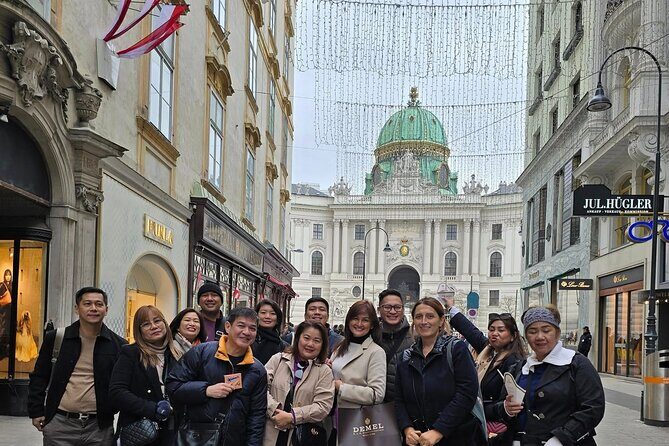
- Up to 15 people keeps the group manageable and the listening experience better
- Free-entry stops are built into the route, so you don’t have to budget extra for every stop
- Music, religion, and politics in one loop helps you understand Vienna as more than just buildings
- Coffee-house context makes the city’s famous café culture feel less random
- Ends at Hofburg so you finish where multiple follow-up sights cluster naturally
- A printed info package plus a map helps you keep moving after the tour
Why This 2-Hour Vienna Walk Feels Like a Smart Start
This tour is designed for the first-day problem: you see Vienna on postcards, but you don’t know how the pieces connect. Here, the guide builds a line from Wolfgang Amadeus Mozart through the city’s religious architecture, then into civic power and imperial life at Hofburg. You’ll leave with a mental model of the center instead of a pile of unconnected photo stops.
The pace is short-stop friendly. Many stops are listed at about 5 to 10 minutes, with one longer stretch near Hofburg. That structure matters because it keeps you moving, while still letting the guide place each landmark in context—what it is, roughly when it’s from, and why it became important.
I also like that it’s English and uses a mobile ticket. That’s practical if you don’t want to fuss with printed vouchers. It’s also a good fit if your schedule is tight and you want a single plan that covers a lot of the “greatest hits” without you doing the heavy thinking before you arrive.
You can also read our reviews of more guided tours in Vienna
Price, Group Size, and What You Actually Get for $46.96
At $46.96 per person for about 2 hours, this isn’t a bargain-price shortcut. It’s more like paying for guidance plus pre-packaged access and direction. For your money, you get a friendly guide for about 90 minutes, a small group capped at 15, and practical printed materials (Vienna information package plus a city map).
A key value point is the stop list marks admission as free at several landmarks. That can reduce the hassle of deciding, at each stop, whether you want to buy a ticket. Even when you’re not inside long, you still get the orientation and the “why this place exists” explanation that makes later independent visits more rewarding.
You should also know what’s not included: tips and entrance fees to museums (if any stop isn’t covered). If you’re planning to spend hours in museums that aren’t part of the free access, you’ll still want extra budgeting. But if your goal is a guided overview with access points, the price feels easier to justify.
One more planning detail: the tour is often booked about 37 days in advance on average. If you’re traveling in a busy stretch, book earlier rather than waiting until the last week.
Meeting at Mozarthaus and Finishing at Hofburg: The Route Logic
The tour starts at Wien Museum Mozart apartment (Mozarthaus), Domgasse 5, and ends in front of the Hofburg Palace at Heroes Square. That matters because Hofburg is a natural place to pivot into other sights once you finish.
The route is built around Vienna’s historic core. You move from Domgasse to Stephansdom, then into the Graben area for the Pestsäule (Colonna Della Peste). After that, the tour continues through the baroque church stop at Peterskirche, then into coffee-house territory near Julius Meinl Am Graben and a passage at Palais Ferstel.
Later you head toward Freyung and Schottenkirche, then on to major church architecture at Votivkirche. From there it shifts into arts and education with Beethoven Museum and the University of Vienna story, before landing at major civic and cultural buildings: Burgtheater, Rathaus, and the Austrian Parliament. The final touch is green space at Volksgarten (seasonal roses) and then the imperial complex at Hofburg.
Mozarthaus Vienna: Mozart’s Two-Year Vienna and the Figaro House
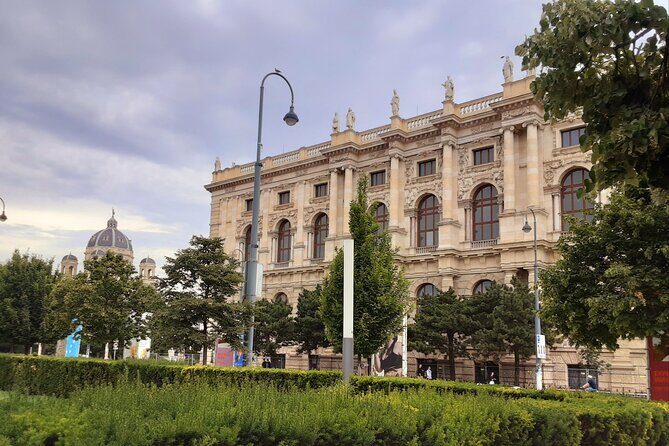
Your first stop is Mozarthaus Vienna, the Mozart house and museum where Mozart spent about two years. The tour highlights it as the so-called Figaro House, a nickname that helps connect Mozart’s life in the city to the works and cultural momentum people associate with Vienna.
Why this stop works early: it anchors the whole walk in one of Vienna’s strongest storytelling engines—music. When a guide can tie later sights (churches, theaters, civic buildings) back to the arts world, Vienna stops feeling like random architecture and starts feeling like one interconnected culture.
The itinerary also lists admission as free for this stop. That’s valuable because it sets a tone for the rest of the walk: you’re not paying again and again just to access key points. Expect a short, orientation-style visit rather than a long museum session.
Stephansdom and the Pestsäule: Gothic Giants to Baroque Survival
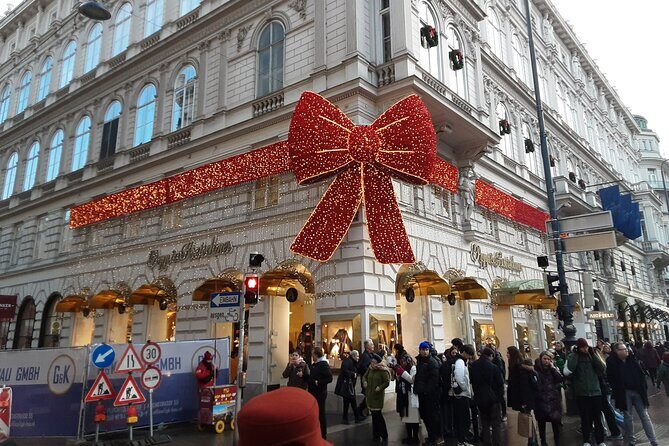
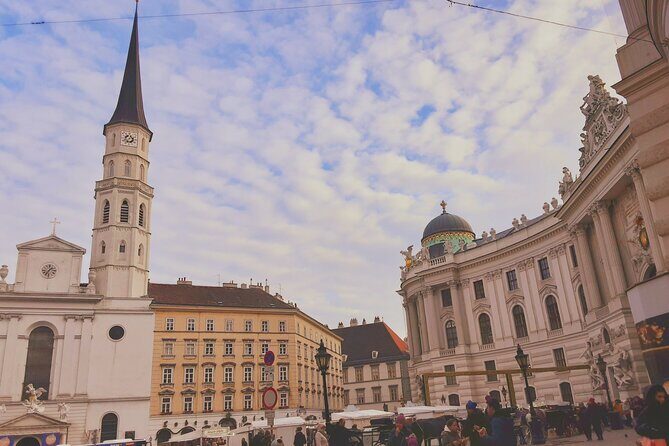
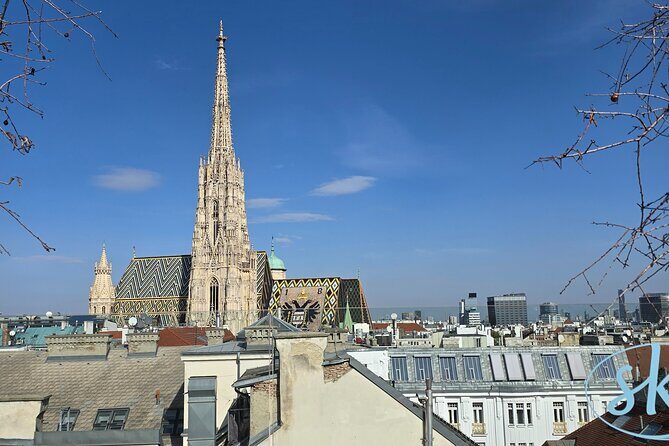
Next comes Stephansdom, the landmark cathedral of Vienna. The tour frames it as a wonderful gothic church from the 12th century. Even if you’ve seen it in photos, standing there matters because you can feel the scale and the age in the details.
Then you move to Colonna Della Peste (Pestsäule) in the Graben area. This is the Plague or Holy Trinity Column, a major baroque monument from the 17th century. The guide’s angle here is smart: it gives you a reason the city has these giant public statements in stone. You’re not just looking at style; you’re learning how Vienna remembered crises and faith in physical landmarks.
Both stops are listed with free admission and short time blocks (about 10 minutes each). That’s enough for photos, a quick sense of the building’s vibe, and context that you can carry forward when you see other churches or monuments later in the city.
You can also read our reviews of more city tours in Vienna

Peterskirche, Coffee-House Lore, and Ferstel’s Passage
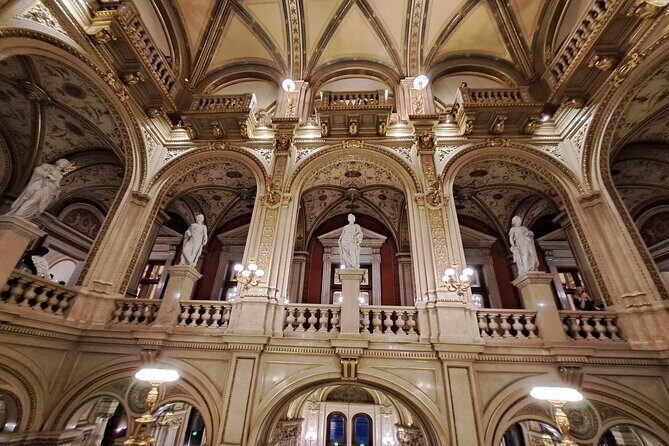
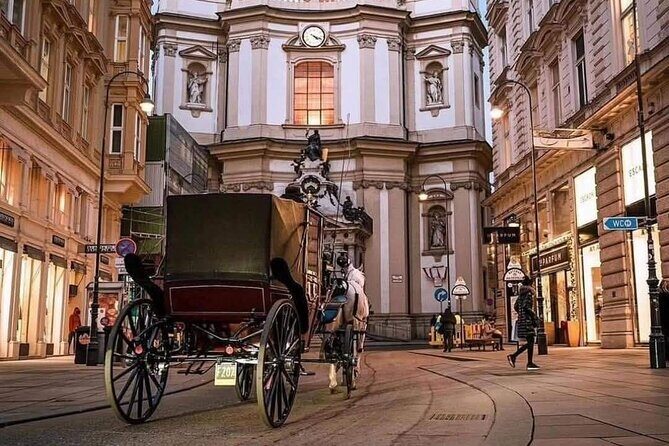
After the big cathedral and column, the tour shifts into baroque church beauty with Peterskirche. It’s described as the most beautiful baroque church of Vienna, and the route gives you a compact stop that lets the guide point out what makes it feel distinct.
Then the tour turns toward the city’s daily culture: Julius Meinl Am Graben. This part is about the story of the first coffee houses in Vienna and why coffee-house culture became such a big deal. Importantly, you’re not left with just one lecture. The tour plan notes that you’ll get suggestions for coffee houses to visit during the tour, so you can use the walk as a launchpad for a real plan later.
Finally, you visit Palais Ferstel, including the historical Café Central setting and a walk through its beautiful passage. This is a good example of how the tour mixes “famous building” with “how people actually live and meet here.” If you want Vienna to feel human—not just grand—this is one of the best segments.
Admission is listed as free here too, which makes this section easier to justify without constantly checking your wallet.
Schottenkirche’s Scottish Twist and Votivkirche’s 19th-Century Gothic
Vienna can surprise you with its cultural oddities, and this tour leans into that. At Schottenkirche, you explore why Vienna has a Scottish church and monastery at Freyung, one of the oldest parts of the city. The guide also connects Freyung to its seasonal markets, which attract a large number of visitors throughout the year.
That market angle is practical. Even if you’re not shopping, you get a sense of where locals and visitors gravitate. It helps you pick the right neighborhood to return to later for food or browsing.
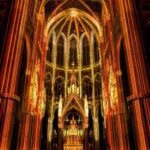
Then you head to Votivkirche, described as a modern gothic church from the 19th century and one of the most magnificent churches in Vienna. The tour gives it about 5 minutes, but the short time still works because the guide’s job is to explain what changed between earlier medieval gothic architecture and this later gothic style revival.
Both church stops are free on the itinerary, and the timing makes them easy to fit into a single walking plan without exhausting your legs.
Beethoven’s Apartment Museum and the University of Vienna Scandal
Music continues with Beethoven Museum, the apartment and museum of Beethoven in Vienna. Since the itinerary lists it as free and only about 5 minutes, treat it like a guided spotlight. You’ll likely get enough to understand why this site matters and whether you want to return for longer independent time.
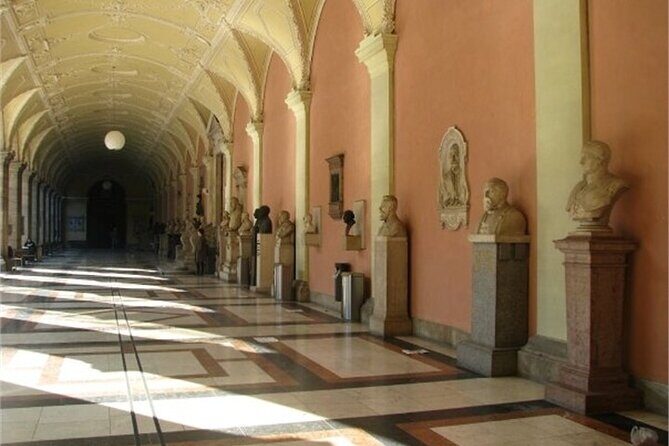
Then comes a big narrative shift at Universität Wien. The tour frames it with three hooks: who started it, why it exists, and a scandal behind him—so you get an education story that doesn’t feel dry. In fact, this is one of the most entertaining ways to learn about power in Vienna: institutions build influence, and influence comes with drama.
This stop is short, but it’s built for understanding. If you like your history with character and conflict, this is the kind of segment you’ll remember when you later see Vienna’s courts, parliaments, and theaters.
Burgtheater, Rathaus, and the Greek-Style Parliament Facade
The route then steps into performance and power.
Burgtheater is next, described as the oldest theater in Vienna, originally part of the Hofburg palace and later transferred to a magnificent building in the 19th century. That detail is a reminder that Vienna’s arts world and imperial world are linked. Buildings move, institutions evolve, and the city reorganizes itself to match politics and culture.
After that, you reach Rathaus, the Gothic city hall on the Ring Street. It’s framed as an impressive building in the heart of Vienna. Even without going inside, the guide’s perspective helps you read the architecture like a civic statement—what the city wanted to project.
Then it’s Österreichisches Parlament, the Austrian Parliament. The tour calls out its breathtaking Greek-style architecture and its charm. That’s a good contrast to the Gothic nearby. You get a quick visual education: Vienna isn’t just gothic churches and baroque columns. It also speaks the language of classical ideals when it wants to.
These stops are listed at about 5 minutes each and admission is marked free. That makes them ideal for short attention spans and people who want a guided “spotlight” rather than a full architectural tour.
Volksgarten Roses in Season and the Hofburg Finish
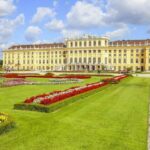
You wrap up with Volksgarten, a garden with thousands of colorful roses from April to November. The note is simple and useful: do not miss it if your dates line up. Even a 5-minute stop here can change the feel of the tour because it gives you a breather after dense streets of stone and civic buildings.
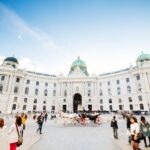
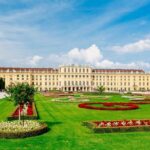
Then you finish at Hofburg, the Winter Palace of the Habsburgs. The itinerary frames it as a complex of several buildings built in different centuries and styles. That description is exactly what you need before you arrive: don’t expect one uniform palace. Expect layers.
You’ll spend about 20 minutes here, which is notably longer than most stops. That extra time makes sense. Hofburg is where your other Vienna plans can plug in, whether you’re planning more architecture walks, looking for nearby museums, or just using it as a landmark to navigate.
Tips to Get More from the Walk (Without Rushing)
Here’s how I’d plan this tour if you want it to pay off later.
Wear shoes that handle uneven old-city sidewalks. The itinerary is packed with short stops, so comfort matters more than you think. Bring your phone for photos, but don’t let pictures eat all your time at each site.
Use the information package and map during your remaining days. The tour includes a printed Vienna information package and a city map, plus practical suggestions. If you ignore them, the tour still works as orientation, but you’ll miss the easy next-step planning.
For the coffee-house segment, treat it as research for your meals. The Julius Meinl Am Graben stop is positioned to explain how Vienna built its café culture and which places are good bets. When you go later, you’ll understand what you’re ordering beyond caffeine.
Finally, remember the tour requires good weather. If rain or bad weather hits, the operator may offer a different date or a full refund. If you’re choosing between two possible days, pick the cleaner forecast.
Should You Book This Vienna Guided City Tour?
Book it if you want a fast, focused orientation to central Vienna with an English guide and a small group feel. It’s especially worth it early in your trip, when you’re still figuring out where everything sits. The biggest payoff is the way the route links major landmarks—churches, monuments, theaters, and government—so Vienna starts to make sense as one story.
Skip it or consider a different format if you need long museum time. The stops are short by design, including music and education sites like Beethoven and the University of Vienna. You can still enjoy them, but you’ll likely want to return later for deeper visits if museums are your main priority.
If you’re on a moderate budget and you like structure—meeting, walking, explained stops, then choosing your own next steps—this one is a solid value. The free access marking for multiple stops plus the practical materials make it easier to see where your money goes.
FAQ
What is the duration of the Vienna guided city tour?
The tour lasts about 2 hours.
Is the tour offered in English?
Yes, it is offered in English.
How many people are in a group?
The group size is limited to a maximum of 15 people.
Where does the tour start and end?
It starts at Wien Museum Mozart apartment (Mozarthaus) at Domgasse 5, and it ends at Hofburg Palace at Heroes Square.
Is a mobile ticket used?
Yes, the tour uses a mobile ticket.
What is the cancellation policy?
You can cancel for a full refund if you cancel at least 24 hours before the start time. If you cancel less than 24 hours before, the amount paid is not refunded.