REVIEW · VIENNA
Vienna: Hofburg Palace and Principessa Sissi Tour
Book on GetYourGuide →Operated by Mario Vienna Guide · Bookable on GetYourGuide
Sissi at the Hofburg is surprisingly human. You’ll connect the legends to the actual palace world—politics, daily routines, and personal details—without getting lost in big-deal museum overwhelm. The format is tight, focused, and led by a licensed guide you can actually talk with.
What I like most is the way the tour explains Sissi as a real person, not just a costume story. You also get great momentum because the stop includes skip-the-line museum entry, so you spend your time inside rather than waiting outside.
One consideration: the tour is in Italian, so if that’s a struggle for you, you’ll want to plan for reading cues more than understanding everything word-for-word.
In This Review
- Key Things You’ll Notice on This Hofburg and Principessa Sissi Tour
- Hofburg and Sissi: Why This Pair Works in Vienna
- Arriving at Josefsplatz and Finding Your Group
- Inside the Sisi Museum: The Stories You’ll Actually Remember
- The Hofburg as a Living Machine of Power
- Imperial Apartments: Furniture, Art, and Sissi’s Gym
- The Rooms for Audiences: How the Palace Worked
- Guide Style in Italian: Clarity, Humor, and Real Answers
- Price and Value: Is $81 for 90 Minutes Worth It?
- Practical Expectations: Rules That Affect Your Visit
- Who This Tour Suits Best (And Who Might Want More Time)
- Should You Book the Hofburg and Principessa Sissi Tour?
- FAQ
- How long is the Hofburg Palace and Principessa Sissi tour?
- Where does the tour start?
- How do I find the meeting group?
- Is the tour in Italian?
- What’s included in the ticket price?
- Are flash photos allowed?
- Is the tour wheelchair accessible, and what about children?
Key Things You’ll Notice on This Hofburg and Principessa Sissi Tour
- Sissi Museum storytelling: you get the Empress Sissi narrative anchored in palace rooms, not generic biography
- A guide you can question: you’re encouraged to ask personal questions and get direct answers
- Imperial Apartment details: furniture, art, and personal items that show how the Habsburgs lived
- Sissi’s gym: a specific feature that makes her routine feel tangible
- Audience rooms: you see where an emperor held audiences, which helps you understand power in action
- Fast entry: skip-the-line access keeps the 90 minutes from slipping away
Hofburg and Sissi: Why This Pair Works in Vienna
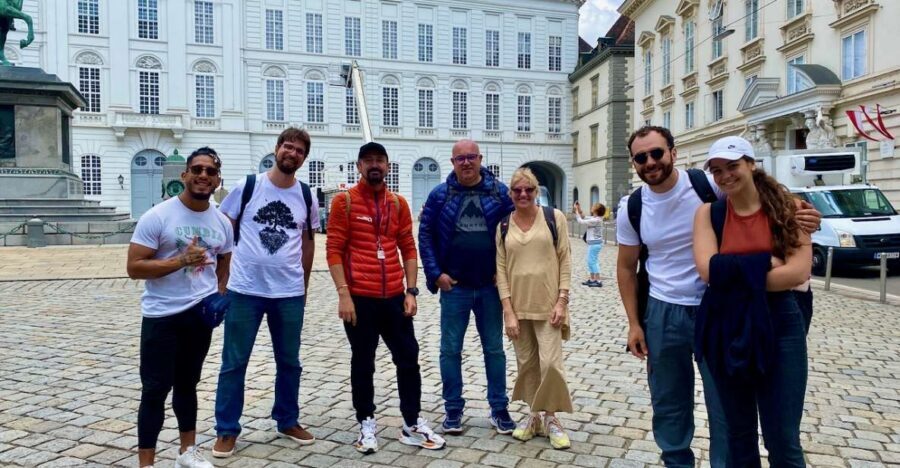
If you’ve ever thought Vienna’s grand palaces feel a bit untouchable, this tour helps fix that. The Hofburg isn’t just a pretty building—it was the political center of the Habsburg monarchy for centuries, and it also functioned as an imperial residence. When your guide connects those dots, Sissi stops being a distant figure and starts feeling like someone who lived inside the machinery of empire.
You also get a smart balance: the tour includes both the Sissi Museum area and parts of the imperial residence experience (the Imperial Apartments). That means you’re not only hearing about her—you’re also looking at rooms that explain how the palace shaped daily life and public power. For many visitors, that’s the difference between a “nice visit” and a “I get it now” visit.
And because the tour includes time for questions, you can steer your curiosity. Want the lighter side? Want the more personal side? This format lets you ask, and the guide’s style (often described as clear and humorous) makes it easier to follow along even when details pile up.
You can also read our reviews of more tours and experiences in Vienna.

Arriving at Josefsplatz and Finding Your Group
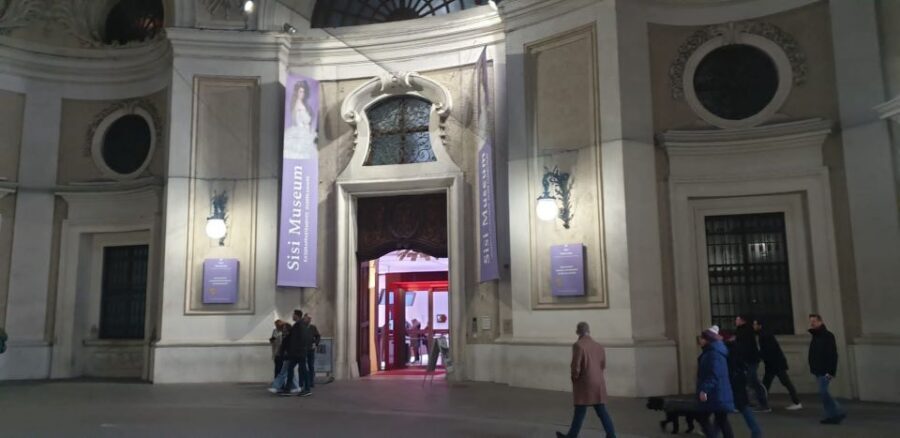
The tour starts at Josefsplatz, a convenient central meeting point that makes it easier to pair with other Vienna sights later. You’ll want to arrive a few minutes early so you can get oriented and avoid the last-minute scramble that always cuts into your enjoyment.
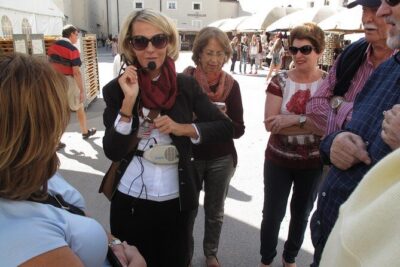
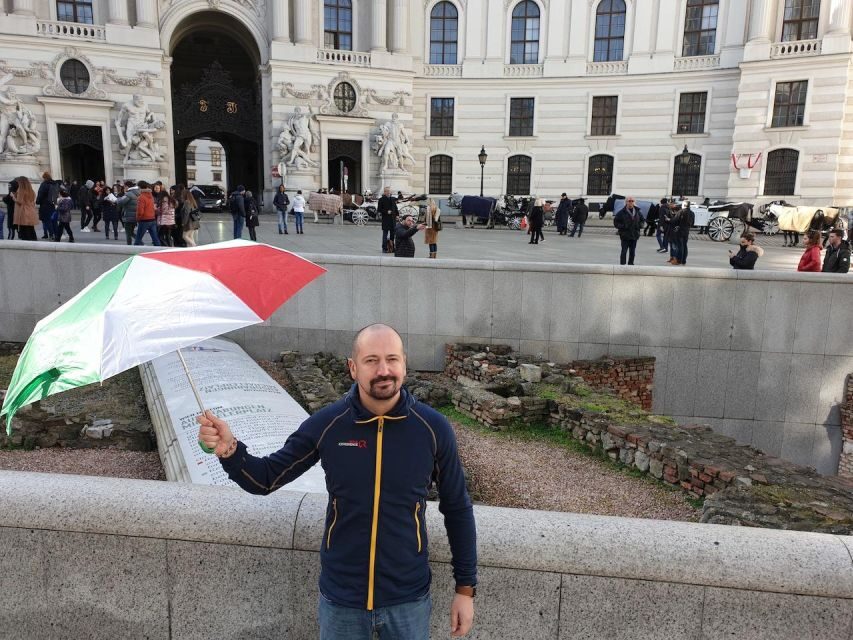
The meeting point detail is practical: look for the Italian-colored umbrella (red, white, green). It’s a small thing, but in a place like Vienna—where crowds and architecture can make groups blend together—that kind of clear marker saves time and stress.
Timing matters here because the tour is 90 minutes total. There’s just enough time to see and understand key areas, but not enough time to wander off on your own. So keep your energy for the guided experience. If you’re prone to lingering for photos, plan to treat photography as part of the flow rather than a separate activity.
Inside the Sisi Museum: The Stories You’ll Actually Remember
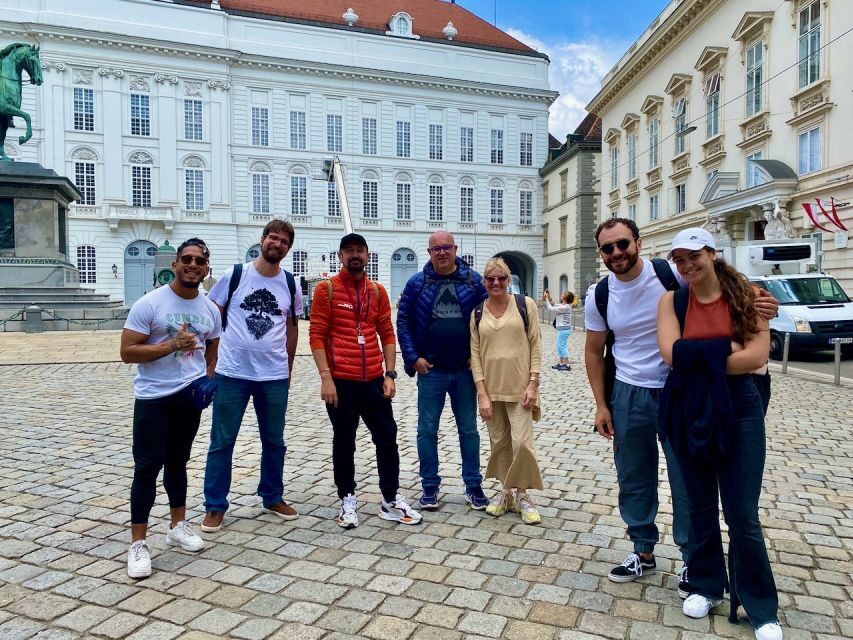
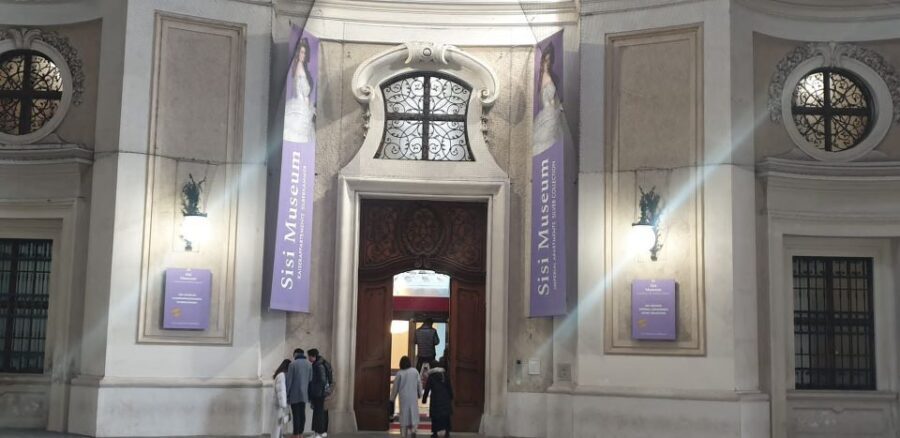
The first main stop is the Sisi Museum Hofburg Wien. You’ll have a photo stop, then you’ll go into the museum with a guided visit. What makes this portion work is the way it frames Sissi outside the usual “legends only” version.
I love that the tour doesn’t just list facts. You’re guided through an emotional storyline tied to real palace spaces. That’s why you can connect Sissi’s public image with the private realities of living at the Hofburg. The Sissi Museum part also sets the tone for the rest of the tour, so the Imperial Apartments don’t feel like random rooms you’re ticking off.
Another strength is the guide’s engagement. Many highlights point to a humorous, interesting guide and the fact that you can ask questions— including questions with a more personal angle. If you like learning by dialogue instead of passive listening, this is the setup you want.
A possible drawback to keep in mind: the tour language is Italian. If you don’t speak Italian fluently, you’ll still likely catch the main storyline, but you may miss nuance—especially when you ask follow-up questions. If your Italian is solid, this turns into a fantastic Q-and-A experience.
The Hofburg as a Living Machine of Power
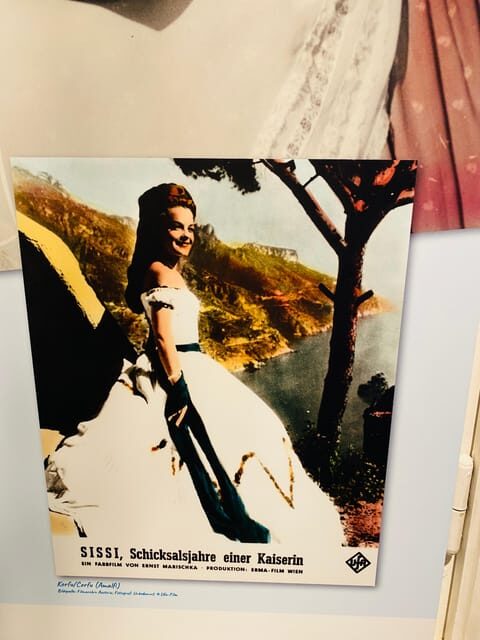
Once you move from the Sisi Museum narrative into the palace setting, you start seeing why the Hofburg matters historically. This complex served as the political center of the Habsburg monarchy for centuries, and the palace function wasn’t just symbolic—it was operational.
That’s the value of this tour’s palace focus: it helps you understand how rule and reputation worked in physical space. When you’re standing in rooms connected to imperial life, “history” stops being abstract. It becomes a set of rooms where decisions, ceremonies, and audiences happened.
This matters for two types of visitors:
- If you like political context, you’ll appreciate how the palace layout supports power.
- If you prefer personal storytelling, you’ll see how that personal story still takes place inside a system.
The tour also keeps things moving. You’re not stuck reading panels for an hour. Instead, your guide stitches palace spaces and Sissi stories together, which is the fast track to remembering what you saw.
Imperial Apartments: Furniture, Art, and Sissi’s Gym
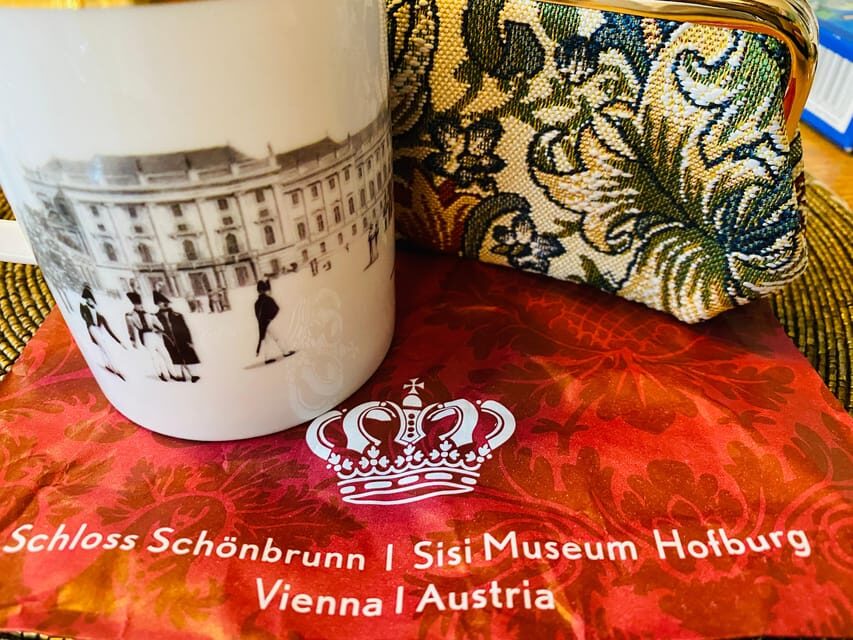
This is where the experience becomes unusually specific. The Imperial Apartments, part of the Hofburg, show private and public life of the imperial family. You don’t just look at walls—you get an insight into how the imperial world looked and felt, based on rich furnishings, works of art, and personal items.
One special highlight is Sissi’s gym. That detail does something simple but powerful: it turns a romantic legend into a person with routines. Even if you know the basics of her fame, this kind of room-specific detail makes the whole story feel more grounded.
You’ll also be shown rooms where the emperor held audiences. That connects private palace life to public authority. The emotional payoff is that you see both sides of the same world: the intimate domestic atmosphere (clues in furnishings and personal objects) and the formal space where power was performed.
If you’re the type who loves details—like what objects can tell you about daily habits—this stop is for you. If you’re the type who wants only the biggest famous rooms, you might wish there was more time here. But for a 90-minute tour, it’s a smart use of time.

The Rooms for Audiences: How the Palace Worked
A big part of why the Hofburg can feel overwhelming on your own is that it’s not one “thing.” It’s a whole system. This tour helps you understand that system by pointing out spaces tied to audiences—places where the emperor met people formally.
Why does that matter? Because it gives you a way to interpret what you’re seeing. You start to notice how the palace would function in real life: who enters, who waits, where authority is staged. Your guide’s explanation is what turns architecture into context.
Even if you’re not a deep history buff, you can still follow the logic. Rooms used for audiences are practical story anchors. They show you that the palace wasn’t only about luxury. It was also about governance, visibility, and ritual.
And this is another reason the tour format works. The story of Sissi and the story of the empire can both be explained through the same physical locations. You’re not bouncing between unrelated content—you’re building one picture.
Guide Style in Italian: Clarity, Humor, and Real Answers
This tour’s success hinges on the guide. The good news: the tour is led by a licensed guide, and the feedback highlights a consistent theme—clear, courteous, and engaging explanations.
In the reviews, guides like Mario and Germana get praised for being well-prepared and for answering questions in a way that feels thoughtful rather than scripted. One review also mentions the guide’s lightness and sympathy, which matches the “fun + informative” tone in the highlights.
The tour guide also supports interaction. You can ask personal questions, and that’s a big deal for a palace experience. It’s one thing to hear a lecture. It’s another to ask your own “why” questions and get direct answers. If you like learning that way, you’ll get more value out of the same 90 minutes.
One practical note: the tour language is Italian. If you’re not comfortable with Italian conversation, you might still benefit from the structure and visuals, but the question-and-answer part could be harder to use fully. If you do speak Italian, this is a great chance to get more out of the palace.
Price and Value: Is $81 for 90 Minutes Worth It?
At $81 per person for about 90 minutes, you’re paying for three main things:
- Skip-the-line entry so time isn’t eaten by queues
- a licensed guide to interpret rooms and connect Sissi to the Hofburg world
- museum access that’s included in the tour price
For Vienna, where tickets and entrance fees can add up fast, the skip-the-line part isn’t just comfort—it’s actual value. With only 90 minutes, any waiting time is wasted opportunity. Here, that risk is lowered.
Also, this isn’t a generic walking tour that happens “near” the museum. It’s set up around entry and guided museum time, plus palace interpretation through the Imperial Apartments and relevant rooms. In other words, you’re paying for guided content in key spaces, not just general sightseeing.
Could it feel short? Possibly, especially if you’re the type who likes to read everything. But for most people, the tight time window is a plus: it keeps your day moving and prevents the experience from turning into museum fatigue.
Practical Expectations: Rules That Affect Your Visit
This tour is designed for a smooth museum-and-palace flow, so there are a few behavior rules to know.
Flash photography isn’t allowed. You’ll also need to plan for luggage: no luggage or large bags are allowed. Pets are not allowed either. These rules are common in museum spaces, but they matter because Vienna visitors often travel with a backpack + extra items. If you’re arriving from a train station with a larger bag, you’ll want to rethink what you bring into the tour.
One more practical detail: the tour is wheelchair accessible. That’s helpful because it means you can plan the experience without assuming you’ll be blocked by stairs or uneven routes.
Finally, if you’re traveling with kids, don’t forget the note about tickets. Even if children are under the paying age, you still need to organize a free ticket for them.
Who This Tour Suits Best (And Who Might Want More Time)
This experience fits best if you want:
- a focused Sissi story tied to real locations
- a guide who’s interactive and willing to answer questions
- palace context without spending the whole day sorting your way through exhibits
It’s also a strong choice for first-time Vienna visitors. You’ll leave with a clearer sense of where the Habsburg power center lived and how Sissi fits inside that environment.
I’d consider a different approach if:
- You need a tour in a different language than Italian
- You prefer long, slow museum time with lots of solo wandering
- You want purely famous “headline” rooms with no emphasis on guided interpretation
But if you like smart pacing and leaving with specific mental images—like Sissi’s gym and the audience rooms—this tour delivers what it promises.
Should You Book the Hofburg and Principessa Sissi Tour?
Yes, I think you should book this tour if you want a high-value way to see the Hofburg through Sissi’s lens—fast, guided, and question-friendly. The skip-the-line entry and the 90-minute structure are especially good when you don’t want to lose time in queues or get stuck in too much reading. The guide style, including humor and clear explanations (with examples like Mario and Germana being praised for answers), is a big part of why this works.
Skip it only if Italian will limit your understanding, or if you want a self-paced museum day instead of a guided narrative. For everyone else, this is one of those Vienna experiences where you walk in with a legend and walk out with a more human, more grounded view.
FAQ
How long is the Hofburg Palace and Principessa Sissi tour?
It lasts about 90 minutes.
Where does the tour start?
The meeting point is Josefsplatz.
How do I find the meeting group?
Look for an Italian-colored umbrella (red, white, green).
Is the tour in Italian?
Yes, the tour guide provides the tour in Italian.
What’s included in the ticket price?
You get an entry ticket to the Sissi Museum, skip-the-line entry, and a licensed tour guide.
Are flash photos allowed?
No, flash photography is not allowed.
Is the tour wheelchair accessible, and what about children?
It is wheelchair accessible. For children, you still need to organize a free ticket even if they are under the paying entrance age.