REVIEW · VIENNA
Vienna: Italian-Austrian Pastry Class – Pasticciotto & Drink
Book on GetYourGuide →Operated by Patrik Montinari · Bookable on GetYourGuide
Pastry class beats restaurant desserts every time. In Vienna, this Italian-Austrian baking workshop turns a classic Southern Italian treat into something uniquely local and teachable.
I love the cozy, home-kitchen vibe and the fact it’s kept deliberately small, capped at 6 people. I also love that you’re not just eating pasticciotto; you’re learning to make the shortcrust pastry dough from scratch and then fill, shape, seal, and bake your own. One thing to consider: it’s on the top floor with no elevator, so plan around stairs if that matters for you.
In This Review
- Key Things I’d Prioritize Before You Book
- Vienna’s Italian-Austrian Pastry Mashup (That You Can Actually Make)
- The Warm Start: Welcome Drink and Your Small Group Setup
- Shortcrust Pastry Dough From Scratch: The Skill That Changes Everything
- Pasticiotti Shapes and the Filling Choices That Feel Vienna-Italian
- Baking With Guidance: What You Should Watch For
- Rooftop Terrace Tasting: Your Vienna View With Pastry in Hand
- Price and Value: Does $93 Make Sense for 150 Minutes?
- What to Bring (and What to Wear) So You Don’t Worry
- Dietary Options: Vegetarian/Vegan and the Allergy Reality Check
- Who This Class Suits Best (and Who Might Not Love It)
- A Few Practical Tips So You Get Great Results
- Should You Book This Vienna Pastry Class?
- FAQ
- How long is the Italian-Austrian pastry class?
- What’s included in the experience?
- Is the class vegetarian or vegan friendly?
- Is it suitable for people with food allergies?
- Where is the class located, and is there an elevator?
- How big is the group, and what languages are used?
Key Things I’d Prioritize Before You Book

- Small-group learning (max 6): more hands-on time and fewer long waits while you figure out the dough
- From-scratch shortcrust pastry: you learn the dough process, not just how to assemble
- Italian vs Austrian fillings: compare classics like lemon custard and ricotta cream with Austrian-style options such as apple-cinnamon, plum jam, and apricot (Marillenmarmelade)
- Welcome drink to start: a crafted cocktail or Italian coffee/tea sets a relaxed pace
- Rooftop terrace tasting: you enjoy what you made with a Vienna city view when weather allows
- Printed recipe to take home: so your next attempt in your kitchen doesn’t fade after the class
Vienna’s Italian-Austrian Pastry Mashup (That You Can Actually Make)
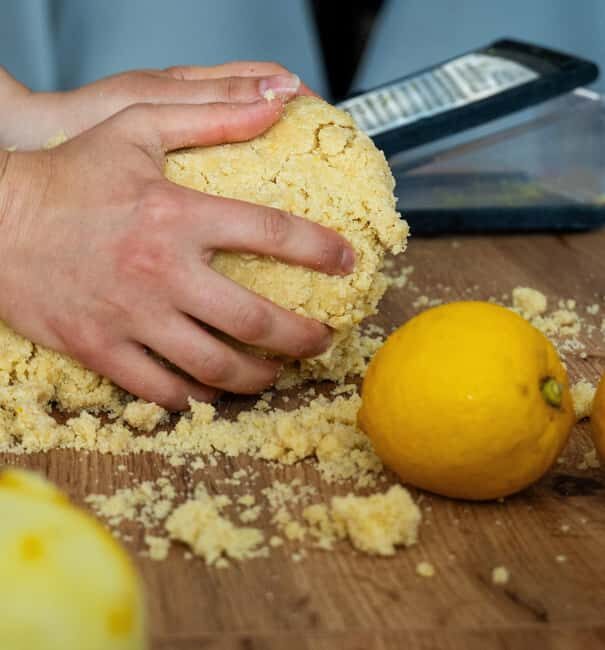
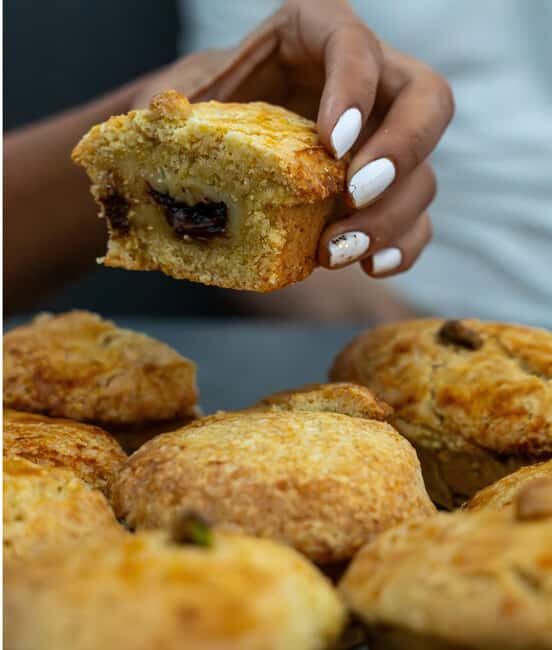
This class is built around one goal: you leave with real pastry skills, plus a dessert you won’t usually find in a typical Vienna bakery. The star is the pasticciotto, a traditional dessert from Southern Italy, reimagined with Austrian flavors and ingredients.
What makes it feel special is the mix of hands-on baking and cultural context. You’re not only making food; you’re learning why these ingredients belong together, and where Italian and Austrian pastry traditions overlap. That might sound abstract, but in practice it makes the fillings more meaningful when you choose what you want to bake.
And yes, it’s fun. There’s a welcome drink, a warm atmosphere, and enough guidance that even if your pastry skills are rusty, you still come out proud. The best part is you get to eat your work while it’s fresh and still smells like butter and vanilla.
A few more Vienna tours and experiences worth a look


The Warm Start: Welcome Drink and Your Small Group Setup
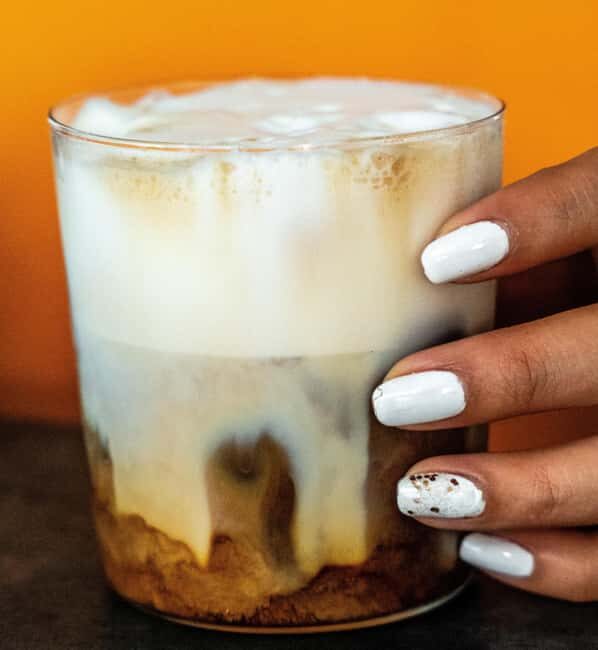
You begin with a welcome drink, either a handcrafted cocktail or an Italian-style coffee, depending on the time of day and what you prefer. It’s a small touch, but it helps you settle in fast. You arrive, you’re offered something good, and suddenly it feels less like an activity and more like being invited into a cooking afternoon.
The group stays small, limited to 6 participants. That matters because pastry can be slow and fiddly—dough temperature, sealing edges, and filling amounts all need attention. With fewer people in the room, your instructor can help more quickly and you spend more time actually shaping and baking.
Your host/instructor is Patrik Montinari, and the class runs in English with Italian and German also available if needed. If you’re the type who likes a calm explanation rather than a rush of instructions, this pacing is a big plus. It’s also child-friendly, but designed with adults in mind, so expect a more focused tone than a kid-centered class.
Shortcrust Pastry Dough From Scratch: The Skill That Changes Everything
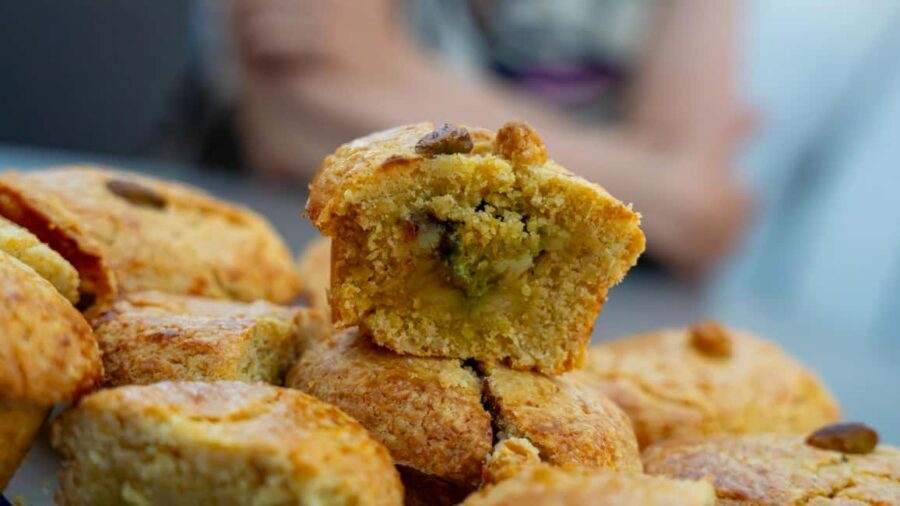
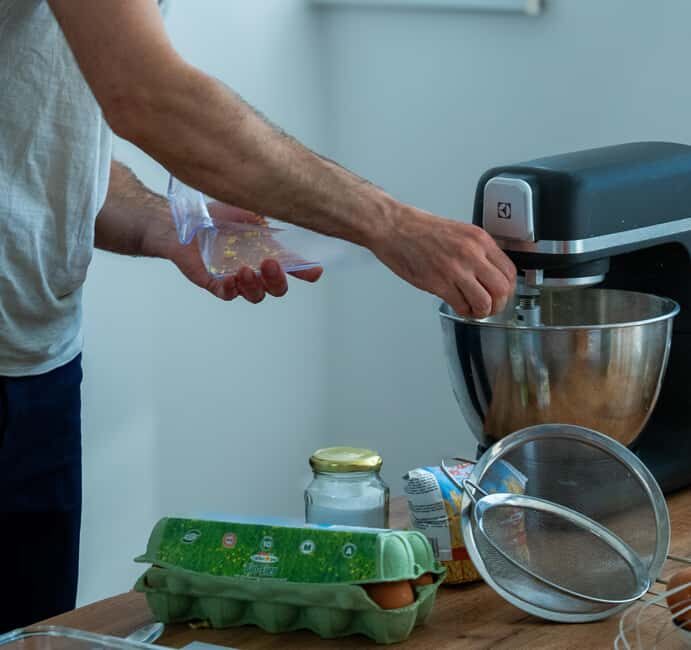
The heart of this experience is making shortcrust pastry dough from scratch, step by step. This isn’t “watch and snack.” You learn what the dough should feel like, how to handle it, and how to work with it as it comes together.
Even if you’ve baked before, you’ll likely notice that pastry dough is about texture more than time. The goal is a dough that’s workable for filling and sealing, not one that’s so sticky it smears or so dry it cracks. Your instructor guides you through the process, so you’re building confidence rather than guessing.
Why this matters for you: once you understand the dough basics, you can apply them to more than one recipe. You can adapt fillings, try different jam flavors, or adjust sweetness without starting over each time. That’s what makes this class more valuable than a one-and-done dessert lesson.
You also learn practical pastry habits: shaping so the pastry holds together, sealing so filling doesn’t leak, and baking so it comes out with the right balance of crisp exterior and tender bite. It’s the kind of knowledge that’s hard to pick up from a written recipe alone.
Pasticiotti Shapes and the Filling Choices That Feel Vienna-Italian
This is where the “Italian-Austrian” theme turns real. You make your pasticciotti using a mix of classic Italian-inspired fillings and Austrian-inspired flavors. The class encourages both tradition and small experiments, so you can taste the contrast instead of treating it like a single flavor.
On the Italian side, you’ll work with familiar options such as lemon custard, ricotta cream, and vanilla. These flavors help you anchor the dessert’s identity—creamy, gently sweet, and designed for a custardy filling that complements buttery pastry.
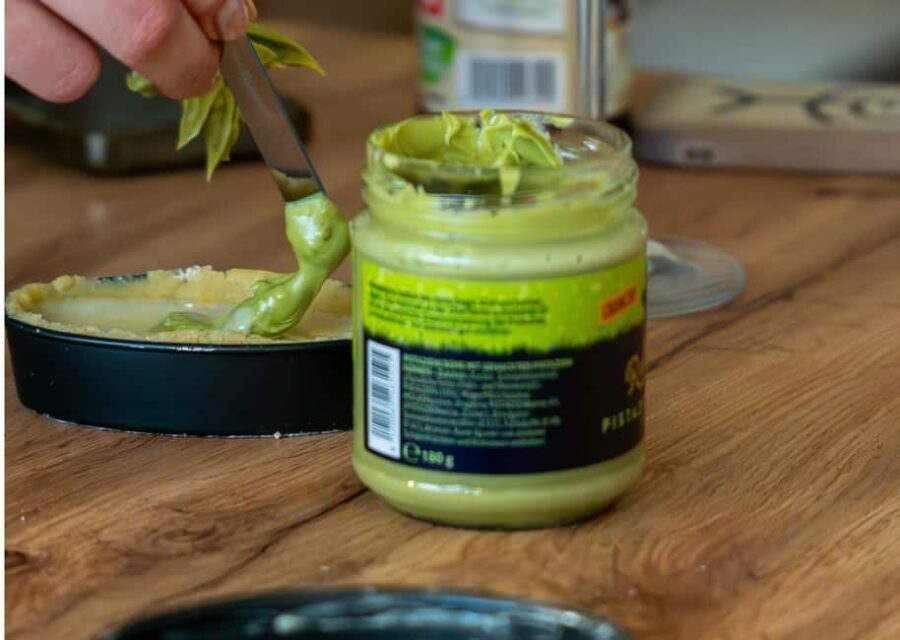
Then comes the Austrian angle. You’ll create fillings using ingredients that echo classic Austrian pastry notes, including warm apple and cinnamon, plum jam, rich dark chocolate, and Marillenmarmelade (apricot jam)—a nod to the kind of flavors you associate with Vienna desserts.
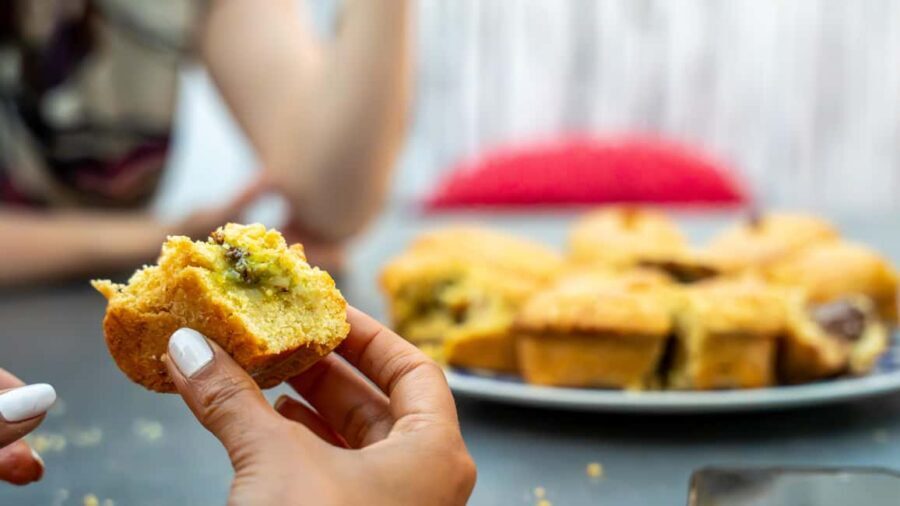
Here’s the fun part for your palate: you can compare how different fillings behave in the same pastry shell. A custard-style filling gives one kind of richness. A jam-based filling changes the sweetness profile and texture. Chocolate adds depth. Apple-cinnamon brings warmth and aroma.
You also get discussion during the process about how ingredients reflect local food traditions and how cuisines overlap. It’s not a textbook lecture. It’s the kind of explanation that helps you understand why a particular ingredient belongs in a particular pastry, and why this fusion makes sense.
Baking With Guidance: What You Should Watch For
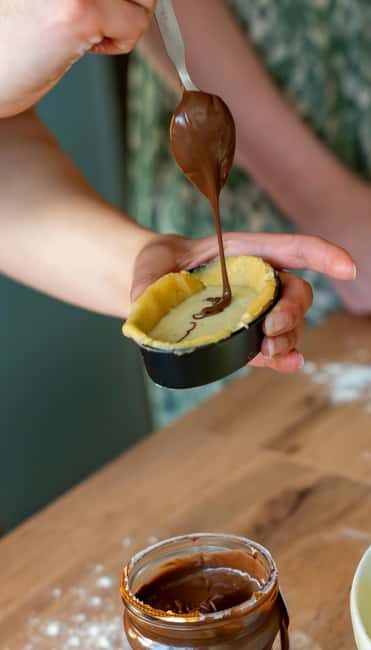
Once your dough is shaped and filled, the class moves into baking. You’re not left to manage an oven on your own, and you don’t just “set it and forget it.” You learn the practical steps that keep your pasticciotti looking good and tasting right.
Focus areas that matter in real life:
- How much filling to use so it bakes without flooding the pastry
- How you seal the edges so the pastry stays intact through heat
- How the dough bakes so it turns crisp rather than stubbornly pale
With a small group and step-by-step help, you’re less likely to end up with a leaky mess (a common first-attempt pastry problem). And even if something isn’t perfect, the class is designed to guide you toward better technique quickly. That turns mistakes into lessons, not disappointments.
The class also provides everything you need: ingredients, tools, and the structure of the session. You don’t have to hunt for specialty pantry items before you go, and you don’t have to bring kitchen equipment to participate.





Rooftop Terrace Tasting: Your Vienna View With Pastry in Hand
After baking, the experience shifts from work to reward. Your creations go to a rooftop terrace for tasting, weather permitting. This is a big deal for the overall feel of the class because it gives you a moment to slow down.
You can eat what you made with an actual view over Vienna, which helps the whole experience land as something more than just a cooking task. It’s also a natural time to compare what you chose: custard vs jam, apple-cinnamon vs chocolate, and so on.
The class includes Italian coffee or tea during this tasting. It’s the kind of pairing that makes sense with pastry and doesn’t require you to think too hard. You can just enjoy the flavors and talk with the group while the food is still at its best.
Price and Value: Does $93 Make Sense for 150 Minutes?
At $93 per person for a 150-minute class, you’re paying for several things that don’t show up in a regular cooking demo.
First, you’re paying for hands-on instruction and time. Shortcrust pastry is technique-heavy, and pasticciotto assembly takes coordination: dough handling, filling choice, sealing, and baking. In a small group setting, you get more direct attention than you would in a larger class.
Second, you’re paying for materials. The class includes ingredients and tools, plus a printed recipe to take home. That recipe isn’t just a souvenir; it’s something you can use after you return, which increases the value for your next pastry attempt.
Third, you’re paying for the experience touches that make it more memorable. The welcome drink at the start and the coffee/tea during tasting elevate the session beyond a basic workshop. Add in the rooftop terrace component, and you get a full arc: warm start, skill building, then a relaxed finish.
If you’re looking for value in the “I want to learn something practical and eat well” sense, this is a solid choice. If you only want a quick snack and don’t care about technique, you might find it pricey compared to simply buying pastries. But if you want the real craft part, the price fits the level of instruction and care.
What to Bring (and What to Wear) So You Don’t Worry
Because this is active dough work, plan your outfit like it’s a workshop, not a nice dinner. Bring comfortable clothes, and wear something that can get dirty. You’ll be handling pastry dough, and even with good guidance, flour and tiny bits come with the territory.
Also, keep in mind the space is on the top floor with no elevator. That can be the difference between an easy arrival and a stressful one, so I’d treat that as a key planning detail when deciding.
If you’re traveling light, you’ll be glad the class provides the tools and ingredients. You’re really just showing up, wearing the right clothes, and being ready to bake.
Dietary Options: Vegetarian/Vegan and the Allergy Reality Check
Good news: vegetarian or vegan options are available. If you tell the provider ahead of time, you should be able to plan your filling choices accordingly.
On the other hand, there’s an important limitation: the experience is not suitable for people with food allergies. The guidance also asks you to inform them of allergies in advance, but the bottom line is that food allergy needs can’t be fully accommodated in this format. So if allergies are part of your situation, double-check before booking.
If you’re gluten-free or have other specific dietary needs, the data here doesn’t confirm accommodations beyond vegetarian/vegan options. In that case, your best move is to contact the provider with your exact requirements before you commit.
Who This Class Suits Best (and Who Might Not Love It)
This workshop is ideal if you:
- Want an authentic-feeling Vienna food activity that still feels hands-on
- Like the idea of comparing Italian and Austrian flavors using the same pastry base
- Enjoy learning technique, not just eating desserts
- Travel with family or friends who want something cozy and social in a smaller group
It’s especially good for couples and small friend groups who want a guided “food memory” that isn’t just another walking tour stop. The rooftop tasting also makes it feel like a full afternoon, not a quick bite-and-go event.
If you’re someone who hates any form of dough handling, you might find it a lot more active than you expect. And if you have food allergies, you should look for a different kind of experience, since this one is not suitable for that.
A Few Practical Tips So You Get Great Results
- Choose your fillings early in the process. That helps you focus on assembly and sealing instead of switching plans mid-bake.
- Pay attention to the dough feel. The best results come from texture cues, not just timing.
- If you’re taking photos, do it before baking and during tasting, not during the messiest hands-on moments.
- Ask questions. The class includes cultural history discussion, and you’ll get more out of it if you tie your questions to what you’re tasting.
And if you end up with one pasticciotto that looks less perfect than the others, don’t worry. Pastry is unforgiving on the first attempt. What matters is you learn why it happened and how to fix it next time.
Should You Book This Vienna Pastry Class?
I’d book it if you want a real skill, a cozy Vienna setting, and a dessert that bridges Italian and Austrian flavors in a way you can recreate. The best aspects are the warm, welcoming hosts, the small group format, and the fact you leave with technique plus a printed recipe, not just memories.
Skip it if stairs are a problem for you due to the top-floor location with no elevator, or if you have a food allergy that would make participation unsafe. Also skip if you’re only hunting for a quick sugar fix, because this class is about learning and baking, not just sampling.
If you’re visiting Vienna and you like food that feels tied to culture rather than packaged for tourists, this is the kind of afternoon you’ll still think about when you’re back home.
FAQ
How long is the Italian-Austrian pastry class?
The class duration is 150 minutes.
What’s included in the experience?
You get a welcome drink (Italian coffee or a seasonal cocktail), all ingredients and tools, step-by-step baking guidance, Italian coffee or tea during tasting, a printed recipe to take home, and rooftop terrace tasting (weather permitting).
Is the class vegetarian or vegan friendly?
Yes. Vegetarian or vegan options are available.
Is it suitable for people with food allergies?
No. The experience is not suitable for people with food allergies. You’re also asked to inform the provider in advance of any allergies.
Where is the class located, and is there an elevator?
The space is on the top floor with no elevator.
How big is the group, and what languages are used?
It’s a small group limited to 6 participants. The instructor works in English, and Italian and German are also spoken if needed.