REVIEW · VIENNA
Esterhazy Palace Guided Tour
Book on Viator →Operated by Esterhazy Betriebe GmbH · Bookable on Viator
Schloss Esterházy can feel like a time machine—without the wait. In this one-hour English guided tour, you get swept through the high points of Esterházy Palace while a guide puts real people behind the walls, including Joseph Haydn and Lord Nelson. You’ll also get those tell-it-like-they-are details that make palaces more human and less postcard.
I especially like how quickly the tour gets to the good stuff: the palace mezzanine area where the princess’s personal servants once lived, and the 17th-century chapel tied to Haydn-era music. I also enjoy the way the guide makes the family story feel like it’s still moving—plus a chance to see standout objects like the silverware set-up behind glass.
One thing to consider: you’re on a tight one-hour clock, and not every room will show you lots of period furniture up close. If you love roaming at your own pace for longer, you may want to pair this with extra time in the palace area after the tour.
In This Review
- Key Highlights You’ll Feel Right Away
- Your One-Hour Plan Inside Schloss Esterházy
- The Palace You See in Highlights (Not in Exhaustive Mode)
- The Mezzanine Storey: Where Servant Life Changes the Whole Story
- The 17th-Century Chapel and the Haydn Connection
- Lord Nelson, Joseph Haydn, and the Human Side of Court Fame
- Silverware Behind Glass: The Small Display That Says a Lot
- Restoration and Room Condition: Seeing the Building, Not Just the Legend
- Group Size and Timing: How to Make the Most of the One-Hour Pace
- Price and Value: Is $22.83 Worth It?
- Practical Considerations Before You Go
- Who Should Book This Tour (And Who Might Skip It)
- Should You Book the Esterházy Palace Guided Tour?
- FAQ
- How long is the Esterházy Palace guided tour?
- How much does the tour cost?
- Is the tour offered in English?
- Is admission included in the price?
- Where do I meet for the tour?
- Where does the tour end?
- Are food and drinks included?
- Is transportation to and from the palace included?
- What is the group size limit?
- Can I cancel for a refund?
Key Highlights You’ll Feel Right Away
- Instant story focus: you jump straight into the palace highlights instead of wandering first
- Mezzanine servant life: see the part of the palace tied to the princess’s personal servants
- A chapel with Haydn-era ties: the organ partly dates from Haydn’s time
- Nelson and Haydn named in context: personalities are tied to what you see
- Small-group pace: up to 30 people, so the guide can keep things moving
Your One-Hour Plan Inside Schloss Esterházy
Think of this tour as a fast, guided route through the Esterházy Palace ideas that matter most. You’re not stuck reading walls or guessing what you’re looking at. Instead, you hear who the family was and why certain spaces were important—while you physically move through the parts of the palace that make those stories believable.
The duration is about an hour, so the structure matters. The guide has to pick the moments that answer the big questions: Who lived here? What was daily life like? What kind of power did the Esterházys have, and how did they show it through architecture, staff spaces, and music? That’s why the pace works well for visitors who want depth without spending half a day.
The group size is capped at 30 travelers. That’s big enough to feel like a lively tour, but small enough that you’re not completely lost in a crowd. If you prefer your sightseeing organized—yet not rigid—this hits that sweet spot.
You can also read our reviews of more guided tours in Vienna


The Palace You See in Highlights (Not in Exhaustive Mode)
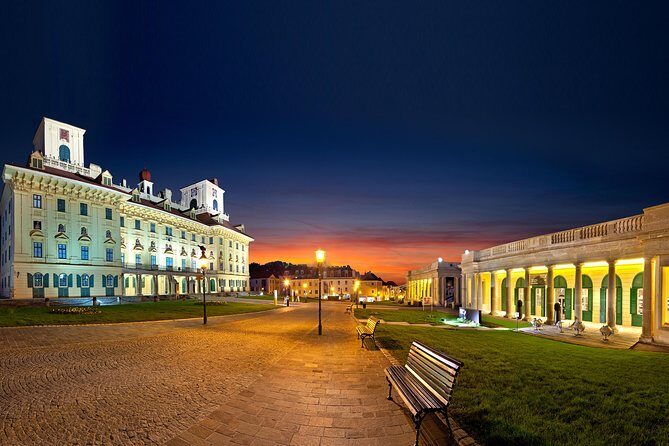
Schloss Esterházy in Eisenstadt is the kind of place where it’s easy to get overwhelmed fast. There’s a lot of space, and palaces can tempt you into trying to see everything. This guided format helps you avoid that trap by steering you toward the “why” behind the rooms.
I like that the tour is built around palace highlights rather than a long checklist. You’re introduced to key personalities from the past and their stories are tied to specific areas you can stand in. That turns the palace from an abstract concept into a set of scenes: servant life in one area, court display in another, and music in the chapel.
One small but meaningful note: you’re starting and ending back at the meeting point, so you don’t have to worry about a complicated route across town. It’s also offered with a mobile ticket, which makes the day-of flow simpler when you’re already managing transit and museum timing.
The Mezzanine Storey: Where Servant Life Changes the Whole Story
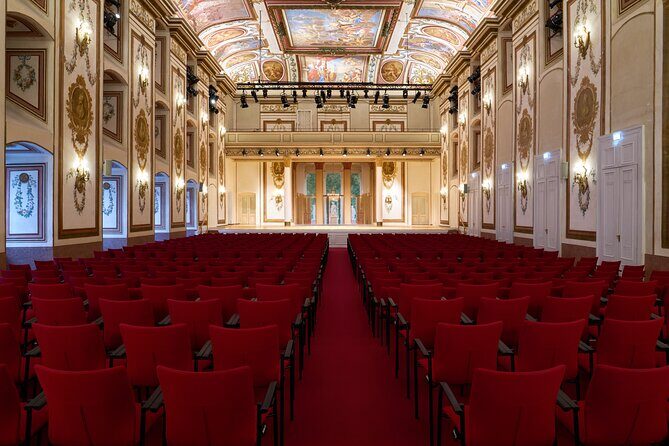
The mezzanine storey is where the palace stops being only about titles. This is the level associated with the personal servants of the princess, and that shift in perspective is exactly why I think this tour is worth doing.
When you learn that these spaces weren’t reserved for the family’s public face, you start noticing the palace differently. You understand that a palace runs on movement—staff, routines, and behind-the-scenes work that lets high society look effortless. Even if you only spend a short time there on the tour, the effect can be big, because it gives you a more complete picture of power.
This area also helps you practice a useful sightseeing skill: look for the clues to how spaces were used. What feels designed for show? What feels designed for service? The guide’s explanation puts those clues into focus fast, so you don’t leave with just general impressions.
The 17th-Century Chapel and the Haydn Connection
If you care about music history, this is the moment to pay attention. The tour highlights the palace chapel, a 17th-century space with an organ that partly dates from the time of Joseph Haydn. The organ was regularly played by him, which gives the chapel a direct personal link to a real composer, not just a decorative backstory.
Even if you’re not a music nerd, you can feel the difference when a building is tied to actual use. A chapel is meant to be more than architecture; it’s meant for sound, routine, and ceremony. Hearing that Haydn regularly played the organ changes how you look at the room’s purpose.
I also appreciate that the guide includes this detail as part of a bigger narrative about the Esterházy family. It’s not presented as a random trivia fact. It’s connected to why the palace mattered culturally and how court life extended into arts and performance.
Lord Nelson, Joseph Haydn, and the Human Side of Court Fame
Part of the charm of this tour is that it doesn’t just name-drop famous people. You hear stories that connect the Esterházy family to larger European cultural and political figures, including Lord Nelson and Joseph Haydn.
In one hour, the goal isn’t to teach a full biography. Instead, you get the useful context that helps you understand why these names might show up in a palace story in the first place. That context can also help you keep your bearings if you continue exploring on your own afterward.
What you walk away with is a more human view of the palace. It stops being a static monument and becomes a stage where different kinds of influence—music, status, connections—intersected. That makes the building feel more alive than most quick tours, because the guide is actively turning scenes into meaning.




Silverware Behind Glass: The Small Display That Says a Lot
One of the most talked-about moments from the experience is seeing the silverware behind glass and understanding how a table would be set with it. It’s the kind of detail that might sound minor until you realize what it represents: the performance of wealth, everyday ceremony, and the effort that goes into making power look effortless.
For me, this is one of the best “palace education” tools. When you see something like a table setting clearly, you don’t just learn that the Esterházys had money. You learn how that money showed up in real scenes: dining, hosting, and display.
It also fits the tour’s overall approach. Instead of only talking about big rooms and formal portraits, it points you to objects that show routine and taste. You leave with at least one concrete visual memory that anchors everything else.
Restoration and Room Condition: Seeing the Building, Not Just the Legend
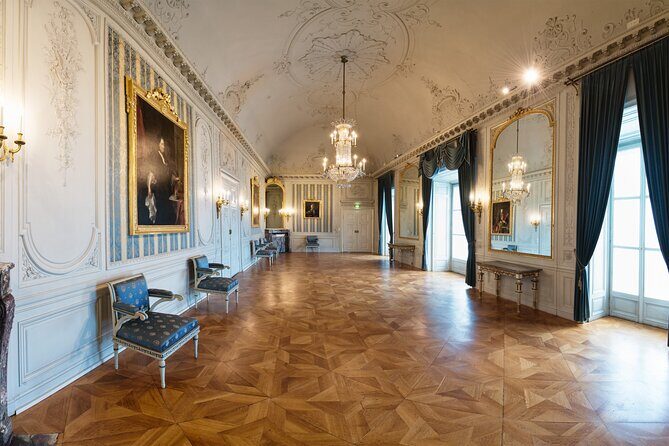
A palace can be impressive on paper, but what matters during your visit is what’s visibly cared for. The experience includes the chance to see the palace spaces and rooms that have been restored or maintained so they’re more than empty shells.
That matters because your brain needs usable cues. If rooms look neglected, it’s hard to imagine what life here was like. When the building and rooms are in good condition, the stories the guide tells land better.
You’ll also notice that palaces like this often have limitations on what’s shown at a given time. Even with that, the overall experience tends to feel like it’s giving you enough to understand the bigger picture, not just a brief hit-and-run.
Group Size and Timing: How to Make the Most of the One-Hour Pace
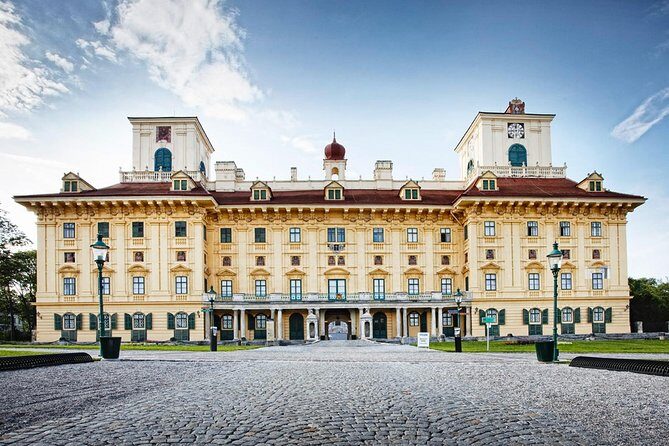
This tour runs for about an hour, and it’s capped at 30 people. That means you should plan your day around it like a show: arrive a few minutes early, stay close to your group, and don’t drift for photos until you’re guided to the right spots.
Because the pacing is tight, it’s not the best match for deep, slow museum wandering. If you like to linger over details, you’ll still enjoy this tour, but you may want to add extra time before or after to return to the spots that grab you most.
The tour is offered in English. If English is your comfort language, you’ll get the full value of the guide’s storytelling. It’s also near public transportation, which helps when Eisenstadt is part of a bigger Austria day.
Price and Value: Is $22.83 Worth It?
At about $22.83 per person for an English guided tour of roughly one hour, the value comes from what you’re buying: a curated, guided shortcut through the palace highlights with context attached.
You’re not paying for a complicated itinerary with multiple stops. You’re paying for a guide who can tie together the key spaces and personalities—servant areas, the chapel with Haydn connections, and palace objects like the silver tableware display. For many visitors, that context is the difference between seeing a beautiful building and understanding what it means.
Also, the admission ticket is included for the hour tour. That reduces the friction of budgeting and planning. You can focus on enjoying the visit rather than juggling separate costs and timing.
If you’re in Eisenstadt for a limited window, or you want one “core” palace experience without committing to a full-day tour, this price point tends to make sense.
Practical Considerations Before You Go
This isn’t a long tour, so it helps to have clear expectations. You’ll get highlight coverage, not exhaustive room-by-room coverage. That’s a feature if you want efficient learning and a fast return to your day. It’s a drawback if your goal is maximum viewing time inside the palace.
One more detail: the palace may show less furniture detail than you hoped for in some areas. That can happen in historic sites where not every room is displayed the same way. If you’re mainly there for period interiors and you’re picky about furnishings on display, you might want extra independent time too.
Children must be accompanied by an adult. If you’re bringing kids, plan for listening time; the tour is structured around storytelling and guided stops.
Who Should Book This Tour (And Who Might Skip It)
I’d book this if you want a guided entry point to Schloss Esterházy that makes the building make sense. It’s great for people who love stories tied to real places and who don’t want to spend hours navigating alone.
It’s also a strong fit if you’re visiting Eisenstadt with limited time. With a one-hour format and a group size up to 30, it’s easy to slot into a day without turning your schedule into chaos.
I’d think twice if your top priority is slow roaming through lots of rooms and lots of visible period furniture. The tour is focused on highlights, and the pacing may leave you wanting more independent exploration afterward.
Should You Book the Esterházy Palace Guided Tour?
If you like your palace visits explained—especially the mix of servant-life context, the chapel’s Haydn organ connection, and stories involving famous names like Lord Nelson—then yes, book it. For roughly $22.83 and about an hour, you get a guided narrative that turns the palace from big walls into a set of meaningful scenes.
If your ideal day is quiet, long, and furniture-heavy, treat this as the first chapter, not the whole book. Do it early, then consider adding your own extra time afterward so you can linger where your eyes land.
FAQ
How long is the Esterházy Palace guided tour?
The tour lasts about 1 hour.
How much does the tour cost?
It costs $22.83 per person.
Is the tour offered in English?
Yes, it is offered in English.
Is admission included in the price?
Yes. Admission ticket is included.
Where do I meet for the tour?
The meeting point is Esterházy Palace, Esterhazypl. 1, 7000 Eisenstadt, Austria.
Where does the tour end?
The activity ends back at the meeting point.
Are food and drinks included?
No. Food and drinks are not included.
Is transportation to and from the palace included?
No. Transportation to/from attractions is not included.
What is the group size limit?
The tour has a maximum of 30 travelers.
Can I cancel for a refund?
No. The experience is non-refundable and cannot be changed for any reason.