REVIEW · VIENNA
Vienna: Craft Beer Tasting Experience with Local Snacks
Book on GetYourGuide →Operated by Prime Tours · Bookable on GetYourGuide
Beer has its own Vienna story. This 2-hour craft beer tasting in the 1st district pairs a cozy brewery walkthrough with a guided look at how Austrian beer is made and how brewers think. I liked the practical format, not just the drinking, and the chance to connect with guides such as Oscar and Andreas in a small group.
You’ll sample four seasonally brewed craft beers and use a tasting sheet to rate what you’re drinking, which turns the experience into a real skill. I also liked the traditional snack pairing, and I appreciated that vegetarian preferences were taken seriously in at least one group led by Oscar.
One possible drawback: this isn’t a beer garden with giant pours. One guest felt the value was tight because the samples are small and the bar noise can make the guide harder to hear, so if you’re sound-sensitive or expecting big glasses, keep that in mind.
In This Review
- Key highlights at a glance
- Vienna Craft Beer Tasting: Why this 2-hour format works
- The brewery story and the “how beer is made” lesson
- How to taste beers like you mean it (without turning it into homework)
- Four seasonal craft beers: comparing flavors you can actually name
- Traditional Viennese snacks: why food pairing is part of the lesson
- The group size, pub noise, and what to do about it
- Guides in the spotlight: why personality changes the tasting
- Price and value: what $57 gets you (and what might feel tight)
- Who this experience fits best in Vienna
- Practical tips before you go tasting
- Should you book this Vienna craft beer tasting?
- FAQ
- FAQ
- How long is the Vienna craft beer tasting experience?
- What is included in the price?
- What is not included?
- Are there age limits?
- Is the tour in English?
- How many people are in a group?
- Is wheelchair access available?
- What is the cancellation policy?
Key highlights at a glance
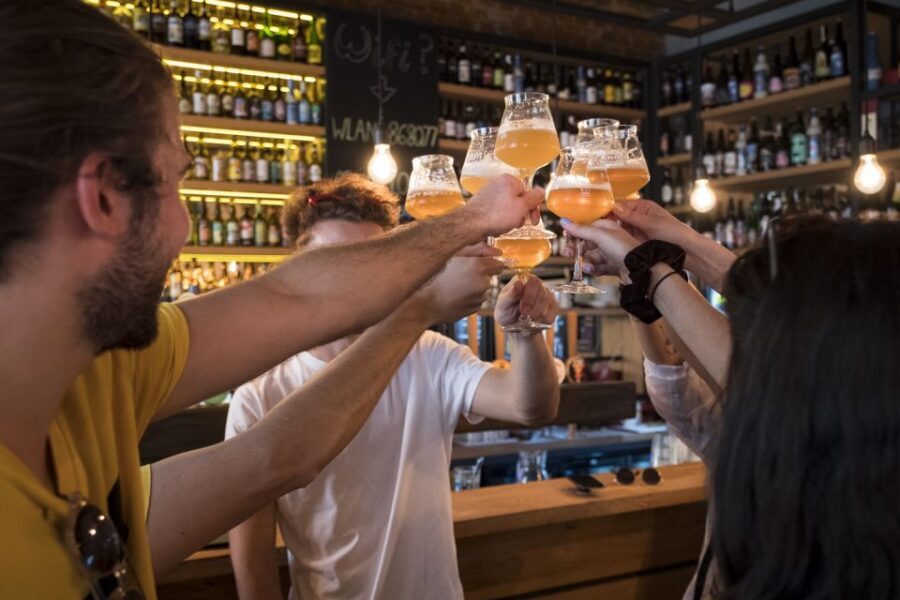
- Four seasonal craft beers with guided tasting and real-time rating
- Tasting sheet that helps you compare flavors instead of guessing
- Beer production + Austrian beer history, explained through how things are brewed
- Traditional Viennese snacks designed to balance and reset your palate
- Small group (max 10) with an English-speaking beer expert
- Typical 1st-district city-brewery pub vibe, not a formal classroom
Vienna Craft Beer Tasting: Why this 2-hour format works
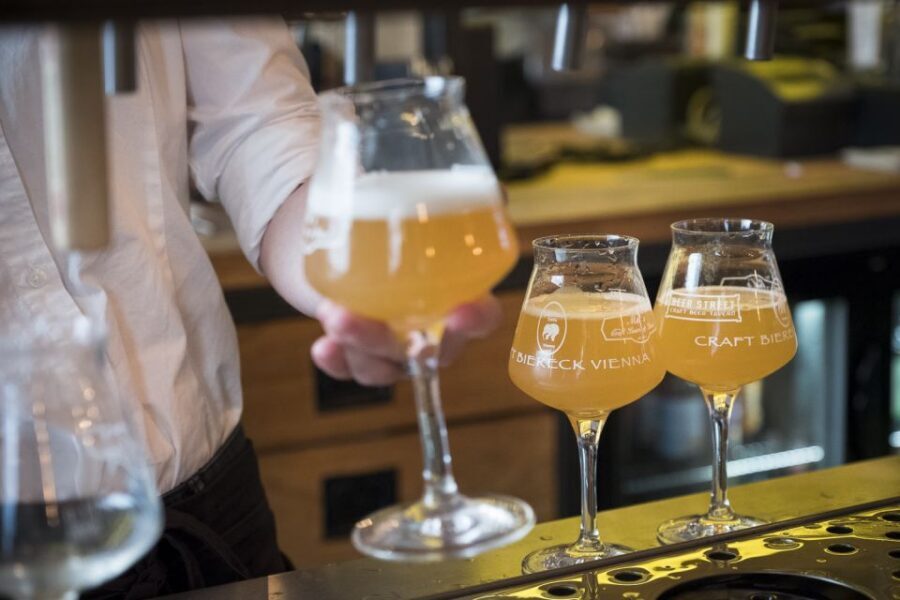
Vienna is serious about beer, even when the city is busy with opera schedules and café hopping. This experience is built for people who want the story without the slog. You get a compact lesson, then you taste, compare, and learn what you actually like.
What makes it practical is the pacing: you don’t just hear about brewing—you taste beers that are brewed seasonally, while you’re learning how to pick out flavors. The setting also helps. You’re in Vienna’s 1st District at a city brewery, in a cozy, pub-like atmosphere where you can ask questions and talk beer without feeling on display.
You also get an expert local guide guiding the whole thing in English. Based on guide names that show up in feedback—Oscar, Andreas, and even Adi the craft brewery bar manager you may meet after—this is clearly not a random script. The best moments tend to be when the guide connects the beer you’re tasting to what’s happening in Austria’s brewing world, including both local and international styles.
You can also read our reviews of more food & drink experiences in Vienna


The brewery story and the “how beer is made” lesson
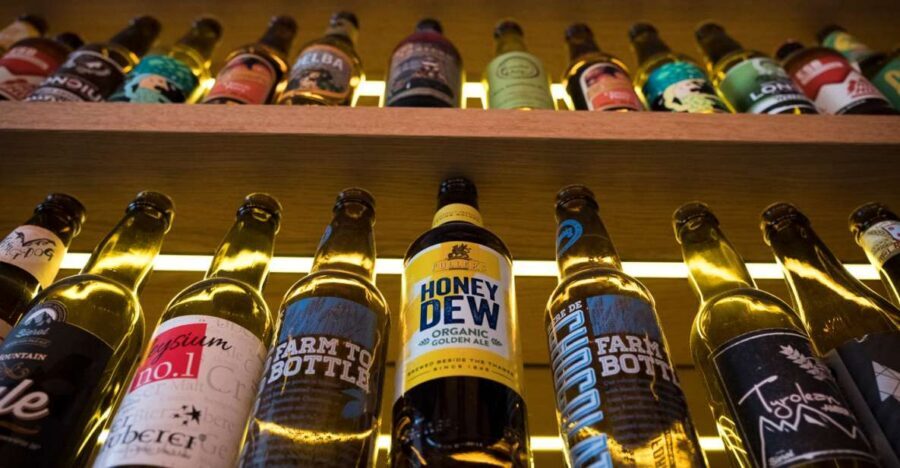
The start of the session focuses on the basics and the context. You’ll head to the brewery in Vienna’s 1st District and get a look at the place, then the guide walks you through the history and production of beer in Austria.
This matters because beer tasting makes more sense once you understand the building blocks. Even if you don’t know your way around malt versus hops, you’ll learn the “why” behind what you’re tasting. The guide also gives you an insight into the local and international brewing market—so you can place what you’re sampling in a bigger picture, not as isolated labels on a table.
A good part here is that you’re not learning from pure trivia. The guide’s job is to connect the brewing process to flavor outcomes. When you later smell and sip, you’ll know what you’re looking for and what kinds of differences you should expect between styles.
If you’re new to craft beer, this section sets you up fast. If you already love beer, it still helps because it ties Austrian brewing choices to what’s in your glass right now.
How to taste beers like you mean it (without turning it into homework)
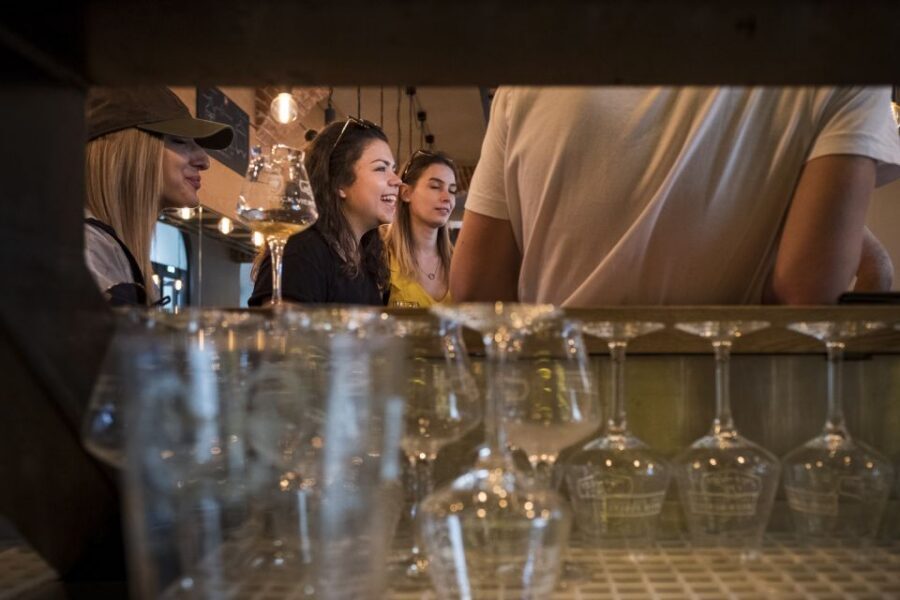
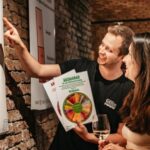
A lot of tastings fail because they don’t teach you how to taste. Here, that’s part of the experience: you learn how to properly taste beers to distinguish flavors, and you get a tasting sheet to keep your notes straight.
Here’s the simple approach you’ll be using during the session:
- Look: notice color and clarity, because they often hint at malt character
- Smell: don’t rush—take a moment for hop aroma, grain notes, or any spice-like signals
- Sip: keep it small at first, then let it spread across your palate
- Note the finish: sweetness, bitterness, dryness, and how long flavors linger
The tasting sheet turns these into a structured comparison. Instead of thinking, This one is nice, you start rating differences and building a personal map of what you like. That’s the real value of the sheet: it helps you remember what you experienced and makes future orders in Vienna (and beyond) less random.
One extra detail that came through in feedback is that there’s a playful element—there’s mention of a rating and questions style—so you’re not stuck passively listening. It’s more like a guided conversation with a bit of fun built in, and that keeps the two hours from feeling repetitive.
Four seasonal craft beers: comparing flavors you can actually name
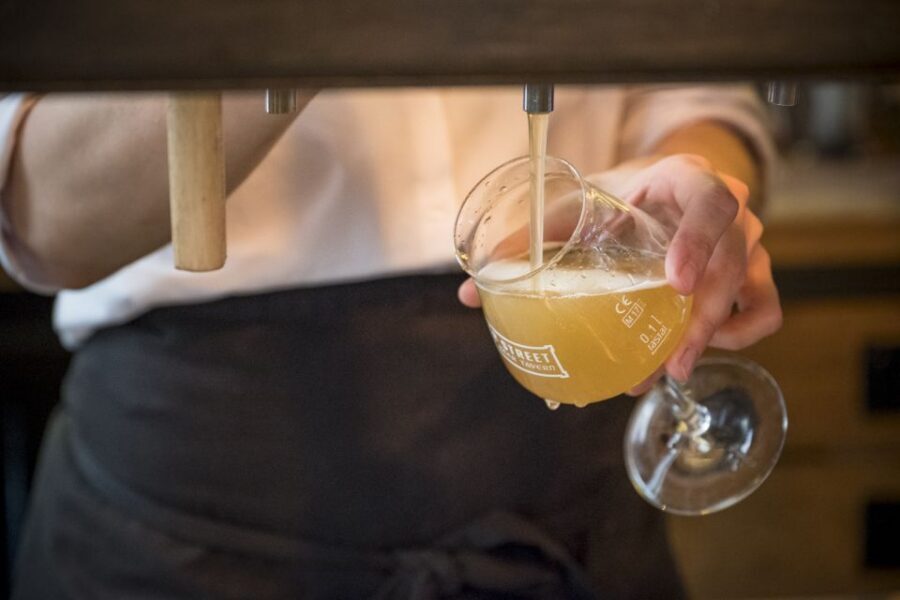
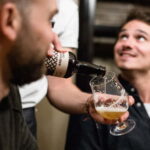
The core of the event is straightforward: you taste four craft beers, brewed seasonally. That’s important. Seasonal brewing means you’re sampling what the brewery is putting effort into right now, not a static lineup that never changes.
You’ll also rate the beers and compare them using your tasting sheet. This is where the session becomes more than a drink: you start building vocabulary. You’ll learn to separate things like malt sweetness from hop bitterness, and to notice whether a beer feels lighter, crisper, rounder, or more intense.
Because there are four samples, you get enough variety to spot patterns. Often, the most helpful outcome is realizing what you’re drawn to:
- Do you prefer beers that feel crisp and dry?
- Do you like bitterness that shows up clearly in the finish?
- Are you more into malt-forward beers that feel warmer and rounder?
One feedback highlight: guides were praised for explaining the types of beers served and guiding the rating process in a way that made it easy to follow. That’s exactly what you want. If the guide connects the dots between brewing choices and the flavors in your glass, you’ll leave with a practical sense of what you’re buying the next time you see a craft menu.
Traditional Viennese snacks: why food pairing is part of the lesson
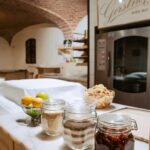
Beer and food aren’t separate here. You’ll get a selection of traditional Viennese snacks during the tasting session. The goal is simple: keep your palate working and help you notice how beer changes with every bite.
In real life, that’s what most people miss. If you drink four beers without food, you can’t reset your palate. With snacks in the mix, you can detect more subtle flavor shifts and you get a better idea of which pairings actually work.
There’s also a human side to this: in feedback about Oscar’s guidance, vegetarian preferences were taken into account for part of the group. That tells you the experience isn’t rigid. If you have a dietary preference, it’s worth speaking up so the snack pairing matches your needs as much as possible.
One caution from a less positive comment: food timing and how items are shared can affect the experience. You may want to go in with the mindset that snacks are part of the tasting flow, not a full meal. If you’re very hungry, plan to eat beforehand or afterward.
You can also read our reviews of more drinking tours in Vienna


The group size, pub noise, and what to do about it
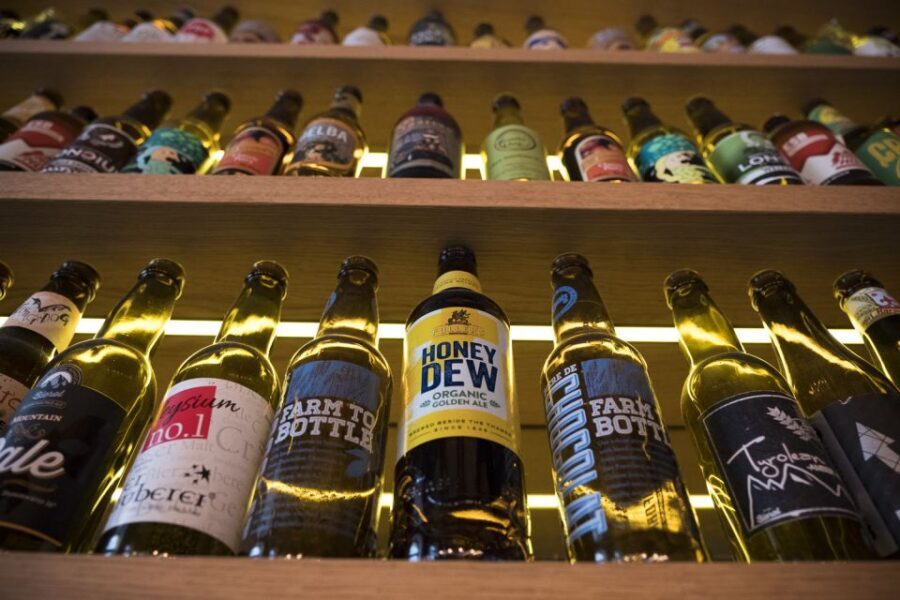
This is a small group tour limited to 10 participants. That’s a big deal for comfort and clarity. In a room with fewer people, it’s easier to ask questions and harder for the guide’s voice to disappear.
Still, even small groups can face sound challenges in a lively brewery bar. One guest noted that bar noise made it hard to hear the guide. That’s a useful flag for you.
What I recommend if you’re booking and sound matters:
- Aim to get a spot where you can see the guide clearly
- If you’re hard of hearing, ask before you go how seating is handled
- Don’t treat the experience like a quiet lecture; treat it like an interactive pub chat
The upside is social. Another positive theme is that people felt the vibe was friendly and that the group was a good mix. If you like meeting new folks and learning as you go, the small group format is a strong fit.
Guides in the spotlight: why personality changes the tasting
Two names come up repeatedly in feedback: Oscar and Andreas. Both were described as excellent, friendly, and strong at explaining beer in a way that felt engaging. That matters, because tasting sessions live or die on guidance.
When a guide is good, you get:
- Clear explanations that don’t assume you already know beer
- Beer variety that feels intentional, not random
- A tasting flow that makes sense from start to finish
There’s also mention of Adi, the craft brewery bar manager, who stopped by after the tour to talk more about craft beer and share extra context. That kind of follow-up is a bonus because it extends the learning into a casual conversation. You’ll often get better local insight from the people behind the bar, not just the person leading the formal part.
Price and value: what $57 gets you (and what might feel tight)
At $57 per person for a 2-hour experience, you’re paying for more than four drinks. You’re paying for:
- An expert guide who teaches tasting technique
- Four craft beers brewed seasonally
- Traditional snack pairing
- A tasting sheet to help you compare
- A small group format (max 10)
If you’re the type who likes to learn while you drink, this value tends to make sense. You can buy beer in Vienna on your own anytime—but the structured tasting and guidance are what you can’t easily replicate without time, effort, and research.
That said, there’s a fair criticism in the feedback: one person felt the pours were small and that the experience didn’t match the price. Another complained about not getting much time with the food.
So here’s the practical way to decide. If you want:
- a guided education + structured tasting, and you’re okay with smaller samples
Then you’ll likely feel the $57 is worth it.
If you expect:
- large glasses, a meal-level snack spread, and a quiet environment
Then you might walk away feeling that the price is steep for what you got.
Who this experience fits best in Vienna
This is best for adults 18+ who are curious about beer but not trying to turn the night into a complicated beer course.
It’s a strong match if you:
- enjoy craft beer and want a guided comparison of styles
- want a fun, social activity in Vienna’s 1st District
- like hands-on learning (tasting + rating) more than museum-style listening
- want English guidance with a small-group feel
It’s not ideal if you’re traveling with kids, since it’s not suitable for children under 18. And if you’re extremely sensitive to noise, keep expectations realistic for a pub-style brewery setting.
Practical tips before you go tasting
You’ll have the best experience if you treat it like a guided tasting evening, not a bar crawl.
- Pace yourself: small samples still add up over four beers
- Take your tasting sheet seriously for the first half; it pays off later
- If you have dietary preferences, speak up so snack pairing can work for you
- If you want to hear the guide better, sit where you can see them clearly
Also, don’t plan this as your only food. Snacks are provided, but it’s still a tasting format. Think of it as an introduction to Vienna beer culture—then decide where to go after.
Should you book this Vienna craft beer tasting?
If you want a friendly, structured beer lesson with four seasonal craft beers and traditional snack pairing in a small group, I think this is a smart booking. Guides like Oscar and Andreas are highlighted for explaining beer and keeping the session engaging, and there are signs the experience can accommodate vegetarian preferences.
Book it if you like the idea of tasting technique, comparing flavors, and leaving with better instincts for what to order next. I’d hold off or ask extra questions before booking if you’re expecting big pours, lots of food, or a quiet lecture-room sound level.
FAQ
FAQ
How long is the Vienna craft beer tasting experience?
It lasts 2 hours.
What is included in the price?
You get a tasting session of four chosen beers, traditional snacks during the tasting, a tasting sheet, and guidance from a local beer expert.
What is not included?
Hotel pickup and drop-off are not included.
Are there age limits?
Yes. It is not suitable for children under 18.
Is the tour in English?
Yes, the live tour guide speaks English.
How many people are in a group?
It’s a small group limited to 10 participants.
Is wheelchair access available?
Yes, the experience is wheelchair accessible.
What is the cancellation policy?
Free cancellation is available up to 24 hours in advance for a full refund.