REVIEW · VIENNA
MAK – Museum of Applied Arts, Vienna, Ticket
Book on Viator →Operated by MAK - Museum of Applied Arts · Bookable on Viator
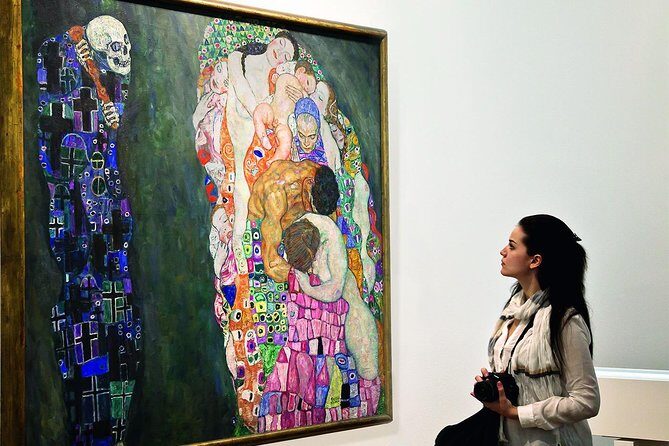
Vienna has a smart side to its artistry. At the MAK (Museum of Applied Arts), you get design, fashion, and architecture in one of the most striking museum buildings on the Ringstraße. I like that it’s not just paintings behind glass; you’re meant to notice how creativity shapes everyday objects and serious cultural change, especially around Vienna 1900.
I also love the scale of what you can see for the price: selected highlights from five centuries, plus rotating special exhibitions in art, design, fashion, and architecture. One possible drawback is that it’s easy to leave with mixed feelings if you’re expecting one consistent theme—some areas will hit hard, while others may feel less urgent to your tastes, so you’ll want a simple plan for your 1 to 2 hours.
In This Review
- MAK on the Ringstraße: what you’re really buying
- Entering The MAK: the building sets the mood
- The one-stop itinerary: how to spend 1–2 hours for maximum payoff
- A good 60-minute plan
- A solid 90–120 minute plan
- Design, fashion, and architecture: why this museum feels different
- Medieval to today: how the five-century range plays in real time
- Vienna 1900 modernism: the furniture and design effect
- Skip the line, use the digital guide, and don’t overthink it
- Temporary exhibitions: how to decide once you’re inside
- The restaurant question: plan a break, but don’t count it as part of the ticket
- Who this fits best (and who might want a different museum)
- Should you book the MAK ticket? My straight answer
- FAQ
- What is included in the MAK Museum of Applied Arts ticket?
- How long should I plan to spend at MAK?
- What are the museum opening hours?
- Is the experience offered in English?
- Are food and drinks included with the ticket?
- Can I cancel and get a full refund?
MAK on the Ringstraße: what you’re really buying
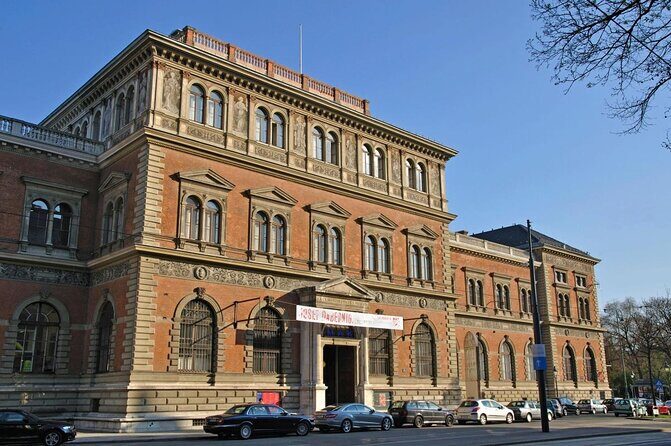
This ticket is focused and practical. You’re paying for entry that covers both the permanent collections and the temporary exhibitions, so you don’t have to choose “one thing” in advance. If you’re into design history or you want a Viennese museum that goes beyond one art movement, the MAK is a strong bet.
The value also comes from the extras that matter during a museum visit. You get a free digital MAK guide, free Wi-Fi, and a free cloakroom, which is useful if you’re in Vienna during cooler months or carrying a tote bag from another stop. There’s no food included, so plan on handling meals separately, but the on-site restaurant is there if you decide you want a sit-down break.
Finally, the skip-the-line angle is more about reducing friction than “saving your life.” On some days the museum may already be calm, but having the smooth entry can still help if your schedule is tight.
Entering The MAK: the building sets the mood
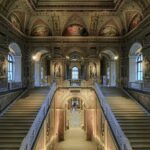
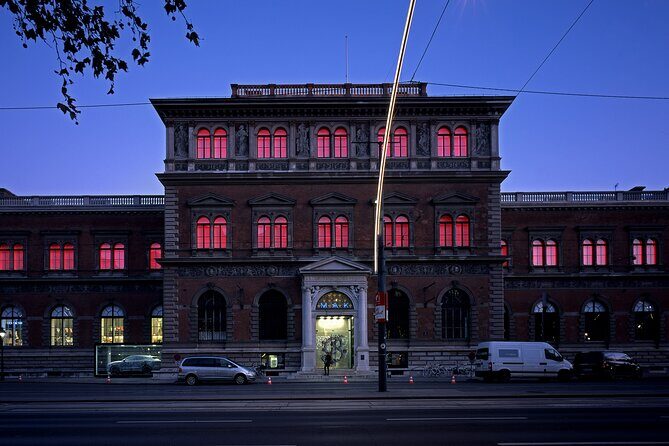
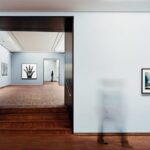
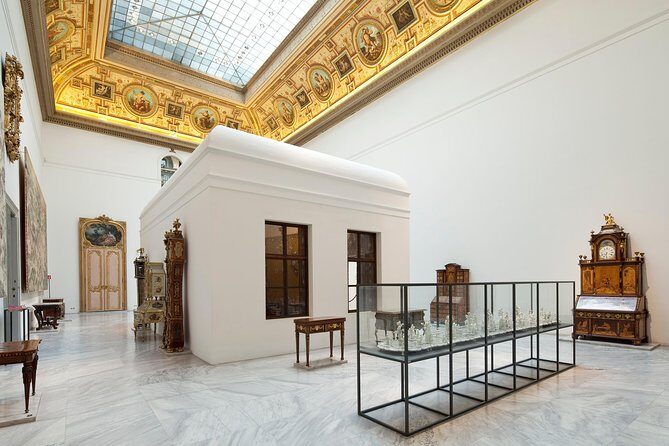
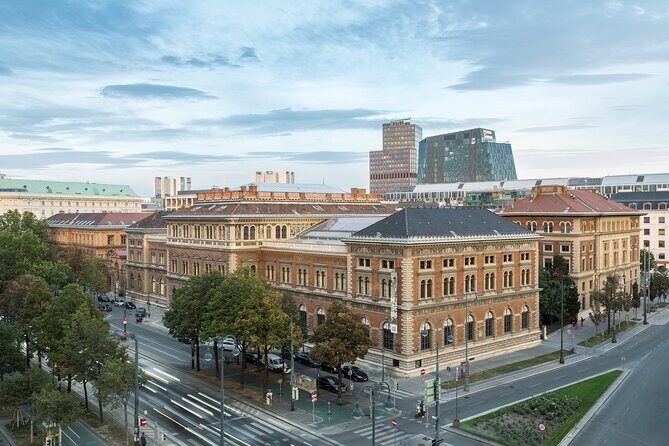
The first thing you notice at MAK is the setting: a magnificent museum building on Vienna’s main boulevard, the Ringstraße. Even before you start reading labels, the space signals a museum built for both looking and lingering.
Your visit flows around exhibition rooms that are spacious and organized enough that you can decide how deep you want to go. With a duration of about 1 to 2 hours, you don’t need to treat this like a marathon. I’d treat it like a curated walk-through with optional detours: start broadly, then zoom into what grabs you.
Practical note: your tickets are held at the MAK for collection on the day, and the visit is offered in English. The museum is near public transportation, so it’s easy to slot into a day of Ringstraße sightseeing.
A few more Vienna tours and experiences worth a look


The one-stop itinerary: how to spend 1–2 hours for maximum payoff
This experience is basically a single stop: a ticketed entry into THE MAK. That sounds simple, but it’s actually a good thing. With one main museum, you avoid the time drain of moving between sites and you can focus on how you experience the collection.
Here’s a visit rhythm that works well if you want a satisfying loop without rushing:
A good 60-minute plan
- Start with the permanent highlights (the “five centuries” selection), so you get the museum’s core idea fast: applied arts as real culture, not just decoration.
- Spend extra time on the areas tied to furniture and design. One of the strongest takeaways is how the MAK shows modernism through everyday forms.
A solid 90–120 minute plan
- Do the quick highlight sweep first, then slow down in the sections that match your interests.
- Add time for whatever special exhibition is on while you’re there. Temporary shows can change the vibe of your visit from “history-focused” to “current conversations,” especially for design, fashion, and architecture.
Because you have access to permanent and temporary exhibitions, you can adjust mid-visit. If something isn’t clicking, you can pivot without feeling like you “missed” the tour.
Design, fashion, and architecture: why this museum feels different
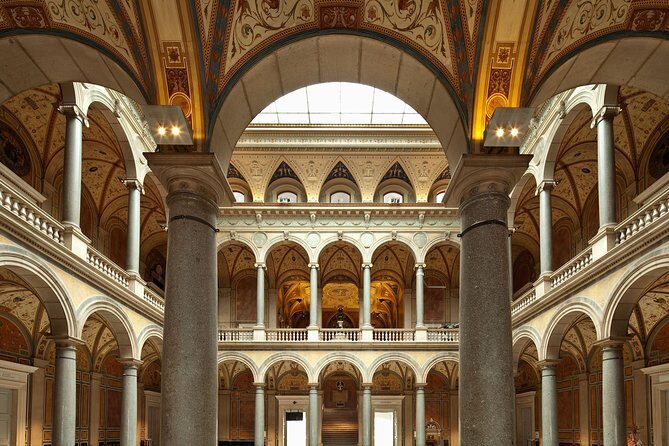
A lot of museums separate art from life. The MAK blurs that line on purpose. It presents art and design as part of the same creative system—how people dress, how they furnish homes, how they imagine buildings, and how those choices reflect major cultural shifts.
You’re looking at selected highlights from five centuries, which means you can usually find:
- older craft traditions alongside newer design concepts
- an emphasis on how objects carry ideas
- examples of creativity that connect past and future
This is where the museum’s description of the MAK as an inspiring combination between past and future really makes sense in practice. Instead of reading one style and then moving on, you’re often comparing how materials, form, and purpose evolve.
If you love design and visual culture, you’ll likely enjoy the “applied” angle because it treats form, function, and aesthetics as one story.
You can also read our reviews of more museum experiences in Vienna


Medieval to today: how the five-century range plays in real time
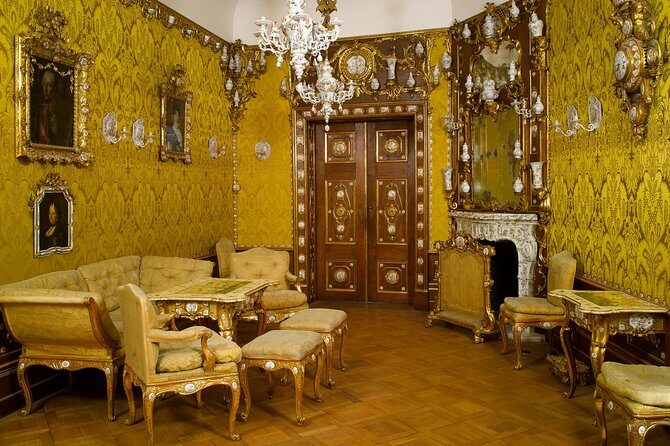
The MAK’s collections span a wide timeline—rare artwork from the Middle Ages to today—so your main job is picking how to track that history while you’re walking.
If you’re short on time, focus on how styles change in visible ways:
- materials and construction methods
- the relationship between decoration and use
- how modern design language appears in objects (especially furniture)
If you’re not sure what to prioritize, start general and let the room guide you. Labels and the digital guide help you connect what you’re seeing to the bigger story, including the cultural revolution of Vienna around 1900.
One more thing: I like that you can leave feeling educated without being overloaded. The exhibition rooms are spacious, which helps you avoid the frantic “power walk” museum pace.
Vienna 1900 modernism: the furniture and design effect
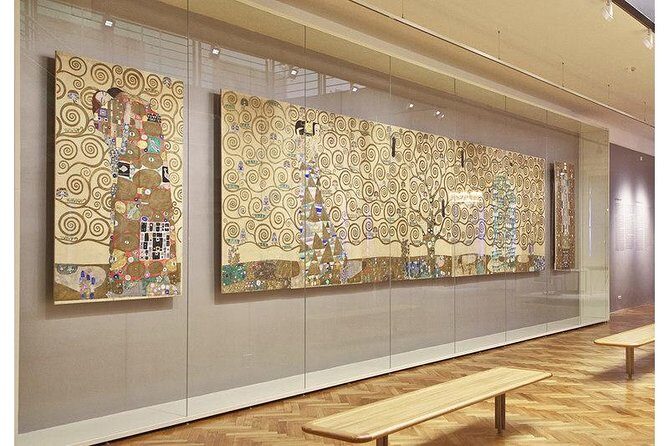
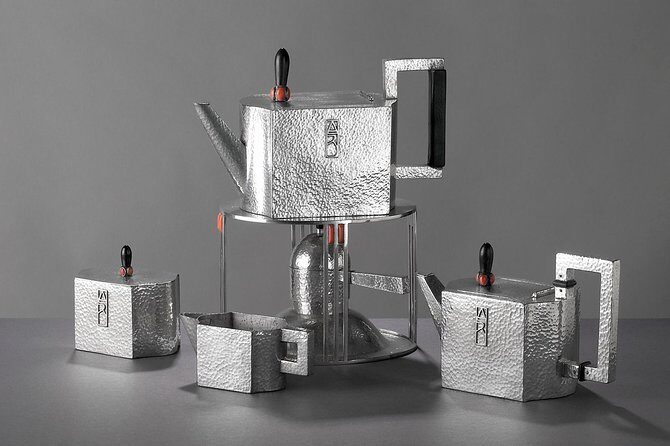
Vienna’s 1900 moment isn’t just about what artists painted. It’s about a whole approach to design, where modernism shows up in practical objects and interior life. The MAK makes that point in a way that’s easy to notice.
One theme that really lands with people is furniture from the 1900/1930 era and how it reflects modern ideas. You can spot the shift in lines, function, and how design communicates progress rather than just comfort.
There’s also mention of a furniture-focused area often referred to as the Möbelmuseum. If furniture and interior design are your thing, I’d prioritize that part early in your visit. It’s the kind of section where you can spend time “reading” the design choices with your eyes instead of just absorbing facts.
If you’re coming from other art museums and you’re starting to feel museum-fatigued, this is a nice reset. You’re still seeing great work, but through a different lens—design as cultural history you can interpret quickly.
Skip the line, use the digital guide, and don’t overthink it
Skip-the-line access is included, and on busy days it can genuinely make your arrival calmer. On quieter days, you might find it’s less essential—but it still keeps your entry smooth, and that matters when you’ve planned other stops around the museum.
The free digital MAK guide is a useful tool if you like to understand what you’re looking at. Bring your own headphones if you use audio, and keep your phone battery topped up. The goal isn’t to read every label; it’s to choose a few threads and let the guide help you follow them.
Free Wi-Fi and the cloakroom are small details that improve the experience. Wi-Fi helps if you want to check the day’s exhibition information. A free cloakroom means you can travel lighter and keep your hands free for looking.
Temporary exhibitions: how to decide once you’re inside
Temporary exhibitions are part of the ticket, so you should at least peek at what’s on during your dates. The MAK’s special shows cover art, design, fashion, and architecture, and that variety can change your visit from “history tour” to “living design conversation.”
Here’s how I’d decide once you’re in the museum:
- If a temporary show matches your taste (fashion/design/architecture), spend 20–40 minutes there.
- If it doesn’t grab you, skip ahead to areas tied to the permanent highlights and spend that time on what you’re truly enjoying.
Because you’re not limited to one route, you can protect your time. That flexibility is part of why this works so well for independent travelers.
The restaurant question: plan a break, but don’t count it as part of the ticket
Food and drinks aren’t included, so think of the MAK as a museum-first experience. Still, there are signs it’s worth planning a break if you’re there for a longer session.
One review highlights an excellent restaurant experience, while another mentions that restaurant quality was good even if some exhibition choices didn’t match expectations. Translation: the museum is a good place to take your time, and if you want lunch or a coffee, you won’t feel stuck.
If you’re sensitive to schedules, build in a flexible pause. Vienna days can stretch; the MAK is the type of place where you may want the extra time rather than rushing straight through.
Who this fits best (and who might want a different museum)
The MAK is a great match if you:
- love design, fashion, furniture, and architecture
- want a museum that connects objects to history (especially Vienna around 1900)
- prefer one high-quality stop over a rushed multi-site program
It’s also a strong choice for art lovers who want something broader than traditional fine-art collections. The “applied arts” angle makes it feel fresh, even if you’ve already seen classic museums in Vienna.
If you’re only interested in one narrow type of art—say, only oil paintings in a specific period—this might not become your favorite museum. The five-century range is a feature, but it can also mean your attention won’t be equally captured everywhere.
Should you book the MAK ticket? My straight answer
Yes, I’d book it if you want a high-value museum experience with variety and time flexibility. For about $21.72 per person, you get permanent collections plus temporary exhibitions, a free digital guide, Wi-Fi, and a cloakroom—so you’re not nickel-and-diming your way through basic comforts.
I’d especially recommend it if you like modernism, furniture, or design as a lens into culture. The building itself is a big part of why the visit feels memorable, and when the right sections click, this museum can be a standout.
If you only have a tight window and you’re not sure you care about design, do a quick highlight plan and don’t force it. Your best move is to spend your time where your interests are obvious—furniture and design areas tend to be the most rewarding—then add a temporary exhibition only if it feels aligned.
FAQ
What is included in the MAK Museum of Applied Arts ticket?
Your ticket includes admission to the permanent collections and all temporary exhibitions. It also includes a free digital MAK guide, free cloakroom, and free Wi-Fi. Children and teens under 19 get free admission.
How long should I plan to spend at MAK?
Plan on about 1 to 2 hours for the experience.
What are the museum opening hours?
From 01/01/2025 to 12/31/2026, the museum is open Tuesday to Sunday from 10:00 AM to 6:00 PM.
Is the experience offered in English?
Yes, the experience is offered in English.
Are food and drinks included with the ticket?
No, food and drinks are not included.
Can I cancel and get a full refund?
Yes. Free cancellation is available, and you can cancel up to 24 hours in advance for a full refund.