REVIEW · VIENNA
Vienna: historical tours with locals in the unknown City,
Book on GetYourGuide →Operated by Guide from Vienna - RAXI Tours · Bookable on GetYourGuide
Vienna’s side streets tell better stories. This local-led walk shines a light on the unknown streets most guidebooks skip, from medieval architecture to newer layers you can still read in the stone. My favorite part is the mix: music history (including Mozart’s concert-hall world) plus monster legends that locals use to make the city feel less scary. The only real drawback to weigh is that it’s a walking tour, so plan for steady pavement and expect no wheelchair access.
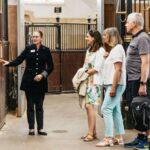
I also like that the guide works in a small group of up to 10, which makes it easier to ask questions and keep a comfortable pace through tight lanes and courtyards. You get structure without feeling herded, and the stops are chosen for what they reveal about Vienna’s long story, from the Middle Ages through the end of the Habsburg Monarchy. If you prefer a strictly museum-style route with lots of long, formal anecdotes at every stop, you might want to know this format is more “street-level stories you can see” than “lecture-heavy timeline.”
Key points at a glance
- Unknown Vienna streets with medieval corners close to modern buildings
- Music history at Deutscher Orden Haus, tied to Mozart’s world
- Winding, lesser-known lanes that change how you understand the city layout
- Architectural traces of the re-Catholicization you can spot during the walk
- Monster legends (and why Viennese tell them) as part of local history
In This Review
- Walking Vienna’s Unknown Streets (Without Feeling Lost)
- Where You Meet and Where You End Up
- What Happens on the Streets: From the 13th to the 21st Century
- Reading Vienna’s Architecture Like a Local
- Mozart’s Concert-Hall World at Deutscher Orden Haus
- Traces of Re-Catholicization You Can Spot in Stone
- Monster Legends, Origins, and Why Vienna Tells Them
- Pacing, Small Groups, and Getting Your Money’s Worth
- Who This Tour Fits Best (And Who Might Skip It)
- Make It Easier: What to Wear and How to Prepare
- After the Tour: Turning Stories Into Plans
- Should You Book This Unknown Vienna Tour?
- FAQ
- How long is the Vienna walking tour?
- How big is the group?
- What languages are offered?
- Where is the meeting point?
- Is video or audio recording allowed?
- Is the tour suitable for wheelchair users?
Walking Vienna’s Unknown Streets (Without Feeling Lost)
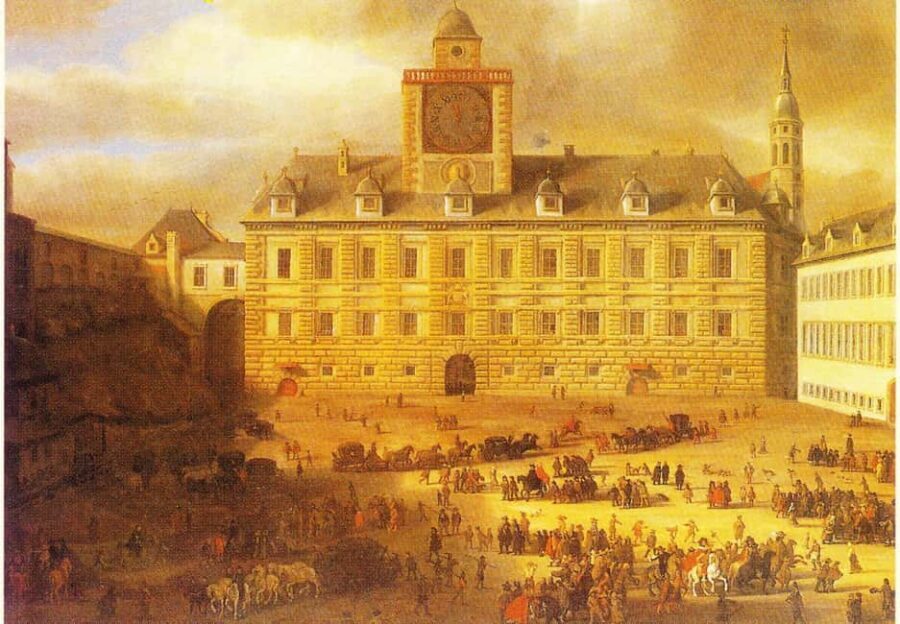
This tour is built for people who want Vienna, but not the repeat-after-me version. You’ll cover the Historic Center on foot, yet it doesn’t feel like a “greatest hits” parade. Instead, the route leads you toward small turns, quiet church fronts, and architecture tucked close to today’s streets.
What makes that work is the way the guide ties physical details to bigger historical turns. You’re not just seeing pretty façades. You’re learning why certain styles appear where they do, and what changed when empires fought, faith shifted, and the city kept rebuilding.
The other thing I value here is the tone. It’s serious history, but told in a way that feels human—like you’re walking with someone who actually loves the city enough to notice its odd corners. And yes, the legends are part of the deal, including monster lore and the way people in Vienna historically explained threats and weirdness through stories.
Where You Meet and Where You End Up
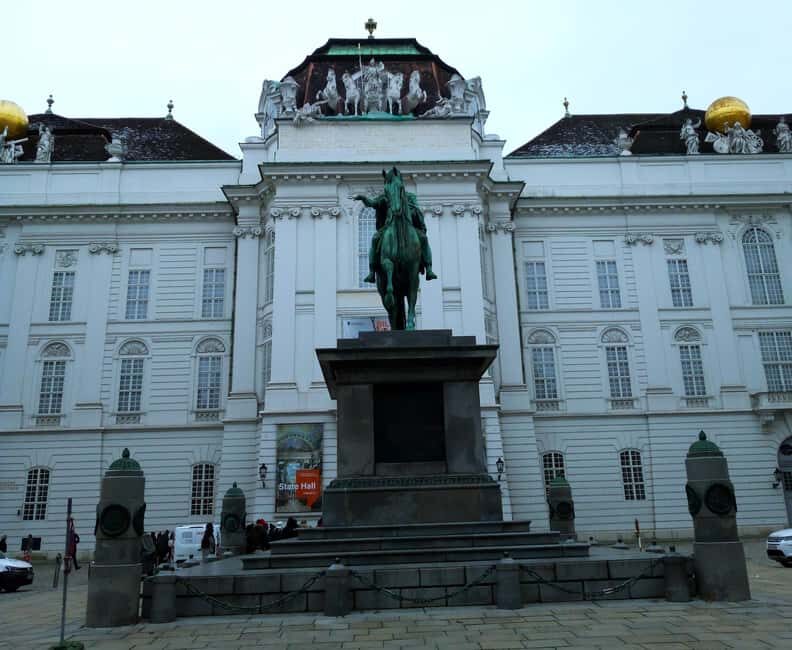
Expect the meeting point to vary depending on the option you book. You might start around Georg-Coch-Platz or near a Georg-Coch-Denkmal landmark area. Plan to arrive a few minutes early so you’re not rushing in your best “comfortable shoes” mood.
The tour ends at one of several central drops, which is handy if you want to keep your evening rolling without a long transit slog. Possible end points include Lugeck, Neuer Markt 13, or around Café Central.
Because the duration is listed as 1–3 hours, the length can depend on the start time and group flow. If you’re timing dinner or an evening concert, I’d treat this as a “commit to a plan, not a timetable” experience. Start early enough that you won’t have to cut the last stories short.
You can also read our reviews of more city tours in Vienna



What Happens on the Streets: From the 13th to the 21st Century
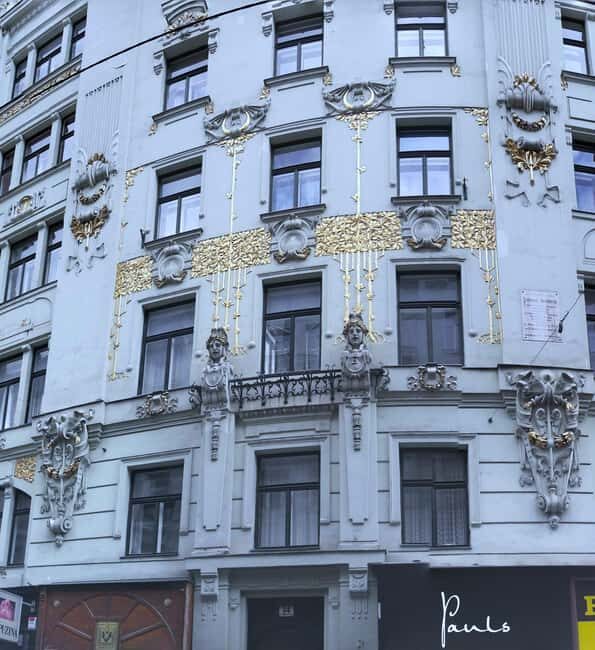
The walk is designed to cover a wide sweep, roughly from the 1200s to the 1900s, without turning into a history exam. You’ll move through Vienna’s layers, seeing how medieval structures sit right next to modern rebuilding and redevelopment.
That contrast matters. Vienna’s center isn’t a single “old town” bubble. It’s a living patchwork, shaped by Ottoman-era anxieties, imperial power struggles, and the long arc of the Habsburg Monarchy. When you start spotting these threads in street design, building massing, and church placement, the city stops feeling like random postcards.
You’ll also get guidance through medieval-to-modern architecture transitions, from Gothic and Renaissance through Baroque and Art Nouveau, and then into the kinds of newer buildings that didn’t exist in earlier centuries. The payoff is that you’ll begin to recognize the logic behind what you’re seeing, even if you didn’t study Vienna in school.
Reading Vienna’s Architecture Like a Local
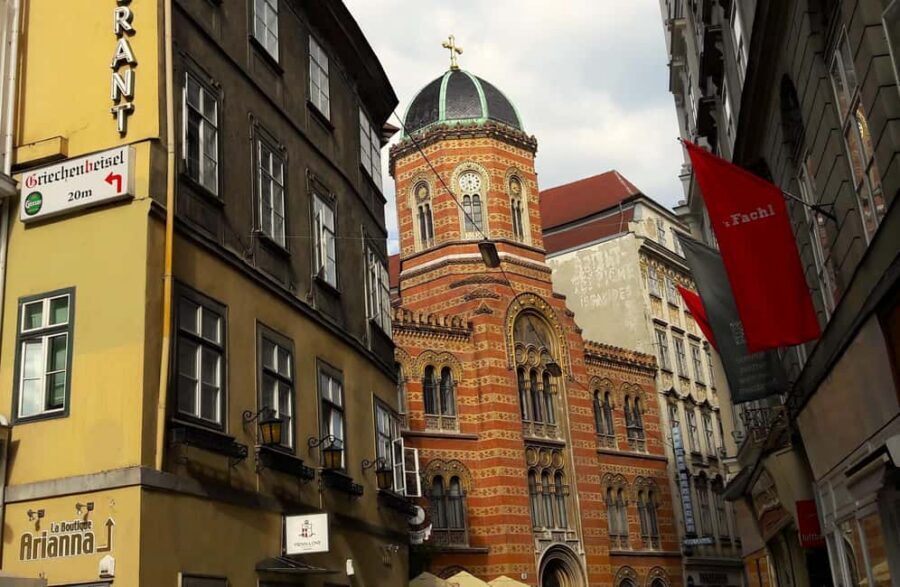
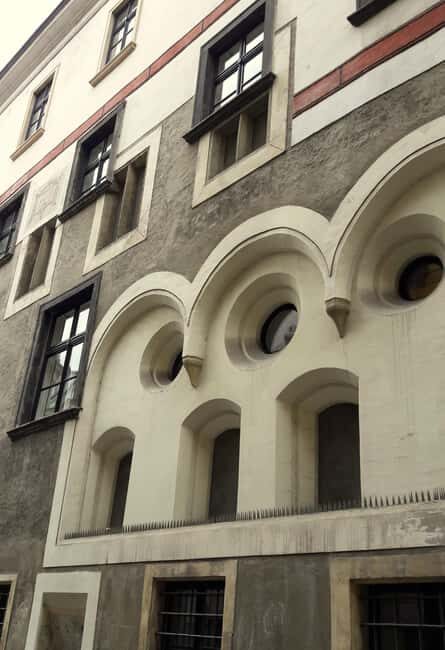
One of the best parts of this tour is how it teaches you to “read” buildings without needing to be an architect. The guide points out traces and style shifts you can notice in windows, entrances, and the way streets funnel toward landmarks.
This is where the “unknown Vienna” angle really clicks. So much of what you’ll see is close to what’s famous, but not the exact same view. That means you get architecture at walking distance without feeling like you’re competing for a photo spot.
If you love the detail side of travel, you’ll probably enjoy the way the tour connects changes in style to changes in power and religion. In other words, form follows history. Sometimes in Vienna, form follows history with a few extra legends and a monster story thrown in for good measure.
Mozart’s Concert-Hall World at Deutscher Orden Haus
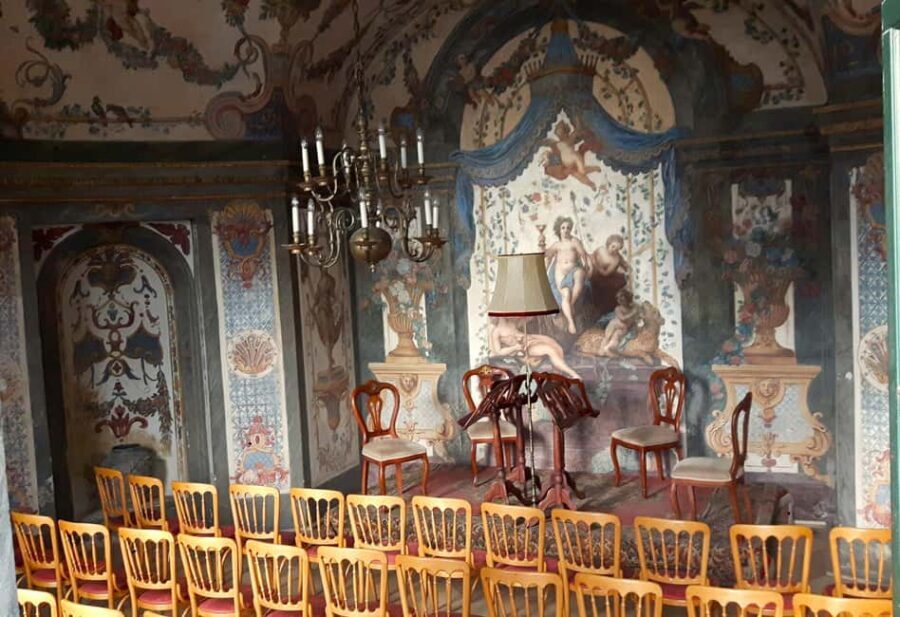
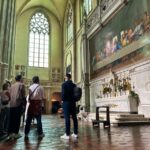
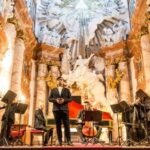
Music history is not just name-dropping here. You’ll visit a site connected to Mozart’s concert-hall world, specifically tied to Deutscher Orden Haus. For me, that matters because Vienna’s identity is inseparable from musicians and patrons who shaped what was built and what audiences believed was important.
You’ll hear how music culture ties to architecture and patronage, and how the city’s institutions supported the kind of cultural life that made Mozart’s era possible. Even if you’re not a classical-music superfan, this stop helps you connect “famous composer” to actual streets, rooms, and social networks.
Practical tip: if you’re the type who likes to visualize, slow down during this section. Let the guide’s details land before you rush to the next corner. The site is part of a larger story, and it works best when you treat it like a chapter, not a stop sign.
Traces of Re-Catholicization You Can Spot in Stone
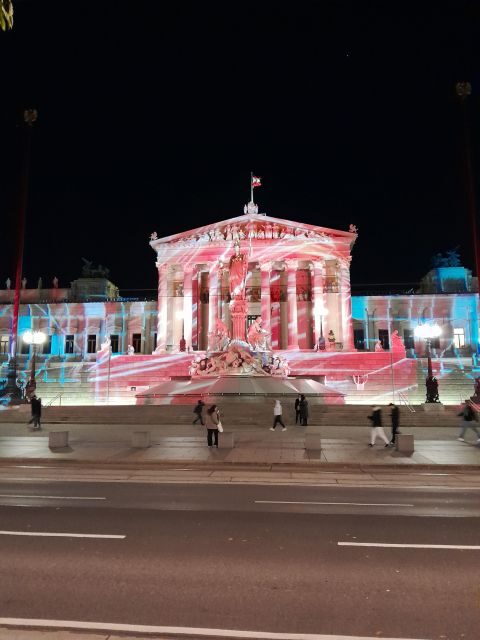
Vienna’s religious history is complex, and this tour touches it through architectural traces of re-Catholicization. Instead of making it abstract, the guide points you toward what you can observe in the urban fabric.
This is one of those topics that becomes easier when you’re looking at real buildings. You’ll start noticing how religious power shows itself in the city: church presence, design cues, and how faith-related change leaves marks in the streetscape over time.
The value for you: it gives meaning to things you’d otherwise walk past. A church façade isn’t just decoration. It’s also a signal of what a community wanted to project at a specific moment.
You can also read our reviews of more historical tours in Vienna





Monster Legends, Origins, and Why Vienna Tells Them
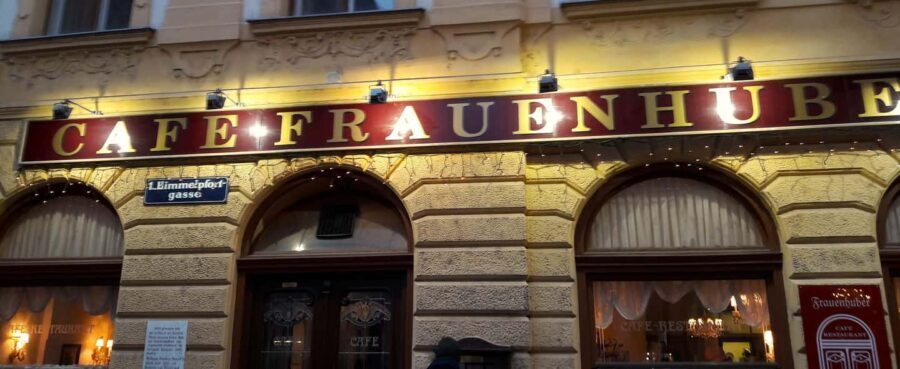
Yes, there are monsters. And no, it’s not random spooky-tour fluff. The tour includes stories of monsters—their origins, their significance, and how Vienna people have ways of dealing with fear through storytelling.
You’ll learn about monster lore tied into the city’s imagination, including references like the basilisk. The key is that these legends become a lens. They help explain what people were worried about—plague, danger, power, the unknown—then wrap that anxiety into a form you can retell.
This section is especially good if you like travel that’s emotional, not just factual. Vienna can be elegant and heavy at the same time. Monster stories add a human layer. They remind you that residents have always tried to make sense of the world with the tools they had: art, religion, and local myth.
Pacing, Small Groups, and Getting Your Money’s Worth
At $43 per person for 1–3 hours with a small group capped at 10, this is priced like an orientation-style experience, not like a private chauffeur tour. The value comes from two things: the guide’s ability to connect details across centuries, and the fact that you’re walking with enough space to actually ask questions.
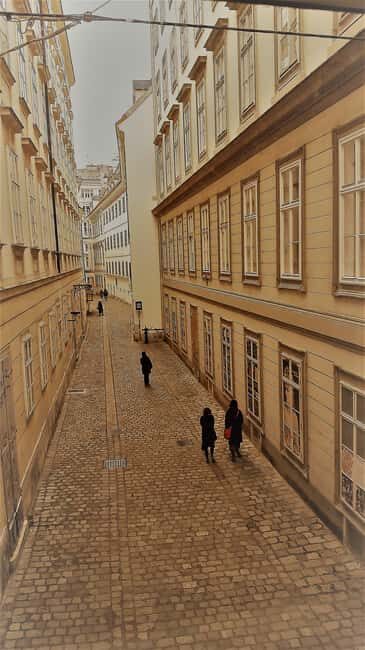
In the field, pace matters a lot for historic-center tours. Tight lanes, curb cuts, and sudden church steps are real. A small group helps the guide keep you moving without sprinting you through corners. It also helps with safety, since the guide can manage crossings and keep an eye on people who look unsure about where to step next.
One more reason this feels like good value: it doesn’t just show you sites. It gives you context you can reuse later. After this, the city layout makes more sense. You’ll likely find it easier to plan your next day because you’ll understand why certain areas connect the way they do.
Who This Tour Fits Best (And Who Might Skip It)
I think this tour is a great match for:
- People in Vienna for a short time who want a fast but meaningful orientation
- Travelers who like architecture storytelling, not just monument photos
- Anyone who enjoys legends and local folklore as a way to understand culture
It may feel less ideal if:
- You want a strictly chronological, museum-style lecture at every stop
- You need wheelchair accessibility (this tour isn’t suitable for wheelchair users)
- You hate walking tours or prefer to minimize time on foot
If you’re traveling with kids, it can work well because the monster legends break up the centuries and make history more memorable. Just keep a weather-eye open and wear grippy shoes.
Make It Easier: What to Wear and How to Prepare
Do yourself a favor and eat something before the start. Walking across older Vienna streets can be a little more tiring than you expect, especially if you stop often to look closely.
Bring comfortable shoes. You’ll be on streets where the ground is not designed for modern sneakers and perfect strides. Think traction first.
Also note a few important rules that affect how you experience the tour. Video recording and audio recording aren’t allowed, and the tour is protected by copyright. That means you’ll rely on memory and notes instead of recording everything. If that sounds annoying, it’s also a chance to stay present.
After the Tour: Turning Stories Into Plans
Because you end near central spots, it’s easy to turn the route into the first day of your own Vienna plan. If you like to wander, you’re now equipped with a better sense of direction and history, which makes casual strolling more enjoyable.
If you’re thinking about where to spend your next hour, the tour naturally points you toward nearby restaurants and local-leaning options. The best results come when you take the guide’s practical suggestions and combine them with your own food cravings.
And if you’re nervous about transit, the guide approach here is attentive. You might even get help getting to the right tram stop when needed, which can be a lifesaver if Vienna transit feels like alphabet soup.
Should You Book This Unknown Vienna Tour?
Book it if you want Vienna explained through streets, buildings, music, and local myth, not through checklists. The combination of medieval-to-modern architecture, Mozart-era context at Deutscher Orden Haus, and monster legends makes this a more memorable kind of history.
Skip it if you can’t do a walking tour, want recording-friendly content, or prefer purely formal narration over street-level interpretation.
Overall, I’d call this a high-value experience for the “early in my trip” slot. You’ll leave with a stronger mental map and a better understanding of why Vienna looks the way it does—down to the corners most people walk right past.
FAQ
How long is the Vienna walking tour?
The duration is listed as 1–3 hours, depending on the starting time and availability.
How big is the group?
The group is small, limited to 10 participants.
What languages are offered?
The live tour guide speaks German and English. In rare cases, the tour may be conducted in two languages, and you can find out more by emailing the provider.
Where is the meeting point?
The meeting point may vary depending on the option booked. Possible starting locations include Georg-Coch-Platz and areas around Georg-Coch-Denkmal.
Is video or audio recording allowed?
No. Video recording and audio recording are not allowed during the tour.
Is the tour suitable for wheelchair users?
No. It is not suitable for wheelchair users.