REVIEW · VIENNA
Vienna PASS Including Hop On Hop Off Bus Ticket
Book on Viator →Operated by Vienna Pass · Bookable on Viator
Vienna moves fast when you have a pass in hand. The big win here is pre-booked entry to a long list of top sights, paired with a hop-on hop-off bus that helps you shape the day your way. I also like that the pack is built for different trip lengths, so you can actually pace Vienna instead of just sprinting through it.
The main consideration is the bus piece: it’s convenient when it’s working smoothly, but you may still need to plan around occasional missed stops or wait times if you’re hopping on at the exact time you expect.
In This Review
- Key things I’d bank on before you go
- How the Vienna Pass and hop-on hop-off bus work together
- Pick a pacing plan: 1 day vs 2+ days in Vienna
- Imperial Vienna hits: Wagenburg, Hofburg, Crypt, and the National Library
- Art in motion: Albertina, Klimt country, and modern Vienna
- Klimt and baroque landmarks: Belvedere and Schönbrunn
- Music day: Beethoven, Mozart, Haydn, and Schubert (plus a sound museum)
- Design, markets, and the fun side of Vienna
- Animals, nature, and big collections that reset your brain
- Churches, monuments, and quieter corners with real atmosphere
- Transport and city-life museums: Remise and public-transport history
- Vienna State Opera, houses, and a few “one-ticket” extras
- The bus reality check: how to avoid wasting time between stops
- What the included hop-on options mean for your trip
- Is it worth $134.56 per person? A value-minded way to decide
- Should you book the Vienna PASS with hop-on hop-off bus?
- FAQ
- How many days is the Vienna PASS valid?
- What’s included with the pass besides the bus ticket?
- Do I have to use public transportation to get around?
- Where do I exchange my voucher for the actual Vienna PASS?
- Does the pass work for children traveling with adults?
- Is the hop-on hop-off bus route guaranteed to stop at every stated location?
- Is free cancellation available?
Key things I’d bank on before you go
- 1, 2, 3, or 6 days of access lets you match the pass to your real schedule, not a forced itinerary.
- Pre-booked admission to over 90 attractions can save you real time when Vienna is busy.
- Audio commentary in 16 languages means you can move at your own pace without squinting at museum brochures.
- A mix of major hits and oddball stops (Habsburg power, Klimt, Beethoven houses, wine cellars, UN site, and more).
- Small-group cap (max 15 travelers) can mean a more controlled experience when staff assistance is involved.
- The bus is optional value if you’re a strong walker—use it to connect neighborhoods, not as your only transport.
How the Vienna Pass and hop-on hop-off bus work together
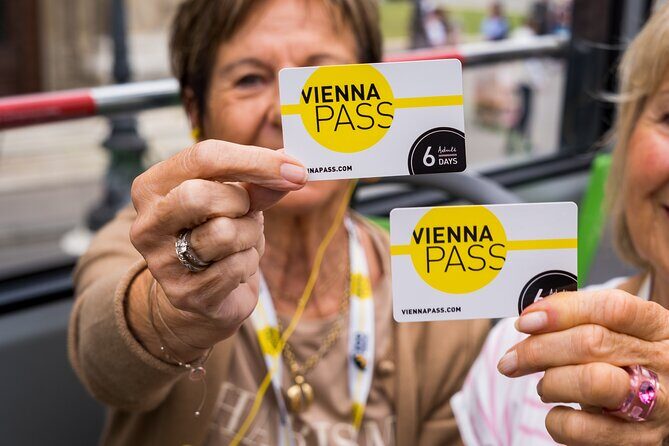
Think of the Vienna PASS as your ticket keychain. You’re paying for access to a large menu of sights, plus audio commentary and a guidebook, and you choose what you actually want to do each day. The hop-on hop-off bus is the convenience layer that helps you get between clusters—especially when you’re bouncing between museums, palaces, and the big sights outside the very center.
In plain terms: if you plan to visit multiple paid attractions, this can feel like good value fast. The pass is priced at $134.56 per person (with validity ranging from 1 to 6 days), and the value comes from piling up entrances—especially big names like Belvedere, Schönbrunn, major museums, and a lineup of music-related houses.
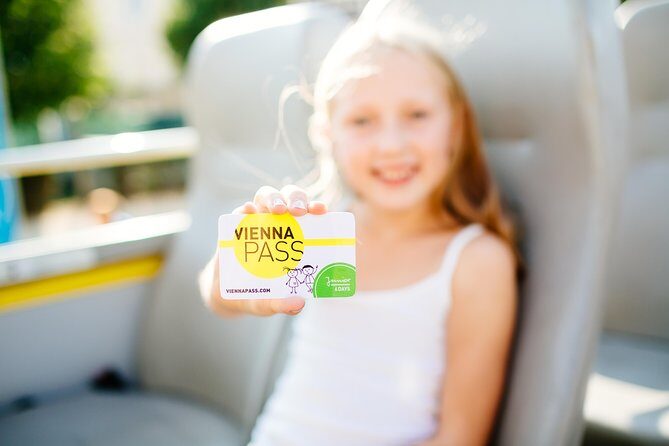
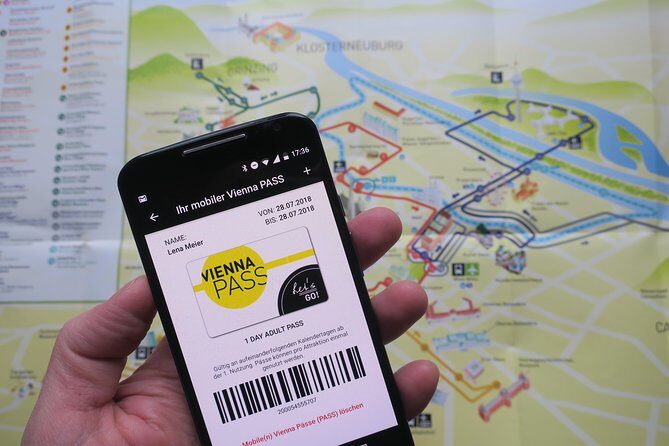
One practical note before you arrive: the voucher needs to be exchanged for the actual Vienna PASS at a service center opposite Vienna State Opera (Operngasse 3–5), open 9:00 a.m. to 6:00 p.m. The person collecting the pass must match the purchaser, so bring an official photo ID.
A few more Vienna tours and experiences worth a look

Pick a pacing plan: 1 day vs 2+ days in Vienna
Vienna is walkable, but it’s also spread out. The pass works best when you use it like a strategy, not like a checklist.
If you only have 1 day, I’d be selective. The bus can help you cover more ground, but it also adds waiting time between stops. If you’re staying 2+ days and hitting multiple museums and palaces, the pass becomes much easier to justify because you’ll be using the included entries repeatedly.
If you’re planning around the big baroque and art anchors—Belvedere and Schönbrunn especially—then a 2-day plan is a sweet spot. You can do one major “palace/gardens” day plus one “art and imperial museums” day, then add smaller stops around the edges.
Imperial Vienna hits: Wagenburg, Hofburg, Crypt, and the National Library
This is where Vienna flexes its Habsburg muscle, from carriages and furniture to burial halls and grand interiors. I like this cluster because it feels like one connected story, even if you visit the sites on different days.
Kaiserliche Wagenburg Wien: Museum of imperial carriages, with a window into rulers’ eventful lives. It’s a great early pick if you like material culture—things you can almost imagine rolling into court.
Hofmobiliendepot Mobel Museum: A huge furniture museum in a classic Biedermeier setting. You’ll see imperial pieces tied to figures like Maria Theresia, Franz Joseph, and Sisi—ideal if you want the “how it looked and lived” side of court history.
Imperial Crypt (Capuchin Crypt): The Habsburg burial place for emperors and empresses and their families. If you’re short on time, I’d still make room—this is one of those places that changes the way you think about the dynasty.
The Hofburg: The former imperial residence and today’s political center. It also houses several museums and collections, including the Sisi Museum and the Imperial Silver Collection, so it’s one of the best “big building, lots inside” choices.
Otto Wagner Pavillon Karlsplatz: A design stop linked to mass transit around 1900. I’d go if you enjoy architecture as a living record—not just buildings, but how cities moved.
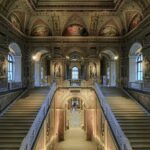
Osterreichische Nationalbibliothek (Austrian National Library): The State Hall is known for its baroque grandeur. It’s a short visit for a very strong payoff when you like interiors and the feeling of old-world institutions.
Literature Museum of the Austrian National Library: A focused look at major Austrian authors through letters, works, and creativity. Pair this with the National Library if you want a “writers and documents” day.
Schubert’s death house in Vienna: Franz Schubert’s last drafted compositions and final letters, plus documents about family care at the end of his life. It’s intimate and human-scale, which makes it a nice break from palace crowds.
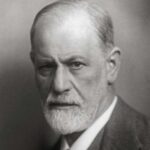
Sigmund Freud Museum: Freud’s former home and practice in Berggasse 13, with original furniture and objects. Even if you’re not a psychology nerd, you’ll probably appreciate seeing the man’s world in real rooms.
Imperial Silver Collection note: The Hofburg specifically mentions the Imperial Silver Collection as part of what you can access, so it’s worth planning time inside the Hofburg complex rather than treating it as one quick stop.
Art in motion: Albertina, Klimt country, and modern Vienna
Vienna is a serious art city, and the pass makes it easier to hop between styles. I like that you can move from classic masterpieces to modern and contemporary, without having to buy separate tickets all day.
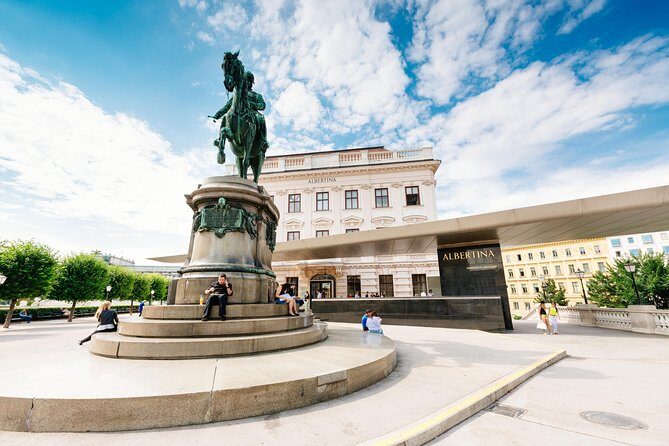
Albertina: In the center of Vienna, tied to major Habsburg residence history and art holdings. If you’re aiming for “big museum energy,” this is one of the must-hit names.
Bank Austria Kunstforum: A top stop for post-war classic modernism and the avant-garde. If you’ve ever wanted modern art without wandering aimlessly, this kind of focused museum is a strong fit.
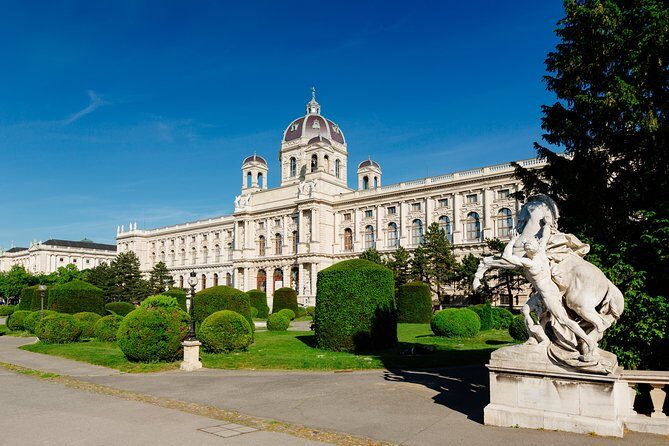
Kunsthistorisches Museum Vienna: Built to house imperial collections and spanning exhibits from five millennia. It’s large, so decide what you care about before you walk in—or you’ll drift and lose time.
Leopold Museum: Strong in Viennese art nouveau, Wiener Werkstätte, and expressionism. You’ll find the world’s largest Egon Schiele collection plus Gustav Klimt-related masterpieces.
Kunsthalle Wien Museumsquartier: International contemporary art in the MuseumsQuartier and Karlsplatz venues. It’s a good counterbalance if your earlier day was all baroque and classical.
Museum of Modern Art Ludwig Foundation (MUMOK): One of the biggest modern/contemporary collections in Central Europe, running from classic modernism to Pop Art and Vienna Actionism. It’s not a “quick look” museum, so give yourself real time.
Museum of Applied Arts / MAK: Applied arts plus architecture and contemporary art, with connections to figures like Gustav Klimt, Koloman Moser, and Joseph Hoffmann. This museum is especially satisfying if you like design that has a point of view.
Dom Museum Wien: Focuses on treasures associated with St. Stephen’s Cathedral and also includes classic modernity and contemporary art. I’d treat it as a “bridge museum”—not just cathedral stuff, but a museum that links time periods.
Hundertwasserhaus (and Kunst Haus Wien): The Kunst Haus Wien includes the world’s biggest collection of Hundertwasser’s works, and you can explore his architecture indoors and outdoors. If you want a break from straight-line geometry, this is a fun pivot.
Vienna Secession-ish style warning: Because these modern and contemporary museums vary a lot in pacing, don’t schedule too many back-to-back if you get museum fatigue easily.
Klimt and baroque landmarks: Belvedere and Schönbrunn
This is the “you came to Vienna for this” zone. If you only remember two places, make it these two.
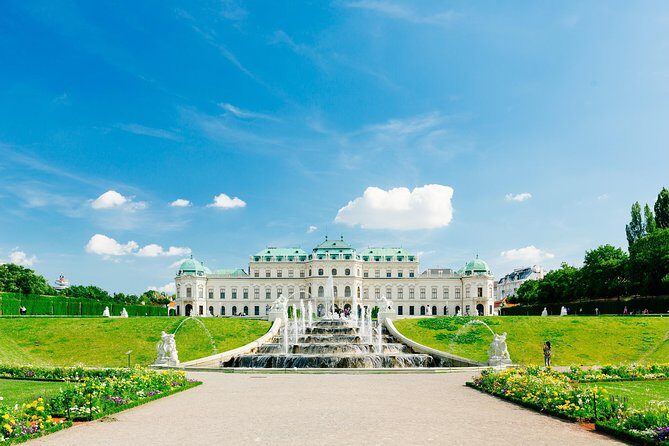
Belvedere Museum: The UNESCO World Heritage residence of Prinz Eugene of Savoy, with palaces linked by gardens. The Upper Belvedere is the home of the world’s largest collection of Gustav Klimt paintings, plus major works by Schiele and other well-known artists. The Lower Belvedere focuses on residential palace space, and the site hosts high-profile temporary exhibitions.
Belvedere 21 (Museum of Contemporary Art): Contemporary Austrian art from the 20th and 21st centuries. I like using Belvedere as a “then and now” day: baroque gardens first, then modern interpretation.
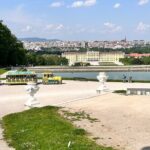
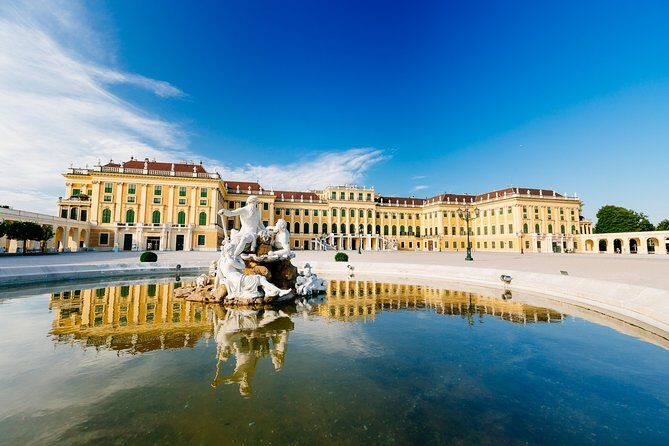
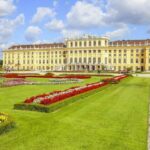
Schönbrunn Palace: UNESCO World Heritage, Austria’s most-visited tourist attraction, and stuffed with highlights like the palace, the zoo, and the Gloriette. It’s also tied to Maria Theresia’s era, which gives the place a clear historical center of gravity.
Schönbrunn Palace for families: The palace includes a specially created children’s museum component that shows the everyday life of royal children. If you’re traveling with kids, this is one of the easiest ways to make palace time feel less like homework.
Schonbrunner Gardens: The gardens get their own time here because they’re part of the attraction, not just scenery. Expect big features like the maze (with multiple parts) and the Orangery (one of the largest baroque orangeries).
Tiergarten Schoenbrunn – Zoo Vienna: Over 700 species, with giant pandas as a known highlight. Since it’s located within the Schönbrunn grounds, it’s a natural add-on if you’re already there.
Gloriette viewpoint angle: Schönbrunn includes a viewing terrace at the Gloriette for big views over the park and large parts of Vienna. Plan this late in the day for better light, if weather cooperates.

Music day: Beethoven, Mozart, Haydn, and Schubert (plus a sound museum)
Vienna is practically written in music notes. What I like about this pass is that it doesn’t only point you at famous names—it gives you house museums and performance-linked experiences.
Beethoven Museum: Tied to Heiligenstadt’s healing-baths story and Beethoven coming seeking improvement for advancing deafness. The emotional angle makes the museum feel more than “facts in a room.”
Beethoven Pasqualatihaus: Beethoven lived with patron Baron Johann Baptist Pasqualati, and you can see a famous portrait by Willbrord Joseph Mähler plus personal items. If you like composer context through the objects around them, this one hits.
Haydnhaus: Joseph Haydn’s house in Gumpendorf, where he lived and passed away. The permanent exhibition focuses on his last years and connects them to the political and social setting of the time.
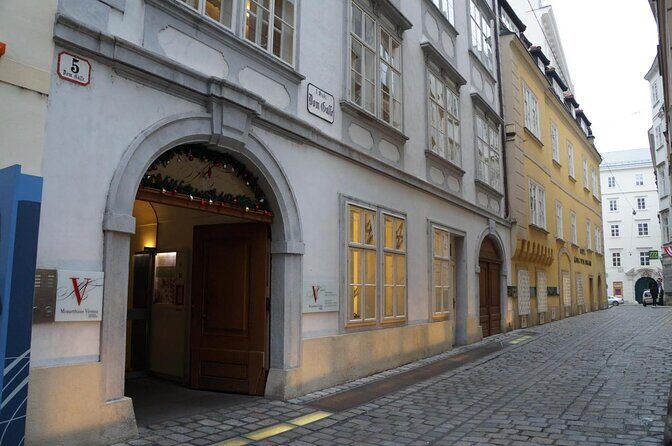
Mozarthaus Vienna: Mozart’s preserved apartment in Vienna, with a focus on his Vienna years. If you’re a Mozart fan, this is a classic “where he created” stop.
Schubert’s death house in Vienna: Again, worth repeating if you love intimate composer stories—this is a human ending, not just milestones.
Haus der Musik (Sound Museum): An interactive sound-and-music experience across four floors. This is a good reset when your other days are heavy on quiet galleries.
Spanish Riding School: The famous Lipizzaner training and the Morning Exercise, paired with classical Viennese music. Even if you’re not a horse person, it’s a distinctive Vienna performance culture moment.
Design, markets, and the fun side of Vienna
Not every great day is museums and palaces. These stops give you color, taste, and variety—plus a break from indoor crowds.
Naschmarkt: A famous market area with foods, spices, and plenty of restaurants and bistros around it. Go when you want “Vienna life” rather than only ticketed attractions.
Prater: Vienna’s amusement park area plus woods and meadows, and a Prater museum piece tied to entertainment history. It’s a good afternoon plan when you want movement and a different mood than royal halls.
Madame Tussauds Wien: A mix of Austrian and international figures across fields. It’s fun if you like quick photo ops, but I’d treat it as a mid-day filler rather than a “main event” museum.
Schlumberger Kellerwelten: A sparkling wine experience with 300-year-old cellar vaults and hands-on elements like shaking bottles on wooden racks. This is the one you pick when you want Vienna culture with a sensory payoff.
Papyrus Museum of the Austrian National Library: About 300 unique objects spanning three millennia of Egyptian culture, including Book of the Dead materials and mummy portraits. If you like collections that feel specific and curated, this should work well.
Beethoven and wine and papyrus in one day? It’s possible with the pass, but I’d spread these across different days so each one lands.
Animals, nature, and big collections that reset your brain
Some of Vienna’s best “stand in a room and stare” experiences are science and nature. They also give you an indoor option when the weather turns.
Museum of Natural History Vienna (Naturhistorisches Museum): Opened in 1889, with more than 30 million specimens and artifacts. The Venus of Willendorf figurine is listed as a highlight, and the scale of the collection makes this feel like a real institution, not a small display.
UN in Vienna (United Nations in Vienna): A guided tour through the Vienna International Centre, with permanent and temporary exhibits and works of art, including a major Hundertwasser wall artwork and a NASA moon rock donation. It’s a strong option if you want something beyond Vienna’s own borders.
Danube Tower: Elevator up to a viewing platform 150 meters high for panorama views. It’s a quick “see the city from above” moment that helps you orient for future walking.
Tiergarten Schoenbrunn – Zoo Vienna: See it as part of your larger Schönbrunn day, not an isolated commitment.
Churches, monuments, and quieter corners with real atmosphere
These are the stops that can turn a day from a checklist into a memory. They’re also good for breaks between bigger ticket attractions.
Johann Strauss Monument: A gilded bronze memorial in Stadtpark that’s one of the most photographed monuments in Vienna. I’d pair this with a walk if you’re doing a scenic route through the city.
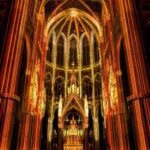
Votive Church (Votivkirche): Neo-gothic church begun in 1856, inaugurated 1879, and with a height of 99 meters. It’s a strong “look up” stop between museums.
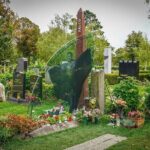
Vienna Central Cemetery (Wiener Zentralfriedhof): Enormous, with Catholic, Protestant, Jewish, Islamic, Orthodox sections, plus Buddhist and Mormon sections. It’s also the final resting place of composers like Beethoven, Johann Strauss, Brahms, and Schubert (and Mozart has a memorial only).
Jewish Museum Vienna (Palais Eskeles): Focus on Jewish religion, tradition, and history in Austria. This is the kind of museum that gives context to Vienna as more than just palaces and art.
Stift Klosterneuburg: A monastery founded over 900 years ago, connected to Babenbergs and the Habsburgs. It’s also home to the oldest winery in Austria, so it blends history with a production story.
Transport and city-life museums: Remise and public-transport history
If you like how cities work, this is where Vienna gets practical.
Remise Verkehrsmuseum: Experience 150 years of public transport in Vienna, showing how transportation changed city life. It’s an easy way to switch gears from art and royalty to everyday systems.
Otto Wagner Pavillon Karlsplatz: Again, also fits here if you’re interested in design history tied to mass transport.
Vienna State Opera, houses, and a few “one-ticket” extras
These aren’t necessarily the longest stops, but they add flavor when you’re building out a full day.
Vienna State Opera (guided tour): A guided tour inside the Vienna State Opera House. It’s short (40 minutes in the time estimate), so it’s a good “slot-in” activity.
Heidi Horten Collection: A free admission stop listed at Hanuschgasse 3, 1010 Vienna. If you want extra art without adding ticket cost, it’s worth checking your schedule.
The bus reality check: how to avoid wasting time between stops
The bus can help you connect major areas quickly, especially if you’re trying to reduce walking between museum clusters. Still, the hop-on hop-off experience can be hit-or-miss depending on the route and stop timing—so I’d use it as a connector, not as your only plan.
If the bus doesn’t stop when and where you expect, you may need to walk to the next pickup point (one practical tip from experience is that a short walk—around 10 minutes—can be faster than waiting). Also, bus stops aren’t always obvious at a glance, so look for the clearly marked stop area before you commit to waiting.
In general, Vienna is easy to navigate once you know the neighborhoods. If you’re staying for a longer stretch, you can pair the bus with trams and walking and stop treating the bus as a guaranteed taxi.
What the included hop-on options mean for your trip
Your pass includes the hop-on hop-off sightseeing bus ticket and also points you toward bus ticket variations like 24h, 48h, and 72h along with a light self-guided music walking option. Translation: you’re not locked into a single route plan. You can do short bursts of bus time and then move on foot when you want street life and views.
Also, remember what’s included: audio commentary in 16 languages and a guidebook. You don’t have to rely on one phone connection or one person’s pace.
Is it worth $134.56 per person? A value-minded way to decide
Here’s how I’d decide without overthinking it:
- If you’ll visit at least 4–7 major ticket attractions (palaces, big museums, major house museums) during your validity window, the pre-booked entry typically adds up quickly.
- If you’re mainly doing free sights, light strolling, and only one paid museum, you may feel like the pass is buying you access you don’t fully use.
- If you’re staying 2+ days, you’ll generally get more out of the pass because Vienna’s museum and palace rhythm rewards repeat days—one cluster per day, with smaller stops around it.
The pass shines when you’re doing a “mix-and-match” schedule with intent: art one day, palace gardens another, plus music houses and a market day in between.
Should you book the Vienna PASS with hop-on hop-off bus?
If you’re the type who wants to see a lot of Vienna without micromanaging ticket lines, I think this is a smart buy. It’s especially strong for people who plan to spend multiple days on museums, palaces, and themed stops like Beethoven, Mozart, and Klimt.
Skip the bus-only mindset. Use the bus to connect neighborhoods, then trust your feet for the streets in between. If you’re only going for one day, keep your schedule tight and be picky about which indoor attractions you truly want—because the bus can cost time if you’re constantly waiting instead of walking.
FAQ
How many days is the Vienna PASS valid?
The Vienna PASS is valid for 1, 2, 3, or 6 days, depending on which version you purchase.
What’s included with the pass besides the bus ticket?
It includes audio commentary in 16 languages and a guidebook, plus admission to the included attractions listed for the pass.
Do I have to use public transportation to get around?
Public transport isn’t included. The pass includes the hop-on hop-off bus ticket, but you’ll still need to use other transport options on your own.
Where do I exchange my voucher for the actual Vienna PASS?
You exchange your voucher at the Vienna Sightseeing & Vienna PASS Service Center opposite the Vienna State Opera (Operngasse 3–5). The service center is open Monday to Sunday from 9:00 a.m. to 6:00 p.m.
Does the pass work for children traveling with adults?
Children must be accompanied by an adult.
Is the hop-on hop-off bus route guaranteed to stop at every stated location?
The pass includes hop-on hop-off bus service, but bus stop service can vary in real-world use. If a bus doesn’t stop where you expect, you may need to walk to another nearby stop.
Is free cancellation available?
Yes. You can cancel up to 24 hours in advance for a full refund, and cancellations within 24 hours of the start time are not refunded.