Sipping liqueur beats sightseeing here. This Vienna tour centers on Mechitharine liqueurs linked to the Mechitarist Congregation, with guided Mozart chocolate pairing.
I like that the group stays small (max 10), so the guide can talk through the 42 herbs, roots, and spices that shape the flavor. I also like the hands-on format: you sample three flavored liqueurs and get tips on tasting and pairing.
The main drawback to plan for is expectation mismatch. The experience can lean more toward monastery history than a long liqueur flight, so if you want lots of pour-and-sip time, timing may feel tight.
In This Review
- Key highlights worth your attention
- Mechitharine Since 1889: why this Vienna liqueur tour exists
- The small-group setup (max 10) and what it changes for you
- Mechitaristengasse 4 meeting point: getting there and what the timing feels like
- The Mechitarist story: Constantinople, Venice, and why the recipe is the star
- The tasting flow: three liqueurs, one dessert, and a real way to taste
- Value and price: is $83.08 worth it?
- Who this liqueur tour suits best (and who should think twice)
- Should you book the Mechitharine liqueur tour in Vienna?
- FAQ
- How long is the Liqueur Tour in Vienna?
- What is included in the tour price?
- Is the tour offered in English?
- What is the meeting point for the tour?
- How many people are in the group?
- Do I need a mobile ticket?
- Is breakfast included?
- What cancellation options do I have?
Key highlights worth your attention

- Mechitharine roots in 1889: You’re tasting a recipe tied to production that goes back to the late 19th century.
- A 42-herb flavor profile: The tour focuses on how herbs, roots, and spices create the character of the liqueurs.
- Three flavored liqueurs in one session: You don’t just get one sip. You compare flavors side by side.
- Mozart chocolate pairing: The sweet course is built into the experience, not an afterthought.
- Max 10 people, in English: You get a more conversational vibe than big-bus tasting chaos.
- History plays a role: The monastery story can take center stage, depending on how the visit runs.
Mechitharine Since 1889: why this Vienna liqueur tour exists
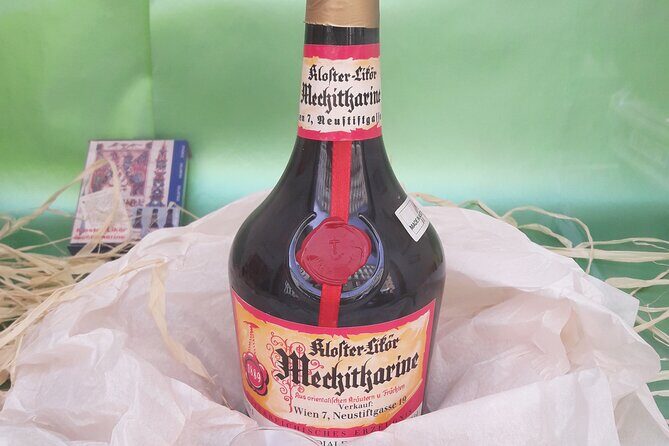
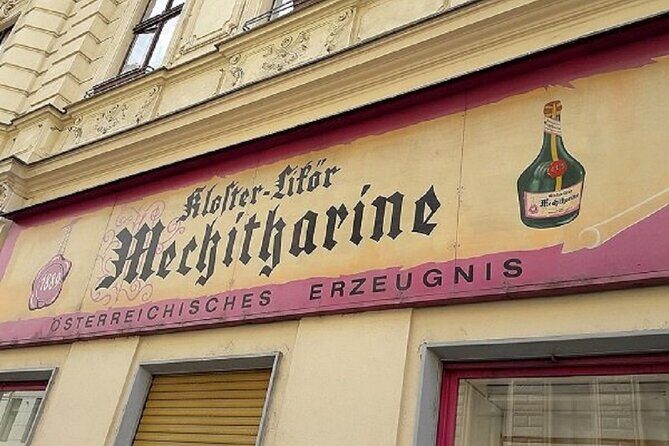
This is not a generic alcohol sampler. The draw here is the story connection between Vienna and Mechitharine—an Armenian-Austrian, Armenian-oriental style liqueur brand associated with the Mechitarist Congregation. If you’ve ever walked past a brand label and wondered where the spirit actually comes from, this tour points you to the origin narrative behind it.
The brand lore is part of the appeal. The recipe is said to have been transferred from Constantinople to Venice by Mkhitar Sebastatsi in the 1700s, and it’s kept under strict confidence. The liqueur itself is described as using an “oriental touch,” which lines up with why the ingredient list matters so much on this experience: 42 herbs, roots, and spices.
There’s also the award-and-exhibition angle. Mechitharine has been credited with around 30 awards and medals, and exhibitions in cities such as Graz, Salzburg, and Linz. That matters because it frames the tasting as something more than a hobby. You’re tasting a product that’s been taken seriously in public venues, not just sold locally.
For me, the best part is that the guide doesn’t treat this like a party. It’s more like a guided flavor lesson anchored to a real place in Vienna. You get to slow down for a small course of liqueurs and chocolate, rather than rushing through shops.
You can also read our reviews of more tours and experiences in Vienna.
The small-group setup (max 10) and what it changes for you
A group limit of 10 travelers might sound like a marketing line. In practice, it changes what you can do with your questions. With a small group, the guide can actually react to your pace—especially when they’re talking about tasting techniques and pairing logic.
You should also expect a calmer tone. If you’re the type who likes to ask about ingredients, sweetness levels, or how one spice blend leads to a different finish, this format gives you room to do that. Big groups often turn into a scripted parade where you taste, smile, and move on. Here, the vibe is more conversational.
One more practical point: because the tour lasts about an hour (and can run a bit longer depending on how the visit unfolds), small size helps you keep your bearings. You’re not constantly waiting for people who wandered off to take photos.
That said, small group can cut both ways. When the focus shifts toward the monastery history, there’s less “extra time” in the schedule to expand the tasting. So if you’re paying $83.08 hoping for lots of pours, you’ll want to match your expectations to a guided experience where the tasting is one component of the visit.
Mechitaristengasse 4 meeting point: getting there and what the timing feels like
You’ll start at Mechitaristengasse 4, 1070 Wien. The good news: it’s listed as near public transportation, which matters in Vienna where you can burn time fast if you pick the wrong tram or walk too far between stops.
The session ends back at the meeting point. That’s a big help if you’re fitting this into a day that already includes museums or a dinner reservation. You won’t get a weird “now you’re across town” surprise.
On timing, aim for about 1 hour. But here’s the key reality check from what you might experience in the field: some participants describe the visit as closer to 85 minutes and more history-forward. That doesn’t mean it’s bad. It just means the pacing can be different than what pure tasting-only tours feel like.
Plan your schedule buffer like this:
- If you have a strict plan afterward, leave at least 90 minutes total window for comfort.
- If you’re starting fresh and can roam the area after, you’ll feel less rushed if the narrative part runs longer.
Also note: the tour is in English, and you’ll get a mobile ticket. That’s convenient for Vienna travel days when your bag is already full.
The Mechitarist story: Constantinople, Venice, and why the recipe is the star
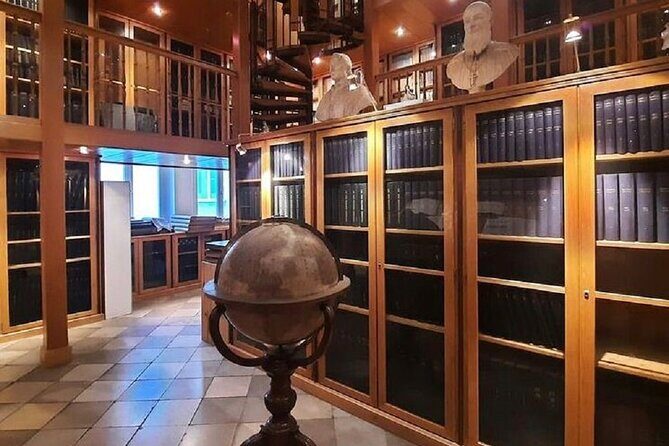
Before you taste anything, you’re guided through the connection between the Mechitarist Congregation and Mechitharine. The visit frames the brand as closely tied to the community, and that’s where the experience gets interesting even if you’re not a super-spicy liqueur person.
Here are the concrete story beats you should remember:
- The recipe is said to have traveled from Constantinople to Venice with Mkhitar Sebastatsi in the 1700s.
- The recipe is described as kept in strict confidence, which is why the ingredient discussion becomes part of the mystery.
- The liqueur is associated with 42 herbs, roots, and spices, and the tour uses that to explain why each flavored expression tastes distinct.
This is the kind of context that makes tasting click. If you go in expecting a simple sweet alcohol, you’ll end up treating the sample like dessert. But if you understand that the character comes from a specific spice blend, you start noticing things like aroma, bite, and the way the finish lingers.
The tour also highlights recognition—awards and exhibitions—so you’re not just listening to legend. You’re learning how a monastery-linked spirit became a widely exhibited product.
One more practical note: some people appreciate the father leading the visit and the way the monastery narrative comes through. If you’re visiting Vienna specifically for alcoholic “flavor flights,” you may need to mentally swap the word tasting for something like guided spirit + story visit. That mindset keeps you happy.
The tasting flow: three liqueurs, one dessert, and a real way to taste
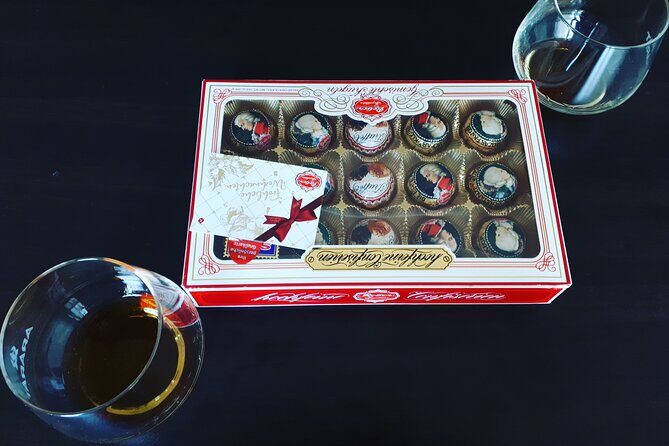
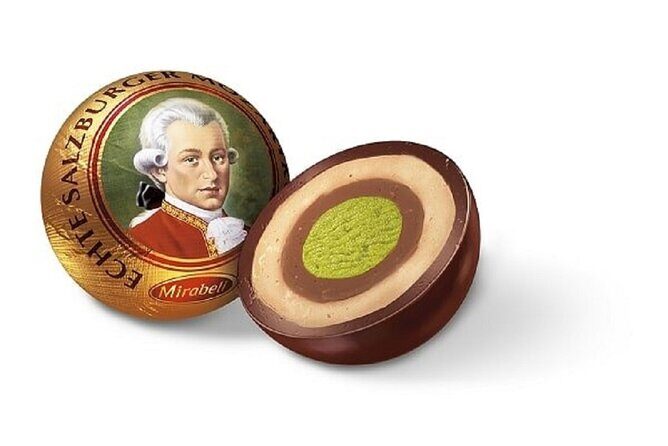
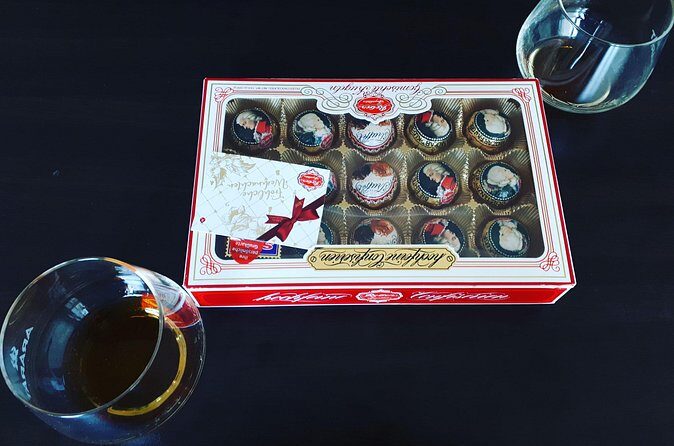
Your included tasting includes liqueur tasting, Mozart chocolate, and bottled water. You sample three different flavored liqueurs, and you get guidance on how to taste liqueur and how to pair it with chocolate.
Even without knowing the exact flavors in advance, you can prepare yourself for how the comparison works:
- Each liqueur will taste different because the base spice blend interacts with the specific flavor variation.
- You’re meant to notice more than sweetness. Think aroma first, then sip, then finish.
Here’s a practical tasting method that matches what these tours usually teach (and you’ll benefit from it):
- Smell first. Don’t rush. Liqueurs often reveal their personality in aroma more than in flavor.
- Take a small sip. Let it coat your mouth.
- Pause and notice the finish. Spices can show up late, after the initial sweetness.
- Reset with water, not more chocolate right away.
The chocolate course matters because it’s not random candy. Mozart Chocolate is included as the dessert pairing. The logic is simple: chocolate can soften sharp edges in a liqueur while also amplifying warm notes. If you do the tasting in the right order—liqueur first, then chocolate—you can actually separate what the liqueur tastes like versus what the pairing adds.
One caution based on common expectation gaps: some participants report that the liqueur tasting portion can feel short and that the chocolate moment can be more like a quick sweet stop than a long pairing lesson. That doesn’t invalidate the experience, but it does mean you shouldn’t schedule this like a long tasting seminar.


Value and price: is $83.08 worth it?
At $83.08 per person, this sits in the “specialty” category. You’re paying for a guided, small-group experience with multiple included items: three liqueurs, Mozart chocolate, and bottled water—plus a structured story about the Mechitarist connection and the 42-herb recipe concept.
So what makes it good value?
- If you genuinely enjoy guided tasting with context, $83.08 can feel fair because you’re not just buying a drink. You’re buying an explanation and a comparison moment.
- The small group matters. A max of 10 keeps it from turning into a mass product demo.
What can make it feel expensive?
- If you mainly want a large tasting flight with lots of pours and time to sample repeatedly, this may not deliver the heavy tasting you imagined.
- If the visit ends up spending more time on monastery history than you expected, the alcohol part can feel brief relative to the price.
My take: this is a good fit when your goal is Vienna’s spirit culture with a specific brand lineage, not when your goal is maximizing the number of sips. If you want to learn how the recipe works and why the pairing is chosen, you’ll probably feel satisfied.
Who this liqueur tour suits best (and who should think twice)

This tour makes sense if you:
- Want an English-guided experience centered on Mechitharine and the Mechitarist Congregation connection.
- Enjoy tasting as a lesson: herbs, roots, spices, and how that shapes flavor.
- Like pairing a liqueur with dessert and want the pairing explained, not guessed.
It may not suit you if you:
- Are coming purely for a long liqueur sampling session.
- Expect a full-on tasting flight where you’re repeatedly offered larger quantities to compare.
- Don’t care about monastery history at all and would feel impatient if the narrative takes time.
One helpful way to decide: ask yourself whether you’d still enjoy the visit if the tasting moment is quick. If the answer is yes, you’re in the right place. If the answer is no, you’ll likely feel disappointed.
Should you book the Mechitharine liqueur tour in Vienna?
Book it if you want a focused, small-group Mechitharine + chocolate pairing experience tied to a specific Viennese religious community and an ingredient-driven flavor story. The 42-herb/spice angle is the kind of detail that turns a sip into something you remember.
Consider skipping or shopping around if your top priority is sheer tasting volume or lots of pours. Based on how this kind of visit can run, the history portion can take the lead, and the actual liqueur sampling can feel brief.
If you’re flexible and you like guided story + guided tasting, this is a smart use of time. If you’re only chasing a big alcohol experience, you’ll probably feel better choosing something else.
FAQ
How long is the Liqueur Tour in Vienna?
It runs for about 1 hour.
What is included in the tour price?
The tour includes liqueur tasting, Mozart chocolate, and bottled water.
Is the tour offered in English?
Yes, the tour is offered in English.
What is the meeting point for the tour?
The meeting point is Mechitaristengasse 4, 1070 Wien, Austria.
How many people are in the group?
The group is capped at a maximum of 10 people.
Do I need a mobile ticket?
Yes, the tour includes a mobile ticket.
Is breakfast included?
No, breakfast is not included.
What cancellation options do I have?
You can cancel for free up to 24 hours before the experience’s start time for a full refund.