Klimt hits different when someone explains the why. At Vienna’s Upper Belvedere, this live guided tour turns the museum into a clear story, from imperial Baroque rooms to the paintings themselves, with a mobile ticket and an audio system that keeps you synced to the guide.
I love two things most. First, you get Gustav Klimt at full focus, including The Kiss with its real gold leaf detail. Second, the guide connects the wider collection across time, so you’re not just seeing famous names like van Gogh, Monet, and Rodin—you’re understanding why these works belong in the same palace.
The main trade-off is time: you’re there for about 1 hour 30 minutes, and it’s a concentrated museum visit. If you like to linger in every room or re-read labels slowly, you may feel gently rushed.
In This Review
- Quick Hits: What Makes This Tour Worth Your Time
- Upper Belvedere’s Real Advantage: You See the Museum as a Story
- Arriving at Prinz-Eugen-Straße: Where the Tour Starts
- The Main Stop: Upper Belvedere Museum (Where the Art Takes Over)
- The Klimt Anchor: The Kiss and the Scale of the Collection
- Beyond Klimt: van Gogh, Monet, Rodin, and More
- Gothic to Baroque: Why the Room Matters as Much as the Painting
- How the Live Guide + Audio System Works in Real Life
- Time and Group Size: The 1.5-Hour Practical Reality
- Price and Value: What $63.80 Really Covers
- Who Should Book This Tour?
- Practical Tips to Make This Museum Visit Go Smoothly
- Should You Book This Upper Belvedere Live Tour?
- FAQ
- How long is the Upper Belvedere guided tour?
- What’s included in the price?
- What time does the tour start, and where do I meet?
- Is the ticket mobile-friendly?
- How large is the group?
- Can I cancel for a full refund?
Quick Hits: What Makes This Tour Worth Your Time
- A guide who teaches like an art docent: Antonia (Toni) earned top praise for making the paintings click fast.
- Klimt’s biggest moments up front: Expect The Kiss and the scale of the Klimt collection.
- More than one art era in one run: Medieval icons, Baroque grandeur, Romanticism, and early Modernism are all part of the route.
- Audio system included: Clear narration without crowding the guide.
- Small group cap of 24: Easier movement through rooms than large bus-style tours.
Upper Belvedere’s Real Advantage: You See the Museum as a Story
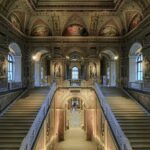
Belvedere Palace isn’t just a backdrop. The Upper Belvedere was the summer residence of Prince Eugene of Savoy, and that context matters once you walk inside. The building and its rooms shape how you see the art: you’re moving through spaces designed for taste, display, and power, then landing on paintings that helped define European culture.
This tour is built for visitors who want order. You’re not left to guess what matters first or why one room feels different from the next. The guide’s job is to connect the dots—how design choices in the palace lead your eyes, and how artists built meaning through brushwork, symbols, and style. That’s the kind of help that makes a museum visit feel efficient without turning it into a checklist.
And because the audio system is included, the experience stays calm. You can hear the guide clearly while still looking at the works, not at the back of someone’s head.
You can also read our reviews of more guided tours in Vienna

Arriving at Prinz-Eugen-Straße: Where the Tour Starts
The meeting point is Prinz-Eugen-Straße vor, 1030 Wien, Austria, and the tour starts at 3:30 pm. Since the activity ends back at the meeting point, you’re not stuck figuring out a new pickup spot later.
This starting location is practical for a few reasons. It puts you in the area where Belvedere fits naturally into a typical Vienna afternoon plan, and it’s near public transportation, so you’re not forced into a long ride just to begin. Also, with a mobile ticket, you can keep things simple—no paper to misplace while you’re coordinating your day.
If you’re the type who hates last-minute scrambling, show up a bit early. The 1.5-hour format works best when you’re not sprinting to find the group.
The Main Stop: Upper Belvedere Museum (Where the Art Takes Over)
This tour focuses on one key destination: the Belvedere Museum in the Upper Belvedere. That’s a good thing. One well-led museum block lets you actually process what you’re seeing, instead of juggling multiple buildings.
The Klimt Anchor: The Kiss and the Scale of the Collection
Klimt is the headline here, and the guide keeps it from becoming just a famous photo-op. You’ll see The Kiss, and the tour highlights the fact that it’s adorned with real gold leaf. That detail matters, because gold leaf doesn’t read the same way in a screen photo as it does in person. In real life, it changes how light hits the surface and how your eye moves across the work.
What I like about putting Klimt early is that it sets your brain into art-mode quickly. From there, the guide can use Klimt as a reference point to explain connections across styles—why certain themes repeat, how symbolism works, and how a palace setting affects what you notice.
Beyond Klimt: van Gogh, Monet, Rodin, and More
After Klimt, the route widens. You’ll walk through halls that span medieval icons and Gothic winged altars, then shift into Baroque grandeur, Romanticism, and early Modernism. That broad sweep is more useful than it sounds, because it gives you a sense of how European art vocabulary changed over time.
The tour also includes original works by major artists such as Vincent van Gogh, Claude Monet, and Auguste Rodin. The value isn’t only the names. The guide’s commentary is what helps these works feel linked rather than random. You get stories behind the brushstrokes and the people connected to the paintings and palace rooms.
If you’re a fan of art history, this kind of pacing is satisfying. If you’re new to museums, it’s still helpful, because you get structure: the guide gives you a lens for each room, not just a list of titles.


Gothic to Baroque: Why the Room Matters as Much as the Painting
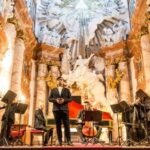
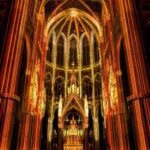
The route also calls attention to what’s around the art—things like intricate Gothic winged altars and elegant sculptures. Even without slowing down to read every label, you’ll start noticing how architecture and display style affect your understanding.
This is where a guided format becomes more than convenience. A palace is designed to frame art. Once you understand the design logic—how rooms guide movement and attention—you start seeing the museum as intentional, not accidental.
How the Live Guide + Audio System Works in Real Life
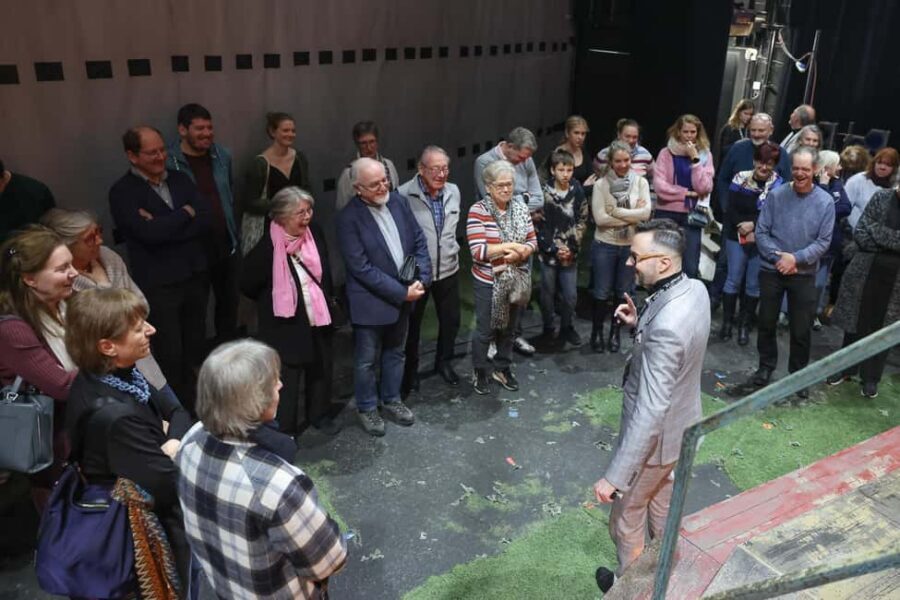
A live tour only helps if you can hear the story. That’s why the built-in audio system is a big part of the value here. It keeps the group coordinated, and it means you can keep your eyes on what matters without constantly asking someone else to repeat.
The guide also brings more than basic facts. The tour description emphasizes that guides share stories behind brushstrokes and secrets of the palace’s design, plus the lives of key figures who once moved through these halls. That’s the stuff that changes a museum from passive viewing into active understanding.
One review specifically praised Antonia (Toni) for being more than a tour guide—an art docent who explained the paintings in a way that made the visit as strong as it could be. If you get a guide with that teaching style, it can turn a “see the famous works” outing into something you remember for months.
Time and Group Size: The 1.5-Hour Practical Reality
The tour runs about 1 hour 30 minutes. That’s long enough to hit the key works and get meaningful context, but short enough that you’re unlikely to get lost in every side room.
With a maximum of 24 travelers, the group stays small enough for the guide to keep moving without losing people every few minutes. It also makes it easier to stop and focus when the guide points out details—like the gold leaf on The Kiss—without turning the whole room into a bottleneck.
Still, keep your expectations aligned with the format. This isn’t a day-long museum marathon. If your ideal visit includes lots of solo time after the tour, treat this as the start of your Belvedere experience. You’ll come out with a sharper sense of what to return to.
Price and Value: What $63.80 Really Covers
At $63.80 per person, you’re paying for more than a museum entry. Admission is included, so you’re not juggling ticket purchases mid-plan. You’re also getting a live guided experience plus the audio system to hear the narration.
Whether that’s a good deal depends on how you like to experience museums. If you enjoy guided structure—especially for major collections like Klimt—this package tends to feel fair. If you’d rather wander independently and spend extra time on your own preferences, you might decide you can get similar value by visiting on your own.
But for most art-focused visitors, the math usually works like this: the cost buys you admission plus interpretation. The interpretation is what prevents you from leaving with only a handful of remembered paintings instead of a fuller understanding of the whole collection.
Gratuities for guides are not included, so if you’re happy with the narration, you’ll want to plan for that in your budget.
Who Should Book This Tour?
This fits best if you’re:
- A Klimt fan who wants The Kiss explained, not just photographed
- Interested in European art shifting across time, from medieval to Baroque to early Modernism
- Visiting Vienna with limited time and want a structured highlight route
- The kind of person who benefits from hearing how art and room design connect
It’s also a good option if you prefer smaller group dynamics. With a 24-person cap, you’ll likely spend more time looking and listening, less time waiting.
If you’re traveling with a service animal, service animals are allowed, and most people can participate. (If you have specific needs, it’s worth checking details directly with the provider before you go.)
Practical Tips to Make This Museum Visit Go Smoothly
Here are a few practical moves that help this 1.5-hour format feel satisfying:
- Arrive with a clear plan for your priorities. Klimt is the anchor, so decide whether you want extra time there after the tour.
- Keep your phone charged. You’ll use the mobile ticket, and it’s easy to get stuck if your battery is low.
- Dress for indoor walking. Palace floors and corridors are still a museum environment, so comfortable shoes matter.
- Listen for the guide’s recurring themes. The best tours don’t just tell you facts; they teach you how to see—especially with details like gold leaf and symbolism.
And one more: after the tour ends back at the meeting point, consider giving yourself a little time to return to any paintings that clicked for you. The guide’s context makes that second look more rewarding.
Should You Book This Upper Belvedere Live Tour?
Yes—if you want Klimt and you want meaning. The biggest strength is the guided format: you get a focused sweep through the Upper Belvedere’s major works, with audio support and commentary that ties paintings to the palace setting. The praised guide quality, including Antonia (Toni)’s art docent style, is a strong indicator that the narration can make the art easier to understand.
Skip it only if you’re aiming for total freedom and long linger time. With about 1 hour 30 minutes and one core stop, the tour is a tight, highlight-heavy experience. For people who love slow browsing and deep self-directed reading, you may want a less structured option.
If you’re doing Vienna with limited time but high interest in art, this is one of the more efficient ways to get the Belvedere’s best ideas into your head, fast.
FAQ
How long is the Upper Belvedere guided tour?
The tour lasts about 1 hour 30 minutes.
What’s included in the price?
Admission is included, and you’ll have an audio system to hear the guide.
What time does the tour start, and where do I meet?
The start time is 3:30 pm, and the meeting point is Prinz-Eugen-Straße vor, 1030 Wien, Austria.
Is the ticket mobile-friendly?
Yes, the tour uses a mobile ticket.
How large is the group?
The tour has a maximum group size of 24 travelers.
Can I cancel for a full refund?
You can cancel up to 24 hours in advance for a full refund. Cancellations made less than 24 hours before the start time are not refunded.