REVIEW · VIENNA
Vienna: Private Guided Walking Tour
Book on GetYourGuide →Operated by Viennatour Herbert Stojaspal · Bookable on GetYourGuide
Vienna can feel like a museum. This private walk brings it down to street level. I love the tight mix of big monuments and street-corner stories, and I like that you can steer what you spend time on. The one thing to keep in mind is that this is a lot of walking on uneven sidewalks, and it’s not set up for mobility limitations.
What makes this experience work is the format: you get a certified, state-licensed guide, and it’s just your small private group. That means questions don’t get squeezed into a crowd timeline. It also means you’ll likely get more personal back-and-forth, like the guide sharing how he tracked down a historic photo tied to a building on your route.
One other note on style: the tour leans fact-forward rather than overly theatrical. That’s great if you like clear explanations, but if you want a more dramatic presentation, you might find the tone a bit straight-laced.
In This Review
- Key things I’d clock before you book
- Entering Vienna through Stephansplatz and the Graben
- Michaelerplatz excavations and the quiet power of St. Michael’s
- Hofburg and Heldenplatz: Empress Sisi and Austrian heroes in one sweep
- Josefsplatz and the Imperial network around the National Library
- Spanish Riding School and the Albertina: formality, art, and symbolism
- Hotel Sacher, the State Opera, and the stories behind famous addresses
- Neuer Markt and the Imperial Crypt: Habsburg ritual and Mozart’s last link
- St. Stephen’s Cathedral and the old city’s side streets
- Romans, Jews, and Vienna’s older churches beyond the palace bubble
- Price and value: $270 per group, and why group size changes everything
- Logistics that actually matter on this route
- The guide experience: what to expect from Herbert Stojaspal and the tone
- Should you book this private guided Vienna walking tour?
- FAQ
- How long is the Vienna Private Guided Walking Tour?
- Is this a private tour?
- What is the maximum group size for the price?
- What places will we see on the route?
- Where is the meeting point?
- What languages are available?
- Are entrance fees included?
- Is photography allowed?
- Do the tours run in bad weather?
- Is the tour suitable for people with mobility impairments?
Key things I’d clock before you book
- Private group up to 10, so the pace can match your group instead of the clock-and-crowd scramble.
- A scripted route with choices: the guide can adjust which highlights you prioritize.
- Imperial sights plus everyday Vienna: Hofburg, the Albertina, and the Imperial Crypt, but also places that show how people lived.
- Certified guide in English or German, with a track record of strong communication.
- No inside photography and no audio recording, so plan to use your eyes first.
- All-weather walking means you’ll want real weather gear, not just a light jacket.
Entering Vienna through Stephansplatz and the Graben
The tour starts at Stephansplatz. It’s an easy mental anchor because you’re in the old city’s center from minute one. From there, the route threads into the Graben, Vienna’s classic pedestrian corridor—wide enough to move, narrow enough to feel like you’re inside a story.
At the Graben, you’ll get a feel for how Vienna layers meaning into stone. The Pestsäule on the Graben is one of those spots where the “what you see” and the “why it’s there” land together. The route also includes an anecdote tied to King Richard the Lionheart as you pass the area. It’s the kind of detail that makes you notice the city’s names and symbols instead of treating them like background.
Next comes Kohlmarkt, another shopping street with real historical weight. This is where the tour nudges you to pay attention to what’s been here for ages—not just what’s famous today. The Demel pastry shop gets a mention, which is a good reminder that Vienna isn’t only palaces. It’s also food culture and everyday rituals that outlast political regimes.
If your group likes “street-first” sightseeing—where you learn to read the city as you walk—this opening section sets you up well. If you’re looking for lots of museum interior time, though, keep expectations grounded: this is primarily a walking tour with photo stops and guided explanations.
You can also read our reviews of more walking tours in Vienna
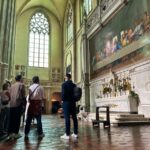
Michaelerplatz excavations and the quiet power of St. Michael’s
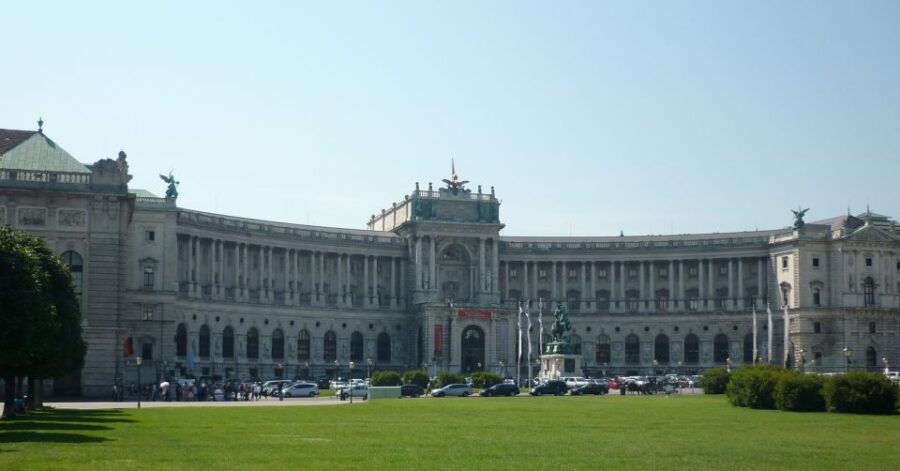
Michaelerplatz is a standout because it turns the spotlight on layers under your feet. Roman and medieval excavations sit in the area, and the tour uses that to show Vienna as a long-running city, not a single-page postcard.
You’ll also get directed attention toward St. Michael’s Church, including the chance to see the interior. That matters because it’s one thing to walk past a façade and another to understand the church as an art-and-faith space. The tour’s value here is the way it connects architecture to the people who used these buildings—who they were, and what they needed from these spaces.
A practical tip: churches are sensitive to pace and quiet, so expect a slower moment here. Also remember photography inside isn’t allowed, so your phone won’t help you much. That’s annoying only if you’re used to taking constant snapshots. If you treat this as a listening walk, you’ll get more out of it.
Hofburg and Heldenplatz: Empress Sisi and Austrian heroes in one sweep
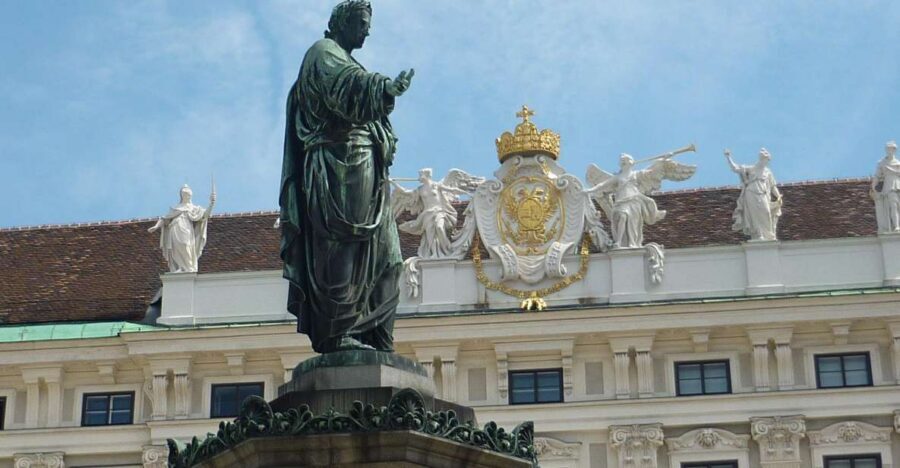
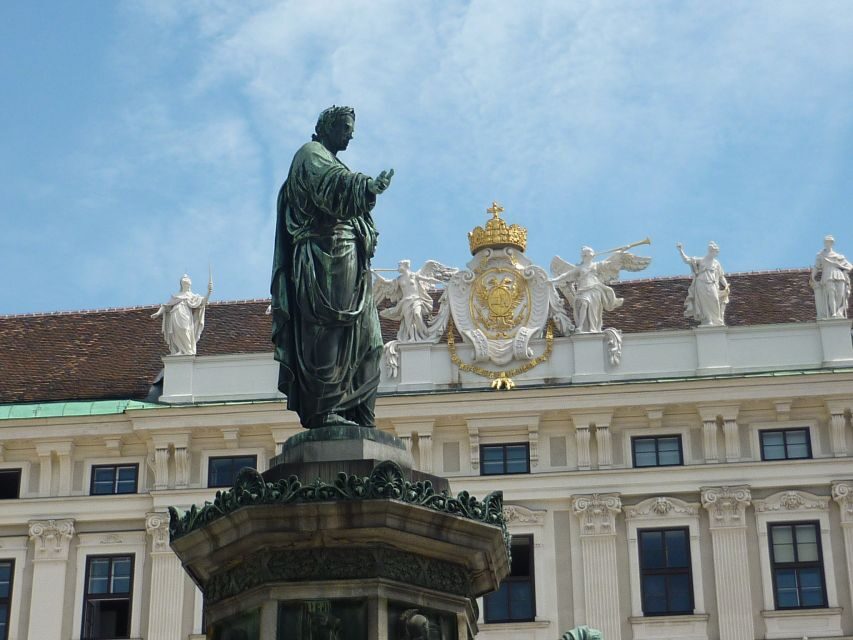
Once you reach the Hofburg Palace area, the tour shifts into full imperial mode. The Hofburg isn’t just a building—it’s a whole complex of power, administration, and ceremony. The guide ties in stories about Empress Sisi, which is a great hook because it turns a palace into a character-driven narrative.
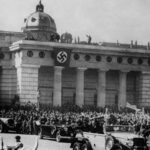
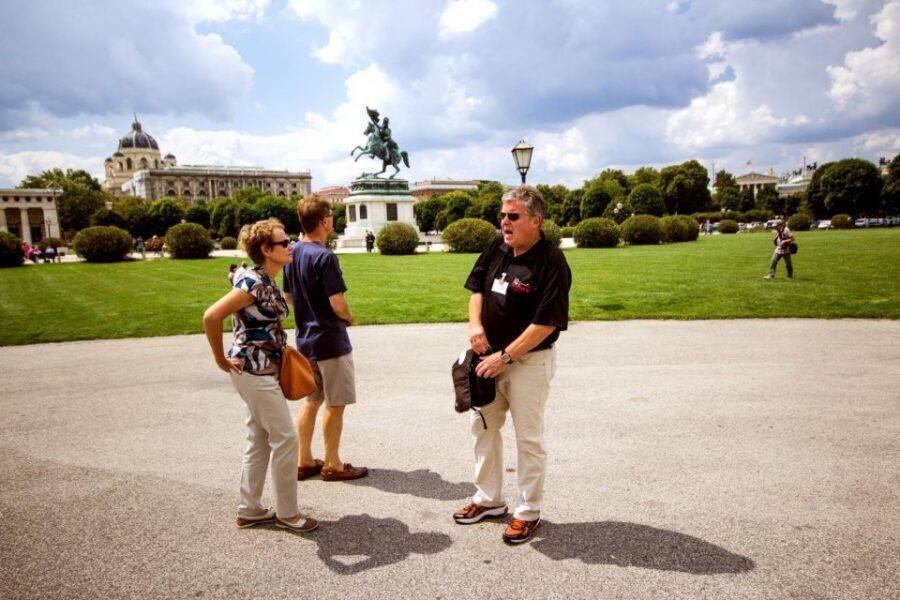
From there, you cross toward Heldenplatz, the kind of square where you can practically feel the weight of national storytelling. Here, the focus is on Austrian heroes and the legends attached to the space. Even if you don’t know the names at first, you’ll leave with a better sense of how Vienna builds identity through public monuments.
One thing I like about this part of the route is that it doesn’t only say “look at the palace.” It connects what you see to why it was built and why those stories stuck. That makes the palace feel less like a sightseeing task and more like a readable text.
Josefsplatz and the Imperial network around the National Library
Josefsplatz is another hinge point. It’s tied to Josef II, and the tour uses that to explain the impact of key rulers on the city’s culture and institutions. This is where the walk starts blending “who ruled” with “how Vienna worked day to day.”
The route also highlights the National Library in this area, and it connects major institutions to the broader Habsburg world. You’ll hear how the guide sees the city as a network: palaces, learning centers, churches, and ceremonial spaces all tied into the same story of authority.
If your group tends to remember information better when it’s placed in context, this section will land. If you prefer a fast hit of famous landmarks only, you might feel this part is a bit more explanation-heavy than expected—but that’s usually what makes a guide-led walk worth paying for.
Spanish Riding School and the Albertina: formality, art, and symbolism
At the Spanish Riding School, you get a front-row feel for Vienna’s ceremonial traditions. You’ll make photo stops and hear background on what the site represents in the city’s cultural image. It’s especially interesting when you connect it back to Hofburg—same imperial mindset, different expression.
Then the tour brings you to the Albertina. The big point here is what kind of art collection it is: the largest graphic collection in the world. That’s a useful fact because it changes how you view the building. It isn’t only another landmark; it’s an art repository with a specific focus.
Also in this stretch is the Monument Against War and Fascism. That gives the tour a needed counterweight. Vienna isn’t only about glorious scenes and royal portraits. It also carries the scars of European conflict, and the guide points you toward the meaning embedded in the monument.
I like this transition from palace formalities to art and memory. It keeps you from feeling like you’re stuck in one era the whole time.
You can also read our reviews of more guided tours in Vienna


Hotel Sacher, the State Opera, and the stories behind famous addresses
Passing Hotel Sacher is a clever move because it ties brand-level fame to actual history. The tour area includes references to where Sachertorte was invented and which building previously stood on the grounds of Hotel Sacher. These are the kinds of details that make a “famous name” feel grounded in real place.
The State Opera gets a mention in the tour’s themes, including a story about why the architect committed suicide. That’s heavy material, so it’s not surprise to see the guide handle it carefully. When a tour includes this kind of fact, it’s usually because it shows how art, ambition, and human cost intersect in Vienna’s major institutions.
This segment can feel like a roller coaster of topics—food, architecture, tragedy, culture. That’s not a flaw if you like variety. It’s a bonus if you prefer your sightseeing to resemble real life rather than a single tidy theme.
Neuer Markt and the Imperial Crypt: Habsburg ritual and Mozart’s last link
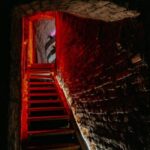
Neuer Markt is where the tour gets quietly eerie in the best way. You’ll learn about the strange burial rituals of the Habsburgs connected to the Imperial Crypt. It’s one of those places where the guide’s tone matters: too much horror and it becomes gimmicky; done well, it becomes an explanation of ceremony and power.
This is also where the tour connects to Mozart. You’ll learn where Mozart died. That detail is valuable because it anchors a world-famous composer to a specific Vienna moment you can point to—right there in the area you’re visiting.
After you hear the explanation, the Imperial Crypt makes more sense as an institution, not just a crypt you walk past. The guide helps you understand why it was organized the way it was and how that reflects the Habsburg mindset about lineage and legacy.
Practical note: this section is heavy on listening and observation. If you dislike closed-in spaces or you prefer bright, airy stops, you might find it emotionally intense. But it’s memorable—and it adds real depth to the “imperial Vienna” story.
St. Stephen’s Cathedral and the old city’s side streets
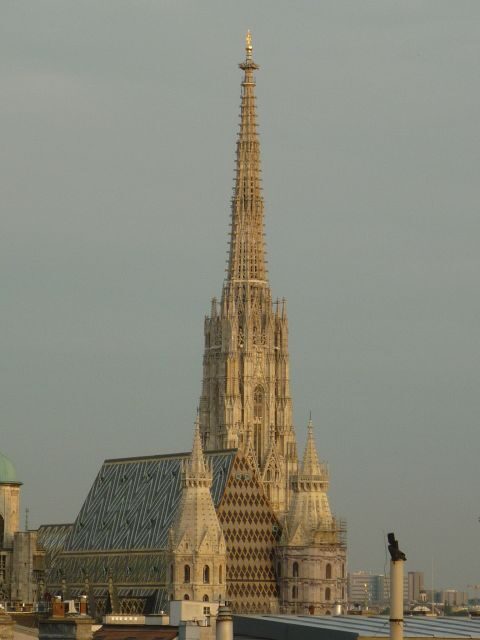
St. Stephen’s Cathedral is an anchor stop on the route, with guided commentary and photo time outside. What I like about ending this core imperial loop near St. Stephen’s is that it helps you reset your understanding of Vienna. The cathedral doesn’t replace the palace story. It reframes it by showing a different layer of civic and religious identity.
As the walk continues through the old city area, you’ll also get the chance to pass spots connected to Vienna’s legends—like stories tied to St. Stephan and the route around older neighborhoods. There are mentions of the old university district, and you’ll also see references to places that reflect daily life, not only royal life.
One piece I’d point out is the stop connected to Figlmüller and the famous Wiener Schnitzel. Since entrances aren’t included, think of this as a guided landmark moment—where the guide explains why the place matters in Vienna’s food culture.
Romans, Jews, and Vienna’s older churches beyond the palace bubble
A smart part of this walk is that it doesn’t stay trapped in the Habsburg center. The route includes mentions of Vienna’s oldest church, St. Rupert’s Church, and stories tied to Romans and Jews in Vienna. Even when you’re only seeing exteriors or moving past, the guide’s explanations help you understand that multiple communities shaped the city over centuries.
The tour also mentions areas tied to how Vienna used to live and how people live today, including places like Blutgasse. That kind of street-level detail is what makes Vienna feel lived-in rather than curated.
There’s also a mention of a Greek quarter and a magnificent Baroque church of the Jesuits. On a walking route, these are the moments you start to see the city’s geography as a map of cultural migration and historical change. You’re not only looking at monuments; you’re learning how Vienna’s neighborhoods formed.
If your group likes context—how and why neighborhoods developed—this segment is exactly the right kind of information. If you only want the “greatest hits,” you might want to tell the guide your priorities so you don’t get bogged down in side explanations.
Price and value: $270 per group, and why group size changes everything
The price is $270 per group up to 10, with a duration listed as 2–4 hours (and shorter options may be available when booking). The private format is the key value driver here.
Do the simple math:
- If you fill a group of 10, you’re paying about $27 per person—often cheaper than a family-sized schedule of separate tickets or multiple single-person tours.
- If it’s just two or three people, the per-person cost climbs fast, closer to a premium experience.
So the question isn’t only whether the tour costs enough. It’s whether your group can take advantage of the private format: questions, pacing, and the ability to pick which highlights get more time. The guide even frames the tour so you can decide what you focus on, like Michaelerplatz, Hofburg, the Imperial Crypt, or the cathedral area.
In other words: this is best value when you’re either traveling as a small family or friends who can share the cost, or when you really care about the narrative and guidance enough to justify private time.
Logistics that actually matter on this route
This is a walking tour, so your comfort matters more than your fashion. Bring weather-appropriate clothing because the tour runs in all weather conditions. Also plan for lots of stop-and-go: photo stops, explanation time, and a steady walking rhythm.
A few rules are important:
- No smoking.
- No luggage or large bags.
- No skateboards or skates.
- Photography inside isn’t allowed.
- No audio recording.
And one more practical constraint: it isn’t suitable for people with mobility impairments. That’s not a judgment; it’s just the reality of a historic-city walking route with tight areas and uneven ground.
On the language side, you can choose English or German. Since the guide is live and state-licensed, this also helps if you want follow-up questions without switching to a phone app.
The guide experience: what to expect from Herbert Stojaspal and the tone
The provider behind the tour is Viennatour Herbert Stojaspal, and the guide often credited is Herbert S. That matters because the guide style comes through in how the tour lands.
What stands out from the guide approach:
- Friendly, personable delivery.
- Solid communication in English.
- A sense of humor mixed into the facts.
- A habit of bringing in specific, researched details rather than vague storytelling.
There’s even an example of the guide sharing a historic photo he worked to track down about a building on your route, turning a normal address into a real-world clue about the city’s past. That’s exactly the kind of thing that makes a guided walk feel different from reading plaques.
One small balancing note: some people like the tour’s straightforward, factual tone. If you prefer a highly dramatic presentation, you might find it more matter-of-fact than theatrical. For me, that’s usually a plus—Vienna’s buildings do enough talking.
Should you book this private guided Vienna walking tour?
Book it if:
- You want a private walk through Vienna’s core imperial sights without the crush of a big group.
- Your group includes people who care about architecture and stories—Empress Sisi, Josef II, Habsburg rituals, and Mozart’s specific connection.
- You’ll appreciate a guide who uses researched details and keeps the pacing steady over 2–4 hours.
Skip it or choose another format if:
- Your group hates walking and prefers lots of indoor time with long breaks.
- You need accessibility accommodations, since it isn’t suitable for mobility impairments.
- You’re counting on being able to take inside photos or record audio nonstop.
If you’re on the fence, here’s the quick decision rule I use: this tour is worth it when you’ll actually use the private guide to ask questions and decide what matters most to your group. If you want a free-for-all self-guided loop, you’ll probably feel you paid for something you could do with a map.
FAQ
How long is the Vienna Private Guided Walking Tour?
The tour duration is listed as 2 to 4 hours, with booking options showing 1 to 4 hours depending on the selected time.
Is this a private tour?
Yes. It’s a private group experience, so it’s just you and your party.
What is the maximum group size for the price?
The price is $270 per group up to 10.
What places will we see on the route?
You’ll see stops and areas including Michaelerplatz, the Hofburg Palace, Heldenplatz, Josefsplatz, the Albertina, the State Opera area, Neuer Markt, the Imperial Crypt, and St. Stephen’s Cathedral, plus other key addresses on the walk.
Where is the meeting point?
The default meeting point is St. Stephens square (1010 Vienna) at St. Stephan’s square 8A, corner to Jasomirgottstrasse, next to Lindt Chocolate Store. If your hotel is located within ZIP-code 1010, pickup is offered.
What languages are available?
The tour is available in English or German.
Are entrance fees included?
No. Entrance fees are not included.
Is photography allowed?
Photography inside is not allowed. The tour includes photo stops outdoors at multiple points.
Do the tours run in bad weather?
Yes. The tours take place in all weather conditions.
Is the tour suitable for people with mobility impairments?
No. It’s not suitable for people with mobility impairments.
If you tell me your group size and which sights matter most (palaces vs crypt vs cathedral vs side streets), I can suggest the best way to use the 2–4 hours.