REVIEW · VIENNA
Vienna: Private Music Tour
Book on GetYourGuide →Operated by Austria Tours & Travel · Bookable on GetYourGuide
Vienna’s opera rooms tell stories. This private 150-minute tour is built around the places where famous music moments actually happened, from the Vienna State Opera to key stops across the historic center. You’ll walk at a relaxed pace with a state-certified guide who ties buildings to composers and performances, not just dates.
I especially love the chance to see Vienna State Opera from the inside, with context about major conductors like Gustav Mahler and the opera house’s role as Vienna’s music landmark. I also like how the route “threads the needle” between eras, including the Mozart wedding setting at St. Stephen’s Cathedral and the Strauss connection to Vienna’s famous dance salon. One possible drawback: the opera house entrance fee isn’t included, so you’ll want to budget for that add-on and expect timing to depend on opening hours and tour availability.
If you care about classical music but don’t want a stiff, academic lecture, this is a nice fit. It’s private (up to 15 people), wheelchair accessible, and designed for you to see a lot without rushing.
In This Review
- Key highlights at a glance
- Entering the Vienna State Opera with the right frame
- Behind-the-scenes Vienna State Opera stories: Mahler and more
- Palais Lobkowitz: where Beethoven’s Eroica premiered
- Hofburg Imperial Chapel and the Vienna Boys Choir connection
- The Mozart and Strauss loop: Mozart Memorial, dance salon, and Pasqualati House
- St. Stephen’s Cathedral: Mozart married here
- How the walk feels in real time: pace, stops, and flexibility
- Price and value for a private group up to 15
- Who this Vienna music tour is best for
- Should you book this private music tour?
- FAQ
- How long is the Vienna Private Music Tour?
- What is the group size?
- Where do we meet the guide?
- Is the State Opera entrance fee included?
- Are hotel pickup and drop-off included?
- What languages are available?
- Is this tour wheelchair accessible?
- Can I cancel for a full refund?
- Can I reserve without paying right away?
- Will I know the exact tour start time?
Key highlights at a glance
- Inside Vienna State Opera with behind-the-scenes-style access and real history
- Gustav Mahler context that helps you understand why the building matters
- Palais Lobkowitz stop tied to Beethoven’s Symphony No. 3, Eroica
- Hofburg Imperial Chapel connection to the Vienna Boys Choir, who perform every Sunday
- Mozart and Strauss landmarks on one smooth inner-city stroll
- St. Stephen’s Cathedral as the unforgettable Mozart wedding backdrop
Entering the Vienna State Opera with the right frame
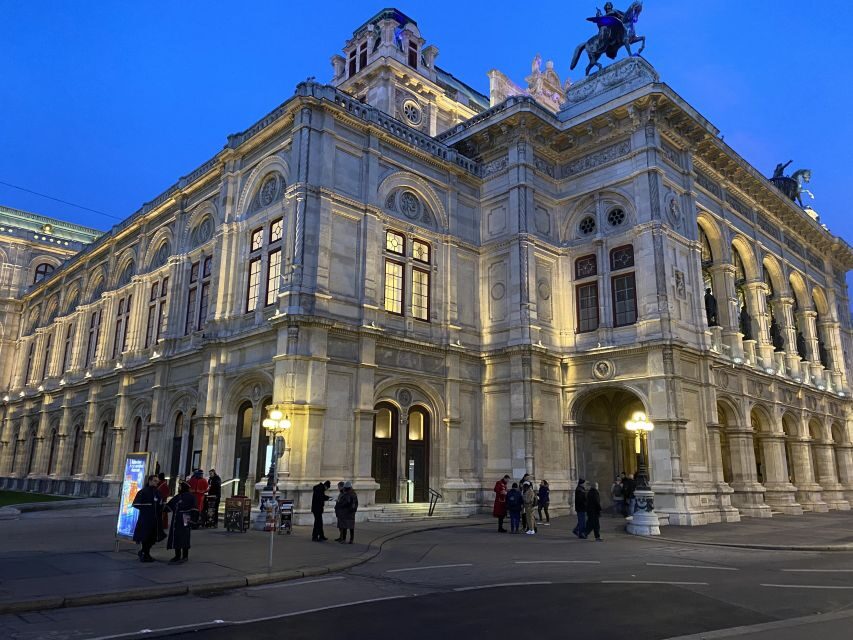
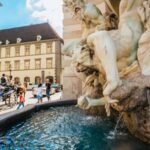
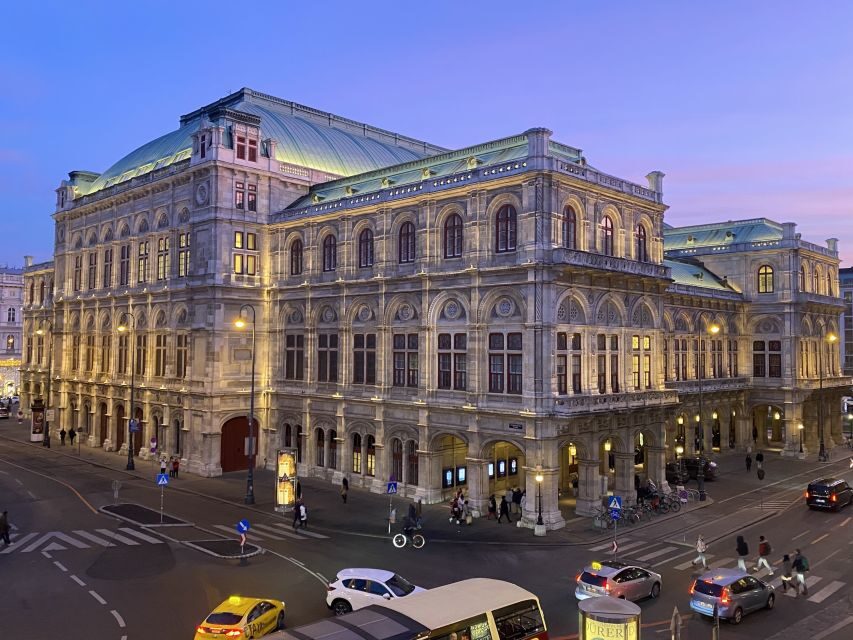
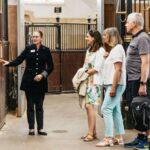
The tour starts at the Vienna State Opera, and you meet your guide by the fountain on the left-hand side of the building. From the get-go, the focus is practical: you’re not only looking at an impressive facade from the outside. You’re getting inside to understand how an opera house works, why this one became so influential, and what’s special about its people—conductors, singers, and the cultural machine around them.
You’ll spend your time with a guided visit of the State Opera, and there’s a key benefit for your day: you skip the ticket line. That matters in Vienna, where “waiting” can eat into a tight schedule, especially if you’re also trying to enjoy the city afterward.
One detail that can make the difference in how smoothly your visit goes: the tour start time can shift based on the opera’s opening hours and tour availability. The local partner will tell you when to begin, so keep an eye on your confirmation info and plan your day with a little breathing room.
You can also read our reviews of more private tours in Vienna


Behind-the-scenes Vienna State Opera stories: Mahler and more
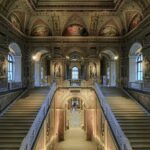
The interior visit is where the tour earns its keep. You’ll learn about the State Opera’s history as a temple of music and hear about important conductors connected to its legacy—Gustav Mahler is explicitly part of the story you’ll cover.
This kind of framing is what turns architecture into meaning. When you understand the role conductors played in shaping performances and musical standards, you start noticing more: how space supports sound, how the building has a presence that feels “official,” and why Vienna treated opera as a serious cultural institution.
Also, because this is a private group, your guide can tune the pace. If you want more time in a particular room, you’re not stuck with a crowded group shuffling on the same schedule. It’s still a 150-minute experience overall, but the “private” setup tends to make it feel less like a conveyor belt.
Palais Lobkowitz: where Beethoven’s Eroica premiered
After the opera, you shift into walking mode: a leisurely musical stroll through Vienna’s inner city. One of the most rewarding stops is Palais Lobkowitz, a place that matters for music history in a very specific way: it’s where Beethoven premiered his Symphony No. 3, also known as Eroica, and where his main patron was tied to the story.
Why this stop works so well: it’s not just “here’s a palace.” It’s a location you can mentally connect to a premiere—an event with pressure, excitement, and reputation at stake. That turns a sightseeing stop into a narrative you’ll remember long after you leave.
A practical point: palais stops are often easy to appreciate from the outside, but you’ll still want to pay attention to what the guide points out, because the tour is built to connect what you see with what happened there musically.
Hofburg Imperial Chapel and the Vienna Boys Choir connection
Next comes Hofburg Imperial Chapel, tied directly to the Vienna Boys Choir. The tour includes the key detail that they perform there every Sunday, which means the chapel isn’t just a historic location—it’s part of Vienna’s living musical calendar.
Even if your specific day doesn’t line up for an actual performance during the walk, the context is still valuable. You’ll understand why this place carries such a strong identity in Vienna: the choir tradition isn’t a distant legend; it’s something rooted in a real venue with a regular schedule.
If you happen to be in Vienna on a Sunday, you can plan your day with extra attention to timing. This tour gives you the geography of the choir’s world, which makes it easier to make the rest of your itinerary feel “connected” instead of random.
The Mozart and Strauss loop: Mozart Memorial, dance salon, and Pasqualati House
At some point, Vienna can feel like it’s all statues and street corners. This tour helps you dodge that by building an intentional loop: Mozart, Strauss, and Beethoven are placed into the city in a way that feels logical and emotional.
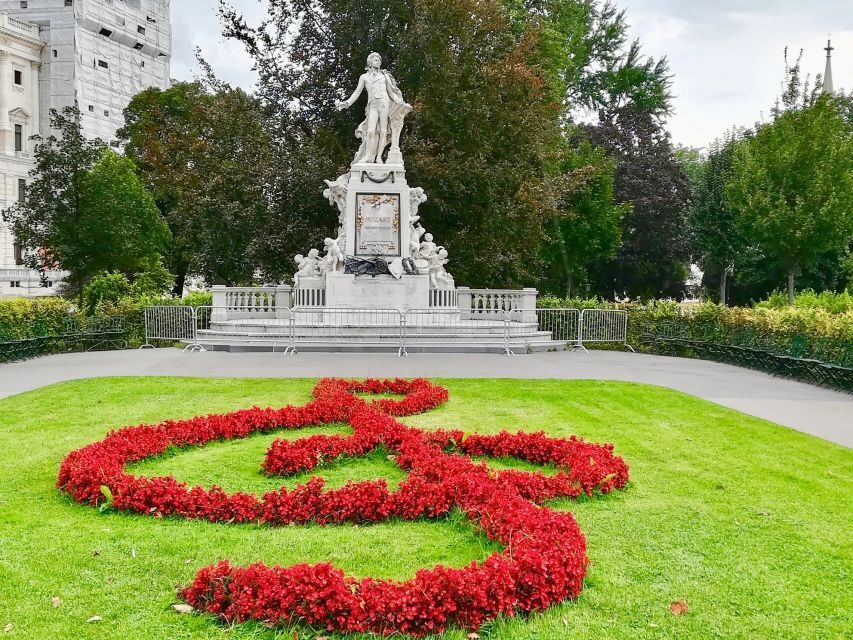
One highlight here is the Mozart Memorial, described as the former dance salon where Johann Strauss—the “Waltz King”—made the ladies swoon. That detail is more than fun trivia. Vienna is a city where music and social life intertwined tightly, and this stop shows you how dance culture fed musical fame, and vice versa.
The tour also includes Pasqualati House, described as the former residence of Ludwig von Beethoven. This is the kind of stop that changes how you picture a composer. Instead of seeing Beethoven as only a name in a concert program, you start imagining him living in the same city streets you’re walking now.


St. Stephen’s Cathedral: Mozart married here
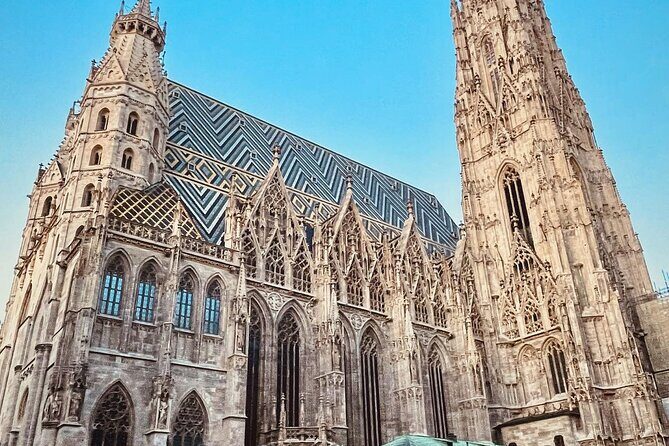
Then the walk brings you to St. Stephen’s Cathedral, one of the most famous landmarks in Vienna and a stop with a very specific music connection: it’s where Mozart was married.
That’s the kind of fact that doesn’t just sound impressive. It changes how you experience the space. When you know the cathedral hosted a life milestone tied to Mozart, you naturally pay more attention to scale, details, and atmosphere, because you’re no longer viewing it as a generic church stop. You’re viewing it as part of the timeline of a composer whose music you already know.
If you like pairing landmark time with a story you can hold onto, this is one of the best places on the route to do it.
How the walk feels in real time: pace, stops, and flexibility
This experience is listed as a “musical stroll,” and the pacing reflects that. It’s not a running tour. It’s designed around short movement between key sites while your guide supplies the links that make the route click.
The private group format also means you can often handle real-life needs more easily than on a standard fixed tour. In one guiding style highlighted by past guests, Lisa was described as very responsive early on, adjusting timing and even helping accommodate a parent’s needs. The same guide style also allowed small route changes so the group could end near a metro stop, and kids had a brief chance for a playground break.
You shouldn’t assume every route will be modified the same way, but it’s a good signal of how the best guides run this: they pay attention to how you’re moving through the city, not just to the script in their head.
Price and value for a private group up to 15
At $541 per group (up to 15 people) for about 150 minutes, the value depends on who you’re traveling with and what you want from your time.
Here’s the practical way to think about it:
- If you’re a small group (family, friends, or music lovers who want a focused day), the private format spreads well. You’re paying for guided attention and for skipping the ticket line at the State Opera.
- If you’re a solo traveler, the cost may feel steep compared to group tours. But if you care about asking questions, customizing the pace, or keeping the experience comfortable, private can still be worth it.
- Remember the State Opera entrance fee is not included. Your total day cost may rise depending on that add-on.
For me, the sweet spot is clear: you’re paying for an experience that links major music moments to real buildings, with a guide who can explain why those places mattered. That’s harder to get from a generic walking tour.
Who this Vienna music tour is best for
You’ll likely love this tour if:
- You want a structured, story-driven introduction to Vienna’s major music landmarks.
- You’re a classical music fan who likes connections: composer → place → moment.
- You prefer a private group feel rather than squeezing through crowds.
- You’re visiting Vienna for a limited time and want high-impact stops without planning everything yourself.
It’s also a good option if accessibility or comfort matters, since it’s wheelchair accessible and designed as a guided experience rather than a self-guided sprint.
Should you book this private music tour?
Book it if you want a smart, guided way to see Vienna’s music world in about two and a half hours, with State Opera access as the centerpiece and with Mozart, Strauss, and Beethoven placed into specific settings you can visualize.
Skip or consider alternatives if your trip is mostly about “floating freely” without guided structure, or if you’re trying to keep every cost tight—because the opera entrance fee isn’t included, and the timing can vary slightly based on opening hours.
If you’re on the fence, I’d choose this when you value context. Vienna is full of beautiful buildings, but music fans get the most out of the ones that come with stories you can walk beside.
FAQ
How long is the Vienna Private Music Tour?
The tour is 150 minutes.
What is the group size?
It’s a private group, up to 15 people.
Where do we meet the guide?
You meet your guide by the fountain on the left-hand side of the Vienna State Opera.
Is the State Opera entrance fee included?
No. The tour includes the guided visit of the State Opera, but the entrance fee is not included.
Are hotel pickup and drop-off included?
Hotel pickup and drop-off are included only if you select that option.
What languages are available?
The live tour guide is available in English and German.
Is this tour wheelchair accessible?
Yes, it’s listed as wheelchair accessible.
Can I cancel for a full refund?
Yes, free cancellation is available up to 24 hours in advance for a full refund.
Can I reserve without paying right away?
Yes, it offers a reserve now & pay later option.
Will I know the exact tour start time?
You’ll be informed by the local partner about the exact start time based on the State Opera’s opening hours and tour availability.