REVIEW · VIENNA
Vienna Secrets Walking Tour to Backyards and Mysterious Locations
Book on Viator →Operated by Viennatour - Herbert Stojaspal · Bookable on Viator
Vienna has a secret side. This Vienna Secrets Walking Tour to Backyards and Mysterious Locations is made for short stays, using footpaths and courtyards to show you Vienna beyond the usual postcard stops. You start in the center at Stephansplatz and end near Dr.-Karl-Lueger-Platz, with a local guide pointing out what to notice along the way.
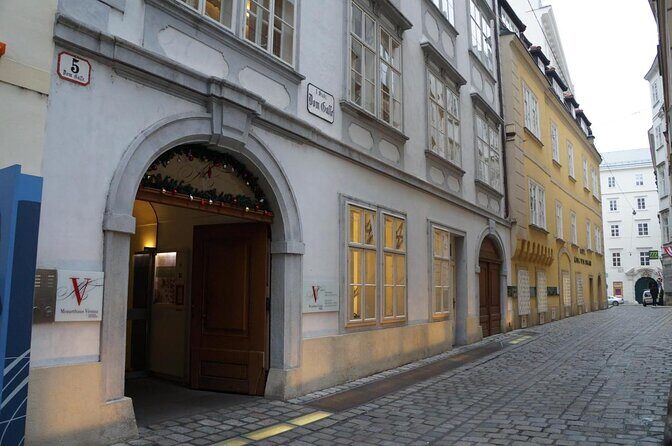
What I really like is the mix of story + place. You’ll hear why the area is linked to the name Ball alley and what’s behind Ballgasse, then you’ll get a focused explanation of Mozart’s most exclusive residence and why the guide frames him as a millionaire.
One thing to plan around: the tour is not recommended for kids aged 13 and under, and it’s geared for people with moderate walking ability—so it’s best when you can keep a steady pace for about two hours.
In This Review
- Key Things You’ll Notice on This Vienna Secrets Walk
- A 2-hour Vienna shortcut from Stephansplatz to hidden courtyards
- Meet at Lindt Chocolate Boutique: what the start and end really mean
- Ball alley and Ballgasse: learning street-name clues as you walk
- Mozart’s most exclusive residence and the story behind the millionaire idea
- Courtyards of noble life: what you learn from the Neupauer-Breuner Palace area
- Franciscan Church façade and Vienna’s cat café: small stops, good vibes
- Price and logistics: why $36 can make sense in Vienna
- Who this Vienna Secrets walk suits best (and who should skip)
- Should you book the Vienna Secrets Walking Tour to Backyards and Mysterious Locations?
- FAQ
- How long is the Vienna Secrets Walking Tour?
- What time does the tour start?
- Where do I meet the guide?
- Where does the tour end?
- Is transportation included?
- Is the tour in English?
- What’s the group size?
- What age is it recommended for?
Key Things You’ll Notice on This Vienna Secrets Walk
- Small-group feel (max 15): enough attention for questions, without turning into a slow parade.
- Short time, big orientation: you build a mental map of central Vienna fast.
- Ball alley and Ballgasse story: street names become mini-lessons about how Vienna thinks and remembers.
- Mozart’s residence context: not just a sight, but a reason for his status and wealth.
- Old courtyards of the nobility: you see where power lived, even when the street looks ordinary.
- Franciscan Church exterior + cat café sighting: quick but memorable flavor stops near major sights.
A 2-hour Vienna shortcut from Stephansplatz to hidden courtyards
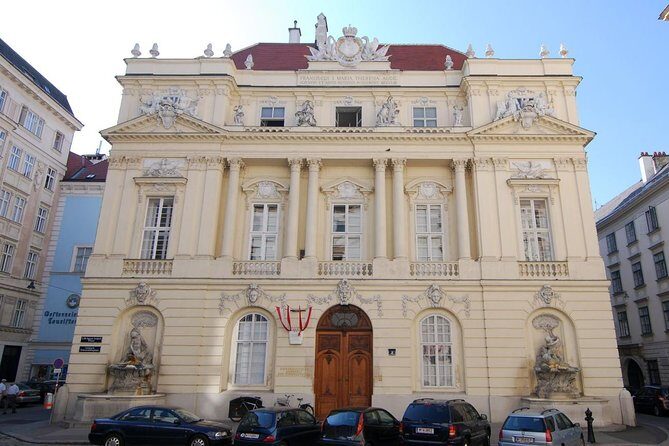
If Vienna feels like a lot at once, this tour is a smart way to control the chaos. The route is designed to move you through central Vienna in about 2 hours, with stops that focus on small, surprising details instead of trying to cover every major landmark. That matters because Vienna’s best moments often hide in plain sight: a doorway into a courtyard, a façade you’d miss on your own, or a street name that turns out to be linked to a real story.
What I liked about this format is how it helps you see instead of just look. A guided walk like this gives you a framework for your next hours in town—where you’re standing, why the area developed the way it did, and how courtyards and side streets fit into Vienna’s social history.
You also get the practical benefit of a small walking tour: you don’t need a car, you don’t need to puzzle out complex public-transport options for every stop, and you can still fit the experience into a tight day. The tour runs in English, so you get explanations without needing to translate everything in your head.
You can also read our reviews of more walking tours in Vienna


Meet at Lindt Chocolate Boutique: what the start and end really mean
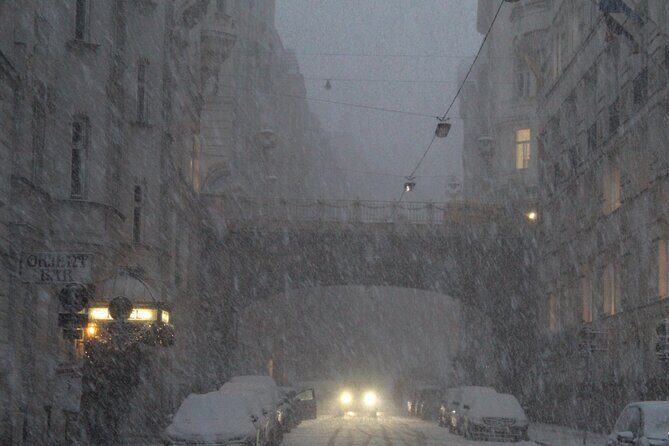
You’ll meet at Lindt Chocolate Boutique, Stephansplatz 8A, 1010 Wien (start time 12:00 pm). Ending at Dr.-Karl-Lueger-Platz 3, 1010 Wien keeps you near public transportation—helpful if you’re continuing on to another museum or restaurant afterward.
The start location is convenient because Stephansplatz is a real anchor point in Vienna. It’s not an out-of-the-way meeting point that forces you to plan extra time just to begin. If you’re arriving from outside the center, you can usually connect into this area easily, and once you’re there, you get a guided walk that steadily unwraps the city.
One more detail that affects your experience: the group size cap is 15 travelers. In a larger group, you often spend the walk trying to keep up or only hearing half the explanation. With this size, you’re more likely to catch the guide’s details and ask questions without feeling rushed.
And yes, it’s a mobile ticket tour. That’s one less thing to manage when you’re already juggling maps, museum tickets, and the general logistics of a day in Vienna.
Ball alley and Ballgasse: learning street-name clues as you walk
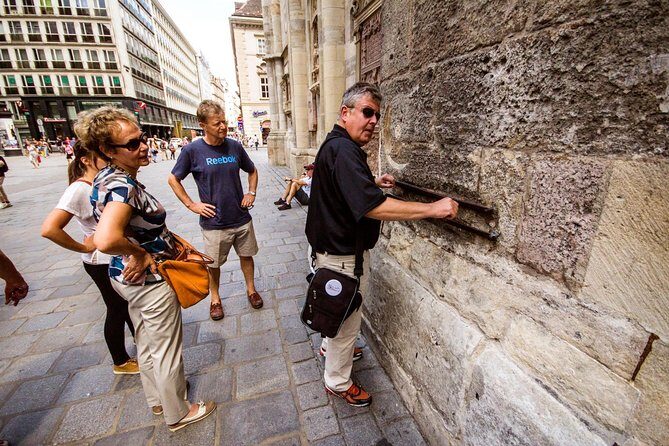
This tour has a neat trick: it turns street names into clues. Instead of giving you a lecture in one place, the guide ties the explanation to where you’re walking, so the information sticks.
You’ll hear why something is called Ball alley, and later you’ll pass Ballgasse and get the story behind the street name. Street-name stories might sound small, but they’re one of the best ways to understand a city’s character. Vienna has layers—empires, neighborhoods changing roles, and older communities influencing the present. When you understand why a street got its name, that street stops being background and becomes part of the city’s memory.
This is also one reason the tour works well on a first day. You’re not just ticking boxes. You’re collecting local context, and that context makes the rest of your walking easier. After a few hours with this kind of guidance, you’ll likely start noticing other street-name patterns and architectural hints you would have ignored before.
Mozart’s most exclusive residence and the story behind the millionaire idea
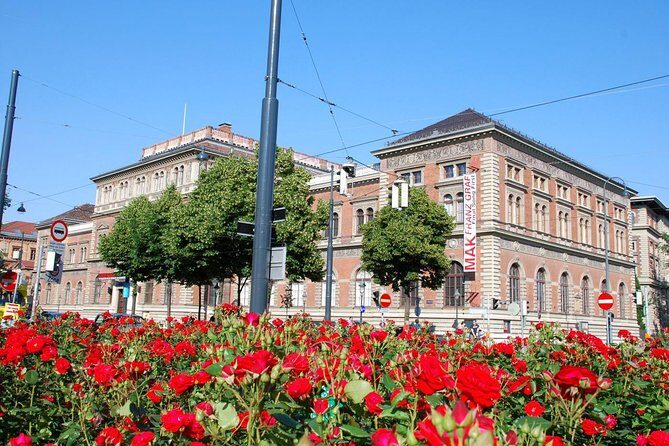
One of the most talked-about stops on this walk is tied to Mozart’s most exclusive residence—and specifically, why the guide explains him as a millionaire. The tour doesn’t treat this as a dry statue-and-swipe photo moment. Instead, you’re guided toward an interpretation: what it meant for Mozart to be financially successful in Vienna, and how that success connected to status, patrons, and the world he moved through.
Even if you think you already know Mozart, this is the type of stop that can reset how you see him. Vienna’s musical fame is obvious. What’s less obvious is the social and economic side of that fame—the way artists’ lives intersected with wealth and influence. When a local guide provides that lens, the city’s famous names feel more human and more real.
The value here is time efficiency. Instead of reading multiple guidebooks or hopping randomly between related locations, you get one organized explanation in the exact setting you’re seeing. That’s especially helpful if you’re only in Vienna for a few days and you want your time to do more than post-photo proof.
Courtyards of noble life: what you learn from the Neupauer-Breuner Palace area
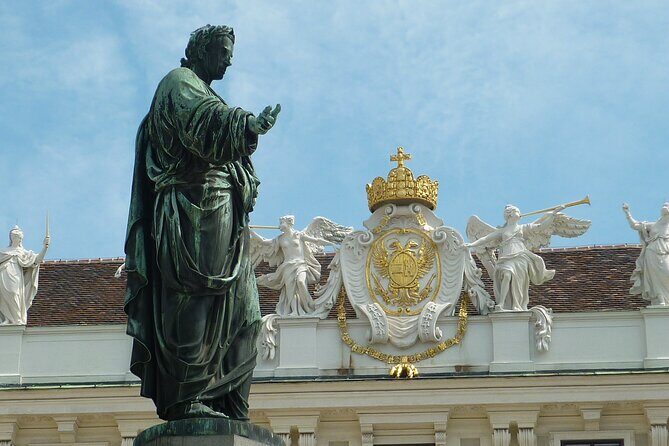
A big part of the “secrets” theme here is that Vienna’s past often hides behind walls. On this walk, you’ll stroll through beautiful courtyards and learn about how the nobility once lived. That matters because Vienna isn’t only grand squares and church towers. Much of its power played out in the spaces between the street and the rooms—where service, status, and privacy met.
You’ll also explore the Neupauer-Breuner Palace area as part of the route. Even without going into every room, the setting helps you understand how these properties functioned. Courtyards aren’t just pretty. They’re practical architecture that shapes daily life: movement, privacy, and how people experienced the space. Watching where entrances sit and how buildings face inward can teach you more than any single plaque.
Here’s how I’d use this in your planning: after the tour, you’ll likely look differently at other palaces and older buildings you pass later. Instead of only focusing on façades, you’ll remember to ask: where is the inward space? Where are the transitions? How does the street connect to private life?
And if you’re the type who likes small discoveries, you’ll probably enjoy the guide’s habit of pointing out details you might otherwise miss while walking.
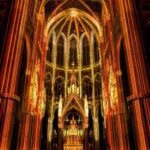
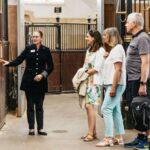


Franciscan Church façade and Vienna’s cat café: small stops, good vibes
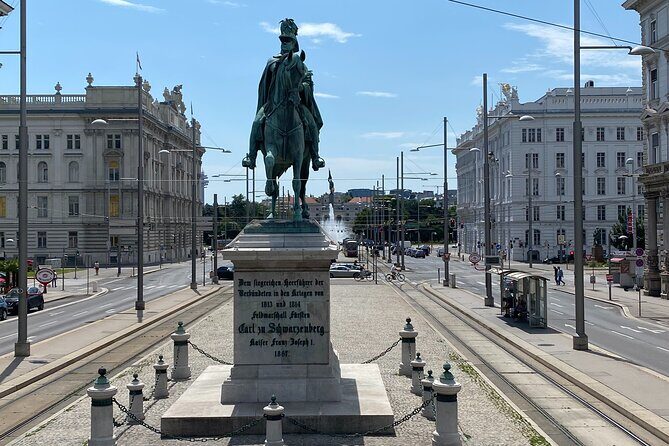
Near the Franciscan Church, you’ll admire the façade, and you’ll also see Vienna’s cat café along the way. These are the types of stops that make a walking tour feel like you’re living in the city rather than just moving through it.
The church moment is exterior-focused, which means it works even if you’re not planning to spend time inside. You get the visual context and the guide’s attention to design and location, without turning the experience into a long detour.
The cat café sighting is different. It’s not about historic importance; it’s about contemporary Vienna. It’s a reminder that the city keeps changing while still holding onto its older bones. If you like modern quirks, this kind of stop gives your afternoon a little personality.
A practical note: because the tour is short, you should assume these are quick looks rather than long visits. If you want to spend more time at the cat café or any nearby place, treat the tour as the introduction and then plan a separate, self-guided stop later.
Price and logistics: why $36 can make sense in Vienna
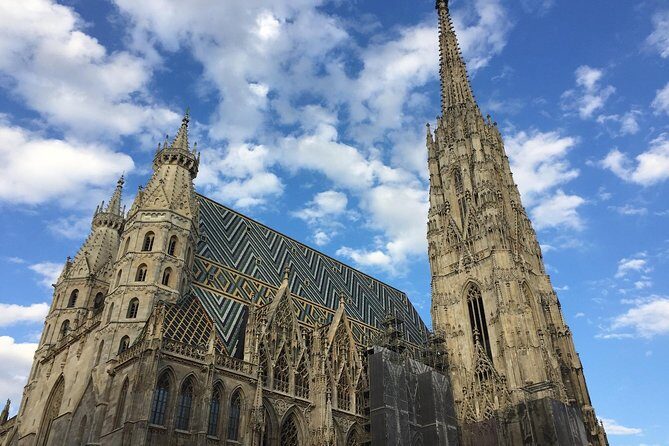
The tour costs $36.04 per person and runs about 2 hours. That’s not the cheapest thing you can do in Vienna, but it’s also not trying to be a full-day production. For me, the key value is the structure: a certified local guide, a tight route, and a focus on lesser-seen details. You’re paying for interpretation, not just walking.
A couple factors push this toward good value:
- Max 15 participants, which helps the guide’s attention stay personal.
- English-language guidance, so you’re not guessing what you’re looking at.
- Group discounts, which can reduce the hit if you’re traveling with one or two people.
- A centralized route, starting in the middle of Vienna instead of sending you across town.
Also, this tour is described as commonly booked about 25 days in advance. That’s a useful sign for you: if you’re traveling during busy times, reserving earlier reduces your risk of missing out.
Who this Vienna Secrets walk suits best (and who should skip)
This tour is a strong match if you:
- Want a first-or-second-day orientation in central Vienna.
- Prefer walking through courtyards and back streets instead of only major attractions.
- Like explanations tied to what you’re seeing, especially for stories like Ballgasse and the Mozart connection.
- Want a manageable time commitment that doesn’t steal a whole afternoon.
It’s less ideal if you:
- Need a highly family-focused walk with very young kids. The tour is not recommended for children aged 13 and under.
- Struggle with moderate physical fitness needs, since it’s still a walking tour.
- Want a long, sit-down deep dive at one location. This one moves on purpose.
Should you book the Vienna Secrets Walking Tour to Backyards and Mysterious Locations?
If your goal is to leave Vienna with a better sense of what’s behind the main sights, I think this is an easy yes. It’s short, guided, and built around the kind of details that turn a city from a list into a story. The route also has enough variety—street-name mysteries, a Mozart-related explanation, courtyards tied to noble life, and quick modern stops—that you don’t feel stuck in one theme for the whole walk.
Book it if you’re the kind of traveler who likes to notice architecture, street layouts, and the small explanations that make a place feel lived-in. Skip it if you want a kid-friendly stroll or you’d rather spend your time in only museums and churches with long visiting hours.
FAQ
How long is the Vienna Secrets Walking Tour?
It runs for about 2 hours.
What time does the tour start?
The start time is 12:00 pm.
Where do I meet the guide?
You meet at Lindt Chocolate Boutique, Stephansplatz 8A, 1010 Wien, Austria.
Where does the tour end?
The tour ends at Dr.-Karl-Lueger-Platz 3, 1010 Wien, Austria.
Is transportation included?
No. Hotel pickup/drop-off and transportation to and from the attractions are not included.
Is the tour in English?
Yes, it’s offered in English.
What’s the group size?
The tour has a maximum of 15 travelers.
What age is it recommended for?
It is not recommended for child aged 13 and under.