REVIEW · VIENNA
Vienna: Sightseeing Tour in a 1920s Classic Style Car
Book on GetYourGuide →Operated by E-Oldtimer Panoramafahrt | Gratt KG · Bookable on GetYourGuide
Vienna clicks into focus at street level. This 1920s classic-style electric old-timer turns a pile of big-name landmarks into an easy, weather-proof loop, with a driver sharing history in a way that stays understandable. I love the comfortable, emission-free ride and the fact that the information comes in a tight, just-right amount—enough to make you see the city differently, not so much that you stop enjoying the view. One thing to plan for: it’s only 60 minutes, so you’re mostly sightseeing from the car and you won’t be doing long museum stops.
I also like the family angle. With a private group for up to 10, you can stay together, ask questions in English or German, and keep the pace sane—especially helpful if you’re traveling with kids, older relatives, or anyone who gets tired fast.
Timing and meeting points are worth double-checking before you go. The tour description says it starts and ends at Cafe Mozart, Albertinaplatz 2, 1010 Vienna, while the listed meeting point is 1010 Vienna, Herrengasse 12 (Hotel Radisson Blu). Either way, the goal is the same: a smooth hop-on, hop-off style ride that brings the city’s top sights to your window.
In This Review
- Quick hits you’ll feel right away
- A 1920s-style electric ride that actually makes sense
- How the 60 minutes move: Albertina out, city highlights back
- Albertina and the Ringstraße sweep: Vienna’s big-stage boulevard
- Palace gardens and monument power: Burggarten to Heldenplatz
- Museum row and parliamentary Vienna: Ringstraße’s different mood
- Old Vienna around Stephansdom: where details get personal
- Stadtpark to Musikverein: music Vienna you can almost hear
- Driver-led commentary: why the story pacing gets praised
- Price and value: $282 per group, and when it’s a smart move
- Who should book this old-timer loop?
- Should you book this Vienna electric old-timer tour?
- FAQ
- How long is the Vienna sightseeing tour?
- Is this tour private, and how many people can go?
- Where does the tour start and end?
- What languages are offered?
- What’s included in the price?
- Are admission fees included?
- Is cancellation possible if plans change?
Quick hits you’ll feel right away
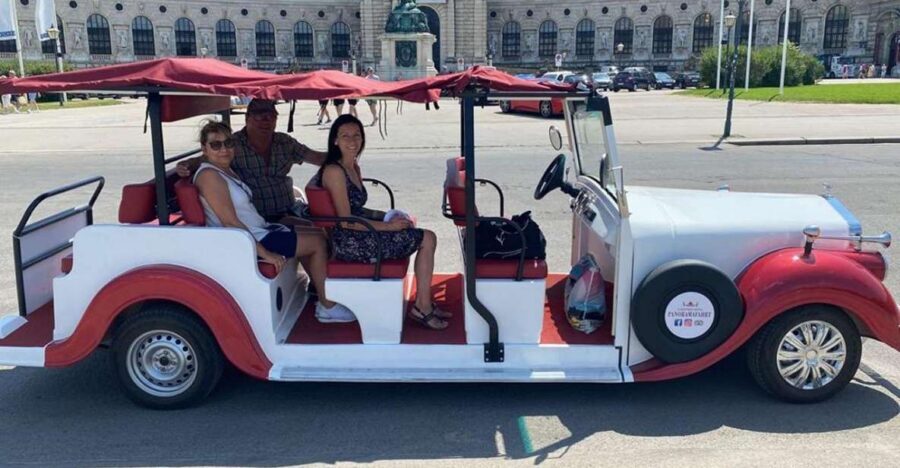
- Electric old-timer comfort: a nostalgic feel without engine fumes, ideal for a low-effort first look at Vienna.
- Private group up to 10: everyone stays together, so the tour works well for families and small groups.
- Driver-led storytelling: audio commentary from your driver keeps the experience moving and informative.
- All-weather sightseeing: rain or shine, you still get a full circuit of major sights.
- A lot of Vienna in 60 minutes: you’ll see a smart mix of palaces, grand boulevards, churches, and music venues.
A 1920s-style electric ride that actually makes sense
There’s a special kind of pleasure in seeing Vienna from a car that feels classic and slow—because Vienna’s best details are visual. You get the feel of grand streets and landmark facades without the hassle of navigating traffic, squeezing into public transport, or constantly recalculating routes. And since the ride is electric, you get that emission-free trip promised by the experience design.
What I find practical here is how the format respects your time. A 60-minute tour can either be too short (if you’re rushed) or too long (if you lose focus). This one is built as a tight loop with a driver who explains what you’re seeing while you’re still fresh and curious. In the feedback, the driving and information delivery show up again and again as the real win—people describe the guide as fun, competent, and not overly stiff.
One small caution: you are riding. If your dream is to linger at one building for 45 minutes, this isn’t that kind of tour. Think of it as getting your bearings fast and learning just enough to enjoy whatever you do next on foot.
You can also read our reviews of more tours and experiences in Vienna.
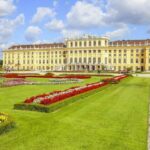
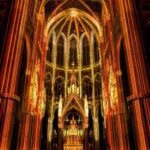
How the 60 minutes move: Albertina out, city highlights back
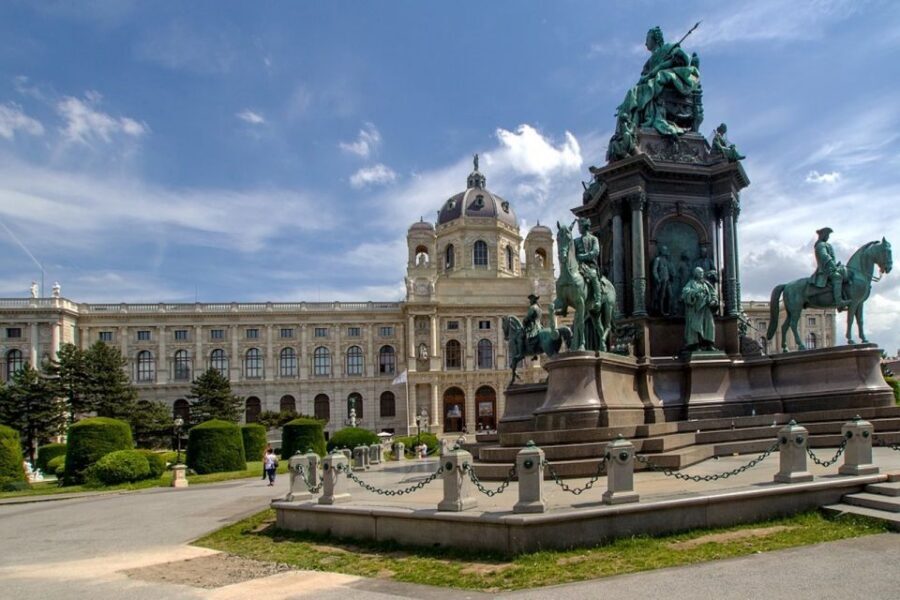
The ride starts in central Vienna and runs as a loop, ending where it begins—so you don’t have that awkward feeling of being stranded halfway through your day. The big promise is “see Vienna’s highlights in a relaxed way,” and the route supports that by stitching together several classic Vienna zones:
- The grand museum-and-boulevard stretch around the Albertina and the Ringstraße
- The imperial core near the Hofburg, Heldenplatz, and monument groupings
- The old-city and church atmosphere around Stephansdom and the inner streets
- The music and café side of town through Stadtpark, Musikverein, and landmark hotels
- Then a return toward Albertina for a clean finish
You’ll notice the tour is less about stopping and more about scanning. That’s a plus if you want context while you glide past key places. It’s a drawback if you’re hoping for deep, on-the-ground photo time at every stop.
Albertina and the Ringstraße sweep: Vienna’s big-stage boulevard
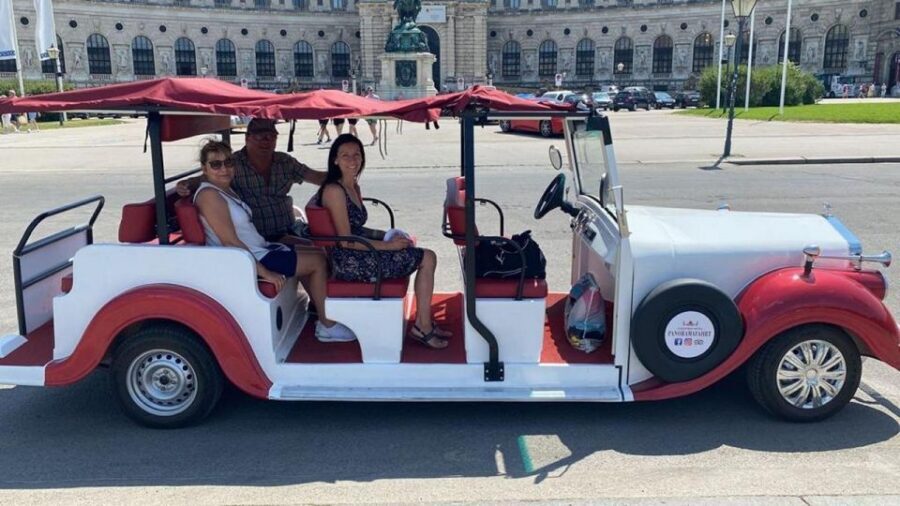
Right away you’re in the part of Vienna that teaches you how the city thinks about grandeur. The Albertina sits near the center of this story, and from there the tour flows toward the Ringstraße—described on the itinerary as the long boulevard street and one of the world’s signature urban views.
As you ride, you’ll pass the rhythm of Vienna’s monumental architecture: the Staatsoper, the Opern ring energy people associate with Vienna, and the nearby cultural institutions that make the area feel like one continuous stage set. The route also includes stops like the Palais Schy, plus the Goethe Denkmal and Schiller Denkmal, which are exactly the kind of landmarks that help you connect literature to real streets instead of just remembering names from school.
Two other details I’d pay attention to as you pass:
- The Akademie der bildenden Künste (Academy of Fine Arts area). It helps you see why Vienna’s arts culture isn’t separate from its identity—it’s part of the city’s wiring.
- The shift from pure monuments to more garden and palace-adjacent scenery when the route touches the Burggarten area.
If you’ve ever felt overwhelmed by Vienna’s number of impressive buildings, this segment is designed to fix that. It gives you a structured first scan: major opera/cultural buildings first, then literature and art markers, then palace-garden context.
Palace gardens and monument power: Burggarten to Heldenplatz
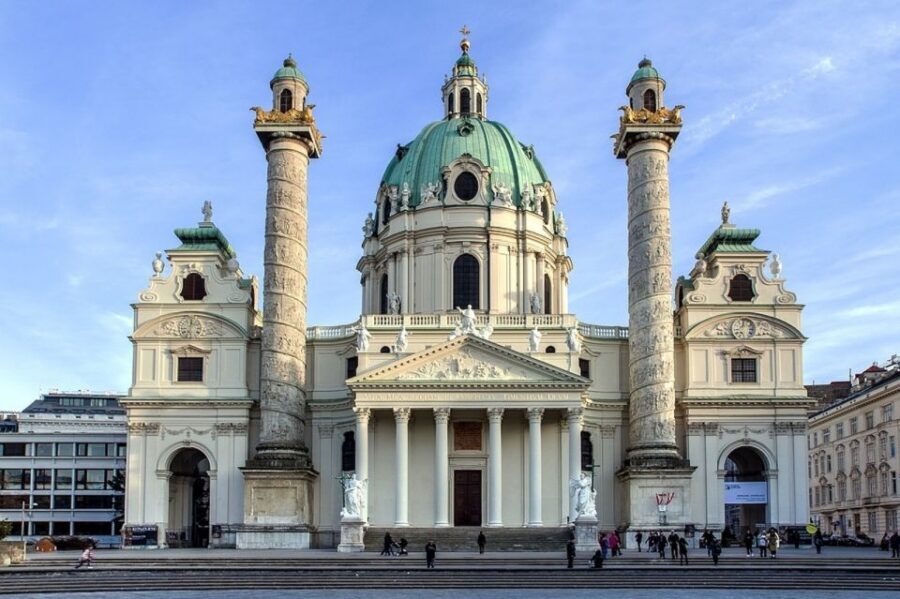
This is the stretch where Vienna feels like a museum of power and ceremony. The tour routes through the Burggarten, then you’ll see the Palmenhaus and the Schmetterlingshaus. Even if you don’t go inside, you’ll understand why these spaces matter: Vienna isn’t only about stone and gold leaf, it also planned for glass-and-garden experiences right in the middle of big-city prestige.
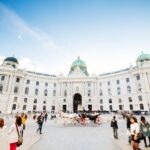
From there, the route moves toward the Neues Burgtor and the Heldenplatz, with the Hofburg in the mix. This is where your driver’s job becomes more than narration. When you see Hofburg and Heldenplatz from the car, the names stop being random. They start to sound like roles in an imperial play.
You’ll also pass a cluster of famous statues that act like a visual family tree of Vienna’s rulers and military-reform stories:
- Maria Theresia Statue
- Prinz Eugen Statue
- Erzherzog Karl Statue
The practical benefit here is mental. If you’re doing Vienna for the first time, these statue names give you anchors—so later, when you look at photos or read about events, you can picture where those people fit into the city’s layout.
Also on this side of the route: Nationalbibliothek, the Welt Museum, and Präsidentenpalast. Even when you can’t stop for a close look, you’re building a map in your head. That map makes it easier to choose what to revisit after the tour.
Museum row and parliamentary Vienna: Ringstraße’s different mood
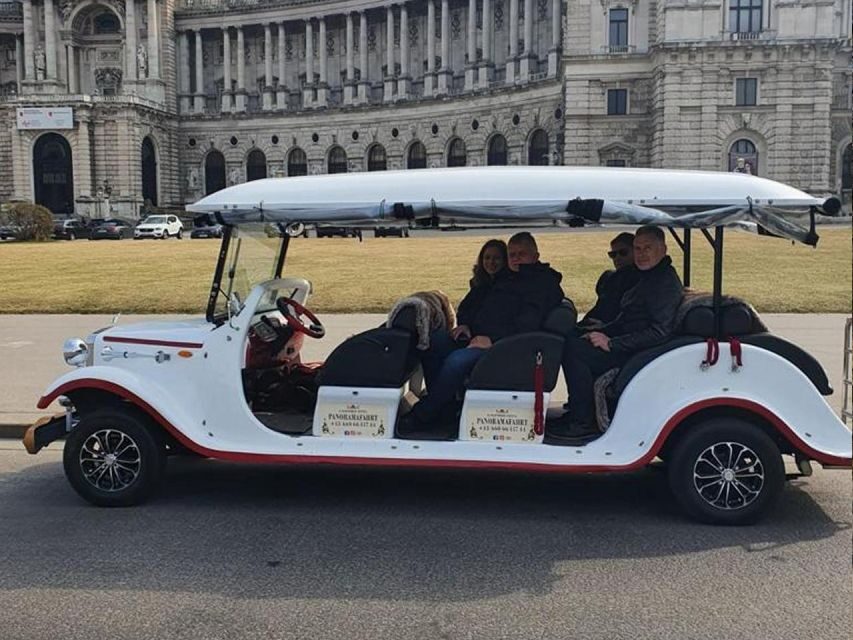
As the ride continues, you’ll pass the Naturhistorisches Museum and the Kunsthistorisches Museum area, plus nearby palace structures like Palais Epostein. This part of the city is a great reminder that Vienna’s “culture” is not just concerts—it’s also big institutional architecture.
You’ll also glide past the Parlament and the Burgtheater, two cultural landmarks that signal Vienna’s commitment to public life through buildings. If you like to understand cities by what they invest in, this is useful. It helps you see why Vienna feels formal without being lifeless: the form is part of how the city organizes art, debate, and public gatherings.
Then you reach the administrative and academic mood of the route—Rathaus and Universität show up, plus the Liebenberg Denkmal. This is where Vienna’s civic face becomes visible, and it helps you understand why the Ringstraße is more than a pretty drive. It’s a spine connecting culture, government, and education.
And yes, you’ll keep seeing statues and classical markers as you travel—like Vienna’s own timeline written in stone. It’s exactly the kind of thing that feels confusing when you walk alone, but becomes clearer when someone explains what you’re looking at while you’re moving.


Old Vienna around Stephansdom: where details get personal
After the grandeur, the route shifts toward the old-city texture, and this is where the tour becomes extra satisfying. You’ll pass areas like Am Hof, then move toward the famous interior highlight near Stephansdom.
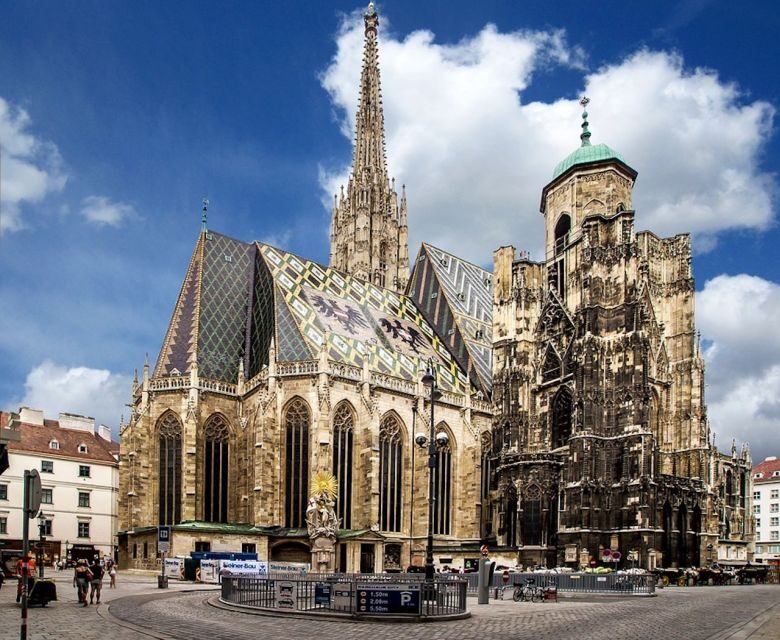
Seeing Stephansdom from the car works well because the cathedral is a visual anchor. Even when you don’t step inside during the ride, you get the immediate sense of scale and position that helps you navigate later on foot. The itinerary also includes Wollzeile, then pushes toward the inner strolling-shop street feel, plus the Hoher Markt, Hochzeitsbrunnen, and the Ankeruhr. These aren’t just random stops—they’re the kinds of markers that make Vienna feel lived-in.
You’ll also encounter river-adjacent and market-adjacent streets in the route, including Salz Gries and Marc Aurel Straße. Together, these give you a sense of Vienna’s layers—imperial formality above, daily life under it, and the old trade-and-market logic running through.
Two other items on the list that I’d keep an eye out for from the vehicle:
- Eines der Beethovenhäuser (Beethoven house area). It’s a reminder that Vienna’s music story is physically anchored in neighborhoods, not only in performance halls.
- Palais Ferstl mit Café Zentral. Even if you don’t plan a stop, the name alone tells you this neighborhood has a café culture worth saving time for later.
Stadtpark to Musikverein: music Vienna you can almost hear
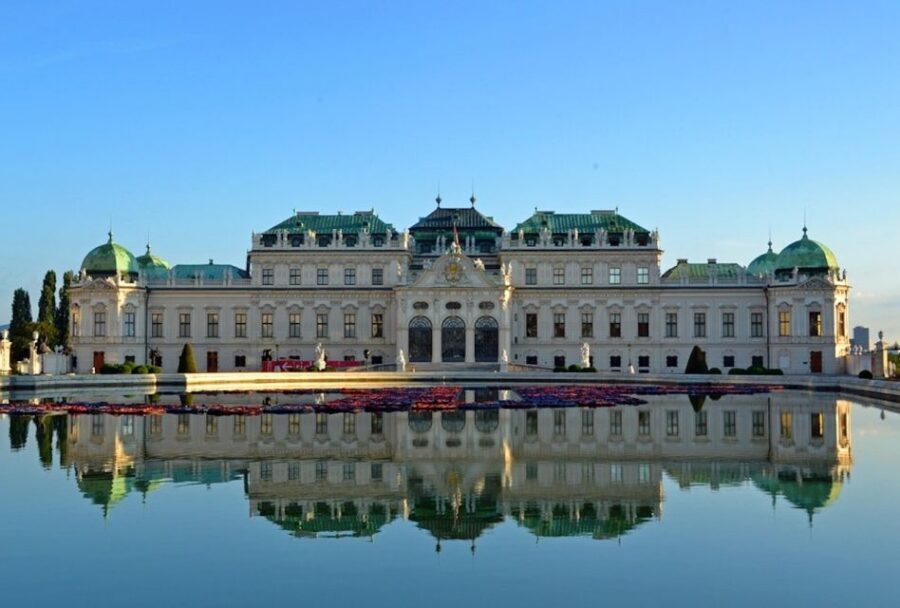
After Stephansdom and the older streets, the tour drifts toward the music and leisure vibe. You’ll pass Stadtpark, then you get the Johann Strauss Denkmal and Kursalon Hübner. This combination is helpful because it links composer to place. Without that link, music landmarks can feel like they’re floating out of context. With it, they read like an actual storyline.
Then the route heads toward Schwarzenberg Platz, and you’ll see Café Schwarzenberg noted on the itinerary—so you can connect the music walk with the café pause, which is how many Vienna days actually work in practice.
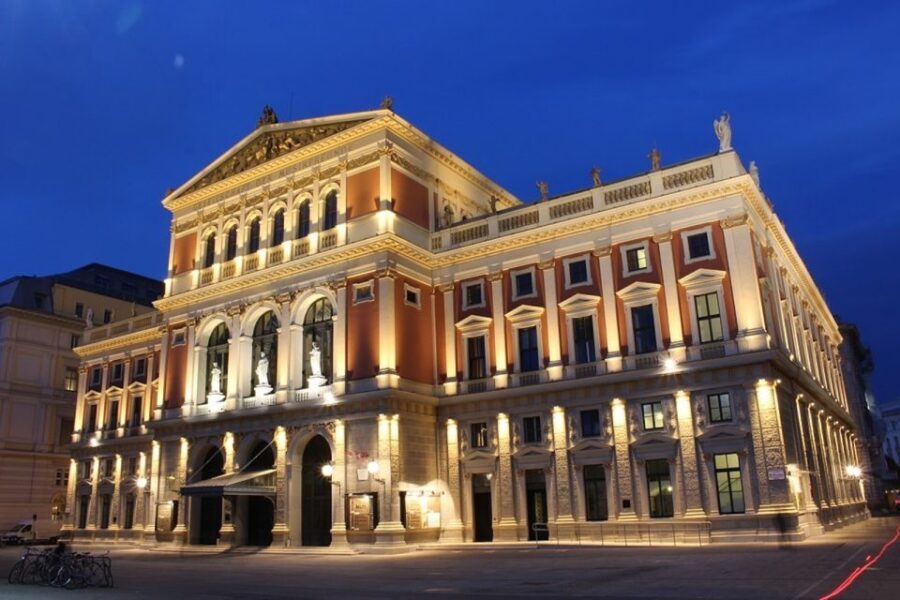
The highlight on this stretch for many people is Musikverein, one of the city’s most famous concert venues. From the car, you’re mainly observing, but the payoff comes when you later hear about concerts there—or when you just understand why people plan their evenings around Vienna’s classical calendar.
You also ride past major hotel landmarks listed on the itinerary: Hotel Imperial, Grand Hotel, Hotel Bristol, and Hotel Sacher. You might not check into all of them, but seeing the cluster helps you understand how central this area is to Vienna’s idea of luxury, music, and old-world hospitality.
Driver-led commentary: why the story pacing gets praised
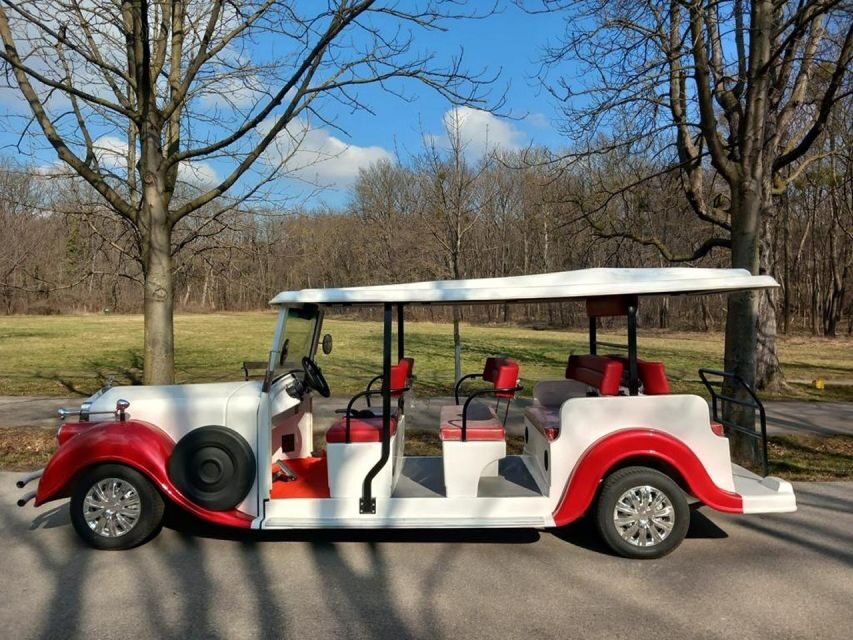
The biggest “why” behind this experience is the guide approach. A common theme in the feedback is that the driver is both competent and genuinely enjoyable. In one documented case, the guide noticed a passenger’s birthday at the start and worked it into the ride with a Happy Birthday singalong near the end. That kind of thoughtful, human timing turns a standard sightseeing loop into something you remember.
Another name you may see pop up is Manuel, described as showing the sites with fun energy and sharing historical background in a way that kept things engaging. I like that balance: you get enough context to make the buildings meaningful, but you aren’t stuck listening while your mind checks out.
You should also expect a tour format that feels structured but not stiff. The commentary is described as not too much and not too little. That matters because Vienna sightseeing can easily turn into information overload—especially if you’re already reading museum labels and guidebooks all day. Here, the pacing is meant to keep you watching the streets while still learning what you’re seeing.
Price and value: $282 per group, and when it’s a smart move
The price is $282 per group up to 10, and that’s the part where you should do a quick mental math check. If you manage to fill most of the 10 seats, your cost per person drops a lot. If you only have a small group, the per-person value rises.
So the real question isn’t the number on the ticket. It’s how you use the tool:
- If you’re a family or small group, this can be a cost-effective way to see a big chunk of central Vienna without juggling multiple transport options.
- If you’re traveling with mixed ages or energy levels, the car format gives everyone the chance to stay included.
- If you’re a solo traveler, you might compare it to other city-tours—but the private group setup can still be worth it if you want a more personalized rhythm and live driver narration.
Also remember what’s not included: admission fees. This tour is built for sightseeing and learning from the outside (and from the ride), not for paying museum tickets on top.
Who should book this old-timer loop?
This is ideal when:
- You want a first-pass overview of Vienna’s major landmarks in a single hour.
- You’d rather ride and listen than walk and navigate.
- You’re traveling as a private group up to 10 and want to keep everyone together.
It also works well if Vienna is familiar to you. One reason this tour lands for local or repeat visitors is that even when you live in Vienna, you still tend to miss how neighborhoods connect. A guided loop can spark those small aha moments—like realizing how literature statues, opera buildings, and imperial architecture all sit within a coherent city story.
Should you book this Vienna electric old-timer tour?
Book it if you want a simple, effective way to see the highlights without stress. It’s especially strong for families and small private groups, and the driver storytelling quality is a big part of the value—plus the weather-proof plan means you’re not losing your day if conditions change.
Skip it if you’re hoping for a tour where you’ll regularly get out to spend meaningful time inside museums and churches. This one is about movement, sightlines, and getting context quickly.
If you’re unsure, here’s my practical rule: if you’re short on time and want a guided route that helps you choose what to do next, this fits. If you already have a tight plan with museum tickets and long on-foot wandering, you might prefer a walking-focused option.
FAQ
How long is the Vienna sightseeing tour?
The tour lasts 1 hour.
Is this tour private, and how many people can go?
Yes, it’s a private group experience, with space for up to 10 persons per group.
Where does the tour start and end?
The tour starts and ends at Cafe Mozart, Albertinaplatz 2, 1010 Vienna. The meeting point is listed as 1010 Vienna, Herrengasse 12 (Hotel Radisson Blu), so it’s smart to confirm which spot your driver will use that day.
What languages are offered?
The live tour guide and commentary are available in English and German.
What’s included in the price?
The price includes the tour and audio commentary by the driver.
Are admission fees included?
No. Admission fees are not included.
Is cancellation possible if plans change?
Yes, there is free cancellation up to 24 hours in advance for a full refund.