REVIEW · VIENNA
Vienna: Taste Austria the ABCs of Wine
Book on GetYourGuide →Operated by Weinrudi · Bookable on GetYourGuide
Vienna’s wine lesson is small and personal. In a cozy wine shop in central Vienna, you spend 2 hours learning how Austrian wine works, not just what to drink. With guide Rudi (English, Portuguese, German), you taste across multiple regions and pick up the tasting skills that make the glass make sense.
I especially love the way the session is built around Austrian wine styles you can actually find later—like the Wiener Gemischter Satz—so the lesson sticks. I also like the focus on pairing: you get food guidance and practical tips, and it makes each sip feel more intentional than a standard tasting flight.
One drawback to consider: the tasting is not for everyone. It’s listed as not suitable for pregnant women and people with a cold, and there’s a confusing note that wheelchair access is available while also saying it’s not suitable for wheelchair users—so you’ll want to confirm fit before you book.
In This Review
- Key things to know before you go
- Vienna Wine Tasting at Weinrudi: What Makes This Format Work
- Wiener Gemischter Satz and the Danube: Austria’s Freshness in One Lesson
- Steinfeder, Federspiel, Smaragd: The Wachau System Explained Without the Fuss
- South Styria Sauvignon Blanc: Steep Slopes, Cool Climate, Clear Character
- Neusiedler See: Blaufränkisch to Trockenbeerenauslese (Yes, the Sweet Stuff)
- The Mineral Secret: Why Iron-Rich Soils Show Up in Blaufränkisch
- How the Tasting Works: See, Smell, Taste, Then Pair
- Price and Logistics: Is $81 Worth 2 Hours?
- Language Options and the Comfort Factor
- Who Should Book This Vienna Wine Tasting (and Who Should Skip It)
- Meeting Point and What to Do When You Arrive
- Should You Book Taste Austria the ABCs of Wine?
- FAQ
- How long is the Vienna wine tasting at Weinrudi?
- What wines and regions will I taste?
- Is food included?
- Do I need to arrange transportation to the meeting point?
- Who can join this experience?
- Is smoking allowed during the tasting?
Key things to know before you go
- Small group (max 8) means you can ask questions and get real answers from Rudi
- Austrian classifications like Steinfeder, Federspiel, and Smaragd get explained in plain terms
- Multi-region tasting covers classics from Wachau to South Styria to Neusiedler See
- Sensory technique teaches you how to assess wine with sight, aroma, and taste
- Food pairing tips help you connect the wine to bites like cheese and cured meats
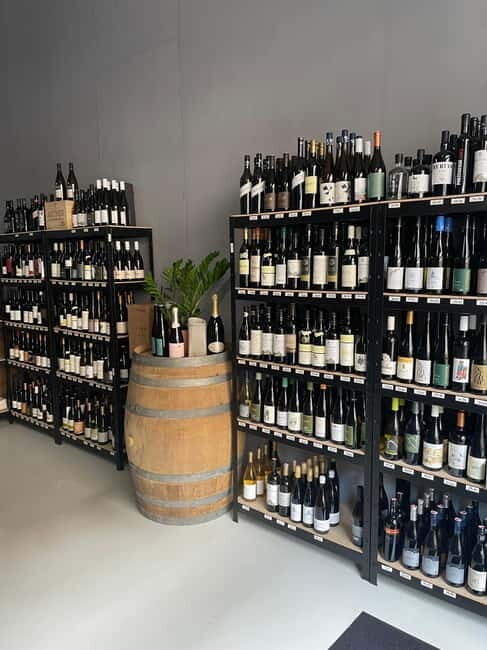
- Cozy shop setting keeps the mood relaxed, not classroom-stiff
Vienna Wine Tasting at Weinrudi: What Makes This Format Work
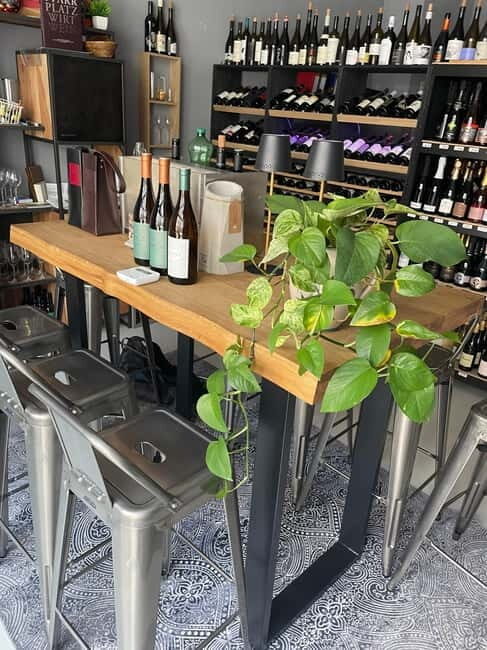
If you’ve ever felt overwhelmed by Austrian wine on a restaurant list, this is the cure. This tasting at Weinrudi is designed like a fast, friendly crash course: you taste, you learn the logic behind what you’re tasting, and you leave with a vocabulary you can use immediately.
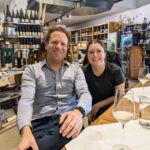
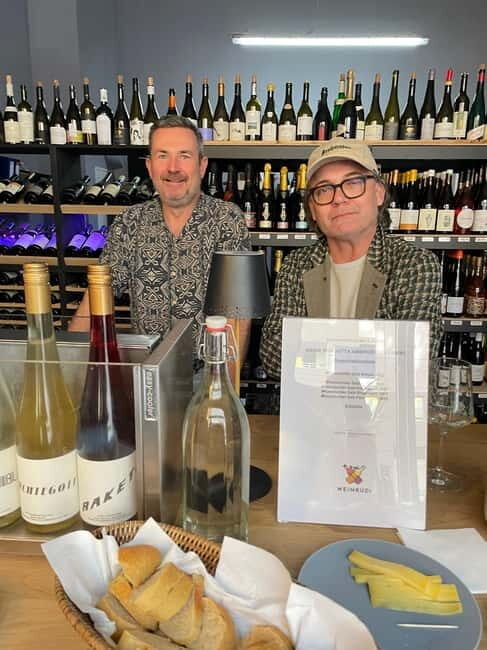
The setting matters. Instead of a big production, you’re in a local wine shop atmosphere where questions feel normal. The group stays small (limited to 8), so it doesn’t turn into a “listen and hope” experience.
Rudi’s role is practical. He doesn’t just name grapes and regions; he connects them to why the wine tastes the way it does. You’ll hear how geography, climate, and soil influence flavor, and then you’ll taste those ideas in the glass.
You can also read our reviews of more wine tours in Vienna


Wiener Gemischter Satz and the Danube: Austria’s Freshness in One Lesson
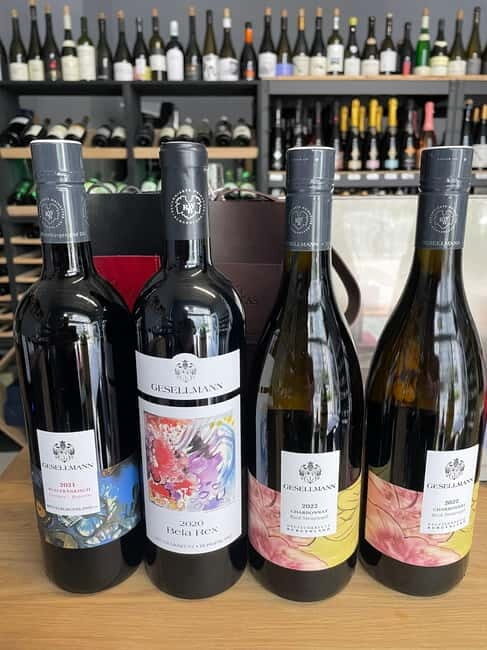
One of the most memorable parts is the chance to taste Wiener Gemischter Satz, a style that captures Vienna’s wine identity. This blend (often from different grape varieties grown together) is famous for its freshness and complexity, and it’s a great way to show how Austrian wine isn’t just about one “type.”
You also learn how the Danube and soil structure affect what ends up in your glass. That might sound abstract until you taste the difference. Then it clicks: terroir isn’t a marketing word—it’s the reason one bottle feels crisp and lively while another feels rounder or more structured.
Why I think this matters for you: if you’re new to Austrian wine, starting with something local and easy to understand gives you confidence fast. And if you’re already curious, it’s a smart way to add a specifically Austrian style to your mental map.
Steinfeder, Federspiel, Smaragd: The Wachau System Explained Without the Fuss
Austrian wine drinkers love classifications, and the Wachau region is a perfect example. During this tasting, Rudi walks you through Steinfeder, Federspiel, and Smaragd so they stop sounding like trivia.
Here’s what you gain from the explanation: you learn to see how the classification system helps predict the experience. Instead of guessing, you can start to anticipate how a wine might feel—its balance, its weight on the palate, and the kind of freshness you should expect.
What I like about learning these categories in a tasting setting is that you build intuition. You’re not just memorizing labels; you’re tasting wines that let you practice how the same grape family can move from one style to another depending on how it’s made and what part of the region it comes from.
South Styria Sauvignon Blanc: Steep Slopes, Cool Climate, Clear Character
Next comes aromatic Sauvignon Blanc from South Styria, and this is where Austrian wine can surprise you. The key idea you’ll hear is that the cool climate and steep slopes help shape exceptional wines.
That combination is important for a simple reason: steep terrain and cooler conditions tend to help preserve acidity and keep aromas sharp. In tasting terms, it often means the wine feels more focused and less heavy than you might expect if your mental reference is another country’s Sauvignon Blanc.
If you like white wines that smell and taste clean, this portion is a strong match. Even if you don’t usually order Sauvignon Blanc, the pairing and guided tasting method can help you find what you actually enjoy—without forcing your palate into a preconceived box.
Neusiedler See: Blaufränkisch to Trockenbeerenauslese (Yes, the Sweet Stuff)
Austrian wine isn’t only about dry whites and confident reds. You also get a look at the Neusiedler See region, which covers both fruity reds and serious sweet wines.
You’ll taste how Pannonian climate influences the style, from fruity Blaufränkisch to noble sweet Trockenbeerenauslesen. That range is the point. Austria can do both ends of the spectrum in one country, and tasting them back-to-back makes it easier to understand.
Here’s the practical takeaway for you: if you’ve only tried one kind of Austrian bottle, this tasting helps you spot what kind of bottle you’ll enjoy next. Are you the fruity red person? Or do you want sweetness with structure? The tasting format helps you answer that quickly.





The Mineral Secret: Why Iron-Rich Soils Show Up in Blaufränkisch
One highlight is the emphasis on a “mineral” side of Blaufränkisch. You’ll learn the story behind its unmistakable spiciness and structure tied to iron-rich soils.
This is one of those lessons that sounds like wine-nerd language until you taste it in real time. When the guide links soil to flavor, you start tasting with a different lens. You notice not just fruit and acidity, but the wine’s texture, firmness, and that lightly savory edge that can make a red feel more food-friendly.
For many people, this is the moment they stop treating wine tasting as random sipping and start treating it like reading a map.
How the Tasting Works: See, Smell, Taste, Then Pair
A big part of the value here is the method. You’ll learn how to experience wine with all your senses—starting with a visual assessment, then analyzing aroma, then tasting and interpreting what you find.
This isn’t just academic. Once you practice this in a guided session, you can use it later in Vienna—at a shop, on a wine list, or even with a bottle you already own. You stop relying on other people’s opinions and start making your own.
Pairing is another key piece. You get food pairing tips, and the experience includes bites like salami, olives, and cheese. That matters because pairing forces the wine to show its “work” against real flavors: salt, fat, and savory spices can sharpen aromas and change how sweetness and acidity read.
One more practical bonus: if you’re curious and you ask, you may also be offered quick comparisons with wines from other countries to help you calibrate your palate. It’s a smart way to learn faster, especially if you know what you already like.
Price and Logistics: Is $81 Worth 2 Hours?
At $81 per person for about 2 hours, this tasting is priced like a guided wine lesson, not like a casual pour-and-go. The value is in three things: the guided explanations, the structured tasting method, and the multi-region range you get in one sitting.
For practical budgeting, think of it as buying time with someone who can translate Austrian wine into something you can actually order confidently. If you’re the type who usually pays for wine “by vibes,” the instruction helps you pay with intention instead.
A few logistics points that affect your planning:
- Transportation isn’t included, so you’ll want to get to Weinrudi on your own.
- Booking in advance is required, and starting times depend on availability.
- You’ll likely want comfortable shoes, water, and a camera.
- Smoking isn’t allowed during the experience.
If you’re weighing a booking decision, this is the part I’d underline: the small group size and the Q&A style are what justify the price more than the number of sips.
Language Options and the Comfort Factor
The tour guide speaks English, Portuguese, and German. That’s great if you want understanding without struggling through a translator app.
The vibe is also important. The experience is described as welcoming and friendly, and the guide takes time to answer questions. In a small group, you don’t feel rushed. And if you have a specific preference—more aromatic whites, more food-friendly reds, or interest in sweet wine—you can steer the tasting conversation.
Who Should Book This Vienna Wine Tasting (and Who Should Skip It)
This tasting is a strong fit if you want:
- a fast way to understand Austrian wine regions
- a guided intro to Austrian tasting logic, not just a drink list
- a small-group experience where you can ask questions
- help choosing wines later in Vienna
It may not be a fit if:
- you’re pregnant (listed as not suitable)
- you’re dealing with a cold (listed as not suitable)
- you need specific accommodations beyond what you can confirm in advance, because the info includes both wheelchair access and a note saying it’s not suitable for wheelchair users
Also, you must be at least 18 years old.
Meeting Point and What to Do When You Arrive
The meeting point is at the shop—Er wartet im Shop—so you’ll want to arrive a few minutes early and go inside. It’s meant to feel easy: find Weinrudi, check in, and the guide will be ready to start.
A simple tip: bring water, slow down between pours, and take notes on what you liked. Even one or two quick notes can save you time when you’re back on a wine shop shelf later.
Should You Book Taste Austria the ABCs of Wine?
Book it if you want to leave Vienna with more than good memories—you’ll leave with a usable system: how to taste, how to pair, and how to recognize key Austrian styles like Wiener Gemischter Satz, Wachau’s Steinfeder/Federspiel/Smaragd, South Styria’s Sauvignon Blanc, and Neusiedler See’s range from Blaufränkisch to Trockenbeerenauslese.
Skip it if you already feel fully fluent in Austrian classifications and tasting technique, or if you’re traveling with health limits that make a structured tasting session difficult.
My practical advice: if you’re even a little unsure what to order in Austria—or you want to taste beyond the usual safe picks—this one is a smart use of a couple hours in Vienna.
FAQ
How long is the Vienna wine tasting at Weinrudi?
The guided tasting session lasts approximately 2 hours.
What wines and regions will I taste?
You’ll taste wines that highlight Austria’s major regions and styles, including Wiener Gemischter Satz, Wachau classifications (Steinfeder, Federspiel, Smaragd), South Styria Sauvignon Blanc, and wines from Neusiedler See such as Blaufränkisch and Trockenbeerenauslese.
Is food included?
The experience includes food pairing tips, and the tasting includes pairing with foods like salami, olives, and cheese.
Do I need to arrange transportation to the meeting point?
Yes. Transportation to and from the venue is not included.
Who can join this experience?
Participants must be at least 18 years old.
Is smoking allowed during the tasting?
No. Smoking isn’t allowed.