REVIEW · VIENNA
Exciting history tour and discovery of Vienna’s secrets
Book on Viator →Operated by Secrets, exciting history, food and music of Vienna · Bookable on Viator
Vienna can feel like a movie set.
This tour is private, so the guide can tailor the pace and questions to your group, and it also keeps things simple by covering attraction entrance tickets as you go. I especially like the way it connects big-name culture (Mozart, Beethoven, Hofburg power) with smaller visual clues you’d miss on your own. One thing to plan for: it’s a mostly-on-foot day, and it relies on good weather, so build in flexibility.
I also like that the guide doesn’t talk at you. You get a real conversation style, and the stops are timed so you’re not trapped in one long “museum lecture” after another. In the reviews I read, names like Walter and David come up for being friendly, energetic, and able to make Vienna feel relevant, not just old.
If you want a fast checklist tour of famous buildings, this might feel slow. But if you want why they matter, plus practical pointers for what to see next, it’s a strong fit.
In This Review
- Key highlights worth your attention
- Starting at Graben 32: where the walk gets real
- Stephansdom: the cathedral’s medieval backstory (and south side)
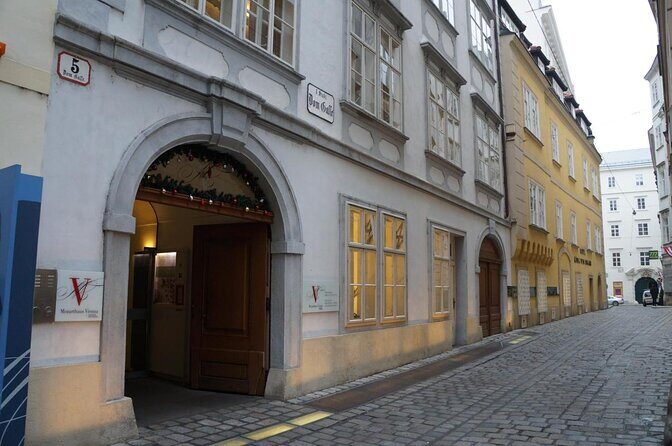
- Mozarthaus Vienna to the performance world
- Spanish Riding School: UNESCO stables, Lipizzaners, and old-town baroque
- Hofburg Palace: heroes’ square, Sisi’s wedding, and the National Library
- Ringstrasse walk: Vienna’s grand architecture circuit
- Schottenstift, Volksgarten, and the Greek Orthodox church stops
- Belvedere gardens and Klimt-style views when you have extra time
- Optional Schönbrunn upgrade: gardens, palace, carriages, zoo, and coffee
- The value of talking with a private guide (Walter and David as examples)
- Price and what you’re actually buying
- Pace, comfort, and weather: plan like a local
- Who should book this tour
- Should you book this Vienna secrets history tour?
- FAQ
- How long is the tour?
- What is the price per person?
- Is this tour private?
- What language is the tour offered in?
- Are attraction entrance fees included?
- Is pickup available, and do I need to arrange transportation?
- Where does the tour start and end?
- What if the weather is bad?
- Can I cancel for a full refund?
Key highlights worth your attention
- Private, small-group feel: your guide can answer questions without herding a crowd.
- Entrance fees included: you don’t have to juggle ticket lines for most major stops.
- Composer route through real places: Mozart, Beethoven, and the performance world show up in context.
- Spanish Riding School with the stables experience: Lipizzaners plus a baroque riding-school story.
- Vienna’s power centers, not just postcards: Hofburg, National Library, and imperial details.
- Optional add-ons if you have time: Belvedere gardens and Schönbrunn-style upgrades.
Starting at Graben 32: where the walk gets real
The tour starts at Graben 32, 1010 Wien, right in the city center. That’s convenient because it puts you near the heart of Vienna’s walking routes, so you’re not fighting long transfers just to begin.
You should expect a guided walk with timed stops that mix cathedral-scale sights, palace interiors, and short city moments. A mobile ticket is included, and pickup is offered—handy if you’re trying to avoid hunting down a meeting point with suitcases or tight schedules.
Since it’s private, you’re not stuck with the pacing of a big group. If your feet are tired, you’ll likely get a more humane adjustment than on a standard group tour.
You can also read our reviews of more historical tours in Vienna
Stephansdom: the cathedral’s medieval backstory (and south side)
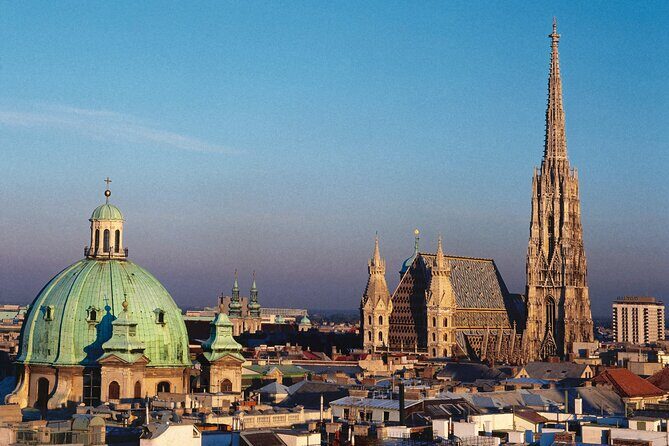
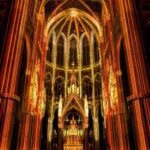
The day gets launched at St. Stephen’s Cathedral (Stephansdom). You’ll spend about 20 minutes there, which means you’re not just snapping photos from the obvious angle.
What makes this stop special is the focus on details people skip: the guide shows the cathedral’s older backside, the Gothic south side, and discusses the tallest tower in the Middle Ages. You also get pointed explanations about medieval and baroque frescoes, plus what to notice inside.
Even if you’ve seen Stephansdom before, this kind of tour helps you understand it as a layered build—Vienna wasn’t created in one design moment. It grew, rebuilt, and kept adding chapters.
Practical tip: wear shoes you can stand in. The time is short, but there’s still a lot of looking up and moving around.
Mozarthaus Vienna to the performance world
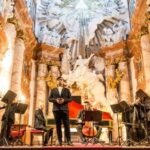
Next up is Mozarthaus Vienna, around 10 minutes. This isn’t only about Mozart’s fame—it’s about Vienna as the stage where classical music lived and evolved.
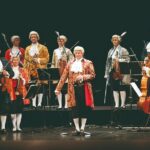
The guide moves you through a composer-centered route, starting with the Mozart house and weaving in Beethoven monument and residence, plus references to other major figures like Brahms and Schubert. You’ll also get context for the city’s concert and opera ecosystem, including mentions of the State Opera and key concert halls.
I like this stop because it gives you a “map in your head.” Afterward, Vienna’s music world stops being a list of names and starts feeling like a connected network of places and eras.
Note on time: 10 minutes goes quickly. If music is your main obsession, treat this as an excellent orientation stop, then plan a deeper visit on your own for whichever hall or museum you want most.
Spanish Riding School: UNESCO stables, Lipizzaners, and old-town baroque
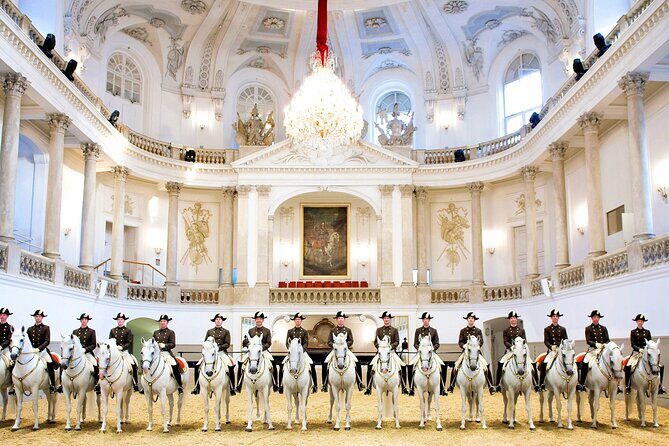
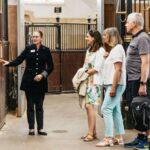
The Spanish Riding School stop is about 10 minutes and includes seeing the baroque riding school as a UNESCO world heritage site. You’ll also visit the white Lipizzan stallions’ stables and watch a film about the baroque riding arena.
What I appreciate here is the balance: you’re not only looking at the horses. You’re learning how the building and tradition are tied together—baroque design meets disciplined horsemanship.
After the Riding School, you walk through the baroque streets of Vienna’s old town, including original shop displays from the monarchy and a look at baroque churches. That’s a nice way to connect a famous institution back to street-level Vienna, rather than leaving it as a standalone ticketed attraction.
This stop lists admission as free for the tour component, so it’s a smart use of time. Still, the whole experience depends on keeping your eyes open—watch how the guide frames what you’re seeing.
Hofburg Palace: heroes’ square, Sisi’s wedding, and the National Library
The most time is here: about 30 minutes at the Hofburg. This is Vienna’s grand power center, so you’ll feel the scale quickly.
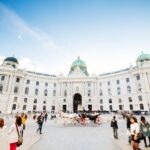
You start at Heroes’ Square, with equestrian monuments, then step into the palace courtyard. From there, the guide points out the medieval castle and layers in stories, including references to King Richard the Lionheart’s visions and imprisonment in Austria.
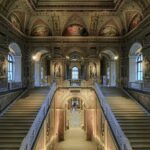
Then you shift to a more visual “look at the city’s face” moment: the palace from Michaelerplatz, and explanations around a first modern building in the world mentioned in the tour description. You’ll also get time for the National Library, described as the most beautiful in the world, with guidance on what to pay attention to while you’re there.
One of the biggest emotional anchors is the imperial side. You’ll see the church where Empress Sisi got married and learn about the heart of the imperial family (a specific reference the guide brings into the story). And yes, the stop also includes the Albertina and time for the palace gardens.
If you like your history with characters, this is the moment. It’s not just crowns and dates—it’s how the palace functioned as a living center of politics, culture, and identity.
Wear layers if it’s chilly. Palaces can be surprisingly drafty even when the weather outside is okay.


Ringstrasse walk: Vienna’s grand architecture circuit
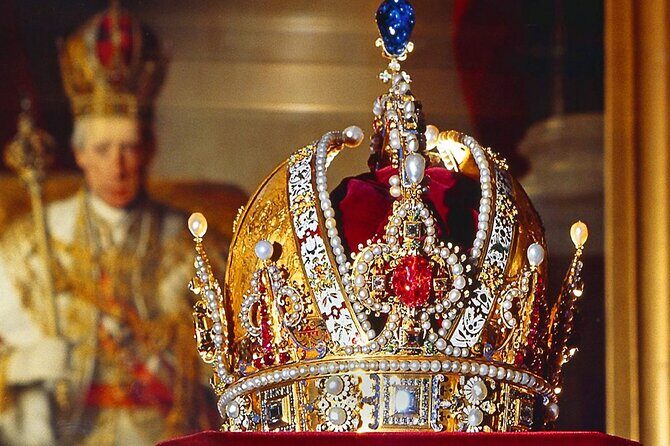
From the Hofburg, you move to Ring Street (Ringstrasse) for about 20 minutes. This is Vienna’s architecture showcase route: museums, cathedrals, parliament, town hall, university, gardens, and palaces lining the Ring Boulevard.
The value of this segment is that you’re not trying to decode the city on your own. The guide helps you understand why these buildings matter, and how the city’s political and cultural identity shows up in stone.
Think of it like a guided “reading lesson” on the city skyline. You’ll start noticing patterns—what gets placed where, and how Vienna signals importance through design.
Quick note: this is partly a walking-through moment, so keep your camera accessible and don’t plan to stop for long photos unless the group pace allows it.
Schottenstift, Volksgarten, and the Greek Orthodox church stops
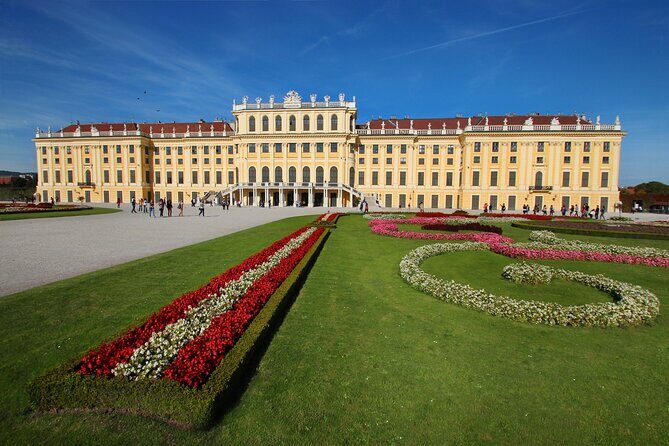
These three stops keep the day from turning into only big-ticket landmarks.
At Museum Schottenstift, you enter the Scottish Convent, including time in the green courtyard, then see a Rococo church with depictions of Vienna’s history and stories about the first monks. It’s short (about 10 minutes), but the setting feels like a palate cleanser from palace scale.
Next is Volksgarten, around 10 minutes. The focus is the rose garden in Central Europe, with monuments to Empress Elisabeth, plus poets and temples. The guide points out baroque ornament details and the way the garden composition supports a sense of harmony.
Finally, you step into the Rumanisch-Orthodoxe Kirche in Wien, about 8 minutes. This is the tour’s architectural curveball: a Greek Orthodox cathedral with oriental architecture, explained in a way that helps you understand the denomination and design choices. Even if religion isn’t your focus, it’s a fascinating contrast within Vienna’s more Catholic-imperial visual language.
If you’re the type who likes “variety with meaning,” these stops are a big win. They make the tour feel like Vienna in miniature.
Belvedere gardens and Klimt-style views when you have extra time
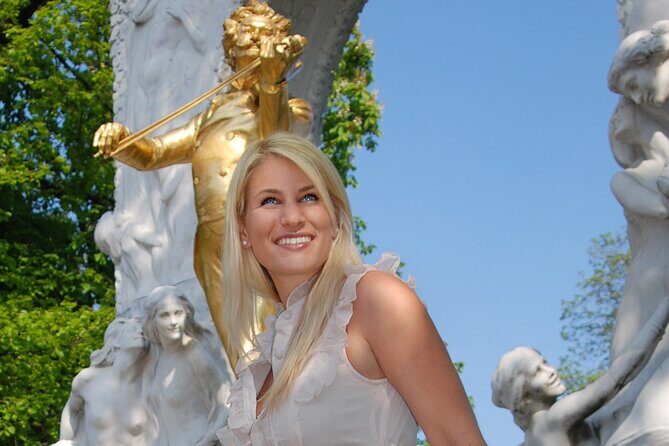
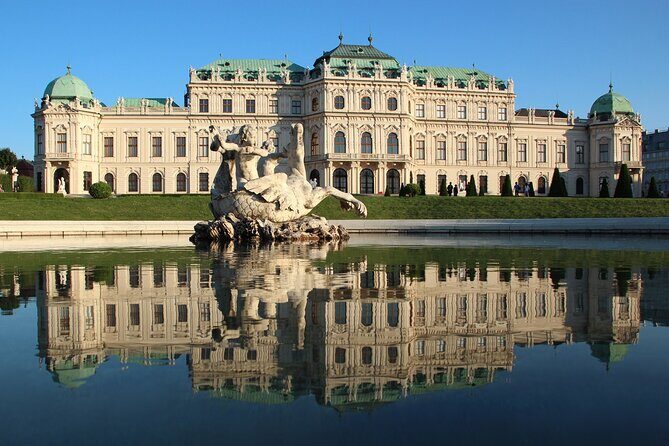
If you have more time, the tour includes Belvedere Palace gardens. This part is described as a guided walk through old-town streets, past baroque Karls Church, plus squares and gardens, to reach the Belvedere garden area.
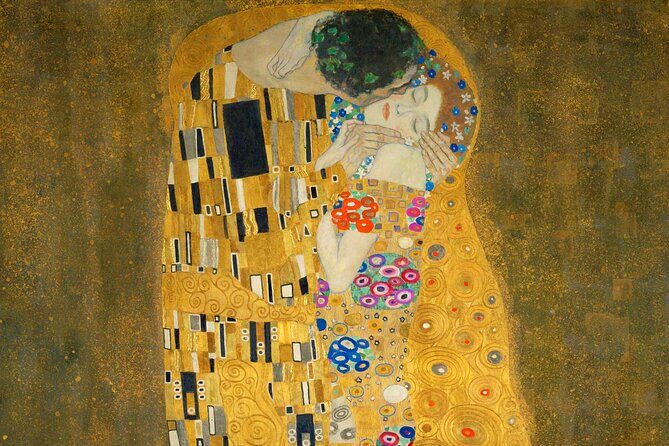
The guide meets the story-world of Prince Eugen and brings you into one of Vienna’s most famous baroque palace garden settings. There’s also a mention of seeing world-famous Gustav Klimt paintings, tied to the Belvedere Palace visit.
The key practical point: this segment is conditional. If you’re only doing the basic version, you might not reach Belvedere. If you can, it’s worth it because it gives you that classic Vienna “baroque cityscape” view and a change of pace from urban streets.
Plan for photos here. The guide’s route is built to help you see angles that look different at different heights.
Optional Schönbrunn upgrade: gardens, palace, carriages, zoo, and coffee
The biggest “upgrade path” is Schönbrunn. The information given here is practical: you can request either a longer tour or a shorter Schönbrunn-only add-on.
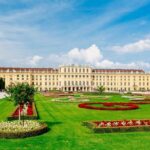
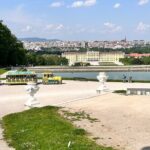
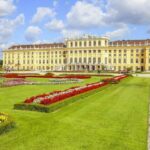
You’ll see the Baroque Gardens of Schönbrunn with colorful floral ornaments, fountains, secrets and monuments. You’ll also get the royal family’s stunning baroque palace, and even the chance to see imperial historic carriages with the guide.
Garden highlights mentioned include a palm house and the oldest zoo in the world. Then you head toward a high viewpoint at the Gloriette Pavilion, with coffee and Viennese cake plus a city view.
Timing and cost are listed for the add-ons:
- A 1/2 day Schönbrunn-style tour: 5 hours, 180 Euro
- A separate 2 hour Schönbrunn tour: 80 Euro
This is worth considering if you know you’ll want Schönbrunn anyway, and you want it interpreted rather than self-guided. The garden layout alone can be confusing at first—having someone explain what you’re looking at makes your time feel less like wandering and more like learning.
One more practical note: this upgrade can change the total length of your day, so be honest with your energy level.
The value of talking with a private guide (Walter and David as examples)
This kind of tour lives or dies on the guide. In the reviews shared with the experience, Walter and David are specifically named for being super friendly, excited about Vienna, and able to connect history to modern life.
That matters because Vienna history can sound like a school chapter if nobody connects it to the real city. A good guide makes the buildings feel less like dead monuments and more like clues to how people lived, worked, and ruled.
One reviewer described how even through constant drizzle the tour stayed engaging. Another highlighted that Vienna has details hidden in plain sight, and the tour helped them understand a city they’d visited many times already. That’s a strong sign this experience aims for more than a photo run.
If you enjoy asking questions, this is the setup for it. A private group format means your questions don’t get lost in the shuffle.
Price and what you’re actually buying
The listed price is $118.82 per person, with a duration of 2 to 8 hours (approx.). That wide range is a hint: the tour length can shift depending on which optional segments you include and how the day flows.
Here’s the value logic that makes this feel fair:
- The tour includes a guide.
- It covers attraction entrance fees for the stops that require tickets.
- Some segments are described as free (for example, the Spanish Riding School stop lists admission as free within the tour context).
What’s not included:
- Coffee and/or tea
- Private transportation
Pickup is offered, but the tour still doesn’t include private transport costs. In practice, that usually means you’re using normal public transportation or walking between areas, and the guide keeps you moving efficiently.
So, if you’ve been burned by “cheap tour, then surprise ticket fees everywhere,” this one is designed to prevent that. You can budget with less stress.
Pace, comfort, and weather: plan like a local
The tour includes total duration with travel time, so you’re not underestimating the day. It’s not a “sit and watch” format—expect walking between sights and quick inside stops.
The tour also says it needs good weather. Vienna weather can be moody, so if you book this during a rainy season, keep a flexible mindset. If the experience is canceled because of poor weather, you’ll be offered another date or a full refund.
There’s also accessibility guidance in the data: it’s not suitable for deaf and mute people and not suitable for visually impaired people. Service animals are allowed, and the tour says most travelers can participate, which suggests it’s not built for extreme athletic demands—just expect standard walking and standing.
Language is English and the meeting point is central. That’s a good combo for travelers who want structure without complicated logistics.
Who should book this tour
Book it if you:
- Want a private history walk that connects major places and a few surprising ones.
- Prefer a guide who talks through why things are where they are, not just what they are.
- Like music history enough to see Mozart and Beethoven in a real Vienna context.
- Plan to visit palaces or cathedral areas anyway and want a head start.
Skip it if you:
- Only want one or two iconic photos and no walking.
- Need a super accessible route for mobility or sensory needs (the tour data lists limitations).
- Want zero weather risk—this one depends on good conditions.
Should you book this Vienna secrets history tour?
I’d book it if you want Vienna to feel like a story you can follow while you walk. The price makes sense because the guide covers major sights with entrance fees included, and the private format lets you shape the day with questions.
It’s especially smart if you’re curious about how Mozart and Beethoven fit into Vienna’s performance institutions, and if you want Hofburg beyond the basics—Sisi’s wedding church details and the imperial symbolism make it more than a quick exterior stop.
If you’re unsure between the basic walk and upgrades, choose based on your energy. If you already know you want Schönbrunn, adding that component can turn the day into one of your best value stops in Vienna rather than a scattered set of half-visited places.
FAQ
How long is the tour?
The duration is listed as 2 to 8 hours (approx.), and the total duration includes travel time.
What is the price per person?
The price is $118.82 per person.
Is this tour private?
Yes. It’s described as a private tour/activity, so only your group participates.
What language is the tour offered in?
It’s offered in English.
Are attraction entrance fees included?
The overview says the tour is designed to cover attraction entrance fees, and admission tickets are included for multiple listed stops. Coffee and tea are not included.
Is pickup available, and do I need to arrange transportation?
Pickup is offered, but private transportation is not included.
Where does the tour start and end?
It starts at Graben 32, 1010 Wien, Austria and ends back at the meeting point.
What if the weather is bad?
The experience requires good weather. If it’s canceled due to poor weather, you’ll be offered a different date or a full refund.
Can I cancel for a full refund?
Yes. You can cancel up to 24 hours in advance for a full refund.