REVIEW · VIENNA
Kunsthistorisches Museum Wien Guided Tour including admission
Book on Viator →Operated by Vienna a la carte Reisebuero GmbH · Bookable on Viator
Bruegel’s world is waiting inside. This small-group Kunsthistorisches Museum tour is built to get you to the main masterpieces fast, with priority entry and a guide who connects paintings, objects, and context. You’ll hit standout works in the Picture Gallery, plus rare curiosities in the Kunstkammer without feeling like you’re sprinting.
I like the small group size (15 max) because it keeps the pace human and the Q&A realistic. I also like that the admission is included, so you’re not juggling separate tickets or timelines.
One thing to plan around: umbrellas, backpacks, and rain coats must go in the cloakroom, and you can’t bring them into the galleries.
In This Review
- Key highlights to know before you go
- Priority entry at the Kunsthistorisches: how the 2–2.5 hours feel
- Finding Maria-Theresien-Platz and getting inside smoothly
- Picture Gallery highlights: Bruegel’s Tower of Babel and Vermeer’s The Art of Painting
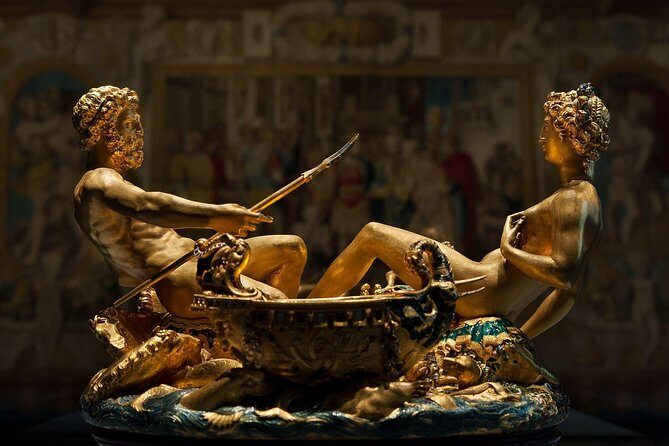
- Kunstkammer oddities: Celini’s Saliera and the Madonna of Krumau
- After the guided highlights: staying for Greek, Roman, and Egyptian galleries
- Your guide matters: how Dietr, Cornelia, and Brenda-shaped lessons
- Price and value at $119.09 with admission included
- Practical logistics: tickets, photos, and what not to bring
- Should you book this Kunsthistorisches Museum guided tour?
- FAQ
- How long is the Kunsthistorisches Museum guided tour?
- What time does the tour start, and where do I meet?
- Is museum admission included in the price?
- What group size should I expect?
- Is the tour offered in English?
- Can I take photos inside the museum?
- Do I need to leave items in a cloakroom?
- Are temporary exhibitions included?
Key highlights to know before you go
- Priority entry helps you avoid long waiting lines for admission
- Two key exhibition stops keep your time focused in a huge museum
- Kunstkammer time means you’ll see objects that feel strange in the best way
- Group cap of 15 keeps explanations clear and questions easy
- Photo-friendly policy: you can take pictures without flash
- After the tour, you can stay to explore the museum’s remaining collections on your own
Priority entry at the Kunsthistorisches: how the 2–2.5 hours feel
This is a timed guided visit that runs about 2 hours to 2.5 hours, starting at 10:15 am. The value here is that you’re not trying to solve the museum on your own first—your guide gives you a route that hits major “how did they do that?” moments quickly, including Peter Bruegel the Elder and Johannes Vermeer highlights.
The museum itself is enormous, and the Kunsthistorisches is one of those places where you can easily lose an entire day. This tour doesn’t try to do everything. Instead, it focuses on the areas most people come to see, plus a second zone of “wait, what is that?” objects—so you leave with both eye-candy and perspective.
At $119.09 per person with admission included, you’re paying for three things that usually cost extra in real life: a skilled guide, entry fees, and the time-saver of priority entry. If you only have a half-day window, this format can be a smart use of your time.
You can also read our reviews of more guided tours in Vienna
Finding Maria-Theresien-Platz and getting inside smoothly
You meet at Maria-Theresien-Platz 1, 1010 Wien and the tour ends back at the meeting point. It’s also described as near public transportation, which matters in Vienna, where trams and walking routes can make or break your day.
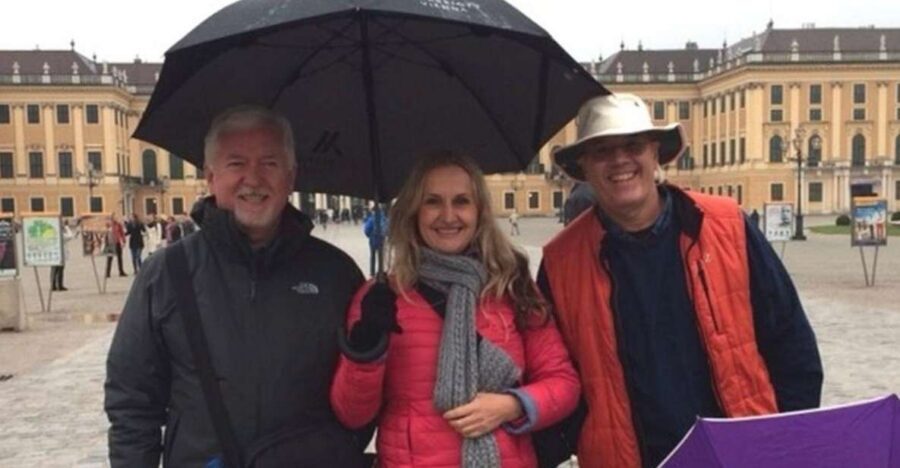
The practical rule you need to know before you arrive: umbrellas, backpacks, and rain coats must be left in the cloakroom and aren’t allowed inside the museum. So I’d pack light if you can. If it’s rainy, bring a small umbrella you can spare—or be ready to store it.
On the plus side, photos are allowed without flash, which is useful in a museum where many people want a visual memory even after you’ve taken mental notes.
Also note this tour is English-language and runs with a maximum of 15 travelers, so it’s set up for small-group listening rather than a fast assembly-line walk.
Picture Gallery highlights: Bruegel’s Tower of Babel and Vermeer’s The Art of Painting
The guided portion starts inside the main museum experience, where you focus on two key exhibition stops in the Picture Gallery area. The headline works are the big-name European old masters you’re likely planning your trip around, and the guide’s job is to help you see past the surface and into the craft.
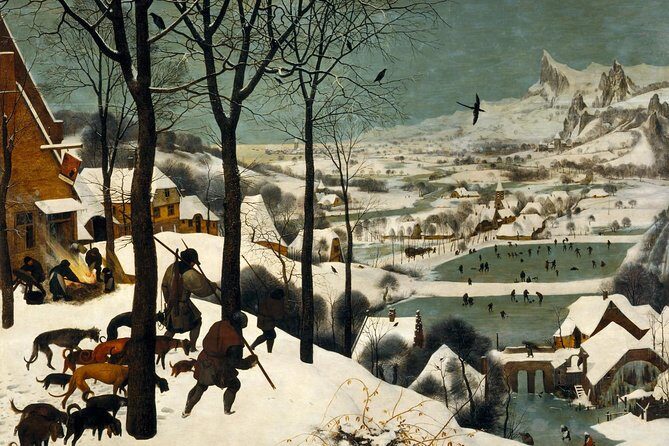
First up is Peter Bruegel the Elder’s majestic Tower of Babel. Bruegel’s Babel is famous for its visual storytelling—lots of tiny figures, crowded building angles, and a scene that rewards slow looking. In a fast museum visit, people often miss what makes it special. On this tour, you’re not just standing in front of it; you’re getting a guided way to notice how the composition pulls your eye across the chaos.
Then you move to Vermeer’s The Art of Painting. This isn’t just a famous name; it’s a chance to connect what you’re seeing to how painters actually think. The tour frames it as part of an older tradition of technique and subject—so you come away with a better sense of how different artists used light, paint handling, and visual storytelling.
A nice detail from the way the guides teach in this format: you’re not only hearing facts. You’re also getting comparisons across time periods and artists, which helps your brain organize what you see next when you keep exploring after the tour.
What can be slightly challenging: you may be on your feet and listening in rooms that are lively with other visitors. The upside is that the group is small, and the pace is designed to feel guided rather than rushed.
Kunstkammer oddities: Celini’s Saliera and the Madonna of Krumau
The second big stop is the Kunstkammer exhibit, where you’ll see rare and unusual objects rather than only paintings. This is often the part that surprises people—because it breaks the “museum = frames on walls” expectation.
Two standouts included on this route are:
- the golden Saliera made by Cellini
- the Madonna of Krumau
The Saliera is the kind of object that makes you slow down. It’s not just precious; it’s engineered and crafted with the same seriousness you’d expect from a major artwork. The guide helps you understand why objects like this mattered to collectors—how beauty, rarity, and skill all got bundled together.
Then the Madonna of Krumau brings a different vibe: devotional art and religious symbolism, where meaning and form are tightly linked. Having a guide here matters because these objects can feel “mysterious” if you don’t get any context about what you’re looking for.
If you’re the type who enjoys artifacts, metalwork, sculpture, and odd historical treasures, this section is where the tour starts to feel like more than a highlights reel.
After the guided highlights: staying for Greek, Roman, and Egyptian galleries
When the guided segment ends, you’re free to stay and explore more at your own pace. This tour specifically sets you up for what comes next, including galleries covering ancient Greek, Roman, and Egyptian art.
This is a big deal for planning. You’re not forced into a single “finish and leave” timeline. Instead, you get an introduction and a sense of where things are, then you can wander with less stress. The museum is extensive, and having your bearings makes self-guided exploring much more enjoyable.
Here’s a practical tip: pace yourself after the tour. The guided portion helps you see major works, but the museum doesn’t stop there. If you’re still energized, pick one or two additional collections to go deep on—rather than trying to hit everything.
Also, some galleries may have seating available (at least in parts of the museum). If your legs get tired, look for a spot and give your eyes a rest. It can make the rest of the day feel easier without losing the experience.
You can also read our reviews of more museum experiences in Vienna



Your guide matters: how Dietr, Cornelia, and Brenda-shaped lessons
The tour is led by a professional guide, and the difference between a good museum tour and a great one is how the guide speaks about art. In this specific setup, the most praised guides blend several skills: history, storytelling, and what to look for in technique.
You’ll hear examples of strong guiding styles through the guide names people associate with this tour. For instance, Dietr is described as starting early, using earpieces for clear listening, and even letting older visitors sit while he discussed works. That’s not a small detail—good audio and pacing can totally change how much you absorb.
Cornelia is described as enthusiastic about the museum and Vienna history, which helps the tour feel lively rather than like a lecture. And Brenda is described as thorough and respectful, with a talent for tying artworks back into broader historical context.
For families, the small-group size also supports a more flexible approach. One guide style described here includes working with children during the walk and even suggesting creative art projects to try afterward. That’s exactly what you want if you’re traveling with kids who will lose patience during a long, silent gallery stroll.
Who this suits best:
- art lovers who want the major works without spending hours getting oriented
- first-timers to Vienna who want a high-impact museum plan
- families who need a guide that can keep younger visitors engaged
- anyone who prefers small groups over big crowds
Price and value at $119.09 with admission included
Let’s talk value in plain terms. You’re paying $119.09 per person, and what you get isn’t just a guided walk. You also get admission included, and the tour runs about 2 to 2.5 hours. The included entrance fees matter because Kunsthistorisches tickets and museum time planning can get tricky when you’re juggling multiple stops in Vienna.
You’re also paying for:
- priority entry to reduce line time
- a small group cap of 15
- an English-speaking professional guide
- entry fees included in the price
And you still get extra time to explore on your own afterward. That mix—guided focus plus personal freedom—tends to feel like better value than purely guided-only or purely ticket-and-wander visits.
One more practical note: this tour is often booked around 50 days in advance, which is a good reason to reserve early if your dates are fixed. Popular museums in Vienna draw big crowds, and priority entry is the kind of perk you don’t want to gamble on.
Practical logistics: tickets, photos, and what not to bring
A few rules and details can save you stress on tour day.
You’ll use a mobile ticket, and confirmation is received at booking. The tour also states the maximum group size is 15, which helps keep the experience more controlled than standard big-group museum tours.
In the museum:
- you may take photos without flash
- you must leave umbrellas, backpacks, and rain coats in the cloakroom
- temporary exhibitions are not included
That last point is worth noting. If there’s a special temporary show you desperately want, plan it separately from this tour. This tour is built to focus on the core collections and featured highlights.
One more reality check: it’s not available for guests with walking disabilities or for wheelchair users, based on the tour’s stated access limits. If mobility is a concern, it’s worth looking for a different format before you commit.
Should you book this Kunsthistorisches Museum guided tour?
If you’re trying to do Vienna smart, this is a strong choice. Book it if you:
- want the biggest highlights without spending your whole day sorting out where to go
- like the idea of seeing both paintings and objects in the Kunstkammer
- appreciate priority entry and a small-group approach
- want a guide who can connect works, context, and technique
I’d skip it or reconsider if:
- you’re only interested in temporary exhibitions
- you need wheelchair access or have mobility restrictions
- you prefer total self-guided wandering with no scheduled route
For most people—especially first-timers—this tour hits the sweet spot: major masterpieces, rare objects, and a plan that helps you get your bearings fast inside one of Vienna’s most impressive museums.
FAQ
How long is the Kunsthistorisches Museum guided tour?
It runs about 2 hours to 2 hours 30 minutes.
What time does the tour start, and where do I meet?
The start time is 10:15 am. You meet at Maria-Theresien-Platz 1, 1010 Wien, Austria.
Is museum admission included in the price?
Yes. The tour includes admission, and entrance fees are included in the tour price.
What group size should I expect?
The group is capped at a maximum of 15 guests.
Is the tour offered in English?
Yes, it is offered in English.
Can I take photos inside the museum?
Yes. Photos are permitted without flash.
Do I need to leave items in a cloakroom?
Yes. Umbrellas, backpacks, and rain coats must be left in the cloakroom and cannot be taken into the museum.
Are temporary exhibitions included?
No. Temporary exhibitions are not included in this tour.