REVIEW · VIENNA
Private World War II Walking Tour in Vienna
Book on Viator →Operated by Austria Tours and Travel · Bookable on Viator
WWII turns Vienna’s streets serious. This private walk connects Adolf Hitler’s rise, Nazi power, and Vienna’s scars through real old-town landmarks. I like that it’s private, so the pace and focus can match your group, and I like the way your guide ties each stop to what changed before, during, and after the war. A possible drawback: the subject matter is heavy, and this route may feel intense if you want a lighter day.
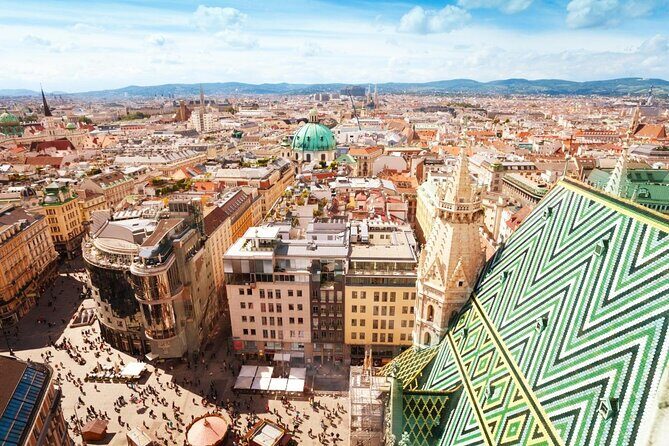
You’ll start in the inner-city area near Helmut-Zilk-Platz / Albertinapl., then finish by St. Stephen’s Cathedral. The tour runs about 2.5 hours and is designed as a walk with built-in room for questions.
If you’re sensitive to political history or prefer softer sightseeing, go in with clear expectations. This is history on foot, not a casual cruise through pretty facades.
In This Review
- Key things to know before you go
- Turning Vienna’s old town into a WWII story
- Private group comfort and which people will enjoy it most
- The 2.5-hour route: start at Helmut-Zilk-Platz, end by St. Stephen’s
- Heldenplatz: power in the open air
- Jewish Square: memory, loss, and why place matters
- The Gothic cathedral area and Karl Lueger Monument in the inner city
- Guide style: strong explanations, quick answers, and room for questions
- Price and value: $451.79 per group for up to 15
- Timing, meeting points, and how to plan your walk day
- Should you book this WWII walking tour in Vienna?
- FAQ
- How long is the Private World War II Walking Tour in Vienna?
- What does the tour cost?
- Is this tour private?
- Does the tour offer hotel pickup?
- Where do we meet and where does the tour end?
- What language is the tour offered in?
- What sites are included on the walk?
- How do tickets work?
- What if plans change and I need to cancel?
- Are service animals allowed and is it generally suitable for most people?
Key things to know before you go
- Private group only: just your party, with a guide who can adjust to your interests and pace.
- State-certified guide: you’re not relying on a casual talk; you’re getting formal guidance.
- WWII-focused old-town route: Heldenplatz, Jewish Square, a Gothic cathedral area, and the Karl Lueger Monument.
- English mobile tour ticket: easy to access and use during the walk.
- Pickup if you’re central: if your hotel is in the inner city, your guide can meet you there.
- Top-notch guide energy: guides named Lisa, Hernando, Nando, Marco, Reinhard, and Christopher show up in the guide list people rave about.
Turning Vienna’s old town into a WWII story
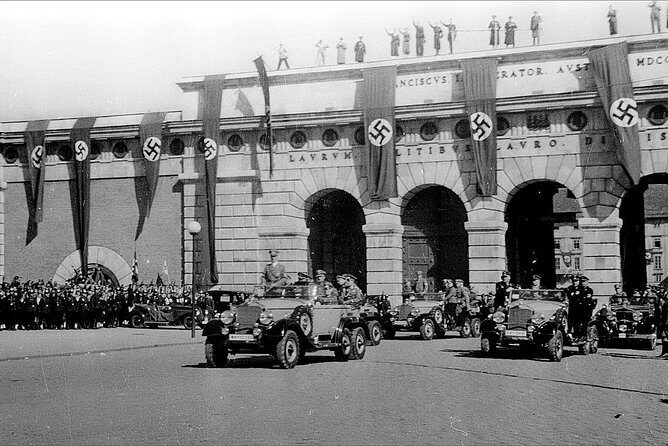
Vienna looks calm today. That’s the trick. On this WWII walking tour, your guide uses the city’s geography like a timeline—public squares, memorial-minded stops, and the old-center streets that still shape how people experience the past.
What I like most is the point of view: Vienna’s role in WWII isn’t presented as a single event. It’s explained as a chain of choices, propaganda, community loss, and consequences that continued long after the war ended. You’ll hear about the rise of the Nazi party and how Hitler’s story connects to what people saw and did in Austria’s capital.
The second big win is the human scale. You’re not watching from a bus window. You’re walking. And that matters because the walk forces you to notice sightlines—where a crowd would gather, where a person would stand, where a message could land. You come away with a better sense of how history can feel “close” even when the dates are far away.
One more thing: this tour is private, so you can steer. If your interest is more on the political side, or more on community memory, your guide can usually shape the emphasis to fit.
You can also read our reviews of more walking tours in Vienna
Private group comfort and which people will enjoy it most
A private tour works best when you want real conversation, not a one-size-fits-all script. Since this is just your group, you can ask follow-up questions without waiting for a microphone moment in a crowd.
This experience also fits well if you like your history with context—how one place connects to another. The stops are clustered in Vienna’s inner city, so the story stays tight and the walking feels efficient.
Where it may not fit: if you’re hoping for a break from heavy topics, or you want only famous buildings and famous photos, this won’t be that kind of day. You should expect direct discussion of WWII-related realities, including Vienna’s Jewish history.
It suits:
- small groups and families who want flexibility
- history fans who like asking questions
- anyone who wants Vienna’s WWII story explained on foot, in English, by a professional guide
The 2.5-hour route: start at Helmut-Zilk-Platz, end by St. Stephen’s
The walk is about 2 hours 30 minutes and moves through Vienna’s core. Start near Helmut-Zilk-Platz / Albertinapl. 2–3 (1010 Wien). Finish at St. Stephen’s Cathedral, Stephansplatz 3 (1010 Wien). That end point is handy: you’ll be dropped right where it’s easy to grab lunch, coffee, or keep sightseeing.
The flow is roughly:
- An opening orientation through Vienna’s inner city before, during, and after WWII
- Heldenplatz
- Jewish Square
- A Gothic cathedral stop in the heart of the inner city
- Karl Lueger Monument
- You wrap up near St. Stephen’s Cathedral
The exact order and time at each stop can depend on your group and your guide’s pacing. And that’s a real value of private touring: you’re not locked into a rigid script if you want to spend a bit longer on one topic.
Bring practical expectations: this is an urban walk through central streets, so comfortable shoes matter. Also, if you’re traveling with rain gear, it’s worth having it ready. Vienna weather can change fast, and you’ll be happier if you can keep moving.
Heldenplatz: power in the open air
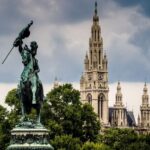
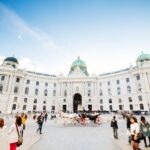
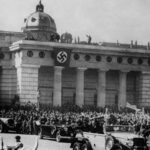
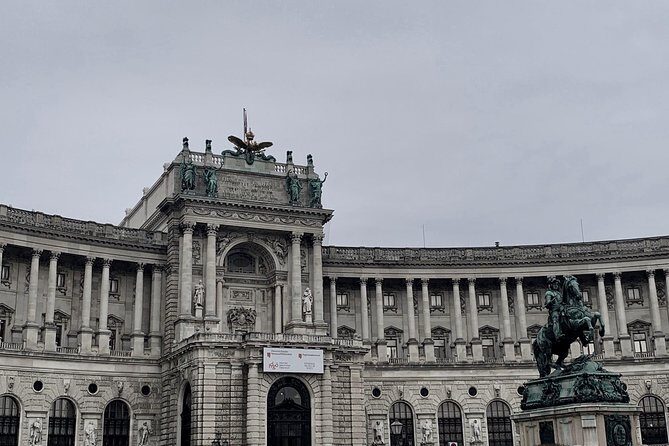
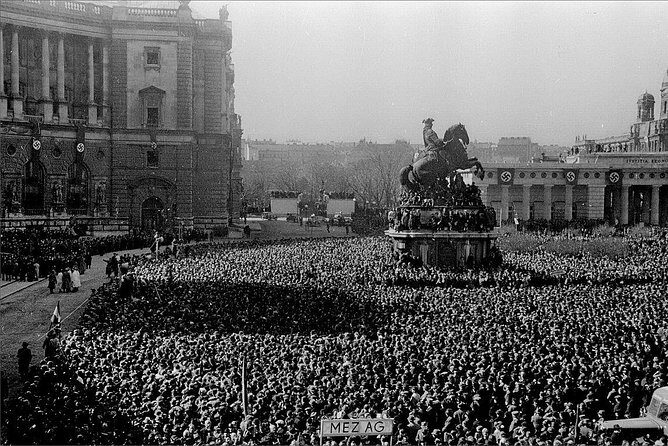
Heldenplatz is one of those places that feels “important” the moment you arrive. It’s a major inner-city square, and your guide uses it to explain how political power was displayed in public space during the Nazi era.
On this stop, expect a mix of place-reading and historical connections. The tour frames it around the rise of the Nazi party and how Hitler’s story mattered in Vienna’s WWII timeline. Your guide helps you understand what people would have noticed then—how architecture, crowds, and visibility can all reinforce a political message.
What makes this stop valuable isn’t just the name. It’s the way your guide connects the square to a bigger story you’re building step-by-step. By the time you reach Heldenplatz, you’ve already had the opening context about Vienna before the war. That makes the square more than a postcard.
Potential drawback: if you’re someone who gets overwhelmed by political history, this is one of the spots where the discussion can feel most direct. It’s not graphic, but it’s serious. Going in with a calm, respectful mindset helps a lot.
Jewish Square: memory, loss, and why place matters
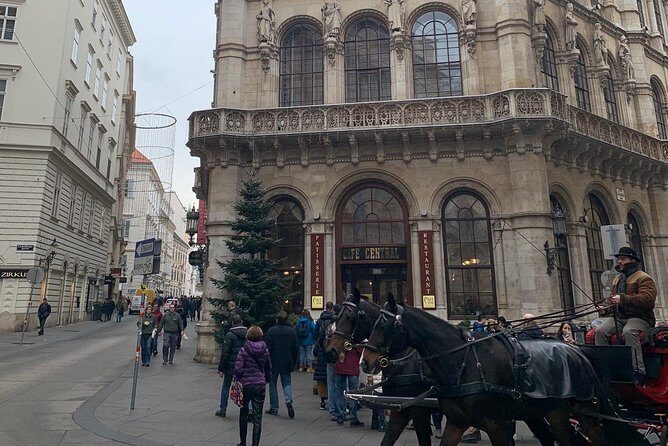
Next comes Jewish Square, a stop that shifts the focus from politics and power to community impact. Your guide connects the site to the history of Vienna’s Jewish community during WWII and explains why remembering isn’t just a moral gesture—it’s part of understanding the war’s real human cost.
This is the kind of stop where the “tour” stops being a sightseeing checklist and becomes something more grounded. You’ll hear context about how Vienna’s Jewish life changed under Nazi rule, and how the city’s later efforts to mark memory fit into the postwar world.
I also appreciate that this tour doesn’t isolate the Jewish history into a single quick mention. It’s woven into the broader Vienna story—before, during, and after WWII—so you understand it as part of one connected historical reality, not a separate chapter.
If you’re sensitive, plan for emotional moments here. This stop isn’t designed to be breezy.
You can also read our reviews of more private tours in Vienna



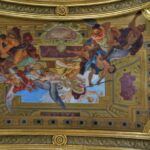
The Gothic cathedral area and Karl Lueger Monument in the inner city
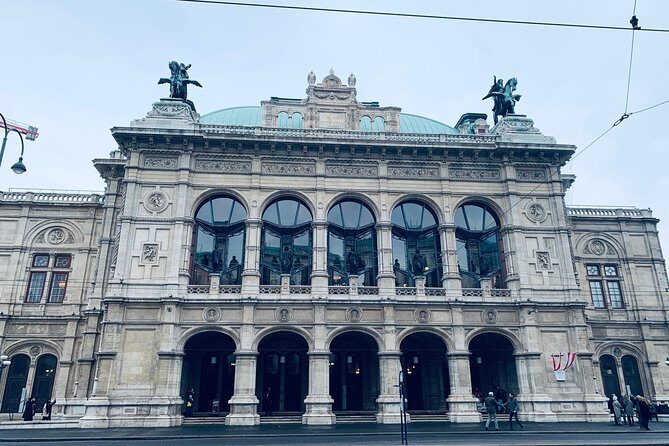
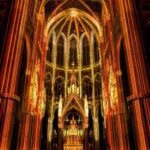
The tour includes a Gothic cathedral stop in the heart of the inner city. Even if you’ve seen big European churches before, I think the value here is how your guide uses the setting as a reminder of continuity—Vienna’s old forms of meaning and identity existing alongside a modern, brutal political takeover.
Then you’ll move to Karl Lueger Monument. The tour treats this monument as part of the city’s story rather than as a random statue. Your guide explains its relevance within Vienna’s WWII-era context, helping you connect politics, memory, and what a city chooses to honor in stone.
Both of these stops reward your curiosity. They also give you a chance to contrast: what the city represents in its architecture and monuments, versus what happened to people and communities in WWII.
One practical note: these are central, sight-heavy areas, so it’s easy to get distracted by photos. A good guide keeps you oriented, so you actually leave with explanations you’ll remember later.
Guide style: strong explanations, quick answers, and room for questions
This is where the tour earns its standout reputation. Multiple guides have led this walk—Lisa, Hernando, Nando, Marco, Reinhard, and Christopher show up in the guide names people mention. What you’ll likely experience is a guide who can handle follow-up questions and still keep the story flowing.
Several people highlight a style that mixes clarity with personality. That matters on a topic like WWII. You don’t want a lecture that forgets you’re standing on the street. You want a guide who can explain why a place matters, then let you ask, then move on.
You also get the benefit of a state-certified guide. That signals formal training and a commitment to getting facts and framing right—especially important when history involves painful subject matter.
The private format makes it easier for your guide to match your pace. If you’re the kind of person who asks why one date leads to another, you’ll probably appreciate a tour where the guide doesn’t rush you out the door.
Price and value: $451.79 per group for up to 15
The price is $451.79 per group, for up to 15 people. On paper, that sounds like a lot if you’re traveling solo. In reality, it can be very good value if you’re splitting the cost across friends, a family group, or a small class of people who genuinely want a guide.
Why this matters: you’re paying for time with a professional guide plus a private walk focused on WWII specifics, not just generic city history. And because it’s private, you’re not paying for wasted seats.
Booking timing is another practical value point. The experience is often booked about 48 days in advance, which suggests people plan ahead. If you’re traveling in a busy season or have a narrow window, it’s smart to lock it in earlier rather than later.
If you’re deciding between “a big group tour” and “private,” ask yourself what you want: background you can read later, or context you can ask questions about in real time.
Timing, meeting points, and how to plan your walk day
The tour starts at Helmut-Zilk-Platz / Albertinapl. 2–3 (1010 Wien) and ends at St. Stephen’s Cathedral, Stephansplatz 3 (1010 Wien). If your hotel is in the inner city, pickup is offered and the guide can meet you directly at the hotel. If not, you’ll be contacted ahead with the exact meeting point.
This is helpful because it reduces friction. Vienna’s central areas are compact, but getting everyone to the right corner can still steal time. The private format makes it easier to start on schedule.
You also get a mobile ticket, and the tour operates in English. That’s a big deal if your group includes someone who doesn’t want to translate or rely on a secondhand app explanation.
Finally, this route is near public transportation, so even if you skip pickup, you can likely reach the start point without stress. And service animals are allowed, if that applies to you.
Should you book this WWII walking tour in Vienna?
Book it if you want Vienna’s WWII story explained in a way that connects places to people, and you’re okay with a serious topic delivered with respect. It’s a smart choice when you value Q&A, private pacing, and an inner-city route that doesn’t waste time.
Pass or consider something lighter if you’re exhausted by politics and want mostly scenic sightseeing. This walk is designed to teach you how Vienna was shaped by WWII—before, during, and after—so it won’t feel like a casual morning stroll.
One final tip for making the most of it: decide what you want most—political rise and Nazi power, or Jewish community history and memory—and tell your guide. This tour is built for tailoring, and that can turn a good tour into a memorable one.
FAQ
How long is the Private World War II Walking Tour in Vienna?
It lasts about 2 hours 30 minutes.
What does the tour cost?
The price is $451.79 per group, up to 15 people.
Is this tour private?
Yes. It’s a private tour/activity, and only your group participates.
Does the tour offer hotel pickup?
Pickup is offered if your hotel is located in the inner city. If not, the provider will contact you prior to the tour with the exact meeting location.
Where do we meet and where does the tour end?
The tour starts at Helmut-Zilk-Platz, Albertinapl. 2–3, 1010 Wien, Austria and ends at St. Stephen’s Cathedral, Stephansplatz 3, 1010 Wien, Austria.
What language is the tour offered in?
The tour is offered in English.
What sites are included on the walk?
You’ll visit Heldenplatz, Jewish Square, a Gothic cathedral in the inner city, and the Karl Lueger Monument, plus an orientation walk through Vienna related to WWII.
How do tickets work?
You’ll receive a mobile ticket.
What if plans change and I need to cancel?
Free cancellation is available up to 24 hours in advance for a full refund. Changes within 24 hours of the start time aren’t accepted for a refund.
Are service animals allowed and is it generally suitable for most people?
Service animals are allowed, and most travelers can participate.