REVIEW · SALZBURG
Salzburg Introduction Walking Tour
Book on Viator →Operated by Insight Cities · Bookable on Viator
Salzburg gets way more interesting when you walk it. This small-group intro tour threads medieval lanes, grand baroque squares, and major music stops into one easy route, led by a guide with serious academic chops. I love how the historical storytelling stays grounded in real places like Getreidegasse, St. Peter’s, and Mozart’s early life sites. I also like that the walk doesn’t just name landmarks; it explains why they mattered to daily life, culture, and power in the city.
One watch-out: if you prefer a big-picture timeline from start to finish, you may occasionally wish the narration had more continuity. That said, the guides I saw praised in this same tour model tend to adjust to the group, slow down when questions pop up, and keep the pace comfortable through the best old-town streets.
In This Review
- Key Points That Matter Before You Go
- Old Town Salzburg, But With Real Explanations
- Where You Start: Linzer G. 39 and a Straightforward Walk
- Burgher Town and Getreidegasse: Medieval Streets You Can Feel
- Mozart at Street Level: Birthplace and Festival Halls Without Ticket Stress
- St. Peter’s Abbey (Since 696): A Monastery Stop That Actually Explains Itself
- Salt Commerce, Medical Innovation, and Why Salzburg Wasn’t Just Music
- Mozart’s Childhood and Nannerl: The People Behind the Songs
- The Sound of Music, But With the Wartime Reality Included
- Small-Group Size: When It Feels Personal Instead of Crowded
- Pacing and Practical Comfort on Real Streets
- Price and Value: What You’re Really Paying For
- Best-Fit Travelers for This Intro Walk
- Should You Book This Salzburg Introduction Walking Tour?
- FAQ
- What is the length of the Salzburg introduction walking tour?
- How much does the tour cost?
- Where do I meet the guide?
- What language is the tour offered in?
- Is food or drinks included?
- Is hotel pickup or drop-off included?
- Are Mozart sites included with paid admission?
- How big is the group?
- Can I cancel for free?
Key Points That Matter Before You Go
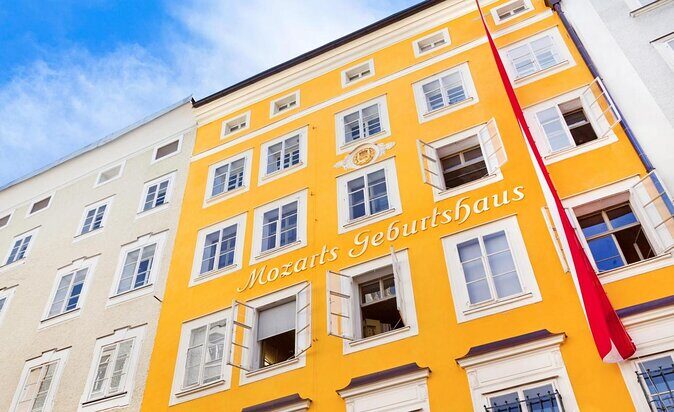
- Small-group sizing helps you ask questions and actually hear the story behind each corner.
- Historian-led walking gives you context at St. Peter’s Abbey, Mozart sites, and the Sound of Music background.
- Old Salzburg by foot means Getreidegasse’s medieval character and the baroque squares both feel real.
- Music heritage on the same route covers Mozart’s childhood and also brings in Michael Haydn.
- Tour tailoring for the conditions shows up in the pacing and shade choices when the weather turns hot.
- No museum pressure since Mozart Residence admission isn’t included, so you keep control of what you visit later.
Old Town Salzburg, But With Real Explanations
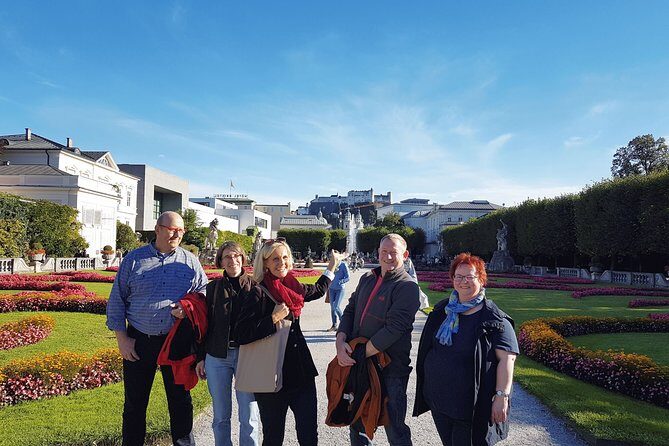
This is the kind of tour that helps you understand Salzburg, not just collect photos. You start in the medieval Burgher Town area and work through key old-town sights, so the city’s layout makes sense fast. Then the story jumps from commerce and politics to music and wartime history.
The guide framework matters here. You’ll be walking with someone described as professors, doctoral students, historians, journalists, art critics, or published authors. That’s a fancy way of saying you should expect more than “that’s old” at each stop.
You can also read our reviews of more walking tours in Salzburg



Where You Start: Linzer G. 39 and a Straightforward Walk
The meeting point is Linzer G. 39, 5020 Salzburg, Austria. The standard start time listed is 9:30 am, and there are also morning or afternoon departures available.
You won’t be waiting around for a bus or hotel pickup. The tour is near public transportation, and you’ll use a mobile ticket. That setup is perfect if you like to keep your travel day simple and spend your energy on walking through the city instead of organizing logistics.
Burgher Town and Getreidegasse: Medieval Streets You Can Feel
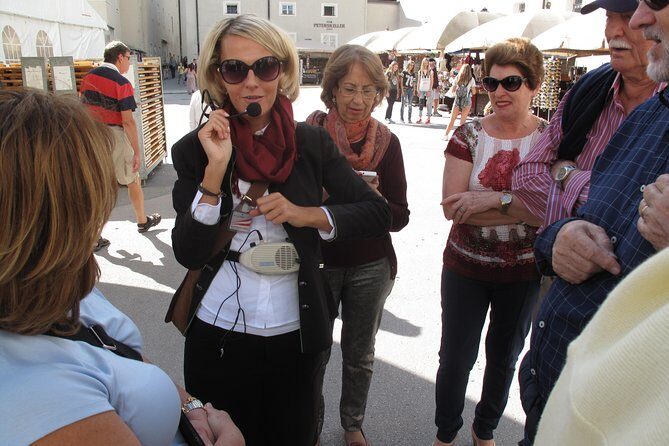
The walking route kicks off in Salzburg’s Burgher Town, where the streets are narrow and slightly crooked in that charming, pre-car way. This is where you get a feel for how the city’s commercial life functioned before everything became wide and planned.
Getreidegasse is the star here. It’s Salzburg’s historic commercial center and still keeps that medieval feel, including passage ways that make the walk more interesting than a straight-line stroll. If you’re the type who keeps saying, I need the map, this is your antidote. The street layout starts to click.
You also move from these medieval lanes toward the more open baroque squares. That contrast is more than pretty scenery. It reflects how power and influence were expressed in Salzburg, especially when archbishops shaped the city’s look and priorities from the Residence area.
Mozart at Street Level: Birthplace and Festival Halls Without Ticket Stress
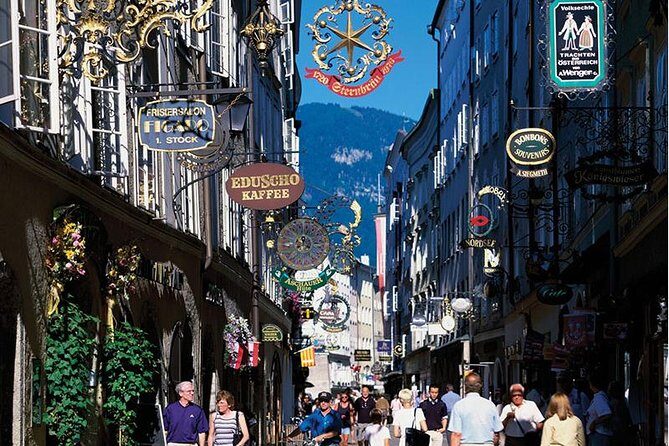
Mozart’s name pops up in a way that feels natural, not forced. You pass by Mozart’s Birthplace and the Festival Halls, and you’ll hear about his childhood in Salzburg.
Here’s the practical part: Mozart Residence admission is not included. So you’re not paying for a museum stop inside the tour price. You get the context and the orientation, and then you decide later whether it’s worth adding a paid visit based on your interests and time.
If you already know you want more Mozart, this tour still helps. It points you to what to notice when you come back. It can turn a quick look outside into a meaningful stop, because you’ll understand what you’re seeing and why it connects to Mozart’s early life.
St. Peter’s Abbey (Since 696): A Monastery Stop That Actually Explains Itself
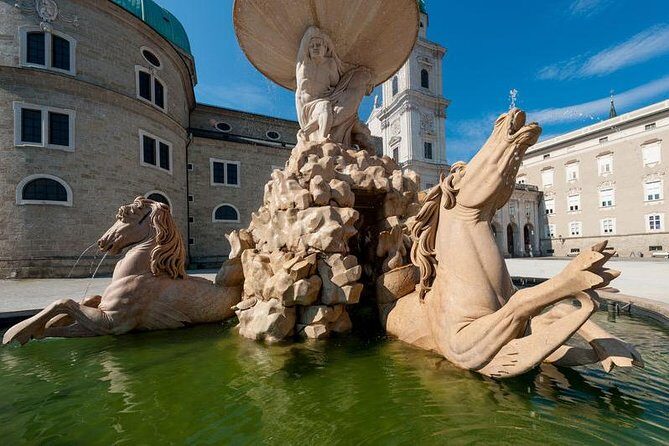
One of the biggest “wow” sections is the Benedictine monastery of St. Peter. The tour describes it as dating back to 696 AD, which is the kind of detail that makes the building feel less like a backdrop and more like a living timeline.
This stop isn’t only about architecture. The guide connects it to the deeper patterns of Salzburg: what monastic institutions contributed, how Salzburg’s culture grew over centuries, and how the city developed in practical ways.
And there’s a moment that stands out from the same tour style: one guide reportedly brought the group into the chapel of Nonnenberg Abbey while a choir rehearsal was happening. You can’t count on that every time, but it hints at what the better guides do well: they find ways to connect you to the sound and spirit of the place, not just the stone.





Salt Commerce, Medical Innovation, and Why Salzburg Wasn’t Just Music
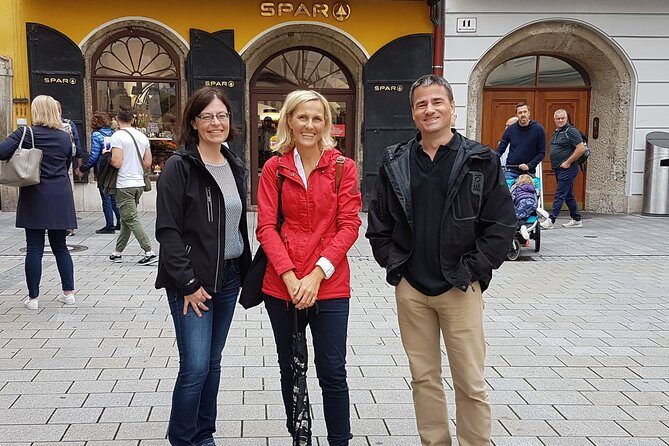
Salzburg’s story here goes beyond composers and court life. You’ll hear about medieval salt commerce, and the guide ties it to how wealth and influence moved through the city.
You’ll also hear about medical innovations tied to the period’s priorities. That might sound like a random detour until you realize it changes your understanding of Salzburg. This wasn’t a city that produced music only because it was romantic. It was also a place with real economic and practical achievements.
This is where a strong guide makes a big difference. The best narration helps these topics click together: money from trade supports institutions; institutions support learning; learning supports culture and art.
Mozart’s Childhood and Nannerl: The People Behind the Songs

Mozart is the headline, but the tour pays attention to more than just Wolfgang Amadeus. You’ll follow the childhoods of Wolfgang and Nannerl Mozart.
That matters, because it reframes Mozart from a lone genius into a family story shaped by Salzburg’s environment. When you understand the sibling dynamic and the city’s musical culture, Mozart stops feeling like a distant statue and starts feeling like someone who grew up inside a network.
You also hear about Michael Haydn, described as the great second musical son of the city. That’s a nice change of pace if you want your Salzburg intro to include more than the obvious names.
The Sound of Music, But With the Wartime Reality Included
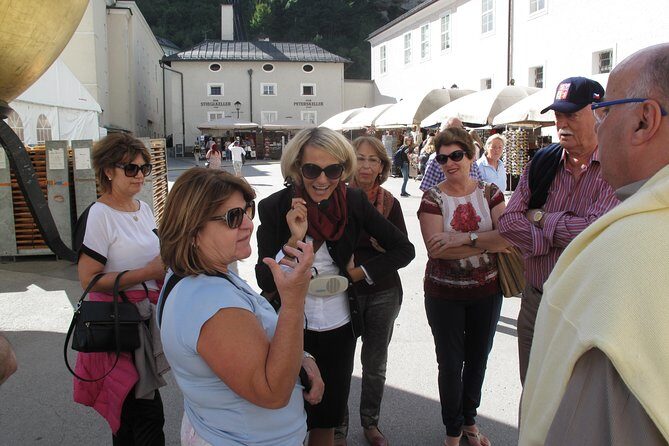
The tour ends with a story that many first-time visitors don’t expect to be part of a walking intro: the true story behind the von Trapp family singers and The Sound of Music.
The movie is familiar. The real history is heavier, and this tour frames it as an authentic refugee story from World War II. That’s a meaningful inclusion because it changes the emotional weight of the music sites. You start hearing the melodies as survival and identity, not only entertainment.
If you’re coming for a light, scenic sing-along vibe, this may feel a bit more serious than you planned. If you’re okay with that, you’ll leave with a much sharper understanding of why the story became globally famous in the first place.
Small-Group Size: When It Feels Personal Instead of Crowded
This is built as a small-group walk. The tour info lists a maximum of eight travelers, and some descriptions mention a maximum of six. Either way, the outcome is the same in practice: you’re less likely to get lost in a crowd, and the guide can respond to your questions.
I’ve seen this tour described in ways that confirm how the format can turn personal. One booking was just two people, and the guide reportedly tailored the walk based on what the group cared about.
You may meet guides including Liza, Claudia, Natalie, Lisa, Gabe, Astrid, or Peter. Different guides bring different styles, and that’s normal. What tends to repeat in the strong experiences is clear structure plus humor plus room to ask questions.
Pacing and Practical Comfort on Real Streets
A big part of whether this tour feels great comes down to pace and comfort. One guide example included thoughtful shade decisions and stopping in more comfortable spots during heat. Another guide example included working with the group when a train delay pushed the start later, with the guide waiting and still delivering a full tour.
So if you’re visiting in warmer months, you’ll appreciate a guide who thinks about where you stand and how long you’ll be in direct sun. If you hate long uphill walks, this tour is still a walking tour, but it’s framed as a comfortable introduction through the historic center rather than a hard hike.
Bring your standard walking-day gear: good shoes, water, and a light layer you can manage as temperatures change.
Price and Value: What You’re Really Paying For
At $180.21 per person, this isn’t a bargain basement deal. But you’re paying for a few things that add up in Salzburg fast: a 2.5-hour guided walk in the historic core, a scholarly guide, and a route that hits the high-impact sights so you don’t waste your limited daylight guessing where to go next.
Here’s the value logic. Salzburg is beautiful, but it can be easy to tour it like a postcard. This format trades that for context—Mozart, music history, medieval commerce, and the Sound of Music’s real historical backdrop. That can make the rest of your trip smoother because you’ll know what you’re looking at.
Two things keep the price realistic. First, food and drinks aren’t included, so you can control your budget and preferences. Second, Mozart Residence admission is not included, so the tour stays focused on orientation and storytelling rather than chaining you to a ticketed site.
If you’re the kind of traveler who hates paying for information you can read online, this might feel pricey. If you’d rather walk the streets with a person who can connect the dots out loud, the price is easier to justify.
Best-Fit Travelers for This Intro Walk
This tour is a great match if you want:
- A structured first look at Salzburg old town with a guided narrative
- Mozart and The Sound of Music history covered in the same walk
- A small group experience where questions don’t get brushed aside
It’s also a solid pick if you’re traveling with a family member who loves buildings, churches, and stories, but you still want the pace to feel manageable. The tour hits a range of interests without turning into a museum marathon.
Should You Book This Salzburg Introduction Walking Tour?
I’d book it if you want your first hours in Salzburg to feel like they have direction. The route hits the places you’ll want to return to—Getreidegasse, key Mozart-related stops, and St. Peter’s—and the guide approach is built around historical context, not just sightseeing.
I’d pause if you’re very sensitive to narration style and you need a strict, continuous timeline to feel satisfied. In that case, choose your expectations carefully. You can still get a lot out of the walk, but you might want to ask direct questions as you go to keep the story tied together in the way you prefer.
If you’re on the fence, a good strategy is simple: plan to use the tour as your orientation layer. Then, once you’ve walked the streets and heard the key stories, you’ll know exactly what to deepen on your own.
FAQ
What is the length of the Salzburg introduction walking tour?
It’s about 2 hours 30 minutes.
How much does the tour cost?
The price is $180.21 per person.
Where do I meet the guide?
You meet at Linzer G. 39, 5020 Salzburg, Austria.
What language is the tour offered in?
The tour is offered in English.
Is food or drinks included?
No, food and drinks are not included.
Is hotel pickup or drop-off included?
No, hotel pickup and drop-off are not included.
Are Mozart sites included with paid admission?
Mozart Residence admission is not included.
How big is the group?
It’s a small-group tour, with a maximum listed of up to 8 travelers.
Can I cancel for free?
Yes. You can cancel for a full refund if you cancel up to 24 hours before the experience’s start time.