REVIEW · SALZBURG
Salzburg 2.5-Hour Walking Tour: Mozart, Old Town & More
Book on GetYourGuide →Operated by MELODY Salzburg Tours&Travel · Bookable on GetYourGuide
Salzburg in 150 minutes: a story-led stroll. This is a compact route that connects Mozart’s world with the city’s baroque power, river-town layout, and postcard Old Town without wasting your time.
I like two things a lot: the way the walk is guided by real city stories, and the fact that the tour often turns into something musical when the guide sings during church stops (names like Junko/June show up again and again in guide notes). And you get both New Town sights and the Old Town core, so you leave with a map in your head, not just photos.
One consideration: it’s still a walking tour, so wear comfy shoes, and the best “finish” view at Mönchsberg Hill may cost extra (€4 per person) if you choose the elevator route.
In This Review
- Key highlights worth your attention
- Schloss Mirabell: the story behind the start of the walk
- Makartplatz and the Mozart Residence: New Town first, then Old Town
- Crossing Makartsteg into Old Town Salzburg
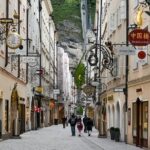
- Getreidegasse and wrought-iron signs: the Mozart street worth slowing down
- Salzburg churches on the route: baroque mood and optional vocal moments
- Mönchsberg Hill panorama: where the city clicks into place
- Price and value of a 150-minute guided overview
- What to wear, bring, and watch for in Salzburg’s core
- Language options: English and German, plus a human touch
- When to take this tour so it helps your whole trip
- Should you book this Salzburg walking tour?
- FAQ
- How long is the Salzburg walking tour?
- Where do we meet?
- What is included in the tour price?
- Is there an extra fee for Mönchsberg Hill?
- What languages is the tour offered in?
- Are luggage or pets allowed?
- What’s the cancellation timeframe?
Key highlights worth your attention
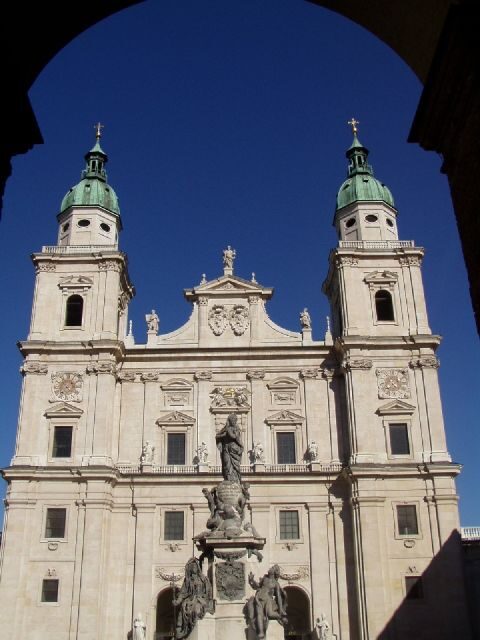
- Schloss Mirabell backstory: you start at a palace tied to Wolf Dietrich von Reitenau, Salome Alt, and their 15 children
- Makartplatz + Mozart Residence: you get the Mozart connection early, not at the very end
- Makartsteg crossing: the walk naturally flips from New Town rhythm to Old Town streets
- Getreidegasse: wrought-iron trade signs plus Mozart’s Birthplace make this street worth slowing down
- One or two churches: expect baroque-era atmosphere, with optional guide vocal moments in some versions
- Mönchsberg Hill: a panoramic finish where Salzburg finally clicks into place
Schloss Mirabell: the story behind the start of the walk
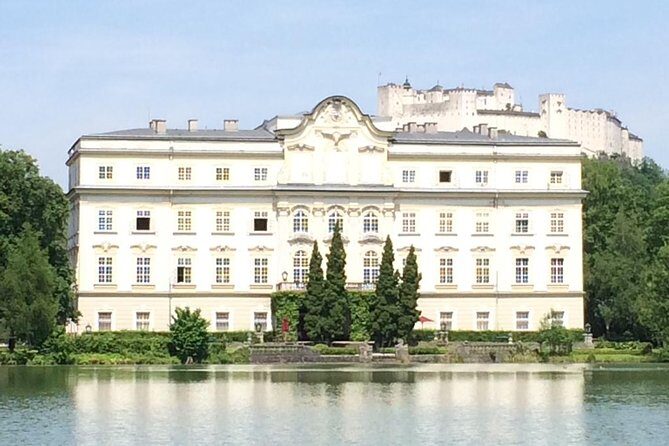
Your tour starts at Schloss Mirabell, in front of the main entrance at Mirabellplatz 4. A small detail that matters: you meet on the street-side, not tucked behind the complex. If you’re the kind of traveler who likes starting on time, show up a few minutes early and double-check you’re on the correct side.
Mirabell Palace isn’t just a pretty opener. The guide frames it with the baroque power story of Prince Archbishop Wolf Dietrich von Reitenau. According to the tour narrative, he built Mirabell under his reign for his mistress, Salome Alt, and their 15 children. That’s the kind of context that makes the buildings feel less like background and more like the result of real people making real choices.
Even if you’ve already seen photos of Mirabell, I like this start because it tells you what to look for next. You’ll notice how architecture carries social messages—status, money, influence—and you’ll start spotting those cues as the route moves toward Mozart’s neighborhood.
You can also read our reviews of more walking tours in Salzburg



Makartplatz and the Mozart Residence: New Town first, then Old Town
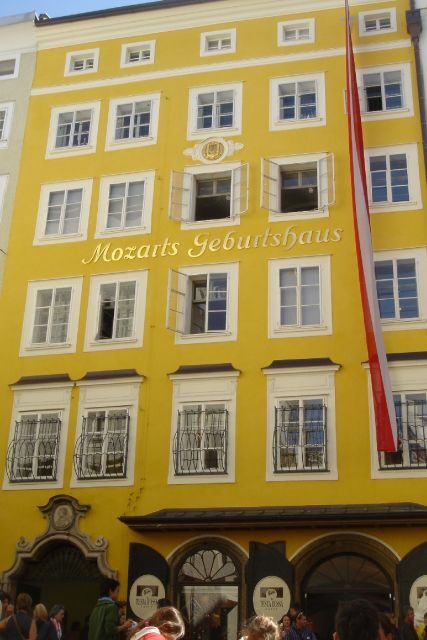
After Mirabell, the tour reaches Makartplatz, next to the palace gardens area. This is where you’ll see the Mozart Residence. It’s a smart move to hit Mozart early, because it gives you a question to carry while you walk: How did Salzburg build an identity around music?
From here, the tour explores Salzburg’s New Town and this side of the river before crossing the bridge “Makartsteg.” That river detour is useful. It helps you understand why the Old Town looks the way it does—why streets bend, where sightlines open up, and how the city’s layout shapes movement.
If you’re thinking, I just want the best highlights fast, this is part of why the route works. You get a quick hit of Mozart connections without immediately dumping you into the busiest photo streets.
Crossing Makartsteg into Old Town Salzburg
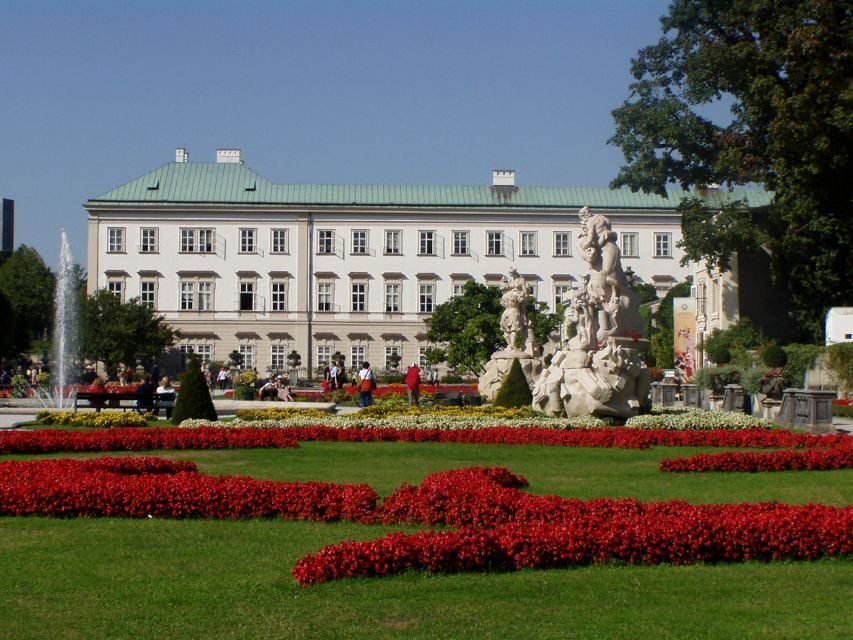
Crossing Makartsteg is one of those “this feels like a different part of town” moments. You start on a more open New Town side, then the bridge funnels you into the Old Town mood—tighter streets, more historic facades, more of that slow, storybook feeling.
This transition is also where you begin to understand Salzburg as a city of layers. The tour talks about medieval apartment patterns and how churches and buildings grew from the Middle Ages into baroque time. You can feel that layering walking. The guide points out details that are easy to miss if you’re just wandering: what looks older, what looks rebuilt, and what was shaped by changing styles and rulers.
For me, the bridge moment matters because it turns the walking tour from a list of stops into a sequence. You’re not bouncing between random locations. You’re moving through how Salzburg evolved.
Getreidegasse and wrought-iron signs: the Mozart street worth slowing down
At some point, you reach Salzburg’s most famous street: Getreidegasse. The standout here is the wrought-iron trade signs. These aren’t just decorations. They’re part of how Salzburg branded businesses on the street, long before most places used modern signage.
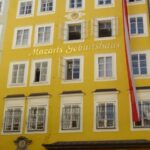
And yes—this is also where you’ll connect Getreidegasse to Mozart’s Birthplace. That matters because you’re not only hearing about Mozart as a name; you’re seeing him placed into a real street with real architecture and street-level history.
I also like that the guide frames why Getreidegasse became iconic. It’s easy for visitors to treat the street as a must-see checklist stop. A good guide helps you notice how the details create atmosphere, and how the atmosphere helps the Mozart story land.
If you like street photography, this is a prime stretch. Just keep an eye on foot traffic and take your photos from angles that still let you read the ironwork details rather than only chasing the widest shot.
Salzburg churches on the route: baroque mood and optional vocal moments
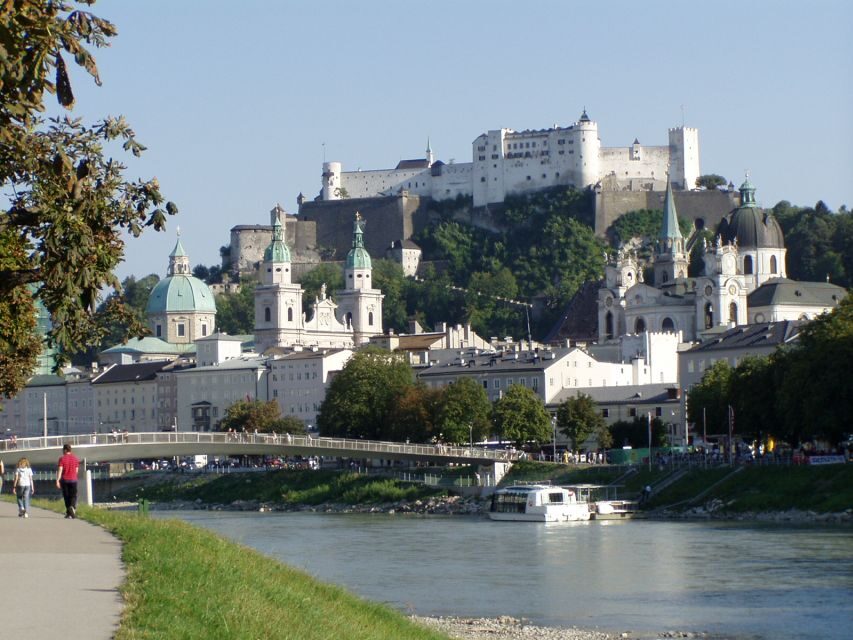
The tour includes visiting one or two Salzburg churches. Even without any “special moment,” church stops can do a lot of work in a short time. Churches concentrate art, money, and power into one space. When you hear the background, the building starts telling you why it was worth the effort.
In some versions of the tour, guides add music. Multiple guide names show up alongside sung moments in church settings, including performances associated with Ave Maria and church stops such as St Peter’s church and other sacred interiors mentioned in guide notes. If that’s your kind of thing, this tour can feel like more than sightseeing.
A practical note: churches are often cooler than outdoors, and they can have quiet rules. Keep your voice low, watch your footing on stone floors, and be ready for the guide to shift the group into a respectful listening mode.

Mönchsberg Hill panorama: where the city clicks into place
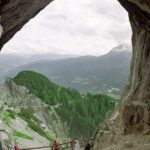
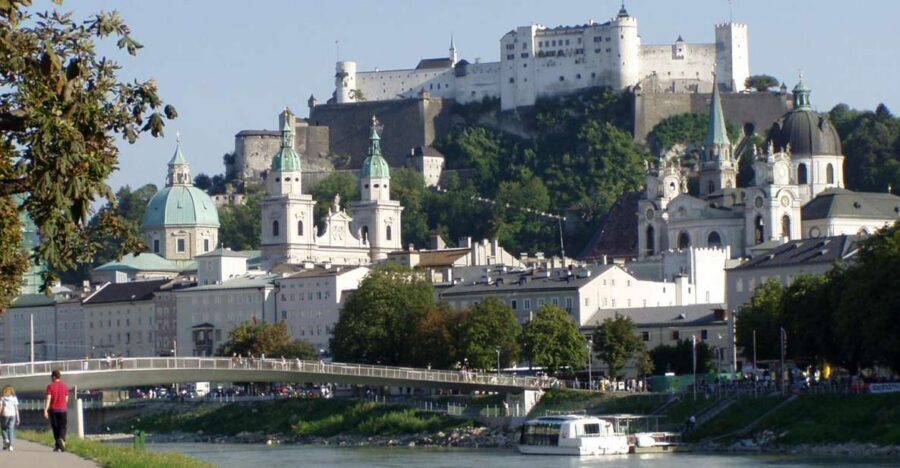
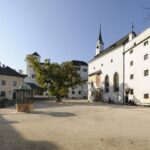
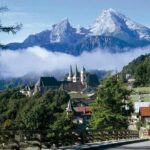
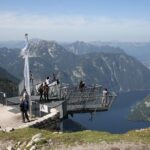
You’ll end with a panoramic view from Mönchsberg Hill. This is one of those “work the walking, then get the payoff” finishes. From up there, you can actually make sense of Salzburg’s shape and the river layout. It turns earlier stops into a coherent picture.
There’s one optional cost: the elevator fee for Mönchsberg Hill is €4 per person (optional). If you’d rather avoid that, you might still be able to choose the hill route depending on what the guide suggests during your walk. Either way, it’s worth thinking about what you want most: legs or convenience.
Also, the tour includes a free guide moment at the hill (optional), which helps turn the viewpoint from a random platform into a guided “look what you just walked through” wrap-up.
Price and value of a 150-minute guided overview
At $53 per person for about 150 minutes, this sits in the “good value” category for Salzburg. You’re paying for a professional guide, a tight route, and entrance efficiency—there’s a skip-the-line option via a separate entrance mentioned for this experience.
Think of it this way: without a guide, you’ll still walk around Old Town and see landmarks. With a guide, you get names, motivations, and why-these-buildings-matter context. That’s what makes your time feel shorter than it is.
You’re also not stuck with only the base time. The tour includes an extra 30 minutes optional buffer. That can help if you want more photo time, more time for one church stop, or you just want to linger on a street after hearing what to look for.
And if you’re traveling with a tight schedule, the pace and structure are the main value drivers. You’ll cover major anchors—Mirabell, Mozart Residence area, the bridge into Old Town, Getreidegasse, church stops, and the hill view—without needing to plan a mini “route puzzle.”
What to wear, bring, and watch for in Salzburg’s core
This experience is built on walking. Bring comfortable shoes and plan for uneven stone sidewalks and curb cuts near older buildings.
For identification, you’ll need a passport or ID card. A copy accepted is helpful if you travel with digital backups.
Two more rules worth respecting:
- No luggage or large bags during the tour
- Pets aren’t allowed (assistance dogs are allowed)
If you’re coming from a hotel with heavy bags, this is the kind of tour where you’ll want to store your things first. Less hassle means more time with the guide’s stories and less time managing what you’re carrying.
Language options: English and German, plus a human touch
The tour runs in English and German. That’s useful if you’re traveling with mixed language needs or if you want to switch comfort levels mid-trip.
One reason the reviews feel consistent is the guide style: people describe a friendly, animated approach, plus a willingness to answer questions. In practice, that means you’re not only hearing a script. You can ask what something means, why a building looks the way it does, or what to focus on later.
Names that show up in guide notes include Junko, June, Melody, Christine, Julia, and Aisleen. If you care about personality as much as content, that variety of guides is a sign you’re likely to get a real human tone rather than a robotic walk-through.
When to take this tour so it helps your whole trip
If your goal is to get your bearings fast, this tour is ideal early in your Salzburg stay. It gives you the main map anchors: the Mirabell area, Mozart’s neighborhood, Old Town streets like Getreidegasse, and the church-and-view rhythm that defines the center.
Even if you already walked around a bit before, a guided loop can still help you spot what you missed—especially when the guide points out trade-sign details, baroque-era power context, and how the river and bridge affect the feel of different neighborhoods.
If you’re chasing a day with flexible plans, this 2.5-hour format is also easy to pair with later activities like Sound of Music-themed sightseeing. Having the city layout in your head makes every later stop easier to navigate.
Should you book this Salzburg walking tour?
Book it if you want a focused Mozart + Old Town overview with stories that connect buildings to people. You’ll likely enjoy it most if you like walking, want a guided route that makes sense, and appreciate when a guide adds extra texture—like singing during church moments.
Skip or consider alternatives if:
- You prefer mostly quiet, slow wandering with no set route
- You don’t want any extra costs for the hill view elevator
- Your day is all about minimizing walking
For most first-timers and anyone returning for a second pass who needs structure, this is a solid way to see the core quickly and leave with a clearer picture of what makes Salzburg tick.
FAQ
How long is the Salzburg walking tour?
It lasts 150 minutes, about 2.5 hours.
Where do we meet?
You meet in front of the main entrance of Schloss Mirabell, Mirabellplatz 4, 5020 Salzburg, on the street-side.
What is included in the tour price?
The price includes a professional guide and an additional 30 minutes that’s optional. A separate entrance is also used to avoid waiting in a line for included access.
Is there an extra fee for Mönchsberg Hill?
Yes, the elevator fee for Mönchsberg Hill is €4 per person and is optional.
What languages is the tour offered in?
The tour is offered in English and German.
Are luggage or pets allowed?
No luggage or large bags are allowed. Pets are not allowed, but assistance dogs are allowed.
What’s the cancellation timeframe?
Free cancellation is available up to 24 hours in advance for a full refund.