REVIEW · VIENNA
Budapest Day Trip from Vienna
Book on Viator →Operated by Vienna Sightseeing Tours · Bookable on Viator
Budapest in one day feels like magic. This Vienna-to-Budapest coach trip gives you hotel pickup and a guided sweep of the big sights, from Heroes’ Square to the Parliament area, so you start Budapest with real bearings. I also like the free time chunk so you can turn the tour’s orientation into your own wandering. The main drawback to consider is simple: it’s a long travel day, and some moments are more about seeing from the bus than standing right next to every landmark.
One big plus is that the ride is structured. You’ll get commentary as you cross from Austria into Hungary, then a guided program once you arrive, and guides like Claudia (when assigned) and drivers like Flo (when credited) are often singled out for making the day feel well-managed. With a max group size of 100 and air-conditioned comfort, it’s built for people who want a solid first look without planning every detail themselves.
In This Review
- Key points before you go
- Why a Budapest day trip from Vienna makes sense (and where it doesn’t)
- Starting in Vienna: pickup at the State Opera and the early wake-up plan
- The long coach ride: using travel time instead of losing it
- First impressions in Budapest: Danube views and the Buda vs Pest map
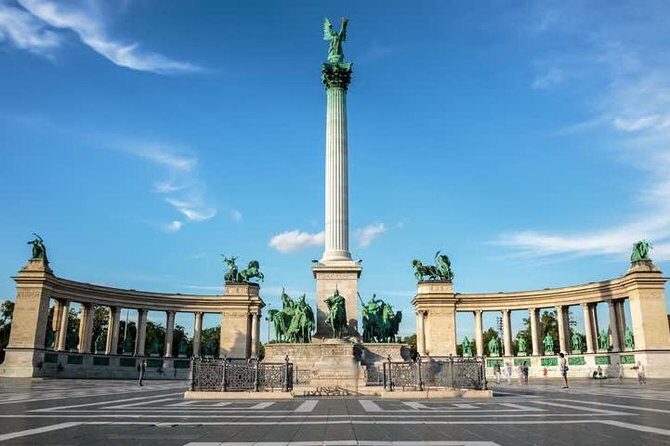
- Heroes’ Square and the Seven Chieftains: the photo stop with purpose
- Pest by bus: Parliament-area sights and a fast way to get your bearings
- Vajdahunyad Castle: a scenic stop that also helps you “read” the city
- Castle District and Gellért Hill Citadel: where the views justify the effort
- The biggest church stop: a major landmark on the official loop
- Free time in Budapest: how to use it so the day feels worth it
- Communication and group flow: what matters when narration overlaps
- Price and value: is $171.63 per person a fair deal?
- Who this day trip fits best (and who should pass)
- Should you book this Budapest Day Trip from Vienna?
- FAQ
- Where does the tour start and what time does it begin?
- Do you offer pickup from Vienna hotels?
- What documents do I need for travel?
- How long is the trip?
- Is food and drinks included?
- How much free time do I get in Budapest?
- Can I cancel for a full refund?
Key points before you go
- Hotel pickup works best from selected central spots in Vienna, typically 30–60 minutes before the 7:15 am start.
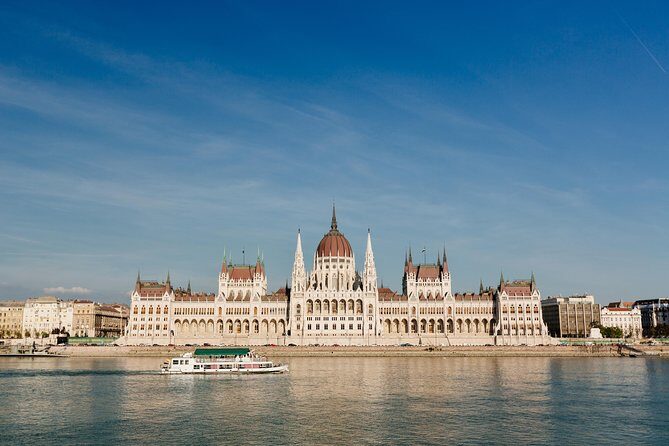
- You’ll get a coach-based highlights route through Pest and parts of Buda, including Heroes’ Square and Parliament-area views.
- Vajdahunyad Castle and Gellért Hill/Citadel are part of the guided loop, with a big emphasis on viewpoints.
- Free time in Budapest is real, not just a quick stop—plan to use it actively.
- Passport required on travel day, not optional, so pack it where you can grab it quickly.
Why a Budapest day trip from Vienna makes sense (and where it doesn’t)
A day trip like this is all about trade-offs. You’re giving up the slower pace that makes a city truly sink in, but you gain one thing that’s hard to buy any other way: a guided, high-impact tour that shows you where the city’s “important places” actually sit relative to each other.
Budapest is perfect for this style because it’s built around a few big anchors. The Danube splits the city into Buda and Pest, and once you understand that, almost everything else starts to fall into place—neighborhoods, bridges, hill views, and why the skyline looks the way it does. This tour leans into that orientation first, then gives you time to follow your curiosity afterward.
If you want a deep, unhurried experience—say, long museum hours or repeated strolls in one district—then a day trip can feel thin. Still, if you’re in Vienna and you want Budapest on your checklist with smart structure, this is a strong way to do it.
A few more Vienna tours and experiences worth a look

Starting in Vienna: pickup at the State Opera and the early wake-up plan
The tour meeting point is the Vienna State Opera (Opernring 2, 1010 Wien). The start time is 7:15 am, so yes, it’s early. The good news: early usually means fewer problems with traffic and a better chance at getting through the day before you’re too tired to enjoy Budapest.
If your hotel is one of the selected pickup addresses, you’ll be collected from your hotel. Pickup happens 30–60 minutes before the tour start, so don’t assume you’ll be on the clock exactly at 7:15. If you’re not at a pickup hotel, the main plan is to make it to the State Opera area on time.
Also note the end of the day: the tour finishes back at the Opernhouse. There’s no hotel drop-off, so if you’re staying outside central Vienna, you’ll want to be ready to get yourself home using public transport.
The long coach ride: using travel time instead of losing it
This is a full-day format, so the bus time matters. The experience includes an air-conditioned vehicle and a local tour guide, and the schedule is built to make the ride more than dead time.
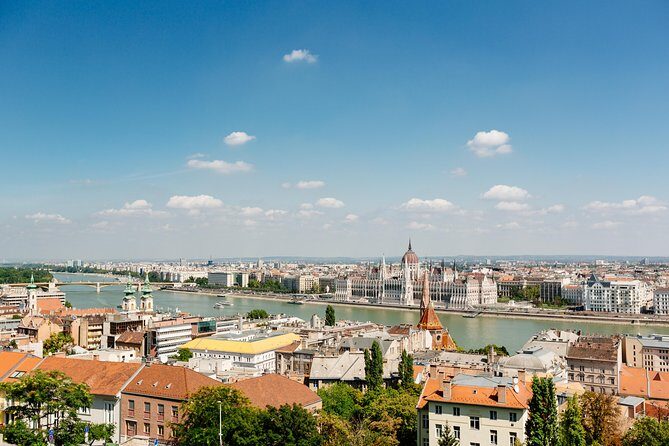
You’ll get narration while you travel through the Austrian and Hungarian countryside. Then once you arrive, the guide ties Budapest together: how the city’s halves—Buda and Pest—were once separate, and how they were unified into the modern capital in 1893. For many people, that kind of quick “map in your head” is the difference between looking at buildings and actually understanding what you’re looking at.
Comfort-wise, you also have a small but important safety net: the tour caps group size at 100 travelers. That doesn’t mean the day won’t feel busy, but it usually helps keep the flow manageable during boarding and key stops.
First impressions in Budapest: Danube views and the Buda vs Pest map
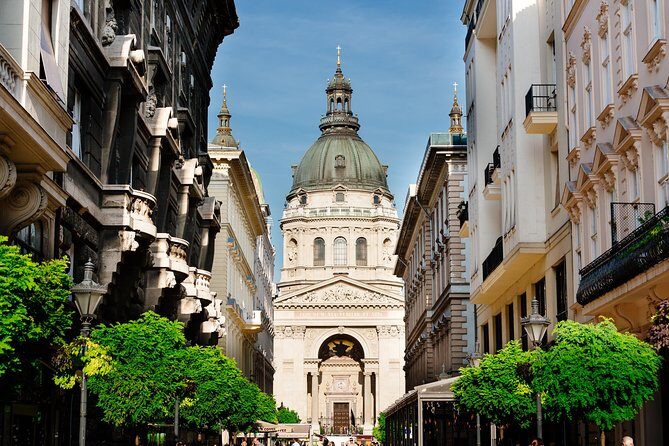
When you arrive, you get that classic Budapest moment: the city spread out across the Danube, with its two identities visible at a glance. Pest sits flatter and more commercial, while Buda climbs into hills and medieval quarters. The tour frames this so you’re not just collecting photos—you’re learning where to point your feet later during free time.
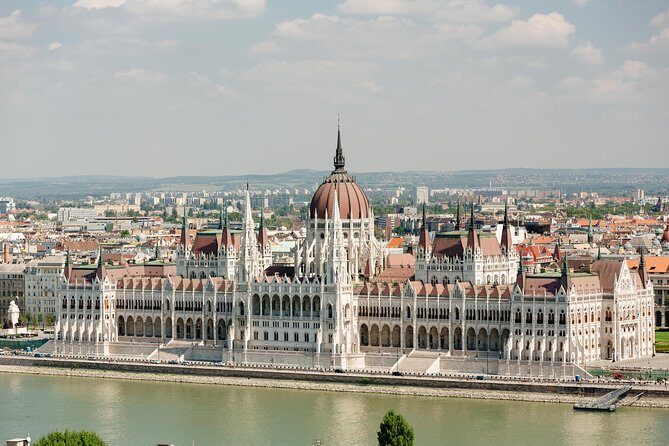
You’ll also get a “major city” context fast. The program includes a coach tour through Pest and parts of Buda, with landmark passes such as the Parliament Building and the Opera House. Even if you can’t get out at every location, seeing these from the right vantage points helps you decide what you want to revisit on your own.
A good thing here: the narration happens as you move between major landmarks. That sequencing is useful in a city like Budapest, where neighborhoods can feel close on a map but very different when you’re standing in them.
Heroes’ Square and the Seven Chieftains: the photo stop with purpose
Heroes’ Square is not just a pretty plaza. It’s one of those places where Budapest’s national story is told through symbolism—statues, scale, and a layout designed to impress.
On this tour, you’ll admire the statues of the Seven Chieftains of the Magyars and take in the broader square area. The guide’s job here is to connect the sculpture to the city’s identity, so that your stop feels like more than a quick photo and a “move along” moment.
If you tend to get bored during monument stops, here’s the workaround: treat Heroes’ Square as your orientation checkpoint. From there, you can better understand why the city’s central axis is where it is, and where your next walk should start once you get free time.



Pest by bus: Parliament-area sights and a fast way to get your bearings
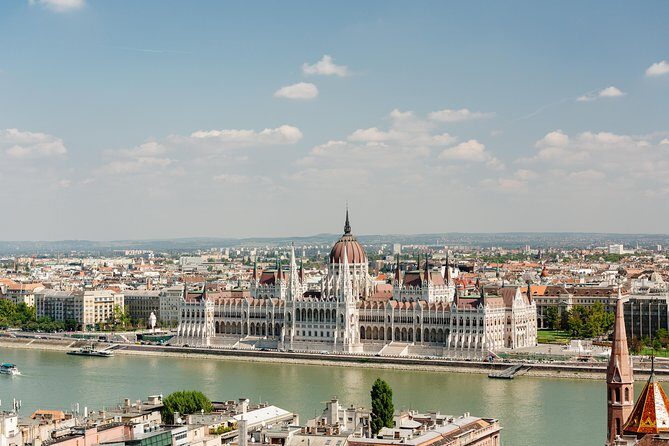
After Heroes’ Square, the tour continues with a bus tour of the district of Pest. This is where the city’s more formal, architectural side comes in. Expect passes and views of popular attractions, including the neo-Gothic Parliament area.
One practical reality: a coach tour is great for orientation, but the views depend on where you sit on the bus and whether your route lines up with what you want to see. Some people find that they’re mostly watching the city slide by, while others enjoy it because it quickly shows them what’s near each other.
Also keep in mind the language mix. The tour is offered in English, but on some departures the narration may run alongside another language. If you’re the type who likes to catch every sentence, you might find the experience slightly less focused than a single-language tour.
Vajdahunyad Castle: a scenic stop that also helps you “read” the city
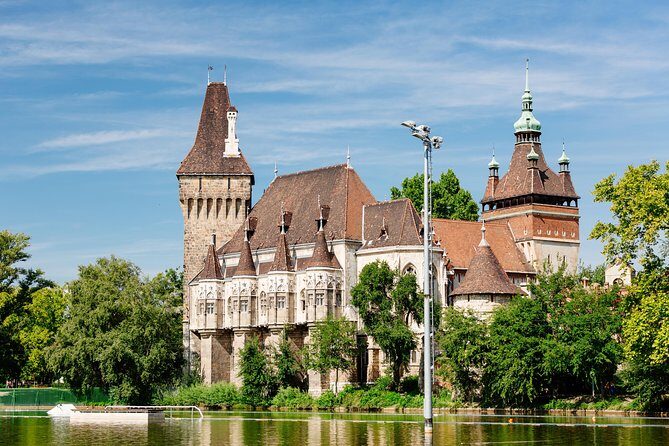
The itinerary includes a stop connected to Vajdahunyad Castle. This is one of those places that looks great in photos, but more importantly, it helps you understand Budapest’s visual variety in a short time.
Even if you don’t spend long inside, the area works as a reset point. You get a change of scenery, and it breaks up the day between the large civic squares and the hilltop viewpoints.
If you’re thinking ahead: when you get your free time later, you can use stops like this as anchors. You’ll know where you’ve already been and where your curiosity might lead next.
Castle District and Gellért Hill Citadel: where the views justify the effort
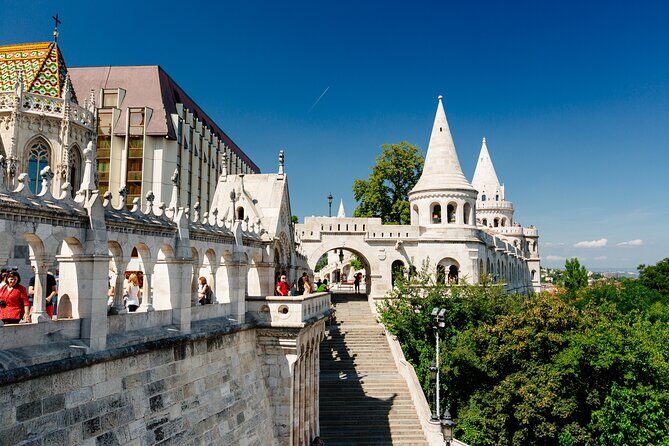
Now we get to the part of Budapest that people talk about for a reason: elevation and panoramas. After your sightseeing loop through the central parts of the city, the program includes time and stops connected to the Castle District, followed by a drive to the Citadel atop Gellért Hill.
From Gellért Hill, you’re there for the wide city views. This is the “how Budapest is built” moment. You see how Pest opens out, how the river shapes movement, and how the older Buda areas sit above it all.
Keep expectations realistic. The tour schedule is tight. That means you might not get extended time at every viewpoint. In return, you get the key visual payoff: seeing the whole city from above so your later walking makes more sense.
The biggest church stop: a major landmark on the official loop
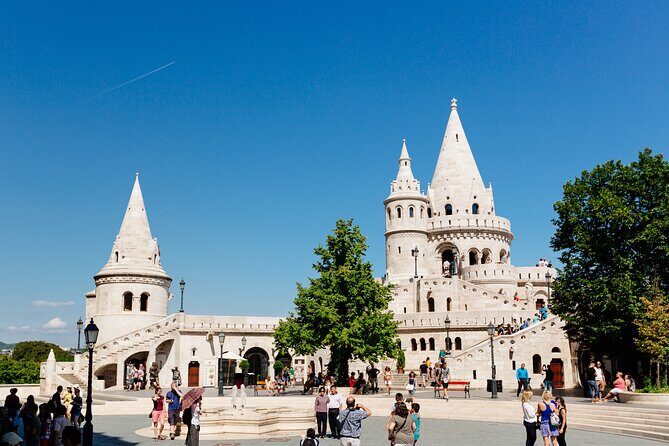
The itinerary also includes a stop for one of Budapest’s major religious buildings—the largest church in the Hungarian capital, described as a co-cathedral of the Roman Catholic Archbishopric of Esztergom–Budapest. The tour frames it as a standout building and part of the core sightseeing program.
For me, the value of including a landmark like this in a day trip is that it helps round out what you see. Budapest isn’t only river views and architectural backdrops; it also has big religious and civic landmarks that shape the skyline and the feel of different areas.
Even if you don’t go deep in details, seeing a major interior/exterior landmark on the guided schedule is a good way to balance the day.
Free time in Budapest: how to use it so the day feels worth it
After the main sights, you get several hours of free time for shopping, sightseeing, or relaxation. This is where you decide what your Budapest day becomes.
Here’s how to make the free time work with the structure you just received:
- Use the coach tour as your map. Pick one or two districts to explore on foot rather than trying to repeat everything.
- If you’re picky about photos, target the places you saw from the bus and then walk to angles you couldn’t get from your seat.
- If you’re more hungry for atmosphere than architecture, focus your walking where you feel like stopping for a snack or drink.
Weather can also matter. One common theme in real-world day trips is that plans feel different when it rains. When that happens, use your free time to stay flexible: shorten walking loops, use covered areas, and treat the day like a choose-your-own-adventure.
Communication and group flow: what matters when narration overlaps
This tour runs with a local guide and a structured program, and many people enjoy how smoothly the day is organized. Still, a day trip has an inherent friction: multiple languages can be spoken, microphones can be shared, and the group can hear overlapping commentary.
If you’re sensitive to that—if you tend to listen closely and hate redundancy—then your best strategy is to treat the narration as background context. Look for the “big picture” points: where you are, what to notice, what to revisit. Then let your free time be the moment you slow down.
Price and value: is $171.63 per person a fair deal?
At $171.63 per person for about 13 hours, you’re paying for more than transportation. You’re buying:
- round-trip coach transit from Vienna
- hotel pickup from selected locations
- a local guide and guided sightseeing structure
- coach/bus touring in Budapest’s key areas
- multiple hours of free time on your own
Is it worth it? If you’re the type who likes a guided highlights route and doesn’t want to spend your Vienna days researching timetables and transit transfers, the value can be strong. The day is packed, which means you get a quick orientation plus time to personalize.
If your goal is to maximize time in Budapest at walking pace, then the day-trip price may start to feel less efficient. In that case, consider staying in Budapest longer—or booking this only if you’re happy with a “hits and views” version of the city.
Who this day trip fits best (and who should pass)
This Budapest day trip from Vienna is a good fit if you:
- want a guided first look at a UNESCO-listed type of city experience in one day
- like orientation and structure
- prefer coach-based touring over complex self-planning
- can handle a long day starting at 7:15 am
It’s not ideal if you:
- need lots of time at one sight, in one neighborhood
- hate coach views from a distance
- get frustrated when language narration feels less tight than a single-language experience
- expect a slow travel pace
If you’re a first-timer in the region, it works well as a “start here” trip. If you’re already comfortable with Budapest layout and just want a specific museum or neighborhood focus, you may get less from this format.
Should you book this Budapest Day Trip from Vienna?
I’d book it if you want a structured, comfortable way to see the major Budapest landmarks, learn how Buda and Pest connect, and still have real time to wander on your own. The biggest reason to choose it is practical: it packages transport, guidance, and time management so you don’t have to build a plan from scratch.
I’d think twice if you know you’re sensitive to long bus hours or you strongly want close-up time at every site. In that case, you’ll probably feel the schedule more than you’ll enjoy it.
If you’re deciding, choose based on your travel style: this is a guided highlights day with free time at the end, not a leisurely exploration marathon.
FAQ
Where does the tour start and what time does it begin?
The tour starts at Vienna State Opera (Opernring 2, 1010 Wien, Austria) and the start time is 7:15 am.
Do you offer pickup from Vienna hotels?
Yes, pickup is available from selected hotels only. Pickup happens 30–60 minutes before the tour starts, and you need to confirm whether your hotel is included at least 24 hours in advance.
What documents do I need for travel?
A current valid passport is required on the day of travel.
How long is the trip?
The duration is about 13 hours.
Is food and drinks included?
Food and drinks are not included unless specified.
How much free time do I get in Budapest?
You’ll have several hours of free time for shopping, sightseeing, or relaxation.
Can I cancel for a full refund?
Yes. You can cancel up to 24 hours in advance for a full refund.