REVIEW · VIENNA
Vienna: Tickets for Kunst Haus Wien: Museum Hundertwasser
Book on GetYourGuide →Operated by KunstHausWien. Museum Hundertwasser · Bookable on GetYourGuide
Hundertwasser makes museums feel like a dream. At KunstHaus Wien (Museum Hundertwasser), you get colorful eco-minded art inside a building that plays by its own rules. I love the Hundertwasser vision—not just paintings, but his push for living in harmony with nature—and I also love how the museum connects that idea to real-world design. One drawback to keep in mind: some visitors will want extra help interpreting the works, so consider adding an audio guide if you like context.
This visit is at its best when you take your time. The experience spans Hundertwasser’s early imaginative ideas through practical models and the museum’s own remodeling, then carries you up to temporary exhibitions on the top floors (including contemporary art with an ecology angle). If you’re hoping for a quick in-and-out stop, this one takes a bit longer, and the meaning is easier when you slow down.
In This Review
- Key takeaways before you go
- A museum built like a manifesto
- What your ticket actually includes (and why it’s good value)
- Permanent floors: where Hundertwasser’s ideas become real
- Top floors: temporary exhibitions with a modern edge
- Don’t skip the garage exhibition: Ecology, Sustainability & Urbanity
- Art that benefits from an audio guide (and how to use it)
- The café stop: Café Friedlich in the green courtyard
- Shop time: souvenirs that don’t feel overpriced
- Getting there: a simple route to Radetzkyplatz
- How long should you plan for?
- Who this museum experience suits best
- Should you book this KunstHaus Wien & Museum Hundertwasser visit?
- FAQ
- How long does the KunstHaus Wien: Museum Hundertwasser ticket take?
- How much does it cost?
- Which exhibitions are included with my ticket?
- Where are the permanent and temporary exhibitions located?
- Is an audio guide included?
- What languages are available for audio support?
- Can I cancel my booking?
- Is there a reserve and pay later option?
- How do I get there by public transport?
- Is the museum wheelchair accessible?
Key takeaways before you go
- Permanent vs temporary floors: the first two floors focus on Hundertwasser, while temporary exhibitions live on the top two floors.
- You’re not just viewing art: the museum also shows how his ideas connect to eco-friendly architecture and daily living.
- Garage exhibition theme: your ticket includes the current garage show on Ecology, Sustainability & Urbanity.
- Plan for interpretation: an audio guide is available (English, French, German), and some rooms can feel light on wall text.
- Café time is part of the day: you can refuel in the green courtyard at Café Friedlich and keep the mood going.
A museum built like a manifesto
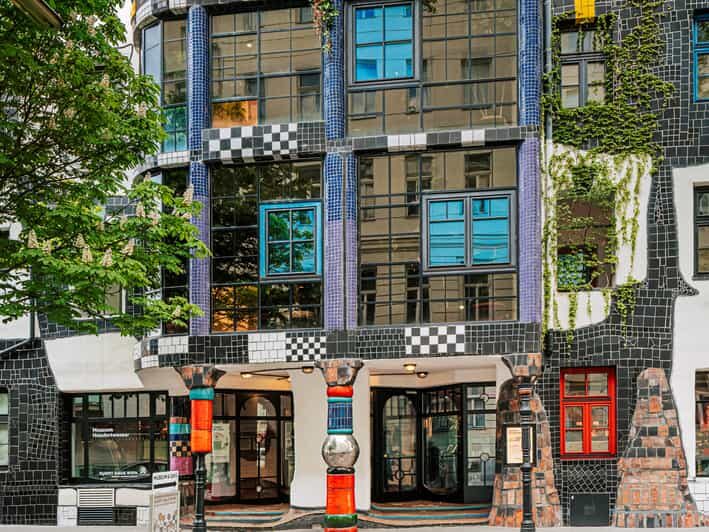
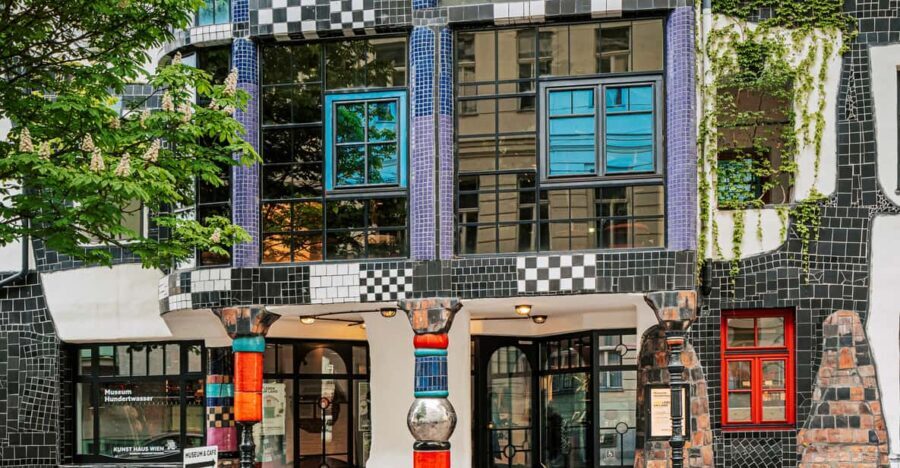
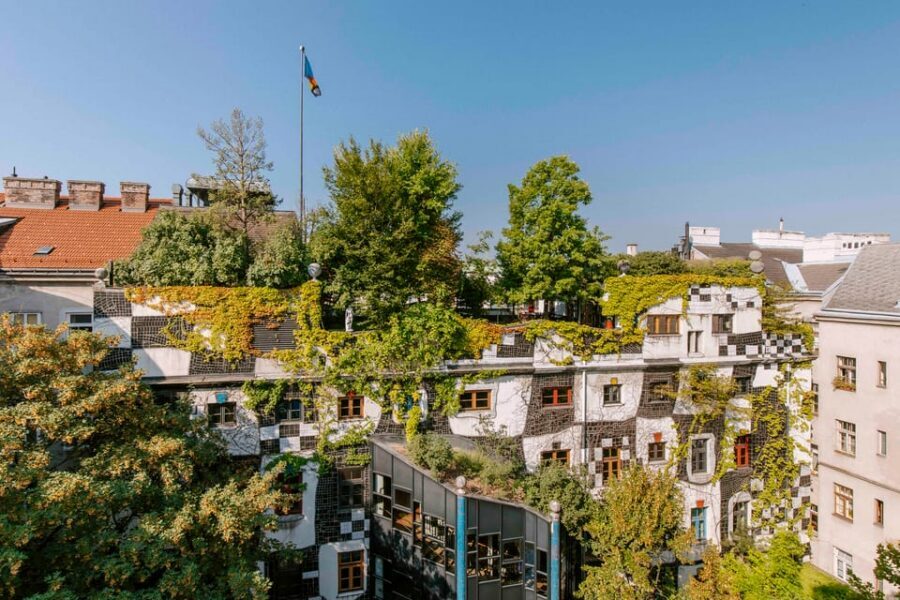
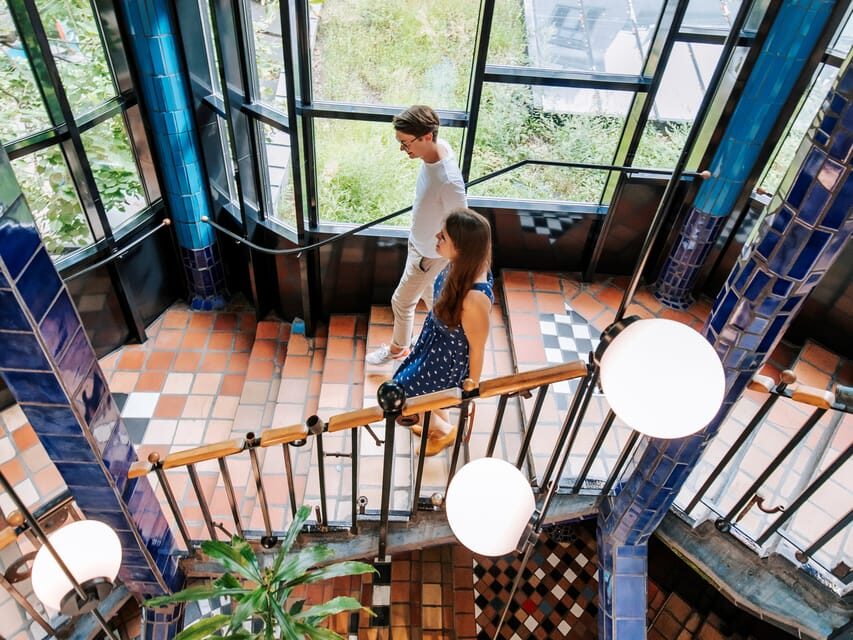
KunstHaus Wien is the kind of place that changes your expectations before you even reach the exhibits. The building’s look is part of the message. Expect the signature Hundertwasser approach: color that feels personal, organic forms that don’t behave like straight-line geometry, and a clear rejection of the idea that nature should be forced into tidy boxes.
That matters because the art inside isn’t presented as “look but don’t touch.” The museum frames Hundertwasser as both an artist and an architect-thinker. You start seeing how his principles—especially his belief in harmony with nature—show up again and again, from early visions to real design choices.
A few more Vienna tours and experiences worth a look

What your ticket actually includes (and why it’s good value)
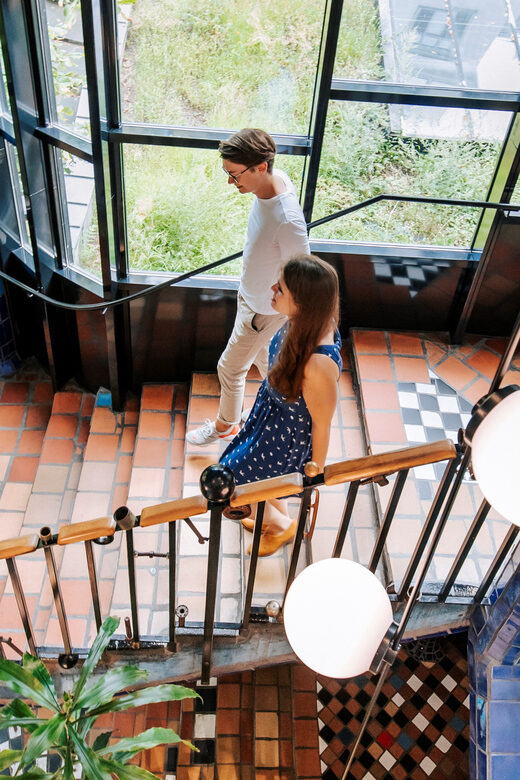
Your day is built around the Museum Hundertwasser at KunstHaus Wien, with ticket access designed to keep you from missing the best themes. The included highlights are:
- the Museum Hundertwasser ticket
- access to the contemporary art exhibition
- access to the current garage exhibition titled around Ecology, Sustainability & Urbanity
That combination is where the value shows. A lot of art stops in Vienna are either purely historical or purely aesthetic. Here, you get the artwork and you also get the ecological mindset behind it—so the visit lands more like a complete idea rather than a disconnected gallery walk.
Price is listed at $18 per person, which is reasonable for a focused museum day with multiple exhibition areas. (One small practical note: ticket types can differ by category, and it’s worth double-checking what you’re buying so you’re not paying a surprise surcharge.)
Permanent floors: where Hundertwasser’s ideas become real
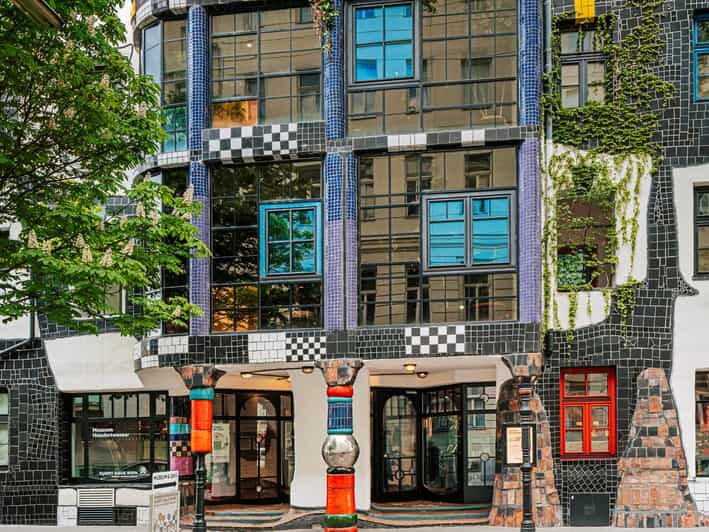
Once you’re inside, your first priority is the permanent exhibition. The museum layout is simple to plan: the first two floors house the permanent exhibition, and the top two floors are where temporary shows live. That split helps you decide how long you want to spend in each zone.
On the permanent side, the museum walks you through Hundertwasser’s thinking in a way that feels both artistic and practical. You get his early picturesque visions, then the museum shifts into the “how does this work?” side of the story. You’ll see building models and other practical implementations, which helps if you ever wondered whether this was just style or whether he truly tried to translate his values into architecture.
What I like about this setup is that it avoids the “artist as legend only” trap. You’re shown the progression: vision → principles → real-world application. Even if you’re not a design expert, it makes his work easier to understand.
Top floors: temporary exhibitions with a modern edge
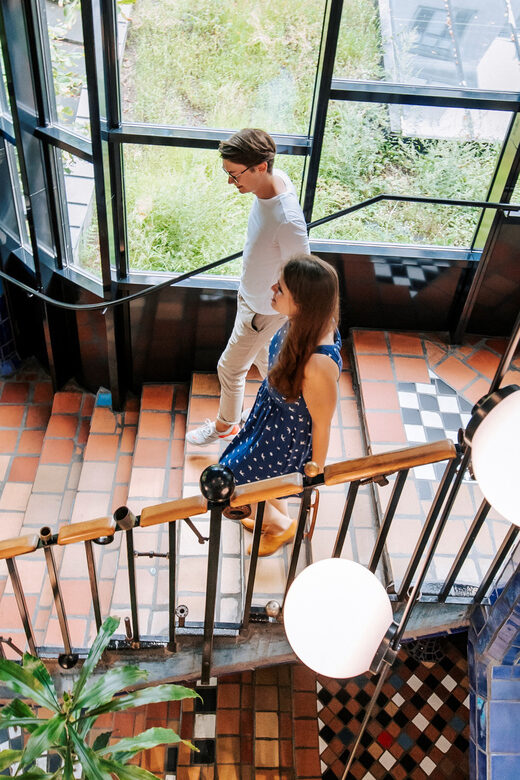
If you only did the permanent collection, you’d still get a solid Hundertwasser foundation. But the museum is at its most exciting when you move to the top levels, because that’s where the temporary exhibitions happen.
Your ticket includes access to the contemporary art exhibition, and you also have the added dimension of the garage exhibition focused on ecology, sustainability, and urbanity. The top-floor placement matters. It creates a sense of “now,” where you’re not only learning what Hundertwasser believed, but also seeing how those themes can be interpreted in current art and contemporary thinking.
In particular, plan on taking extra time on whichever top-floor show looks most relevant to you. The experience can be thought-provoking in a quiet way, and the payoff is best when you’re not sprinting.
Don’t skip the garage exhibition: Ecology, Sustainability & Urbanity
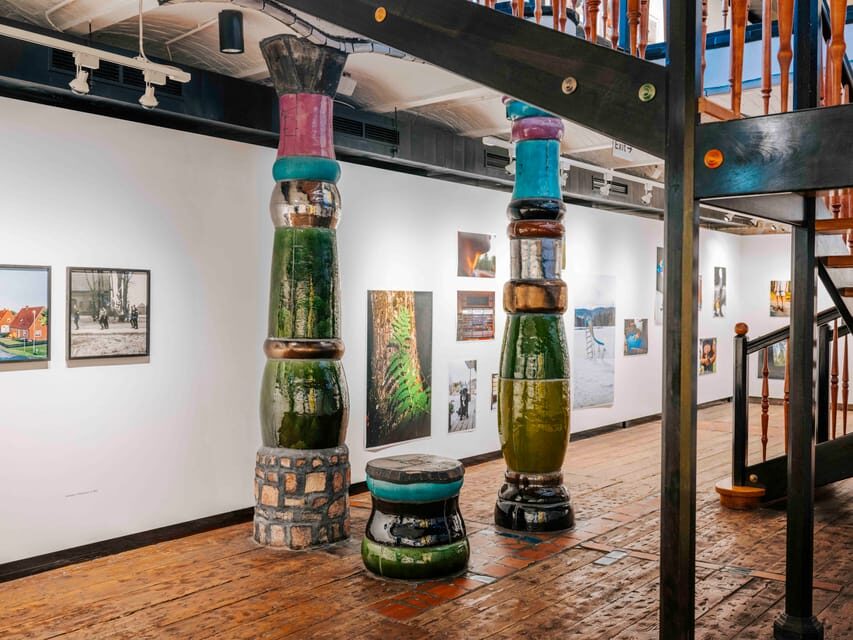
The garage exhibition is one of the most intriguing parts of your included package. The title alone tells you the museum isn’t just recycling old ideas. It’s talking about cities, daily life, and the environmental cost of how we build and live.
Why it works: Hundertwasser’s work often feels playful on the surface—color, curves, refusal of straight lines—but his philosophy is serious. When you reach this section, you get a chance to connect the playful look to real-world questions: How do cities treat nature? What does sustainability mean in design? How can urban spaces support ecological thinking?
Even if you’re not into theory, you can still enjoy it as a different tone from the main galleries. It’s a more “systems” kind of art experience.
You can also read our reviews of more museum experiences in Vienna



Art that benefits from an audio guide (and how to use it)
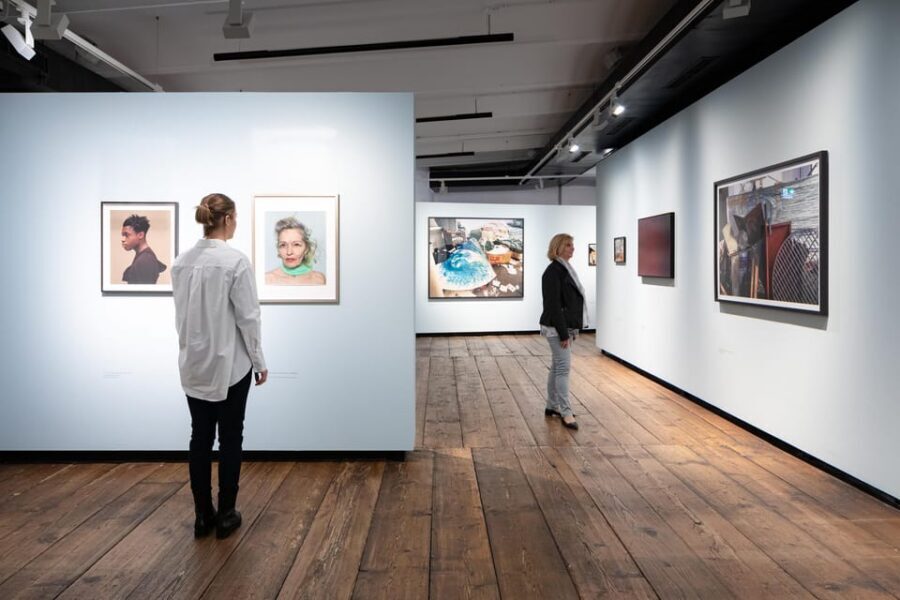
There’s a practical lesson here: some exhibitions don’t hand you easy answers right next to each artwork. One review experience noted that the information isn’t always placed near the paintings, which can make the works feel harder to decode without context.
So if you like being guided—especially through Hundertwasser’s symbolism—use the audio guide. The available languages listed are English, French, and German. Pricing info also shows an audio guide add-on of 4.00 EUR, so it’s smart to check what’s included with your specific ticket purchase before you arrive. Either way, having audio support can turn a frustrating gallery moment into a satisfying one.
Tip for using it effectively: don’t hit play and forget. Pick a section you care about (early visions, ecological architecture, or a temporary theme), then listen while you look at the matching artworks. That keeps the story tied to what you’re seeing.
The café stop: Café Friedlich in the green courtyard
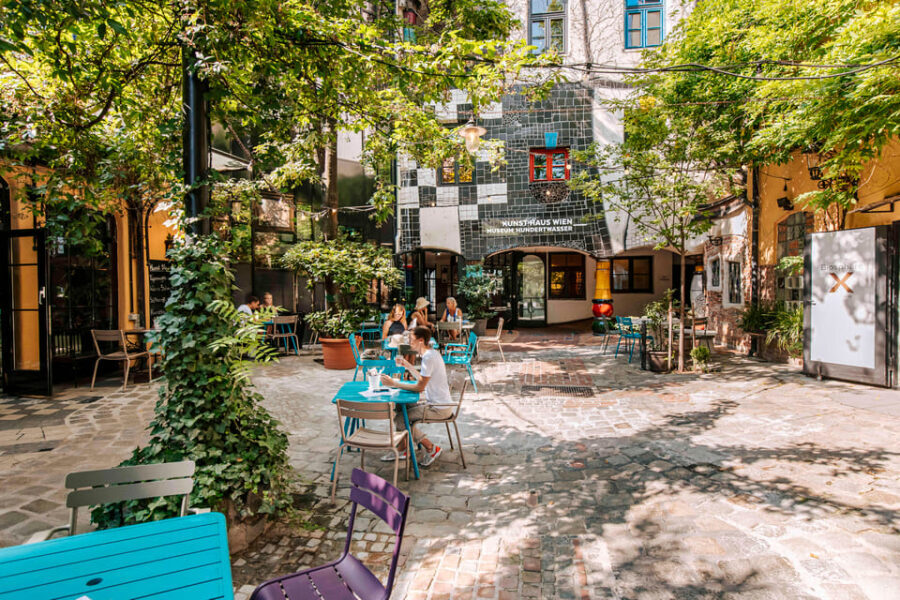
You’re not stuck eating a sad snack in a corporate corner. The museum’s café setup includes the green courtyard vibe, and Café Friedlich is a real reason to plan some downtime.
This is more than a break from walking. The Hundertwasser atmosphere is designed to feel calm and slightly dreamlike. Sitting outside (when conditions allow) lets you reset your brain and absorb the visual language without rushing to the next room.
From what’s shared in the experience notes, the café serves both savory and sweet choices, and the staff are described as friendly and welcoming. If you’re visiting on a busier day or you’re doing this as part of a longer Vienna itinerary, café time can be the difference between “nice museum” and “I’m happy I came.”
Shop time: souvenirs that don’t feel overpriced
The museum shop gets more credit than you might expect. People mention it’s surprisingly affordable and full of fun, creative souvenirs. That means you can buy something Hundertwasser-ish without feeling like you’re paying museum-gift-shop luxury tax.
If you’re the type who likes art-related postcards, design items, or small gifts, the shop is worth a quick browse near the end. Don’t do it right at the door; save it when you’ve seen the art first so you know what you’re actually drawn to.
Getting there: a simple route to Radetzkyplatz
Public transport access is straightforward, and the meeting point guidance points you toward Radetzkyplatz.
Two options:
- Take U1 or U4 to Schwedenplatz, then take tram 1 toward Prater Hauptallee to Radetzkyplatz.
- Take U3 or U4 to Landstraße/Wien Mitte, then take tram O toward Praterstern to Radetzkyplatz.
From there, the museum is the kind of place you can spot once you’re in the area. If you prefer, you can always set your navigation to KunstHaus Wien, but Radetzkyplatz is a useful anchor stop.
How long should you plan for?
Your visit is listed as 1 day, and that’s fair—especially if you want time for permanent galleries, both included exhibition areas (including the top floors), and café pacing.
I’d plan your day like this:
- Permanent exhibition: give it serious attention; this is where the “why” lives
- Top floors: treat it like the modern chapter, not an add-on
- Garage exhibition: don’t rush this; the theme deserves reflection
- Café Friedlich: add a pause, not just a pit stop
If you’re short on time, you can still have a good experience. But if you want the museum to feel meaningful, you’ll do best with a relaxed schedule.
Who this museum experience suits best
This is a great fit if you like art that comes with ideas—especially ecology, architecture, and how design affects how we feel in cities. It’s also a good choice if you’re curious about an artist who’s more than a painter: Hundertwasser’s approach blends art, activism, and built form.
You’ll probably enjoy it most if:
- you like color and organic shapes
- you’re open to philosophy presented through design
- you want a quieter museum day with time to sit and think
If you’re only into straight-line realism or you want strictly “facts-only” exhibits, you might find some symbolism takes extra work. In that case, the audio guide helps a lot.
Should you book this KunstHaus Wien & Museum Hundertwasser visit?
I’d book it if you want a museum day that’s both visually fun and concept-driven. The included access to the contemporary exhibition and the garage show on ecology and urbanity turns it into more than a single-artist gallery visit. And the Café Friedlich break makes it easy to enjoy at a human pace.
Skip or rethink if you need a very fast, purely factual experience, or if you dislike interpretive art that benefits from context. If you do go, plan on taking your time in the permanent floors and consider an audio guide so the artworks land the way they’re meant to.
FAQ
How long does the KunstHaus Wien: Museum Hundertwasser ticket take?
The experience is listed as 1 day.
How much does it cost?
The price is listed as $18 per person.
Which exhibitions are included with my ticket?
Your ticket includes the Museum Hundertwasser ticket, access to the contemporary art exhibition, and access to the current garage exhibition on Ecology, Sustainability & Urbanity.
Where are the permanent and temporary exhibitions located?
The first two floors are the permanent exhibition. The top two floors hold the temporary exhibitions.
Is an audio guide included?
An audio guide is mentioned with languages English, French, German, but there’s also a note that the audio guide is 4.00 EUR. Check what your specific ticket includes before you go.
What languages are available for audio support?
The available languages listed are English, French, and German.
Can I cancel my booking?
Yes. Free cancellation is offered up to 24 hours in advance for a full refund.
Is there a reserve and pay later option?
Yes. You can reserve now & pay later (book your spot and pay nothing today).
How do I get there by public transport?
You can go to Schwedenplatz (U1 or U4) and then tram 1 to Radetzkyplatz, or go to Landstraße/Wien Mitte (U3 or U4) and then tram O to Radetzkyplatz.
Is the museum wheelchair accessible?
Yes, it is listed as wheelchair accessible.