REVIEW · VIENNA
Vienna: Historical Walking Tour – Hitler and the 1900’s
Book on GetYourGuide →Operated by Prime Tours · Bookable on GetYourGuide
Vienna’s streets get complicated fast. This 2-hour historical walking tour traces Adolf Hitler’s early life in Vienna while you watch the city shift from the Habsburg Empire era toward a modern metropolis. I like how the guides use story-driven explanations (often with light humor) to keep the tone thoughtful, not theatrical. I also like that you hit big-name areas like Karlsplatz and Museumsquartier, plus quieter spots with context that usually get missed. One watch-out: the subject is dark, so it may feel intense for younger kids or anyone who prefers lighter history.
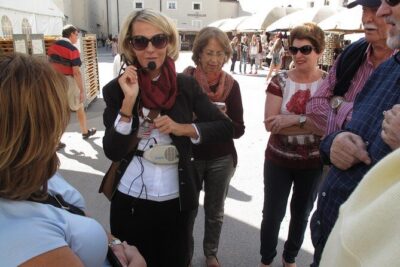
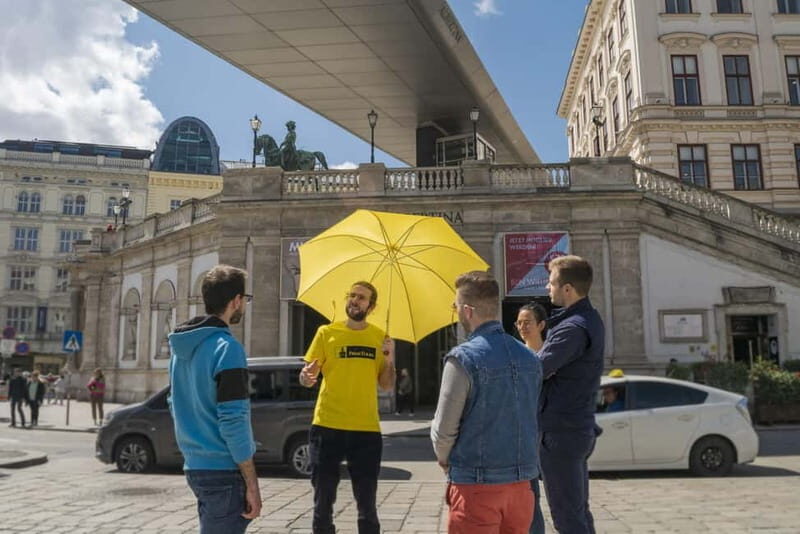
You meet at the YELLOW PRIME TOURS UMBRELLA and then you walk with an English-speaking, live guide at a comfortable pace for city streets. The tour is built for first-timers who want orientation fast, and it’s also practical for people using wheelchairs since it’s listed as wheelchair accessible.
At $22 per person for two hours, this is a value pick when you want expert guidance rather than wandering alone and guessing what you’re looking at. You’re paying for interpretation: the “what am I seeing, and why does it matter” part—plus insider tips you can use after you finish.
In This Review
- Key takeaways before you go
- Why a Hitler-and-1900s walk makes Vienna click
- The Yellow Prime Tours umbrella and your easiest start
- Following Hitler’s early years through real city streets
- Karlsplatz and Museumsquartier: where Vienna shifts gears
- How the guides handle a dark topic (without losing respect)
- Two hours on foot: what pacing feels like
- Price and what you actually get for $22
- Who this fits best, and who might rethink it
- Practical tips for a smooth 2-hour walk
- Should you book this Vienna Hitler and 1900s walking tour?
- FAQ
- How long is the Vienna Historical Walking Tour?
- What is the price per person?
- Where do I meet for the tour?
- Is the tour guided in English?
- What’s included in the ticket price?
- What is not included?
- Is the tour wheelchair accessible?
- Can I get a refund if I cancel?
- Does reserve and pay later mean I pay nothing today?
- Is participation voluntary, and is the guide responsible for injuries?
Key takeaways before you go
- A Hitler-and-Vienna focus that connects early-life context to the city’s early-1900s atmosphere
- Respectful storytelling with humor, often mentioned as a way to keep the mood from getting heavy
- Stops like Karlsplatz and Museumsquartier paired with lesser-known viewpoints and details
- English live guides who can explain timelines clearly and answer questions
- Straight walking-time value: two hours, priced at $22, with a guide doing the heavy lifting
Why a Hitler-and-1900s walk makes Vienna click
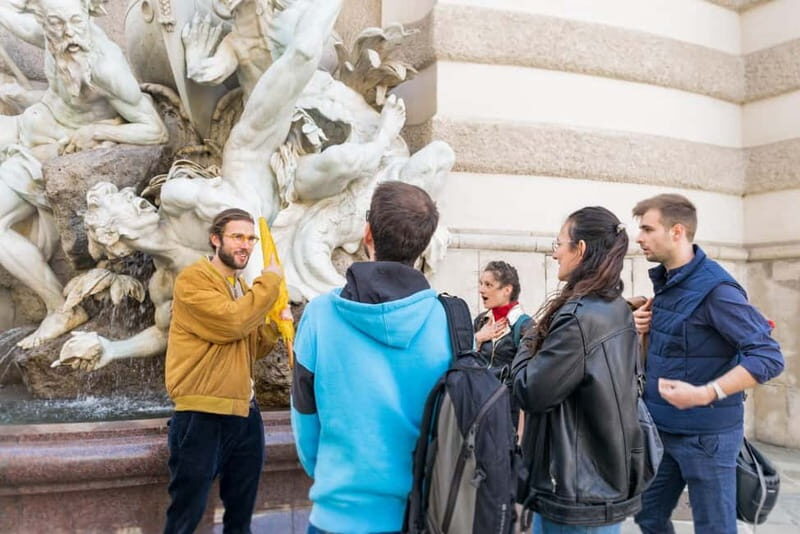
Vienna can feel like a postcard if you stick to palaces and famous facades. This tour uses a different lens. Instead of treating Vienna as a museum of vibes, you look at how the city changed in the early 1900s—politically, culturally, and in how people lived in and around the center. Then the tour pulls a specific thread through that time period: Adolf Hitler’s early years in Vienna.
That pairing matters. Even if you don’t know every detail, you’ll understand why a place like Vienna can be both beautiful and unsettling at different moments in time. You’re not just collecting facts; you’re learning how history sticks to streets and buildings, and how one era’s architecture and public life shape the next.
This is also why the guide style is such a big deal here. Guides named in different bookings—like Joseph/Josef, Christine/Christina, Kristina, Catherine, and Ángeles—show up in the information you’re given as strong storytellers. The pattern is clear: they set the scene first, keep timelines easier to follow, and use humor carefully when the topic turns bleak.
You can also read our reviews of more walking tours in Vienna

The Yellow Prime Tours umbrella and your easiest start
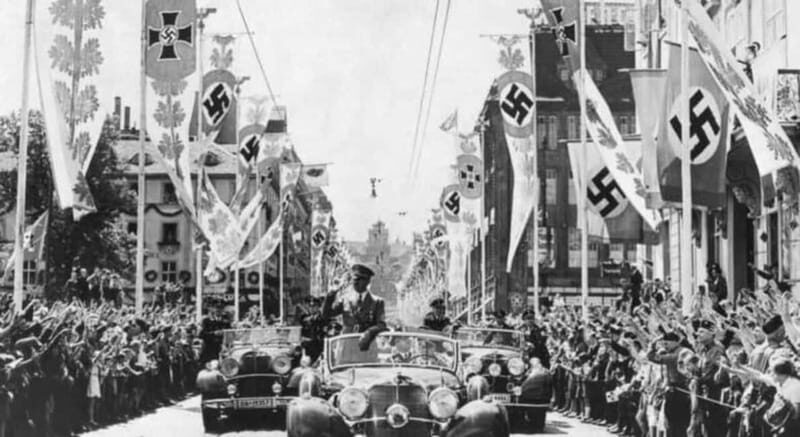
Logistics shouldn’t steal your energy on a walking tour, and this one keeps it simple. Your meeting point is clearly set: the YELLOW PRIME TOURS UMBRELLA. That matters because Vienna can be busy, and a good start prevents the “where are they?” stress that ruins the first ten minutes.
Once you spot the umbrella, the tour stays practical. You’re walking around central Vienna, and the goal is to connect what you see to what you’re learning. Since it’s a live guide experience in English, you’re not stuck reading labels at your own speed—you can ask for clarification right there.
The tour is also listed as wheelchair accessible, which is helpful if mobility is a concern. Just remember it’s still a walking city experience. Even when an activity is marked accessible, you’ll want to plan for uneven sidewalks and the simple reality of walking for two hours.
Following Hitler’s early years through real city streets
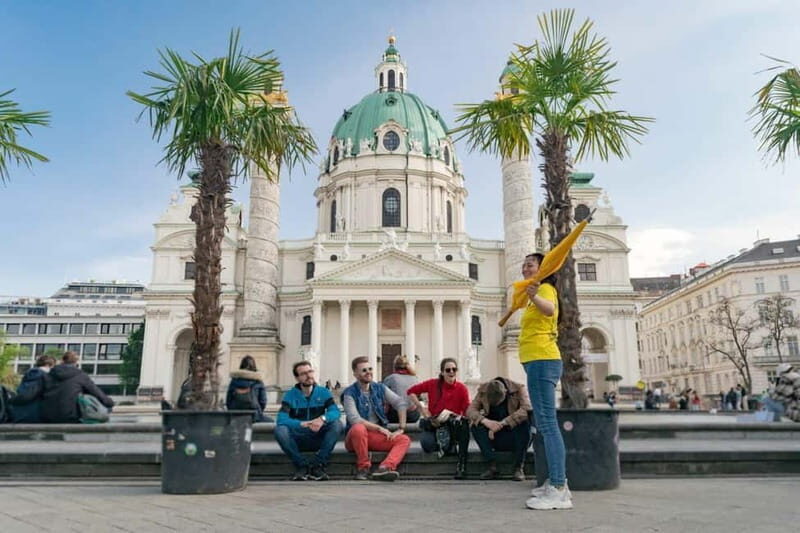
The heart of the experience is the “walk in Hitler’s footsteps” approach—covering his early life in Vienna and then linking that period to the broader political and cultural changes happening in the city in the early 1900s.
What you’ll appreciate is how the tour frames those connections. You’re not only hearing about Hitler as a headline. You’re learning how people, ideas, and social pressures moved through Vienna. The guide’s job is to make that chain feel understandable instead of chaotic.
A repeated strength in the guide feedback is how they handle timelines. Guides like Josef/Joseph are specifically noted for breaking down complicated history in a way that’s easier to follow—something that really helps when you’re dealing with overlapping events and long spans of time. Another named guide, Catherine, is described as using jokes to keep the mood lighter even with a heavy subject. The overall takeaway for you: the tour aims for respect and clarity, not shock.
One more thing I’d watch for: because this is Hitler-related history, the tour doesn’t shy away from uncomfortable context. That can be good if you want realism. It can be too much if you prefer only light sightseeing.
Karlsplatz and Museumsquartier: where Vienna shifts gears
If you’re trying to understand Vienna’s evolution, location choices matter. Two named stops here—Karlsplatz and Museumsquartier—anchor the walk in areas that feel central to the city’s identity.
Karlsplatz gives you a sense of Vienna’s urban fabric: open space, movement, and how the city’s center functions as a living stage rather than a static monument. This kind of stop is useful for connecting “history” to how people actually navigate the city now.
Museumsquartier is a different feeling. It’s tied to culture and institutions, and the name alone signals how Vienna’s public life developed. In the tour’s framing, you’re seeing how Vienna changes from imperial roots toward the kind of modern metropolis where arts, civic life, and public-facing spaces take a bigger role.
The guide also brings in “other iconic locations” along the way, plus smaller details and stories that go beyond the most obvious routes. That’s where you get the real payoff: the sense that you’re seeing Vienna from a local perspective rather than from a checklist.
Practical note: since the stops are spread across the center, wear shoes you can walk in for two hours comfortably. This isn’t a sit-and-watch tour. It’s a “look up, look around, and keep moving” kind of experience.
How the guides handle a dark topic (without losing respect)
This tour has an obvious challenge: you’re discussing one of the 20th century’s worst historical figures, and you’re doing it in public spaces. So the guide’s tone has to be careful.
From the information you’re given, the guides aim for respectful coverage while still keeping energy up. People mention things like humor used to keep the mood light, and storytelling that makes the period easier to understand. Christine/Christina and Kristina show up in different descriptions as standout teachers of the “why,” not just the “what.” Another named guide, Ángeles, is described as well-spoken and able to answer questions clearly.
That matters for you because it affects how the tour lands emotionally. A good guide doesn’t try to sanitize history, but they also don’t turn it into entertainment. Instead, they help you grasp the stakes and the human context—so the walk feels like learning, not moral theater.
If you’re bringing teens or older kids, this kind of guide approach can make the difference between “scary history I can’t process” and “I finally understand how this happened.” One note from the info given is that a teenage son enjoyed the tour and described it as a living history lesson, which suggests the material can work beyond just adults—assuming your group is willing to face the topic.
You can also read our reviews of more historical tours in Vienna




Two hours on foot: what pacing feels like
The tour is listed as 2 hours, and that’s an ideal time window for a city like Vienna. Long enough to connect multiple places, not so long that your brain melts halfway through.
Here’s what two hours usually means in practice for this kind of walking tour:
- You start with framing: how the early-1900s Vienna setting connects to Hitler’s early life
- You move through key areas like Karlsplatz and Museumsquartier
- You get stories and architectural cues tied to the city’s shift from imperial era to modern life
- You finish with recommendations you can use after the walk
If you want to maximize the value, show up ready to listen and ask questions. The guide experience here is repeatedly described as interactive—people mention being able to ask about details and getting clear answers. That turns two hours into something closer to a mini-lesson, not just a walk past buildings.
And yes, the topic can be heavy. The best part of a tight two-hour structure is that you don’t get stuck in fatigue. You’ll likely feel a stronger aftertaste of meaning than you would from a casual self-guided stroll.
Price and what you actually get for $22
At $22 per person for two hours, the value is mainly in what’s included: an expert local guide and a structured walking tour through historic sites, plus insider tips and recommendations. You also get instant booking confirmation and a reserved spot with your booking, which saves you from the uncertainty of showing up hoping someone is waiting.
What you should plan to pay separately is straightforward. Food and drinks are not included, and entrance fees to museums or attractions after the tour aren’t included either. Also, transportation to and from the meeting point is on you.
So who is this good for? You’ll get the best outcome if you want guidance and context more than you want standalone attractions. If your goal is just to take photos of famous buildings without much explanation, you could probably find cheaper self-guided routes. If your goal is to understand why Vienna looked the way it did—and how those conditions relate to the early 1900s—you’re paying for interpretation, and that’s the right match for this price.
One more small note: it’s listed that tipping the guide is welcome. That’s a normal part of many local-guided experiences, and it’s also a sign the guide is central to the quality here.
Who this fits best, and who might rethink it
This tour fits best if you want:
- A history-focused walking experience that connects people to places
- A guided explanation in English
- A tour that includes both major Vienna landmarks (like Karlsplatz and Museumsquartier) and lesser-known stories
- A guide who can keep the experience understandable even when the subject is hard
It may be less ideal if:
- Your group wants strictly uplifting sightseeing
- You’re traveling with very young kids who may struggle with heavy historical themes
- You personally prefer to avoid Hitler-related content in guided form
The reason I’m cautious here is simple. The tour is built around Hitler’s early years and early-1900s Vienna. That’s not a gentle topic, even when handled carefully. If your party’s emotional comfort is a priority, choose thoughtfully.
On the other hand, if you like history that doesn’t sugarcoat the past, this is the kind of guided walk that can help you see how a city’s evolution shapes—and reflects—human events.
Practical tips for a smooth 2-hour walk
You can make the experience easier with a few basic choices:
- Wear comfortable walking shoes. Vienna sidewalks can be uneven.
- Bring a light layer. Weather can change quickly, and you’ll be outside most of the time.
- Bring a bottle of water if you think you’ll need it. Food and drinks aren’t included.
- Have your camera ready, but don’t let it break your attention. The value here is in the stories tied to what you’re seeing right then.
- If you’re unsure about any topic, ask the guide. The tone described in the experience information suggests guides are prepared for questions.
Also, arrive a little early so you can find the YELLOW PRIME TOURS UMBRELLA without rushing.
Should you book this Vienna Hitler and 1900s walking tour?
I’d book it if you want Vienna with context, not just sightseeing. The pairing of Hitler’s early life with the city’s transformation from Habsburg roots to a modern metropolis is a strong educational setup. The repeated guide strengths—clear storytelling, answers to questions, and the way the tone is kept respectful with occasional humor—make it more approachable than you might expect for such a difficult subject.
I’d skip it if your priority is only light, scenic walking, or if your group isn’t prepared for WWII-era darkness. This tour doesn’t hide the topic; it frames it through Vienna’s streets and early-1900s atmosphere.
If you want a single guided activity that helps you understand how Vienna got from imperial prestige to modern life—while also confronting the uncomfortable threads of history—this is a solid pick at $22 for two hours.
FAQ
How long is the Vienna Historical Walking Tour?
The tour lasts 2 hours.
What is the price per person?
The price is $22 per person.
Where do I meet for the tour?
You meet by looking out for the YELLOW PRIME TOURS UMBRELLA.
Is the tour guided in English?
Yes, the live tour guide language is English.
What’s included in the ticket price?
Included are an expert local guide, a walking tour through Vienna’s historic sites, insider tips and recommendations, and instant booking confirmation with a reserved spot.
What is not included?
Food and drinks are not included, entrance fees to museums or attractions after the tour are not included, and transportation to and from the meeting point is not included.
Is the tour wheelchair accessible?
Yes, the tour is listed as wheelchair accessible.
Can I get a refund if I cancel?
Yes. Free cancellation is offered up to 24 hours in advance for a full refund.
Does reserve and pay later mean I pay nothing today?
Yes. You can reserve now & pay later, meaning you pay nothing today.
Is participation voluntary, and is the guide responsible for injuries?
Participation is strictly voluntary. The guides are self-employed and freelance and cannot be held responsible in any way for injuries to body and/or property incurred during the tour.