REVIEW · VIENNA
Vienna Highlights Small-Group Bike Tour
Book on Viator →Operated by Vienna Explorer · Bookable on Viator
Three hours, and Vienna clicks. This small-group bike tour hits big sights fast: the Ringstrasse grandeur, a Danube ride, and smart photo stops like Prater. My favorite part is how easy it feels on proper bikes, and my second favorite is the history taught in human-scale stories at places like Heroes’ Square. The main thing to consider is that group size can feel a bit roomy at times, and the ride includes some rougher spots like cobblestones.
I also love the route design for short trips: you get far more ground than walking, but you still stop often enough to take photos and ask questions. The itinerary breaks up the riding with timed viewing stops at spots such as the opera area, Hundertwasserhaus, and City Hall. One possible drawback: you’ll need moderate comfort riding a bike for about 10 km, and your guide may keep a steady group pace.
Weather is another reality check. The tour runs in all weather, so you’ll want to dress for rain and cool wind and be ready to pedal anyway. Still, if you can ride a bike confidently, this is a very efficient way to get your bearings fast and decide what to revisit later.
In This Review
- Key highlights worth knowing before you book
- Getting started at Vienna Explorer on Franz-Josefs-Kai
- Ringstrasse: Vienna’s grand show from the saddle
- Vienna Opera House area: a quick look with the right context
- Hundertwasserhaus: quirky colors and a break from the straight lines
- Rathaus (City Hall): the Neo-Gothic stop you can spot from anywhere
- Heroes’ Square: a history stop that makes the route feel real
- Prater and the Riesenrad Ferris wheel: the skyline icon moment
- Danube Canal and the ride along the blue waters
- Bicycles, pace, and group size: what 10 km feels like
- Price and value: why this tour can be a smart use of limited time
- Who should book this Vienna bike tour, and who might skip it
- Should you book this Vienna Highlights Small-Group Bike Tour?
- FAQ
- How long is the Vienna Highlights Small-Group Bike Tour?
- What distance will I ride?
- What’s included in the price?
- Is the tour offered in English?
- Where do I meet, and where does the tour end?
- Is there food or drinks included?
- Do I need to pay admission at the stops?
- How big is the group?
- Does the tour run in bad weather, and what happens with refunds?
- What if I want a full refund if my plans change?
Key highlights worth knowing before you book
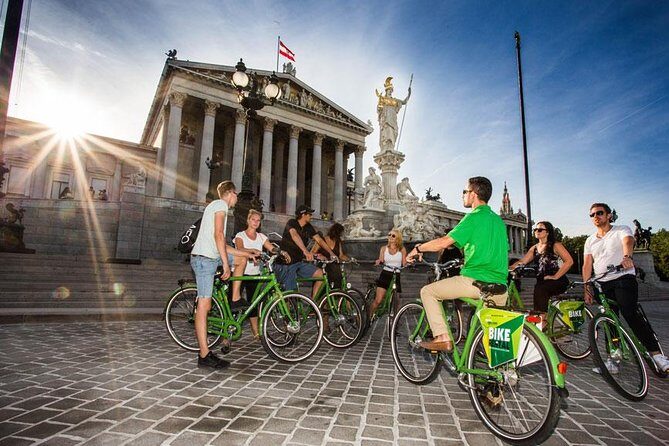
- Ringstrasse overview on two wheels with major Habsburg-era landmarks passing by along the famous road
- Prater park photo stop at the Ferris wheel so you actually see Vienna’s skyline icon up close
- Guides who bring the stories down to earth (I especially liked how the history stays understandable)
- Free viewing stops at key sights like the opera area, Rathaus, and Hundertwasserhaus
- Flat-feeling riding with real variety from canal stretches to urban streets
- 10 km / ~3 hours that beats walking without turning into a workout test
Getting started at Vienna Explorer on Franz-Josefs-Kai
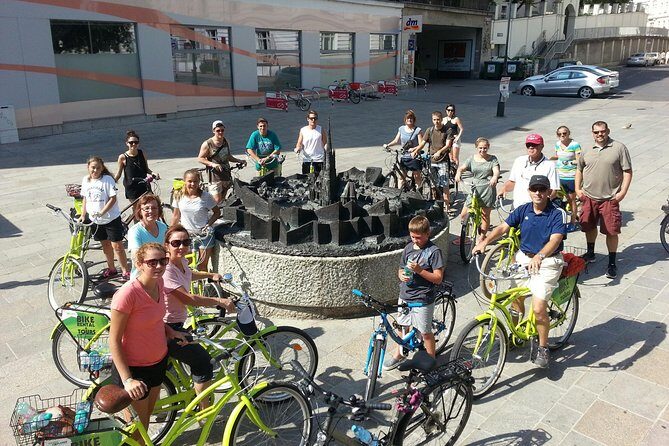
Your tour begins at Vienna Explorer, Franz-Josefs-Kai 45 (1010 Wien). It’s central and easy to reach using public transportation, which matters because you don’t want to waste time before the ride.
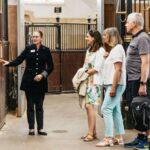
You’ll meet your guide and get a brief safety overview first. Then you roll out into central Vienna, where the city’s bike-friendly infrastructure makes a big difference. One consistent theme from the guides I’ve seen in action (Ava, Robert, Marco, Clemens, Karl, Horst, and Jan have all led groups) is that they keep the ride organized while still making time for questions.
Bring what you need for comfort. Even though Vienna is often described as flat, you’re still cycling for roughly 10 km with stops, and some surfaces can be bumpy. If you’re the kind of rider who dislikes cobblestones, mentally prepare for a few stretches that feel more like street riding than smooth paths.
You can also read our reviews of more cycling tours in Vienna
Ringstrasse: Vienna’s grand show from the saddle
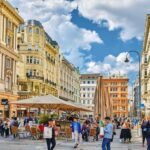
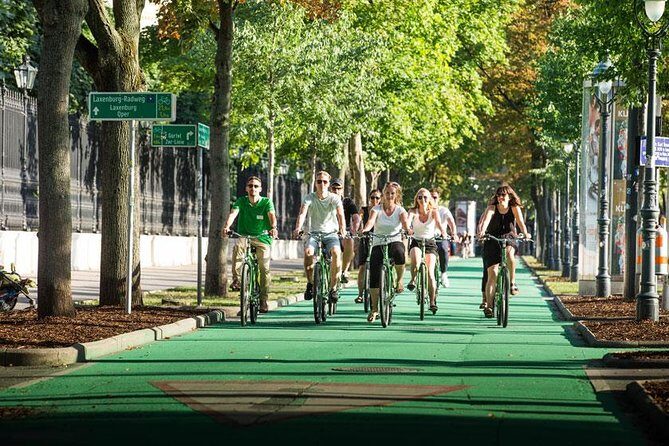
This tour’s backbone is the Ringstrasse ride, Vienna’s famous loop road lined with major monuments. From your bike seat, you get the city’s scale in a way that walking simply can’t match in the same time. It’s also a great way to connect dots: you see how the monuments relate to each other, not just as isolated postcards.
As you pedal, your guide points out key buildings tied to the Habsburg dynasty and the city’s political and cultural life. Expect classic Ringstrasse architecture moments where you can actually pause without feeling like you’re constantly dodging crowds.
One of my favorite aspects here is how the guide frames what you’re seeing. If you care about more than facades, you’ll appreciate the way the stories explain what these buildings meant. Guides like Robert and Marco stand out for their pacing and humor—meaning you’ll hear the history without it turning into a lecture.
Vienna Opera House area: a quick look with the right context
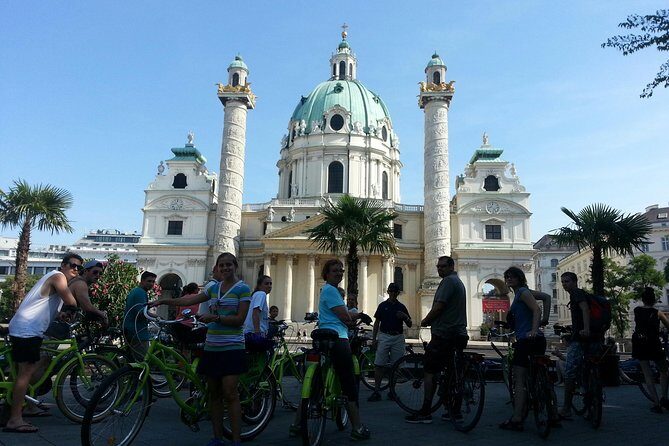
One of the scheduled stops is near the Wiener Staatsoper (Vienna Opera House). It’s on the itinerary for about 20 minutes, and the admission for this stop is listed as free.
This stop is short on purpose. You’re not being asked to sit through a performance. Instead, you get a visual anchor for everything you saw on the Ringstrasse ride, plus just enough background to make the building feel like more than a famous name on a brochure.
If you’re visiting Vienna for the first time, this kind of stop is gold. You can walk away knowing what you’re looking at, and then choose later whether you want to return for an opera tour, a specific exhibit, or just a longer photo session.
Hundertwasserhaus: quirky colors and a break from the straight lines
Then comes Hundertwasserhaus, the colorful apartment building designed by Friedensreich Hundertwasser. You’ll ride through the Vorstadt Lanstrasse area to get there, and you’ll have around 20 minutes for this stop with admission listed as free.
What makes this stop work on a bike tour is the contrast. After the formal symmetry and monumental feeling of the Ringstrasse, Hundertwasserhaus brings a playful, oddball rhythm. The bright colors and unconventional design make an easy photo target, and it’s also a great place to slow down.
Your guide should help connect the dots on why this building feels so different from the “official” Vienna vibe. In past rides led by guides such as Clemens and Karl, I’ve noticed they tend to make these architecture stops feel personal rather than like a checklist.
Rathaus (City Hall): the Neo-Gothic stop you can spot from anywhere
Another timed stop is Rathaus (Vienna City Hall), also about 20 minutes with admission listed as free. Since it sits on the Ringstrasse, it’s one of those landmarks you’ll keep seeing later in your trip—even if you don’t get off the bike.
From a rider’s perspective, this is a helpful pause. You’ve been cycling through the city’s main sights, so a formal building like Rathaus gives your eyes a chance to catch up. If you’re taking photos, this is a good moment to grab wide angles before you move on.
The best value here is understanding what you’re actually looking at. Guides tend to point out the style and explain why City Hall stands out in Vienna’s civic landscape. If you love architecture, you’ll likely find this one of the most satisfying stops because it ties directly to the wider city story you’ve been hearing on the ride.

Heroes’ Square: a history stop that makes the route feel real
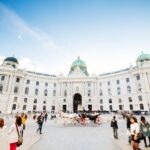
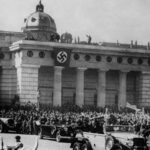
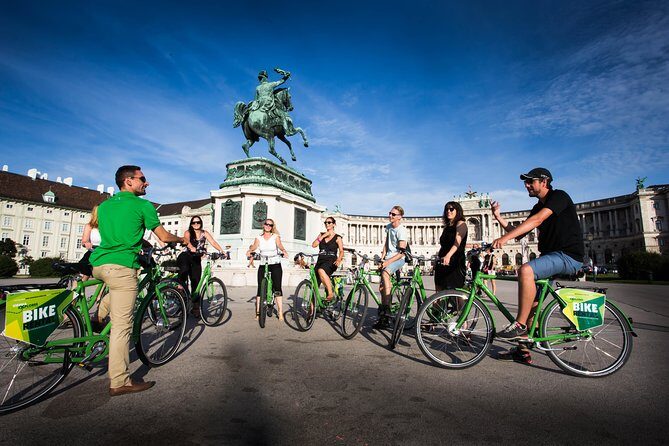
One of the stops takes you past Heroes’ Square, and this is where the tour gets emotionally heavier. It’s the historic spot where Adolf Hitler delivered his 1938 Anschluss speech in the context of World War II.
I’m glad the tour includes this rather than skipping to only pretty scenes. It changes the trip from a scenic loop into a fuller picture of how modern Vienna was shaped by major events. If you’d rather keep your sightseeing strictly light and postcard-only, this may not be your favorite stop. But if you want the city to make sense historically, it’s an important piece.
Your guide should handle this carefully and clearly. The guides I’ve seen highlighted in similar settings—especially Robert and Marco—typically keep the story understandable without turning it into sensationalism.
Prater and the Riesenrad Ferris wheel: the skyline icon moment
Next up is the ride to Prater, Vienna’s popular park. You’ll stop for photos by the Riesenrad Ferris wheel, one of the most iconic structures on the city skyline.
This is one of the best “bang for the buck” stops on the itinerary. Even if you don’t go inside anything or buy tickets, you get the exact visual landmark that defines Prater. And because you arrive by bike, you also see the broader park setting and not just the Ferris wheel cropped in a single angle.
The photo stop timing is typically short, so treat it like a quick setup: try a couple of angles, take the skyline shot, then move on. If you want to return later for a longer wander, this stop helps you pick a direction and plan your time.
Danube Canal and the ride along the blue waters
After Prater, you’ll cycle along the Danube Canal, admiring street art and the water setting as you go. There’s something calming about shifting from the urban monument loop into a waterfront stretch.
This part of the tour is also where the bike experience really shines. You’re not locked into indoor sightseeing or waiting for a bus. You glide past views as your guide talks, and it feels like Vienna’s “everyday” city rhythm.
The itinerary notes that you’ll cycle along the Danube before returning to your departure point. For me, this kind of ending gives the tour a nice arc: first, you orient yourself with Vienna’s big historic structures, then you see a different side of the city along the water.
Bicycles, pace, and group size: what 10 km feels like
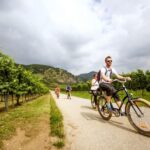
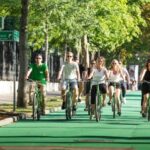
This is built for people with moderate physical fitness, and the total cycling distance is about 10 km (around 6 miles). In real life, that usually means you’ll be comfortably cycling at a steady pace with stops to look, listen, and regroup.
The bikes are described as high quality, and helmets are provided. That combination matters because it makes the ride feel safer and more comfortable, especially if you’re not used to city cycling.
The pace is generally easy. Several guides have been praised for waiting for slower riders and keeping the group moving without rushing. At the same time, a few people noted that larger groups can slow down crossings and group movement. The stated maximum is 15, but one message in the provided info mentions a maximum of 16—so in practice, expect it to be “small-group” but not empty.
Here’s how to manage that. If you want maximum flexibility and less waiting, consider booking a private bike tour instead (the provider notes they do offer private tours). If you’re fine with a bit of group logistics and you mainly want the highlights with history, this standard small-group version is a strong match.
Also remember that the route includes some street surfaces that can be rough. One rider specifically mentioned that cobblestones hurt more than expected. Wear comfortable shoes, and don’t treat this like a smooth bike-path day.
Price and value: why this tour can be a smart use of limited time
At $56.86 per person for about 3 hours, you’re paying for four things: a bike, a guide, curated route planning, and guided context at multiple major sights.
In Vienna, time is often the limiting factor. If you’re only there for a few days, this tour is priced like a “best hits” orientation session. The bike component matters because it lets you see places farther apart than you can walk comfortably—without the cost and complexity of renting a bike and figuring out routes on your own.
The value gets even better because several stops are listed with free admission time. You get structured viewing time at places like the opera area, Hundertwasserhaus, and Rathaus without paying an extra entrance fee for the sight-stop portion of the tour.
Food and drinks aren’t included, so you’ll want to plan a snack or drink separately. But you’re not paying for meals in the ticket price either, which keeps the cost focused on transport plus guidance.
If you’re someone who likes to choose later, this tour is ideal. You can return to your favorite spots for a longer visit once you know where things are and what you actually care about.
Who should book this Vienna bike tour, and who might skip it
I’d book this if you:
- Want a high-efficiency overview of central Vienna in a short time
- Like history explained in a way you can enjoy while moving
- Can ride a bike for about 10 km and handle a few rougher street sections
- Prefer cycling on low-traffic streets and bike paths rather than walking for hours
I’d think twice if you:
- Have a hard time with cobblestones or any uneven pavement
- Hate group dynamics and tight coordination at lights and crossings
- Want only “light and fun” sights and prefer to avoid heavier historical context
For families, the ride can be fun, but one review note suggested it may not be ideal for kids around 10 and under unless they really like history or biking. If you’re traveling with younger kids, use your judgment about their biking comfort and attention span.
Should you book this Vienna Highlights Small-Group Bike Tour?
Yes, if your goal is to get oriented quickly and see major Vienna landmarks without spending your whole day walking. The combination of Ringstrasse architecture, a Prater Ferris wheel stop, and a Danube Canal ride makes it feel like more than a basic sightseeing lap.
Book it especially if you value good guiding. The tour has a strong track record of guides like Ava, Robert, Marco, Clemens, Karl, Horst, and Jan bringing the city’s stories to life while keeping the ride organized and paced. The bikes are solid and helmets are provided, which makes the experience feel safer and more comfortable.
Just go in with two expectations: you’ll ride about 10 km, and you might feel the group size at crossings. If you’re okay with that trade-off, this is an efficient, genuinely enjoyable way to spend a few hours in Vienna.
FAQ
How long is the Vienna Highlights Small-Group Bike Tour?
It’s about 3 hours.
What distance will I ride?
The total cycling distance is approximately 10 km (about 6 miles).
What’s included in the price?
The price includes bicycle use and a professional guide.
Is the tour offered in English?
Yes, it’s offered in English.
Where do I meet, and where does the tour end?
You meet at Vienna Explorer, Franz-Josefs-Kai 45, 1010 Wien. The tour ends back at the same meeting point.
Is there food or drinks included?
No. Food and drinks are not included.
Do I need to pay admission at the stops?
Admission is listed as free for the scheduled sights like the opera area, Hundertwasserhaus, and Rathaus.
How big is the group?
The tour has a maximum of 15 travelers.
Does the tour run in bad weather, and what happens with refunds?
The tour operates in all weather conditions. Cancellation is tied to official government warnings, and the provider says it will only cancel when such an official warning is issued.
What if I want a full refund if my plans change?
You can cancel up to 24 hours in advance for a full refund.