Vienna hides in plain sight. This Vienna walking tour turns famous stops into story stops, with narrow streets, courtyards, and the kinds of details you usually miss unless a guide points them out. I especially like the way guides explain symbols and architectural meaning at big anchors like St. Stephen’s Cathedral, and I like the mix of major sights with lesser streets such as Ballgasse and Blutgasse. One drawback: this isn’t for wheelchair users or people with mobility impairments, and you should expect uneven historic streets.
What makes it fun is the human touch. Depending on the guide (I’ve seen Herbert, Dorothy, and Wolfgang lead), you’ll get humor, quick quizzes, and answers that push past the obvious. The tour also runs in all weather, and Dorothy’s rain plan came up in a way that made people feel confident the walk could keep moving.
It’s a 2-hour small-group route in Vienna’s historical center. You’ll see Mozart’s final residence, the Franciscan Church and Monastery, and more local name-stories than you can fit into a quick self-guided sprint. Also, it continues from Part 1 by the same operator, but you won’t be left behind if you haven’t done that first walk.
In This Review
- Key highlights that make this tour worth your time
- Why this Vienna walking tour feels like a local shortcut
- Meet-up and route basics that help you plan
- Starting with St. Stephen’s Cathedral at the heart of Vienna
- The historic center walk: courtyards, legends, and narrow streets
- Palais Neupauer-Breuner and the Deutsches Haus: elegance with clues
- Blutgasse and Domgasse: street names that turn into stories
- Ballgasse: a side street with real Vienna energy
- Mozart’s final residence: separating myth from the real life
- The Franciscan Church and Monastery: a quieter kind of wow
- The house where the cow plays on the board: Vienna’s odd humor
- The old university district, Jesuit Church, and the old city wall
- Traditional Viennese cuisine: what the tour uses it for
- Price and value: is $34 for 2 hours fair?
- Who should book this tour, and who should skip it
- Should you book Vienna: Hidden Secrets and Local Stories?
- FAQ
- How long is the Vienna Hidden Secrets and Local Stories Walking Tour?
- How much does the tour cost?
- What main sights are included on the walk?
- Is the tour available in English and German?
- Does the tour run in bad weather?
- Is the tour suitable for wheelchair users or people with mobility impairments?
- Are large bags or luggage allowed?
- What is the meeting point and where does the tour end?
Key highlights that make this tour worth your time
- St. Stephen’s Cathedral with meaning, not just a photo stop so you notice details as you walk.
- Mozart’s final residence and myth-checking about what we think we know of his last days.
- Courtyards and legends tucked into Vienna’s less-frequented lanes.
- Franciscan Church and Monastery as a calmer counterpoint to the busiest center streets.
- Blutgasse and Domgasse street stories that connect street names to the city’s lived past.
- Small-group energy with guides like Herbert Stojaspal who use humor and keep pace brisk.
Why this Vienna walking tour feels like a local shortcut
This isn’t a checklist tour. You’ll hit headline places, yes, but the real value is how the guide helps you read the city. Vienna can look finished from a postcard distance, but at street level it’s full of symbols, nicknames, courtyards, and clues tucked into architecture and signage.
Two things I think make this tour a smart buy for your first or mid-trip day. First, you’re not just walking past buildings—you’re learning how to notice what’s there. Guides correct common misunderstandings, and they point out what to look for in facades and religious spaces so you come away feeling like you understood more than the average visitor.
Second, the tour blends big names with the “in-between.” You’ll see Stephansplatz and the Franciscan Church, then move through narrower lanes like Ballgasse, Blutgasse, and Domgasse where Vienna’s personality shows up fast—without fighting the busiest crowds for every minute.
The small-group format matters too. Even if the group is larger on a different day, this kind of tour works best when you can hear the guide clearly and ask quick questions while you’re standing right in front of the building.
You can also read our reviews of more walking tours in Vienna
Meet-up and route basics that help you plan
Your meeting point can vary based on which start option you book, and you’ll want to check your exact location when you reserve. The tour ends at Dr.-Karl-Lueger-Platz 3 (the same address is listed as the drop-off location).
The tour is designed for a walking pace you can handle in 2 hours. Still, it’s Vienna’s old center—meaning you’ll be on historic streets and likely doing short climbs and turns. If you have limited mobility, this is one to skip; the operator lists it as not suitable for wheelchair users and people with mobility impairments.
Language is English and German via a live certified guide. The guide style is interactive, and you’ll get more out of it if you’re comfortable listening while you move, not if you need long stops to sit and read.
And yes, it runs in all weather. That’s a good thing for planning: you won’t be stuck waiting for perfect conditions. Bring a rain shell if forecasts look iffy, and keep your day flexible.
Starting with St. Stephen’s Cathedral at the heart of Vienna
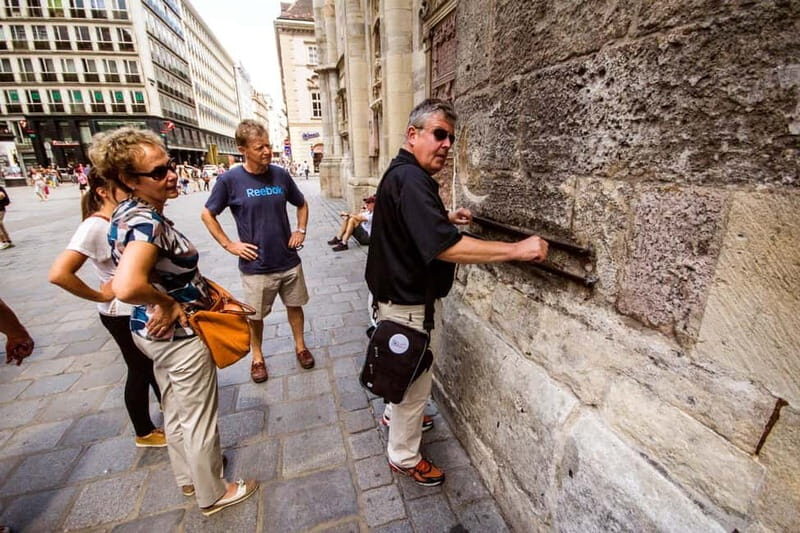
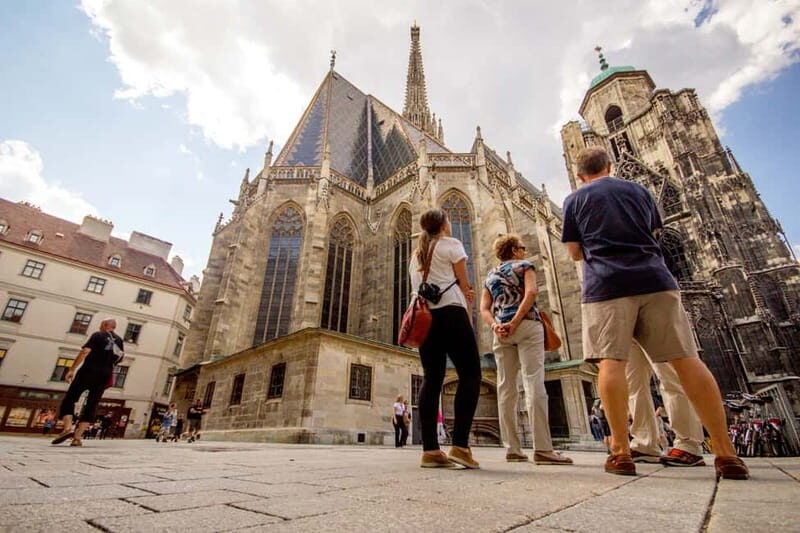
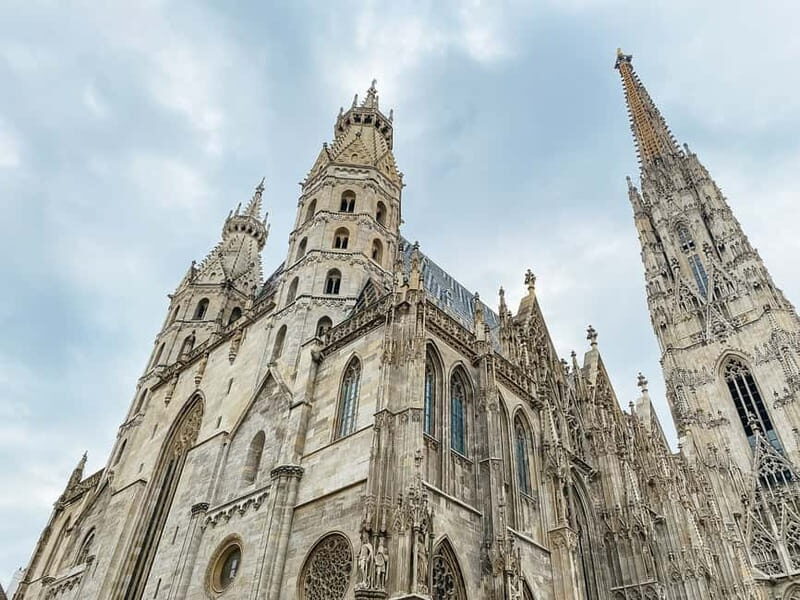
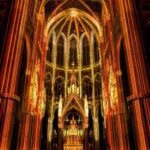
You start in the area of St. Stephen’s Cathedral and Stephansplatz, and the guide handles this stop like it’s the opening chapter, not just the main page. The cathedral is famous, but what you’ll gain is context—why the place looks the way it does and what the details signal.
This is where the tour’s “look closer” method really clicks. Instead of treating the cathedral as background scenery, your guide helps you read it: symbols, architectural cues, and the kinds of meaning that don’t show up in a quick glance. That matters because once you learn what to look for here, you notice similar patterns later at other churches and historic buildings.
Practical tip: arrive with a camera ready, but plan to listen more than you shoot. The best moments are often the short ones where the guide tells you what a detail is doing and why it matters.
The historic center walk: courtyards, legends, and narrow streets
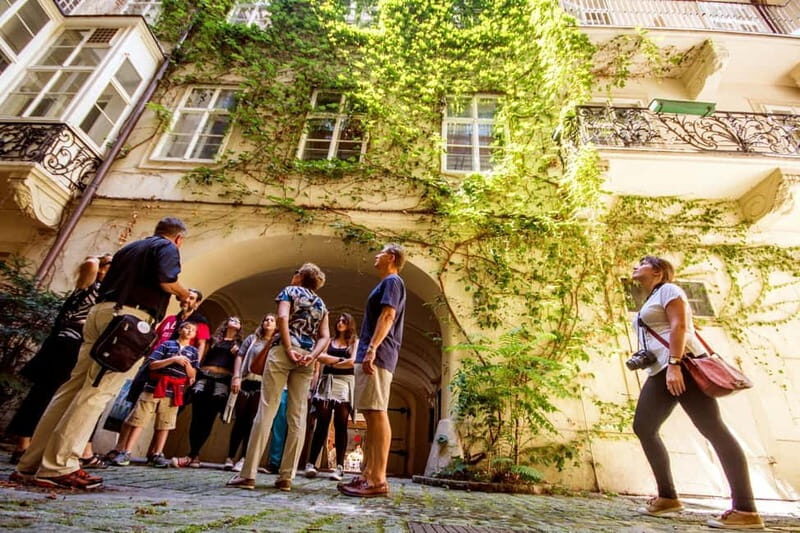
After the cathedral, you’ll move through Vienna’s historical center with a focus on the “hidden” parts that most people skip. The tour specifically leans into courtyards and their stories—those tucked-away inner spaces that make Vienna feel like a maze.
This is one of the best ways to experience the city. Self-guided wandering can work in Vienna, but you often walk right past the clues. With a guide, courtyards turn from empty space into mini history lessons, and narrow streets become part of a bigger narrative about how the city functioned.
You’ll also hear a lot of legend-style storytelling. The goal isn’t to turn Vienna into a fairy tale; it’s to show how local memory sticks. That’s why the tour spends time on lesser-known places, even while it still keeps the well-known landmarks in view.
If you enjoy walking tours that feel like a story being told as you go, this segment is likely your favorite. If you prefer strict timelines and silent sightseeing, you might find the pacing a bit chatty—but that’s also the point.
Palais Neupauer-Breuner and the Deutsches Haus: elegance with clues
Mid-walk you’ll see Palais Neupauer-Breuner and the Deutsches Haus. This kind of stop is where Vienna’s architecture becomes readable. The guide points out what to notice and ties the building’s presence to the city’s social history—who used these spaces, why they were built, and what the building’s features are signaling.
This is also where you learn how to spot status and function in stone and façade design. A palace isn’t just pretty. It’s a message. A house with a distinct identity often means a distinct role in the city’s daily life.
Even if you’ve seen plenty of Vienna buildings already, you’ll likely come away with new “eyes” here—because your guide shows what to connect and what not to over-interpret.


Blutgasse and Domgasse: street names that turn into stories
Streets like Blutgasse and Domgasse sound like they should belong to a legend, and your guide treats them that way—without making you memorize a lecture. You’ll stroll through these lanes and learn the reasoning behind the naming and the historical associations tied to them.
This portion works especially well if you like city texture: the feeling of walking in streets that aren’t trying to be a museum. The tour uses street names as entry points, so you start building a mental map of Vienna’s logic. You connect what you see now with what shaped the neighborhood then.
One caution: because this is still walking through historic lanes, expect fewer “wide sidewalk” moments than you’d get in modern areas. Wear comfortable shoes and keep your pace steady.
Ballgasse: a side street with real Vienna energy
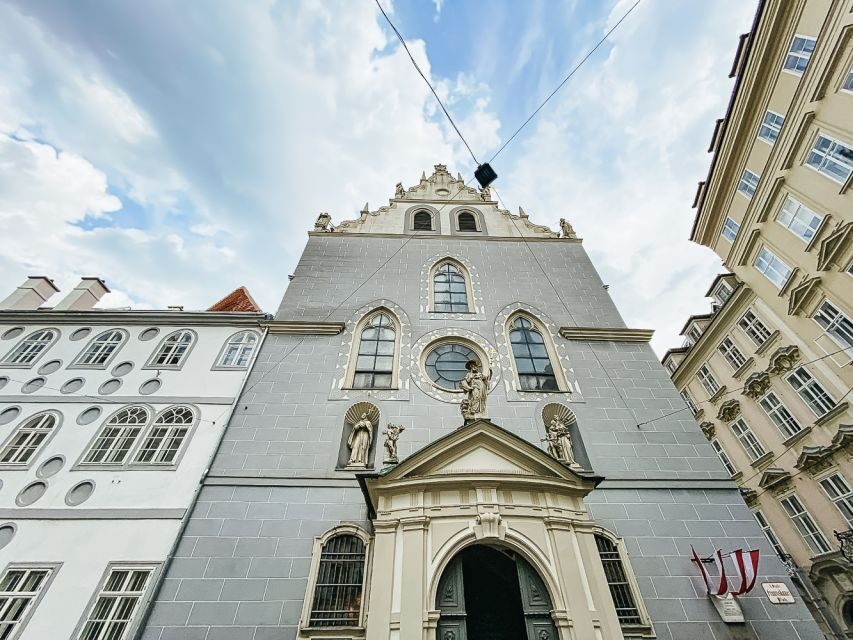
Ballgasse is one of those stops that sounds small until you’re standing there and your guide places it in context. You’ll learn why this street fits into the larger city story and how it connects to the rhythms of life in the center.
This is a good example of what this tour does well: it uses side streets to explain how Vienna worked beyond the postcard landmarks. You’re not only seeing architecture—you’re learning the city’s logic: how neighborhoods, religious spaces, and daily life all interlocked.
If you love photography, Ballgasse can be great for angles and street-level texture. Just remember: the best information in these streets comes from listening while you walk.
Mozart’s final residence: separating myth from the real life
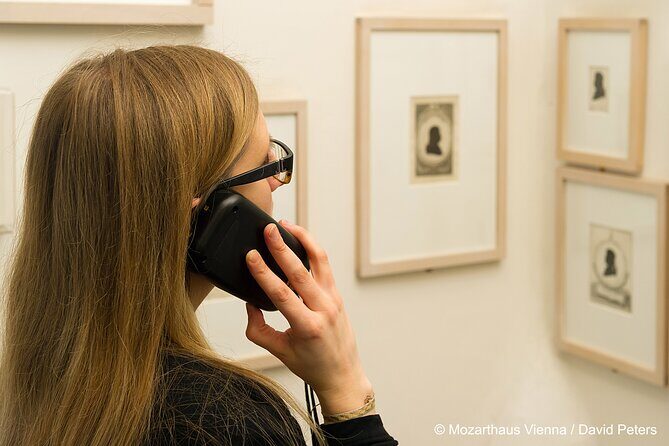
One of the most interesting promised stops is Mozart’s final residence. The tour doesn’t treat Mozart like a distant museum figure. It uses this site to talk about the truth of his life—basically, separating the tidy stories you hear from the messier reality around his final days.
This is where the guide’s fact-checking style matters. A couple of guides in past tours have been praised for correcting incorrect impressions and for making Mozart’s story feel grounded rather than romanticized.
What you should expect here is a blend: you’ll see the location, but the real focus is the context your guide provides—why this residence matters and how it fits into the broader narrative of Mozart’s life.
If you’re a Mozart fan, this stop can give you a more human lens. If you’re not, it still works because it’s about how Vienna remembers and frames its famous figures—how the city turns real people into symbols.
The Franciscan Church and Monastery: a quieter kind of wow
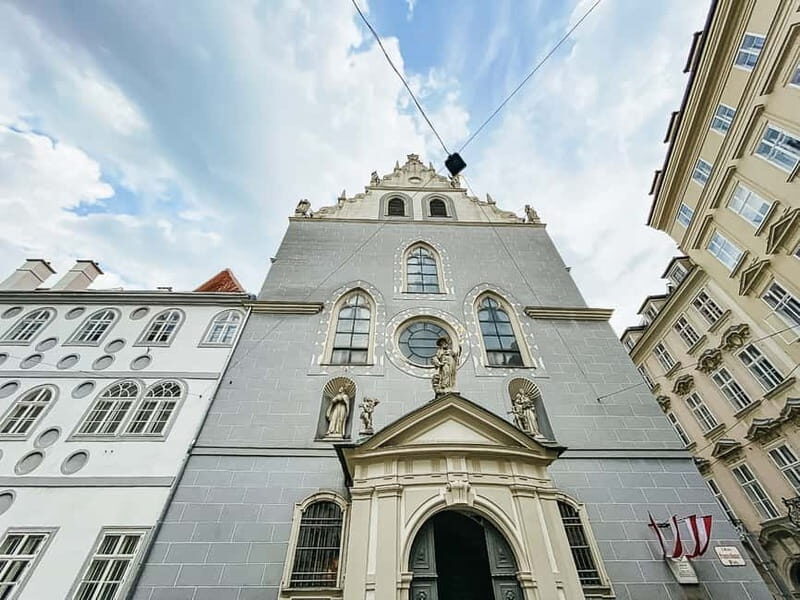
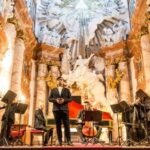
Next, you’ll reach the Franciscan Church and Monastery. This is a helpful counterbalance to the louder, busier landmarks. The atmosphere here tends to feel more inward, and the guide uses that shift to slow the story down.
Religious spaces are also where your “notice what the guide points out” training from St. Stephen’s pays off. You’ll learn about what you’re seeing and why it belongs in the city’s spiritual and architectural landscape.
This stop also gives you a sense of Vienna that’s less about grandeur and more about continuity—how communities have lived, prayed, and built for centuries.
The house where the cow plays on the board: Vienna’s odd humor
Vienna has a taste for nicknames, and this stop leans into that. You’ll learn about the house known as where the cow plays on the board, a local quirky reference that makes the city feel more personal and less formal.
Even if you don’t know what the reference means before the tour, the guide gives you the context so it clicks. These kinds of landmarks are valuable because they show Vienna’s lighter side—how people entertained themselves, identified buildings, and kept stories alive through everyday language.
Practical advice: look up and around the façade during this stop. This is the kind of “small detail” moment where the value is in noticing the exact feature your guide is pointing out.
The old university district, Jesuit Church, and the old city wall
The last part of the walk shifts from individual sites to a broader sense of Vienna as an evolving city. You’ll spend time in the old university district and see the Jesuit Church, then you’ll learn about the old city wall.
This segment helps you connect dots. A university area isn’t just academic buildings—it’s a brain hub in the city’s story. A church isn’t only architecture—it’s influence. And the old city wall isn’t only an edge—it’s what shaped how people moved, traded, and defended the city.
Your guide ties these together so you end with a more coherent mental map. That’s what makes a guided walk feel worth it even when you’ve already seen the major icons.
Traditional Viennese cuisine: what the tour uses it for
You’ll also get discussion of traditional Viennese cuisine during the tour. The key here is not a food crawl. It’s context—how everyday life, markets, and city rhythms show up even in the things that seem purely architectural.
When a walking tour brings cuisine into the story, it reminds you Vienna wasn’t built for tourists; it was built for people. If you plan to eat out after the walk, this can help you order with more confidence instead of guessing.
Price and value: is $34 for 2 hours fair?
At $34 per person for a 2-hour guided walk, you’re paying for three things: a certified guide, a small-group format, and insider recommendations from a local Viennese.
You’re also paying for “time saved.” Vienna is big, and the center is dense. Without guidance, you can spend hours walking and still miss the meanings behind what you’re seeing. With this tour, you get explanations, myth-checking, and a route that hits both major anchors and side streets.
Is it the cheapest walking tour in Vienna? You can find cheaper. But if you care about learning how to read the city, $34 for a guided 2-hour route with stops like Mozart’s final residence and the Franciscan Church is a fair value.
Who should book this tour, and who should skip it
This works best if you enjoy guided walking tours that focus on details: symbols, architecture cues, and local stories that help you understand Vienna rather than just pass through it.
It’s also a good fit if you like a bit of interactivity. Several guides on this route are praised for being funny and for quizzing people along the way, which can make the walk feel lighter while still staying structured.
Skip it if you need wheelchair access or have mobility limits. It’s not listed as suitable, and historic streets are rarely “flat and easy.”
And if you’re traveling with children under 12, it’s not suitable either.
Should you book Vienna: Hidden Secrets and Local Stories?
I’d book this if you want a second layer to Vienna. The tour balances major landmarks like St. Stephen’s Cathedral with quieter, story-driven corners like Ballgasse, Blutgasse, and the Franciscan Church and Monastery. You’ll also get a more grounded Mozart narrative at his final residence, plus local color like the cow-on-the-board house.
I wouldn’t book it if you want a fully relaxed, sit-down pace or if mobility is an issue. For most people who can handle a guided walk on historic streets, this is a smart, story-rich way to spend two hours in the center of Vienna.
FAQ
How long is the Vienna Hidden Secrets and Local Stories Walking Tour?
The tour lasts 2 hours.
How much does the tour cost?
The price is $34 per person.
What main sights are included on the walk?
You’ll see St. Stephen’s Cathedral, Mozart’s final residence, Ballgasse, the Franciscan Church and Monastery, and you’ll also walk along streets such as Blutgasse and Domgasse. The tour also includes stops like Palais Neupauer-Breuner and the Deutsches Haus.
Is the tour available in English and German?
Yes. The live tour guide speaks German and English.
Does the tour run in bad weather?
Yes, the tour takes place in all weather conditions.
Is the tour suitable for wheelchair users or people with mobility impairments?
No. It is not suitable for people with mobility impairments or wheelchair users.
Are large bags or luggage allowed?
No. Luggage or large bags are not allowed.
What is the meeting point and where does the tour end?
The meeting point may vary depending on the option booked. The tour ends at Dr.-Karl-Lueger-Platz 3, 1010 Wien, Österreich.