REVIEW · VIENNA
Schönbrunn Grand Tour : Private Skip-the-Line Walking Tour
Book on GetYourGuide →Operated by I love Vienna · Bookable on GetYourGuide
Schönbrunn hits harder with a guide. On this private skip-the-line walk-through, I like how you get straight inside with no ticket delays and how the story connects Franz Josef and Sisi to the palace’s big-party rooms. One possible drawback: the palace ticket price itself is not included, so you’ll still need to cover that separately.
You’ll spend your 2 hours seeing the palace rooms that shaped court life—then you’ll understand why the Habsburg world felt so grand right up until it started to wobble. I also like the private format: you get no other participants, plus English or German narration and time for questions (even if your guide runs a bit long—happens). The main thing to consider is timing: if you go when it’s crowded, you may feel more pressure to keep the pace.
In This Review
- Key Things You’ll Enjoy Most on This Private Schönbrunn Tour
- Private Skip-the-Line at Schönbrunn: What 2 Hours Really Buys You
- Meeting Point and Getting Inside Fast (Group Center Schönbrunn)
- Franz Josef and Sisi’s Staterooms: The Couple Behind the Palace Myth
- Mozart at Age Six: How Music Fits Into Imperial Rooms
- The Biggest Hall and Grand Gallery: Balls, Receptions, and Banquets
- Maria Theresia’s Private Rooms and the Hunting Room Finish
- What the Guide Brings: Questions, Style, and Dr. Bacher’s Example
- Price and Value: Why $212 Can Be a Good Deal (If You Use the Private Format)
- Practical Tips to Make the Most of Your Time
- Who This Private Grand Tour Suits Best
- Should You Book This Schönbrunn Grand Tour?
- FAQ
- What is included in the Schönbrunn Grand Tour?
- How long is the tour?
- Is the tour really private?
- What does skip-the-line mean here?
- What rooms and themes are covered?
- What languages are available?
- Is the tour wheelchair accessible?
Key Things You’ll Enjoy Most on This Private Schönbrunn Tour
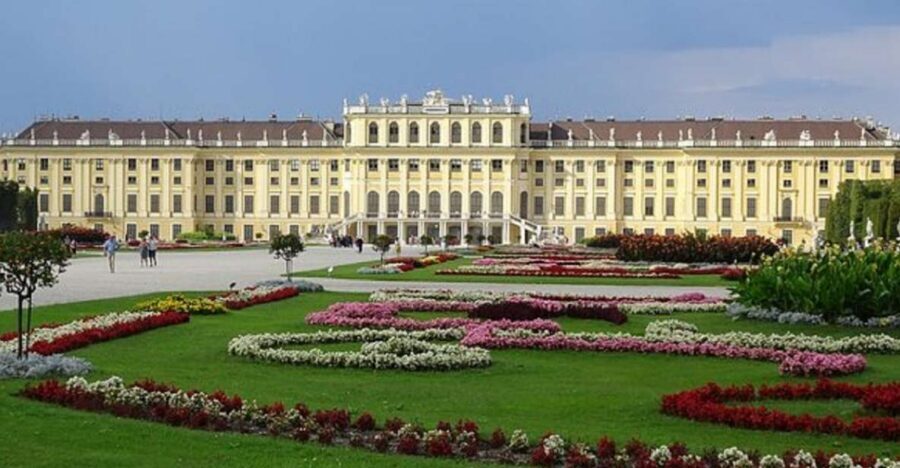
- Skip-the-line, guide-managed entry so you lose less time to queues
- Franz Josef and Elisabeth (Sisi) rooms on the first floor, framed by palace politics
- Mozart’s performance at age six and what it meant inside imperial rooms
- The biggest hall and the grand gallery used for receptions, banquets, and balls
- Maria Theresia’s former private rooms plus the Hunting Room finish
- A certified Austrian guide who can answer questions in English or German
Private Skip-the-Line at Schönbrunn: What 2 Hours Really Buys You
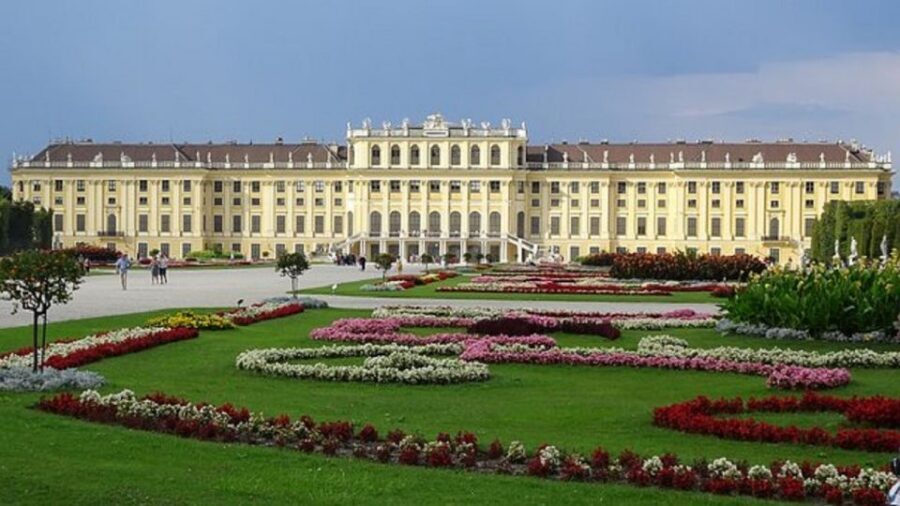
Schönbrunn Palace is famous for a reason, but it can also eat your day. This tour is built to protect your time. You get a private, 2-hour plan that focuses on the rooms people actually talk about—without wandering aimlessly or waiting around outside.
The skip-the-line part matters more than it sounds. The guide doesn’t just point; they handle the ticket situation for you so you can move toward the entrance quickly. The ticket fee itself is not included, but the time savings are real, especially when you’re visiting in peak season or at a busy hour.
Also, the private format changes how you experience palace life. In a group, you often hear highlights only. Here, you can ask about what you’re seeing right then—why certain rooms mattered, how the imperial family lived, and what the palace says about power.
You can also read our reviews of more walking tours in Vienna
Meeting Point and Getting Inside Fast (Group Center Schönbrunn)
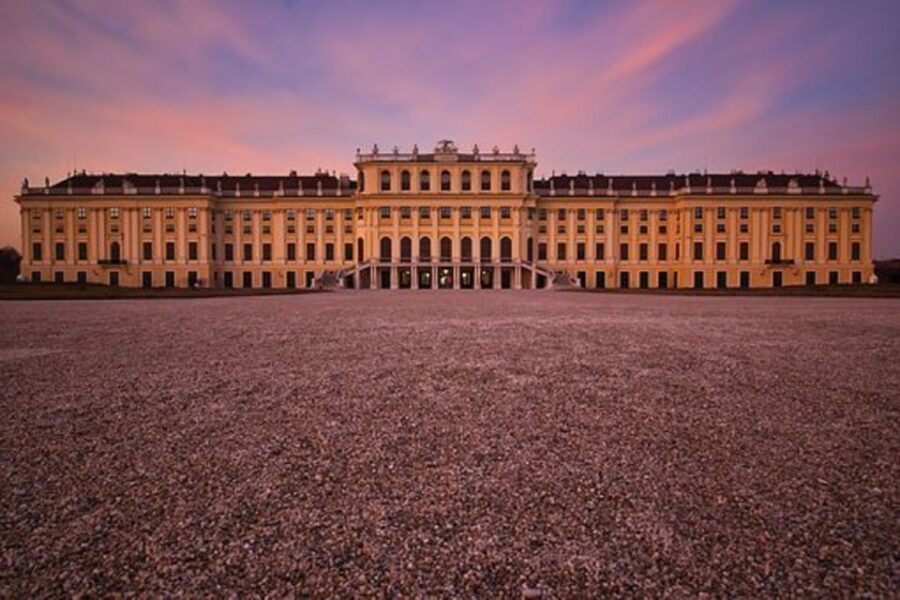
You meet your guide in front of Group Center Schönbrunn. That’s helpful because you’re not guessing where to go or trying to match faces in a crowd. Once you connect, you get a quick history overview and then you’re in motion.
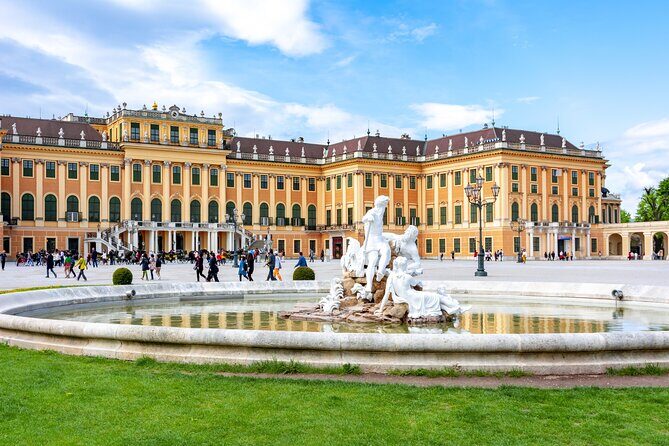
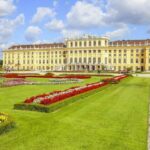
Inside, you start with the kind of first impression that makes Schönbrunn feel theatrical: an impressive entrance hall, plus a look at the lavish gardens from a distance. Even if you’ve seen palace photos before, this works better in person because your guide can steer your attention—showing you what to notice and what to ignore.
One practical tip: wear shoes you can keep on for a short but active indoor circuit. Even “just 2 hours” inside a palace can mean lots of small turns, room-to-room transitions, and time spent standing where the guide needs everyone to focus.
Franz Josef and Sisi’s Staterooms: The Couple Behind the Palace Myth
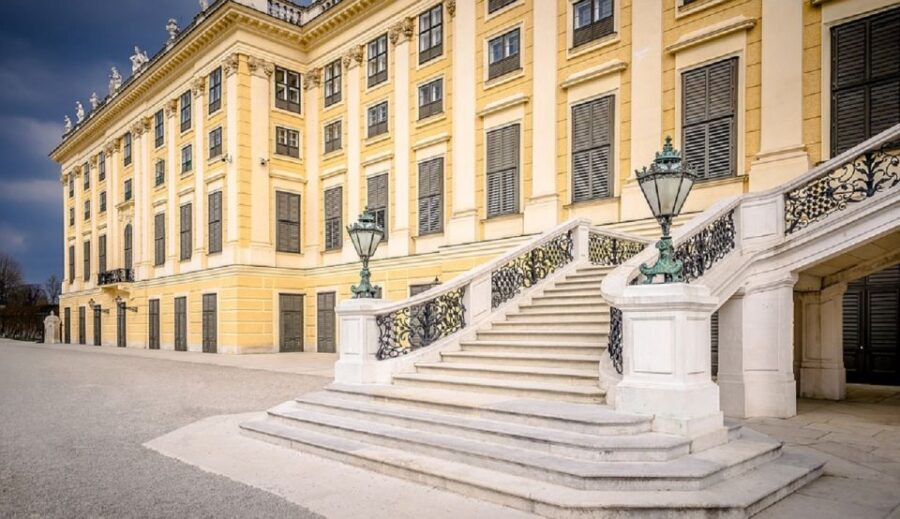
The heart of this tour is the first-floor stateroom area tied to Franz Josef and his wife, Elisabeth—usually called Sisi. I like this focus because it shifts Schönbrunn from a museum of objects into a living stage of relationships and rule.
Your guide walks you through the rooms associated with the “second last emperor” and his wife. That phrasing isn’t just a timeline detail—it sets up the emotional tone. By the time Franz Josef’s era is unfolding, the Habsburg monarchy is dealing with pressure, change, and long-term decline.
And then your guide adds the context: you’ll hear about the decay and the last years of the Habsburg Monarchy. That’s the kind of explanation that makes you stop treating the gold furniture as pure decoration. The objects and room design start to read like statements—attempts to hold onto authority even as the world shifted underneath.
You’ll also be seeing original furniture and artwork from the 18th and 19th century. That matters because these aren’t generic replicas in your guide’s script; they help you understand how court taste and court messaging evolved across two big centuries.
Mozart at Age Six: How Music Fits Into Imperial Rooms
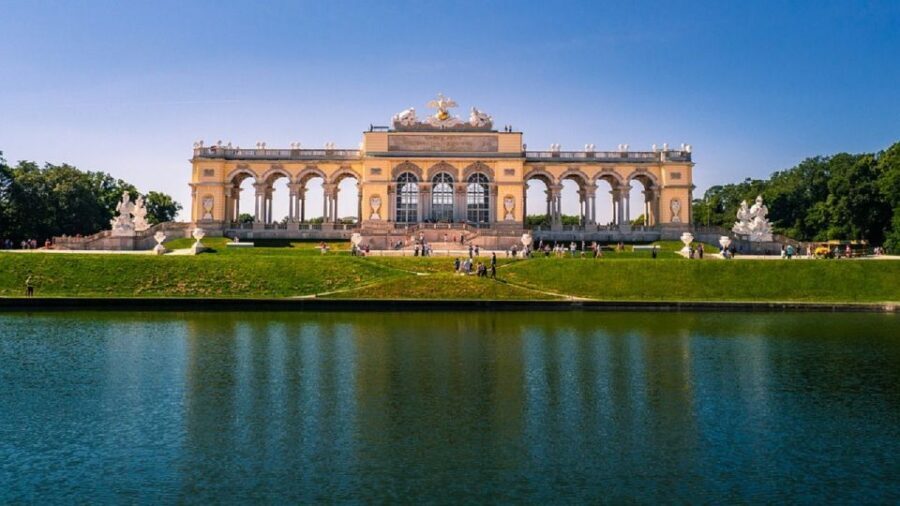
One of the most memorable moments in this tour is stopping in the staterooms where Mozart performed for the imperial family when he was six years old. This isn’t just a fun fact. It changes how you read the room.
If you’ve only seen palace tours that race past everything, you may not grasp how performance and politics could share the same space. Your guide connects the dots so you understand why court culture wasn’t separate from power. A child prodigy playing for royalty turns a room into a snapshot of prestige and ambition.
You’ll also get the sequencing that works: you start with the couple’s rooms, then you move into a broader palace narrative. That makes the Mozart stop feel like a hinge. It bridges private family life and the grand, public-facing side of imperial identity.
The Biggest Hall and Grand Gallery: Balls, Receptions, and Banquets
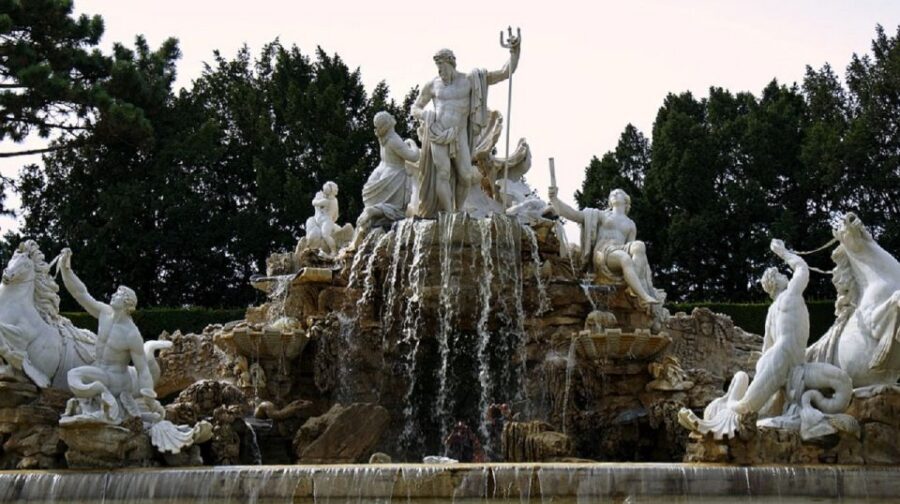
Next you’ll stand in the palace’s biggest hall and move to the grand gallery—used for balls, receptions, and even banqueting. This is where Schönbrunn becomes pure choreography: place, people, rank, and timing.
I like this part because it’s easy to visualize with the right guide. The rooms aren’t just big; they were designed to stage social order. Your guide’s explanation helps you see how the palace architecture supported events—how ceremonies were built into the space.
If you like history but also like tangible design—arches, symmetry, sightlines—this is the section that rewards you. The grand spaces are made for looking and being looked at. And your guide helps you notice why the “wow” effect was part of the strategy.
Potential drawback: because these spaces are visually impressive, you may want extra time for photos and lingering. This tour is paced tightly by design, so if you’re a slow photo taker, you might feel a little rushed at peak points. The upside is that you don’t lose time in unnecessary rooms.
You can also read our reviews of more private tours in Vienna




Maria Theresia’s Private Rooms and the Hunting Room Finish
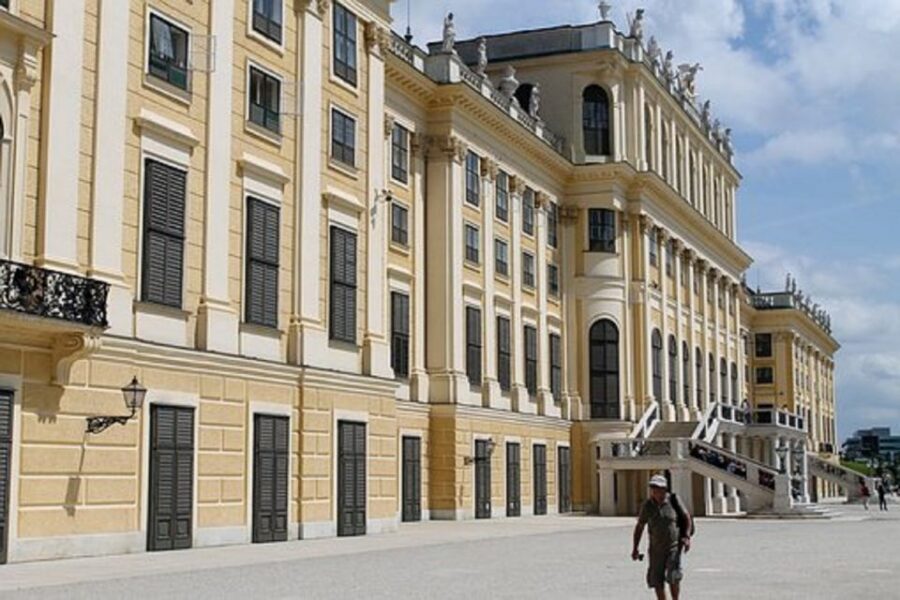
After the big, public-facing grand rooms, the tour shifts toward the former private space of Maria Theresia and Franz Stephan. This is a useful contrast. Suddenly you’re thinking about daily life—how leaders and families used rooms differently than they did for receptions.
Your guide then concludes in the Hunting Room. A hunt might sound like a throwaway detail, but it fits the broader Habsburg story: power wasn’t only about paperwork and ceremonies. It lived in leisure, ritual, and the symbol of mastery over land and resources.
I find ending in a more specific room gives the tour a stronger finish. Instead of the last stop being another highlight for walking-through sake, the Hunting Room closes the loop on court culture—private identity meeting public legend.
What the Guide Brings: Questions, Style, and Dr. Bacher’s Example
In a private tour, the guide is a large part of the product. The best sign here is that the explanations aren’t just monologue. Multiple guides are described as friendly and very well informed, with strong English, and—most importantly—guides who answer questions fully.
One name that shows up clearly is Dr. Bacher. People specifically mention that he was calm and pleasant while still friendly, and that he took time to answer questions without rushing. That kind of delivery matters at Schönbrunn, where you can easily get lost in dates and titles if the narration doesn’t tie them together.
Also, one neat touch: a reminder email the morning of the tour was mentioned as helpful. That kind of communication lowers stress, which is half the battle on a palace visit.
And yes, one review noted that the tour ran over time (for the group). That’s not a guarantee, but it signals that the guide’s goal is to make the story click, not just hit a timer.
Price and Value: Why $212 Can Be a Good Deal (If You Use the Private Format)
The price is $212 per group up to 7, for a total duration of about 2 hours. That means your cost per person can drop a lot if you’re traveling with a few others (friends, family, or a small group).
What you’re paying for isn’t only access. You’re paying for:
- Private guiding with no other participants, so you can ask questions as you go
- Skip-the-line time handled by the guide (ticket fee not included)
- A certified Austrian guide
- Focus on the rooms that tell the story well: Franz Josef and Sisi, Mozart, the grand ceremonial spaces, Maria Theresia’s former rooms, and the Hunting Room
If you were to try to DIY this, you’d still need entry tickets and you’d still face the time sink of figuring out what to prioritize. With a guide, you trade guesswork for interpretation. In palaces, interpretation is the difference between collecting facts and actually understanding why the place mattered.
One note on groups: for groups bigger than 10 people, headsets are included. So you won’t get stuck missing parts of the narration if your group is larger.
Practical Tips to Make the Most of Your Time
A few small choices can make the tour feel smoother:
- Pick a quieter time of day if you can. One person recommended an early afternoon on a Friday when it wasn’t a holiday or a day that adds extra crowd pressure.
- Bring curiosity, not just a camera. The tour is best when you ask follow-up questions about the Habsburg decline and the palace’s role in court life.
- Plan for the ticket fee separately. The tour includes the guide and skip-the-line handling, but the entry ticket itself is not included in the price you see.
If you’re doing other Vienna classics the same day, keep this tour near the top of your schedule. Schönbrunn’s rooms have a lot of emotional weight, and you’ll remember the story better when you’re not rushing from one attraction to the next.
Who This Private Grand Tour Suits Best
This tour is a great fit if you want:
- A private experience with room-by-room explanations
- A narrative that links furniture and art to real court life
- Time to ask questions rather than listening from the back of a group
It also makes sense for history lovers who like the human side. Franz Josef and Sisi are a strong anchor because they’re not just names. They’re a couple whose presence helps you feel the palace as a place where decisions and image-making happened.
If you’re traveling with limited time in Vienna, this is also a smart choice because it doesn’t try to cover everything. It picks the best rooms for understanding Schönbrunn quickly and clearly.
Should You Book This Schönbrunn Grand Tour?
If you want the easiest path through Schönbrunn—private guide, skip-the-line entry handled for you, and a story that connects the palace to the late Habsburg years—then yes, I’d book it. The value is strongest when you can spread the $212 across a small group and when you care about interpretation, not just checking rooms off.
If you’re the type who enjoys wandering freely and you already know exactly which rooms you want to see, you might not need a private guide. But if you’d rather spend your 2 hours getting meaningful context—Mozart at age six, the grand ceremonial spaces, and the personal rooms tied to Maria Theresia—this tour is built for that.
If you’re considering it, you can also take comfort in the fact that there’s free cancellation up to 24 hours and a reserve now, pay later option, which helps if your Vienna schedule is still flexible.
FAQ
What is included in the Schönbrunn Grand Tour?
The tour includes a certified Austrian guide, a private tour with no other participants, and skip-the-line entry where the guide fetches the ticket for you without waiting time. The entrance ticket cost is not included.
How long is the tour?
The tour lasts about 2 hours.
Is the tour really private?
Yes. It’s a private group with no other participants in the group.
What does skip-the-line mean here?
It means the guide will fetch the ticket for you so you don’t stand in line waiting time. You still need to pay the entrance ticket fee separately.
What rooms and themes are covered?
You’ll see the palace entrance areas, staterooms on the first floor connected with Franz Josef and Elisabeth (Sisi), rooms tied to Mozart’s performance at age six, the biggest hall and grand gallery for balls and receptions, former private rooms of Maria Theresia and Franz Stephan, and the Hunting Room. You’ll also hear about the decay and last years of the Habsburg Monarchy and see original 18th and 19th century furniture and artwork.
What languages are available?
The live guide offers English and German.
Is the tour wheelchair accessible?
Yes, the tour is wheelchair accessible.