REVIEW · VIENNA
Vienna Art Nouveau Walking Tour
Book on GetYourGuide →Operated by insightcities.com · Bookable on GetYourGuide
Vienna hides art history in daily transit. This tour connects Otto Wagner’s Art Nouveau metro vision to the real, still-used stations around the Ringstrasse. I especially like how the guide explains the design logic behind Wagner’s work, and how the walking stretches make it easy to spot Jugendstil symbols and materials up close. I also like seeing masterpieces that still do their job, especially the best-preserved station stops and the emperor’s imperial stop at the end. The only catch: major interiors like the Otto Wagner Pavillon and the Secession House cost extra, and the Klimt stop depends on the day.
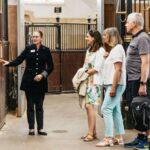
In about 3 hours, you get a smart mix of short walks, quick metro rides, and guided time at multiple landmark buildings. People have praised guides like Wolfgang, Peter, and Guissepina for staying friendly and answering lots of questions, especially when the group is small and can be tailored.
In This Review
- Key Points to Know Before You Go
- Vienna’s Art Nouveau Metro: why this isn’t just another architecture walk
- Starting at Café Museum: a smart kickoff near Vienna’s core
- Otto Wagner’s Karlsplatz Pavillon: where the story starts in a building-first way
- The walk toward Stadtpark: spotting Art Nouveau where it still functions
- Kettenbrücke and the Secession House: Jugendstil with an opinion
- Seeing Wagner’s apartment houses: art that lived above the street
- Österreichische Postsparkasse: civic design that feels personal
- The emperor’s imperial station near Schönbrunn: architecture with a political job
- What I think is good value in a $176, 3-hour tour
- Who should book this (and who might want a different tour)
- Should You Book This Vienna Art Nouveau Walking Tour?
- FAQ
- FAQ
- How long is the Vienna Art Nouveau Walking Tour?
- How much does the tour cost?
- Where do I meet the guide?
- What’s included in the price?
- What is not included?
- Do I need to pay extra for the Secession House?
- When does the tour include Klimt’s Beethoven Frieze?
- Does the tour include metro stops?
- Is the tour only for large groups?
- What’s the language of the guide?
Key Points to Know Before You Go
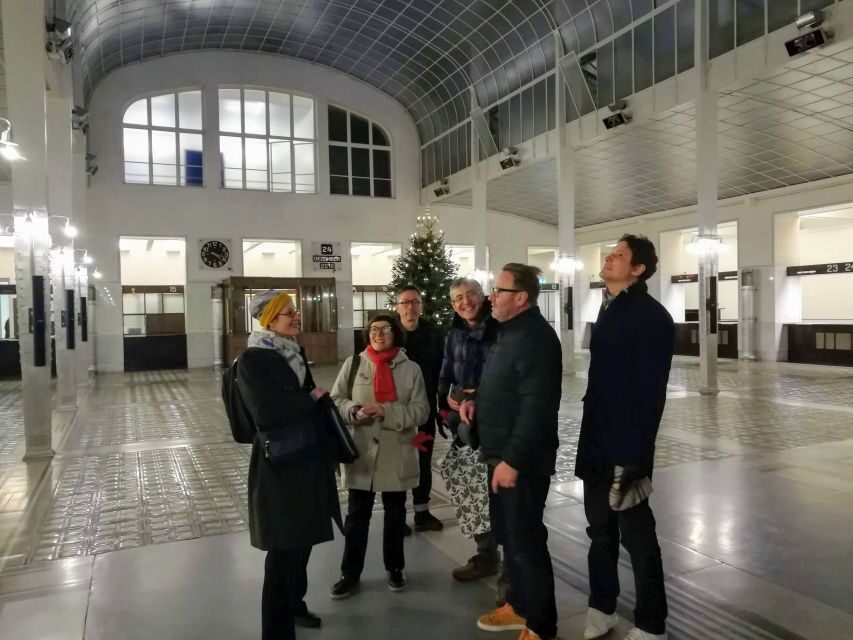
Wagner’s metro, explained: You’ll learn how Vienna’s leaders used public transit to connect suburbs to the center, and how Wagner made it instantly recognizable.
Working Art Nouveau stations: You’ll see still-used stations where design details haven’t just been preserved—they’ve stayed relevant.
Secession House detour (sometimes with Klimt): On Tuesday to Sunday you’ll see Gustave Klimt’s Beethoven Frieze, with admission sold separately.
Symbol meets power: The emperor-focused imperial station isn’t just pretty; it was built with critics in mind.
Extra Wagner architecture stops: Expect guided looks at other Otto Wagner buildings, including an apartment-house pair and Österreichische Postsparkasse.
Small-group energy: Private or small groups help the guide shape the pace and focus.
Vienna’s Art Nouveau Metro: why this isn’t just another architecture walk
Vienna’s Art Nouveau story isn’t stuck in museums. It’s tied to a very real problem: rapid population growth in the late 1800s meant the city needed fast, modern public transportation. The Ringstrasse became a key backbone, and the metro idea wasn’t just about moving people—it was about projecting Vienna’s identity.
That’s why Otto Wagner’s approach matters. He didn’t treat the metro as plain infrastructure. His goal was iconographic design—easy to recognize—and a look that could signal Vienna’s cosmopolitan, outward-looking mindset. You’ll hear how that pushed him toward the international avant-garde style we now call Jugendstil.
On this tour, the magic trick is the pacing. You won’t just admire decorative details from afar. You’ll get the why behind them, and then you’ll see the how in places you can still reach and use today.
You can also read our reviews of more walking tours in Vienna
Starting at Café Museum: a smart kickoff near Vienna’s core
You meet at Café Museum, at Operngasse 7 (1010 Vienna). It’s a convenient starting point because it puts you in the historic center zone, where the later architecture makes quick sense as you move outward and then back.
This is also where the guide typically sets the frame: what to look for in Art Nouveau, how symbolism shows up in materials, and why Wagner’s metro design is different from the more ordinary “decorated building” idea. It helps you read what you’re about to see, instead of treating it like a checklist.
If you enjoy being taught how to see, this kickoff is your advantage. The guide names patterns you can spot immediately, like repeating motifs and the way structure and ornament are treated as one system.
Otto Wagner’s Karlsplatz Pavillon: where the story starts in a building-first way
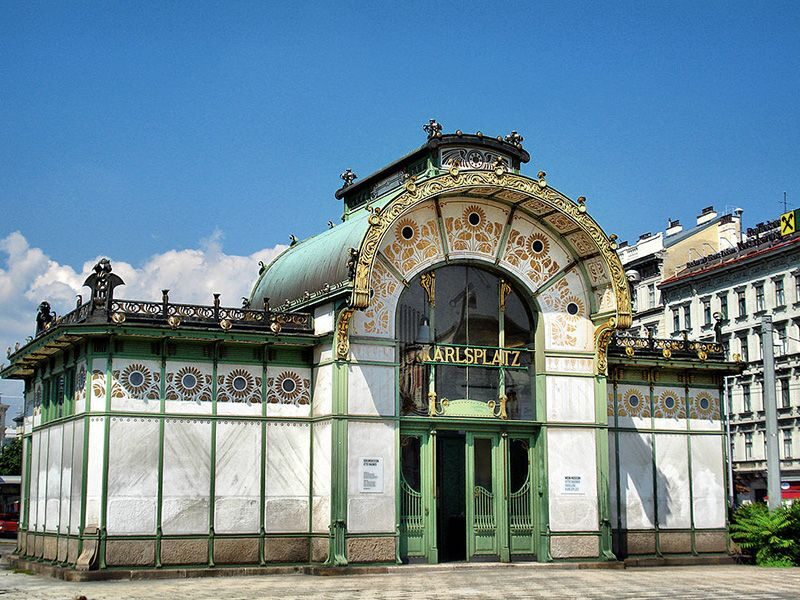
After meeting, your focus shifts to the Wien Museum Otto Wagner Pavillon at Karlsplatz. This is where the tour’s Art Nouveau logic comes into focus, because you’re not just strolling past a famous facade—you’re being shown what it represents.
You’ll get a guided visit in the Wagner pavilion area and time connected to a small Wagner museum. Since admission to the Otto Wagner Pavillon is not included, you should be prepared to pay separately if the group schedule requires entry. The upside is that this place gives context that makes the next stations easier to understand.
Practical tip: if you’re the kind of traveler who likes to plan photo stops, Karlsplatz is a strong place to start. You can get your bearings before the walk and the transit elements begin.
The walk toward Stadtpark: spotting Art Nouveau where it still functions
From the Karlsplatz area, you’ll move toward Stadtpark station, highlighted as the best-preserved original metro station still in use. That’s a key line for anyone who cares about authenticity: you’re not seeing a reconstructed concept. You’re seeing a station that has kept its identity over time.
As you walk, the guide helps you notice how Art Nouveau shows up in practical parts of the station experience—how surfaces and design elements create an atmosphere, and how the building language supports the sense of Vienna’s modernity.
This is one of my favorite parts of the tour because it changes your relationship with public transit. Instead of thinking of stations as gray space you pass through, you start to notice them as designed interiors. The experience makes your photos look better, but it also makes your brain stop treating transit as background noise.
Kettenbrücke and the Secession House: Jugendstil with an opinion
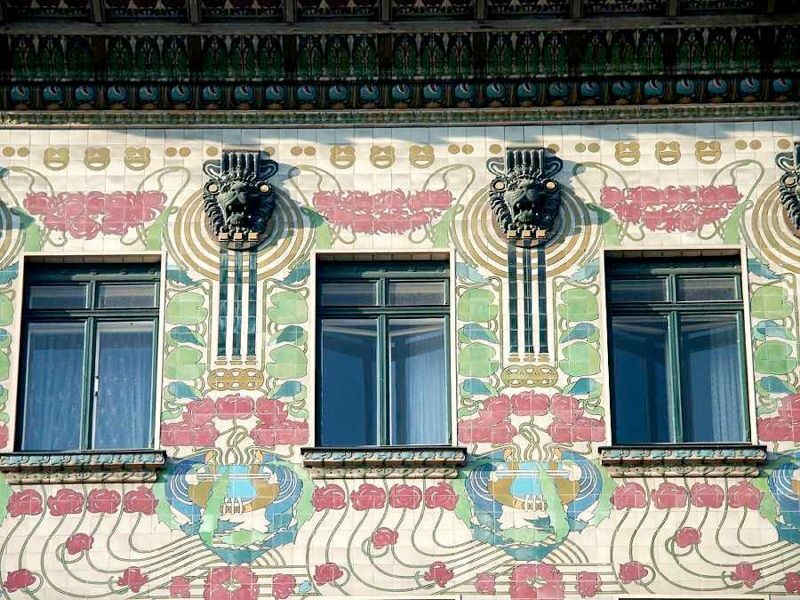
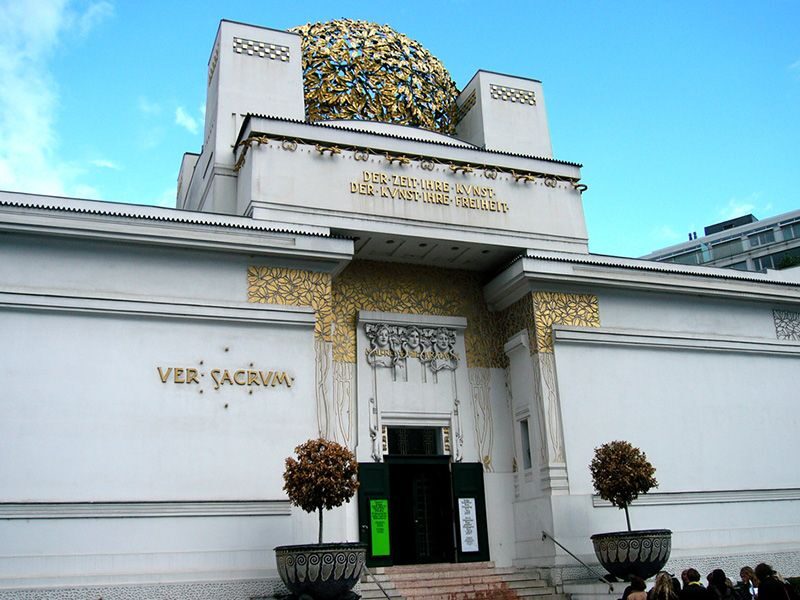
Next comes Kettenbrücke station, and on the way, you’ll detour to the Sezession House—often treated as the icon of Viennese Jugendstil. This stop is where the tour goes beyond style and into meaning.
The big deal here is Gustave Klimt’s Beethoven Frieze, which the tour can include on Tuesday to Sunday. The important part: Secession House admission is not included, and the cost is €9.50 for adults and €6 for students and seniors. Your guide will help you pay so you don’t lose time.
What you’ll take away isn’t just what Klimt painted, but why it belongs in the Art Nouveau conversation. The Secession movement wasn’t only about decoration—it was about attitude. And once the guide connects that mindset to Wagner’s approach, the metro stations start to feel like part of a bigger cultural debate, not separate projects.

Seeing Wagner’s apartment houses: art that lived above the street
As you move around the Kettenbrücke area, you’ll also see two apartment houses designed by Otto Wagner. This matters because Wagner’s influence isn’t limited to civic buildings.
It’s one thing to look at grand architecture. It’s another to see how the same design principles and materials show up in places where normal life happens. You’ll have a chance to consider how Art Nouveau’s symbol language and preferred materials show up in everyday structure—so the style feels less like a poster and more like lived design.
If you’re the kind of person who loves detail, this is a good time to slow down. The guide points you toward specific cues so you don’t just look up and keep walking.
Österreichische Postsparkasse: civic design that feels personal
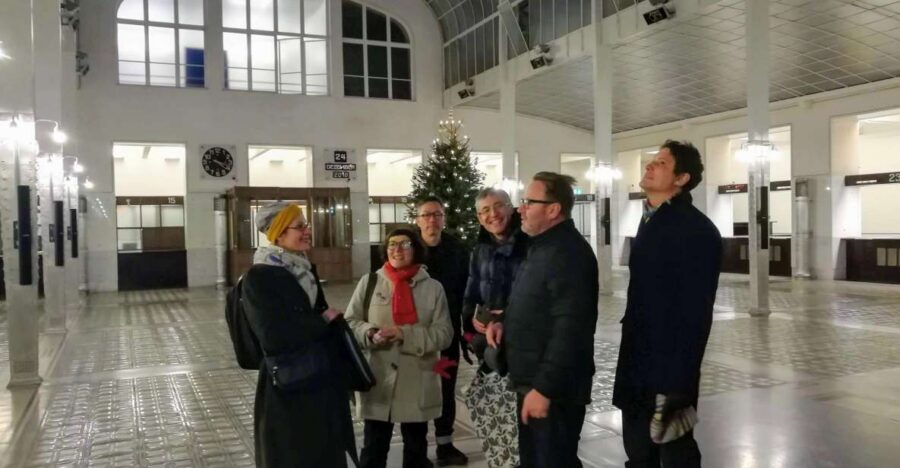
Your tour also includes a guided stop at Österreichische Postsparkasse. This is another Otto Wagner building, and it’s a nice shift from stations and exhibition-style symbolism into a big-function public building.
The value here is recognition. By the time you reach this stop, you’ve already been coached on what to look for—so you start to see Wagner’s design habits across different building types. The style isn’t random. It’s consistent, and that consistency helps you build a mental map of Vienna’s architectural identity.
Even if you’re not a design-nerd, you’ll likely enjoy this stop because it shows Art Nouveau as a practical system: function plus form, not decoration plus delay.
The emperor’s imperial station near Schönbrunn: architecture with a political job
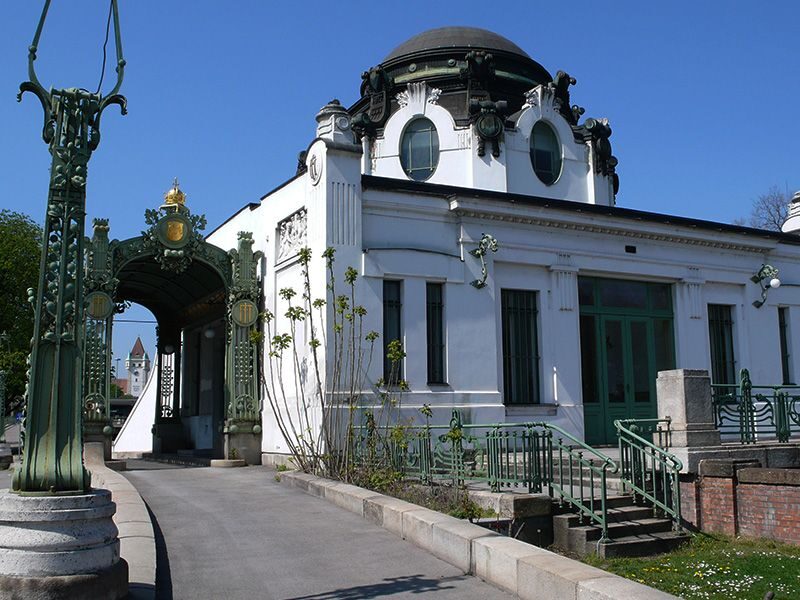
The final act is where the story turns sharp. From Kettenbrücke, you step onto the metro for the last stop: the imperial station, erected outside Schönbrunn solely for the emperor’s use.
This isn’t just about royal access. The station had a symbolic purpose too. Vienna’s metro line had critics, and Wagner’s imperial station became a public signal that the emperor supported the project. In other words: architecture used as persuasion.
When you’re standing in the space, you’ll get the explanation of how Wagner translated a more bourgeois Art Nouveau style into something with imperial grandiosity. That’s a fascinating lens for modern travelers because it reminds you that design choices always carry messages.
And yes—you’ll feel the humor in it once explained. The metro isn’t only for commuters. It’s also for convincing skeptics.
What I think is good value in a $176, 3-hour tour
At $176 per person for about 3 hours, this tour isn’t bargain-basement pricing. But for the format, I think it’s fair—assuming you value expert guidance and you want more than quick photo stops.
Here’s what you’re paying for, in real terms:
- A historian guide who connects transit history to Art Nouveau design choices
- Multiple landmark stops tied to Otto Wagner and Jugendstil
- Guided time at key sites (including the Wagner pavilion area and major architecture)
What’s not included can matter for your budget:
- Otto Wagner Pavillon admission (not included)
- Secession House admission, with added fees for Klimt’s Beethoven Frieze on Tuesday to Sunday
So the value equation changes depending on whether you plan to enter those sites and which day you go. If you’re okay with paying admission for the top interiors, the tour price can feel like a good way to “buy” clarity—someone else does the connecting of dots for you.
Who should book this (and who might want a different tour)
This is ideal if you:
- Like architecture that has a purpose beyond aesthetics
- Want to understand how art styles connect to politics and city planning
- Enjoy small-group pacing and conversation, not just standing in front of buildings
- Are curious about Vienna’s metro story and why it reshaped the city
It may be less ideal if you:
- Only want quick exterior photos and don’t want guided interpretation
- Dislike tours where some stops can require extra paid admission
- Prefer longer museum time over walking and transit moves
The good news is that private or small groups are available, and people have highlighted that guides can tailor the pace when the group is tiny.
Should You Book This Vienna Art Nouveau Walking Tour?
If you like the idea of Vienna’s Art Nouveau showing up in everyday life—especially in places you can reach and use—then yes, you should book this. The structure connects transit history, Wagner’s design philosophy, and the Secession movement in a way that makes each stop click.
Just go in with two expectations: you’ll need to plan for separate admissions at certain interiors, and the Klimt Beethoven Frieze visit depends on the day (Tuesday to Sunday). If that works for your schedule, this tour is a satisfying mix of story, design, and real city experience.
FAQ
FAQ
How long is the Vienna Art Nouveau Walking Tour?
It lasts about 3 hours.
How much does the tour cost?
The price is $176 per person.
Where do I meet the guide?
The meeting point is Café Museum, Operngasse 7, A-1010 Vienna.
What’s included in the price?
The tour includes a 3-hour guided experience and a historian guide.
What is not included?
Admission to the Otto Wagner Pavillon is not included, and Secession House admission is also not included.
Do I need to pay extra for the Secession House?
Yes. Secession House admission costs €9.50 for adults and €6 for students and seniors, and your guide can help you pay.
When does the tour include Klimt’s Beethoven Frieze?
If your tour is Tuesday to Sunday, you will visit the Secession House to see Gustave Klimt’s Beethoven Frieze.
Does the tour include metro stops?
Yes. You’ll visit original metro stations, including Stadtpark and Kettenbrücke, and you’ll end with a visit to the imperial station.
Is the tour only for large groups?
No. Private or small groups are available.
What’s the language of the guide?
The tour is guided in English.