REVIEW · VIENNA
Vienna: Romantic Classics Piano, Violin, and Cello Concert
Book on GetYourGuide →Operated by Konzerte im Mozarthaus KG · Bookable on GetYourGuide
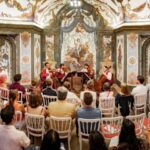
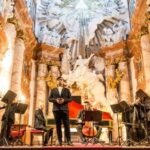
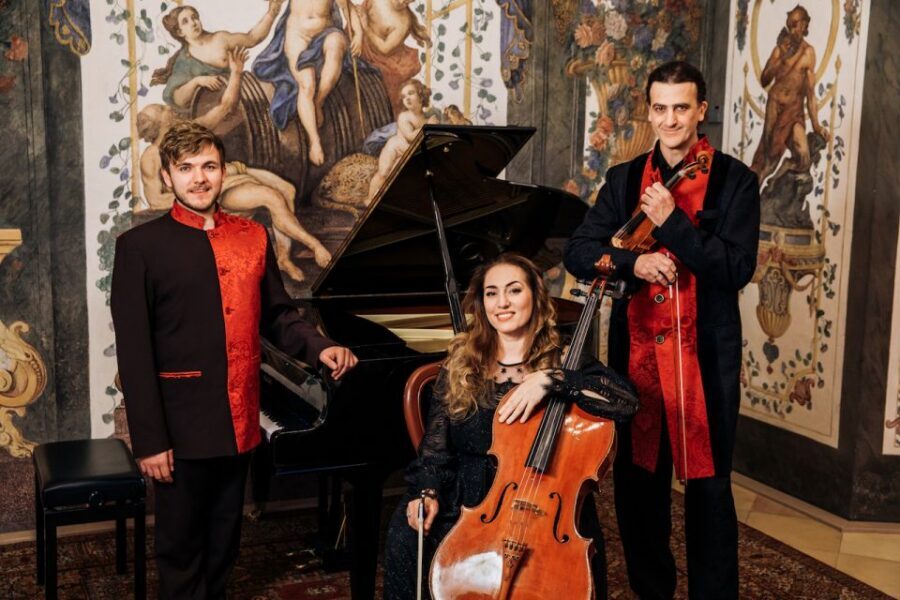
Love stories, but in 90 minutes of music. This Romantic Classics concert at the Mozarthaus pairs world-famous composers with an up-close chamber-hall vibe, plus those expressive frescoes in the Sala Terrena. You’ll spend the evening inside a place that feels made for emotional classical music.
I especially like the mix of sound and intimacy. The acoustics are clear enough to catch every detail, and the close-up staging helps you feel the performers’ timing and phrasing, not just hear it.
One thing to plan around: the break can involve cash-only refreshments outside, and signage for toilets isn’t super obvious. In a small venue, that small hassle matters more than you’d expect.
In This Review
- Key things to know before you go
- A romantic Vienna concert in the Mozarthaus (90 minutes)
- Finding the venue near St. Stephen’s Cathedral without stress
- The small-hall sound: why the acoustics are the real star
- Your seat choice changes the feeling: student, back row, closer
- Who you’re listening to: Claudio Bentes, Dushan Sretovic, Teodora Miteva
- Beethoven, Chopin, Mozart, and friends: what each piece is doing
- Opening chamber energy: Haydn’s Trio all’ungarese
- Moonlight and momentum: Beethoven’s Moonlight Sonata
- A playful twist: Mozart with a butter note
- Beethoven returns with drive: Sonata op. 2
- Liszt’s love-breath moment: Un sospiro
- Two Chopin pieces: nocturne + an étude
- Bach’s cello backbone: Suite in G major (BWV 1007)
- Paganini and drama: Caprice 13
- Saint-Saëns Swan elegance and Massenet’s meditation
- A final Romantic thread: Schubert’s Trio in E-flat major
- Included basics and small on-site tips that matter
- Price and value: is $69 worth it in Vienna?
- Who this concert suits best (and who might want something else)
- Final thoughts: should you book this Vienna piano-violin-cello concert?
- FAQ
- How long is the Vienna Romantic Classics concert?
- Where is the meeting point?
- What languages are available for the host or greeter?
- How much does it cost?
- Is there a cloakroom at the concert?
- Is the venue wheelchair accessible?
- Which composers will I hear?
Key things to know before you go
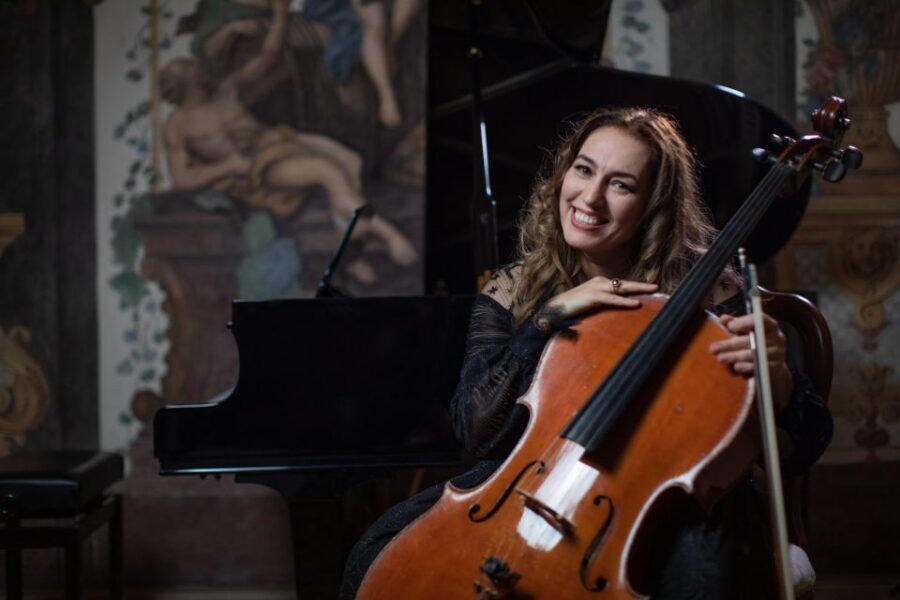
- Fresco-filled Sala Terrena setting that makes the concert feel special without being stuffy
- Excellent acoustics in a small room, so quiet notes carry their meaning
- Romantic Classics program with Beethoven, Chopin, Mozart, Liszt, Schubert, and more
- A real seat choice (student, back row, or closer) that changes how personal the performance feels
- Cloakroom included, which is handy on cool Vienna evenings
- Quick location check: about 150 meters from St. Stephen’s Cathedral, near Deutschordenskirche
A romantic Vienna concert in the Mozarthaus (90 minutes)
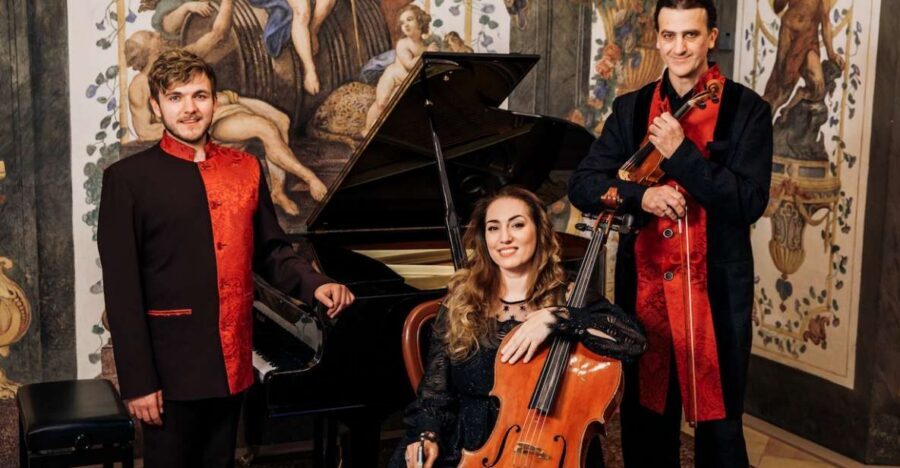
If you want a Vienna evening that feels both elegant and human-scale, this piano-violin-cello concert is one of the best ways to do it. At 90 minutes, it hits the sweet spot: long enough for a proper musical arc, short enough that you won’t get restless between movements.
The atmosphere is built for emotion. This is called Romantic Classics, and the program leans into big feelings: moonlit tenderness, lyrical dreams, sudden drama, and melodies that practically melt into the next phrase. You’re not sitting through a lecture or waiting for a “big moment.” The music keeps pulling you forward.
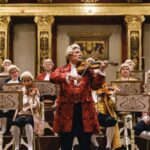
I also like that the concert doesn’t feel like a generic highlight reel. Yes, you’ll recognize major composers, but you’ll hear them through performance choices that highlight contrast: piano as narrator, violin as storyteller, cello as weight and warmth, and strings that can go from delicate to fierce without losing control.
A few more Vienna tours and experiences worth a look
Finding the venue near St. Stephen’s Cathedral without stress
This is easy to reach on foot, and that matters when you’re trying to enjoy Vienna rather than sprint across it. The venue is about 150 meters from St. Stephen’s Cathedral, so you can pair the concert with an earlier stroll in the area.
Arrive 15 minutes early. You’ll enter through the gate at Deutschordenskirche, where you’ll also find a poster stand for Mozarthaus concerts. That timing gives you enough space to get your bearings, check the room, and settle in before the first notes start flying.
Practical note: the cloakroom is included, which helps if you’re wearing a coat during Vienna’s cooler months. In a small hall, dropping your bag and coat quickly keeps you from turning your arrival into a two-part process.
The small-hall sound: why the acoustics are the real star
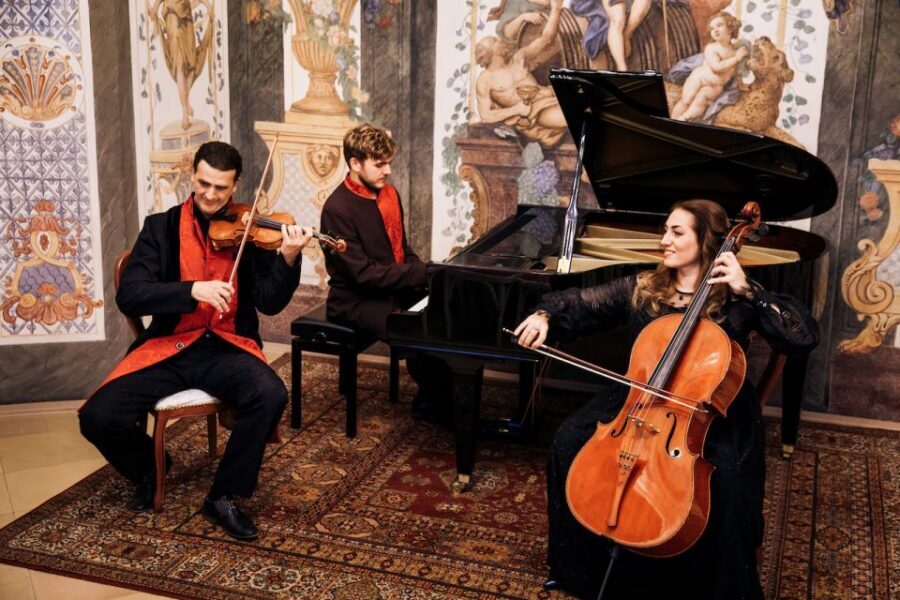
This concert’s biggest strength is sound. The room is relatively small, and that’s not a drawback here. It’s why every note lands with clarity and depth. When you can hear details clearly, you don’t just enjoy the melody—you catch the breathing in the phrasing and the exact moment a performer changes color.
You’ll also notice how synchronized the ensemble playing feels. In chamber music, balance is everything. Here, it comes across as precise and expressive, with instruments working together rather than competing for attention.
And because the setting is intimate, the emotional effects don’t get diluted. A slow movement isn’t just “quiet.” You hear the structure. A lyrical passage isn’t just “pretty.” It sounds shaped—like someone carefully turning a key.
Your seat choice changes the feeling: student, back row, closer
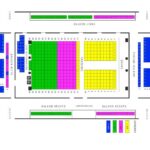
You can pick from student tickets, back row tickets, or seats closer to the performers. That option is more meaningful than it sounds.
- If you sit closer, the concert becomes more personal. You’ll likely see bow changes, subtle hand movements on keys, and those micro-timed gestures that help an ensemble stay together.
- Back row seats can still work if you’re focused on the big picture and overall sound. In a good small hall, the back doesn’t turn into a “distant view” so long as acoustics stay strong.
- Student tickets are usually a smart way to enjoy a high-quality performance at a more comfortable price point, as long as you’re okay with less visual closeness.
If you’re the type who watches how musicians communicate with their instruments, choose closer. If you just want the music clean and centered, either option can work well. In Vienna, I’d rather spend money on the right seat than on a longer, louder night out.
Who you’re listening to: Claudio Bentes, Dushan Sretovic, Teodora Miteva
The program is performed by standout professionals, and that talent comes through in control and expressiveness.
Violin is led by Claudio Bentes, whose playing anchors the evening with character—especially when the music turns lyrical or suddenly urgent. The violin line in Romantic repertoire can either glide beautifully or turn too sweet; here, it feels deliberate and alive.
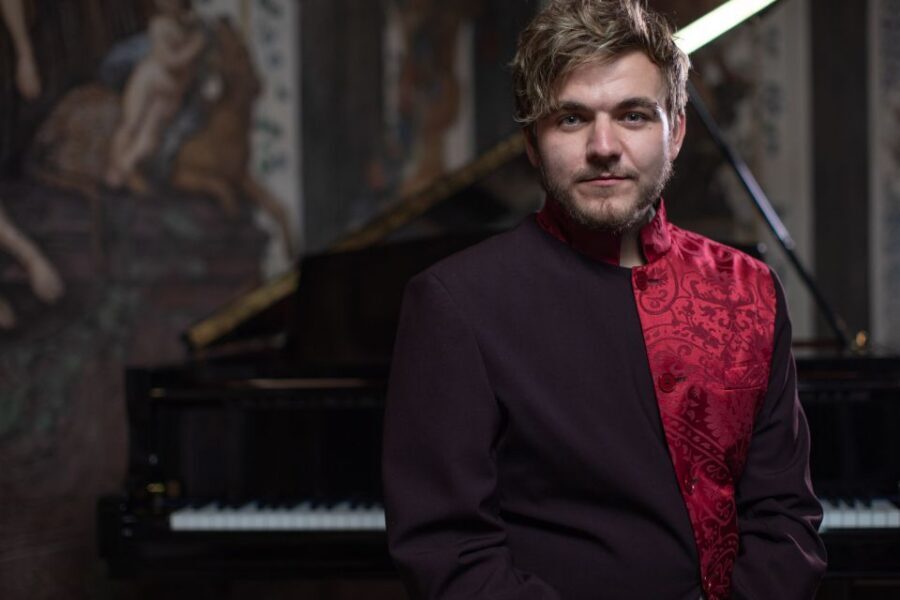
The piano spotlight goes to Dushan Sretovic, a multiple award-winning virtuoso known for his Chopin interpretations. If Chopin is your main reason for going, you’re in the right place. Chopin takes nuance: not only technique, but also the ability to make ornamentation sound like a voice, not a flourish.
You’ll also hear Teodora Miteva, described as an outstanding soloist with numerous international competition wins. Her presence adds another layer of artistry to the mix, so you’re not just hearing the same personality all night.
The result is what you want from a piano-violin-cello concert: variety without chaos. The musicians sound in sync, and when the emotional temperature changes, it feels intentional.

Beethoven, Chopin, Mozart, and friends: what each piece is doing
The concert weaves through Romantic-era moods with classical structure underneath. Here’s how the listed program tends to “feel” as it moves along, and why those choices matter.
Opening chamber energy: Haydn’s Trio all’ungarese
The evening begins with J. Haydn, Trio all’ungarese (Hob XV:25), moving from Andante into Poco Adagio and then into a Finale Rondo. Haydn’s writing is often the secret sauce behind later styles: clear form, rhythmic personality, and phrasing that feels conversational.
This opener is a smart start because it wakes up your ears. Even if you’re tired from sightseeing, the trio’s movement keeps you attentive.
Moonlight and momentum: Beethoven’s Moonlight Sonata
Next comes L. van Beethoven, Moonlight Sonata (Adagio). This is the piece most people associate with stillness, but it’s not empty stillness. In performance, it’s about tension held politely, so the music feels like it’s glowing from the inside.
If you’ve ever wondered why Moonlight Sonata hits so hard, it’s because the melody doesn’t just repeat—it evolves through tone and timing.
A playful twist: Mozart with a butter note
You’ll hear W. A. Mozart, La tartine de beurre (Das Butterbrot). This one is lighter and a fun contrast in the program flow. It breaks the seriousness without killing the mood, and it gives the performers space to show agility and musical humor.
Vienna is full of grand monuments. This kind of piece adds a human scale to the evening.
Beethoven returns with drive: Sonata op. 2
Then Beethoven, Sonate op. 2, Allegro con brio steps up the pace. Allegro con brio is where the music sharpens. Brio means spirit, and this kind of writing is made for clean articulation and firm ensemble balance.
This is a great mid-program “wake-up” so you’re not stuck in one emotional temperature.
Liszt’s love-breath moment: Un sospiro
F. Liszt, Un sospiro is short but emotionally heavy, the kind of piece where a single phrase can feel like a full scene. Liszt often writes with vocal thinking—like the piano is breathing.
If you like your Romantic music to feel like storytelling, this is the kind of moment you’ll remember.
Two Chopin pieces: nocturne + an étude
Chopin appears twice:
- Nocturne in C minor op. 48/1
- Étude op. 10/1 in C major
The nocturne tends to bring atmosphere—expressive, intimate, and built on control. The étude is different: it demands clarity and technique, but the performance choice still makes it musical instead of mechanical.
Because the piano spotlight is strong here, the Chopin set is a big reason to attend even if you’re not a total hardcore classical fan.
Bach’s cello backbone: Suite in G major (BWV 1007)
Then you get J. S. Bach, Cello Suite in G major (BWV 1007– Allegro). Bach for solo cello is one of those experiences where you realize how much a single instrument can do—rhythm, melody, and harmony all at once.
Even though the suite includes multiple sections, the selected Allegro keeps things lively. It’s a structural reset: crisp lines and an anchored musical logic after the freer Romantic mood.
Paganini and drama: Caprice 13
N. Paganini, Caprice 13 brings virtuoso flair. This is where attention usually tightens, because caprices thrive on speed, control, and fearless musical confidence.
If you enjoy the “wow” factor, this delivers it without turning the concert into noise.
Saint-Saëns Swan elegance and Massenet’s meditation
Next you’ll hear:
- C. Saint-Saëns, The Swan
- J. Massenet, Thais – Meditation
The Swan is graceful and instantly recognizable. It also tests how well performers can sustain tone and keep phrasing smooth instead of decorative.
Thais – Meditation offers a more devotional, yearning feel. Together, these pieces create a clean emotional arc: elegance, then tenderness.
A final Romantic thread: Schubert’s Trio in E-flat major
The program closes with F. Schubert, Trio in Es Major op. 100 – Andante con moto. Schubert is built for bittersweet beauty, and chamber writing lets you hear how melody and harmony lean on each other.
Andante con moto is calm with movement—perfect for ending on something that feels both complete and alive.
Included basics and small on-site tips that matter
Tickets include a cloakroom and the concert. That’s it—simple, straightforward. No complicated package details to decode.
You’ll also have a break, and that’s where you need to manage expectations. One review notes refreshments could be bought with cash only outside during the break, and there can be basic friction around toilet signing (not hard to find, just not well indicated). None of that ruins the concert, but if you like to plan, take a minute to locate restrooms early before you get comfortable.
Host or greeter support is available in English and German, which is helpful if you have questions about where to go when you arrive.
Price and value: is $69 worth it in Vienna?
At $69 per person for a 90-minute concert, you’re paying for a focused, high-quality live performance rather than a long entertainment bundle. The value is strongest if you care about sound quality and performance detail.
Here’s why I think it’s good value:
- You get a full program of major classical names—Beethoven, Chopin, Mozart, Liszt, Schubert, plus additional composers throughout the set.
- It’s a chamber-style setting with piano, violin, and cello, which usually means more ensemble precision than a larger orchestra concert.
- The small venue contributes to the kind of listening experience people travel for, not just something to fill an evening.
If you mainly want entertainment and don’t care about attentive listening, you might feel this is a bit pricey for a concert. But if you like music you can hear clearly and interpret emotionally, it’s a solid spend.
Who this concert suits best (and who might want something else)
This is a great match if you:
- want a romantic, classical evening close to major sights
- enjoy hearing recognizable composers with strong performers
- like intimacy: being in the same room where instruments are producing every note
It may be less ideal if you:
- want a casual nightlife vibe with lots of mingling
- dislike quiet, seated listening and need lots of action to stay engaged
- need easy, well-signposted break amenities without any friction
For most people doing Vienna properly, this lands in the sweet spot: classy, musical, and practical.
Final thoughts: should you book this Vienna piano-violin-cello concert?
Yes, if you want an evening that feels thoughtfully put together and sounds excellent. The biggest selling point is the combination of intimate acoustics and strong musicianship, especially around the Beethoven and Chopin moments.
Book it if you can get a seat closer to the performers. If the closer seats are sold out, back row can still be fine in a hall known for clear sound.
If you’re on the fence, ask yourself one question: do you want to experience Vienna through listening, not just sightseeing? If the answer is yes, this is one of the easiest “right choice” evenings you can make.
FAQ
How long is the Vienna Romantic Classics concert?
The concert lasts 90 minutes.
Where is the meeting point?
The venue is about 150 meters from St. Stephen’s Cathedral. Enter the gate at Deutschordenskirche, where you’ll also see a poster stand for Mozarthaus concerts.
What languages are available for the host or greeter?
The host or greeter speaks English and German.
How much does it cost?
The price is $69 per person.
Is there a cloakroom at the concert?
Yes, a cloakroom is included.
Is the venue wheelchair accessible?
Yes, the experience is wheelchair accessible.
Which composers will I hear?
Based on the concert description, you’ll hear works by Beethoven, Chopin, Mozart, Liszt, Schubert, and Brahms, along with additional composers in the program.