REVIEW · VIENNA
Vienna: Walking Tour of the Historic Ringstrasse
Book on GetYourGuide →Operated by Husa Travel Events · Bookable on GetYourGuide
The Ringstrasse tells Vienna’s power story on foot. I love how this walk spotlights ornate details most people miss, then connects them to real lives behind the facades. You’ll get a tight, central route where architecture becomes a clue for how Vienna was built.
One thing to weigh: with only 2 hours, the pace is brisk. If you’re the type who wants slow, deep architectural analysis at every stop, you may feel a bit time-pressed.
In This Review
- Key highlights to look for on this Ringstrasse walk
- The Ringstrasse plan: from old walls to a grand civic belt
- Meeting at Liebenberg-Denkmal: how the 2-hour walk flows
- Palais Ephrusi and the Amber Eyes connection
- Votive Church and the University of Vienna: faith and learning in one view
- City Hall, Burgtheater, and Parliament: Vienna’s public face
- Heldenplatz and the statues that keep the story grounded
- Museums and Volksgarten: the garden breaks that reset your eyes
- Statues and names: Liebenberg and the people behind the Ring
- Price and value: what $353 for up to 8 people really means
- What I’d watch for during the tour (and why it helps)
- Who this Ringstrasse walk suits best
- Should you book this Vienna Ringstrasse walking tour?
- FAQ
- How long is the Vienna Walking Tour of the Historic Ringstrasse?
- Where is the meeting point?
- How much does the tour cost?
- What’s included in the price?
- Is hotel pickup or drop-off included?
- What do I need to bring?
- What languages is the live guide speaking?
Key highlights to look for on this Ringstrasse walk

- A 19th-century “city plan” story: why Emperor Franz Josef demolished the old walls and reshaped Vienna’s core.
- Palais Ephrusi comes with a human storyline, tied to the fate of a wealthy Jewish banker family in The Hare with the Amber Eyes.
- Short breaks in roomy gardens, with flower arrangements and statues to reset your eyes after the big facades.
- Big civic landmarks in one sweep, including the Votive Church, University of Vienna, City Hall, Burgtheater, and Parliament.
- Statues with names you can track, like Pallas Athene and mayor Liebenberg, so the route feels less random.
- Private-group attention, with a live guide who can point out details and keep things engaging even if the weather isn’t perfect.
The Ringstrasse plan: from old walls to a grand civic belt

The Ringstrasse wasn’t just a pretty boulevard project. About 150 years ago, Emperor Francis Josef commissioned the demolition of the city walls to make room for a new kind of Vienna—one that proudly displayed culture and government in a continuous public showpiece.
As you walk, you’ll connect that big idea to what you see: a wide, tree-lined avenue where culture and institutions cluster together. Think opera and theater, museums, universities, the Academy of Fine Arts, Parliament, and city hall—all arranged so Vienna’s public life looks intentional, visible, and official.
I especially like how the tour frames the architecture as social math. Rich industrialists and bankers took the chance to build oversized palaces and use their wealth to gain titles. At the same time, poorer people arrived for work and labored under incredible conditions, turning the Ring into a story with winners and costs—not just a photo backdrop.
You can also read our reviews of more walking tours in Vienna


Meeting at Liebenberg-Denkmal: how the 2-hour walk flows
You start at the Liebenberg-Denkmal on Mölker Bastei 8 (1010 Vienna). Plan to arrive about 10 minutes early, because this tour is timed as a single, continuous route with stops that need a little walking buffer.
This is a private group setup (up to 8 people), which matters more than you might think. It keeps the pace comfortable while still moving you past the main Ring highlights in a compact 2-hour window. You’ll also have a live guide speaking Polish, German, and English, so you’re not stuck with a generic “listen and look” experience.
Logistics are simple but worth noting: hotel pickup and drop-off aren’t included. You’ll need a public transport ticket, and a tram ticket isn’t included—so if you’re relying on trams, build that into your day.
Palais Ephrusi and the Amber Eyes connection
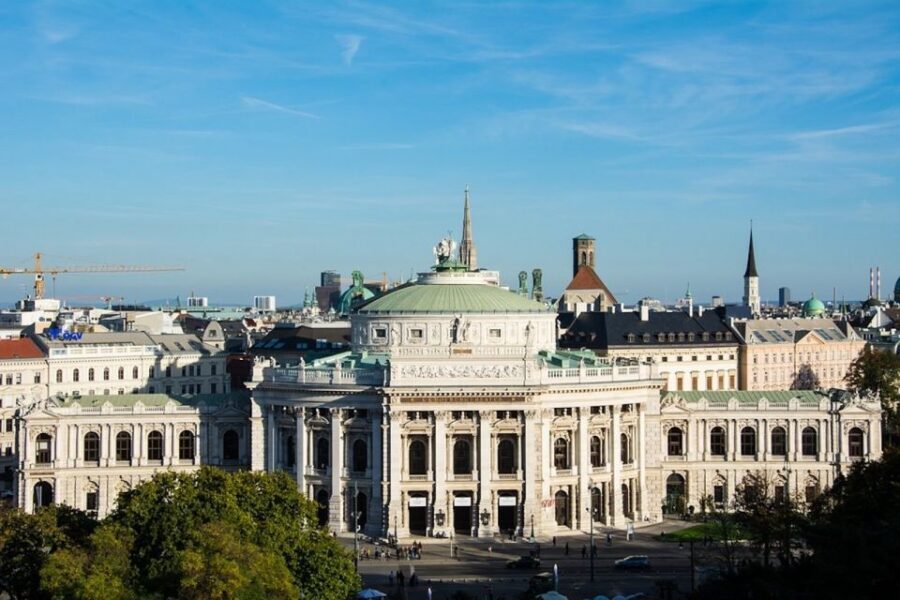
One of the most memorable stops is Palais Ephrusi, commissioned by a rich Jewish banker family. The architecture here isn’t shown as an isolated beauty; it’s presented as an extension of status—big, bold, and meant to be seen.
What makes this stop click for me is the way the guide ties the building to a broader storyline about the family’s fate, connected to The Hare with the Amber Eyes. Instead of treating Vienna’s palaces like museum props, you start seeing them as the material outcome of personal ambition, social networks, and the era’s pressures.
As you look at the palace, pay attention to how the style feels layered and decorative. The Ring is famous for mixing styles, but on this walk the point isn’t “identify the styles.” It’s to notice how decoration and scale acted like public language—wealth telling everyone who mattered.
Votive Church and the University of Vienna: faith and learning in one view
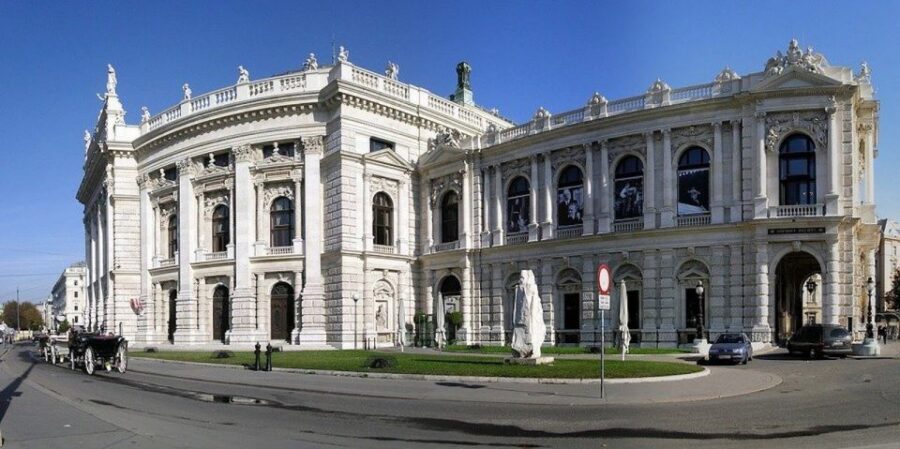
After Palais Ephrusi, the route shifts into two themes Vienna never stopped promoting: religion and education. You’ll encounter the Votive Church and the main building of the University of Vienna, both landmarks that make the Ring feel like a civic curriculum written in stone.
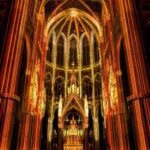
The Votive Church stop gives you a chance to slow down and look up. The point is less about architecture trivia and more about understanding why this area was built to impress. In the original Ring concept, public buildings—culture included—were meant to project identity, permanence, and authority.
Then you’ll move toward the University of Vienna. This is where the walking tour becomes useful even if you’ve visited Vienna before. You don’t just see the building; you hear background and intriguing stories that explain why these institutions gathered attention from across Europe.
City Hall, Burgtheater, and Parliament: Vienna’s public face
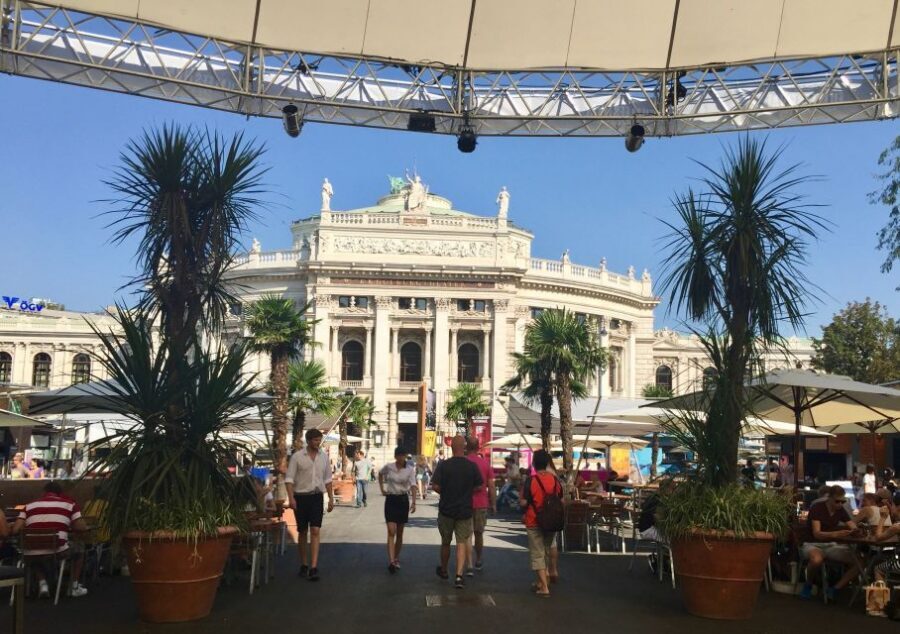
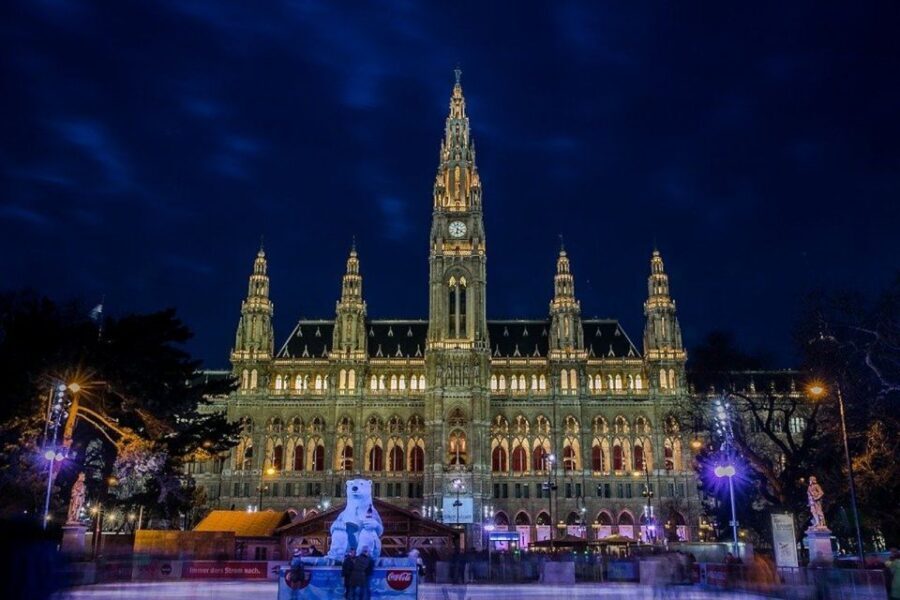
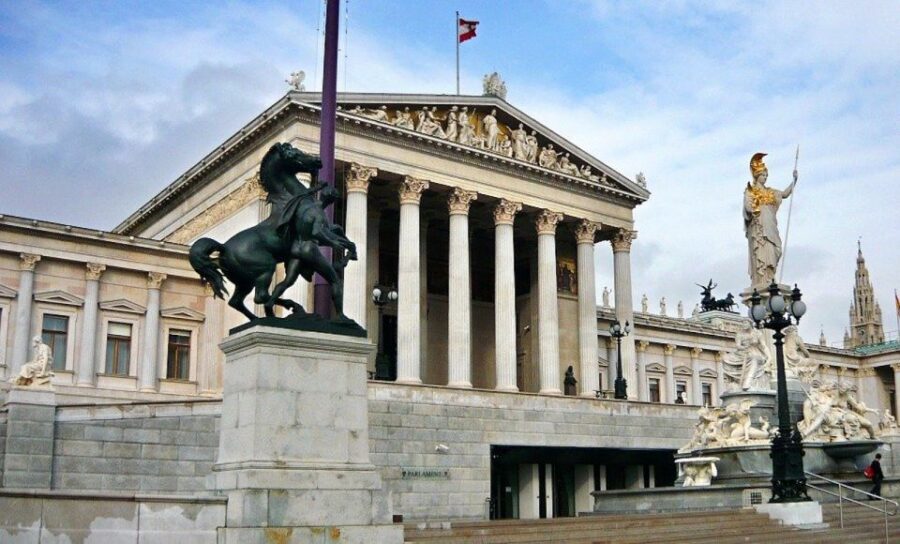
The Ringstrasse becomes more political as you approach City Hall, Burgtheater, and Parliament. This is one of the reasons a guided walk works so well: you start reading these buildings as parts of a single system rather than separate sights.
City Hall and Parliament, in particular, help you understand the “why” behind the design. The Ring project wasn’t only about culture; it was about creating a recognizable, public center where power could be displayed clearly to residents and visitors alike.
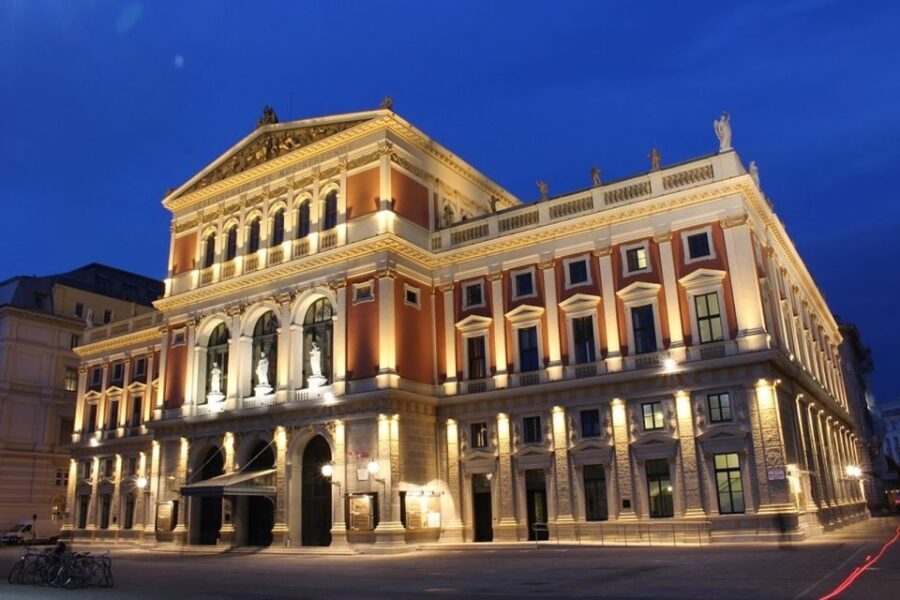
Burgtheater adds another layer—how performance and prestige belong in the same visual sentence. Vienna wanted its cultural institutions to sit right next to government and civic buildings. When you notice that pattern, your photos start telling a smarter story.
You can also read our reviews of more historical tours in Vienna




Heldenplatz and the statues that keep the story grounded

A key moment is Heldenplatz, where the walk gains a more open, ceremonial feel. It’s a place that naturally invites you to look around, not just at a single facade.
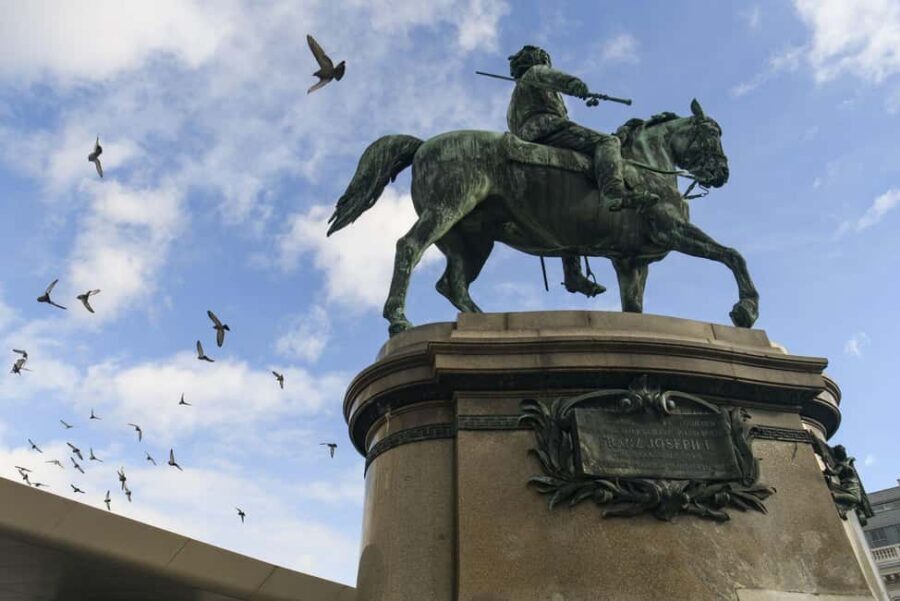
You’ll also encounter statues along the route, including Pallas Athene. Statues may sound like filler, but on this walk they help you decode the landscape of meaning—who’s being honored, what virtues are being advertised, and how civic life is visualized.
One practical tip: pause at the statues even if you’re in photo mode. They act like mental signposts. When you revisit the Ring later on your own, you’ll remember what each area was “saying,” not just what it looked like.
Museums and Volksgarten: the garden breaks that reset your eyes
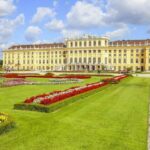
Not every Ring stop is about crowds and stone. You’ll take short breaks in spacious gardens with marvelous flower arrangements and statues, including Volksgarten as part of the route.
Those garden pauses are not a luxury add-on. They change how you perceive the architecture. After 30–40 minutes of dense facades, gardens give you a visual reset so you can see details again instead of just feeling overwhelmed by scale.
Volksgarten also helps you absorb the Ring’s design logic: a boulevard with green space worked into the public experience. You’re not just touring buildings; you’re walking a planned civic corridor.
The museums on this route add another dimension to that planning. Even if you don’t go inside, you learn how the Ring project was meant to cluster culture together, so Vienna could function as a kind of open-air stage for public life.
Statues and names: Liebenberg and the people behind the Ring
You’re not just starting near a landmark; you’re starting near a name. The meeting point itself is the Liebenberg-Denkmal, and you’ll also see statues such as of mayor Liebenberg during the walk.
That matters because the tour isn’t only about aristocratic shine. It includes the other side of the story: the industrialists and bankers who used wealth to gain titles, plus the poorer people who came for work and faced incredibly hard conditions. Hearing that contrast while you stand near these civic markers changes the tone of the whole experience.
In the background of your walk, your guide shares what happened to famous architects, artists, and people across social ranks who were drawn to Vienna for this ambitious building project. It makes the Ring feel less like “a style” and more like a magnet that pulled Europe’s creative and ambitious circles into one place.
Price and value: what $353 for up to 8 people really means
The price is $353 per group (up to 8 people) for a 2-hour guided walking tour. That structure is the first clue this tour is built for couples, small families, or friend groups who want a guided route without splitting into a large crowd.
Value-wise, you’re paying for two things: tight time in a central area and a guide who connects sights to stories. If you’ve ever done an audio-only walking tour, you’ll feel the difference here when the guide points out small details you would likely skip.
Also, this is a private group. Even with a 2-hour limit, private usually means less time waiting and more time asking questions. That matters on the Ring, where the buildings can blur together if you’re not guided.
One consideration: tram ticket is not included, and you’ll want your public transport ticket ready. That’s not a deal-breaker, but it does affect how smoothly the morning or afternoon starts.
What I’d watch for during the tour (and why it helps)
I like that the walk teaches you how to look. The guide is set up to point out sites you might not notice otherwise, and that’s the difference between seeing Vienna and understanding it.
You’ll also hear small stories about the palace owners and the people connected to these buildings. The standout approach is storytelling tied to context: the Ring’s demolition plan, the influx of wealthy patrons, the arrival of working people, and the way architecture turned all of it into a visible symbol.
If it rains, you’ll be glad the route includes garden breaks rather than forcing you to stand in one place for an hour. One guide-led experience you can trust is that the tour can stay lively even when the weather is less cooperative.
Who this Ringstrasse walk suits best
This tour fits you if you want a first-pass view of Vienna’s core without rushing through it blindly. It’s ideal when you’re curious about how the city’s major buildings relate to each other—opera, theater, museums, universities, government—and you like your sightseeing explained.
It also works well if you travel with people who like different things. One person might focus on facades and statues, while you focus on the social stories and the “why this was built” angle.
It may not be the best choice if you’re looking for a heavy deep-dive into architectural design theories. With a 2-hour route and many stops, you’ll get smart context but not endless time at each building.
Should you book this Vienna Ringstrasse walking tour?
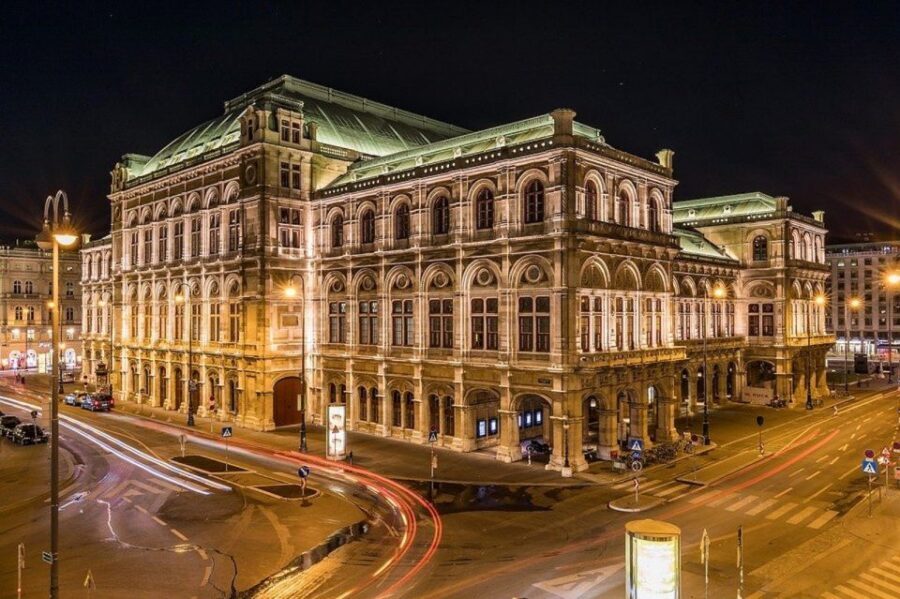
I’d book it if you want a focused, guided walk that makes Vienna’s Ring feel like a story with characters—not just a list of famous buildings. Starting near Liebenberg-Denkmal and ending by the Opera House gives you an easy flow for the rest of your day.
Skip it if you already know the Ring well and you’re hoping for long, slow time at fewer spots. The tour is designed to cover a representative sweep of landmarks, so you’ll trade depth-per-stop for breadth-and-context.
If you’re deciding between a quick overview and a more specialized architecture day, this is the middle ground that tends to satisfy most people. You’ll leave with clearer connections between palaces, institutions, gardens, and the human outcomes behind them.
FAQ
How long is the Vienna Walking Tour of the Historic Ringstrasse?
It lasts about 2 hours.
Where is the meeting point?
Meet at Liebenberg-Denkmal, Mölker Bastei 8, 1010 Wien. Arrive about 10 minutes early.
How much does the tour cost?
The price is $353 per group, for up to 8 people.
What’s included in the price?
A guided city tour is included.
Is hotel pickup or drop-off included?
No. Hotel pickup and drop-off are not included.
What do I need to bring?
You should bring a public transport ticket.
What languages is the live guide speaking?
The live guide offers tours in Polish, German, and English.