REVIEW · VIENNA
An Introduction to Vienna Walking Tour
Book on GetYourGuide →Operated by insightcities.com · Bookable on GetYourGuide
Three hours, one art-history storyline. You start at Café Hawelka and end with a street-level map of how Vienna-adjacent art thinking connects to Berlin’s post-1989 boom, guided by expert historian guides. The walk’s real payoff is the Potsdamer Straße gallery mile, where famous names sit a few minutes apart from small experimental spaces.
I like how this tour keeps its standards high without turning into a lecture. The guide energy matters, and you can feel it in how well Katarina, Katerina, and Elsa (all mentioned by guests) manage questions and keep the story moving at walking speed.
One thing to consider: this is still a walking tour. You’ll want comfortable shoes, and it’s not suitable for people with mobility impairments, so plan accordingly if you need step-free routes.
In This Review
- Key points worth knowing
- Meeting at Café Hawelka: warm start, sharp focus
- Auguststraße in Mitte: where small galleries start to make sense
- Potsdamer Straße and the “gallery mile” effect
- Why 1989 mattered: the money, rules, and space behind the boom
- The stops: what you’re really looking for at each kind of space
- Price and value: is $176 per person fair for 3 hours?
- Practical tips so you enjoy every minute
- Should you book it?
- FAQ
- Where does the tour meet?
- How long is the tour?
- What’s the price per person?
- What language is the tour in?
- What should I bring?
- Is video recording allowed?
- What’s the group size like?
- Is the tour suitable for people with mobility impairments?
- What are the cancellation and payment options?
Key points worth knowing
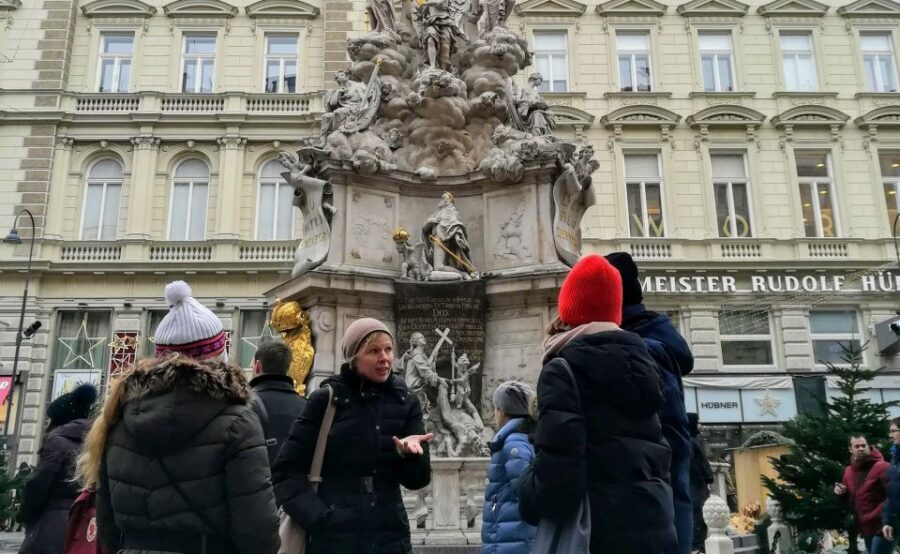
- Café Hawelka is the launch pad, a long-running meeting spot for artists and writers.
- Expert-led art history comes from guides who are professors, doctoral students, historians, journalists, art critics, or published authors.
- The route is built around the gallery mile feel, with a dense cluster of art spaces along Potsdamer Straße.
- You’ll hear why Berlin’s scene accelerated after 1989, tied to money, rules, and physical space.
- Expect a mix of renowned galleries (like Esther Schipper) and smaller initiatives in hard-to-spot courtyards and basements.
- Plan for 3 hours of mostly on-foot time, with a subway segment between areas.
Meeting at Café Hawelka: warm start, sharp focus
The tour meets at Café Hawelka, Dorotheergasse 6 (1010 Wien), a historic family café that’s been a magnet for Vienna’s creative crowd since 1945. I like meeting places like this because they don’t pretend the arts start in museums. They start in conversation, daily habits, and people watching.
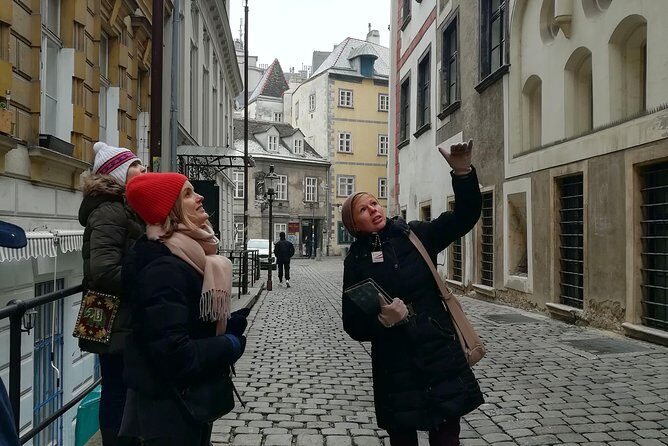
From the first minutes, the tone is clear: you’re not just “seeing galleries,” you’re learning how cities build art ecosystems. The guides are serious about craft and research, but they also know how to explain things in plain language. In one family situation, Katerina handled a special-needs teen with extra care and clear communication, which tells me the tour is built to manage real people—not just schedules.
If you’re the type who asks questions, this is where you’ll do it. The best moments usually come when the guide connects what you’re looking at (a gallery space, a neighborhood shift) to why it happened.
You can also read our reviews of more walking tours in Vienna

Auguststraße in Mitte: where small galleries start to make sense
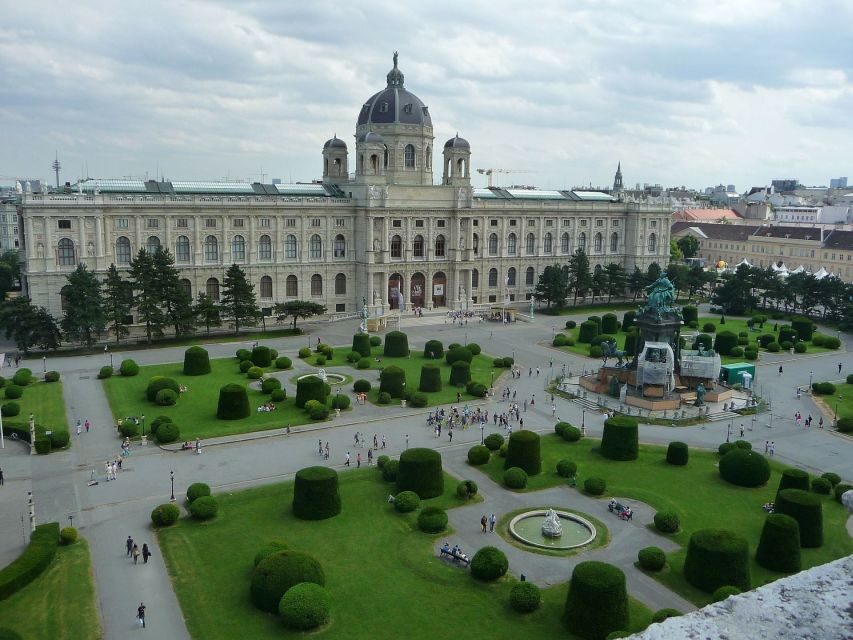
After you connect with the group, the walking starts on Auguststraße in Mitte, described as an area with plenty of galleries. This part matters because it shows the early stage of the system: galleries that feel intimate, still finding their footing, and often tied to the specific energy of the neighborhood.
One named stop is Kunst Werke, a contemporary art institution founded in the early 1990s. Even if you only see part of the site from the street, it helps you understand what the tour is after: how contemporary art institutions grow out of real local conditions, not just big-city branding.
The guide’s job here is to help you read what you’re seeing. You’ll likely notice how the galleries vary in size and personality. That’s not random. It’s how the art economy works—different spaces serve different purposes, from experimentation to visibility.
Potsdamer Straße and the “gallery mile” effect
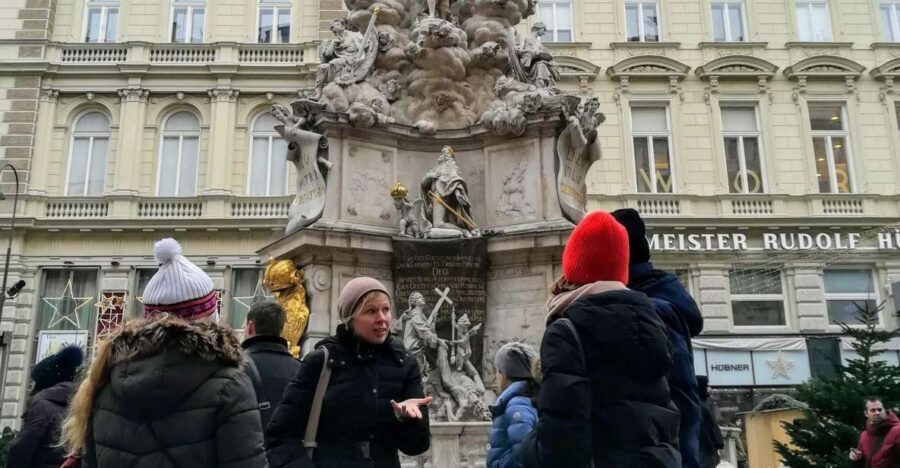
Then you shift to Potsdamer Straße, with a subway ride between areas. This is the tour’s headline segment: the strip that, over the last five years, has gained momentum as a growing wave of gallerists moved south of the Neue Nationalgalerie area.
Here’s the practical value: instead of treating galleries like isolated islands, you’re shown how clustering changes everything. When about 30 galleries and art project spaces sit within walking reach, the city becomes a pipeline—artists can get noticed faster, curators can compare trends side by side, and collectors can build a real routine.
The tour names specific gallery stops you might encounter, including Esther Schipper, Isabella Bortolozzi, Gitti Nourbakhsch, Guido Baudach, Arndt, Plan B, Tanya Leighton, and Klosterfelde. Whether every gallery has the same level of accessibility on the day, the tour’s logic stays consistent: you’re learning the geography of the art world as it currently operates.
Why 1989 mattered: the money, rules, and space behind the boom
A big part of why this tour feels more than visual is the story about Berlin after the fall of the Berlin Wall in 1989. The guide explains how Berlin became the artistic magnet of Europe, and the causes aren’t only cultural—they’re also economic and political.
Three drivers are highlighted:
- Affordable rents, which help smaller spaces survive long enough to build reputations.
- A semi-liberal climate, which encourages risk-taking and a range of artistic voices.
- Open spaces, where art infrastructure can grow without everything already being locked up.
That combo is the key insight for you. It explains why the gallery mile didn’t appear by magic. It grew because conditions made experimentation easier, and because the city had room for new kinds of work to land and stay.
Also, this tour doesn’t ask you to memorize dates and names. It gives you a lens. Once you understand the why, the galleries start to feel like chapters in the same ongoing story.
The stops: what you’re really looking for at each kind of space
The tour is set up so you experience variety: small private initiatives tucked into courtyards or basements, plus more established ventures. This mix is exactly what helps you avoid the common problem of gallery tours: only seeing the big brands.
Here’s what the guide will help you notice, regardless of which specific gallery you’re outside at the moment:
- The type of space (private initiative vs. established gallery) and what that usually means for the artists they show.
- How the neighborhood setting shapes the kind of program you can run.
- How the gallery’s position on the street relates to its audience and networking opportunities.
Depending on the guide and the day’s program, you might also get extra sights and viewpoints. One guest mentioned going up to the dragonfly terrace for city views, and another noted that the guide managed to include major sights along the way. That’s useful if you like tours that also help you orient yourself in the city, not just focus on art interiors.
And yes, you may run into the reality of art spaces: sometimes access is limited to street-facing viewing, sometimes interior access depends on what’s happening that day. The tour structure prepares you for that, because the real lesson is what the space represents in the broader scene.

Price and value: is $176 per person fair for 3 hours?
At $176 per person for 3 hours, this tour isn’t the bargain bin. But it also isn’t priced like a generic walking tour with a casual guide. Your value comes from four places:
- The guide profile
Every guide is listed as a professor, doctoral student, historian, journalist, art critic, or published author. That matters because it usually shows up in how the explanations connect—art, politics, and economics.
- The route design
You’re not just walking past a few galleries. The tour focuses on a concentrated “gallery mile” area with major names and smaller experimental spaces close together.
- Context, not trivia
The story about Berlin’s post-1989 rise is not random background. It’s a framework you can carry into museums and future galleries after the tour ends.
- Group format flexibility
You can do private or small groups, which often makes questions easier and the pace more comfortable. In one family case, the guide’s communication approach made the tour work well for a special-needs teen, which suggests the format can be adapted in real time.
My caution: if you expect lots of time inside galleries, you should set expectations for a street-and-explanation style tour. It’s art-world learning through walking, not a guaranteed pass to every private room.
Practical tips so you enjoy every minute
- Wear comfortable shoes. This is built for walking, and you’ll move through multiple areas over about 3 hours.
- Bring your questions. The guides answer well, and the best learning moments come when you ask about what you see right now.
- No video recording. That’s explicitly not allowed, so plan to take notes and photos if permitted by the specific gallery policy on the day.
- Plan for the subway segment. You’ll take public transit between the Mitte start and the Potsdamer Straße area, so have your transit readiness handled.
- Accessibility matters. It’s not suitable for people with mobility impairments, so if you need step-free routes or reduced walking, this one may not fit.
Should you book it?
Book it if you want an art tour that treats galleries as real institutions shaped by economics, politics, and neighborhood change—not just as a highlight reel. The combination of expert guides and a “gallery mile” route makes this a smart first-day-or-first-weekend activity, especially if you’re already curious about contemporary art and want the story behind it.
Skip it if you want mostly museum-style indoor time, or if walking is a problem for you. And if your budget is tight, it helps to decide whether you’re paying for the guide’s credentials and context. For many people, that’s exactly what they’re getting here.
If that sounds like your style, reserve your spot, wear good shoes, and show up ready to look at the city like an art critic for a few hours.
FAQ
Where does the tour meet?
You meet at Café Hawelka, Dorotheergasse 6, 1010 Wien.
How long is the tour?
The tour lasts 3 hours.
What’s the price per person?
The price is $176 per person.
What language is the tour in?
The live tour guide speaks English.
What should I bring?
Bring comfortable shoes.
Is video recording allowed?
No, video recording is not allowed.
What’s the group size like?
You can book private or small groups.
Is the tour suitable for people with mobility impairments?
No, it is not suitable for people with mobility impairments.
What are the cancellation and payment options?
You can cancel up to 24 hours in advance for a full refund. You can also reserve now and pay later, so you can book without paying today.