REVIEW · VIENNA
Private Introduction to Vienna Walking Tour
Book on Viator →Operated by Insight Cities · Bookable on Viator
Vienna can feel like a museum you walk through. This private 3-hour introduction gives you a guided route through the Hofburg world of emperors, architects, churches, and city walls, without turning it into a lecture. I love how the guide ties the big landmarks to what Vienna was trying to do politically and culturally at the time. One possible drawback: it’s a walking tour with a steady pace, so you’ll want comfortable shoes and a bit of stamina.
My second big win is the way it blends top sights with the details that usually get missed—like the city’s connection to the Ottomans and the Habsburgs’ unusual tripartite burials. You’ll also get practical orientation for later days, since the walk strings together central neighborhoods you’ll likely revisit. If you’re expecting lots of time inside churches or long stops for photos, you may feel the pace is brisk—but the route is designed to hit a lot of meaning fast.
In This Review
- Key Things That Make This Tour Worth Your Time
- Vienna’s “3-Hour Cheat Code” for History and Orientation
- Starting at Michaelerplatz: Hofburg, the Power Center, and the Buildings That Tell You Who Ruled
- Kohlmarkt and the Graben: A Shopping Street Route That Also Doubles as an Architecture Timeline
- St. Stephen’s Cathedral (Stephansdom): The Landmark You Can Use as Your Reference Point
- The Habsburg Tripartite Burials: Imperial Enters the Story Through Faith and Funerary Customs
- Old City Walls and the Ottoman Sieges: Where History Shows Up in Urban Planning
- Schwarzenbergplatz: The Soviet-Linked Memorial, Embassies, and a City That Writes New Chapters
- Belvedere Palace Detour and the Walk Toward Karlsplatz: Seeing Vienna’s “Form” in Motion
- MuseumsQuartier and Maria Theresien Platz: Vienna’s Museum Concentration as a Planning Tool
- Price and Value: What $566.25 Means When It’s a Private Group Up to 10
- Who This Tour Fits Best (and Who Might Want Something Else)
- Should You Book This Private Introduction to Vienna?
- FAQ
- How long is the private walking tour?
- Where is the meeting point in Vienna?
- Is hotel pickup offered?
- Is this tour private or shared?
- What language is the tour offered in?
- What’s included in the price?
- Are food and drinks included?
- What landmarks and areas does the tour cover?
- When should I book if my travel dates are fixed?
- What’s the cancellation policy?
Key Things That Make This Tour Worth Your Time
Private historian-led focus on “why”: You’re not just seeing buildings; you’re learning how Vienna’s power, faith, and politics show up in stone.
Habsburg tripartite burial stops: You get the full arc from St. Stephen’s Cathedral to Capuchin Church and St. Augustine’s Church.
A clear architecture storyline: Hofburg → Adolf Loos (Loos House) → mixed styles down Kohlmarkt and the Graben → Ringstrasse-era remnants.
Ottoman-era memory in the street plan: Old city wall remnants and sieges are placed where they belong—on your walking route.
City orientation through modern squares: Schwarzenbergplatz, embassies, Belvedere Palace detours, and the museum quarter all map out your Vienna days ahead.
Strong family-friendly vibes from real guides: Reviews highlight guides like Katarina, Selin, Billjana, and Else for pacing that works even with younger adults.
Vienna’s “3-Hour Cheat Code” for History and Orientation
A great first morning in Vienna does two things at once: it teaches you how to read the city and it sets you up for everything after. This private tour does that by choosing a route where each stop has a reason to exist in the story of Vienna—imperial power, religious symbolism, and urban planning.
You start near the Hofburg area at Dorotheergasse 6 (Cafe Hawelka is the default meeting spot unless hotel pickup is arranged). From there, your historian guide moves you through the inner city in about 3 hours, and the focus stays on the most useful “big picture” connections you’ll want as you plan meals, museums, and future walks.
It’s also in English, with a mobile ticket provided. The private format matters: you’re not squeezed into a group dynamic where you have to keep up or miss the explanation.
You can also read our reviews of more walking tours in Vienna


Starting at Michaelerplatz: Hofburg, the Power Center, and the Buildings That Tell You Who Ruled
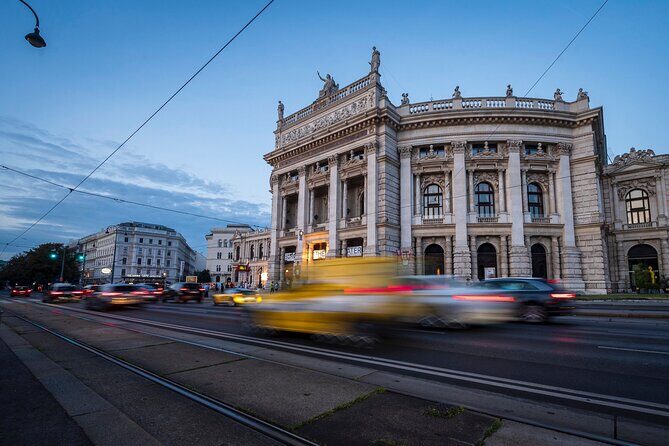
The tour begins at Michaelerplatz, where the Hofburg dominates the square. This isn’t just a handsome palace façade. It’s the physical reminder that Vienna was the seat of power for the Habsburgs for centuries, and the guide uses that context to frame what you’ll see next.
From there, the route pivots toward architecture that shows Vienna’s “next chapter.” You’ll pass by the Loos House by Adolf Loos, described by the tour as a striking green-and-gray landmark. That stop is a useful mental bridge: it helps you notice that Vienna doesn’t only move in one historical direction. It changes style, mindset, and cultural priorities over time.
If you like walking tours that feel like a guided narrative, this start is solid. You get your compass set early, and you’ll start spotting “patterns” later in the day instead of just reacting to pretty streets.
Kohlmarkt and the Graben: A Shopping Street Route That Also Doubles as an Architecture Timeline
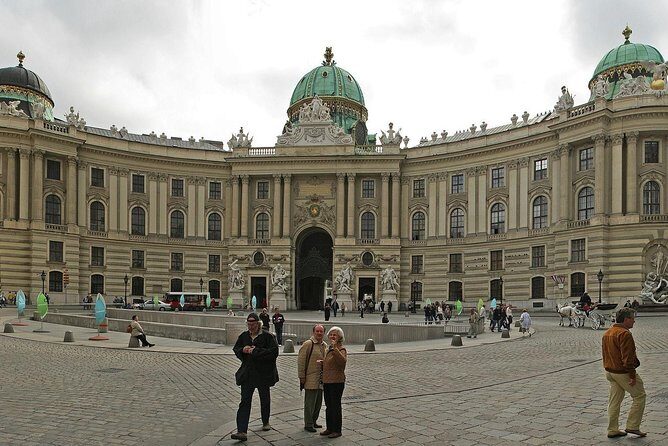
After the Hofburg area, you head down Kohlmarkt and through the Graben. This is one of those routes that can look simple on a map, but it’s actually a great way to see how Vienna layers time.
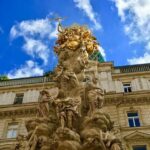
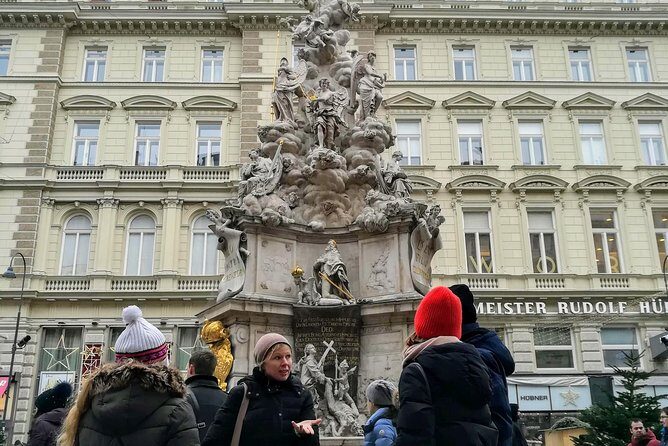
The tour highlights several types of sights along the way: a plague column, a baroque church, and buildings in multiple architectural styles. The point isn’t to memorize dates. The point is to recognize that Vienna’s city center wasn’t built in one wave. It grew, repaired, remodeled, and rebranded over long stretches—and you can still read that history while you walk.
And yes, this is also a fashionable shopping district now. That’s not just a bonus for people who like shopping. It’s a reminder that today’s use of space sits on top of older meanings. The guide’s job here is to help you see the street plan as a living timeline.
St. Stephen’s Cathedral (Stephansdom): The Landmark You Can Use as Your Reference Point
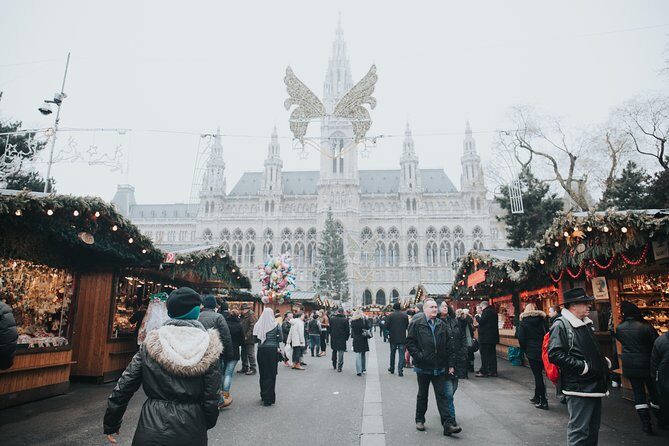
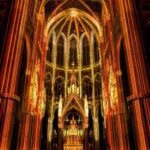
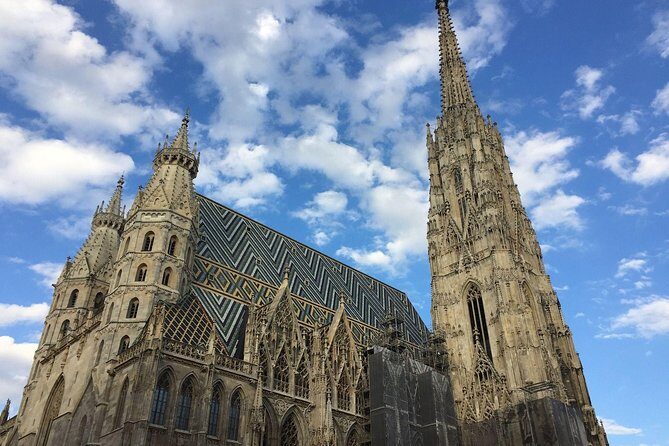
You’ll reach Stephansdom, the tour calls it Austria’s national architectural icon. Even if you’ve seen photos before, this is one of those places that helps you orient everything else. Once you know where Stephansdom sits in the city’s geometry, you’ll understand distances and neighborhood relationships faster.
The guide also connects the cathedral to a very specific and unusual part of Habsburg history. That’s important, because it changes how you think about a cathedral. It stops being only a sight and becomes a piece of a broader story about power and the afterlife.
If your ideal walking tour is one where major landmarks have a thread connecting them, you’ll like how Stephansdom fits into the Habsburg burial sequence.
The Habsburg Tripartite Burials: Imperial Enters the Story Through Faith and Funerary Customs
This is the most distinctive part of the tour for anyone who wants more than postcard Vienna.
The route takes in three areas tied to the Habsburgs’ tripartite burials:
- St. Stephen’s Cathedral: linked here with the resting place of imperial entrails
- Capuchin Church: described as containing centuries of sarcophagi of Vienna’s rulers
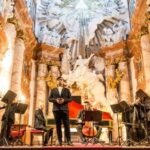
- St. Augustine’s Church: associated with silver urns holding the hearts of the Hapsburgs
It’s a strange story in the best way. The guide’s explanations help you understand that this wasn’t random. It was a way of projecting authority, faith, and continuity across bodies, places, and generations.
If you’re traveling with kids or younger adults, this part can be a win because it’s memorable and slightly macabre—without losing the historical meaning. Several private-guide reviews specifically praise guides for keeping the pace right for families, and this burial sequence is the sort of segment that usually works well with mixed ages.
You can also read our reviews of more private tours in Vienna




Old City Walls and the Ottoman Sieges: Where History Shows Up in Urban Planning
As you move along the edge of the inner city, the tour examines remnants of old city walls from the 12th century. The guide ties those walls to two major sieges by the Ottoman Empire, called out here as 1529 and 1683.
That connection is more useful than it sounds. Instead of learning about sieges as standalone facts, you see the defensive logic in the geography. You start to understand why Vienna’s leaders cared about particular lines on the map.
Then the narrative pivots to a different kind of power: the decision to tear down those old fortifications to make way for the grand circular boulevard known as the Ringstrasse (Vienna’s answer to Paris’s grand boulevards). That’s a smart urban planning lesson baked into a walking tour: old protection gets replaced by new prestige infrastructure.
Schwarzenbergplatz: The Soviet-Linked Memorial, Embassies, and a City That Writes New Chapters

Next comes Schwarzenbergplatz, where the tour spotlights a massive fountain and memorial to Russian soldiers who died liberating Vienna from the Nazis. The guide uses this stop to talk about how Vienna’s public memory keeps changing as political realities shift.
This area is also where many embassies are located, and that makes it a good place to connect the past to modern governance. In other words, you see how the city still functions as a meeting point for international influence.
Even if memorials are not usually your thing, I like this stop because it’s not only symbolism. It’s also a practical landmark. You can use Schwarzenbergplatz as a reference when you plan your next transport hop, museum visit, or evening walk.
Belvedere Palace Detour and the Walk Toward Karlsplatz: Seeing Vienna’s “Form” in Motion
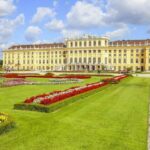
There’s a quick detour to Belvedere Palace. The tour doesn’t treat it as a full museum visit. Instead, it offers a way to connect palace grandeur to the route you’re already walking, so you can decide later if you want more time there.
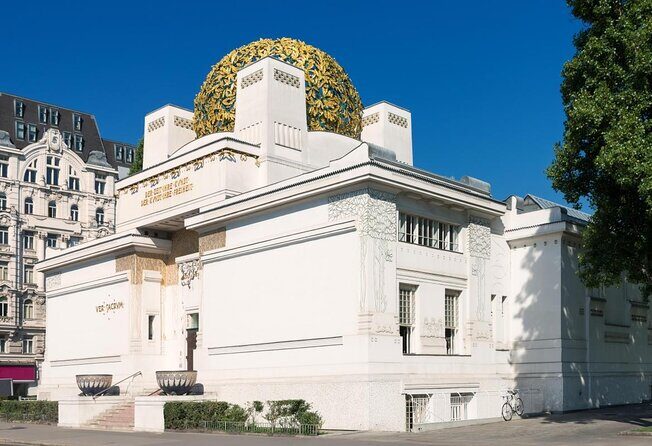
Then you head back toward Karlsplatz. This segment includes a view of the Secession building with its gold-domed look, plus a stop near the Naschmarkt.
Those two landmarks work together. The Secession building helps you see Vienna’s architectural identity moving into modern design, while Naschmarkt gives you a sense of everyday city life and the energy around food and commerce. You get to stand near places that matter in different ways: one in culture history, one in daily habits.
If you’re the kind of traveler who wants a first-day route that doesn’t feel like “only monuments,” this is where the balance improves.
MuseumsQuartier and Maria Theresien Platz: Vienna’s Museum Concentration as a Planning Tool
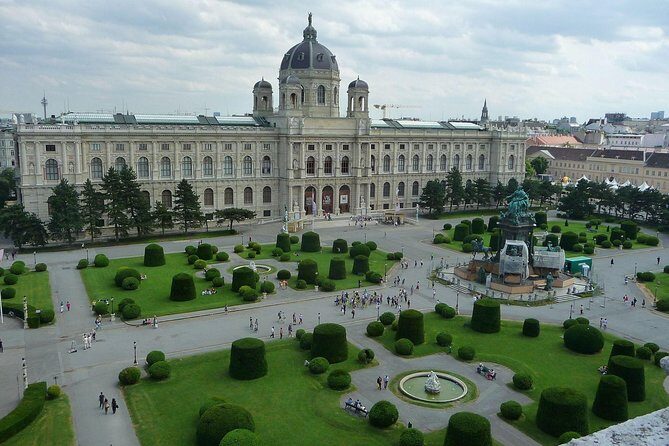
The tour ends by weaving through Museums Quartier and Maria Theresien Platz—noted as the city’s largest concentration of museums.
This isn’t just trivia. It’s a planning gift. After this walk, you’ll understand where to go when you want to trade walking shoes for museum tickets and spend a focused day. The guide also uses this area to talk about Austria and the capital in the present day, touching on cultural, political, and economic orientations.
That kind of wrap-up matters because it stops the tour from feeling like it’s only about old emperors. You leave with a sense of what Vienna prioritizes now—and why that matters when you choose what to do next.
Price and Value: What $566.25 Means When It’s a Private Group Up to 10
The price is listed as $566.25 per group (up to 10), with about 3 hours on the clock. That structure is key. You’re not buying a seat; you’re buying a private guide and a timed walking plan.
So the value depends on your group size:
- If you’re a couple or small family, you’re paying for privacy and pacing.
- If you’re up to 10 people, the per-person cost can drop fast compared with individual tours, and you still get a single guide who can keep the story coherent for everyone.
Also, this is a route where the guide’s interpretation is the product. A city like Vienna has tons of signage and lots of easy-to-find sights. What you’re paying for is the explanation that links those sights into a readable “Vienna system.”
One more value point: the tour tends to be booked in advance (average cited is 70 days). If your dates are fixed, you’ll do yourself a favor by reserving early rather than hoping walk-up availability works out.
Who This Tour Fits Best (and Who Might Want Something Else)
This tour is a great match if you want a first-day orientation and you like history explained with clear connections. It’s also smart for families and mixed-age groups, since the route includes storytelling-heavy stops like the Habsburg burial sites and stays on a pace that multiple guides have been praised for in private settings.
You might consider a different option if you strongly prefer long indoor visits or if you want a slower walk with extended time at fewer sites. Here, the strength is covering a meaningful set of landmarks in 3 hours, not lingering all day.
Finally, it’s ideal if you plan to come back to Vienna’s center for more walks and museum time. This route helps you build a mental map in one go.
Should You Book This Private Introduction to Vienna?
If you want one guided walk that helps you understand why Vienna looks the way it does—and how the Habsburgs, city walls, architecture, and modern squares connect—you should book it. The private format is also a big advantage if you’d rather ask questions, adjust pacing, or keep the tour centered on what interests your group.
I’d especially recommend it if you’re the planner type who likes to leave day one knowing exactly where you’ll go on day two. After this walk, you’re positioned for smarter choices at Stephansdom, the museum quarter, and beyond.
FAQ
How long is the private walking tour?
The tour is about 3 hours.
Where is the meeting point in Vienna?
The start location is Dorotheergasse 6, 1010 Wien, Austria. If hotel pickup is not arranged, meet 15 minutes before start time at Cafe Hawelka at that address.
Is hotel pickup offered?
Yes, pickup is offered if you arrange hotel pickup. If it is not arranged, the default meeting point is Cafe Hawelka.
Is this tour private or shared?
This is a private tour/activity. Only your group will participate.
What language is the tour offered in?
It’s offered in English.
What’s included in the price?
The price includes a 3-hour private guided walk with a historian guide.
Are food and drinks included?
Food and drinks are not included unless specified.
What landmarks and areas does the tour cover?
You’ll walk through central Vienna sights including the Hofburg area, Loos House, Kohlmarkt and the Graben, Stephansdom, Habsburg-related burial sites at Capuchin Church and St. Augustine’s Church, remnants of old city walls, Schwarzenbergplatz, a detour to Belvedere Palace, viewpoints near the Secession building, the Naschmarkt area, and the Museums Quartier and Maria Theresien Platz.
When should I book if my travel dates are fixed?
The experience is noted as being booked on average 70 days in advance, so booking early is a good idea.
What’s the cancellation policy?
Free cancellation is available. You can cancel up to 24 hours in advance for a full refund, and cancellations within 24 hours of the start time are not refunded.