REVIEW · VIENNA
Ticket to Klosterneuburg Abbey
Book on GetYourGuide →Operated by Stift Klosterneuburg · Bookable on GetYourGuide
Seeing Vienna from an abbey feels different. Klosterneuburg Abbey blends panoramic Danube-and-Vienna views with real, walkable history, not just a quick photo stop. I like that the visit starts with the Treasure Chamber, where you get tangible objects tied to the Augustinian Canons’ spiritual and cultural life.
Two things I’d put at the top of your list: the Treasure Chamber collection (artifacts that explain how the community thought and worshiped) and the way the abbey windows frame the landscape like part of the monument. One thing to think about: the guided tours are held in German, so if you’re not comfortable with that, plan on using the audio guide in 14 languages and arrive a bit early to find the exact starting spot outside the front entrance.
If you want a one-day outing that mixes architecture, museum pieces, and wine, this is a very strong match.
In This Review
- Key highlights worth your time
- Why Klosterneuburg Abbey works as a one-day stop
- Meeting point and pacing: how to plan your day without stress
- Treasure Chamber: the collection that sets the tone
- Marble Hall and the Habsburg connection you can actually feel
- Grand Abbey Tour: church, cloister, Verdun Altar, and Imperial Rooms
- Abbey windows: Danube and Vienna views built into the route
- Winery Tour at 1:00: the Baroque cellar and the tasting finish
- Annual exhibition and Abbey Museum: when extra rooms are open
- Price and value: is $23 worth it?
- Who should book this and who should skip it
- Should you book Klosterneuburg Abbey tickets?
- FAQ
- How long is the Klosterneuburg Abbey visit?
- Where do I meet for the tours?
- Is there an audio guide, and what languages are available?
- What language are the guided tours in?
- What is included with the ticket?
- When is the annual exhibition open?
- When is the Abbey Museum open?
- How long are the guided tours?
- Is there wine tasting?
- Are pets allowed?
- Can I cancel for a refund?
Key highlights worth your time
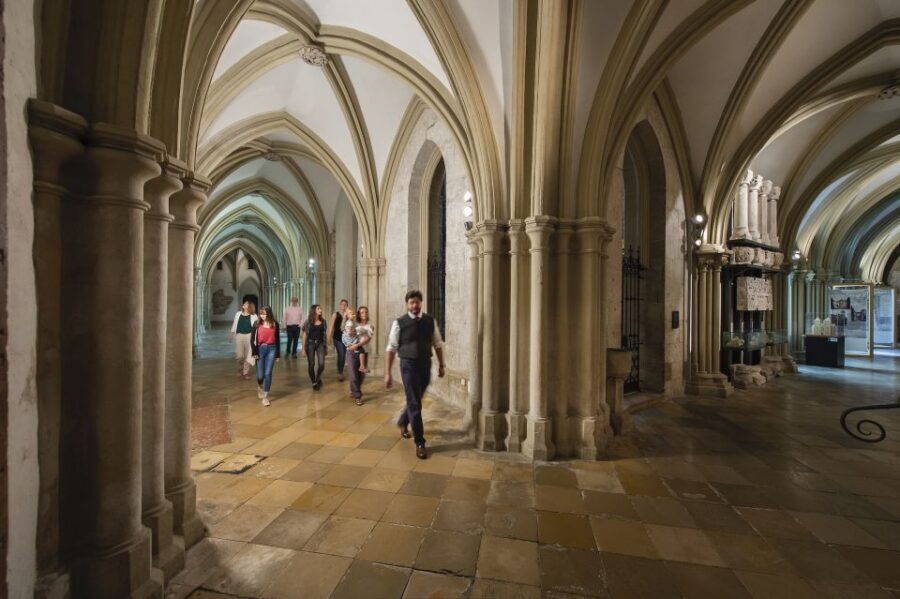
- Treasure Chamber: a focused look at precious artworks and historical objects tied to the Canons
- Marble Hall: an elegant space with a Habsburg link, right in the abbey’s flow
- Abbey windows: built-in viewpoints over the Danube and toward Vienna
- Grand Abbey Tour: see the church and cloister plus the Verdun Altar and Imperial Rooms
- Baroque wine cellar: Austria’s oldest wine estate with a guided tasting finish
Why Klosterneuburg Abbey works as a one-day stop
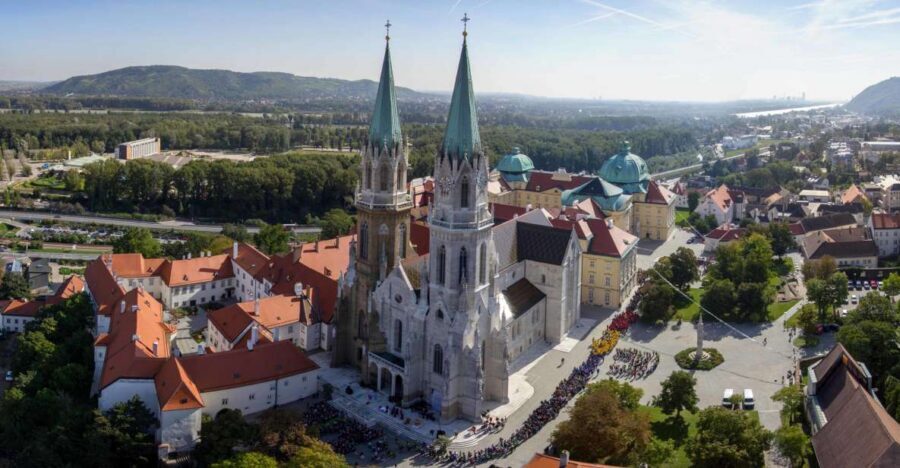
Klosterneuburg Abbey is a Lower Austria landmark just outside Vienna, and it feels like a place that still has a job to do. You’re not only touring rooms; you’re visiting a religious and cultural center shaped over nine centuries by the Augustinian Canons. That matters because the abbey doesn’t read like a museum copy. It reads like a living site, with the past still explaining the present.
The views also change the experience. When you step to the abbey windows, you get a clean panorama: the Danube River in the foreground and Vienna off to the side. You quickly understand why this spot became important long before modern guidebooks existed. Even if you’re not chasing architecture, those sightlines make the day feel bigger than the ticket price.
Finally, the combination is smart for your time. You get major indoor highlights (Treasure Chamber, halls, museum spaces) and then a guided break into the abbey’s wine tradition. That makes the experience feel varied without turning into a rushed checklist.
A few more Vienna tours and experiences worth a look

Meeting point and pacing: how to plan your day without stress
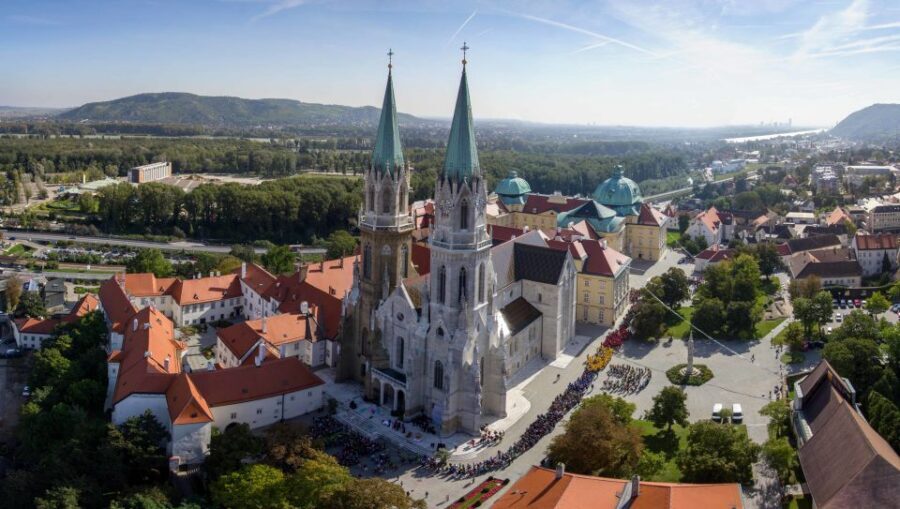
Your visit begins outside the front entrance. That sounds simple, but on busy days the difference between wandering and starting the day smoothly is usually minutes, not hours. I recommend arriving early enough to orient yourself and confirm where the guided groups will begin.
The schedule includes a couple of key guided options. The Grand Abbey Tour runs for about 90 minutes at two set times each day (listed as 12:30 and 3:00). There’s also a Winery Tour for about 90 minutes at 1:00 PM, and that one ends with a wine tasting.
How I’d pace it:
- Start with the Treasure Chamber early so it’s not crowded and you can actually take in the objects.
- Slot in the Grand Abbey Tour when it fits your timing (church + cloister + standout works).
- Keep your energy for the wine portion around 1:00 PM, when you’ll finish with tasting.
If you only do the self-guided parts, you’ll still have a full day. But the tours add structure and context, especially for the big-name pieces like the Verdun Altar.
Treasure Chamber: the collection that sets the tone
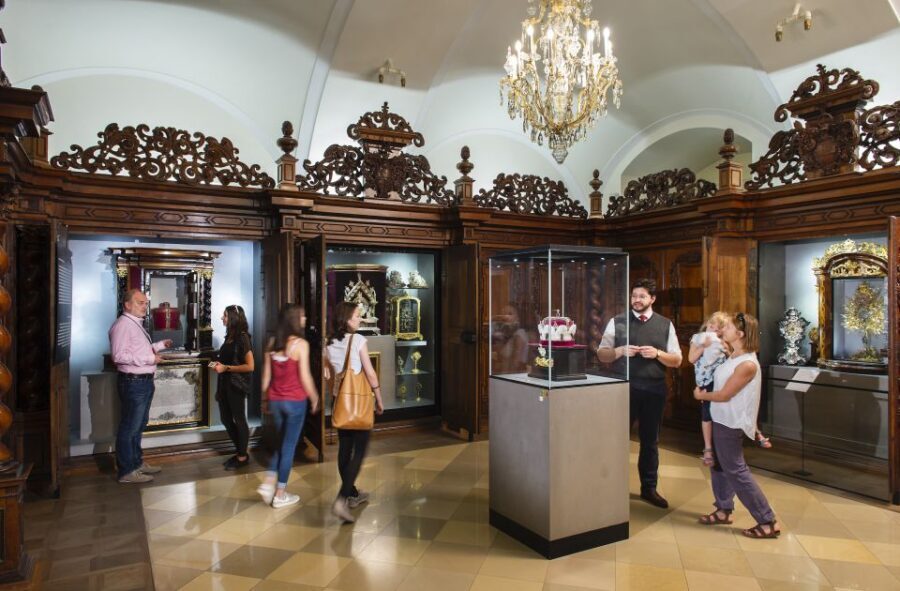
The Treasure Chamber is where your visit finds its backbone. Instead of jumping straight to the church, you begin with precious artworks and historical objects tied to the Canons’ spiritual and cultural life. That start matters because it teaches you how to look. You’re not just seeing valuables; you’re seeing what the community valued enough to preserve.
In practical terms, this is the kind of space where short attention spans can still work, because the setting is designed for curated viewing. You can spend time comparing objects—some are clearly devotional, others reflect the broader culture around the abbey.
If you’re the type who likes context, this room helps connect later stops (like the church) to the bigger story. It’s also a great option for pacing: if you’re tired from transit or you want a slower start, you can take your time here and still stay on track.
Marble Hall and the Habsburg connection you can actually feel
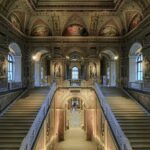
As your route continues, you’ll reach the Marble Hall, which was once used by the Habsburg family. That detail changes the vibe of the abbey. Suddenly, you’re not only looking at religious space—you’re watching where power, culture, and faith overlapped.
This is also where your visit becomes easier to navigate emotionally. Early on, the Treasure Chamber sets the spiritual tone. Then the Marble Hall reminds you the abbey mattered to European rulers. You can sense why the abbey grew beyond being only a church site and became an important center right outside Vienna.
Take a moment here to slow down. The hall is a transition space, and those are often where people rush. Don’t. If you’re going to appreciate the abbey’s mix of art and architecture, transitions are part of that experience.
Grand Abbey Tour: church, cloister, Verdun Altar, and Imperial Rooms
The Grand Abbey Tour is the most “guided” way to understand what you’re standing in. It runs about 90 minutes, and it covers the abbey’s history through the spaces that visitors usually remember: the church and cloister.
Even though the tour is conducted in German, the included audio guide in 14 languages makes the experience workable for non-German speakers. In practice, that means you can follow the storyline without feeling lost in a purely lecture-based tour.
Key stops inside the Grand Abbey Tour:
- Abbey Church and cloister: you see the core spaces that define monastic life.
- Verdun Altar: this is one of the abbey’s famous works, and it’s the kind of highlight you’ll be glad you didn’t miss.
- Imperial Rooms: these add political and artistic context, showing how the abbey’s influence extended.
The tour also helps you avoid a common problem at older sites: walking past the important objects and only realizing later you missed the reason they matter. With this guided route, you get the “why” while you’re still in front of the “what.”


Abbey windows: Danube and Vienna views built into the route
One of the easiest ways to judge whether a sightseeing stop is worth your time is to ask: will I remember the views? Here, the answer is yes.
From the abbey windows, you get wonderful views of the Danube River and across to Vienna. What I like is that the views aren’t separate from the experience. They’re woven into it, so you can step out of indoor rooms when your mind needs a reset.
My practical suggestion: plan at least one short viewing pause with no phone scrolling. This is where the abbey’s location makes sense—why this hillside, this river corridor, and this proximity to Vienna shaped centuries of activity.
If you’re visiting on a clear day, take advantage of it. Even on cooler weather, the payoff is strong because the vantage point is the main attraction.
Winery Tour at 1:00: the Baroque cellar and the tasting finish
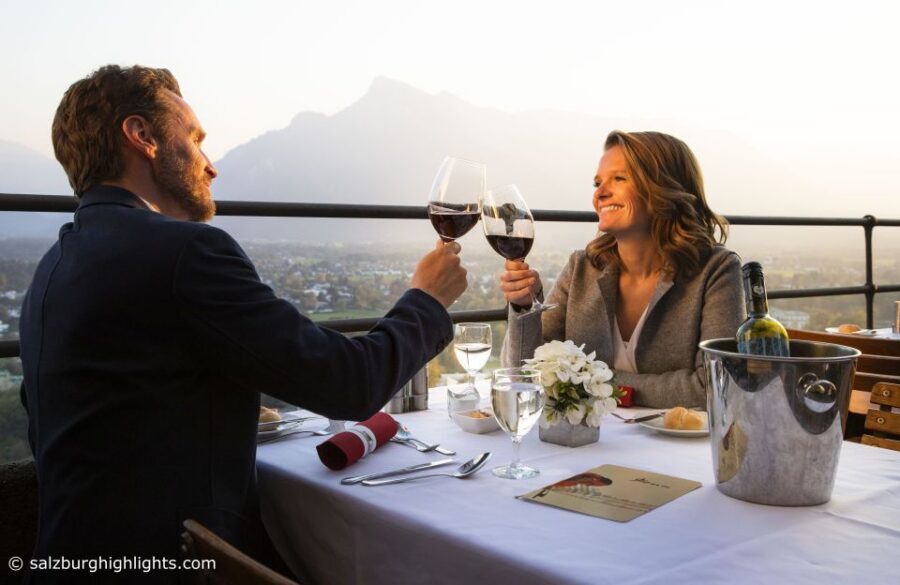
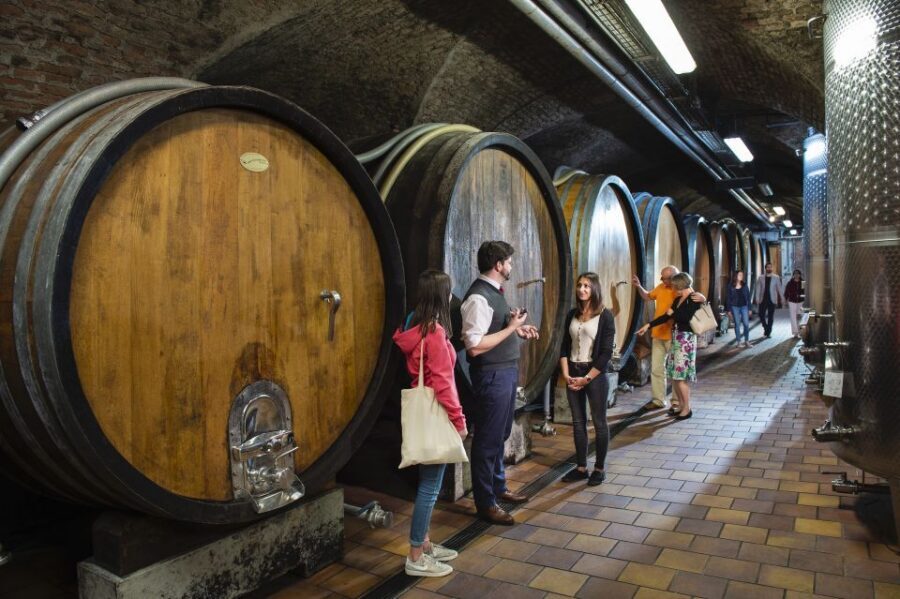
If you like variety, the Winery Tour is the highlight that keeps the day from becoming all stone and silence. It runs for about 90 minutes at 1:00 PM and includes a guided walk through Austria’s oldest wine estate plus a visit to the Baroque wine cellar, ending with a wine tasting.
Why this part is valuable: it connects the abbey to a practical, economic tradition. Monasteries and faith communities often had their own agricultural and production systems, but here it’s presented as part of the visitor experience, not a side note.
You’ll come away with a better sense of how wine culture fits into the broader abbey story—religion, daily life, and regional identity all overlapping. And the tasting is the kind of ending that feels fair. You pay for entry, but you also leave with an actual sensory memory.
From the experience itself, this is the piece I’d most recommend you schedule carefully. If you miss the timing, the day can shift from “balanced” to “mostly museum.” If you make it, the whole itinerary feels more complete.
Annual exhibition and Abbey Museum: when extra rooms are open
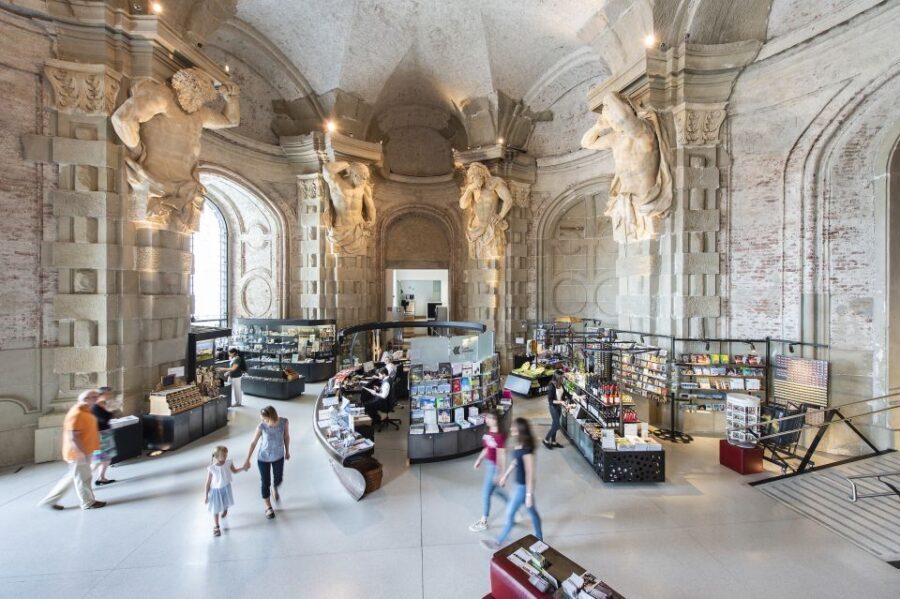
Depending on your travel month (and whether you’re visiting on a weekend), you may be able to add extra exhibits.
- The annual exhibition is available May–November.
- The Abbey Museum is open on weekends and public holidays.
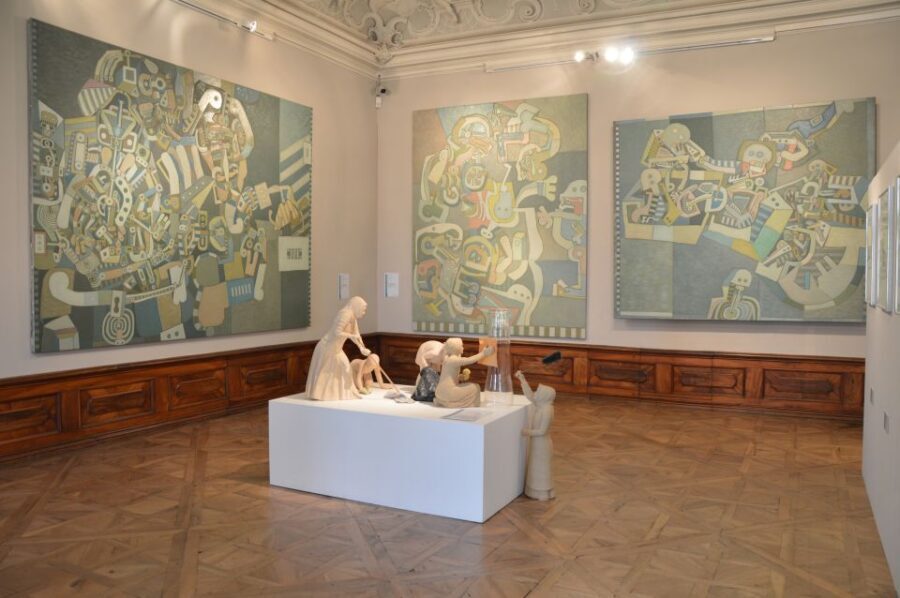
These aren’t tiny add-ons. They expand the visitor experience from core highlights (Treasure Chamber, tour spaces, wine cellar) into a larger view of the abbey’s ongoing cultural work.
So here’s the useful decision rule: if your dates are within May–November, check whether the annual exhibition schedule is running and plan your time for it. If you’re visiting on a weekend or public holiday, the Abbey Museum is worth budgeting time for so you don’t treat it like a quick walk-through.
Price and value: is $23 worth it?
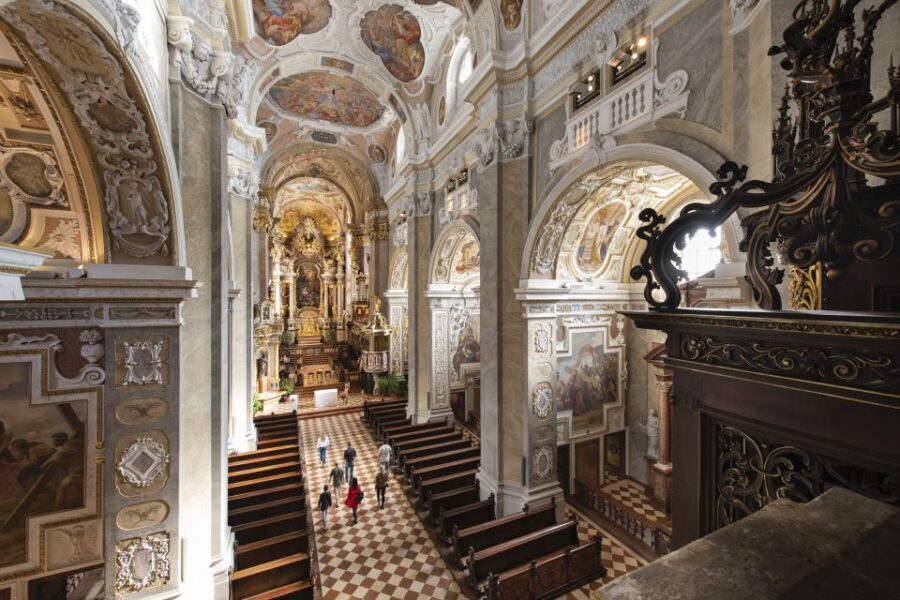
At about $23 per person, the value depends on one thing: whether you use the included guided tours and audio guide. If you go in planning to do just the self-guided rooms, you’ll still get a memorable abbey day. But the stronger value comes when you actually follow the tour structure—especially the Grand Abbey Tour and the Winery Tour.
You’re also getting more than one “type” of attraction:
- Treasure Chamber admission for art and artifacts
- Access to the annual exhibition when it’s running (May–November)
- Access to the Abbey Museum when it’s open (weekends/public holidays)
- A guided church/cloister route plus guided wine cellar experience
- An audio guide in 14 languages
That’s a lot packed into one ticket. For a one-day plan from Vienna, it’s not just sightseeing—it’s a guided narrative plus a tasting finish.
The only caution I’ll give is scheduling. If your timing doesn’t line up with the guided tour times you want, you might end up doing more self-guided wandering than you expected. So pick the tour you care about most (wine or Grand Abbey) and build around that.
Who should book this and who should skip it
You should strongly consider Klosterneuburg Abbey if you want:
- A one-day outing that mixes art, architecture, and a guided wine experience
- A site with both religious and cultural context (not just a single-genre attraction)
- Clear highlights like the Verdun Altar and Imperial Rooms inside a structured tour
You might choose differently if:
- You prefer to avoid tours entirely and dislike any language barrier. The audio guide helps, but the guided explanations are conducted in German.
- You want only a short stop. This is designed for a full, paced visit with time for rooms, viewpoints, and the wine tour.
Also, check your day and local promotions. I’ve seen reports that during the Leopold festival period, entrance can be free. It’s not something you should assume, but it’s worth checking if your dates match that event, since it could change the value in a big way.
Should you book Klosterneuburg Abbey tickets?
Yes, I’d book this—if you’re the kind of traveler who likes a day trip that feels planned, not random. The best reason is the pairing: you get serious abbey culture (Treasure Chamber, church spaces, famous works) and then you end with something distinctly Austrian and enjoyable—the Baroque wine cellar and tasting.
If you book, do two things to get the best experience: arrive a little early to find the front entrance meeting point, and build your day around at least one guided tour time so you don’t miss the most meaningful highlights.
If you’re staying in Vienna, this is one of the rare day trips that gives you both a strong story and a strong payoff.
FAQ
How long is the Klosterneuburg Abbey visit?
The ticket is valid for a 1-day visit.
Where do I meet for the tours?
The meeting point is outside the front entrance.
Is there an audio guide, and what languages are available?
Yes. Audio guides are available in 14 languages.
What language are the guided tours in?
The guided tours are held in German.
What is included with the ticket?
Admission to the Treasure Chamber, access to the annual exhibition (May–November), access to the Abbey Museum (weekends and public holidays), guided Grand Abbey Tour, guided Winery Tour with wine tasting, and the audio guide.
When is the annual exhibition open?
The annual exhibition is available from May to November.
When is the Abbey Museum open?
The Abbey Museum is open on weekends and public holidays.
How long are the guided tours?
Both the Grand Abbey Tour and the Winery Tour are approximately 90 minutes.
Is there wine tasting?
Yes. The Winery Tour includes a wine tasting.
Are pets allowed?
Pets are not allowed, but assistance dogs are allowed.
Can I cancel for a refund?
You can cancel up to 24 hours in advance for a full refund.