REVIEW · VIENNA
Vienna: Freud, Mozart & Beethoven Exploration Game
Book on Viator →Operated by Questo · Bookable on Viator
Vienna can feel like one big postcard. This is more like a scavenger hunt, with puzzle clues that guide you from place to place and add story context along the way.
I like two things most. First, the game works offline on your phone once you download it, so you can wander without hunting for signal. Second, you control the timing: you can start whenever you want and pause, then come back later.
One thing to consider: in a busy city center, reading clues off a bright phone screen can slow you down. Strong sun and crowds can make the puzzle part feel less fun.
In This Review
- Quick take: what’s cool about this Vienna game
- Vienna Freud, Mozart & Beethoven: a city walk you actually control
- Where you begin: St. Stephen’s Cathedral to get your bearings fast
- How the offline phone game works (and why it feels easier than it sounds)
- The clue stops: what each puzzle segment is really doing
- The Sisi Museum stop: a quick 10-minute story break
- Your final arrival: Sigmund Freud Museum as the payoff
- Pace, crowd level, and how long 1–2 hours really feels
- Price and value: what $7.21 buys you in Vienna
- Who should book this Vienna Freud, Mozart & Beethoven game
- Should you book it or skip it
- FAQ
- Do I need internet to play the Vienna game?
- Can I start whenever I want and take breaks?
- Where does the game start and where does it end?
- Is a physical tour guide included?
- How long does the exploration game take?
- Is admission to Sisi Museum included?
- What language is the game offered in?
- Can I cancel for a full refund?
Quick take: what’s cool about this Vienna game
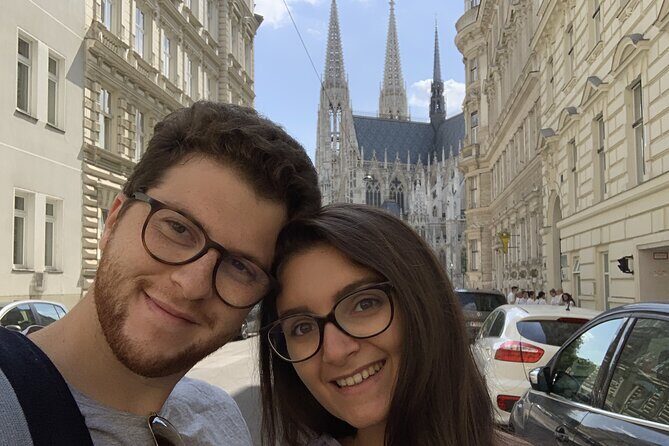
- Offline play after download: you don’t need internet to keep going through the city.
- Start anytime, not at a set tour time: it’s flexible, and you can take breaks.
- No human guide: private means fewer interruptions and less crowd stress.
- Clue-to-clue walking: each stop has you follow directions, solve something, and learn as you go.
- Sisi Museum cameo: one stop is short (about 10 minutes) and good for a break, with the museum ticket not included.
Vienna Freud, Mozart & Beethoven: a city walk you actually control
This is a self-guided exploration game through Vienna built around big names: Freud, Mozart, and Beethoven. Instead of marching from one landmark to the next, you get clue-based directions that turn sightseeing into an activity. You’ll solve puzzles, get instructions for what’s next, and learn about the spot you just found.
For me, the best part is the pace. You’re not stuck with a group that decides everything. You can linger when something catches your eye, or skip ahead if you’re in a hurry. Vienna has a way of demanding your attention. This format lets you pay it your own way.
And because it’s private (no human contact), it’s also a calmer choice in a city that can get crowded, especially in the center around major sights.
That said, it’s still walking. And you’re still reading on a phone. So treat it like an easy-to-medium “mindful stroll,” not a sit-down museum visit.
A few more Vienna tours and experiences worth a look



Where you begin: St. Stephen’s Cathedral to get your bearings fast
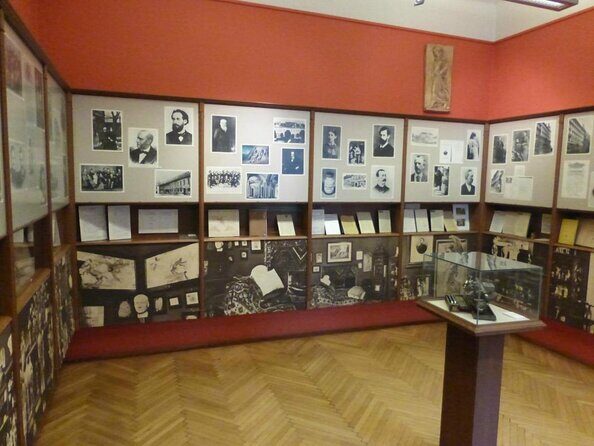
You start at St. Stephen’s Cathedral (Stephansplatz 3, 1010 Wien, Austria). That’s a smart starting point because it’s central and easy to orient yourself. Even if you’ve never been to Vienna before, the area gives you an instant sense of the city’s rhythm: streets that funnel you toward big sights, plus plenty of nearby public transport.
Practical tip: before you set out, get your phone ready. This kind of game goes smoother when you’re not fighting battery life or fumbling with menus while people flow around you.
Also, think of the cathedral area as your warm-up. You’re learning how the game’s clues work here, and you’ll get moving rather than trying to interpret everything at once.
How the offline phone game works (and why it feels easier than it sounds)

The tour is designed so you can play offline. That’s a big deal in Vienna, where you’ll pass through dense streets and busy squares where connection can be spotty. Once you’ve got the game downloaded, you don’t need internet to keep playing.
Here’s what that means for your day:
- You can start the walk whenever you like.
- You’re not tied to Wi‑Fi hotspots.
- You can keep your momentum even if your signal drops.
One small caution from real-world experience: getting started may require downloading first. If you’re starting from your hotel, it’s worth making sure you have enough time on a reliable connection to download the game before you leave. After that, you should be good to go.
The other reason the offline setup works is psychological. When you’re not constantly thinking about your phone’s connection, you focus on the puzzle and the streets you’re walking.
The clue stops: what each puzzle segment is really doing
Between the cathedral start and the Freud Museum finish, you’ll hit multiple puzzle stops. The pattern is consistent each time:
- You follow a clue to reach a location.
- You solve a puzzle to move forward.
- At the stop, you get instructions for where to go next.
- You also learn something about the place you just discovered.
This structure is the entire value of the experience. Without it, you’d just be strolling. With it, you’re using your attention. Vienna becomes less about simply recognizing famous buildings and more about understanding how stories connect to specific corners of the city.
Expect the game to slow you down in small, enjoyable ways. You’re not just looking. You’re interacting:
- reading the clue,
- scanning the area for the answer,
- confirming you’re in the right spot,
- then moving on.
In bright weather, this part can get harder if glare makes the screen tough to read. If you’re visiting on a sunny day, consider sunglasses and a screen brightness boost before you set out.
The Sisi Museum stop: a quick 10-minute story break
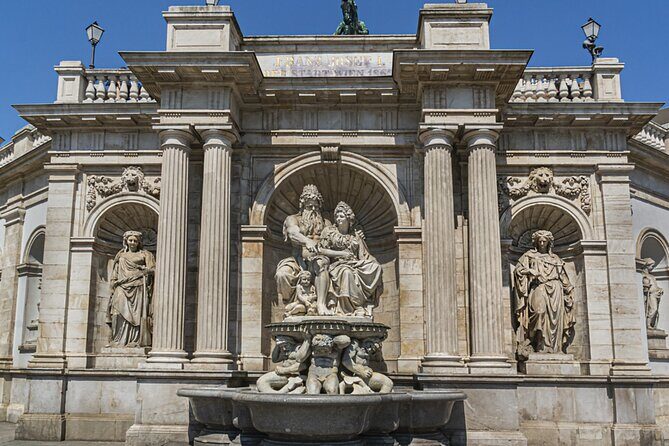
One named stop in the experience is the Sisi Museum, with about 10 minutes at the location. The important detail: the admission ticket is not included.
So how should you think about this stop?
- Treat it like a short detour, not a full museum afternoon.
- Plan for the possibility that you’ll spend time deciding whether to purchase entry (since the game includes a stop, but not the paid admission).
This is still useful even if you don’t go inside deeply. A short museum touch can give the overall walk variety and helps break up the longer stretches of city puzzle-solving.
Also, Sisi ties into Vienna’s “history you can feel” side. Freud, Mozart, and Beethoven are often discussed like chapter breaks in textbooks. Sisi adds a different emotional tone: personality, spectacle, and the kind of famous-life story Vienna does well.


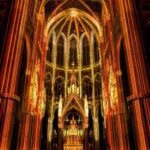

Your final arrival: Sigmund Freud Museum as the payoff
The game ends at the Sigmund Freud Museum, Berggasse 19, 1090 Wien.
Landing here makes sense. Freud is one of the anchors of the tour theme, and finishing at his museum gives you a satisfying close: you’ve been connecting ideas and locations across the city, and then you end at the place that most directly belongs to his world.
The museum’s hours are listed as 5:00 AM to 9:30 PM (daily), which suggests the experience can fit a wide range of schedules. Still, you’ll want to time your last puzzle steps so you arrive while the museum area is accessible.
If you’ve been enjoying the “learn while walking” format, this ending is a good moment to slow down and take in the significance of where you are.
Pace, crowd level, and how long 1–2 hours really feels
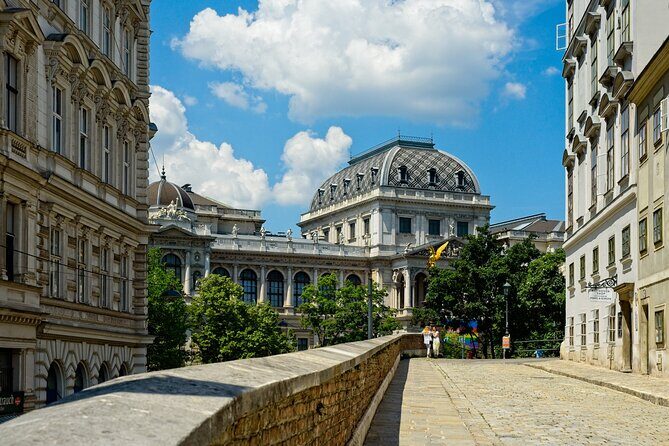
The stated duration is about 1 to 2 hours. In practice, your time will depend on how quickly you solve puzzles and how often you pause to read.
Because the game is private with no human contact, it also tends to feel less stressful in crowded areas. You’re not waiting for instructions from a guide or trying to keep up with a group. You just follow your screen prompts and move at your pace.
Still, one reality of Vienna is that the center can be full. The game’s clue approach can send you through busy zones. That’s part of the charm, but it’s also why sunny conditions and a phone glare problem can turn into a genuine slowdown.
My suggestion: if you’re going on a particularly crowded day, aim for slightly earlier or later start times. Even without changing the tour itself, timing can make a noticeable difference in how pleasant the reading and puzzle-solving feels.
Price and value: what $7.21 buys you in Vienna

At $7.21 per person, this is priced like an activity rather than a major-ticket experience. That matters because Vienna can add up fast. For this price, you get:
- a mobile ticket (so you’re not juggling paper),
- a guided-by-clues walk across multiple points of interest,
- offline access after downloading,
- and a format that doesn’t require you to schedule a tour at a fixed time.
The trade-off is also clear: this isn’t a museum guided by an expert who can answer your questions. You’ll be doing the learning through the game’s instructions. That works best if you enjoy self-guided discovery and don’t need a live person to explain everything.
One more cost note: Sisi Museum admission is not included. That doesn’t ruin the value, but it does mean you shouldn’t assume every stop is automatically paid for.
If you want a low-cost way to add curiosity and play to your Vienna days, this price point fits the bill.
Who should book this Vienna Freud, Mozart & Beethoven game
I think this tour fits best if you want:
- a flexible way to explore without locking into a set meeting time,
- a self-guided experience that feels safer and quieter than big group tours,
- and a walk that mixes fun puzzles with sightseeing.
It can work for families too, especially if kids enjoy finding answers and moving to the next clue. Some people found the puzzles fairly easy and the story engaging.
One important caution: one family experience flagged that the game’s ending felt inappropriate for younger ears. If you’re traveling with children, I’d consider how your kids handle surprises in story content. You can always choose to keep the focus on the locations and the learning, but be aware that the narrative has its own tone.
Solo travelers and couples usually love this kind of format because there’s no “waiting for the slowest person.” You’re on your own schedule, and that’s a real quality-of-life upgrade in Vienna.
Should you book it or skip it
Book it if you want an easy, low-cost, offline-friendly way to see Vienna differently. The private, no-guide format is a plus. Starting at St. Stephen’s Cathedral and ending at the Freud Museum gives you a clear beginning and payoff, and the puzzle structure helps you notice things you might miss on a normal walk.
Consider skipping or switching to a different format if:
- you hate reading on a phone while walking,
- your group prefers a live expert explanation,
- or you’re traveling with younger kids and you want to avoid story surprises.
If your goal is fun and flexible “learn as you walk,” this is a strong pick.
FAQ
Do I need internet to play the Vienna game?
No. It’s designed to be played offline once the game is downloaded, so you don’t need an internet connection during gameplay.
Can I start whenever I want and take breaks?
Yes. The experience offers full flexibility, so you can start at any hour, take a break, and resume later.
Where does the game start and where does it end?
It starts at St. Stephen’s Cathedral, Stephansplatz 3, 1010 Wien, and ends at the Sigmund Freud Museum, Berggasse 19, 1090 Wien.
Is a physical tour guide included?
No. A physical tour guide is not included, and the experience is private with no human contact.
How long does the exploration game take?
The duration is about 1 to 2 hours.
Is admission to Sisi Museum included?
No. The Sisi Museum admission ticket is not included, and the stop is listed at about 10 minutes.
What language is the game offered in?
It’s offered in English.
Can I cancel for a full refund?
Yes. Free cancellation is available up to 24 hours in advance for a full refund.