REVIEW · VIENNA
Vienna Small Group E-Bike Tour
Book on Viator →Operated by Vienna Explorer · Bookable on Viator
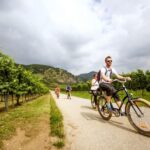
E-bike rides make Vienna feel extra close. This small-group tour mixes city icons with real green time along the Danube, then climbs to Kahlenberg for big views without turning the ride into a fitness test.
I love the practical flow here: you get a comfortable fatbike with electric assist, learn how to use it, and roll on quiet cycle routes instead of fighting traffic. One thing to keep in mind is that the ride timing and included snacks can vary in how it’s handled day-to-day, so I’d ask at the start what’s confirmed for your departure.
In This Review
- Key Highlights I’d Plan Around
- Vienna Looks Better From Quiet Bike Lanes
- Getting Started at Franz-Josefs-Kai and Using the E-Assist
- From Danube Canal Walls to the Top of Kahlenberg
- Belvedere Museum Grounds: A Palatial Photo Break
- Prater Park: Green Breaks and a Ferris-Wheel Icon
- Donauinsel on the Danube: River Lifestyle and a Proper Austrian Stop
- Ringstraße: The Grand Boulevard Encircling Historic Vienna
- Hundertwasserhaus: A Colorful Pause You’ll Remember
- Pace, Distance, and Group Size: What to Expect From the Ride
- Who This Tour Is Best For (and Who Might Skip It)
- Should You Book This Vienna Small-Group E-Bike Tour?
- FAQ
- How long is the Vienna Small Group E-Bike Tour?
- Where do I meet for the tour?
- What is included in the price?
- Are admissions included for the stops?
- How far do we ride?
- What kind of bike is used and is it assisted?
- What fitness level do I need?
Key Highlights I’d Plan Around
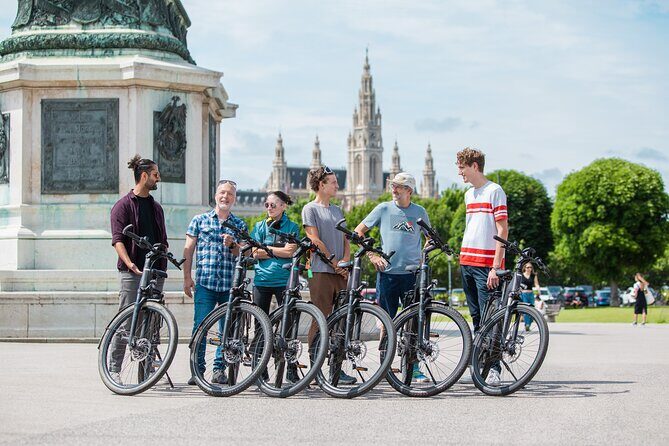
- Kahlenberg panoramic stop: work up the hill with e-assist, then pause for city views and a light break
- Danube Canal walls to Donauinsel: a river vibe that feels more local than central Vienna alone
- Comfort fatbikes + electric assist: better rolling over cobbles and easier climbing than a normal bike
- Included Austrian bite: bratwurst and radler as the classic stop people remember
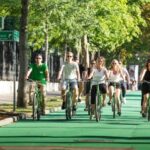
- Vienna by bike lanes, not side streets: tree-lined routes made for cyclists and pedestrians
Vienna Looks Better From Quiet Bike Lanes
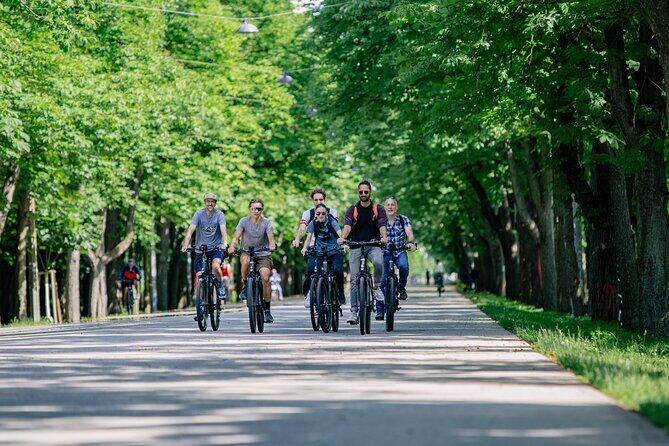
The best part of this tour isn’t one landmark. It’s the way the route connects them. You start in central Vienna, then the scenery keeps shifting: canal fortifications, hilltop viewpoints, big park areas, and then back to city streets that actually feel made for biking.
If you’ve been relying on buses and walking, this feels like a reset. You cover a lot of ground (about 21 miles / 35 kilometers) without doing the hard “stare at maps” part. And with a max group size of 12, you’re not lost in a swarm. You can hear your guide and stay together.
The tour also makes a strong case for doing Vienna in motion. Vienna’s “main sights” are great, but the city is equally about how it breathes—parks, riverbanks, and long promenades that turn an afternoon into something more relaxed.
You can also read our reviews of more cycling tours in Vienna
Getting Started at Franz-Josefs-Kai and Using the E-Assist
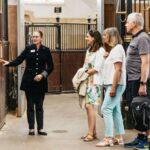
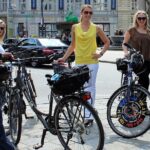
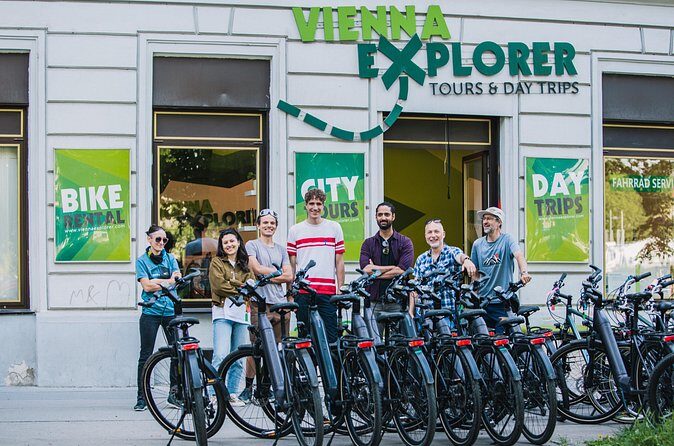
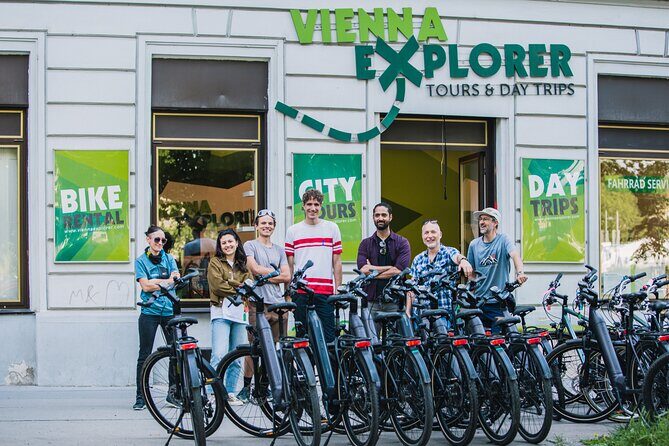
You meet at Vienna Explorer, Franz-Josefs-Kai 45, 1010 Wien. Expect a bike-fitting first, plus a quick tutorial on how the electric assist works on this fatbike. That matters more than it sounds. You’ll want to know when to lean on assist and when to let your legs do the work—especially for the climb toward Kahlenberg.
This is listed in English, and you’ll receive a mobile ticket. The ride is designed for people with at least moderate physical fitness, but it’s also noted as recommended for experienced riders. Translation: you don’t need to be a racer, but you should be comfortable balancing, turning, and riding in a group at city pace.
What I’d do before you go:
- Wear sporty, active clothing (you’ll be moving for hours)
- Bring your own mindset for hills: e-assist helps, but you’ll still feel some effort on steeper sections
- If there’s anything specific you need from the included gear (helmet fit, bottle holder, bell), ask early at check-in
Also, you’ll want to keep an eye on your exact departure time. The info provided includes a 10:00 am start, and another section references meeting around 1 pm—so confirm the time on your ticket for the day you book.
From Danube Canal Walls to the Top of Kahlenberg
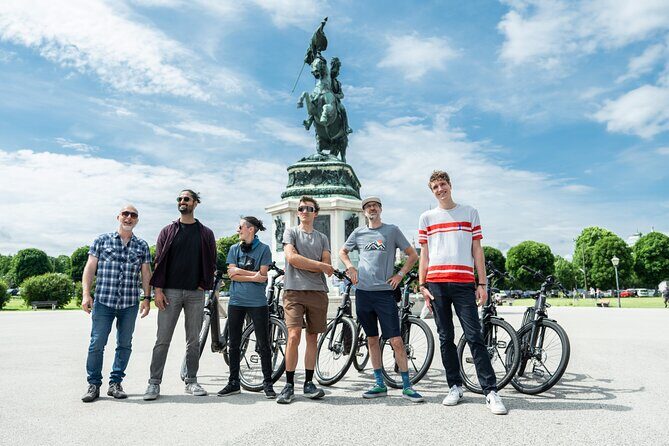
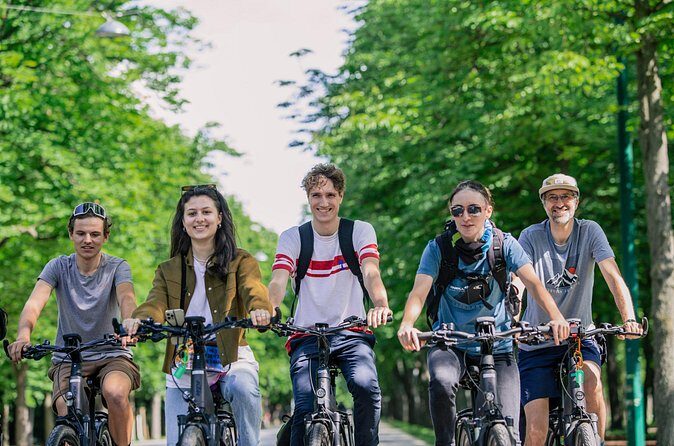
After meeting and gearing up, the tour immediately sets its tone: a ride along the fortified walls of the Danube Canal. It’s not just scenic. This is the kind of route that makes biking feel smart—flat-to-gently rolling progress on paths where you can focus on your surroundings.
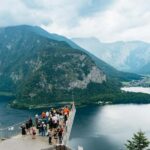
Then comes the big moment: heading toward Kahlenberg, described as Vienna’s tallest hill. With electric assist, you don’t have to grind uphill like you might on a regular bike. The assist can help you get up without breaking a sweat—though you’ll still want to pace yourself and avoid “max assist all the way” if you want a comfortable ride.
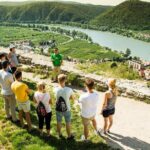
At the hilltop, you get that payoff stop: panoramic views of the city, plus a light snack break. This is a good point in the ride to reset. You’ll be warm, your lungs will be working, and then suddenly the city opens up below you.
If you’re the type who loves a view but hates the hike, Kahlenberg is the compromise Vienna offers. You get the viewpoint with less suffering, then you shift straight back into rolling downhill.
Belvedere Museum Grounds: A Palatial Photo Break
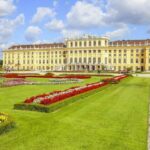
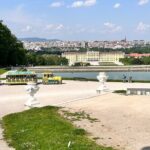
One of the scheduled stops is Schloss Belvedere—the baroque palace complex made of the Upper and Lower Belvedere set in landscaped grounds. This stop is about 30 minutes, and it’s noted that admission isn’t included.
So what’s the value here? You get a clean taste of the palace-and-park setting without committing to a full museum visit. If your main goal is seeing more of Vienna by bike, this is a good use of time. If you’re hoping for deep time inside the museum halls, you’ll likely want to add that separately.
Even if you don’t buy a ticket, the palace grounds are worth the pause. The buildings and gardens are built for people who like symmetry, statues, and big European-garden scale. And because you’re arriving by bike, you don’t feel rushed by public transport schedules.
Prater Park: Green Breaks and a Ferris-Wheel Icon
Next up is Prater Park, another 30-minute break, with admission free. Prater is Vienna’s big public park—green areas, walking and cycling paths, and the famous Wiener Riesenrad ferris wheel.
This is where the tour starts to feel like a hybrid of sightseeing and local recreation. Prater isn’t just “pretty scenery.” It’s where people actually spend time outdoors, and that makes the ride feel less tourist-bus and more you-and-Vienna.
If you like your sightseeing varied—palaces, then park paths, then river viewpoints—this stop delivers. It also helps that it’s not an intense “get on and sprint again” moment. You get time to stretch, look around, and enjoy the park air before returning to the city flow.
A few more Vienna tours and experiences worth a look
Donauinsel on the Danube: River Lifestyle and a Proper Austrian Stop
The heart of the ride’s “Vienna beyond the center” vibe is Donauinsel (Danube Island). This stop is listed at about 1 hour and admission is free.
Here’s why this part matters: it’s the section where Vienna shifts from monumental to everyday. The island is described as a classic place to relax in summer, and you may see people lingering in the recreational atmosphere. Even if you don’t swim or lounge, the river setting changes how you experience the whole city.
And yes, this is also one of the big eating moments. The tour includes a traditional Austrian biking snack—bratwurst paired with a radler (lemonade mixed with beer), described as refreshing on warm days. This isn’t a random snack either. It’s the kind of food that fits the pace of a ride: grab it, enjoy the island atmosphere, and keep moving.
One practical note: some departures seem to handle the included items a little differently in the real world. I’d recommend asking the guide right at the start what’s already confirmed for your group—especially for water and the exact snack/drink items.
Ringstraße: The Grand Boulevard Encircling Historic Vienna
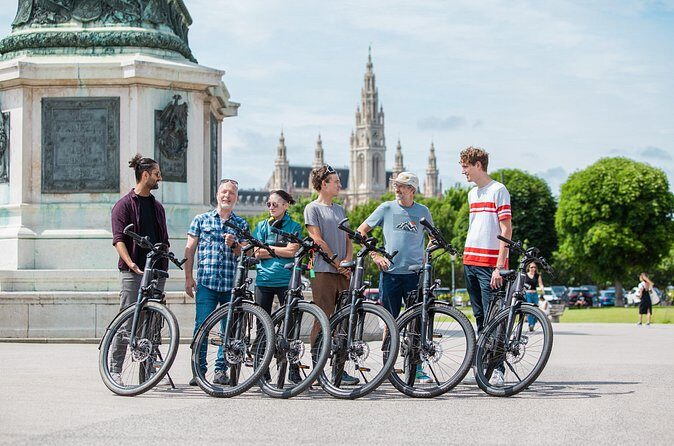
After the river and park energy, you’ll roll into the city’s grand loop: Ringstraße. This is a major boulevard encircling the historic center, lined with opulent 19th-century buildings and major institutions.
Your stop here is listed at about 30 minutes, and the tour highlights landmarks you can spot along the way, including:
- Vienna State Opera
- Hofburg Palace
- Austrian Parliament Building
What’s valuable about this on an e-bike is the viewpoint control. Ringstraße is full of architecture, but you can’t really enjoy it the same way from a speeding car or a too-quick bus stop. Biking keeps you at a human scale. You can look, absorb, and move without constantly waiting at traffic lights.
Also, Ringstraße works well late in the ride. By then you’ve already seen “green Vienna,” so the switch back to grand buildings feels like the natural next chapter, not an abrupt return to concrete.
Hundertwasserhaus: A Colorful Pause You’ll Remember
Another scheduled stop is Hundertwasserhaus, the famous apartment building designed by Friedensreich Hundertwasser. Expect about 30 minutes, and admission is free.
This is the kind of place where you don’t need a ticket to appreciate the concept. The whole building is built around non-traditional forms—curving, colorful surfaces, earth-and-grass elements, and even trees described as growing in unusual ways. It’s playful architecture, and it fits perfectly in a bike tour where you’ve already been moving through different neighborhoods and moods.
It’s also an easy win for photos. You’ll likely see the building in a different light depending on the time of day, and because your stop is short, you won’t feel stuck waiting for the “right angle” for an hour.
Pace, Distance, and Group Size: What to Expect From the Ride
The ride covers around 35 km (21 miles) and is listed as about 3 hours in the summary. But you may see departures described as longer in some details. That’s one reason I think it’s smart to treat this as a flexible half-day experience rather than a strict clockwork program.
The route includes a mix of:
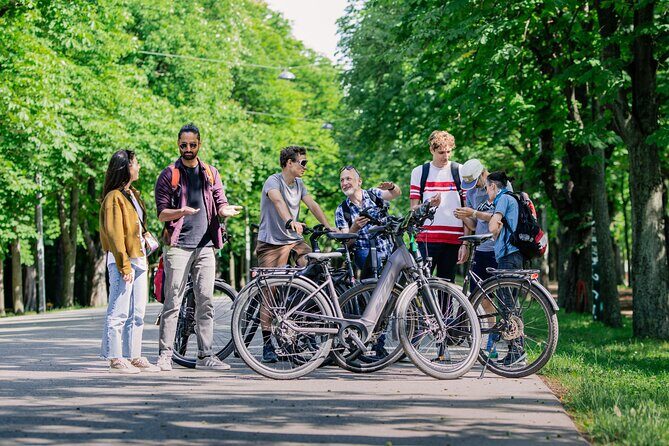
- Quiet bike paths and roads
- Hills (handled by the electric assist)
- Stops that are brief but frequent enough to break up the riding
It’s a small-group format with a maximum of 12 travelers, which is usually what you want for group safety and for hearing the guide. Still, if you’re sensitive to noise or need lots of hands-on guiding, you may prefer a more slow-and-stop style walking tour for your main “learn everything” experience.
On the equipment side, the tour includes a helmet and use of the bicycle. But because real-world handling can vary, I’d arrive ready to check:
- Helmet fit
- Whether your bike feels adjusted to your height and comfort
- Basic bike functionality (and if you need extra items like a bell or a bottle holder, confirm at the start)
Some people also recommended getting comfortable riding before your tour, especially if you haven’t biked much recently. That’s good advice. E-bikes are easier than normal bikes, but the challenge of controlling a bike in traffic and turns is still real.
Who This Tour Is Best For (and Who Might Skip It)
This e-bike tour is a strong match if you want:
- A Vienna overview that goes beyond Old Town
- Easy access to river and park areas like the Danube Canal and Donauinsel
- A comfortable bike with electric assist for hills
- A mix of architecture stops and outdoor scenery in one go
- Included classic Austrian food like bratwurst and radler
It’s also a good fit if you did a lot of walking earlier in your trip and want a different rhythm. This tour changes the texture of your day. You stop often, but you’re not stuck in lines or short bus windows.
Consider skipping if:
- You want long museum time (some stops note admission not included, like Belvedere)
- You expect very detailed, lecture-style storytelling at every stop
- You’re prone to getting stressed by changing timelines or quick photo stops
- You’re not comfortable riding with other people at city pace
Should You Book This Vienna Small-Group E-Bike Tour?
If your goal is to see Vienna from a practical point of view—palaces, big boulevards, famous quirky buildings, plus the Danube’s green spaces—this is a very good booking. The combination is what makes it worth the money: a guide, a high-comfort bike setup, quiet routes, and an included Austrian snack moment that fits the ride.
I’d book it especially if you like the idea of Kahlenberg viewpoints without paying for a strenuous hike. Just don’t treat it like a museum tour. Treat it like a well-paced bike day where the city’s variety is the point.
One last tip: if you care about the exact included items (water, bratwurst, radler), ask the guide right at check-in so you’re set for the ride ahead.
FAQ
How long is the Vienna Small Group E-Bike Tour?
The tour is listed as about 3 hours, with some route descriptions referring to a longer overall time on the saddle.
Where do I meet for the tour?
You meet at Vienna Explorer, Franz-Josefs-Kai 45, 1010 Wien, Austria.
What is included in the price?
The price includes a professional guide and use of the bicycle and helmet. Snacks and beverages are included, with the route featuring an Austrian bratwurst and a radler.
Are admissions included for the stops?
Admission to Belvedere Museum is not included, while Prater Park and Donauinsel stops are listed as free. Other stops are also listed as free.
How far do we ride?
The tour covers about 21 miles (35 kilometers) total.
What kind of bike is used and is it assisted?
You ride a comfortable fatbike with electric assist to help with hills.
What fitness level do I need?
It’s recommended for riders with moderate physical fitness and noted as recommended for experienced riders only. Minimum age is 14.