REVIEW · VIENNA
Wien: Tours with locals by public transport & walking
Book on GetYourGuide →Operated by Guide from Vienna - RAXI Tours · Bookable on GetYourGuide
Vienna feels like a puzzle you can actually solve. This tour teaches you how to ride Vienna public transport confidently while you hit big-name sights like Otto Wagner’s subway vision, plus the playful geometry of Hundertwasserhaus. I also like that you’re not just standing in front of buildings; you’re practicing how locals move, so the city sticks. A possible drawback: if you hate walking and transit between stops, the schedule can feel a little fast for a relaxed museum day.
You get a small group (max 10), clear headsets for the guide, and a route that blends “famous” with places you might otherwise skip. The structure is designed for first-timers who want momentum and direction more than deep, slow history lectures. If you’re after long, detailed museum time, you’ll likely want to add separate ticketed visits on your own after the tour.
In This Review
- Key things that make this tour worth your time
- Vienna’s tram and subway skills: the real souvenir
- How the tour flows (2–4 hours) with small groups and headsets
- Otto Wagner: seeing Vienna’s subway mind at street level
- Hundertwasserhaus and the Spittelau-to-ecology storyline
- Ringstraße and Hofburg: imperial scale, explained in motion
- Belvedere Palace: gardens, palace views, and smart pacing
- Schönbrunn: ending with a big finish and easier next steps
- Price and value: what $56 buys you in real terms
- Who should book this tour (and who might not)
- Quick planning notes that affect your experience
- Should you book Vienna: Tours with locals by public transport & walking?
- FAQ
- How long is the tour?
- Is the tour run in bad weather?
- Is public transport included in the price?
- Which languages are offered?
- How big is the group?
- Can I record the guide during the tour?
Key things that make this tour worth your time
- Public transport practice that reduces stress fast, with tram, bus, and subway used throughout
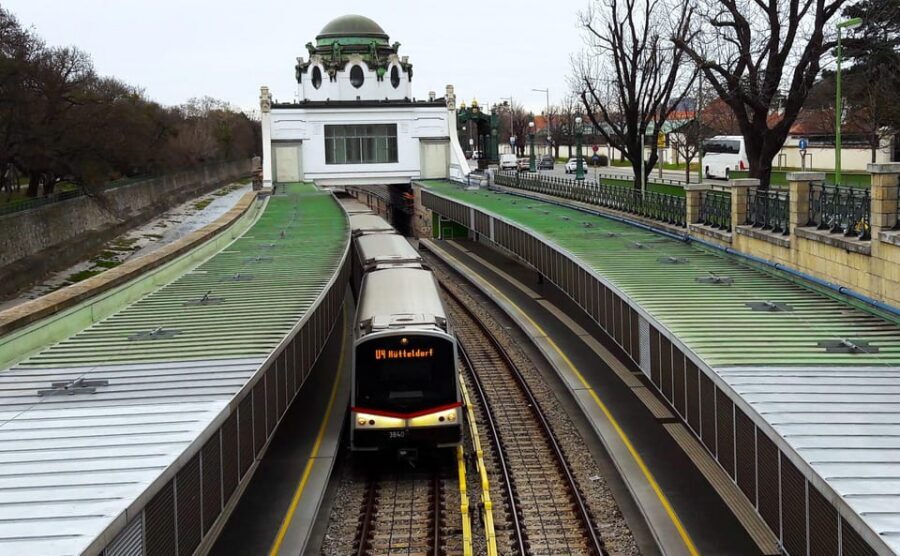
- Otto Wagner spotlight, connecting his design ideas to what you see around the city
- Hundertwasser focus with Spittelau-to-Hundertwasser House logic, plus other Hundertwasser-decorated spots
- A Ringstraße and Hofburg walk with purpose, so the imperial scale doesn’t feel overwhelming
- Belvedere and Schönbrunn in one flow, timed to keep you moving without feeling rushed
- Small-group + headsets, so you can hear the guide even while you’re walking and transferring
Vienna’s tram and subway skills: the real souvenir
The best part of this tour is that it treats transit like part of the sightseeing, not an interruption. Vienna can feel intimidating at first, but once you’ve used the tram and subway a few times with a local guiding your timing, the city turns friendly. You’ll come away with a working mental map for how to get from palace to palace without thinking too hard.
I especially like that the tour is built for your comfort level. You’ll get a short safety and orientation briefing, then you start moving right away. That rhythm matters because it stops the classic first-day problem: you spend hours reading maps and still arrive late.
If your goal is to see Vienna efficiently and then travel independently after, this tour fits that plan. If your goal is to linger in a single place for hours, the back-and-forth between transport and walking might not match your style.
You can also read our reviews of more walking tours in Vienna


How the tour flows (2–4 hours) with small groups and headsets
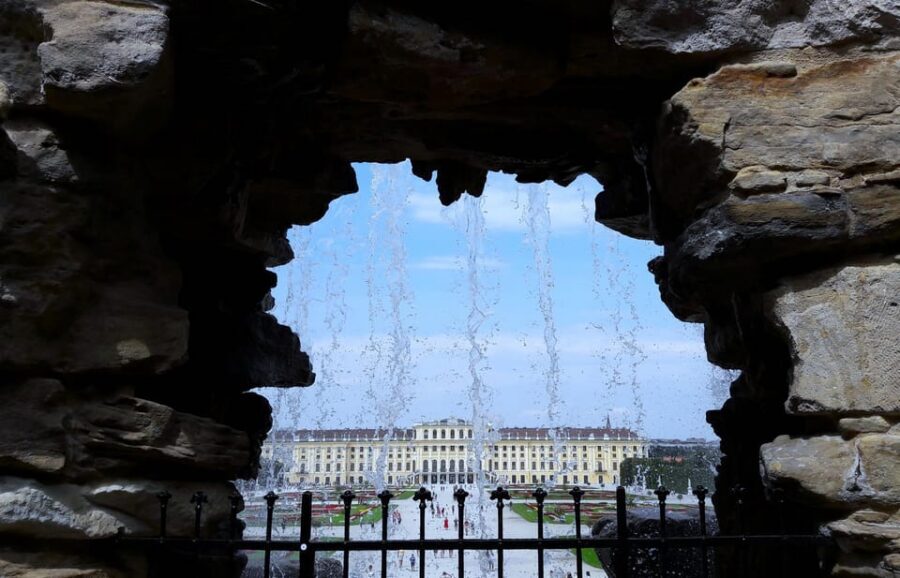
This is a guided experience with a duration that runs roughly from 2 to 4 hours, depending on the route you choose. The group stays small, limited to 10 participants, which makes it easier for the guide to adjust pace and regroup when you’re transferring between vehicles.
You’ll start from one of the meeting options (it can vary based on what you booked). Expect a brief start including a safety and route explanation, then a short ride by tram before you reach the first major focus area. Throughout, the guide uses tram, bus, and subway, so you learn not just what to see, but how the system connects.
A practical bonus: the tour includes headsets, so you don’t have to crane your neck to hear details while walking. That’s a big deal in city centers where sound bounces around.
One note to plan around: it runs rain or shine, so comfortable shoes are non-negotiable. And recording the guide’s explanations isn’t allowed, so if you like to capture everything, plan to take notes instead.
Otto Wagner: seeing Vienna’s subway mind at street level
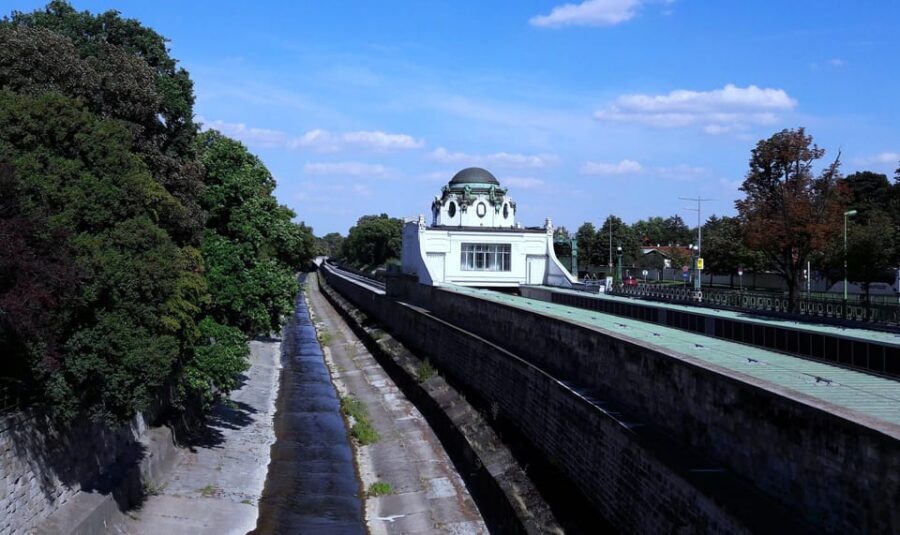
Otto Wagner is one of those figures whose impact shows up everywhere once you know what to look for. This tour is structured to connect his work to what you can actually walk past and experience, including references to his role as the planner behind the ingenious subway concept.
What I love about this portion is the way it changes your relationship with “infrastructure.” You start noticing design choices—form, function, and how routes shaped the city’s growth—rather than treating the subway as just a convenience. You’ll get enough context to make his presence feel tangible, not like a random name from a guidebook.
There’s also a practical side. If you’re planning a longer stay, understanding why the subway and tram routes matter helps you choose your own stops later. You won’t just remember sights; you’ll remember how to get there smoothly.
Hundertwasserhaus and the Spittelau-to-ecology storyline
After you’ve gotten your transit bearings, the tour swings toward the kind of architecture that makes Vienna feel surprising. You’ll visit Hundertwasserhaus with a guided look that’s designed to help you appreciate what you’re seeing without turning it into a strict lecture.
The focus isn’t only the building in front of you. The tour also follows a trail concept linked to Spittelau and the Hundertwasser theme that connects to early ecological ideas. That matters because Hundertwasser isn’t just about color and curves; the guide frames the work as part of a broader thinking style that was unusual for its time.
You may also see other Hundertwasser-related decorated buildings around Spittelau. The advantage here is that you learn how to spot the theme across different spots, so the city stops looking random.
The main trade-off: you’ll want to keep your energy up. This is a visual-and-walking stop, so comfortable shoes and good rain protection make the experience much more enjoyable.
Ringstraße and Hofburg: imperial scale, explained in motion
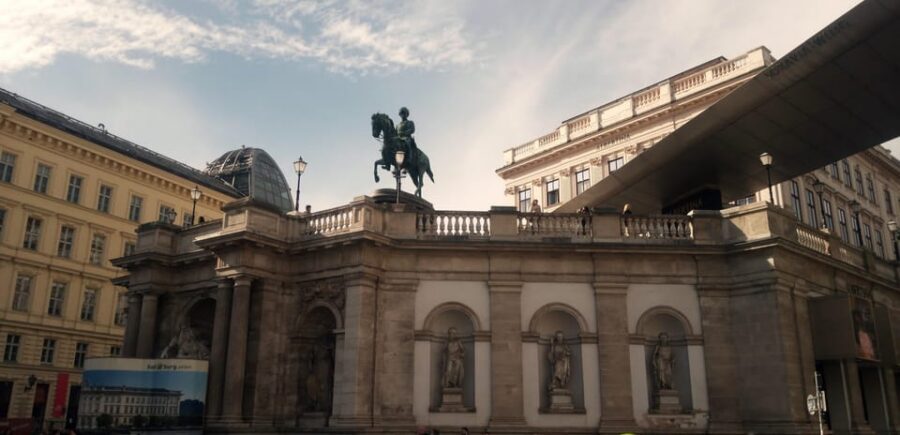
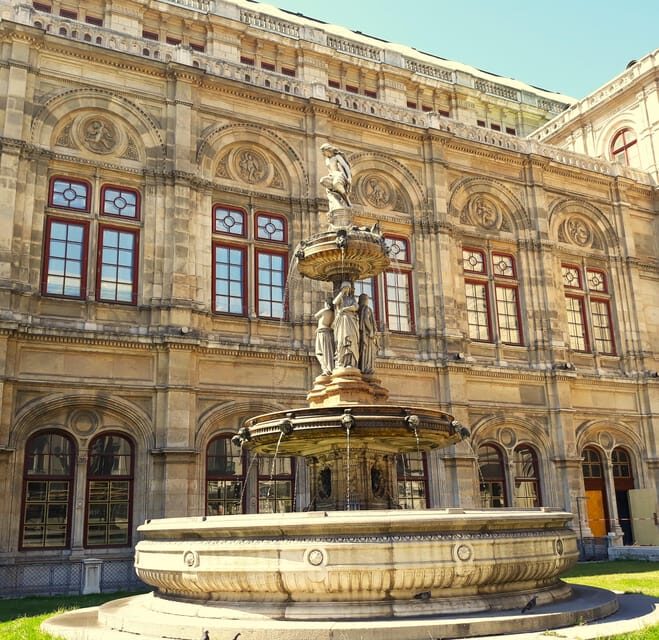
Then comes one of Vienna’s most classic “main character” areas: the Ringstraße and Hofburg. This portion isn’t just about seeing the grand façades. The tour aims to walk you through the logic of the area so it doesn’t feel like a long wall of buildings.
You’ll get a guided component around Hofburg Palace, plus a walk that helps you understand how this seat of power shaped what grew around it. Hofburg can be a lot on its own, so having a guide connect the pieces makes it easier to process.
There’s also an underrated value here: learning what parts of the Ringstraße are worth your time later. Even if you plan to return, you’ll be able to decide faster where you want to linger, because you’ll already understand the layout.
If you love sweeping city views and big architectural storytelling, this segment will land well. If you’re exhausted from the walking, plan to pace yourself and rely on the headsets to keep the guide’s narrative close.


Belvedere Palace: gardens, palace views, and smart pacing
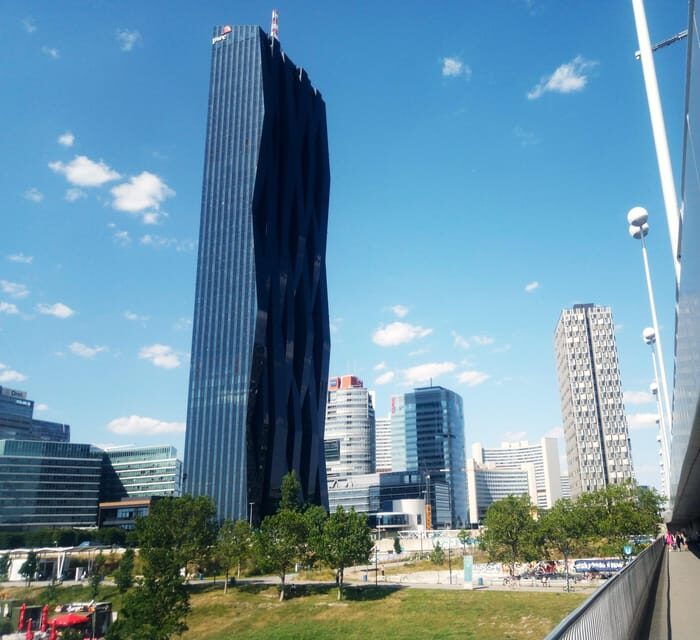
Next up is the Belvedere Palace area, reached by public transport and supported by a guided walk. This is a good pivot because Belvedere isn’t only about the palace building. The experience includes time to explore the gardens area with guidance, which helps you connect views to the palace’s setting.
The gardens are where first-timers often lose time. With a guide’s route, you don’t wander randomly—you see the key perspectives and understand why the layout is memorable. It’s also a nice break in tone after more “formal” imperial architecture.
Practical tip: since the tour is moving by tram and subway, you’ll want to stay attentive during transfers so you don’t end up doing extra walking. The small group size helps here because it’s easier for the guide to keep everyone together.
Schönbrunn: ending with a big finish and easier next steps
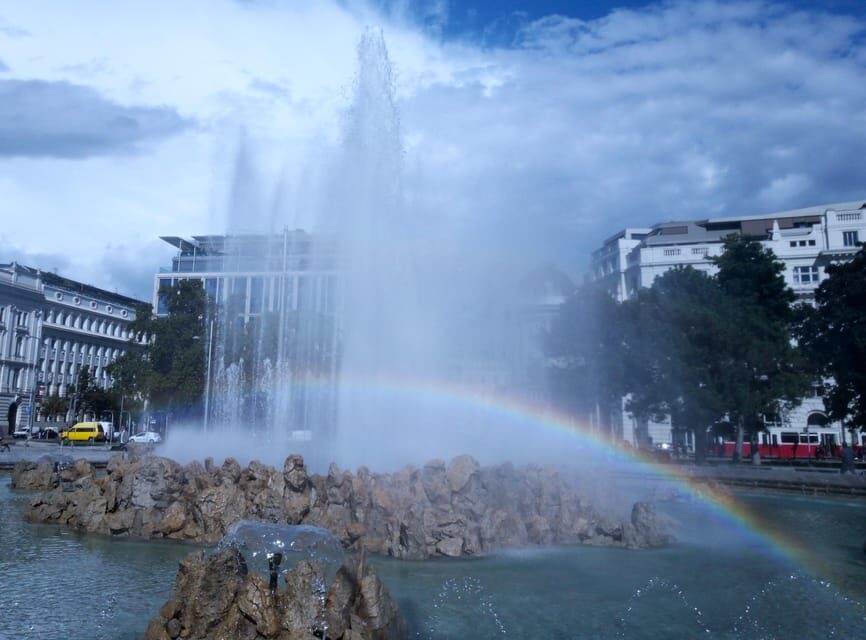
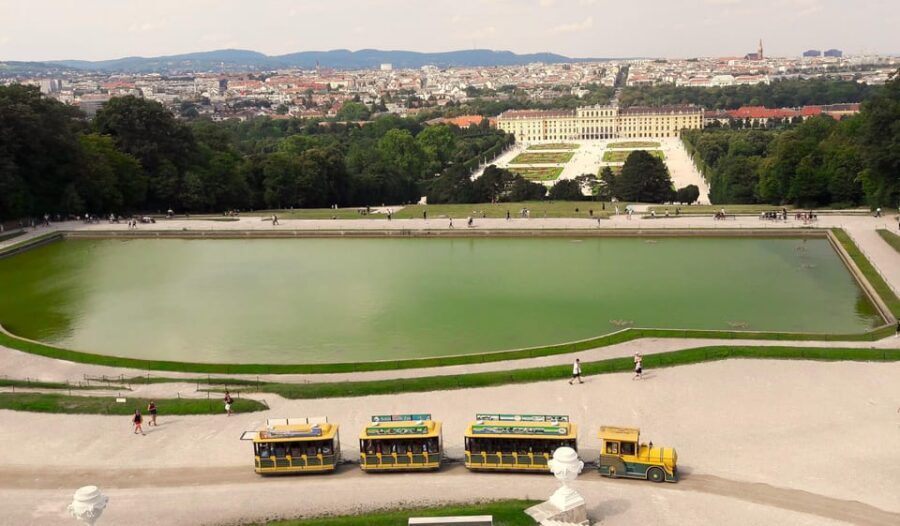
The final major star is Schönbrunn Palace with a guided tour component and an on-site walk. Schönbrunn is one of those places where it’s easy to feel overwhelmed if you arrive without a plan. This tour helps you focus on what to notice first, then gives you a way to experience the grounds without turning it into a checklist sprint.
You’ll also encounter the idea of nearby Otto Wagner connections, including the presence of an Otto Wagner Hof Pavilion behind Schönbrunn as part of the broader route logic. That’s a smart touch because it ties your earlier Wagner learning back to this major palace setting.
Once you finish, you’ll likely feel more confident heading out on your own. The guide uses the tour structure to train your instincts: which transit mode to choose, how to plan walking distances, and how to keep moving efficiently even when you’re sightseeing.
At the end of the tour, you’re dropped off at one of the designated locations (depending on the route you booked), including spots such as Belvedere Palace and Parlament Österreich, plus a central Vienna option.
Price and value: what $56 buys you in real terms
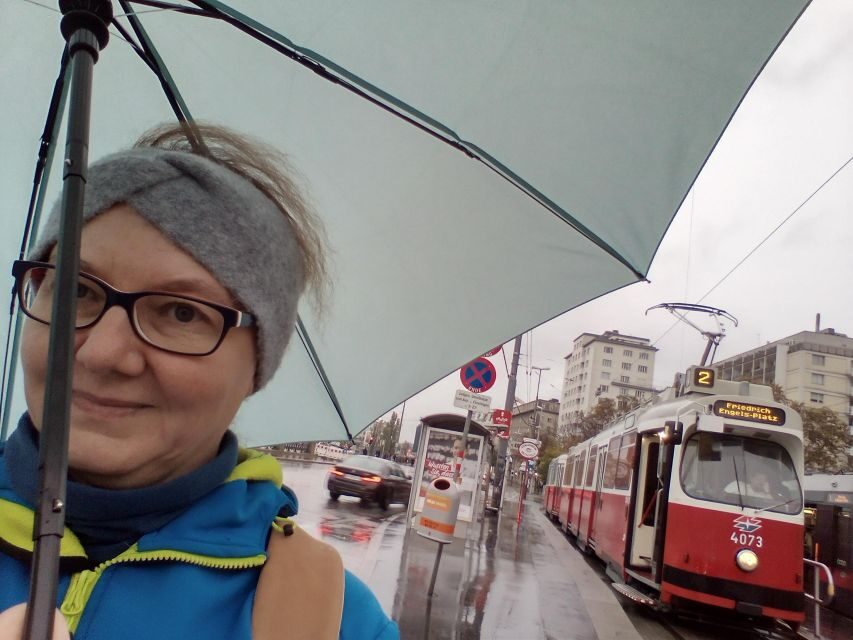
At $56 per person for 2 to 4 hours, you’re paying for a tight package of three things: a guide, training on transit use, and a guided introduction to multiple high-impact sights. Tickets for Wiener Linien public transport are not included, and museum tickets for the upper/lower Belvedere museums also aren’t included. But the included guidance is doing real work: you don’t just learn where things are; you learn how to reach them with less stress.
The headsets and small-group limit are also part of the value. In a larger crowd, you’d struggle to hear and to keep the group together during transfers. Here, the size makes it more likely you’ll actually absorb the explanations instead of only catching fragments.
If you’re visiting for just a few days, this kind of “get oriented fast” tour can save hours. And when you can ride tram and subway without second-guessing, you can spend your remaining time on what you truly want to linger at.
Who should book this tour (and who might not)
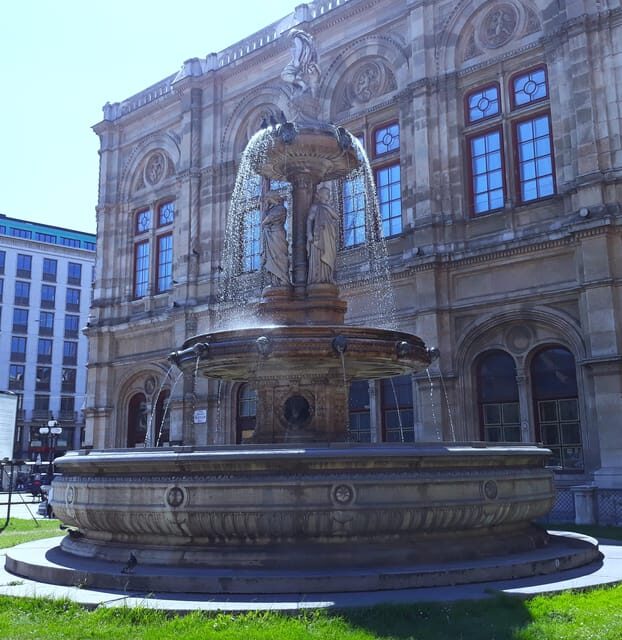
This is a great match if you want to see major Vienna highlights while also learning practical transit habits. It’s especially useful for visitors who feel uncomfortable jumping into tram or subway routes without a plan. The tour’s pacing is designed to get you moving, so you leave with confidence.
It’s also a smart choice if you like architecture and enjoy learning through what you can observe in the street. Otto Wagner and Hundertwasser are the two anchor themes, and they’re paired with major imperial settings like Hofburg and Ringstraße.
You might consider a different option if you’re the type who prefers deep museum time over walking between places. This tour includes guided parts and time to look, but it’s not trying to replace an all-day museum visit or a long, ticket-heavy day.
Quick planning notes that affect your experience
A few practical details can make or break a city-day tour like this. Plan for rain or shine, and wear shoes you can walk in for multiple segments.
Bring along a mindset of learning. You’ll be practicing transit use, so pay attention during the short ride and transfer moments. Also, since recording guide explanations is prohibited, treat your phone notes (or a small notebook) as your memory tool.
Finally, the tour language can be English or German, and in rare cases it may run in two languages if there are different participants. You won’t be able to control the other language at short notice, so if language clarity is critical, confirm the situation before you go.
Should you book Vienna: Tours with locals by public transport & walking?
If you want Vienna to feel usable—not just beautiful—this is a strong choice. You’ll learn transit habits you can use immediately, while still seeing headline sights like Hundertwasserhaus, Hofburg, Belvedere, and Schönbrunn, plus the design-minded stories around Otto Wagner. The small group size and headsets make it easier to actually hear and follow along.
Skip it only if you’re committed to a slow, museum-first day. This tour is about movement, orientation, and making the city easier to navigate after you leave.
If your goal is to get your bearings fast and see a lot with less stress, I’d book this early in your trip so the rest of Vienna feels simpler.
FAQ
How long is the tour?
The duration is 2 to 4 hours, depending on availability and the route you choose.
Is the tour run in bad weather?
Yes. This tour takes place rain or shine.
Is public transport included in the price?
Tickets for Wiener Linien are not included, so you’ll need to order or buy them separately.
Which languages are offered?
The live guide runs in English and German.
How big is the group?
It’s a small group, limited to 10 participants.
Can I record the guide during the tour?
No. Recording of the guide’s explanations is strictly prohibited since the tour is protected by copyright.