REVIEW · VIENNA
Combo ticket: Ernst Fuchs Museum & Otto Wagner Complex with smartphone guide
Book on GetYourGuide →Operated by KOHATECH FlexCo · Bookable on GetYourGuide
Golden dome, short uphill, big architecture payoff. This combo ticket strings together the Ernst Fuchs Museum in Otto Wagner’s Villa I, Wagner’s Villa II, and a guided-on-your-phone walk through the Vienna Woods to the Kirche am Steinhof. I like how the route feels like a mini time machine for Vienna’s architectural story, and I like that the smartphone GPS audio guide helps you notice details you’d otherwise miss. One thing to factor in: the hike is easy but real (about 150 meters up), and it’s not suitable for wheelchair users or people with heart problems.
You’ll start at Hüttelbergstraße 26 (1140 Vienna), then move from art and design to fresh air. Expect a full day that mixes indoor calm with outdoor walking—without waiting around for a group tour to regroup.
In This Review
- Key points I’d plan around
- Why Otto Wagner’s Vienna feels different from “just museums”
- Ernst Fuchs Museum in Otto-Wagner Villa I: art inside a real working vision
- Villa Wagner II: seeing the shift toward more minimal, modern living
- The uphill hike into the Vienna Woods (45 minutes, ~2.5 km)
- Otto Wagner Areal: where the complex starts to feel like a whole world
- Kirche am Steinhof: the golden dome and why it’s called modern
- How the smartphone audio guide works (and what to do before you start)
- A realistic flow for your one-day schedule
- Price and value: what $28 buys you in practice
- Getting there: the meeting point and the simplest route
- Who should book this (and who should skip it)
- Should you book this Otto Wagner combo ticket?
- FAQ
- Where does the experience start?
- How do I get to the meeting point using public transport?
- How long is the hiking portion?
- How long should I plan for the whole experience?
- Is admission to the Kirche am Steinhof interior included?
- Do I need to download an app?
- What languages are available on the audio guide?
Key points I’d plan around
- Villa I becomes the Ernst Fuchs Museum—you get architecture + art in the same stop.
- Villa II shows Wagner’s last residential ideas, more modern and minimalist than Villa I.
- A GPS smartphone guide takes you from Wagner’s homes into the Vienna Woods.
- The route includes a 45-minute hike (about 2.5 km, ~150 m elevation gain).
- The golden dome at Kirche am Steinhof is framed as one of Europe’s first modern churches.
- Church interior is optional—the combo ticket does not automatically include entry inside.
Why Otto Wagner’s Vienna feels different from “just museums”
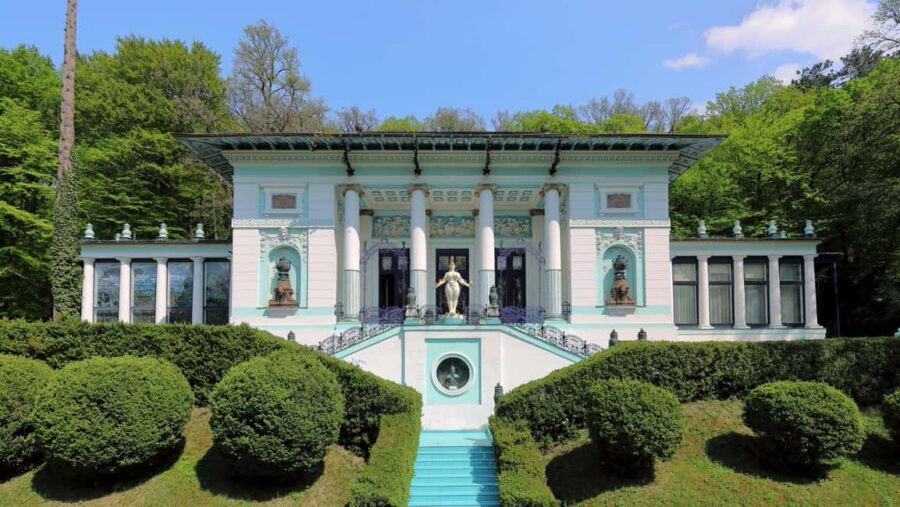
Vienna is full of big-name sights. This experience is different because it traces one architect’s thinking across buildings, neighborhoods, and the city’s edges.
You’ll begin with Ernst Fuchs’ art in a house Wagner designed for himself (Villa I). Then you’ll shift to Villa II, his last home, and finally end at his most famous work: the Kirche am Steinhof. It’s the kind of route where the walking matters. The surrounding woods and hillside setting help explain why the church looks so deliberate, not random.
A few more Vienna tours and experiences worth a look


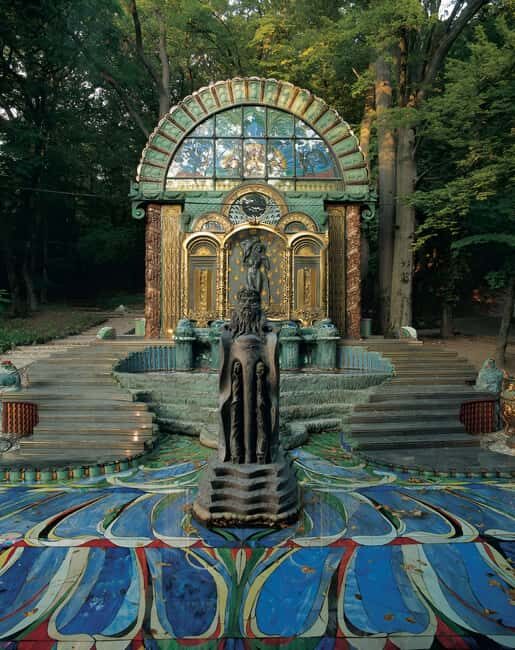
Ernst Fuchs Museum in Otto-Wagner Villa I: art inside a real working vision
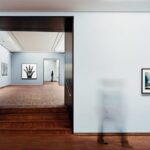
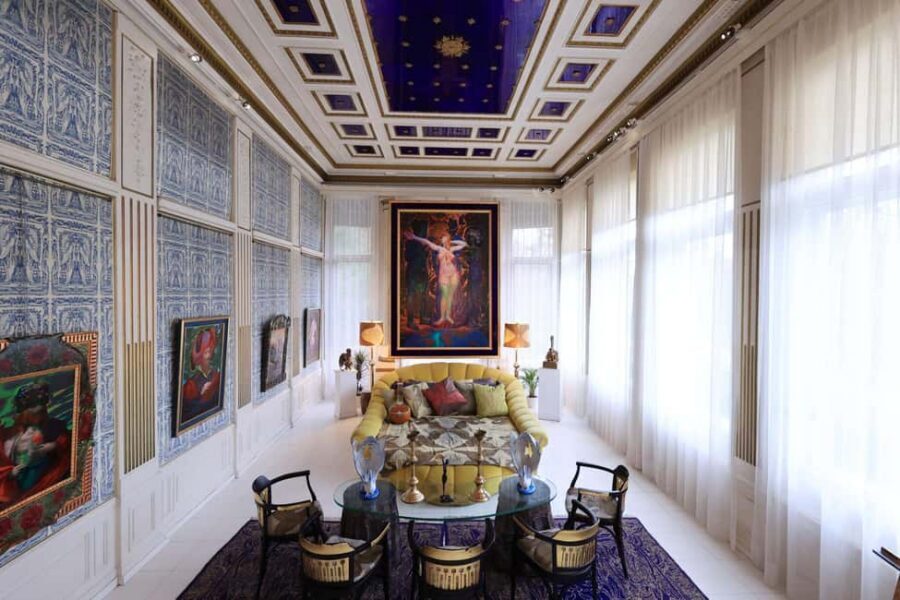
Your first stop is the Ernst Fuchs Museum, located in Otto Wagner’s Villa I. This is not just a museum plopped into a building. The building itself is part of the story—Wagner’s design choices frame how you experience what’s inside.
Plan about one hour here. That’s enough time to see the collection and still keep your energy for the walk later. What I like in this setup is the way the smartphone audio guide helps connect the museum visit to Wagner’s life work—so the art doesn’t feel separate from the architecture.
Practical tip: since your day starts with an indoor visit, charge your phone before you leave. You’ll want GPS and audio ready for the outdoor sections next.
Villa Wagner II: seeing the shift toward more minimal, modern living
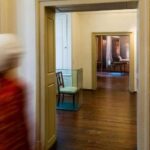
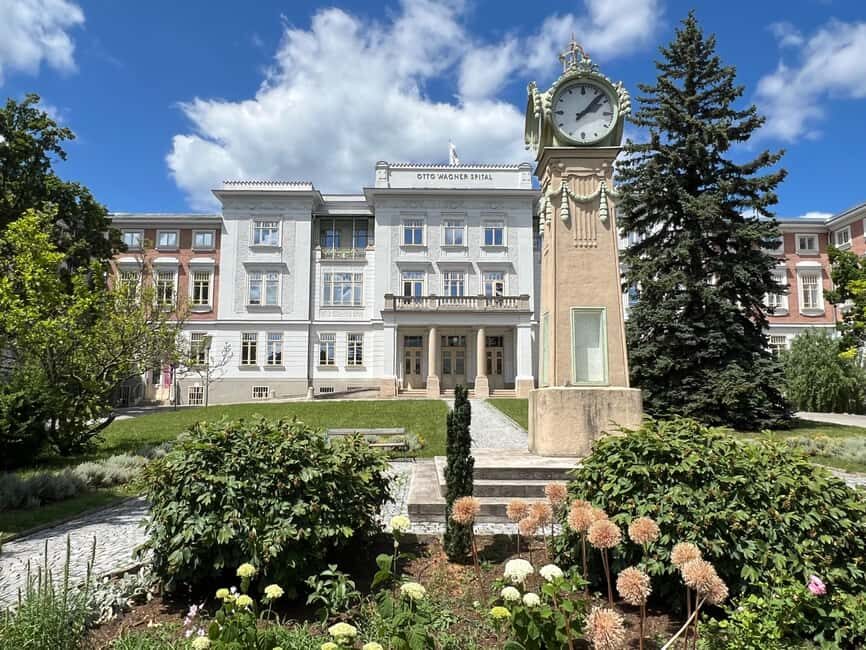
Right next door is Villa Wagner II, Wagner’s second and last residential villa. If Villa I gives you a sense of Wagner’s established ideas, Villa II gives you the direction he was heading.
You’ll do a self-guided tour here. That format is useful: it lets you slow down and read the space at your own pace rather than racing through with a group. It’s also a smart contrast against the museum stop. Villa II is described as more modern and minimalist, which helps you understand how his thinking evolved without needing a lecture.
If you like architecture that shows change over time, this is the moment of the day when it starts to “click.”
The uphill hike into the Vienna Woods (45 minutes, ~2.5 km)
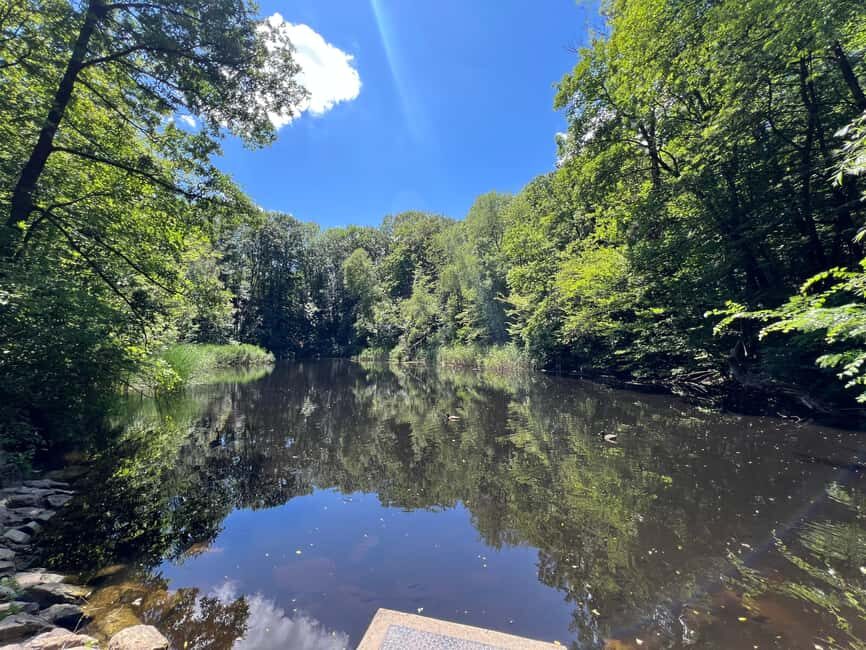
This is the part you should plan for, because it affects comfort more than anything else. After Villa II, you’ll hike on foot for about 45 minutes (roughly 2.5 km with around 150 meters of elevation gain) to reach the Otto Wagner Areal area.
The good news: it’s labeled as an easy hike. The caution: 150 meters up is still 150 meters up, and the path is outdoors. Bring hiking shoes and water. If you’re visiting in warm weather, don’t underestimate the climb pace.
Also, if you’re traveling with anyone who has mobility limitations, this is the section to think about first. The experience is not suitable for people with mobility impairments, wheelchair users, or people with heart problems, and it’s not recommended for people over 70.
Otto Wagner Areal: where the complex starts to feel like a whole world
Once you reach the Otto Wagner Areal, you’ll have about two hours for walking and self-guided exploration with your smartphone audio guide.
This is where the GPS route starts working like a story map. The guide helps connect what you see in front of you—structures, layout, and setting—to the broader context of Vienna’s architectural history and urban development. Instead of “look at building, move on,” you get guidance for noticing design logic.
The vibe here is quiet and outdoorsy. For me, that’s a major value. You’re not stuck in a crowd, and you’re not forced to keep up with a fast-moving group. You get a chance to watch the architecture from different angles as the setting opens up.
You can also read our reviews of more guided tours in Vienna



Kirche am Steinhof: the golden dome and why it’s called modern
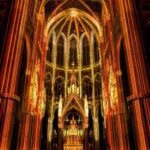
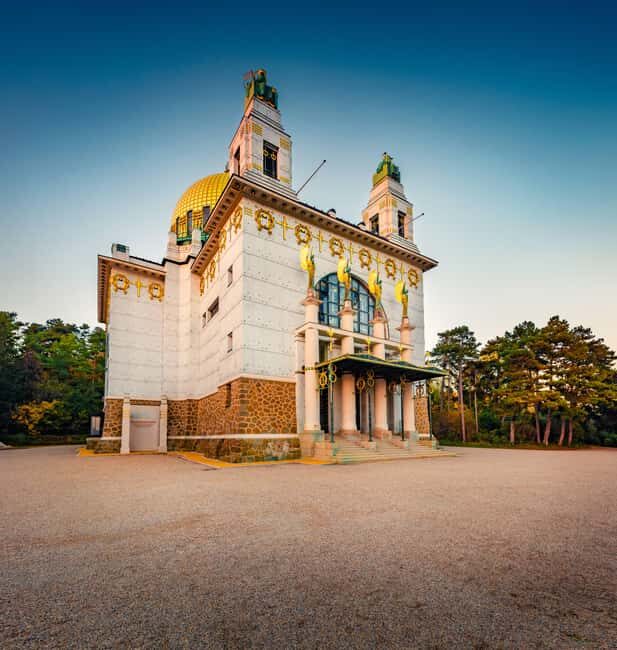
Your highlight is Kirche am Steinhof, often described as the first modern church in Europe, with a golden dome above Vienna. It’s the payoff for all the earlier context.
The audio guide frames the church through Wagner’s idea: something impractical cannot be beautiful. What that means in real life is that you’re asked to look at the church as a designed system, not just a decorative building. The dome, the form, and the setting all work together.
Timing-wise, plan enough attention for the exterior and the surrounding complex. If you also want the church interior, remember: admission to the Kirche am Steinhof (interior) is optional and not included in the combo ticket.
How the smartphone audio guide works (and what to do before you start)
This is a big part of the value. The experience includes smartphone audio guides for the museum and for the Otto Wagner complex, plus the church on the Steinhof route.
Important details:
- No app is necessary. You just click on the provided link, put on your headset, and go.
- The guide is available in English, Italian, French, German, Spanish, Polish, Korean, Chinese, Czech, Portuguese, Hungarian, Russian, Japanese, Greek, Romanian, Turkish, Danish, Dutch, Hindi.
- Some content is shown in its original language, so expect moments where the language you’re hearing might not match your preference exactly.
Practical advice: bring a charged smartphone. If your battery is fragile, pack a power bank even though personal equipment like that isn’t included.
Also, use the guide as a pacing tool. If you’re reading everything visually at first, you’ll miss the audio cues. Try this instead: move, stop when the audio tells you to look, then resume.
A realistic flow for your one-day schedule
You’re looking at a 1-day experience with these anchor times:
- Ernst Fuchs Museum (Otto-Wagner-Villa I): 1 hour
- Villa Wagner II: self-guided
- Walk to the Areal: 45 minutes
- Otto Wagner Areal: 2 hours
- Kirche am Steinhof: self-guided
- Finish at the Otto Wagner Areal
Here’s how I’d handle it if you want a smooth day without rushing:
- Use the first hour at the museum to get the architecture-art connection early. That makes the rest of the day easier.
- Keep your Villa II visit flexible. It’s self-guided, so you can spend more time if it grabs you.
- On the hike, keep your pace steady. Save sightseeing energy for the Areal and church.
- At the end, don’t treat the church as a photo stop only. Let the audio frame why the design is considered modern.
Price and value: what $28 buys you in practice
At about $28 per person, this combo ticket feels like good value for two reasons.
First, you’re paying for museum admission plus audio guidance that covers multiple key elements: Ernst Fuchs in Villa I and the Wagner complex leading to Kirche am Steinhof. That reduces the need to cobble together separate guided experiences.
Second, you’re not just touring indoors. You’re getting an organized way to reach an out-of-the-way setting in the Vienna Woods and connect it to architectural context. That outdoor walking plus guided interpretation is hard to recreate cheaply if you’re doing it on your own.
One cost note: the Kirche am Steinhof interior isn’t included. If you want to go inside, you may need an extra ticket for that portion.
Getting there: the meeting point and the simplest route
Your meeting point is the Ernst Fuchs Museum, Hüttelbergstraße 26, 1140 Vienna.
If you’re using public transit, the route given is:
- Take the U4 subway to the Hütteldorf terminus
- Then take bus 52A/B to Freyenthurmgasse
- Walk about 5 minutes uphill
Plan a little extra buffer. The walk uphill at the end is short, but it’s also where you’ll feel the day’s elevation gain starting.
Who should book this (and who should skip it)
This works best if you:
- Like architecture that has an author behind it, not just famous buildings
- Enjoy audio-guided exploring without a strict group pace
- Want a Vienna day that mixes museums with outdoor walking
It’s not the right fit if you:
- Use a wheelchair or have mobility impairments
- Have heart problems
- Are planning for limited stamina, especially because of the 45-minute uphill hike
Should you book this Otto Wagner combo ticket?
If you want a Vienna experience that connects Otto Wagner’s homes to his most famous church—with a smartphone guide that helps you read the details—this is a strong pick. The main reason I’d say yes is the structure: museum first, then villas, then woods, then the golden dome, with audio support at every step.
If you dislike hiking, or if elevation is a concern for you or your travel partner, I’d skip this particular combo and choose a fully indoor option instead. For the right fit, it’s one of those days where you’ll feel like you’re seeing a single idea unfold across the city—without needing a big tour group.
FAQ
Where does the experience start?
It starts at the Ernst Fuchs Museum, Hüttelbergstraße 26, 1140 Vienna.
How do I get to the meeting point using public transport?
Take the U4 subway to the Hütteldorf terminus, then take bus 52A/B to Freyenthurmgasse, followed by about a 5-minute uphill walk.
How long is the hiking portion?
The hike is about 45 minutes, covering about 2.5 km with roughly 150 meters of elevation gain.
How long should I plan for the whole experience?
It’s a 1-day experience, with the museum taking about 1 hour and the outdoor portions totaling roughly the rest of the day.
Is admission to the Kirche am Steinhof interior included?
Admission to the Otto Wagner Church on Steinhof is optional. The combo ticket does not automatically include entry to the interior.
Do I need to download an app?
No app is necessary. You click on the link, use your headset, and follow the audio guide.
What languages are available on the audio guide?
The audio guide includes English, Italian, French, German, Spanish, Polish, Korean, Chinese, Czech, Portuguese, Hungarian, Russian, Japanese, Greek, Romanian, Turkish, Danish, Dutch, Hindi, and some content may appear in its original language.