REVIEW · VIENNA
Vienna: Sightseeing Tour in a Classic Style Car
Book on GetYourGuide →Operated by E-Oldtimer Panoramafahrt | Gratt KG · Bookable on GetYourGuide
Old Vienna rolls by quietly. This 90-minute sightseeing tour uses a classic-style electric old-timer to show you major sights without the stress of traffic. Two things I really like about it: the smooth, emission-free ride that keeps the experience comfortable in winter, and the way you get a big-picture overview of Vienna fast, including the famous Ringstrasse stretch. The main drawback to plan for is that this is an at-a-glance tour—most stops are “look from the car,” so you’ll want follow-up time for anything you fall in love with.
What makes it feel good for real life is the small group size (limited to 10) and the friendly, story-forward guiding. In English and German, drivers such as Karl and Angelo are known for mixing facts with humor, and they’ll answer questions in the moment instead of just reading a script. The meeting point is right in the center at Herrengasse 12 (1010 Vienna), in front of the Radisson Blu area, so you’re not wasting your first hour commuting across town.
Keep one thing in mind: with a long list of sights packed into 90 minutes, you’ll move at a steady clip. The upside is you see a lot, even on a gloomy day. The downside is you shouldn’t book this expecting long stops or deep museum time.
In This Review
- Key things you’ll notice on this electric car tour
- Why the electric old-timer format works in Vienna
- Meeting at Herrengasse 12: right in the center
- The 90-minute route: how the highlights connect
- The old-city street picture: Albertina, Am Hof, St. Stephen’s, and the anchor points
- The Ringstrasse and imperial-zone glide: Opera, Parliament, City Hall, Hofburg
- Music and culture cues: monuments, museums, and the composer streets
- Palaces, cafés, and the classic Vienna style you can’t fake
- Monuments and inner-city texture: squares that change the mood
- Getting the most out of the ride (without missing the point)
- Price and value: why $40 can make sense on day one
- 60 minutes vs 90 minutes: which duration fits your style?
- Who this tour is perfect for (and who should skip it)
- Should you book this Vienna electric car sightseeing tour?
- FAQ
- How long is the Vienna sightseeing tour in a classic style electric car?
- What is the price per person?
- Where does the tour start and end?
- Where do we meet the driver?
- Is the tour offered in bad weather?
- How big is the group?
- What languages are available?
- Is there a live guide or only audio?
- Can I choose a shorter 60-minute tour?
- FAQ
- Is free cancellation available, and how long do I have to cancel?
- Can I reserve first and pay later?
Key things you’ll notice on this electric car tour
- Electric old-timer comfort: a classic ride that’s emission-free and easy to enjoy in cool weather
- A Ringstrasse view that matters: the tour explicitly includes Vienna’s long boulevard loop (Ringstrasse)
- Imperial-corner highlights: you pass Hofburg, Heldenplatz, Parliament, and more without hunting for parking
- Monuments and music landmarks: you’ll spot named stops tied to Vienna’s composers and public life
- Short pauses if you ask: your driver can arrange a little extra viewing time when you want it
- Small group vibe: limited to 10 participants, so questions don’t vanish into the crowd
Why the electric old-timer format works in Vienna
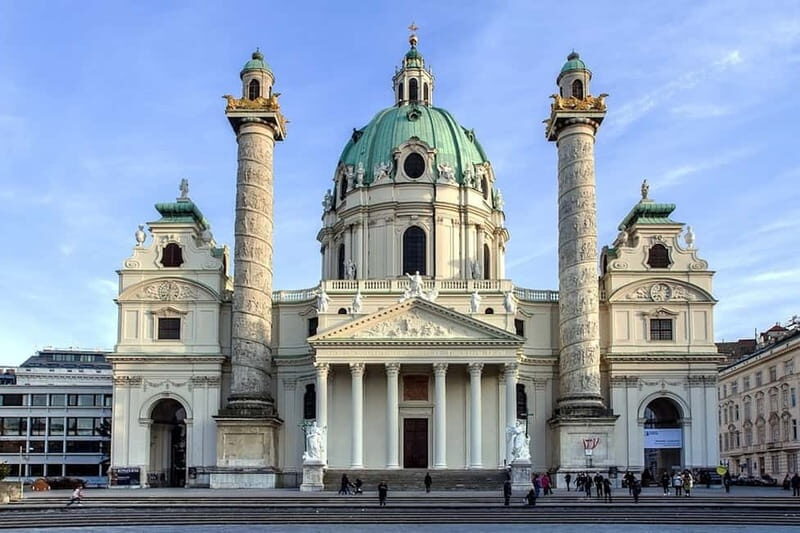
Vienna can be walked, sure. But doing it all by foot on your first day can turn into a cardio test, especially if you’re bouncing between areas like the old city and the grand Ringstrasse district. This tour solves that by putting you in a classic-style car that’s electric and built for sightseeing—so the focus stays on what you’re seeing, not on where your next bus stop is.
The best part is the pacing. In 90 minutes, you get enough “city literacy” to understand how Vienna’s pieces fit together. You’ll recognize streets, squares, and landmark zones once you’re back on foot. And because it’s designed to run no matter the weather, you’re not stuck deciding whether a rainy morning ruins your day.
From the comfort side, the ride is consistently described as comfortable, including on chilly dates. That matters because Vienna’s “best day” often includes wind. Sitting in a stable, warmed-up car (or at least one that doesn’t drain your energy the way nonstop walking can) makes the sightseeing feel easier.
You can also read our reviews of more tours and experiences in Vienna.
Meeting at Herrengasse 12: right in the center
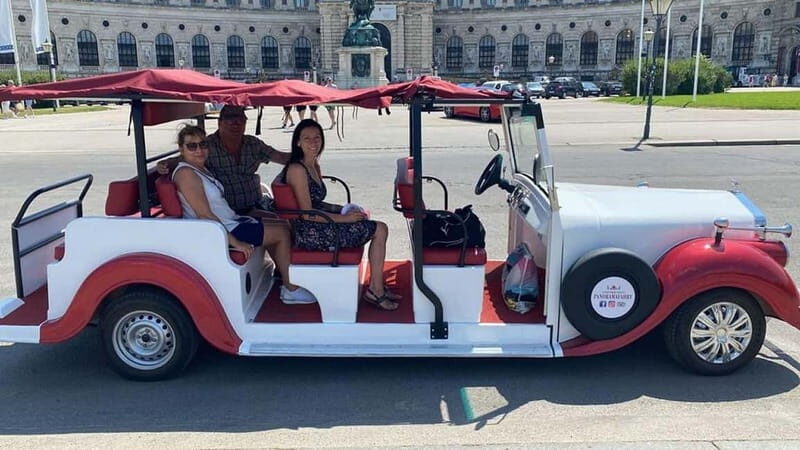
You start and end at Herrengasse 12, 1010 Vienna, specifically at the spot in front of the Radisson Blu. That’s a practical advantage. You’re close to central streets that many first-timers already want to explore—so you can treat this as a “pre-game” tour before museums, coffee stops, or cathedral time.
Also, the route is set up as a smooth loop. You’re not jumping across the map to cover distant neighborhoods. Instead, the tour threads through the historic core, the grand boulevard area, and key landmark zones you’ll see again later when you choose what to linger on.
The 90-minute route: how the highlights connect
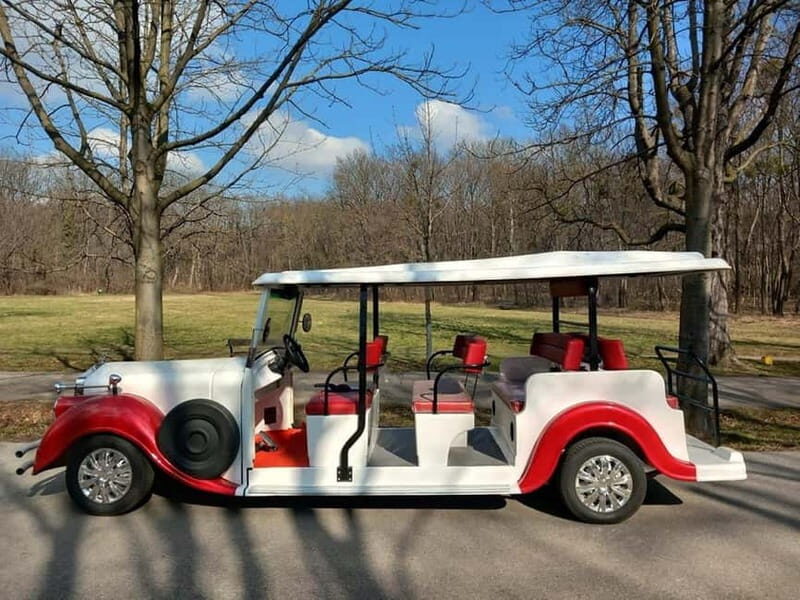
Think of the tour as moving through three big Vienna zones: the inner old-city streets (compact and historic), the imperial-ring boulevard stretch (grand and ceremonial), and the cultural/music corner (where named sites keep showing up).
Below is how the sightseeing “feels” as you pass the listed stops, and what each cluster gives you.
The old-city street picture: Albertina, Am Hof, St. Stephen’s, and the anchor points
The early part of the drive sets you up with Vienna’s old core. You pass stops like Albertina and the old city wall, then work your way toward the cathedral zone. Even if you don’t get off the car, these passes help you map the city quickly.
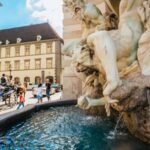
As you move through areas including Am Hof, Hohe Brücke, Salz Gries, Marc Aurel Straße, Hoher Markt, and the Wedding Fountain, you get a sense of how old Vienna mixes daily streets with major visual landmarks. This is where you start spotting the kinds of street scenes you’ll later photograph—narrower lanes, turning points near squares, and those “oh, that’s significant” buildings that look different once you know their names.
Then you reach one of the classic anchor points: St. Stephen’s Cathedral, plus nearby streets like Wollzeile. On a first trip, that’s useful. Even if you’ve seen photos before, seeing it from the route your feet will later follow helps you plan better. You’ll know which streets branch away from it and how to return when you want a slower look.
If you’re the type who likes to build a travel checklist, this cluster gives you multiple named targets quickly—so your next day stops feel obvious, not random.
The Ringstrasse and imperial-zone glide: Opera, Parliament, City Hall, Hofburg
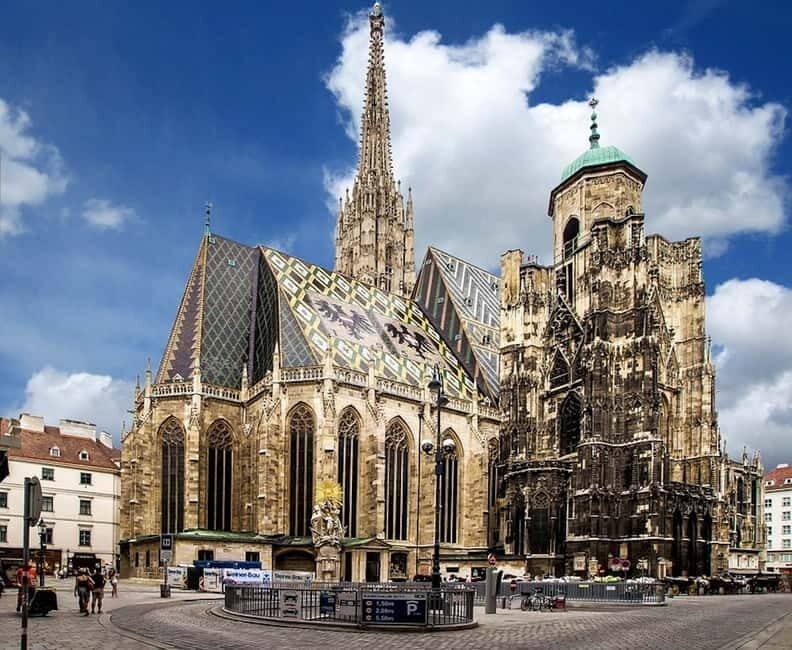
Vienna’s Ringstrasse area is all about scale and order. That’s why it’s so heavily featured here, including the State Opera and the long boulevard segment explicitly described as the longest boulevard in the world.
As you glide past places like the State Opera, Palais Schy, Goethe Monument, Schiller Monument, and the Academy of Fine Arts, you’re not just seeing statues—you’re seeing Vienna’s public design language. The monuments and institutions tell a story of how the city wanted to present itself.
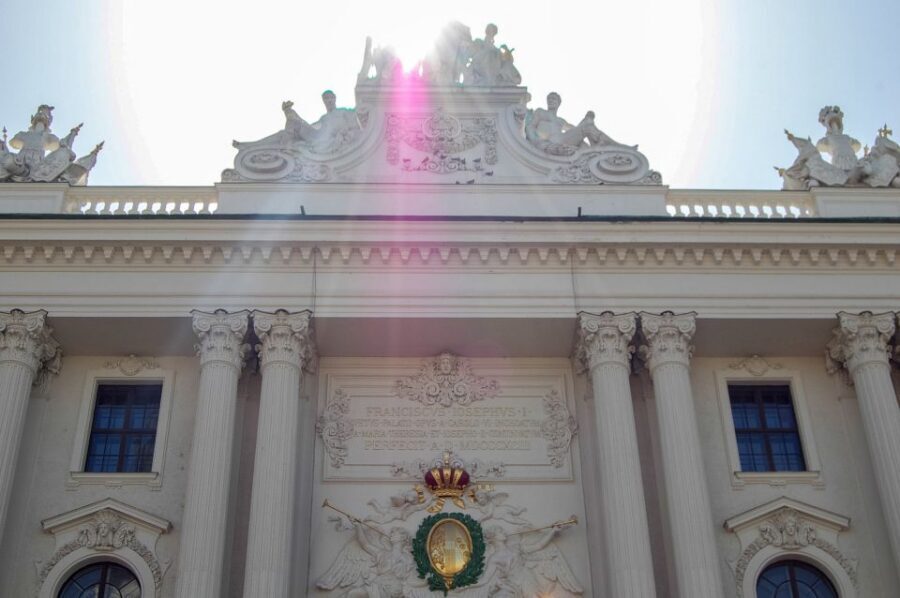
The tour then moves into the imperial district feel: Burggarten, Palm House, Butterfly House, Mozart Monument, New Burgtor, Heldenplatz, and Hofburg. Even without getting out to read every plaque, you’ll understand why this area gets postcards. The spacing, the civic buildings, and the way multiple named attractions sit close together make it easier to decide later if you want a longer self-guided walk.
From there, you pass major civic and governmental landmarks such as the Presidential Palace, Parliament, Burgtheater, City Hall, and the University. The effect is a “Vienna official map” in motion. You start to see how the big institutions and major performance spaces relate to each other geographically.
This is also where the tour’s car format really pays off. Vienna’s center is busy. Riding through it in a single stretch avoids the stop-start friction you’d get trying to do the same route on foot or by taxi for the whole loop.


Music and culture cues: monuments, museums, and the composer streets
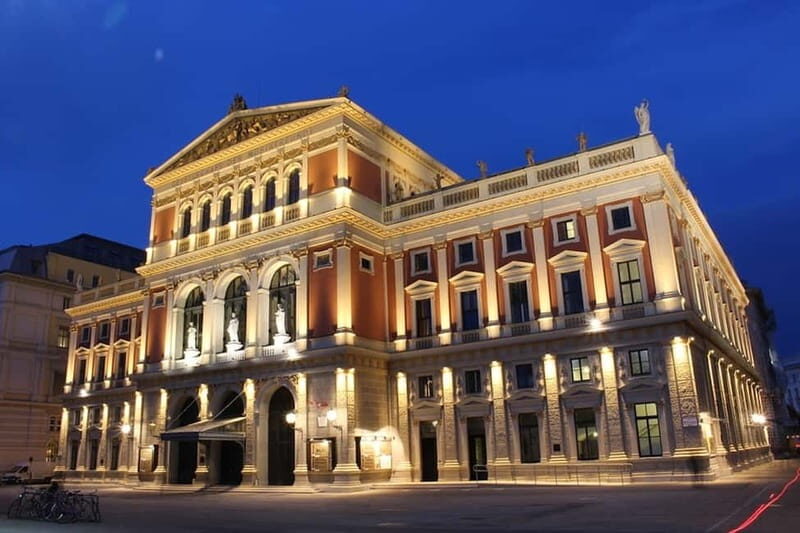
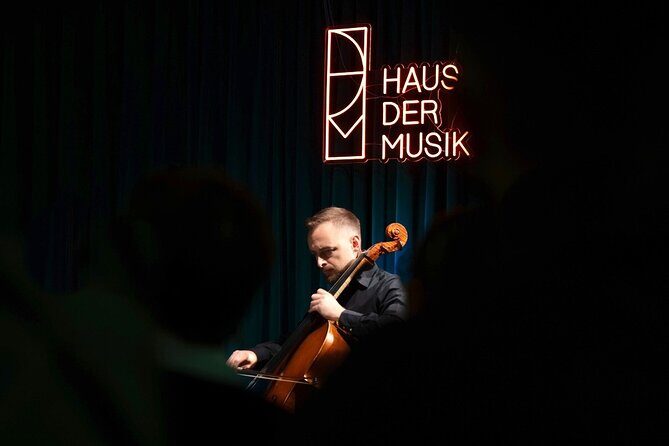
Vienna’s identity is tied to music, and this tour hints at it constantly through named stops. You’ll pass Mozart Monument, Johann Strauss Monument, Kursalon Hübner, Café Schwarzenberg, and the Musikverein. On a first visit, this is a helpful way to orient yourself. You start thinking: if I like this music vibe, which buildings should I schedule for a paid visit later?
You also get composer-adjacent stops like the Goethe and Schiller Monuments and places connected to Beethoven. The tour includes both a Goethe Monument and Schiller Monument and also lists one of the Beethoven Houses, which is the kind of detail that turns generic “sightseeing” into something with personal payoff.
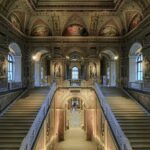
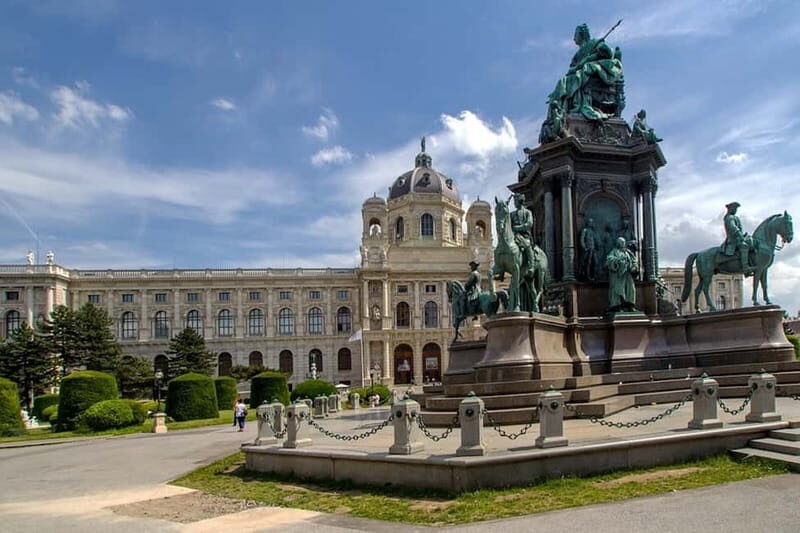
Museums appear too, including the Museum of Nature and Art History and the Welt Museum. You’re not forced into entrance fees here. Instead, you get the location cues so you can decide later what you want to spend time inside.
Palaces, cafés, and the classic Vienna style you can’t fake
One reason I like this tour idea is that it doesn’t treat Vienna like a set of checkpoints. It includes the kind of classic scenery that makes the city feel like Vienna.
The route features palaces and landmark buildings such as Hofburg-adjacent sections, Palais Schy, Palais Daum Kinski, Palais Harrach, and Epostein Palace. You also pass the Palais Ferstl with Café Zentral, plus Café Schwarzenberg later on. If you’re the kind of traveler who enjoys pairing sightseeing with a coffee stop, these are exactly the names you’ll want later when you’re searching for something nearby.
Hotel landmarks also show up on the route: Hotel Imperial, Grand Hotel, Hotel Bristol, Hotel Sacher, and more. You may not need to book a room, but passing them gives you the feel of Vienna’s grandeur and helps explain why people dress up for the city’s social life.
You’ll also pass Heldenplatz area statues like Prince Eugene, Archduke Karl, and Maria Theresa (all listed). Even from the car, statues in this city have placement that matters. They help you understand where “big history moments” happen in the street layout.
Monuments and inner-city texture: squares that change the mood
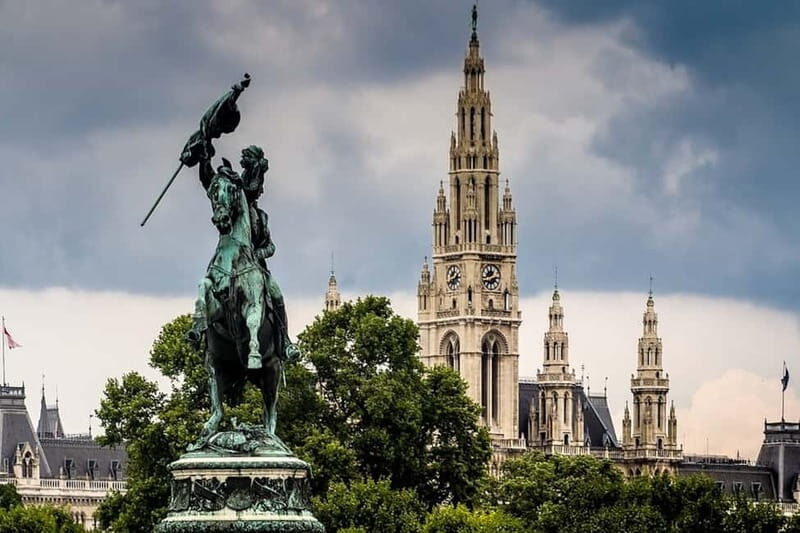
Not every stop here is meant to impress you from far away. Some are about atmosphere and street texture.
As the tour passes areas including Liebenberg Monument, Marc Aurel Straße, Hoher Markt, and the Anchor Clock, it creates a “you’re really in the city” feeling. These are the types of details you remember because they don’t feel like museum displays—they feel like everyday Vienna, just in a more poetic setting.
You’ll also see cultural residential texture through stops like the Drei Mädel House. And you pass the city park zone via City Park. That combination helps you not just think in terms of palaces and government buildings, but also in terms of where people move and meet.
Getting the most out of the ride (without missing the point)
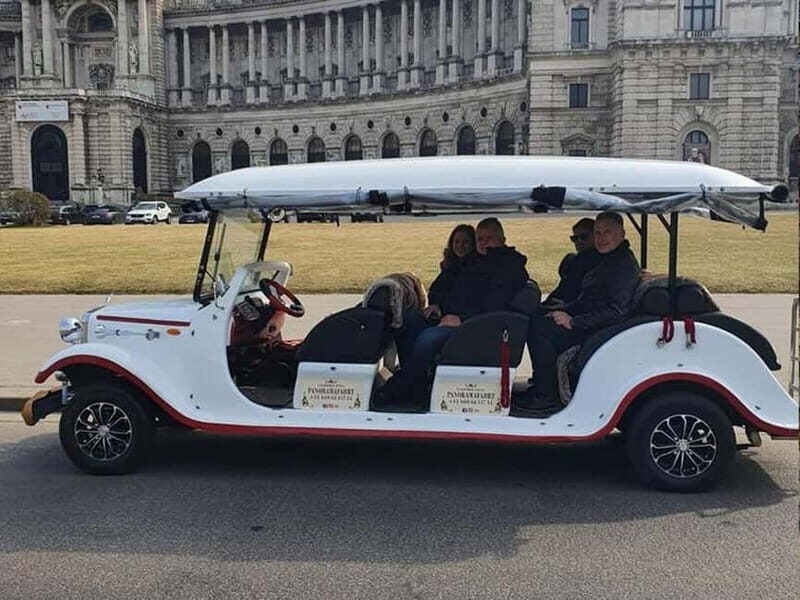
To enjoy this tour, I’d treat it like a guided map with motion. Your job isn’t to memorize everything. It’s to decide what to explore later.
Here are the tactics that make it work:
- Keep your camera ready for quick moments around the biggest visual anchors like St. Stephen’s and the Ringstrasse corridor.
- When your guide pauses or slows down, ask one question right then. A driver such as Angelo is known for being patient and answering questions, including switching smoothly between English and German.
- If there’s one building you want to view closer, don’t be shy about requesting a short stop. The best versions of this tour can add a few extra minutes for a better look.
Because the car carries you through so many named places, you’ll likely return to only a handful in more detail later. That’s the smart way to use time in Vienna.
Price and value: why $40 can make sense on day one
$40 per person for 90 minutes is positioned as a “high return” city orientation tool. The value isn’t that you see everything. You can’t. The value is that you cover enough ground and landmark names that planning the rest of your trip gets easier.
If you’re touring Vienna for the first time, a classic car loop is often cheaper than the cost of multiple taxis or lost time trying to connect distant sights. And because the ride is designed for weather reliability, you’re less likely to waste a prime day on “maybe tomorrow” indecision.
You also get a live, bilingual driver plus audio commentary. Even if you’re not using the audio for every second, it’s a useful layer when you’re busy looking out the window and listening.
60 minutes vs 90 minutes: which duration fits your style?
This setup comes with a 60-minute option too. If you’re the kind of traveler who prefers fewer stops and more time on foot after, 60 minutes might suit you.
I’d pick the 90-minute tour if you want maximum coverage and you like the idea of leaving with a mental map of Vienna’s main zones: old streets, Ringstrasse grandeur, and the music/cultural areas. Ninety minutes also helps if your group includes different interests—everyone gets exposed to the big names, not just one theme.
Who this tour is perfect for (and who should skip it)
This is a great match if you want:
- A first-day overview that helps you plan the rest of your trip
- A comfortable sightseeing option when the weather isn’t ideal
- A shared family activity, since the car can handle up to 10 people
- A mix of major monuments and city texture in a short time
It’s less ideal if you:
- Want long stays at each site
- Plan to treat this as your only sightseeing method
- Prefer deep, inside-the-building museum time over exterior viewing
Should you book this Vienna electric car sightseeing tour?
I’d book it if you want a fast, friendly way to get oriented in Vienna. The electric old-timer format makes the sightseeing feel easy, and the route hits the big decision points—Ringstrasse, Hofburg-area highlights, St. Stephen’s, and composer/music landmarks—without requiring you to manage transit between zones.
Skip it (or consider the 60-minute version) if you know you’d rather walk slowly and linger at fewer places. For everyone else, this tour works like a smart first chapter: you learn enough to explore on your own with confidence.
FAQ
How long is the Vienna sightseeing tour in a classic style electric car?
The tour duration is 90 minutes.
What is the price per person?
The price is $40 per person.
Where does the tour start and end?
The tour starts and ends at Herrengasse 12, 1010 Vienna.
Where do we meet the driver?
The meeting point is 1010 Vienna, Herrengasse 12 a, in front of the Hotel Radisson Blu.
Is the tour offered in bad weather?
Yes, the tour is designed so you can do the sightseeing no matter the weather.
How big is the group?
It’s a small group limited to 10 participants.
What languages are available?
The tour offers English and German.
Is there a live guide or only audio?
There is a live tour guide, and you also get audio commentary by the driver.
Can I choose a shorter 60-minute tour?
Yes, a nostalgic 60-minute tour is available.
FAQ
Is free cancellation available, and how long do I have to cancel?
Free cancellation is available up to 24 hours in advance for a full refund.
Can I reserve first and pay later?
Yes. You can reserve now and pay later.