REVIEW · VIENNA
Day Trip to Budapest and Bratislava From Vienna
Book on Viator →Operated by DV Transfer · Bookable on Viator
Budapest and Bratislava in one day is intense. You’ll love the Danube panorama moments and the quick-hit walking tours with free admissions listed at each stop. The trade-off is simple: it’s a long day, and the van time can feel tight.
This is built for people who want a strong feel for both capitals without booking multiple stays. Starting at 8:00 am, you get hotel pickup, an air-conditioned ride, and a mobile ticket, with the schedule paced for sightseeing and then hands-on free time in both cities.
In This Review
- Key Highlights at a Glance
- Price and Logistics: What Your $180.20 Gets You
- Pickup and Timing: How to Plan for a 14.5-Hour Adventure
- Bratislava First: Castle Courtyard Views Without the Ticket Lines
- Presidential Palace and Old Market Hall: Rococo Meets Local Daily Life
- Primate’s Palace to Hlavné námestie: Treaty Stories and Main-Square Energy
- Hviezdoslavovo Square and Michael’s Gate: Architecture With a Medieval Edge
- Bratislava Free Time: Use That 1-Hour Window Wisely
- The Van Transfer to Budapest: Long Ride, Clear Head
- Budapest Liberty Square: Cold War Monuments and Reagan-Bush Statues
- Hungarian Parliament From the Outside: Kossuth Square Views
- Shoes on the Danube Bank: The Most Emotional Stop
- Chain Bridge and St. Stephen’s Basilica: Icon Views to End the Walking
- Your 2-Hour Budapest Window: Lunch, Museums, or River Time
- Getting Back to Vienna: What a Night Return Feels Like
- Who This Tour Suits Best (And Who Might Prefer Something Else)
- Final Verdict: Should You Book This Vienna-to-Budapest-and-Bratislava Day Trip?
- FAQ
- What time does the tour start?
- Where does pickup happen?
- What language is the tour offered in?
- How long is the full day?
- Is the group size large?
- Are admission tickets included for the sights?
- Will we go inside the Hungarian Parliament or St. Stephen’s Basilica?
- Is lunch included?
- What kind of transportation is included?
- Is there free time in both cities?
Key Highlights at a Glance
- Two capitals, one day: You cover Bratislava first, then Budapest, with built-in transfer time.
- Courtyard and exteriors only: Several big sights are viewed from outside, which keeps things moving.
- Danube memorial stops: Shoes on the Danube Bank is heavy, but it’s also unforgettable.
- Cold War to monarchy to medieval gates: Liberty Square monuments plus Bratislava’s Michael’s Gate make the contrast land.
- Photo-friendly walking routes: You’ll hit multiple viewpoints, squares, and iconic corners.
- Small-group feel can happen: Max is 45, but many departures run with fewer people, which helps pacing.
Price and Logistics: What Your $180.20 Gets You
At $180.20 per person, this is priced like an all-in-one day solution: transport plus guided walking in two different countries. You’re also getting bottled water and air-conditioned vehicle time included, which matters when you’re sitting for hours and doing lots of steps.
The biggest value piece is not the sightseeing alone. It’s the structure: you leave Vienna, you arrive in Bratislava for a guided highlight loop, you transfer to Budapest for another highlight loop, and you return to Vienna at night. If you tried to do this on your own with taxis and separate guides, you’d quickly spend more time coordinating than seeing.
One thing to plan for: the schedule is fixed and the day is long. Even if you’re comfortable with buses, you’ll want to treat this as a “see a lot, not linger” day.
A few more Vienna tours and experiences worth a look
Pickup and Timing: How to Plan for a 14.5-Hour Adventure
Your day starts at 8:00 am with pickup from anywhere in Vienna or Bratislava. You’ll get the tour details by the prior day (usually in the evening), including the pickup time and driver contact. That’s helpful because timing is everything when you’re crossing borders and doing two city centers.
The total time is about 14 hours 30 minutes. Realistically, you’ll be in the vehicle for multiple long stretches, plus walking between major points. The upside is that the transport removes the headache of figuring out timing and parking. The downside is physical: you’ll want shoes you can walk in for hours.
Practical tip: bring a light layer. Morning starts can be cool, and some of the best photo stops are in open areas where you’ll be standing around for viewpoints.
Bratislava First: Castle Courtyard Views Without the Ticket Lines
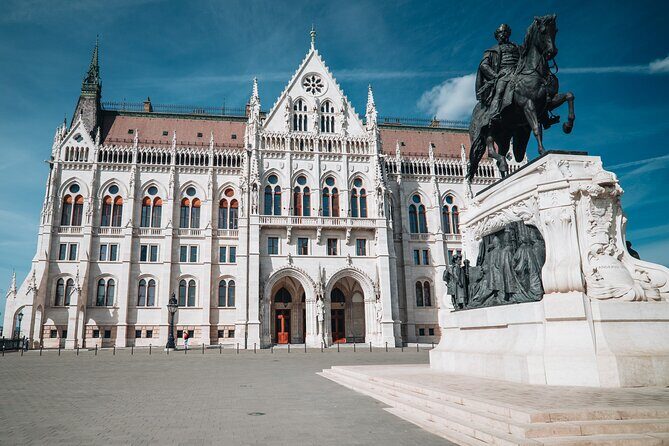
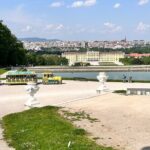
Your first big moment in Slovakia is Bratislava Castle, reached after the comfortable transfer from Vienna. The plan is smart if you’re time-limited: you don’t enter the castle. Instead, you explore the courtyard and Baroque gardens and then take in the views from the castle front.
Why this works: the castle is the best orientation tool for Bratislava. From up there, you can understand the Danube bend and how the Old Town sits below. Even without stepping inside, you still get the “okay, I get the city” effect.
The drawback: if you specifically want museum interiors, this won’t scratch that itch. The experience here is more about skyline, stories, and context than ticketed attractions.
Presidential Palace and Old Market Hall: Rococo Meets Local Daily Life
Next you move to the Presidential Palace. You admire the Rococo architecture from the outside and then take in the adjacent garden area known as the Fountain Park. The guide explains why this place matters politically and historically, then you keep walking into the Old Town.
From there, you head down toward Obchodná Street and stop at Stará Tržnica (Old Market Hall). This is a nice shift in mood: instead of only monuments, you get a snapshot of everyday commerce and community life, including events and exhibitions.
Why I like this pairing: it prevents Bratislava from becoming only “look at famous buildings.” You get both the official side of history and the street-level side of culture.
Primate’s Palace to Hlavné námestie: Treaty Stories and Main-Square Energy
At the Primate’s Palace, you’ll look at the neoclassical façade rather than entering. Still, you get solid story hooks, including the fact that the Treaty of Pressburg was signed there. You also hear about interior treasures like the Hall of Mirrors and the tapestry collection, even though you won’t go inside.
Then it’s into Hlavné námestie, Bratislava’s main square. You’ll see the Maximilian Fountain and hear legends tied to King Maximilian and local celebrations. This is one of those stops where you can feel how the city performs for itself—cafés, people, and that “I’ve arrived” sense.
The fun part comes next: you’ll meet Schöner Náci, the hat-tipping gentleman statue inspired by a real local figure, and Čumil, the “Man at Work” peeking from a manhole. These aren’t just jokes for photos. They’re local folklore in physical form, and your guide’s explanations make the stops more than background.


Hviezdoslavovo Square and Michael’s Gate: Architecture With a Medieval Edge
You continue to Hviezdoslavovo Square, a spacious promenade with trees and fountains. The star building here is the Slovak National Theatre, highlighted for its 19th-century neo-Renaissance design and cultural importance.
Then you shift to one of the most photogenic stretches: the walk toward Michael’s Gate. You’ll go along Ventúrska Street, then onto Michalská Street, and end at the medieval fortification tower crowned with a copper spire and a statue of St. Michael. You’ll also hear about the zero-kilometer marker located beneath the gate.
This portion is excellent for “walk and learn.” You’re not rushing through one stop after another in a hurry. Instead, you’re moving through old streets where the city’s shape makes sense.
Bratislava Free Time: Use That 1-Hour Window Wisely
After the walking loop, you get one hour of free time in Bratislava’s Old Town. This is your chance to turn guided moments into personal choices: grab coffee, browse local shops, or eat something Slovak.
Here’s my advice: pick one simple plan before you’re dropped off. With only an hour, you’ll waste less time drifting. If you want a souvenir, do that first. If you want food, decide whether you’re hunting for something specific or just going for something that smells good.
And yes, you’ll get personalized tips from your driver to help you choose faster.
The Van Transfer to Budapest: Long Ride, Clear Head
Next comes the move to Hungary. You’ll transfer to Budapest by van for about 2 hours 30 minutes. This is where the day can feel like a blur: your legs are fresh from walking, then you sit for a while and wait for the next city.
If the ride feels long, you’re not alone in that reaction. Some departures run in smaller vehicles, so if you’re sensitive to cramped seating, consider bringing a small travel pillow or wearing layers that won’t make you feel trapped.
The good news: the structure stays in place. Once you arrive, you get a guided walking sequence again right away.
Budapest Liberty Square: Cold War Monuments and Reagan-Bush Statues
Your Budapest walk starts at Liberty Square (Szabadság tér). You’ll see the Soviet War Memorial, described as a rare monument still standing in Western Europe, and you’ll also stop for the life-sized statues of Ronald Reagan and George H. W. Bush connected to Cold War history and Hungary’s path toward democracy.
Why this stop matters: it’s not just “statues.” It’s a lesson in how political memory gets built into public space. The guide helps you read the square’s complicated symbolism, so it doesn’t feel like a random photo stop.
You’ll also get the quiet kind of contrast you only get in places that lived through major political shifts. One square, two narratives, and both are visible.
Hungarian Parliament From the Outside: Kossuth Square Views
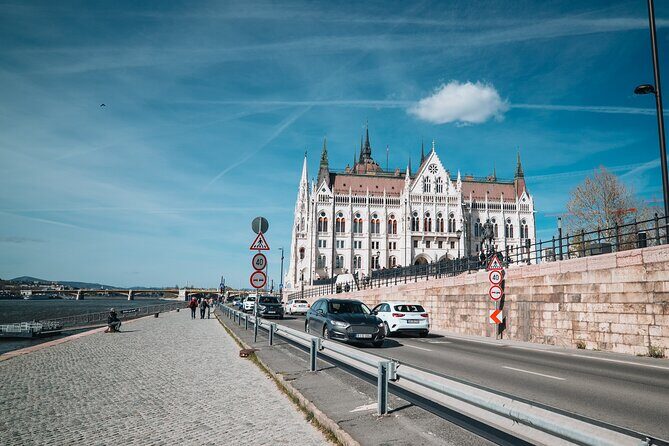
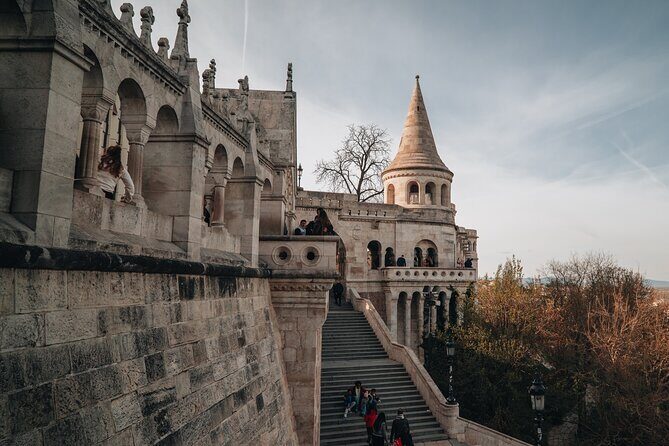
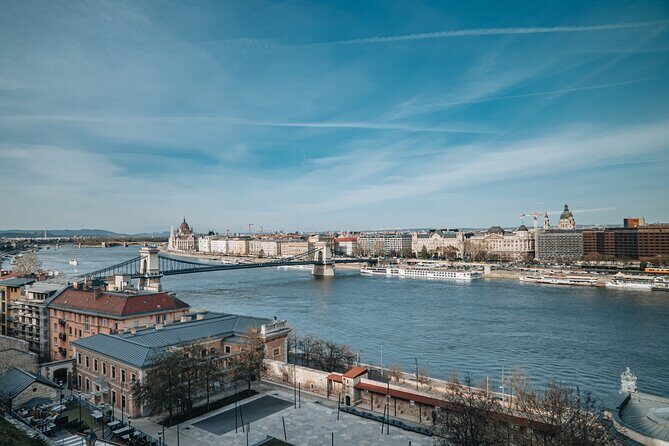
From Liberty Square, you head toward the Hungarian Parliament Building. The plan is to admire it and explore Kossuth Square without entering. Your guide will point out key figures in Hungarian history, including statues of Count Gyula Andrássy and Ferenc Rákóczi II.
You’ll also get views across the Danube River toward the Pest riverfront architecture. This is a strong photo moment because the building plus the river gives you a sense of scale quickly.
If you were hoping for interior tours, this isn’t that day. Think exterior grandeur plus explanation over ticketed museum time.
Shoes on the Danube Bank: The Most Emotional Stop
Then you reach Shoes on the Danube Bank, one of the hardest stops on the whole route. The memorial shows iron shoes as a tribute to Jews executed along the river during WWII, and the pause here is part of what makes it work.
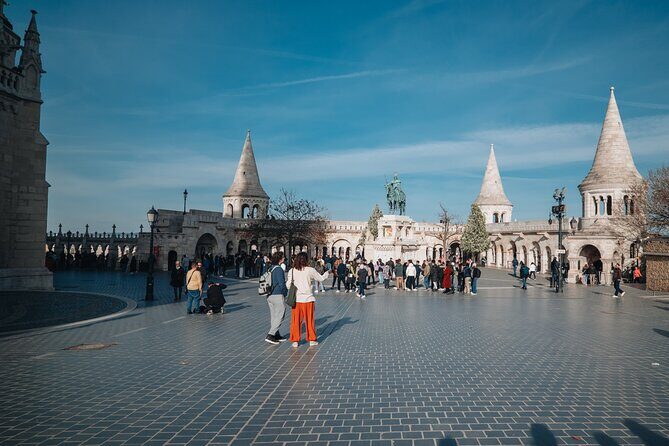
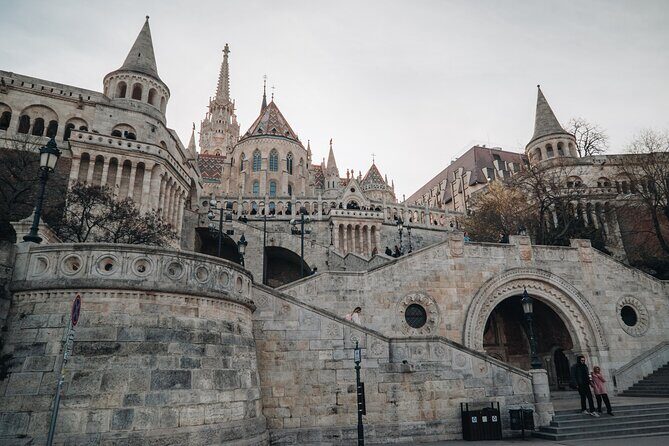
I recommend you treat this as a slow moment, even if the schedule feels tight. Spend a couple minutes reading what’s there, then look outward toward Buda-side landmarks your guide points out, like Buda Castle, Fisherman’s Bastion, and St. Matthias Church.
This is where Budapest stops being “pretty city” and starts feeling like a place with consequences written into the shoreline.
Chain Bridge and St. Stephen’s Basilica: Icon Views to End the Walking
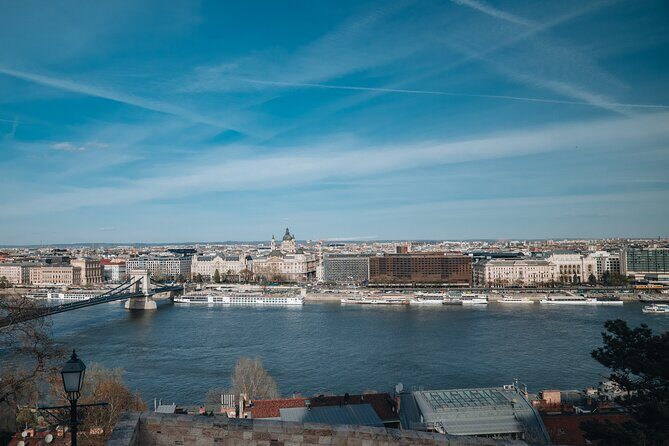
Next, you continue along Széchenyi Street and stop at a viewpoint for the Széchenyi Chain Bridge. You’ll hear how it was built in the 19th century and why it symbolizes the connection between Buda and Pest into one capital. The bridge’s stone lions also show up in the story, giving you extra details for photos.
Finally, you end the guided walking tour at St. Stephen’s Basilica. You won’t enter, but you’ll get explanation about its neoclassical architecture and dedication to Hungary’s first king. You’ll also enjoy a final broad view from the square area, which helps you absorb Budapest as a whole before you break for free time.
Your 2-Hour Budapest Window: Lunch, Museums, or River Time
After the main walk, you get two hours of free time in Budapest. This is your flexible block: lunch, souvenir browsing, a museum if it fits your interests, or just relaxing with a coffee near the river.
I’d plan around one anchor activity and one backup. Your anchor could be food or a quick extra viewpoint. Your backup could be something smaller nearby if lines or crowds are annoying.
Since lunch and snacks are not included, you’ll want to factor that into your day budget. Bringing water is covered, but you’ll still be paying for meals.
Getting Back to Vienna: What a Night Return Feels Like
At the end, you transfer back to Vienna. The ride time listed is about 3 hours. You’ll arrive late in the day, so this isn’t a great fit if you need an early bedtime or want a relaxed evening afterward.
Still, the day has a clear logic: you see Bratislava’s medieval and political centers earlier, you get Budapest’s biggest riverfront moments during daylight for many departures, and you return at night without having to coordinate trains or drivers yourself.
Who This Tour Suits Best (And Who Might Prefer Something Else)
This works especially well if you’re:
- short on time in Vienna
- curious about both Slovakia and Hungary, even if you can only scratch the surface
- the kind of person who likes guided orientation and photo-worthy stops
- traveling with a group that’s okay with a long day and plenty of walking
It may be less ideal if you:
- hate long vehicle rides or need lots of personal space
- want lots of interior ticketed attractions
- are expecting a slow, sit-down pace with extensive historical lectures at every stop
For guide quality, the names that show up in the experience data include Tomas, Paul, Dmitry, Martin, Jacob, and Filip. If you get one of these guide styles, you’ll likely appreciate the storytelling pace and the practical recommendations.
Final Verdict: Should You Book This Vienna-to-Budapest-and-Bratislava Day Trip?
If you want an efficient “two capitals snapshot” with standout river moments and a mix of politics, medieval streets, and main squares, this is a solid pick for the value. The biggest reason to book is the time savings: you get transport, guided walking, and structured free time without building the plan yourself.
I’d book it if you’re traveling light, your expectations match a long day, and you treat it as orientation plus must-see photos. I’d skip it if you want deep interior experiences or you’re very sensitive to cramped seating during long transfers.
If you do book: plan your day around comfort first—good walking shoes, a light layer, and a quick lunch strategy—and you’ll end the day with two cities stored in your head, not just your camera roll.
FAQ
What time does the tour start?
The start time is listed as 8:00 am.
Where does pickup happen?
Pickup is offered from anywhere in Vienna or Bratislava. You provide your accommodation address, and the provider sends tour details the day before.
What language is the tour offered in?
The tour is offered in English.
How long is the full day?
The duration is approximately 14 hours 30 minutes.
Is the group size large?
The tour has a maximum of 45 travelers.
Are admission tickets included for the sights?
The stops are listed with Admission Ticket Free, and the tour includes the guided visits at those points. Interior entry is not included for several major locations.
Will we go inside the Hungarian Parliament or St. Stephen’s Basilica?
No. You’ll admire these from outside, and the guide explains their significance without entering.
Is lunch included?
No. Lunch, dinner, and snacks are not included.
What kind of transportation is included?
You get private transportation in an air-conditioned vehicle, and the tour includes bottled water.
Is there free time in both cities?
Yes. You get 1 hour in Bratislava Old Town and 2 hours in Budapest after the walking tour portion.