REVIEW · VIENNA
The best of Vienna on foot
Book on GetYourGuide →Operated by Mario Vienna Guide · Bookable on GetYourGuide
Vienna clicks into focus fast on foot. This walking tour strings together major monuments and human stories across the city center in just 150 minutes. I especially like how the route feels practical for first-time visitors, while still finding room for meaning behind the marble.
You’ll also get two things I think make this tour worth your time: a real guide-led story (not just a checklist) and plenty of photo moments built into the walk. The one drawback to consider is that it’s Italian-language only, so if you don’t read along well, you may miss some of the finer details.
The tour is designed to help you understand what you’re seeing, from imperial power to everyday life in Vienna. It passes major landmarks like the Hofburg area and the Vienna State Opera, and it also slows down for sites that reveal the city’s darker side, including the Capuchin Crypt and the Plague Column. If you’re hoping to record everything for later, note that audio recording isn’t allowed.
In This Review
- Key highlights you’ll actually feel during the walk
- Getting Oriented: Maria-Theresa Memorial to Vienna’s Center Pace
- Capuchin Crypt: The Habsburg Burial Place (and the mood shift)
- Albertina and Vienna State Opera: Art and Public Performance in One Route
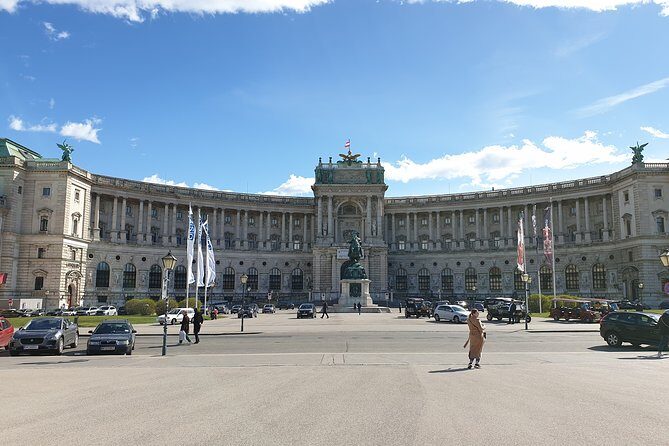
- Hofburg and Heldenplatz: Franz Josef and Sissi’s Imperial World
- Plague Column and Baroque Details: Vienna’s Darker, Moral Side
- How the St. Stephen’s Cathedral Finish Brings the Route Together
- The Guide Factor: Italian Storytelling That Shapes What You See
- Photo Stops, Timing, and Why 150 Minutes Works
- Price and Value: Is $40 Fair for a Vienna City-Center Walk?
- Who Should Book This Tour (and who should skip it)
- Should You Book This Vienna Highlights Walk?
- FAQ
- Where does the tour start?
- Where does the tour end?
- How long is the guided walk?
- What’s included in the price?
- What language is the tour guide?
- Is the tour available in the rain?
- What items aren’t allowed?
- Is food included?
Key highlights you’ll actually feel during the walk
- Start at Maria-Theresa Memorial, then get your bearings immediately in Vienna’s historic core
- Capuchin Crypt stop, tied to the burial place of Habsburg monarchs
- Albertina and Vienna State Opera, two iconic landmarks in one smooth stretch
- Hofburg and Heldenplatz views, focused on Franz Josef and Empress Sissi’s imperial world
- Finish at St. Stephen’s Cathedral, a strong closing point with great streets around it
Getting Oriented: Maria-Theresa Memorial to Vienna’s Center Pace
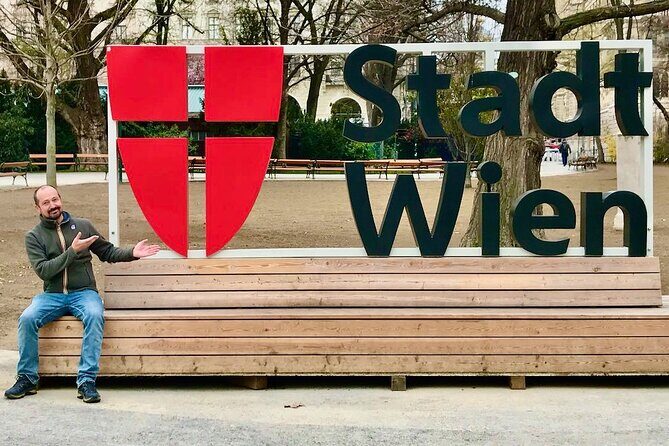
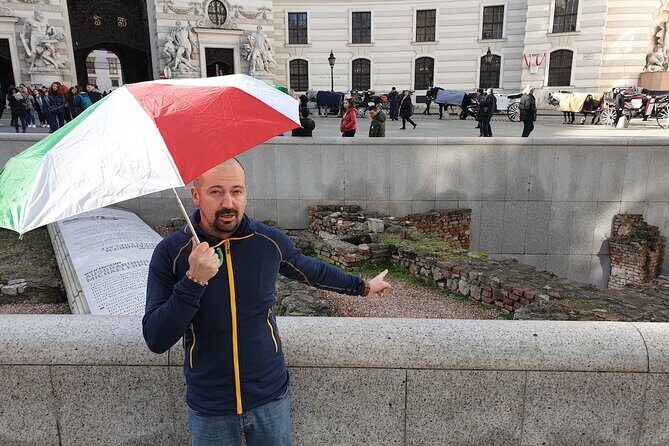
The tour begins at the Maria-Theresa Memorial, where you meet at the fountain on the square and look for an Italian-colored umbrella (red, white, green). That matters more than it sounds. If you’re arriving in Vienna for the first time, you want a starting point that’s easy to find and makes you feel like you’re in the right neighborhood immediately.
From there, the pace is set for city-center walking—steady enough to cover a lot, but not so rushed that you feel herded along. This is one of the reasons I like this format for a short stay: it gives you a map in your head while you’re still energized.
In about 2.5 hours, you’re moving through Vienna’s big visual symbols and connecting them to stories you’ll recognize later when you read menus, walk past statues, or stand under those grand façades. It’s not just about seeing buildings; it’s about understanding why those buildings matter.
You can also read our reviews of more tours and experiences in Vienna.
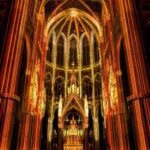
Capuchin Crypt: The Habsburg Burial Place (and the mood shift)
One of the most memorable parts of this kind of Vienna walk is when the scenery changes tone. The route takes you in front of the Capuchin Crypt, the burial place of the Habsburg monarchs. Even if you don’t know a lot of Austrian dynastic history, this stop gives you context for the way Vienna treats memory—carefully, formally, and often at full theatrical scale.
What makes this valuable for you is the contrast. A tour that only hits palaces can feel one-note. Adding the Capuchin Crypt gives you a more complete sense of the empire’s reach: power isn’t just crowns and ceremonies. It’s also burial, legacy, and how a city chooses to honor (or display) its past.
If you’re sensitive to somber themes, this is the stop that might hit hardest. But it’s also the one that tends to make the rest of Vienna’s grand buildings feel less abstract.
Albertina and Vienna State Opera: Art and Public Performance in One Route
Next you pass in front of the Albertina and the Vienna State Opera. These stops work because they represent two sides of the city’s creative identity: art collecting and public performance.
The Albertina name alone is enough to make many people stop and look, but this tour’s value is that you’re not just admiring architecture. You’re hearing stories and specific facts tied to what these institutions represent in Vienna. That helps you see the buildings as living parts of the city, not just backdrops for photos.
Then comes the Opera—another instant-recognition landmark. Even if you don’t plan to attend a performance during your trip, standing nearby helps you understand why Vienna treats music like civic culture. You’ll also have time to photograph, which is a practical perk because these façades are picture magnets.
If it’s cold or wet when you go, you’ll appreciate that these are mostly exterior viewing points. You can warm up with your coat still on, take your shots, and keep the walk moving.
Hofburg and Heldenplatz: Franz Josef and Sissi’s Imperial World
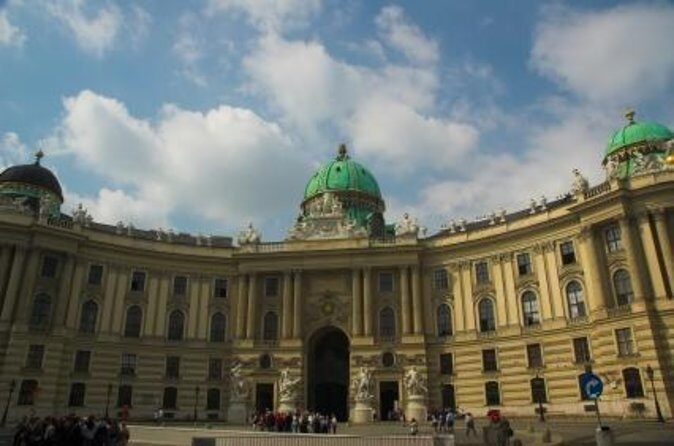
The tour takes you to the Hofburg, the imperial palace associated with Franz Josef and Empress Sissi. This is the part where the tour becomes more than sightseeing—it becomes an explanation of how the empire shaped daily life and identity in Vienna.
As you move through the area around Heldenplatz, the stories help you connect the dots between power and public space. Vienna doesn’t hide its imperial symbolism. It places it in the same urban fabric where people still live, shop, commute, and meet. That’s why this stop feels especially relevant: the city’s history isn’t sealed behind museum glass.
You’ll likely find yourself looking at facades and thinking in “layers”: what you see now was built to project authority, permanence, and image. And the tour’s focus on real facts and anecdotes makes those layers easier to read.
Photo-wise, the Hofburg/Heldenplatz area is often where people slow down naturally, even if they planned not to. It’s dramatic, and it’s also the kind of place where street angles matter. You’ll get chances to capture it without constantly sprinting to keep up.
Plague Column and Baroque Details: Vienna’s Darker, Moral Side
If you want to understand Vienna beyond the obvious, don’t skip the quieter-but-important landmarks. This walk includes the Plague Column along the route, plus other impressive sights in the city center.
Why is this worth your time? Because it brings in a different kind of Vienna story—one tied to survival, fear, and the public need for meaning during outbreaks. It’s not just “this statue looks nice.” It’s the idea that communities respond to crisis with monuments, rituals, and architecture.
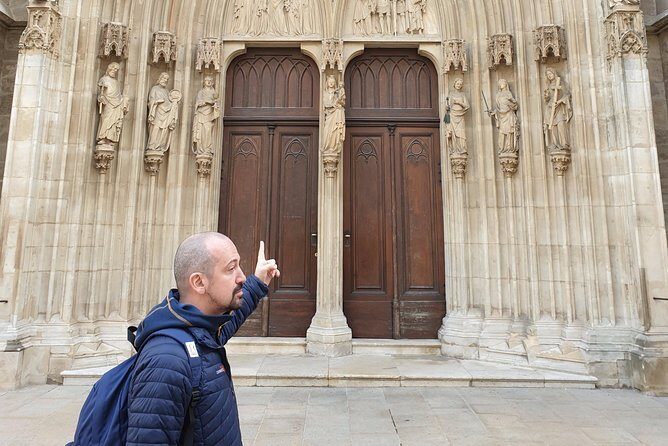
Then you’ll see more baroque buildings, and the guide helps you notice details that most people miss when they just walk through. Even short explanations like what to look for on a façade can change the whole experience. You stop thinking, I’m passing by something, and start thinking, I’m reading the building.
If you love architecture but don’t want to spend a whole day in museums, this is a smart middle ground.


How the St. Stephen’s Cathedral Finish Brings the Route Together
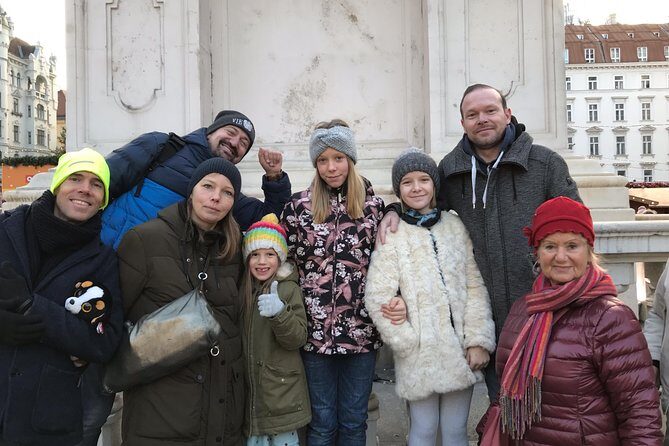
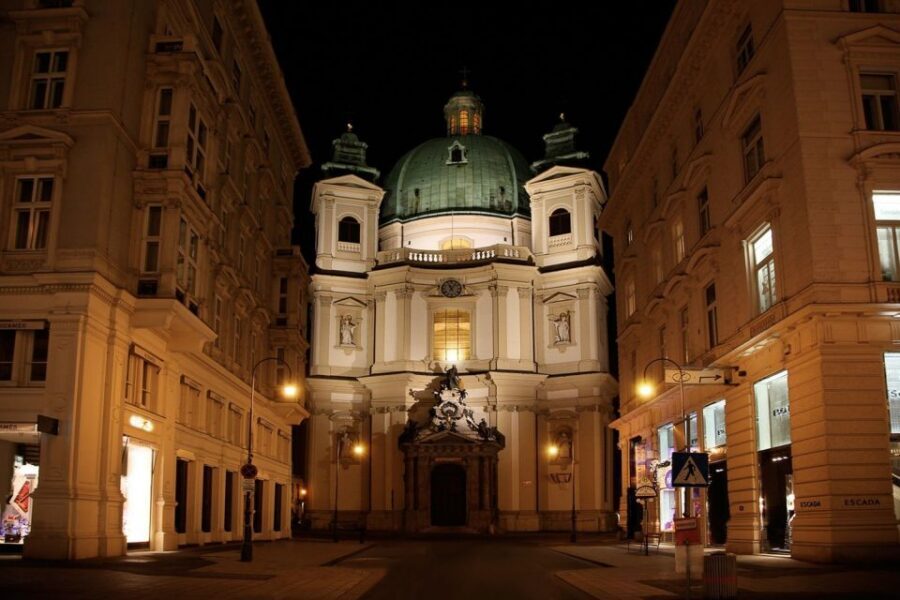
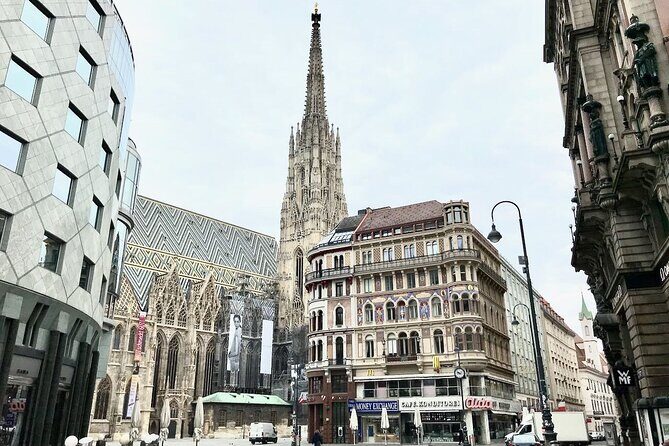
The tour finishes at St. Stephen’s Cathedral. Ending here is a strong choice because the cathedral area gives you a clear “wrap-up” point. You’ll have a finish spot that’s both iconic and easy to build the rest of your day around—cafés, shops, and other streets radiate out from it.
Also, the walk is framed in a way that makes the cathedral feel less like an isolated landmark and more like the “center of gravity” for the city. Earlier stops helped set the stage—imperial power, elite culture, public memory, and baroque splendor—so when you arrive at the cathedral, it lands with context.
If you’re thinking about what to do after the tour, you’re in a good position. You’ll likely feel ready to wander on your own, because you now know how the main parts of Vienna connect geographically and historically.
The Guide Factor: Italian Storytelling That Shapes What You See
This tour includes a certified official tour guide, and you’ll have time to ask questions. That’s not a throwaway line. On a short walking tour, you’re trying to get meaning fast, and Q&A is where you can correct misunderstandings or ask for practical advice for your next moves.
The language is Italian, so this one is best for you if:
- you speak or understand Italian at least enough to follow stories, or
- you’re happy using body language and a few key words to catch the main points.
The reviews you’ll find for this kind of tour often praise the guide’s storytelling—names like Raffaele and Mara come up, with feedback that they were prepared and kept things from turning boring. That matches the overall design: a tour of 10+ highlights works only if the guide keeps the thread connecting each stop.
If you hate lectures, don’t worry. The format is mostly outside, and the “talk while walking” style usually feels natural, especially with photo breaks.
Photo Stops, Timing, and Why 150 Minutes Works
You’re out for 150 minutes (about 2.5 hours). That timing is practical because it fits the reality of travel: you may be jet-lagged, you may still be figuring out transit, and you don’t want to lose half a day chasing landmarks.
The tour also explicitly includes time to take a perfect photo. In Vienna, you’ll want photos that show scale, and that takes a few seconds longer than people expect—especially when you’re trying to avoid crowds or awkward angles.
Because the tour goes rain or shine, the route is built for the real world. If weather hits, you’re still moving through covered-adjacent spaces and exterior viewpoints. Just wear shoes that handle wet pavement, because the biggest discomfort on these walks is often slipping and cold feet—not the weather itself.
Price and Value: Is $40 Fair for a Vienna City-Center Walk?
At around $40 per person for a 2.5-hour guided walk covering 10+ major highlights, the value mostly comes from what you’re buying: interpretation.
You could walk the same area on your own, sure. But the tour’s advantage is that you’re not just collecting names. You’re getting specific data, stories, and facts, plus practical tips for things like restaurant choices, cultural life, and public transport. That’s where you save time. It helps you plan instead of guess.
You also get the structure: a clear meeting point, a guided route that hits the major nodes efficiently, and an end at St. Stephen’s Cathedral. For a short trip, structure is money well spent.
If you’re an experienced Vienna walker who already knows the Habsburg timeline and wants quiet time, you might skip a guide. But if you want your first visit to feel connected rather than random, this price is pretty reasonable.
Who Should Book This Tour (and who should skip it)
This tour is a strong fit if you:
- are seeing Vienna for the first time and want the city center in one pass
- like stories tied to landmarks (Habsburgs, opera culture, baroque building details)
- want easy planning for the rest of your day after St. Stephen’s
It may be less ideal if you:
- need a tour in a language other than Italian
- want audio recording (not allowed)
- travel with large bags/luggage (not allowed)
- have strong mobility limitations, since it’s not suitable for people with mobility impairments despite being listed as wheelchair accessible (the actual walk on city streets can be the limiting factor)
If you’re traveling with pets, note that pets aren’t allowed on this activity.
Should You Book This Vienna Highlights Walk?
I’d book it if you want an efficient orientation that still feels human—imperial stories, cultural context, and a route that ends where you can keep exploring. It’s especially useful early in your trip, when every new street can feel confusing.
If you don’t know Italian and you need lots of detailed explanations, your enjoyment will depend on your tolerance for partial understanding. In that case, you might still enjoy the landmarks and photo time, but you’ll lose some of the value that makes this tour different.
If you’re deciding between “walk alone” versus “guide-led,” this is the safer bet for getting meaning fast. You’ll finish at St. Stephen’s with a stronger sense of how Vienna’s sights connect—so your next hours feel less like wandering and more like purposeful exploring.
FAQ
Where does the tour start?
The tour meeting point is at the fountain of Maria Theresia on the square. Look for an Italian-colored umbrella (red, white, green).
Where does the tour end?
The tour finishes at St. Stephen’s Cathedral.
How long is the guided walk?
The duration is 150 minutes (about 2.5 hours).
What’s included in the price?
Included are a certified official tour guide, the opportunity to ask questions, and time to take a perfect photo.
What language is the tour guide?
The live tour guide speaks Italian.
Is the tour available in the rain?
Yes. The tour runs rain or shine, and it is only canceled in the event of an environmental disaster.
What items aren’t allowed?
Audio recording isn’t allowed, and luggage or large bags and pets are not allowed.
Is food included?
No. Food and drinks are not included.