REVIEW · VIENNA
Vienna: Christmas Photoshoot with a Pro Photographer
Book on GetYourGuide →Operated by NextView Tours · Bookable on GetYourGuide
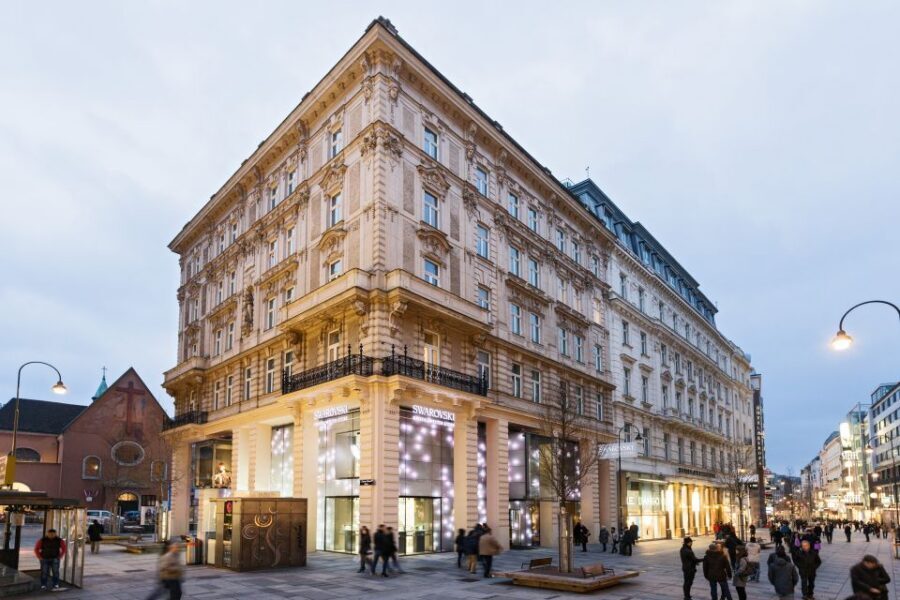
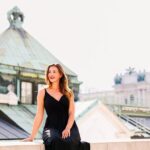
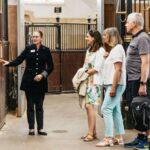
Christmas lights and cameras, with Vienna in between. This one-hour session is built for people who want real portraits without spending the whole day figuring out angles and timing. You’ll walk Vienna’s grand core while a professional photographer guides what to do, where to stand, and how to look natural in front of famous stonework.
I especially like the professional photo coaching at each stop. And I really enjoy the landmark-packed route—Albertina, Burggarten, the Hofburg area, and finally Stephansplatz—so your photos tell a clear story instead of looking like random street shots.
One thing to consider: you’re moving at a walking pace for only an hour, so don’t expect museum time or long hangs at every viewpoint. This is a photo mission, not a sit-and-sip sightseeing day.
In This Review
- Key things to love about this Vienna Christmas photoshoot
- Portrait Mission in One Hour: How the timing really feels
- Portraits First Stop: Albertina Platz and the Vienna State Opera backdrop
- Albertina Museum Terrace: From street to “art gallery” framing
- Burggarten and the Mozart Statue: Holiday-season calm in a garden set
- Hofburg Palace and Heldenplatz: Imperial Vienna for dramatic portraits
- Maria-Theresien-Platz and the twin museum look: Wide-angle architecture moments
- Parliament to Rathaus and Burgtheater: Stone facades, clockwork detail, and flow
- Ankeruhr clock stop: Art Nouveau character in one frame
- Stephansplatz finale by St. Stephen’s Cathedral: The iconic Vienna ending
- What the pro photographer does (and why it matters for real photos)
- Price and value for $140 per person in a 1-hour format
- Practical details that affect your comfort and photos
- Who should book this one-hour Christmas photoshoot
- FAQ
- FAQ
- Where does the photoshoot start?
- How long is the Vienna Christmas photoshoot?
- How much does it cost?
- Is food or drinks included?
- Do I need to bring anything?
- What language is the tour guide?
- Is transportation included?
- Can I cancel and get a refund?
- Are alcohol or drugs allowed?
- Is this tour okay with children?
- Should you book this one?
Key things to love about this Vienna Christmas photoshoot
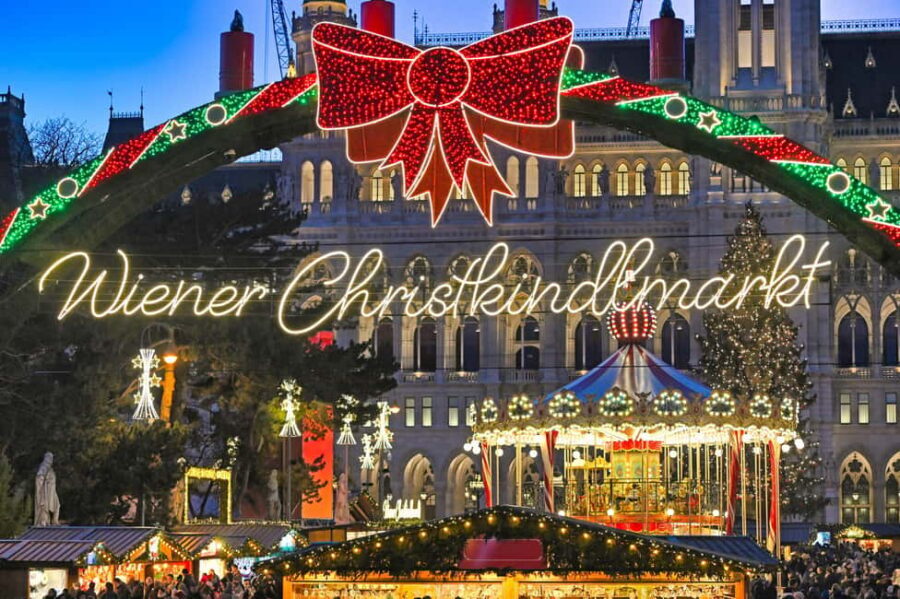
- Pro-guided posing so your photos look intentional, not accidental
- Albertina Platz + State Opera start for an instant grand backdrop
- Burggarten and Mozart Statue for a softer, garden-style look
- Hofburg Palace and Heldenplatz for imperial “cinematic” architecture shots
- Museum-and-parliament zone for wide-angle frames and dramatic facades
- Stephansplatz finish by St. Stephen’s Cathedral for the most recognizable Vienna ending
Portrait Mission in One Hour: How the timing really feels
A one-hour photoshoot sounds short because it is. But that’s exactly why it works: you get a tight route through Vienna’s most photogenic areas, with quick pauses for guided shots. The big win is momentum. Instead of waiting around, you’re kept moving from backdrop to backdrop.
What you’re likely to experience is a lot of “stop, frame, shoot, move.” Your photographer will use each landmark like a set: opera-area grandeur at the beginning, garden calm in the middle, imperial drama near the Hofburg, and cathedral wow at the end. That structure helps you come out with images that look like a themed series—rather than a scattered album.
If you’re the type who likes to wander slowly, this won’t feel like that. Bring comfortable shoes, accept that it’s efficient, and plan to linger on your own after the shoot if you want deeper exploration. Also, since this is an outdoor walking format, dress for December weather if you’re booking in the holiday season.
You can also read our reviews of more photography tours in Vienna
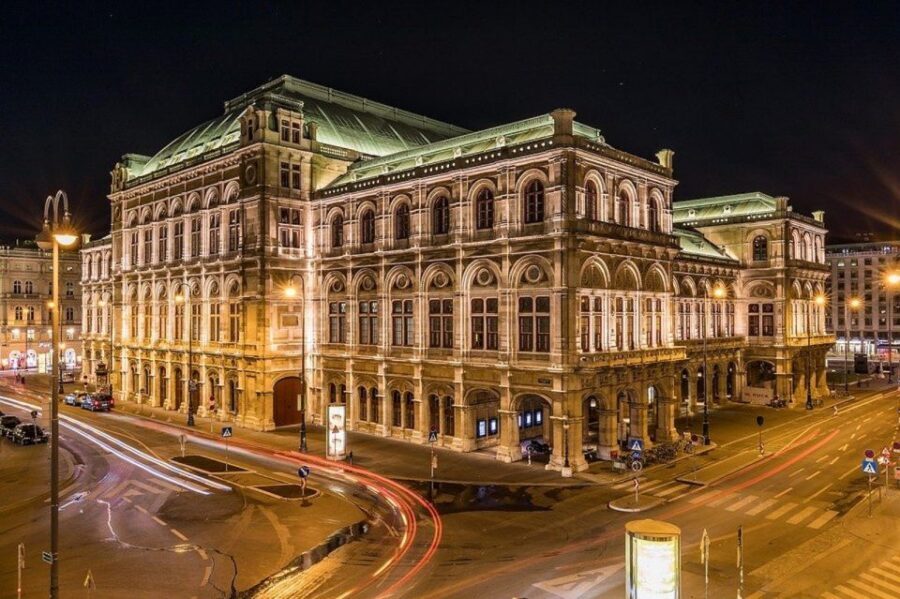
Portraits First Stop: Albertina Platz and the Vienna State Opera backdrop
You start at Albertina Platz, right beside the Vienna State Opera area. This is a smart first choice because you get an immediate “Vienna classic” look without needing to travel far or hunt for good light. Opera facades, wide streets, and a sense of arrival help your opening portraits look confident.
Practically, this is also where you’ll get your first instruction from the photographer. In the first few minutes, it’s common to adjust posture, learn where the photographer wants you positioned, and get a baseline for how to face the camera while still looking relaxed. The goal is that by the time you’re at the first bigger architectural set, you’re already in the rhythm.
If you’re nervous in front of a camera, the start helps. You’re not expected to know what you’re doing. You’re placed, guided, and prompted. And because the opera area is visually strong, even simple poses can look impressive.
Albertina Museum Terrace: From street to “art gallery” framing
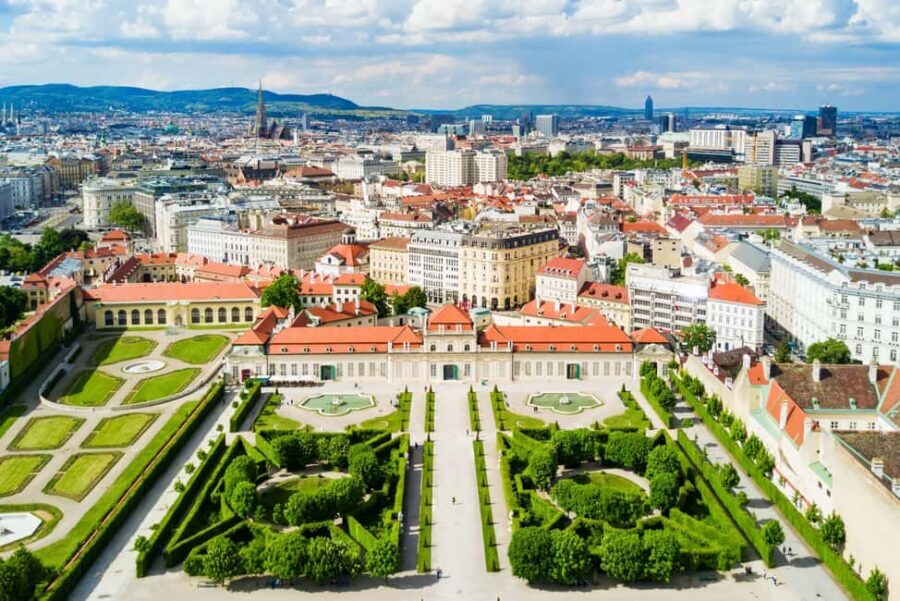
After the opera side, you step into the Albertina Museum area and then out onto its terrace views. This is one of the better parts of the route because it changes the look. Street portraits are fun, but terrace angles let you capture Vienna with depth—layers of architecture, cleaner sight lines, and a “composed” background.
This is also where wide-angle photos tend to shine. Even if your outfit is simple (a scarf, a coat, a holiday layer), the terrace gives the image structure. You’re basically placing yourself into Vienna’s visual map.
One practical tip: terrace lighting can be a little contrasty depending on cloud cover and time of day. If you wear glasses, bring them clean and consider anti-fog if it’s cold. And if you’re carrying a big bag, keep it compact—terrace photos look best when your hands and shoulders aren’t fighting for space.
Burggarten and the Mozart Statue: Holiday-season calm in a garden set
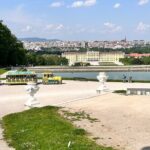
Next comes the Burggarten, where you’ll see the famous Mozart Statue. This stop matters because it softens the whole experience. After imperial stonework and museum facades, the garden gives you greenery, classical symmetry, and a more casual portrait vibe.
The best value here is variety. Your photos won’t all look like you’re posing in front of palaces. Instead, you’ll get at least a “gentler” section of the album—great for couples shots and solo portraits where you want a bit of warmth and movement.
There’s also a café option nearby (Palmenhaus Café is mentioned as part of the setting). Food and drinks aren’t included in the tour price, but these pauses can be useful if you want to warm up after a stretch of cold air. Even if you don’t eat, you can use the nearby atmosphere to reset before the next architectural jump.
Hofburg Palace and Heldenplatz: Imperial Vienna for dramatic portraits
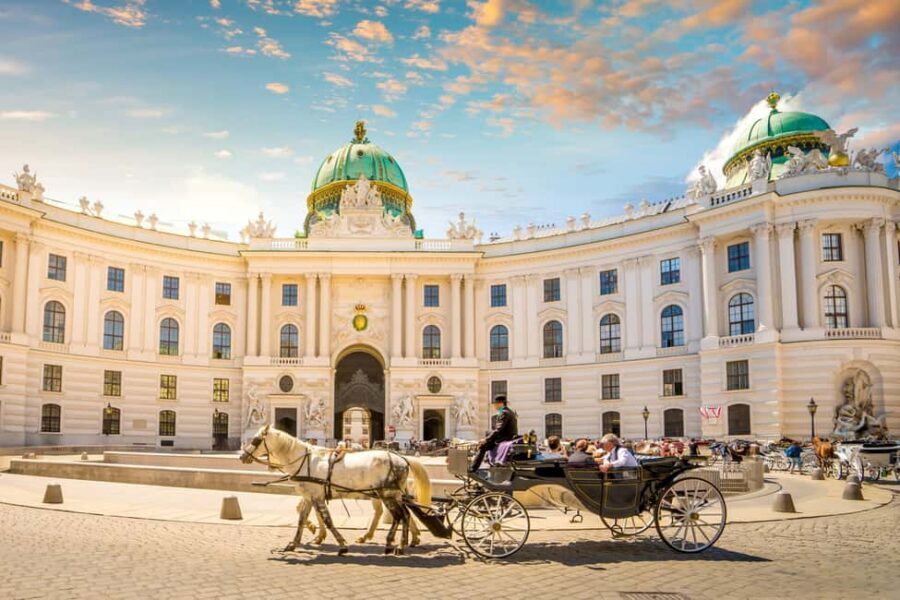
Now you hit the core of imperial Vienna: Hofburg Palace and Heldenplatz. This is where your photos start feeling more cinematic. Archways, open courtyards, equestrian statues, and big stone surfaces provide natural framing—so your photographer doesn’t need to “invent” a set. Vienna supplies it for you.
This is also a powerful storytelling turn. If your earlier photos feel like arrival (opera) and culture (museum/terrace), then Hofburg is the moment your images become about power and tradition. Even if you only have a one-hour window, this section gives your portrait series a clear tone shift.
The only drawback is crowd density. These are central, famous areas, so you may wait briefly for the cleanest backgrounds. That’s normal. A good photographer will time shots so you don’t end up with random distractions behind you.
A few more Vienna tours and experiences worth a look
Maria-Theresien-Platz and the twin museum look: Wide-angle architecture moments
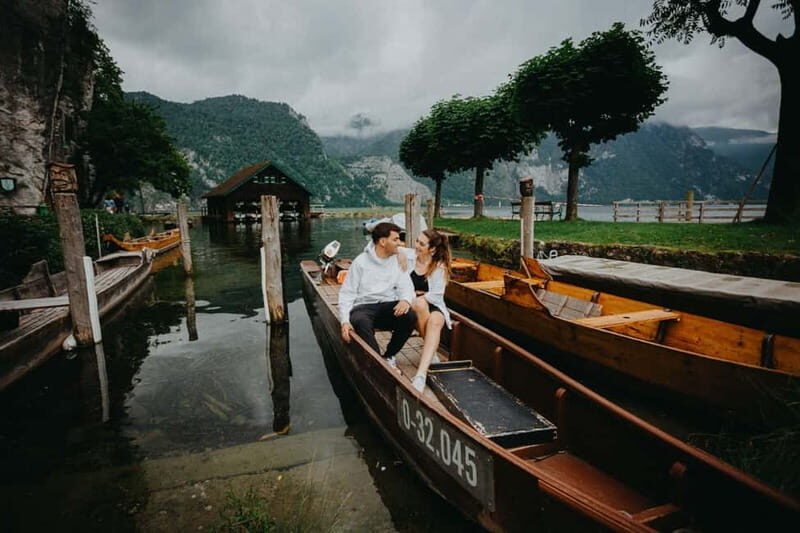
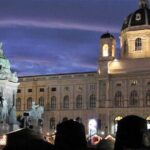
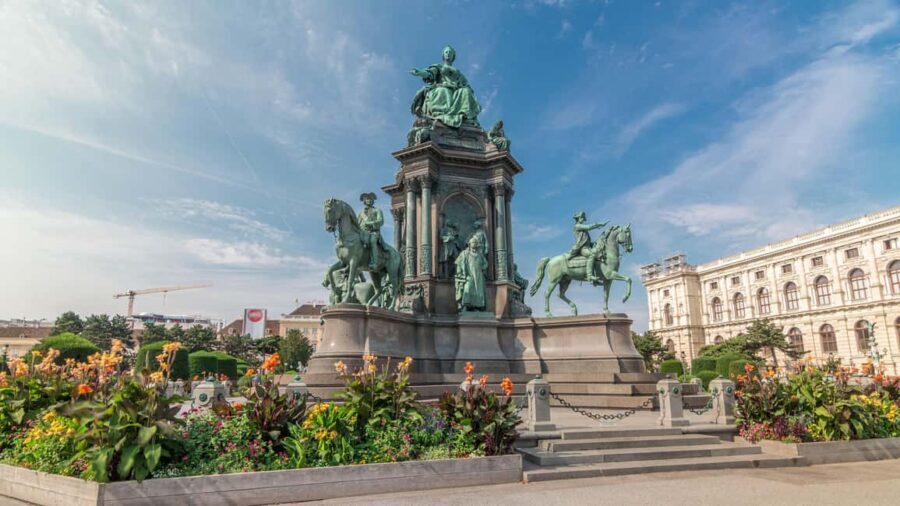
From there, you move through the Maria-Theresien-Platz area, with the Kunsthistorisches Museum and Naturhistorisches Museum framing the scene as twin highlights. This part is ideal for photos because the architecture reads well even when you keep your poses simple. Symmetry and distance help the camera do its job.
In a short shoot, wide-angle shots matter more than people think. They make your album look like you traveled across the city, not just around a block. With two matching museum facades, it’s easier to create that “Vienna postcard” effect.
If you like portraits with space around you (so you look small against a huge background), this stop delivers. If you prefer tight headshots, ask your photographer for one or two more intimate frames while you’re still here—because once you move on, you can’t recreate the same angle.
Parliament to Rathaus and Burgtheater: Stone facades, clockwork detail, and flow
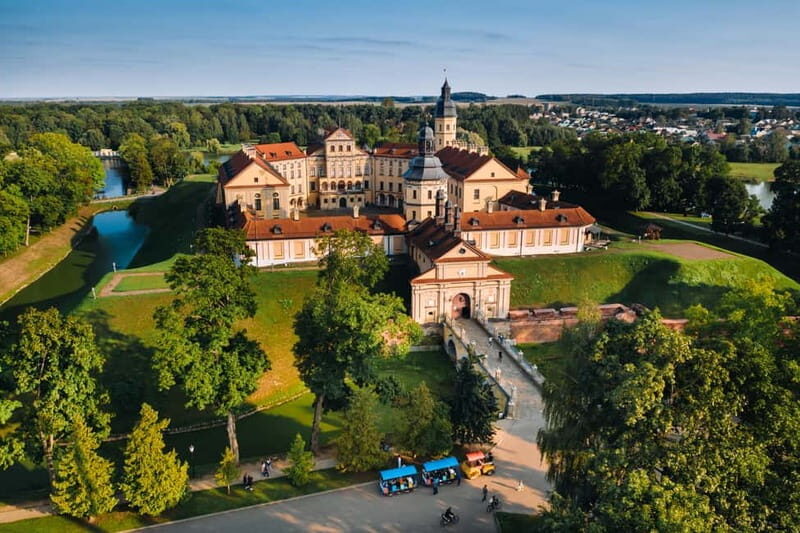
The route continues past the Austrian Parliament and then the Pallas Athena Fountain, with Rathaus and Burgtheater also in the mix. This is the “variety zone” of the walk: you’ll get different textures, different architectural styles, and different ways to compose your body relative to tall façades.
Why it’s valuable for your photos: big buildings allow strong lines. Those lines create a natural guide for where to stand and how to angle your shoulders. Your photographer can use that to keep portraits flattering and the background clean.
You’ll also pass through areas near the Rathauspark, where you may get a break between the biggest photo sets. That breathing room helps you keep your energy up for the final push toward Stephansplatz.
And one detail worth noting: in this part of the walk, you’re moving through a lot of “busy corners.” Your photographer’s job is to keep your photos looking composed even when the environment isn’t. That’s where pro guidance really earns its keep.
Ankeruhr clock stop: Art Nouveau character in one frame
A short walk away, there’s a pause at the Ankeruhr, an Art Nouveau clock. This stop is gold for people who want at least a few portraits that feel like Vienna the city, not just Vienna the landmarks.
A clock is also practical in a one-hour session. You can position yourself quickly, capture a clean shot, and move on. It’s not another “big slow scene” where you need time to linger and plan. Instead, it adds a playful creative touch, like a visual signature for your album.
If you like detail photos—hands on a railing, a scarf angle, a side glance—this is the kind of location where those small gestures look intentional. Even if your main background is still architecture, your expression and body language can do more here.
Stephansplatz finale by St. Stephen’s Cathedral: The iconic Vienna ending
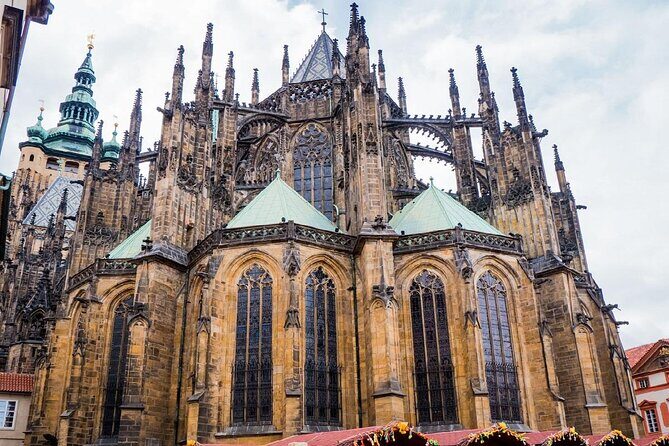
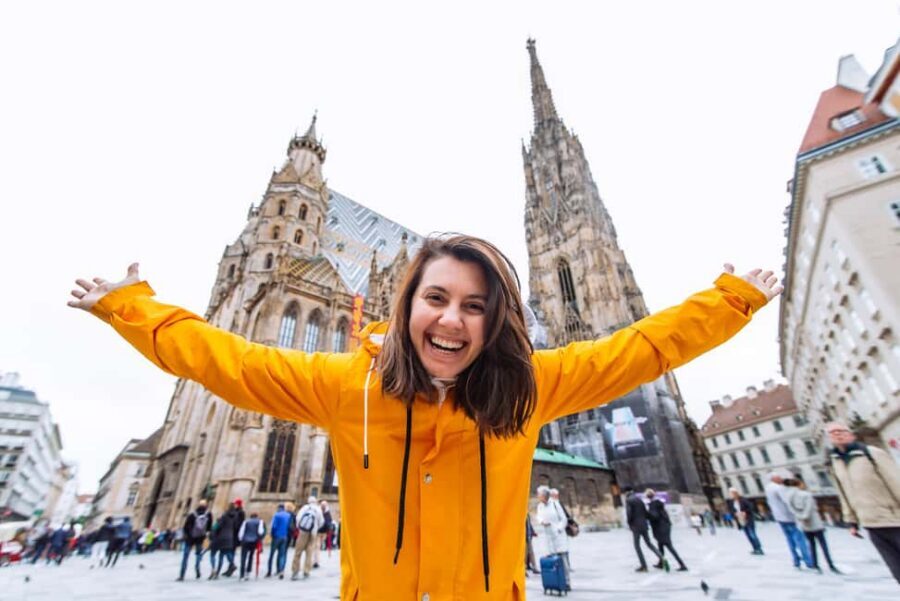
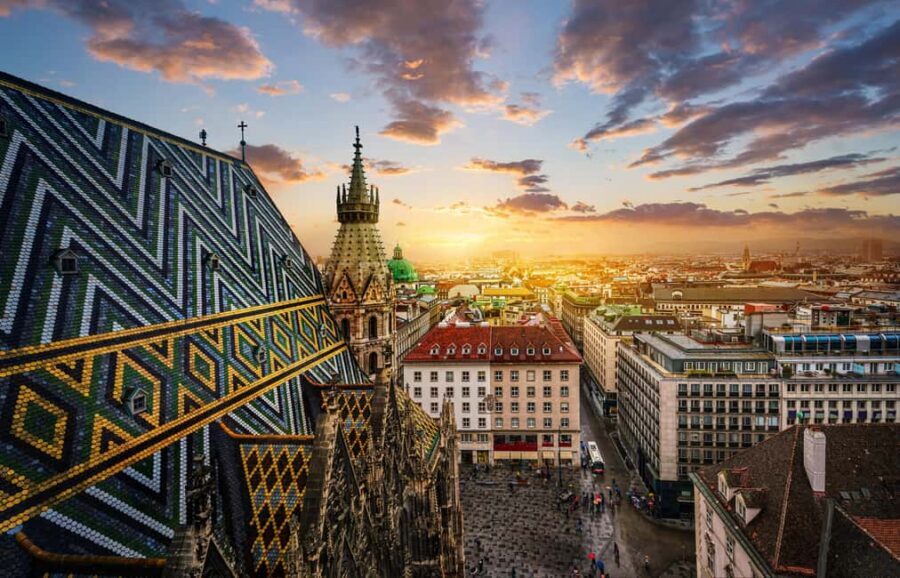
The tour wraps up at Stephansplatz, with St. Stephen’s Cathedral as the backdrop. This is a smart finish because the cathedral gives you the most recognizable end-frame in the whole experience. You’re not ending at a generic square. You’re ending at Vienna’s “this is really Vienna” moment.
The cathedral’s details matter for photos: the patterned roof and soaring spire create clear visual interest, even when you’re standing at a distance. That means your final images can look dramatic without needing complicated staging.
Also, Stephansplatz has the energy of a city meeting point. Even if it’s cold, you’ll likely feel the rhythm of cafés and pedestrian flow around you. Your photographer can use that liveliness for a final set where you look like you belong in the scene—not like you’re just posing for a checklist.
What the pro photographer does (and why it matters for real photos)
This isn’t just a guided walk with occasional picture-taking. A professional photographer changes what you do in three key ways:
- They direct your pose so you look relaxed and not stiff.
- They pick angles that flatter you and use the architecture as framing.
- They help you read the light and background, so you don’t end up with photos where you’re sharp but the scene behind you is messy.
In a one-hour shoot, the value is speed with control. You can’t afford to spend 15 minutes trying to “figure it out” yourself. With a pro handling composition, you get multiple outcomes in the time you have: maybe one portrait with the opera grandeur behind you, one garden-style shot near Mozart, and cathedral-backdrop images that close the story.
There’s also a real benefit if you travel solo or you’re not confident about posing. You don’t need to act like a model. You need to follow direction, take a few breaths, and let the photographer lead.
Price and value for $140 per person in a 1-hour format
At $140 per person for one hour, you’re paying for three things: the pro photographer time, a structured route through high-impact Vienna locations, and coached photo opportunities at those stops. You’re not paying for museum tickets, and you’re not paying for transport or meals.
So who is it good value for? If you’re the kind of traveler who wants photos you’ll actually print or share (not just quick phone snaps), a pro-led session can be worth it. If you were planning to do portraits anyway—just without coordination—this route saves you the hardest part: knowing where to stand, when to shoot, and how to keep results consistent across different locations.
If you’re more interested in wandering and taking your own photos casually, you might feel the cost more. This is built for results in limited time. For that reason, I’d treat it like an experience with a purpose: you’re buying the “photo plan,” not just access to landmarks.
Practical details that affect your comfort and photos
A few small rules and logistics can improve your experience:
- Bring passport or ID card. It’s required.
- Transportation to the starting point isn’t included, so plan to arrive at Albertina Platz on your own.
- Food and drinks aren’t included, though you’ll pass places where you can grab something nearby if you want.
- Alcohol and drugs aren’t allowed.
- This isn’t suitable for babies under 1 year or people over 95.
Also, if you’re traveling with a child, note that a child seat is mandatory in Austria, and you’ll need to send your booking details so the operator can arrange it. That’s the kind of rule that’s easier to handle early than once you’re standing on the curb.
Comfort-wise, your biggest “gear” is shoes. You’ll be walking through multiple landmark zones, and winter steps add up fast.
Who should book this one-hour Christmas photoshoot
I think this tour fits best if you’re one of these travelers:
- Couples who want a set of matched portraits in iconic spots without stress
- Solo travelers who want professional images without relying on strangers
- People who are short on time in Vienna but still want a “Vienna album”
- Visitors who like the idea of a guided route but prefer photos over long lectures
If your priority is deep museum exploration or sitting at cafés for a long time, look for a longer activity. This one is designed for momentum and clean results.
FAQ
FAQ
Where does the photoshoot start?
It starts at Albertina Platz, right next to the Vienna State Opera.
How long is the Vienna Christmas photoshoot?
The duration is 1 hour.
How much does it cost?
The price is $140 per person.
Is food or drinks included?
No. Food and drinks are not included.
Do I need to bring anything?
Bring your passport or ID card.
What language is the tour guide?
The live tour guide is in English.
Is transportation included?
No. Transportation to the starting point isn’t included.
Can I cancel and get a refund?
Yes. You can cancel up to 24 hours in advance for a full refund.
Are alcohol or drugs allowed?
No. Alcohol and drugs are not allowed.
Is this tour okay with children?
If you have a child, you should message your booking details so the operator can arrange a child seat, which is mandatory in Austria.
Should you book this one?
If you want professional portraits and you only have a limited window in Vienna, I’d book it. The route is built to give you variety—opera-area grandeur, garden-style calm near Mozart, imperial drama by Hofburg, and a cathedral finale at Stephansplatz—while the pro photographer keeps everything moving and flattering.
I’d only skip it if you hate brisk pacing, expect long stops, or want a day focused on museums and slow wandering. For everyone else who wants high-quality photos with minimal planning, this is a practical, high-impact way to get your Vienna memory into something you’ll actually cherish.