REVIEW · VIENNA
Vienna: Melk, Hallstatt, Salzburg and Mountains Lakes Tour
Book on GetYourGuide →Operated by 7 TRAVEL · Bookable on GetYourGuide
One day. Three Austrian icons. It’s a fast route that still feels thoughtfully paced. I like the mix of guided context and free time, so you get the stories for Melk and Salzburg and then wander Hallstatt at your own speed. I also like that the tour uses air-conditioned transport and builds in lots of viewpoint stops, so the long drive doesn’t feel like a punishment.
Here’s the trade-off: you’re cramming a lot in. Hallstatt is only about 1–2 hours, and Salzburg is up to 2 hours, so if you want slow museum-level time, you’ll feel rushed when it’s time to re-board.
In This Review
- Key things that make this tour work
- Vienna to the Alps in 13 Hours: A Realistic Way to See Big Names
- The 660 km Drive: Why Comfort Matters More Than You Think
- Wachau Valley to Melk Abbey: The Danube Stop That Gives You Structure
- Salzkammergut Lake District Viewpoints: The Break Between Big Stops
- Hallstatt in 90 Minutes (Max): Photos, Walking, and Crowd Reality
- Salzburg’s Old Town and Sound of Music: A Short Walk With Real Payoff
- How the Free Time Actually Feels: Plan for Re-boarding Speed
- Price and Value: What You’re Really Buying for $126
- Who Should Book, and Who Should Skip It
- Tour Guides and the Human Factor: Why It Can Feel Better (or Not)
- Before You Go: What to Bring and How to Make the Day Easier
- Can You Leave in Salzburg? One Smart Option to Stretch the Value
- Should You Book This Vienna-to-Hallstatt-Salzburg Tour?
- FAQ
- How long is the Vienna: Melk, Hallstatt, Salzburg and Mountains Lakes Tour?
- What are the main places this day trip covers?
- Where do I meet for the tour?
- What’s included in the price?
- Are food and drinks included?
- Can I leave the group in Salzburg and return to Vienna?
- How much time do we get in Hallstatt and Salzburg?
Key things that make this tour work
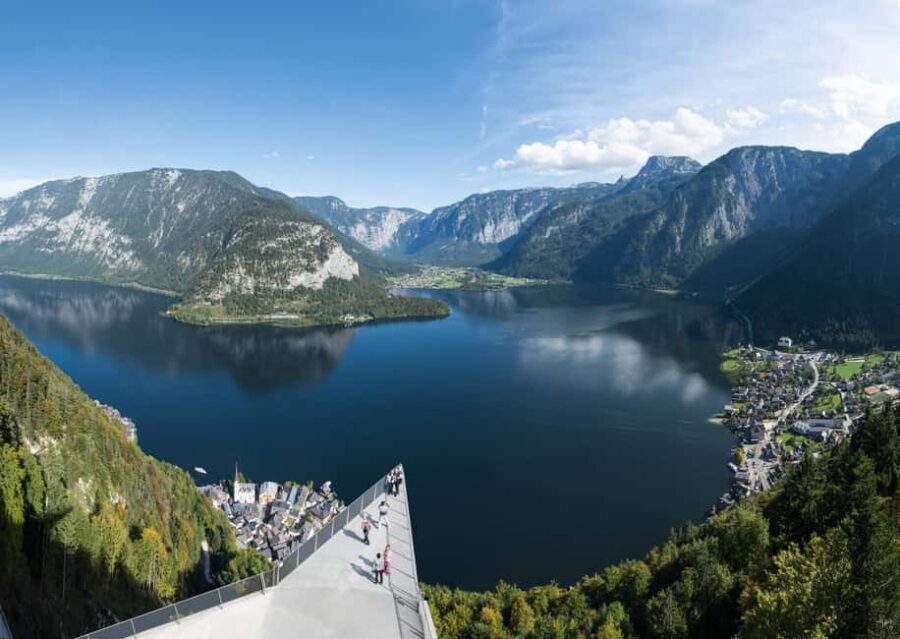
- Hallstatt’s lake-and-mountains setting with enough time to walk, photo, and find a meal
- Melk Abbey on the Danube—a short stop that still gives you inside-and-terrace highlights
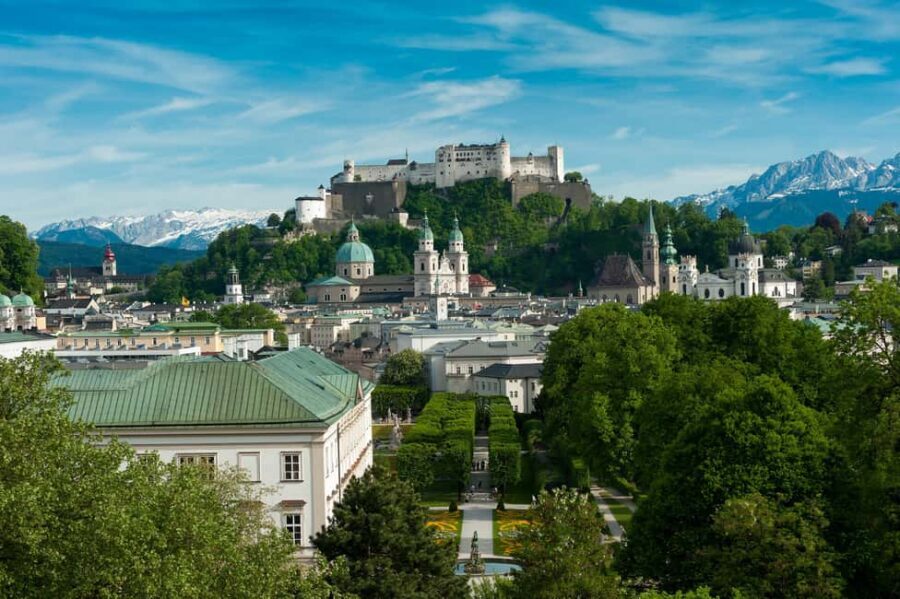
- Salzburg with a guided old-town walk plus time to explore for yourself
- Comfort-focused logistics: air-conditioned coach and frequent scenic pull-offs
- Flexible Salzburg option: you can leave the group there and return to Vienna by train (tell them ahead)
Vienna to the Alps in 13 Hours: A Realistic Way to See Big Names
This tour is built for one thing: getting you from Vienna to the Austria most people dream about—Melk, Hallstatt, and Salzburg—without you having to plan trains, rent a car, or stitch together multiple days. The pace is brisk, but it’s not chaotic. The guide gives the “why this matters” story while you’re on the move, and then you’re dropped with a time window to do your own thing.
I especially like how the itinerary groups places with a similar rhythm. You get a monumental stop (Melk), a scenery-and-photos stretch between towns, a small-town postcard moment (Hallstatt), and then a city experience (Salzburg). It’s a smart way to avoid feeling like you’re hopping between random dots on a map.
One practical note: this is a full-day outing where the bus is part of the experience. The coach gives you comfort and a controlled schedule. In return, you trade flexibility for efficiency. If you’re the type who likes to linger, plan to take your photos quickly and keep moving during the town windows.
You can also read our reviews of more tours and experiences in Vienna.
The 660 km Drive: Why Comfort Matters More Than You Think
You cover about 660 km by motorway, and the driving time is roughly 8.5 hours with multiple stops. The total duration is 13 hours, so you’ll spend a good chunk of the day seated. That’s why the air-conditioned vehicle isn’t a small detail. In summer it cools you down; in winter it helps your brain stay awake after long stretches outdoors.
A few tips make the ride feel easier:
- Bring water and light snacks. You can eat on the bus as long as you don’t bother others.
- Wear comfortable shoes. You’ll do walking in Hallstatt and Salzburg, and the drop-off points aren’t always right at the door of everything you want to see.
- Have a charging plan. The data here doesn’t promise Wi‑Fi on the coach, so rely on your own phone battery.
Also, keep your timing mindset switched on. The tour is scheduled tightly enough that re-boarding is not a leisurely activity. If you like to wander off for “just one more photo,” do it fast—and always set a real alarm on your phone.
Wachau Valley to Melk Abbey: The Danube Stop That Gives You Structure
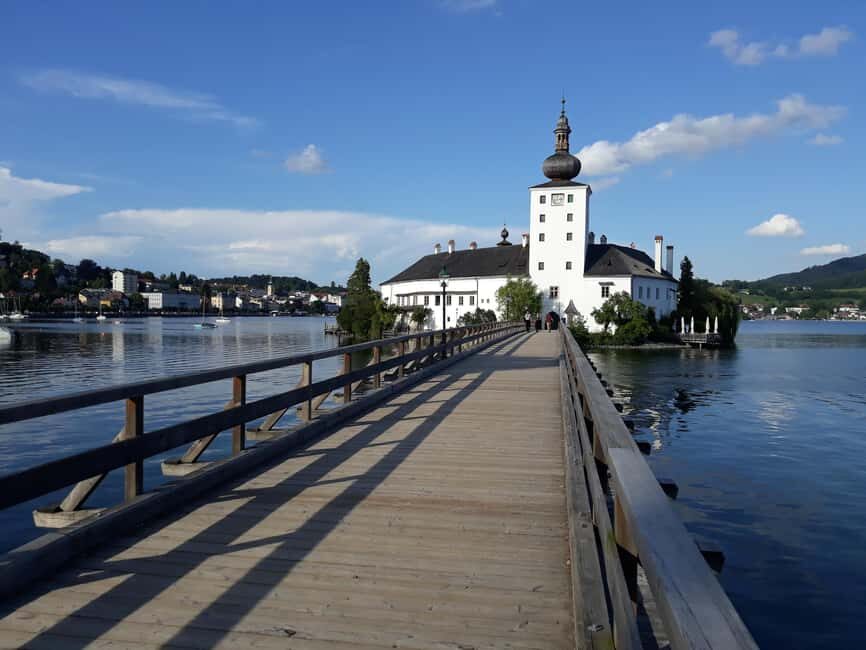
The day begins with the Wachau Valley area, then focuses on Melk Abbey, the big landmark of this Danube stretch. This monastery is the kind of site that can feel overwhelming—until someone frames it for you. The guide does that framing while you travel, then you get a short but high-impact visit.
From what you’re likely to experience on a time-crunched tour, think of Melk as two parts:
- A quick look inside—enough to see the church details and get your bearings.
- A terrace/panoramic viewpoint moment—enough to understand why people keep coming back.
Even if your time inside the abbey is brief (many people described it as around 30–40 minutes), it’s still worth it because the structure is clear. You’re not “wandering around a building”; you’re getting the signature scenes first.
If you’re tempted to skip this stop to give yourself more time later, don’t. Melk is one of the best “anchor points” in the whole day. It helps the rest of the itinerary make sense—religious power, river trade routes, and the way Austria built culture into stone.
Salzkammergut Lake District Viewpoints: The Break Between Big Stops
Between towns, the tour leans into what the region is famous for: lakes and mountain scenery. You’ll also make numerous stops at viewpoints while travelling. These are the moments where you get to reset. The bus moves; you step out; you look; you take photos; you’re back on.
Why these viewpoint stops matter on a day like this: when you’re dealing with a long coach day, you want “micro-wins.” A viewpoint break is a way to feel like the day is moving forward even when you’re not arriving at a new city every hour.
Practical tip: keep a light layer handy. Mountain air can feel different from Vienna fast. Even when it looks mild at the start of the day, it can get cooler near the lakes and higher roads.
Hallstatt in 90 Minutes (Max): Photos, Walking, and Crowd Reality
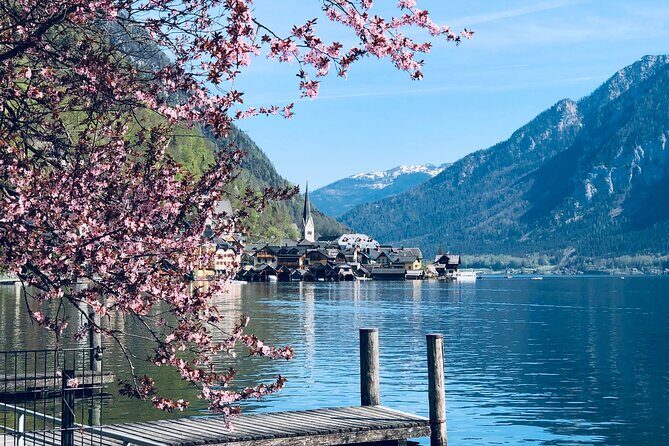
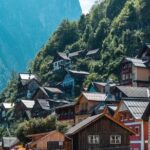
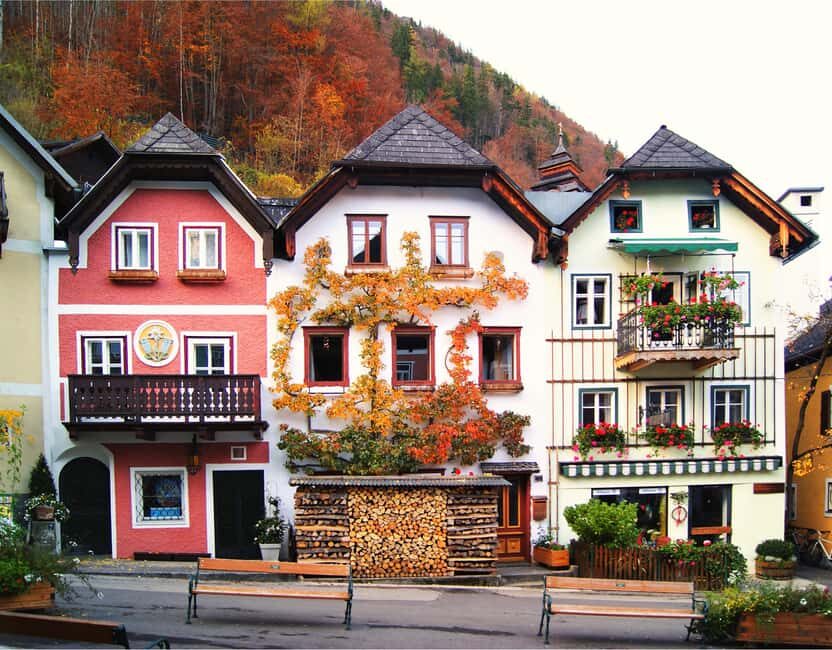
Hallstatt is the star for many people, and it’s easy to see why. It’s a small town placed on the shores of an Alpine lake, surrounded by steep peaks. The town’s look is unmistakable—traditional buildings facing the water, with a calm atmosphere that feels like it doesn’t match the speed of the bus schedule.
But Hallstatt is also where you need the right expectations. You’ll typically spend a minimum of 1 hour and up to 2 hours. That means your plan has to be simple:
- Walk through the main area once.
- Take your top photos early.
- Find a meal fast if you want one.
- Re-group and head back on time.
A few crowd/timing notes can help:
- One traveler mentioned bus limits in Hallstatt (around 54 buses per day) and that booking early helps, especially in busy seasons.
- In winter, timing can be tight because daylight runs out sooner. One person noted it was close to getting to Hallstatt before dark.
Also pay attention to how you’ll move. There can be walking from the stop point to the town’s core. So even if you only have 1.5 hours, don’t spend it standing still.
And here’s a small but useful strategy: choose one “main” viewpoint area first. Get that photo. Then you can enjoy the streets with less pressure.


Salzburg’s Old Town and Sound of Music: A Short Walk With Real Payoff
Salzburg is the other big name, and this tour gives you a balanced hit. You’ll do a guided walking tour focused on old-town highlights, and then you get time to explore on your own.
Two timing anchors matter:
- The guided part is short—people described it around 45 minutes.
- Total time in Salzburg is at least 1 hour and up to 2 hours.
That mix is smart for a day trip. The guide gets you oriented quickly—stories around Mozart and the music culture, plus the Sound of Music references that people expect to recognize. Then you have enough independent time to use your senses. You can stop for a coffee, browse a shop, or simply walk and look up at the buildings.
A couple practical ideas that came through clearly:
- If you want a meal, don’t gamble on finding the perfect restaurant with no time. Go with something convenient.
- One person recommended St. Peter Stiftskulinarium (they also said it can move quickly if you tell them you’re on a schedule).
- Also, churches are worth a fast look inside if you have the chance. At least one traveler suggested peeking into both churches included in the walk.
One more important logistics point: on a tour day, the bus won’t wait forever. If you’re aiming for a church, set a timer for when you’ll leave. Ten minutes can disappear fast when you’re stepping in and out.
How the Free Time Actually Feels: Plan for Re-boarding Speed
This tour is “guided throughout,” but it still gives you freedom on-site. That’s great—until your free time collides with your own habits. Your best move is to run a tiny system.
Before you leave each stop, do two things:
- Know where the bus is likely to load you again.
- Set a phone alarm for the return time and keep it audible.
A strong tip that showed up in the feedback: the bus may wait only about 5 minutes (or less). That means you shouldn’t treat return time like a suggestion. Treat it like a deadline.
Also think about food. Since meals and drinks are not included, you’ll likely snack on the move or grab something in town. Since the day is long, even a small snack helps you avoid that mid-afternoon grumpy spiral.
Price and Value: What You’re Really Buying for $126
At $126 per person for about 13 hours, you’re paying for three things:
- Transport over a long distance with comfort included.
- Guiding that turns each stop into something more than photos.
- Time efficiency—seeing multiple famous places in one day without doing separate trips.
If you were to do this alone, you’d spend time solving logistics (driving, parking, tickets, schedules). You’d also likely spend more effort than money. Here, you buy fewer decisions.
Where the value gets tricky is if you’re the type who hates time limits. Because Hallstatt and Salzburg aren’t long enough for deep dives. You’ll leave wanting more. The tour itself even suggests that if you want to know cities in detail, you should do them separately. I think that’s fair.
So the smart way to use this tour is as a sampler. It’s great for checking off the big Austria hits. Then you can come back later—maybe to Salzburg for music and neighborhoods, or to Hallstatt for a longer, calmer day.
Who Should Book, and Who Should Skip It
This tour suits you if:
- You want the big highlights of Melk, Hallstatt, and Salzburg without multi-day planning.
- You like short guided context and then self-paced wandering.
- You’re okay with a packed schedule and want the day to feel like motion.
It may not be ideal if:
- You need lots of time at each stop (museum-mode slow).
- You travel with very young kids. It’s not suitable for children under 3.
- You move very slowly. It’s not recommended for very slow-moving disabled persons.
Also, note that there’s no hotel pick-up. You’ll meet outside the tourist info behind the State Opera House area, in front of the Albertina Museum. The closest underground station is Karlsplatz (U1, U2, U4). If meeting points stress you out, plan extra time for getting there.
Tour Guides and the Human Factor: Why It Can Feel Better (or Not)
A big part of whether a day trip feels smooth is the guide’s energy and organization. In the feedback, guides like Alexander, Olga, Sabrina, Sophia, Lily, Kiril, and Dasha were all named, and the common theme was strong effort: explaining quickly, managing the group, and keeping the flow running.
That said, one review mentioned a less-ideal mood from the Salzburg guide, though the scenery and the other guide helped balance it. Translation: the itinerary is consistent, but the experience can vary with the specific guide lineup. Still, most people reported that the guides stayed helpful and upbeat, and that drivers were careful and skilled in the long drive.
Before You Go: What to Bring and How to Make the Day Easier
Bring:
- Comfortable shoes
- Camera (you’ll want it)
- Water
And bring a small dose of realism. With only 1–2 hours in Hallstatt and up to 2 hours in Salzburg, you’ll get the best result by choosing what matters most to you:
- If your goal is photos: do that first, then explore casually.
- If your goal is food: decide where you’ll eat early, then stop hunting.
- If your goal is music/architecture: prioritize the key sights during the guided walk and don’t wait until the end.
Can You Leave in Salzburg? One Smart Option to Stretch the Value
This tour offers a flexibility that a lot of people forget to use: you can leave the group in Salzburg and return to Vienna by train at your own expense. You need to inform the operator before the tour starts.
Why this option can be a win: Salzburg is the city where extra time actually pays off. If the guided walk leaves you wanting more, staying on is a way to turn a day trip into a more satisfying experience—without abandoning the “transport and guidance” benefits.
Should You Book This Vienna-to-Hallstatt-Salzburg Tour?
Book it if you want a one-day Austria highlight reel. The $126 price makes sense because you’re buying transport, guidance, and a plan that links Melk, Hallstatt, and Salzburg in a single stretch. If your priority is to see the famous places and get a sense of what Austria feels like beyond Vienna, this tour is a practical choice.
Skip or pair with independent plans if you need slow time. Hallstatt won’t give you hours and hours. Salzburg won’t either. In that case, use this tour as a taste, then return on your own later for deeper time.
If you’re on the fence, here’s my simple checklist:
- Do you like guided direction with short personal wandering? Yes.
- Are you okay with re-boarding deadlines and quick meals? Yes.
- Do you want a relaxed day where every stop is unhurried? This may not be your match.
FAQ
How long is the Vienna: Melk, Hallstatt, Salzburg and Mountains Lakes Tour?
The tour runs for 13 hours.
What are the main places this day trip covers?
You visit Melk (Wachau Valley and abbey), Hallstatt, and Salzburg, with additional viewpoint stops along the way.
Where do I meet for the tour?
Meet outside the tourist information office behind the State Opera House, in front of the Albertina Museum. The closest underground station is Karlsplatz (U1, U2, U4).
What’s included in the price?
Included are transport by air-conditioned vehicle, a guided tour throughout the trip, guided visits/stops in Salzburg and Hallstatt, and a stop in Melk/Wachau Valley, plus numerous viewpoint stops.
Are food and drinks included?
No. Food and drinks are not included.
Can I leave the group in Salzburg and return to Vienna?
Yes. You can leave the group in Salzburg and return to Vienna by train at your own expense, but you must inform the operator before the tour starts.
How much time do we get in Hallstatt and Salzburg?
You spend at least 1 hour in Hallstatt and up to 2 hours in Salzburg (time can shift with traffic).