REVIEW · VIENNA
Vienna: Mythos Mozart Experience
Book on GetYourGuide →Operated by Mythos Mozart · Bookable on GetYourGuide
Candlelight Mozart beats most museum plans. This high-tech exhibition takes you into the building where Mozart spent his final year, then guides you room to room through his music and Vienna.
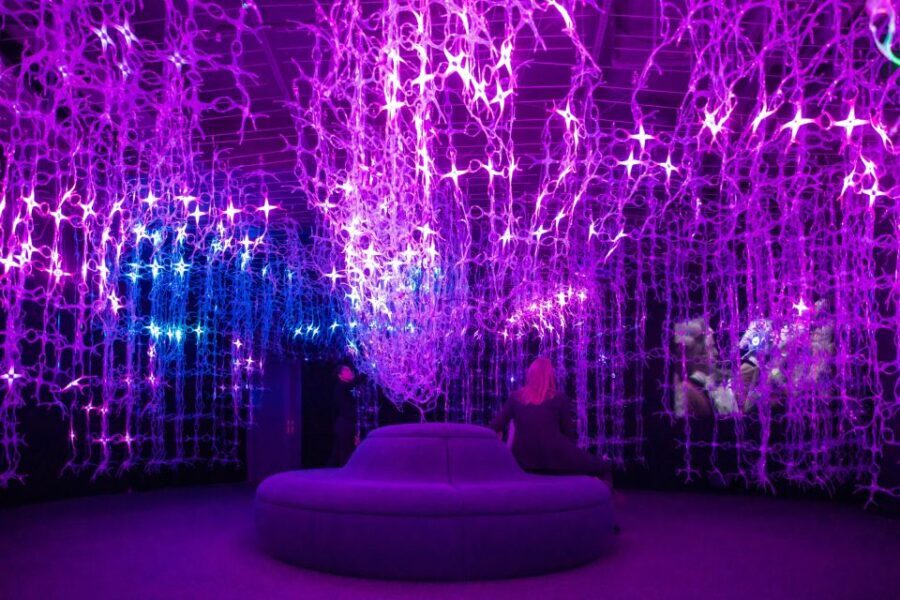
I love the REQUIEM – MOZART’S DEATH room with its 1,500 candles, and I also like how hands-on the Little Night Music space feels when you can play instruments from around the world.
One thing to consider: it’s only about 1 hour, so if you’re hunting for a lot of detailed biography or a long sit-down explanation, you may want more time.
In This Review
- Key things to know before you go
- Walking into Mozart’s last year (and why it works)
- The REQUIEM – MOZART’S DEATH room: 1,500 candles, instant mood
- VIENNA – 1791: 360° city views and the feeling of time travel
- Little Night Music: play instruments from around the world
- Mozart’s death house connection: why the location matters
- Sky & Roofgarden: Vienna views without the sightseeing grind
- Time, pace, and what a one-hour visit really means
- The staff and check-in: smooth start makes a difference
- Price and value: why $27 can make sense
- Who Mythos Mozart is best for
- Small practical details that save time
- Should you book Mythos Mozart in Vienna?
Key things to know before you go
- Start in the REQUIEM room: 1,500 candles set a dramatic mood right away.
- Play music yourself in the Little Night Music room with instruments from around the world.
- 360° Vienna, 1791 style in the VIENNA – 1791 room, designed for big “how did they do that?” moments.
- Views from the Sky & Roofgarden: First District, Karlskirche, the ferris wheel, and St. Stephen’s Cathedral.
- English-language host/greeter helps you get oriented at the Welcome Desk.
- Short and sweet pacing: you won’t wander for hours, but you also won’t feel trapped in a lecture.
Walking into Mozart’s last year (and why it works)
My favorite way to experience Vienna is to mix big sights with something you can feel in your body—light, sound, and atmosphere. That’s exactly where Mythos Mozart scores. You’re in the building connected to Mozart’s final year, and the exhibition uses multimedia storytelling so you don’t need to already be a classical-music expert to follow along.
You’ll move through themed rooms tied to his life and his most famous works, with modern visuals and Mozart’s music as the thread. The result is a “short journey with strong scenes,” not a slow, academic museum. And since the whole thing takes about 1 hour, it fits easily into an evening plan—especially if the weather is gray and you want something indoors.
You can also read our reviews of more tours and experiences in Vienna.

The REQUIEM – MOZART’S DEATH room: 1,500 candles, instant mood
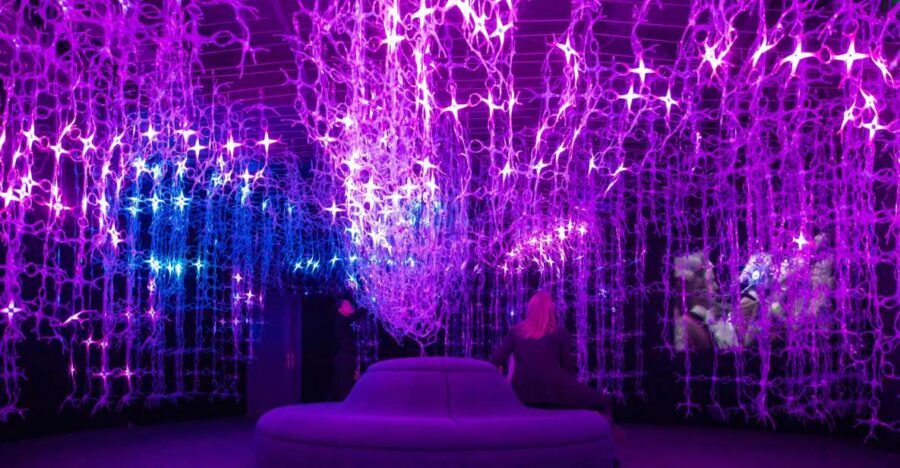
The show begins in the REQUIEM – MOZART’S DEATH room. The headline detail is the same every time: 1,500 candles. Even if you don’t know much about the Requiem, the room’s atmosphere does the heavy lifting for you. You’ll feel that shift from “museum browsing” into a staged, emotional setting where light and sound work together.
This is also one of the smartest choices for first-time Mozart fans. Starting with a dramatic theme means you’re not sorting through facts—you’re experiencing mood first, then meaning. If you’ve ever wished Vienna museums had a little more staging, this is where that desire gets answered.
Practical note: because it’s candle-themed and visually intense, give your eyes a moment to adjust before you try to take in every detail. You’ll enjoy the room more if you let the sound and lighting settle.
VIENNA – 1791: 360° city views and the feeling of time travel
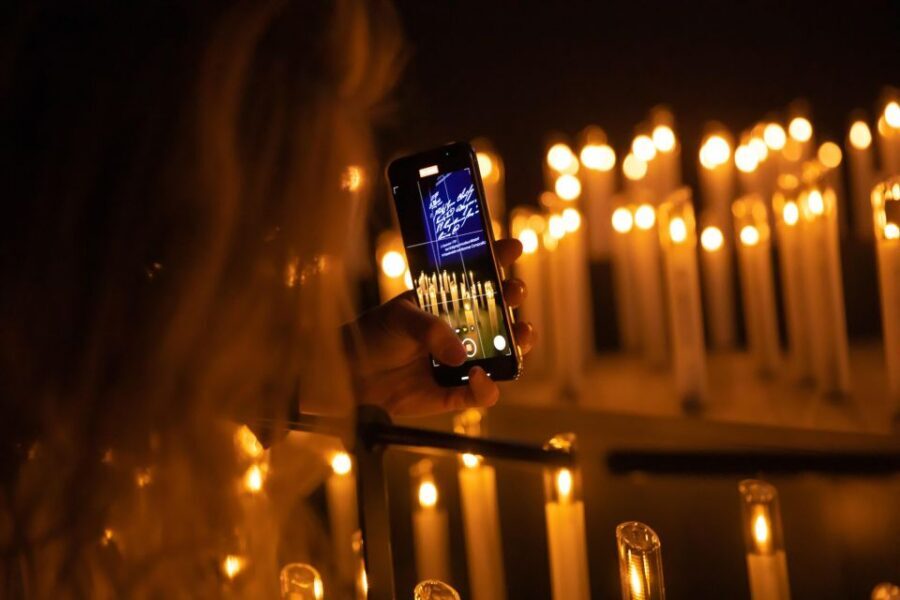
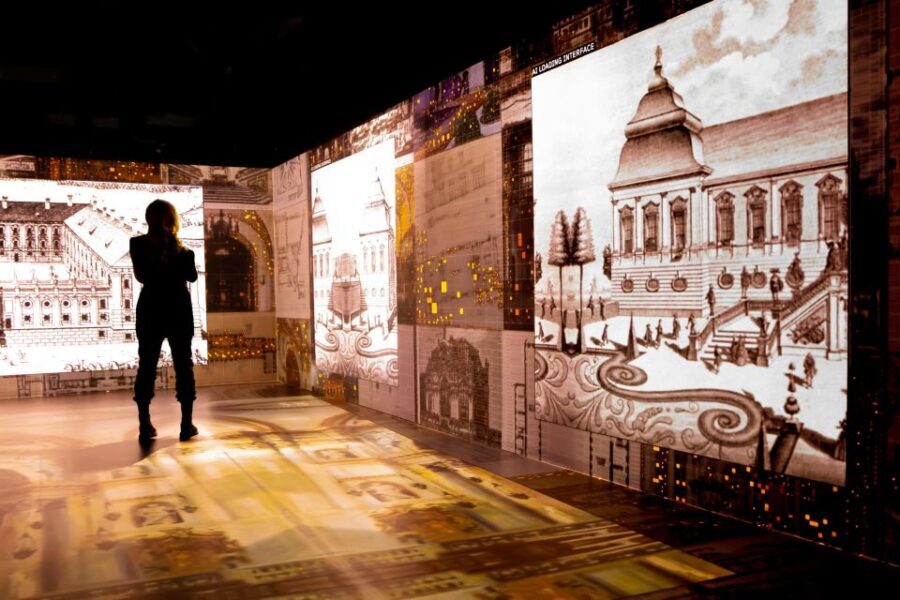
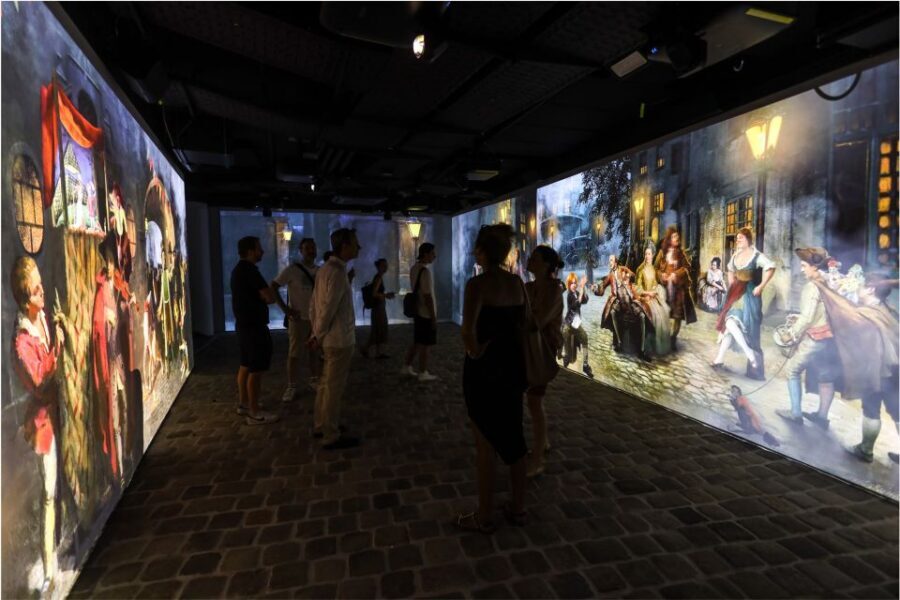
After the candle room, you’ll step into VIENNA – 1791, which is built around 360° panoramic views. The concept is simple and effective: Vienna in Mozart’s time, projected around you, so you can look up, around, and “walk through” scenes as the show leads you.
You’re not just staring at a screen. The room is designed so the visuals suggest motion—busy streets, rooftops, and even the playful idea of seeing Vienna from above (including a balloon-like perspective, based on the room’s description). It’s that combination—city + scale + motion—that makes this section feel like more than a slideshow.
One small drawback to keep in mind: this part is still a show. If what you want most is historical accuracy in the form of labeled artifacts, this won’t replace a traditional museum visit. But if you want to understand what Vienna felt like in 1791, it’s a strong, memorable way to do it fast.
Little Night Music: play instruments from around the world
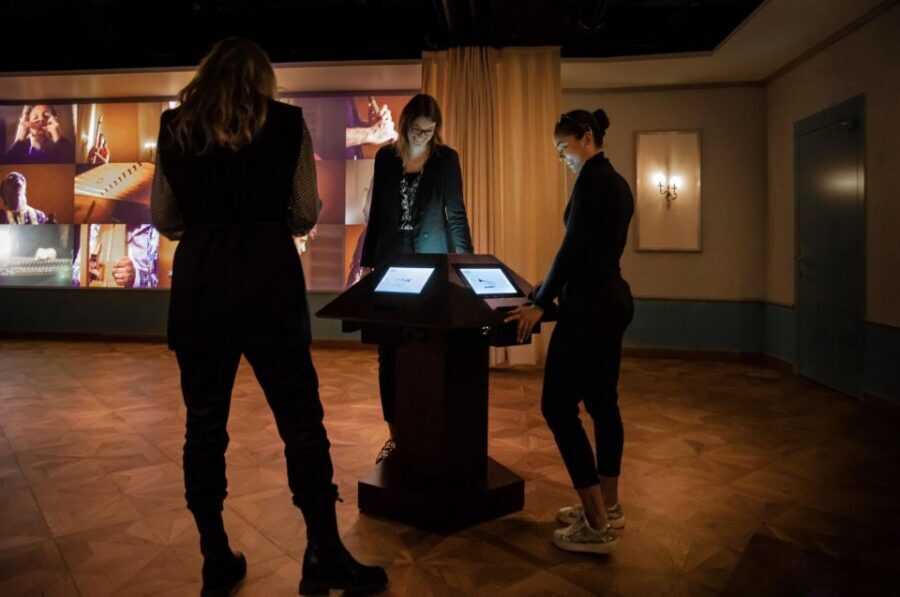
Now for the room that tends to convert people who weren’t sure they liked Mozart. In Little Night Music, you interact with instruments from around the world. The idea is fun, but it also makes learning easier: music isn’t just something you listen to; it’s something you can touch, trigger, and experiment with.
Even if you don’t read music, you’ll understand the concept quickly. Different sounds, different textures, different ways instruments can create atmosphere. It’s a clever bridge between cultures and between “Mozart the name” and “music the experience.”
If you’re traveling with kids or teens, this is likely the part that gets the biggest reaction. And even as an adult, it changes your pace—from “watching” to “doing.”
Mozart’s death house connection: why the location matters
A big part of the value here is not only what you see, but where you’re seeing it. The exhibition is in the building where Mozart spent the last year of his life, and it specifically references the house where he died in 1791—also tied to compositions such as The Magic Flute and The Requiem.
That connection gives the multimedia show more weight. You’re not treating Mozart like a distant genius on a timeline. You’re inside a place linked to the ending of his life, and the exhibition themes align with that. It’s one of the reasons people tend to leave talking about the atmosphere, not just the technology.

Sky & Roofgarden: Vienna views without the sightseeing grind
When the “show rooms” wrap up, you can take advantage of the Sky & Roofgarden for views over the First District, Karlskirche, the ferris wheel, and St. Stephen’s Cathedral. This is a great payoff because it lets you reset your senses. You go from intense light-and-sound scenes to open-air city scale.
It’s also a practical move for your itinerary. You’re not forced to hustle across town to find a viewpoint. You get a nice aerial-feeling perspective right near the attraction.
If you’re trying to plan around crowds, consider timing this after your main visit, when you can step out for photos and a quick breather.
Time, pace, and what a one-hour visit really means
With a total duration of 1 hour, you should think of this as a concentrated sequence of scenes. You’ll start with the candle room, then move into the 1791 panoramic room, then the interactive music section, and finally the rooftop-view area.
Visitors often describe a relaxed flow—enough time to take in each stop without feeling like a staff member is chasing you down a corridor. Still, it’s not designed for a slow linger the way a classic museum is. If you like reading every label and studying every object, this might feel short. If you like fast, high-impact experiences, it’s well matched.
The staff and check-in: smooth start makes a difference
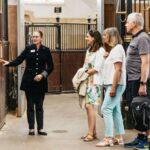
Check-in is straightforward. You exchange your ticket at the Mythos Mozart Welcome Desk, and you should arrive up to 15 minutes before your time slot. Host/greeter support is in English, which helps if you want a quick explanation or just want to confirm you’re in the right place.
A tip that matters: if your flight delay or schedule is chaotic, the desk staff are reportedly accommodating. That’s not a reason to cut it close, but it does reduce stress compared with attractions that operate like clockwork with zero flexibility.
Price and value: why $27 can make sense
The price is about $27 per person for a 1-hour experience. That’s not “cheap,” but it’s also not a full-day tour price. You’re paying for production value: lighting design (including Moritz Waldemeyer for the candle room), multimedia visuals, and interactive rooms that go beyond passive museum watching.
Where the value lands hardest is when you:
- want a rainy-day activity that still feels fun
- like music in a new format, not just concert-hall tradition
- want a Vienna experience that’s easy to fit around sightseeing
If you’re the type who only likes Mozart in score form, you might leave wanting more details. But even then, the 360° Vienna views and the candle-room atmosphere tend to land with people.
Who Mythos Mozart is best for
This works best for:
- First-timers in Vienna who want a “big moment” without committing to a full half-day
- Mozart fans who want a modern way to connect with The Requiem and The Magic Flute
- Families who want an activity that includes interaction, not just listening
- People who don’t want to hunt down background reading before they enjoy the experience
It may feel less perfect if you’re hoping for:
- guided, in-depth historical lectures
- lots of artifacts and labels like a traditional museum
- a long, slow pace that supports serious note-taking
Small practical details that save time
You’ll want your passport or ID card, and a student card is listed as something to bring (useful if you’re eligible for any student-related terms). Pets aren’t allowed.
Food and drinks are not included, but you can purchase them at Sky Café & Restaurant, which also has panoramic views and a roof terrace. If you’re planning a longer day, this is handy for keeping your schedule simple.
Also, plan to check the attraction’s posted entry rules for your time slot. Arriving late can shrink your experience quickly because everything is timed.
Should you book Mythos Mozart in Vienna?
Book it if you want a short, high-impact Mozart experience in a real, Vienna-linked setting—especially if you like light-and-sound staging, interactive moments, and a 360° viewpoint payoff. At around one hour and roughly $27, it’s a solid value for a rainy afternoon or your first evenings when you want something culturally meaningful but not complicated.
Skip it (or pair it with a more traditional Mozart/history activity) if you need lots of explanatory commentary and deep biography to enjoy a museum. This is about scenes and music first. If that fits your style, you’ll probably have a memorable evening.