REVIEW · VIENNA
Vienna: Private Jewish Walking Tour
Book on GetYourGuide →Operated by Austria Tours & Travel · Bookable on GetYourGuide
A walk can turn a city into a story. This private Jewish Vienna tour connects the dots from the earliest known Jewish presence, through the 1900s cultural force, to the Holocaust and the Jewish community today, all while you’re moving through real streets. You’ll focus on Jewish Vienna and key names like Salomon, not just random stops.
What I like most is how the tour makes ideas you’ve heard in books feel visible. You get Café Landtmann through the lens of Sigmund Freud’s favorite coffee house, and you also end up at Judenplatz, a place where public memory sits right in the middle of everyday city life.
One thing to consider: the Seitenstettengasse Synagogue is an outside-only visit, so if you’re hoping for an inside look or a service, plan around that expectation.
In This Review
- Key Things I’d Note Before You Go
- Jewish Vienna, Explained by Walking (Not Just Reading)
- Helmut-Zilk-Platz: Where the Tour Sets Its Tone
- Getting Your Bearings Near the University of Vienna
- Café Landtmann: Freud’s Favorite Coffee House Moment
- Palais Ephrussi: Reading Architecture as Social History
- Seitenstettengasse Synagogue: Outside-Only, Still Powerful
- Judenplatz and Joseph’s Square: Public Space, Private Memory
- Memorials and the State Opera: The Long Shadow of Vienna’s Decisions
- How the Tour Balances Brilliance With Brutality
- What You Actually Get in 150 Minutes (And What to Wear)
- Price and Value: $530 Per Group Up to 20
- Who This Tour Fits Best
- Should You Book This Private Jewish Walking Tour?
- FAQ
- How long is the Vienna Private Jewish Walking Tour?
- Where does the tour start, and how do I find the guide?
- What is the tour’s final stop?
- What’s included in the price?
- Is this tour private?
- What languages are available for the live guide?
- Is the tour wheelchair accessible?
- How much does it cost?
- Are there any flexible booking or cancellation options?
Key Things I’d Note Before You Go
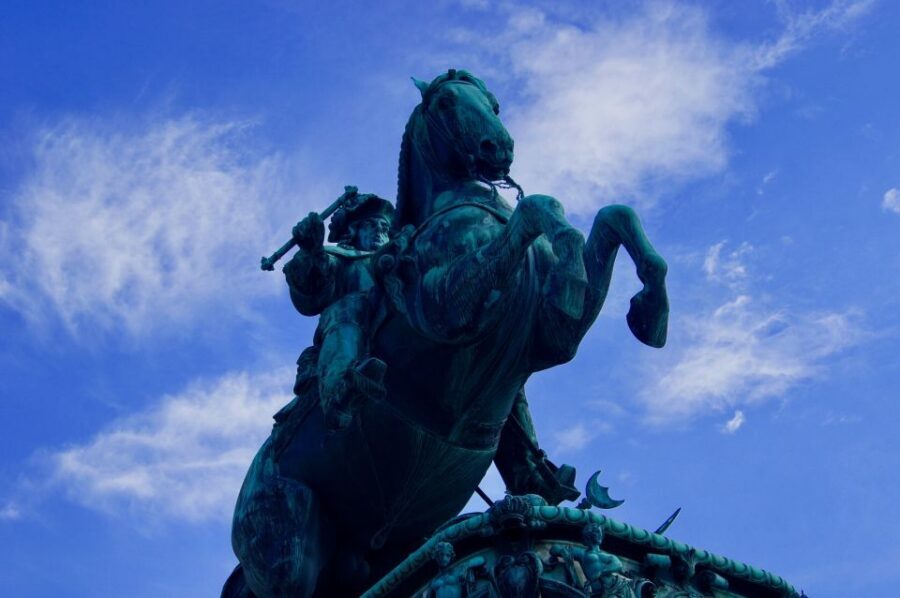
- Salomon and early Jewish roots in Austria: the story starts at the beginning, not after the big tragedies.
- Café Landtmann with Freud’s connection: Vienna’s intellectual life shows up in a coffee-house setting.
- A 1900s lens on artists, doctors, and scientists: you’ll see how Jewish people shaped wider Viennese culture.
- Judenplatz and Joseph’s Square for public memory: remembrance is part of the city’s street-level experience.
- Seitenstettengasse Synagogue outside only: you’ll see the building, but not step inside.
- A guide who can handle tough history: the tour includes darker periods, including banishment and the Holocaust.
Jewish Vienna, Explained by Walking (Not Just Reading)
Vienna can feel like a city made of music, palaces, and museums. This tour adds the missing thread: the Jewish community that helped shape the city’s intellectual and cultural life, and the brutal forces that tried to erase it.
You’re not just collecting facts. You’re getting a timeline that moves through streets where those chapters happened. The result is easier to remember because it’s tied to specific corners, squares, and landmark facades instead of only dates.
This is also a tour where questions feel encouraged. In past private groups, guides like Lisa and Dr. Reinhard Travnicek were praised for being clear, engaging, and able to adapt to different audiences. That matters because Jewish history in Vienna can be intense, and you want explanations that stay human.
You can also read our reviews of more walking tours in Vienna
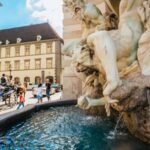
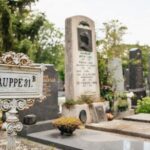
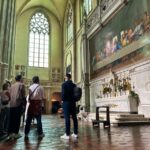
Helmut-Zilk-Platz: Where the Tour Sets Its Tone
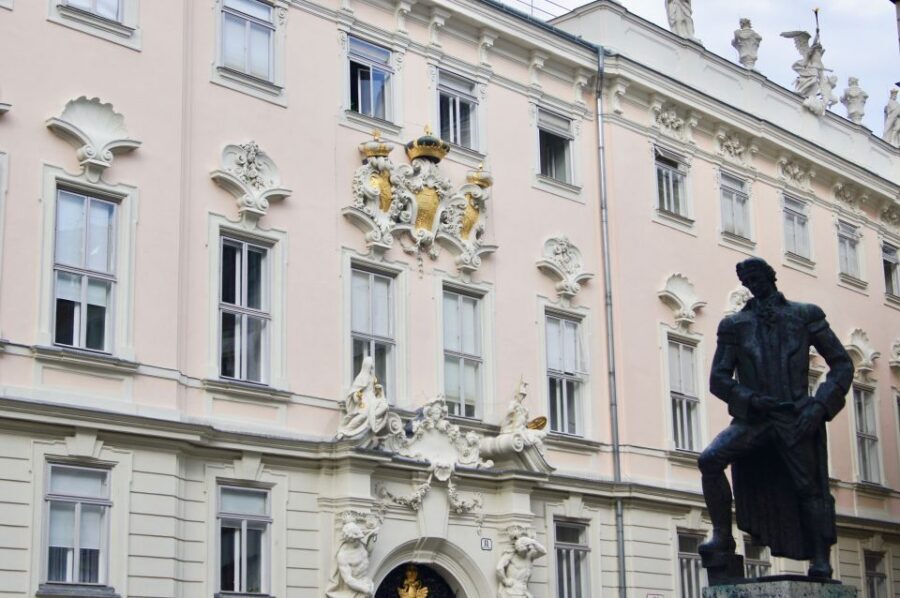
You meet at Helmut-Zilk-Platz, in front of the memorial against war and fascism. Your guide will be holding a red and white striped umbrella, so spotting them is simple.
Starting at a memorial sounds heavy, and it is. But it’s also smart. It gives you a framework before the tour reaches the quieter storylines—art, ideas, everyday institutions—so you understand what was at stake.
If you like guided tours that respect the subject matter, this opening helps. You’re not bouncing quickly from one highlight to another. You’re being led into a bigger context first.
Getting Your Bearings Near the University of Vienna
The tour includes stops around the University of Vienna, which is a great move for two reasons. First, it anchors Vienna’s reputation as a city of ideas. Second, it helps you connect Jewish contributions to the broader intellectual scene that defined early 1900s Vienna.
Even if you’ve already read about Vienna’s thinkers, you’ll get a better grip when someone points out how the city’s learning culture connects to real people and real communities. You start noticing patterns: professions, institutions, and networks that made Vienna’s early modern identity.
If your group enjoys discussion, this is often the stretch where it flows best. People tend to ask questions about how cultural life and political pressures collided.
Café Landtmann: Freud’s Favorite Coffee House Moment
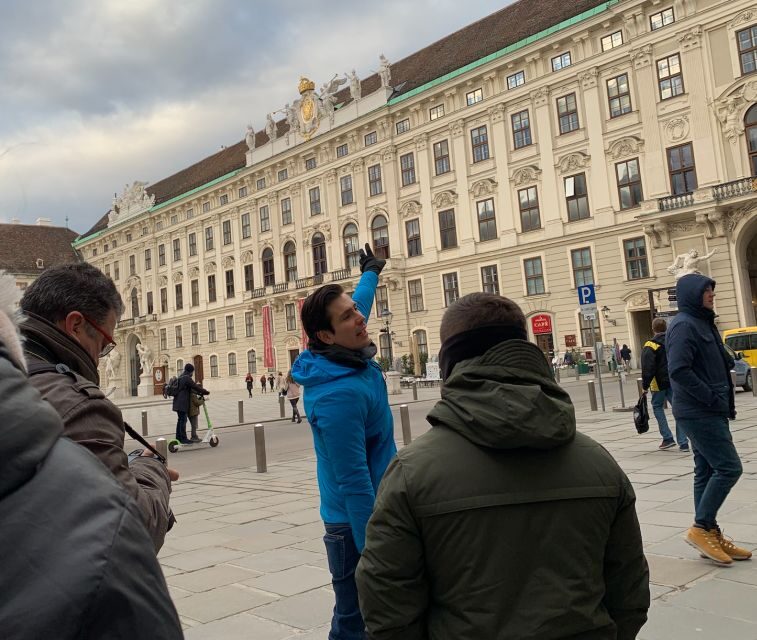
Then you hit one of the most recognizable names on the whole route: Café Landtmann, tied to Sigmund Freud’s favorite coffee house.
This stop is valuable because it’s not a monument. It’s a social space. In Vienna, coffee houses are where ideas get talked through—sometimes seriously, sometimes with quick back-and-forth. With Freud connected to the place, you’re given a reason to look at the setting as part of the story, not just a pretty backdrop.
Practical tip: if you want a coffee here, you’ll need to order on your own time. The tour is built around walking and explanations, and you shouldn’t count on a sit-down break unless your guide specifically makes room.
Palais Ephrussi: Reading Architecture as Social History
The route includes Palais Ephrussi. I like this kind of stop because it nudges you to think about how buildings reflect power, money, family life, and the ability to belong in a city’s top tier.
What makes it useful on this specific tour is the way it fits into the broader arc: cultural growth in the 1900s on one side, exclusion and persecution on the other. Even without a deep architectural lecture, you get the sense that places like this are part of why communities were able to thrive—until history turned.
This is also a good moment to slow down. When your guide points out how Jewish Vienna shaped the city’s cultural landscape, it becomes easier to see why certain buildings and neighborhoods matter.
You can also read our reviews of more private tours in Vienna



Seitenstettengasse Synagogue: Outside-Only, Still Powerful
Next is the Seitenstettengasse Synagogue, but note the visit is outside only. That changes expectations. You’re not meant to treat this as a museum stop with rooms and interiors explained line by line.
Still, the outside view can be emotionally powerful. The guide’s job here is to connect the physical presence of a synagogue to the lived reality of the Jewish community in Vienna—where it could gather, where identity was visible, and what happened when inclusion collapsed.
If you’re traveling with people who get frustrated by outside-only sites, this is where you set the right mood: focus on the context the guide provides, not on expecting an interior tour.
Judenplatz and Joseph’s Square: Public Space, Private Memory
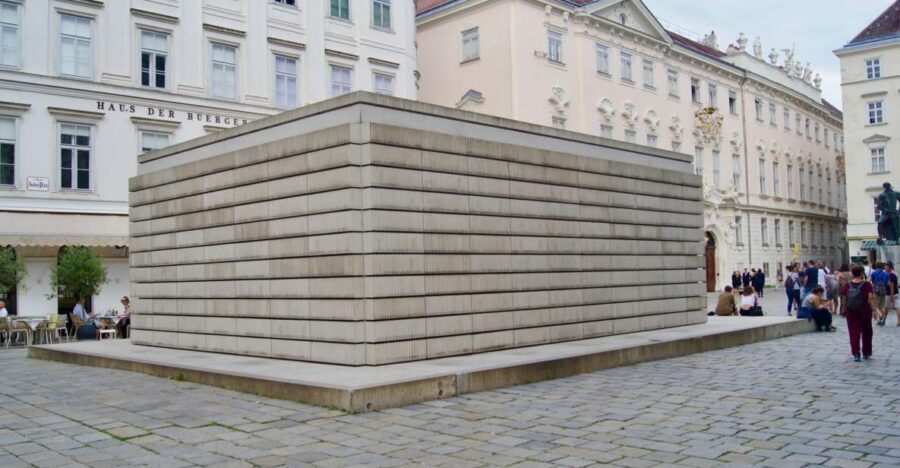
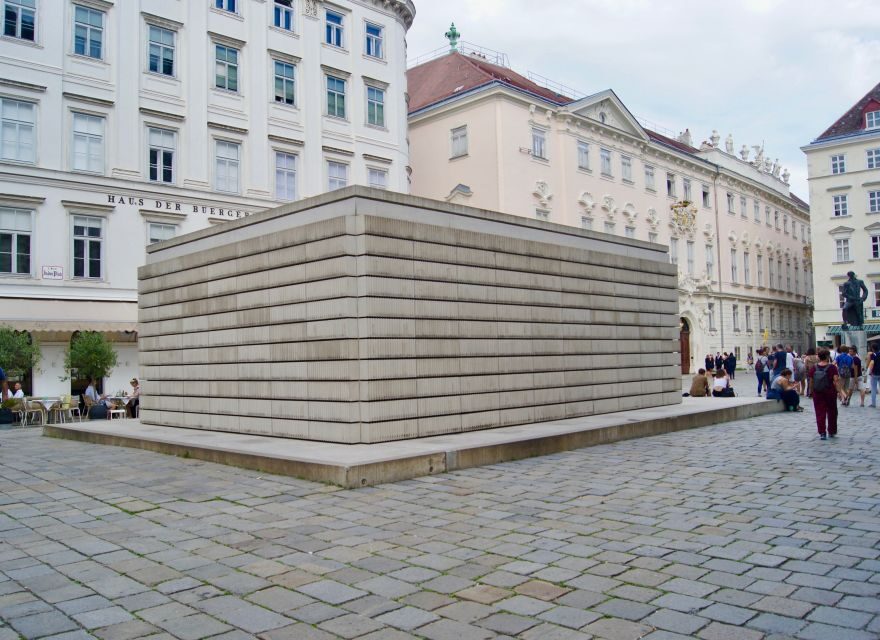
The tour includes Judenplatz and Joseph’s Square—both of which matter because they’re about public memory. You’re moving through places where history is meant to be seen, not stored away.
I love stops like this because they show how the past doesn’t stay in the past. It stays in the city’s layout. It shows up in squares that people cross without thinking, and your guide gives you the mental key to read what you’re looking at.
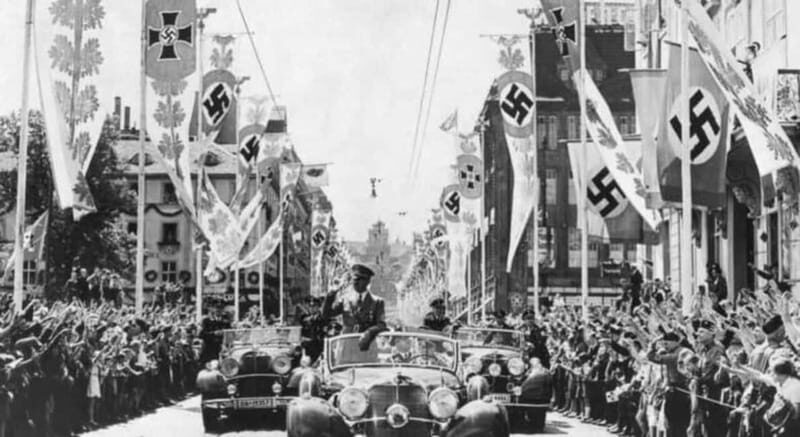
This is also a strong moment for a guided explanation of the darker chapters. The Jewish community’s banishment from Vienna and the Holocaust are part of the tour’s arc, and places like these help you keep that gravity in your mind without making it abstract.
Memorials and the State Opera: The Long Shadow of Vienna’s Decisions
The route features Memorial against War and Fascism (again as part of the tour’s theme) and also Vienna State Opera. The Opera stop can feel surprising at first—until the guide frames what Vienna means as a whole.
You’re basically being shown two things at once:
1) Vienna as a center of art and high culture
2) Vienna as a place where real communities were pushed out, targeted, and lost
That pairing is important. It prevents the story from being only tragic or only inspiring. You get the full picture: the city’s artistic life and the political reality that shaped who could participate.
If you enjoy “why this place matters” tours, this part is a good fit. The Opera is a recognizable landmark, and it helps you map the tour’s themes onto a place many visitors already know.
How the Tour Balances Brilliance With Brutality
One reason the rating is so strong is the way the subject is handled. Guides on past private tours—people like Lisa, Dr. Reinhard Travnicek, and Horlando—were praised for being thorough, motivated, professional, and friendly. More than that, they were described as able to make the time feel like a real conversation, not a lecture.
The tour is built to cover both the bright and the brutal. You’ll hear about Jewish people in Vienna during the 1900s—artists, doctors, and scientists who shaped the city’s cultural identity. Then you’ll move toward the darker periods when the community faced banishment and the horrors of the Holocaust.
That balance is useful for you because it stops history from becoming one-note. If all you heard were tragedies, you’d lose the human achievements and contributions. If all you heard were achievements, you’d miss how quickly acceptance can collapse.
What You Actually Get in 150 Minutes (And What to Wear)
The tour runs about 150 minutes, which is 2.5 hours. That’s a solid block of time for a walking tour. It’s short enough to stay energetic, but long enough for real storytelling.
Because this is a private group, your guide can pace the explanation to your interest level. In the best groups, people feel like they’re walking with a knowledgeable friend who can answer questions clearly and keep the story moving.
Wear comfortable shoes. Vienna sidewalks are great, but you’ll still be on your feet. And if you’re someone who gets tired walking after museums, treat this like a walking activity first, sightseeing second.
Price and Value: $530 Per Group Up to 20
The price is $530 per group, up to 20 people. That’s not cheap on a per-person basis if you’re only two adults. But it can become good value if you’re traveling with a small group of friends or family and want the flexibility of a private format.
Here’s the value math I’d use:
- You’re paying for a live guide and a structured route built around specific landmarks tied to the story.
- You get hotel pickup and drop-off within the inner city, which can save time and stress.
- You get a guided experience in English or German, led by a professional in a private setting where questions can come up naturally.
If you’re traveling solo or as a couple, you might compare the total cost to group tours and ask yourself what matters more: saving money or getting a tailored pace. If you want a deeper conversation and fewer people, this format can justify the cost.
Who This Tour Fits Best
This one is ideal if you want:
- a walking tour that connects Jewish Vienna to intellectual and cultural life
- a guide who can handle sensitive history without turning it into a cold checklist
- a route that includes a mix of famous landmarks and meaningful memory sites
It’s also a good pick for visitors who want a tour that stays respectful and thoughtful. The memorial-based start helps set that tone.
If your group only wants light sightseeing, or if you want synagogue interiors specifically, you may want to adjust expectations. The synagogue stop here is outside only.
Should You Book This Private Jewish Walking Tour?
I’d book it if you’re the type of traveler who likes your city history tied to real streets and specific places. The combination of Salomon’s early story, 1900s cultural contributions, and the inclusion of darker chapters makes the experience more complete than a surface highlights walk.
If your top priority is a quick, casual tour with minimal emotional weight, this might feel too serious. But if you want something honest, structured, and guided with care—this private format is exactly the right way to do it.
FAQ
How long is the Vienna Private Jewish Walking Tour?
The tour lasts 150 minutes (about 2.5 hours).
Where does the tour start, and how do I find the guide?
You meet at Helmut-Zilk-Platz, in front of the memorial against war and fascism. Your guide will be holding a red and white striped umbrella.
What is the tour’s final stop?
The tour finishes at 1010 Vienna, Austria.
What’s included in the price?
Hotel pickup and drop-off within the inner city are included.
Is this tour private?
Yes, it’s a private group experience.
What languages are available for the live guide?
The tour is guided in English and German.
Is the tour wheelchair accessible?
Yes, the tour is wheelchair accessible.
How much does it cost?
Pricing is $530 per group up to 20.
Are there any flexible booking or cancellation options?
There is free cancellation up to 24 hours in advance for a full refund, and you can use reserve now & pay later.