REVIEW · VIENNA
Vienna: Time Traveling Virtual Reality Sightseeing Tour
Book on GetYourGuide →Operated by VR Tours Vienna · Bookable on GetYourGuide
Vienna can feel like a museum. This tour makes it move, using 360-degree VR to re-create six key moments right in the places you’re walking past. You get the old-town sights, then you switch headsets and the past shows up around you. Even if Vienna is your first day, it gives you a fast, story-based way to understand what shaped the city.
Two things I especially like: the storytelling (with facts and anecdotes that go beyond the usual plaques) and the way the guide keeps it practical while you’re hopping between VR stops. One thing to consider: VR quality isn’t equally crisp in every scene, and if you’re sensitive to video blur or translation timing, you’ll want to pick the language group that fits you best.
In This Review
- Key highlights to watch for
- Getting oriented at Neuer Markt and then walking to Albertina
- Six VR scenes that turn Vienna landmarks into stories
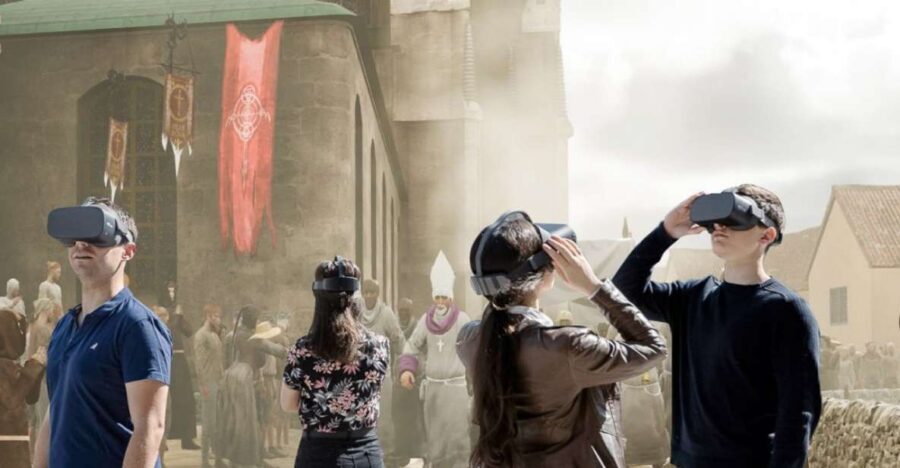
- White Sunday procession in 1483: ornaments, public display, and ceremony
- Ottoman siege in 1683: fear on the horizon
- The plague darkness: humor as a survival skill
- Hofburg hunting day: Empress Sisi and Franz Joseph II
- The Opera and the golden 20s: preparation, not just the final curtain
- St. Stephen’s Square at the end of World War II
- What the walking portion feels like in real time
- Guides and audio: how you get the story, not just the visuals
- VR tech comfort: timing, blur, and who should reconsider
- Price and value: what $45 buys you in 100 minutes
- Who this tour suits best
- Should you book this Vienna VR time-travel tour?
- FAQ
- How long is the Vienna VR sightseeing tour?
- Where does the tour start, and what should I look for?
- Where does the tour end?
- What is included in the ticket price?
- Are food and drinks included?
- What languages are available?
- Is the tour wheelchair accessible?
- Is it suitable for children or for epilepsy?
- What if weather is bad?
Key highlights to watch for
- 360-degree headsets used at specific stops, so the past surrounds you
- Six VR scenes tied to recognizable Vienna landmarks and city squares
- Multilingual audio (English, Spanish, Dutch, French, Italian, Russian) plus live English or German
- Stand-close moments like the Hofburg street scene where you’re literally positioned for a joke
- A last-scene finale at St. Stephen’s Square that brings World War II into sharp focus
- Solid first-day value for orientation, since it ends at the Albertina and covers key districts
Getting oriented at Neuer Markt and then walking to Albertina
The tour starts at Neuer Markt 6. Plan to arrive about 15 minutes early and look for the turquoise-colored entrance so you don’t waste time hunting around. From there, you’ll follow the guide on a mostly flat walk through Vienna’s historic core.
You should expect a route that stays easy on your legs. The distance is listed as about 3.2 kilometers over flat terrain, and the total experience runs about 100 minutes. That matters because this isn’t a grind-it-out city march. It’s designed for pauses: you walk, listen, then stop again to put on the VR glasses at set points.
The tour finishes at the Albertina. That’s a nice endpoint if you want to keep exploring right after, because it puts you back in a central area where museums, cafés, and river-adjacent wander time are all within reach.
You can also read our reviews of more tours and experiences in Vienna.
Six VR scenes that turn Vienna landmarks into stories
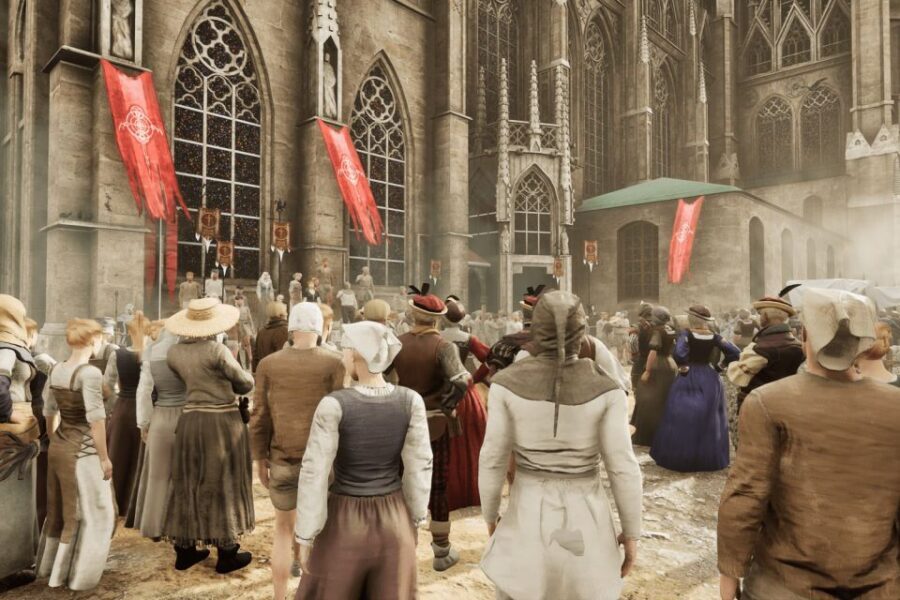
This is a “time traveling” walk, and the core idea is simple. You’re in Vienna right now, then VR takes over and shows you what the same spots looked like during major turning points. The guide and audio narration do the heavy lifting, explaining what you’re seeing and why it mattered. The best moments are the ones where the story connects a landmark to an emotional event, not just a date.
Here’s how the main scenes are laid out, and what makes each one worth paying attention to.
White Sunday procession in 1483: ornaments, public display, and ceremony
One of the earliest scenes has you time-traveling to White Sunday in 1483. The tour focuses on a rare moment when church ornaments were brought out and shown to the public. It’s an effective choice because it’s not just politics or wars. It shows how community life, religion, and spectacle worked together in daily Vienna.
In practical terms, this kind of scene helps you see Vienna as more than architecture. When you understand the role of public ritual, the city’s churches and squares stop feeling like backdrops and start feeling like stages.
Ottoman siege in 1683: fear on the horizon
Next up is the Ottoman Empire carrying out another siege in 1683 during the second siege period. This is the type of history that can feel distant if you only read about it. VR changes the feeling, because you’re not just hearing that conflict happened. You’re placed near it, watching the atmosphere shift.
If you like your history grounded in human reaction, this scene is built for that. Siege storytelling works best when it stays specific about what people endured and how survival depended on more than luck.
The plague darkness: humor as a survival skill
Then the tour drops into the darkness of the plague, framed as a crisis that killed half of Europe. The narration adds a human thread with Augustin, a singer who represents the idea that Vienna could survive terrible times with humor and music.
I like this scene because it refuses to treat tragedy as a dead end. Even if you’re not a music person, you’ll probably remember the contrast: black-out conditions, fear, and then the stubborn urge to sing anyway. It’s also a reminder that resilience often looks small before it looks historic.


Hofburg hunting day: Empress Sisi and Franz Joseph II
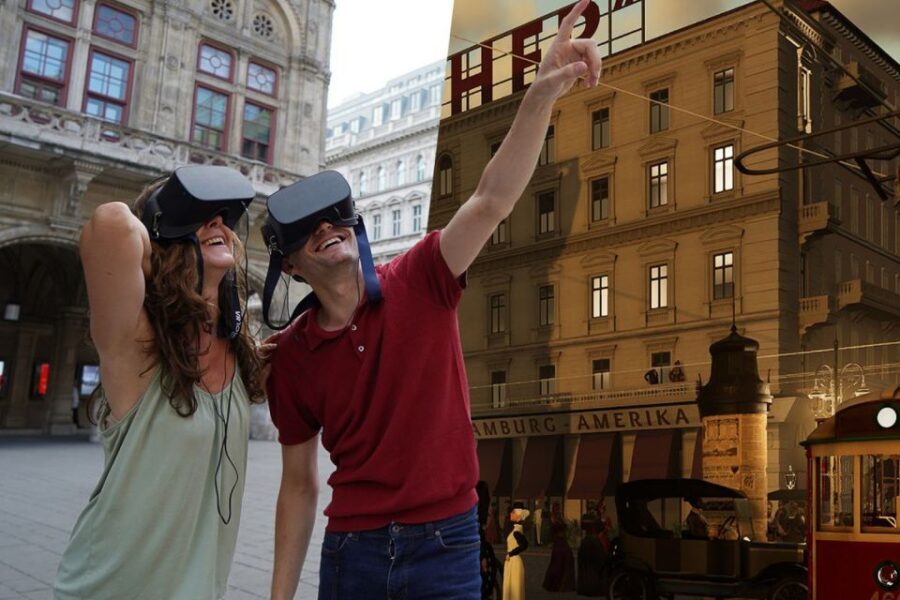
On a sunnier note, you’ll experience a scene connected to the Hofburg with Empress Sisi and Emperor Franz Joseph II going on a hunting trip. The tour adds a playful detail: you’re positioned very close to the road, so the script nudges you to wink.
That sounds silly, but it’s actually a smart technique. When a tour includes a bit of acting and timing, it stops being only passive listening. You’re paying attention to where you’re standing, and that makes the location feel real.
This scene also helps you balance the earlier heaviness. Not every historical moment is a siege or a plague. Vienna was a court city too, shaped by fashion, movement, and ceremony.
The Opera and the golden 20s: preparation, not just the final curtain
At the opera, the tour shifts to Vienna in the golden 20s. You see how people prepared for an opera performance. That’s a good choice, because opera is usually presented as the glamorous final act, not the behind-the-scenes work that gets it ready.
If you’ve ever wondered why Vienna’s cultural reputation feels so serious, scenes like this answer it. The city’s arts weren’t casual; they were engineered, rehearsed, and built into daily life.
St. Stephen’s Square at the end of World War II
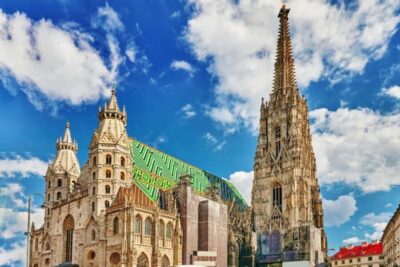
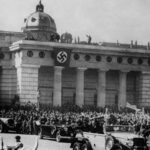
The last scene is set at St. Stephen’s Square. The tour shows the cathedral burning in the final month of the Second World War and witnesses the Soviet army driving the last German soldiers out.
This is the emotional finish line. It’s not shy, and it won’t be for everyone’s comfort level. Still, it’s an honest way to end a “time travel” story, because it shows that Vienna’s beauty came through destruction, not despite it. If you like closure in a narrative, you’ll likely appreciate this ending.
What the walking portion feels like in real time
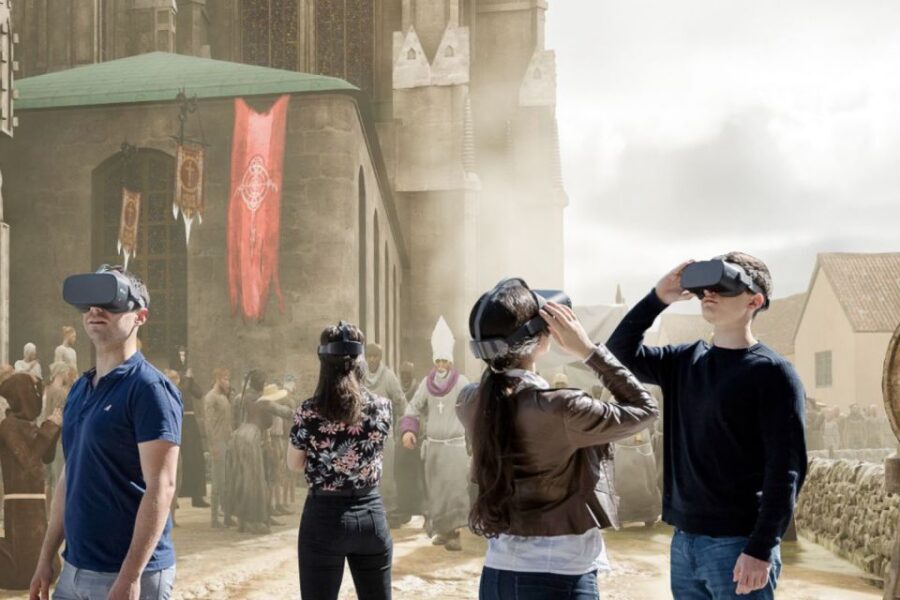
The route is short enough that you’re not fighting your day. The listed plan is 3.2 kilometers on flat terrain, so the physical demand is mainly about staying engaged while you switch modes: walk, listen, stop, headset, then walk again.
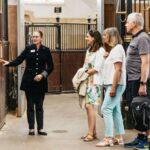
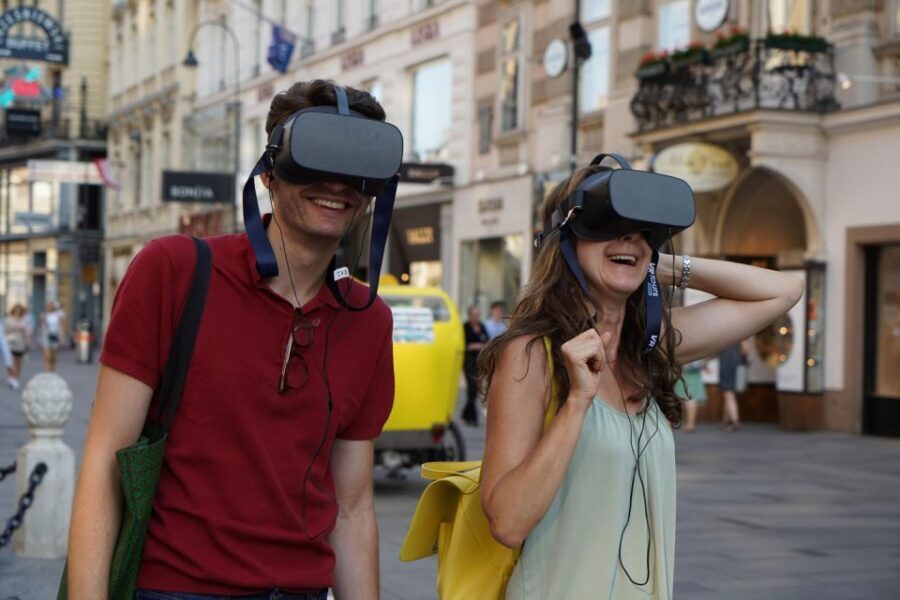
A real-world tip: wear comfortable shoes and keep your hands free. VR glasses work best when you’re not rushing to adjust straps. Also, since you’ll be wearing headsets during certain stops, expect a few minutes at each location where you’re not really doing sightseeing in the normal way. You’re seeing through the headset while the guide narration runs.
The pacing also matters for groups. One detail that came through in feedback is that language handling can be tricky when groups mix English and German. If you care a lot about hearing every point clearly, choose your language lane early and stay with it.
Guides and audio: how you get the story, not just the visuals
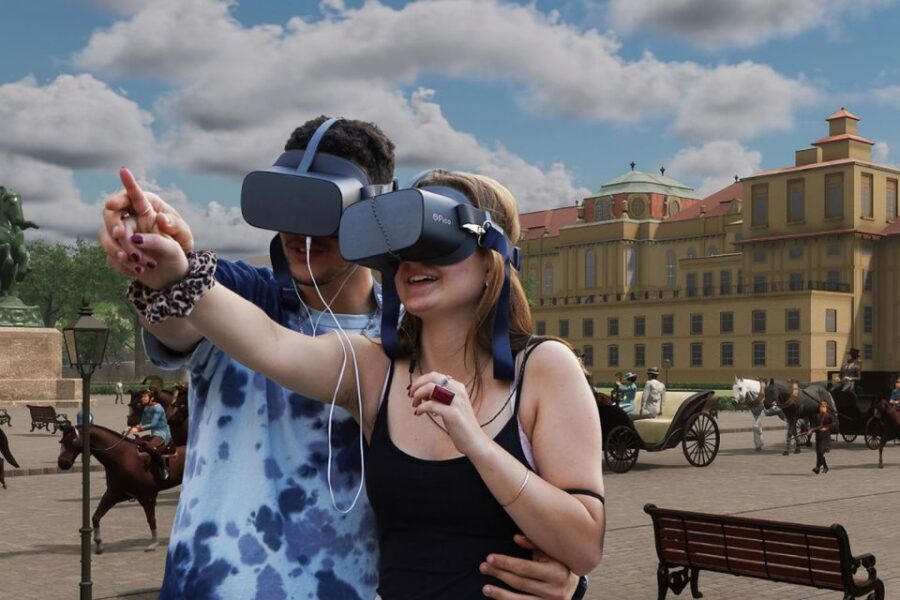
This tour uses both a live tour guide and a multilingual audio guide. The live guide is listed as English and German. The audio guide adds English, Spanish, Dutch, French, Italian, Russian.
In the experience of people who attended, guide quality made a big difference. Julian is specifically mentioned as speaking both German and English fluently, which helps if you’re trying to follow along even when group logistics get messy. Another guide name that shows up is Dr. Reiner, praised for being knowledgeable and helpful.
That matters because VR is only part of the experience. The strongest value is when the narration connects your surroundings to what you’re seeing inside the headset. Without good storytelling, VR would risk becoming “cool but random.” With a strong guide, it becomes a timeline you actually remember.
If you’re the type who likes to understand motives and cause-and-effect, you’ll likely enjoy the way each scene is framed around events that reshaped Vienna into what it became.
VR tech comfort: timing, blur, and who should reconsider
The tour includes virtual reality glasses and earphones. For most people, that’s a straightforward setup. For others, VR can be a dealbreaker.
Two “know before you go” points are clearly stated:
- It’s not suitable for people with epilepsy
- VR can be canceled in poor weather like heavy rain or storms, sometimes with last-minute decisions
One review note to take seriously is VR clarity. There’s feedback that some scenes looked more like earlier-generation visuals, with faces described as slightly blurry and not fully crisp. That doesn’t erase the value of the scenes, but it does shape expectations. You’re going for the concept and the history-in-place effect, not ultra-HD realism.
If you’re sensitive to headsets or prone to discomfort with VR, go in with the mindset that the story matters more than perfect image sharpness. And if you hate surprises, remember the weather risk.
Price and value: what $45 buys you in 100 minutes
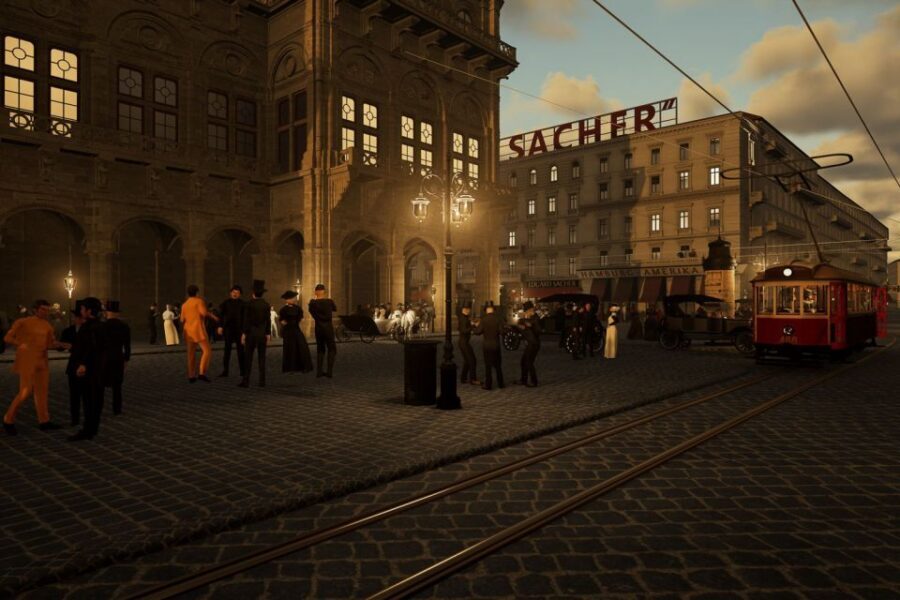
At $45 per person, this isn’t the cheapest “walk and listen” option. But you’re paying for a lot more than narration. You get VR glasses plus earphones, and the tour runs long enough to use multiple scenes instead of doing VR once and calling it a day.
For first-time Vienna visitors, the value is strong because you’re covering meaningful time periods across the city core. It’s also a compact way to get oriented fast. You don’t need to map out every landmark in advance. The tour builds a path through the old town, ties it to a timeline, and ends at a central spot (the Albertina).
If you’re already an architecture-only traveler who wants quiet strolling, you might find it a bit scheduled. But if you want your Vienna experience to include emotion, storytelling, and a little theatrical play (the wink bit at Hofburg is real), it’s a good match.
Who this tour suits best
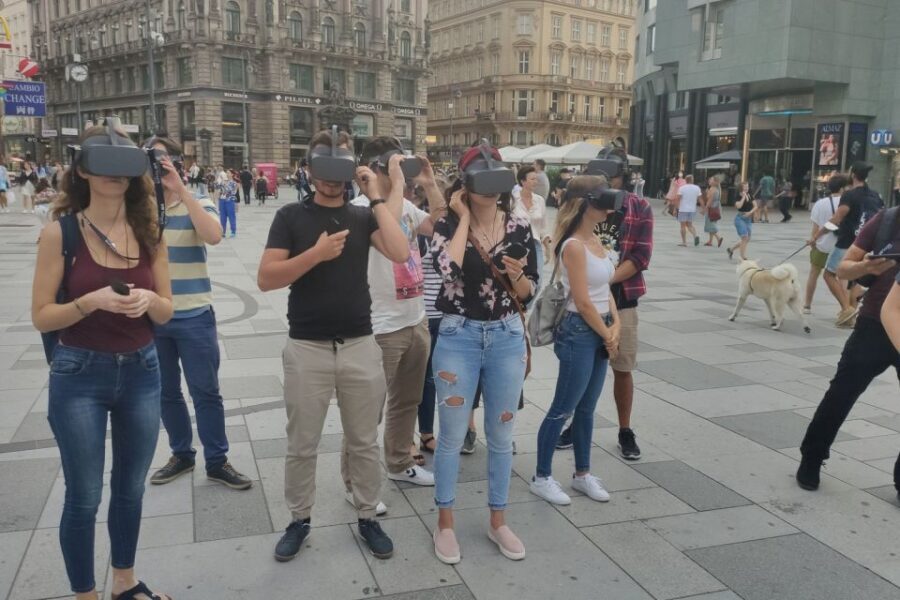
I think this works best for:
- You want a first-day overview that feels more alive than guidebook reading
- You like history, but you prefer it as a story you can see
- You’re okay with a structured walk and a headset routine
- You want multilingual support through the audio guide
It may not be the best fit if:
- You’re very picky about VR image sharpness
- You need guaranteed language clarity in a specific group format
- You fall into the listed “not suitable” categories
Should you book this Vienna VR time-travel tour?
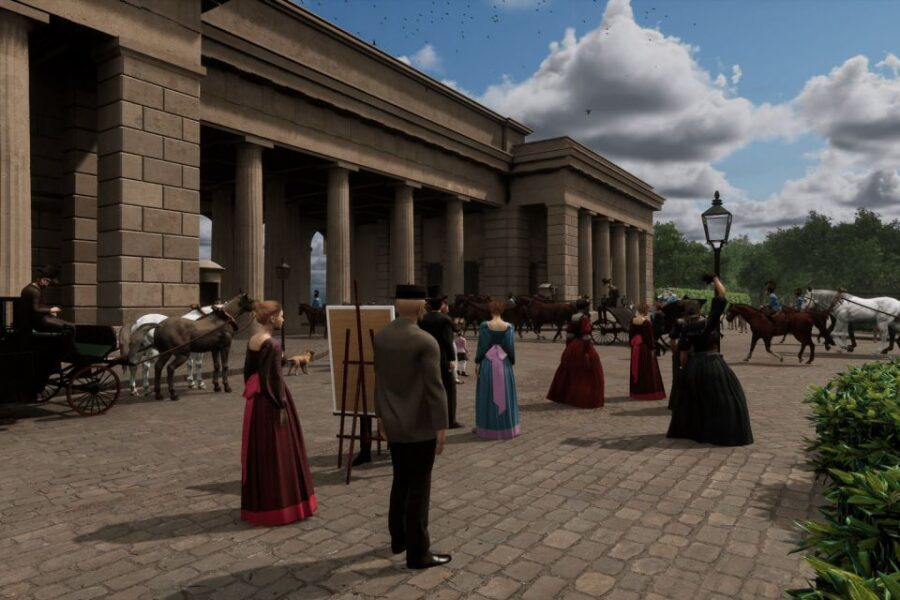
Book it if you want an efficient, story-driven introduction to Vienna’s past using VR 360° scenes in real locations. The itinerary covers big emotional themes—religious ceremony, conflict, plague, court life, opera culture, and the end of the Second World War—so you’ll walk away with more than a list of sights.
Skip or rethink it if you’re primarily seeking crisp, high-end VR visuals, or if VR could be uncomfortable for you. Also, if your schedule is extremely tight and weather-driven last-minute cancellation would ruin your day, plan a flexible day slot.
If you’re weighing alternatives, I’d treat this as an orientation tool. It helps you understand what to notice later when you’re doing your own exploring.
FAQ
How long is the Vienna VR sightseeing tour?
The duration is listed as about 100 minutes, with the guided tour described as 105 minutes.
Where does the tour start, and what should I look for?
You meet at Neuer Markt 6. Arrive about 15 minutes early and look for the turquoise entrance.
Where does the tour end?
The tour finishes at Albertina.
What is included in the ticket price?
The ticket includes virtual reality glasses and earphones for the audio guide.
Are food and drinks included?
No. Food and drinks are not included.
What languages are available?
A live guide runs in English and German. The audio guide is offered in English, Spanish, Dutch, French, Italian, and Russian.
Is the tour wheelchair accessible?
Yes. The tour is listed as wheelchair accessible.
Is it suitable for children or for epilepsy?
No. It is not suitable for children under 8 and not suitable for people with epilepsy.
What if weather is bad?
The tour might be canceled due to poor weather, like heavy rain or a storm, and the decision can be made at the last minute.