REVIEW · VIENNA
“The Third Man” Film Location Tour
Book on GetYourGuide →Operated by Vienna Walks & Talks · Bookable on GetYourGuide
Harry Lime still walks these streets. This 2-hour Vienna tour links the film’s best-known scenes to real places, with photo-guided stops and strong historical context. I like how the film locations turn into a moving puzzle, not just a list of trivia, and one practical drawback is the cobblestones: bring comfortable shoes.
What makes the tour feel extra satisfying is the storytelling style. Your guide explains the movie from conception to completion, then threads it into the post-war city—war ruins, allied forces, the black market, and spies from east and west—so the film’s mood starts to make sense right there in Vienna.
In This Review
- Key Highlights to Expect on This Vienna Walk
- Starting at Stadtpark: How the Tour Kicks Off Smoothly
- The Big Idea: Seeing The Third Man’s Vienna, Not Just Remembering It
- Following Harry Lime Through Central Vienna Streets
- Conception to Completion: The Film-Making Story You Get on Foot
- War Ruins, Allied Forces, and the Spy Vienna Angle
- The Sewer Question: What This Tour Does Not Include
- Practical Timing: A 2-Hour Walk That Might Run a Little Longer
- What $30 Buys: Value for Film Fans and City Curious Walkers
- Who This Tour Suits Best (And Who Might Want Something Else)
- After the Walk: Keeping the Third Man Thread Going in Vienna
- Should You Book This Third Man Film Location Tour?
- FAQ
- How long is the Third Man Film Location Tour in Vienna?
- Where do I meet the guide?
- How much does the tour cost?
- Is the tour available in English?
- Does the tour include a visit to Vienna’s sewer system?
- Does the tour run in bad weather?
- Is there free cancellation?
- Can I reserve without paying right away?
Key Highlights to Expect on This Vienna Walk
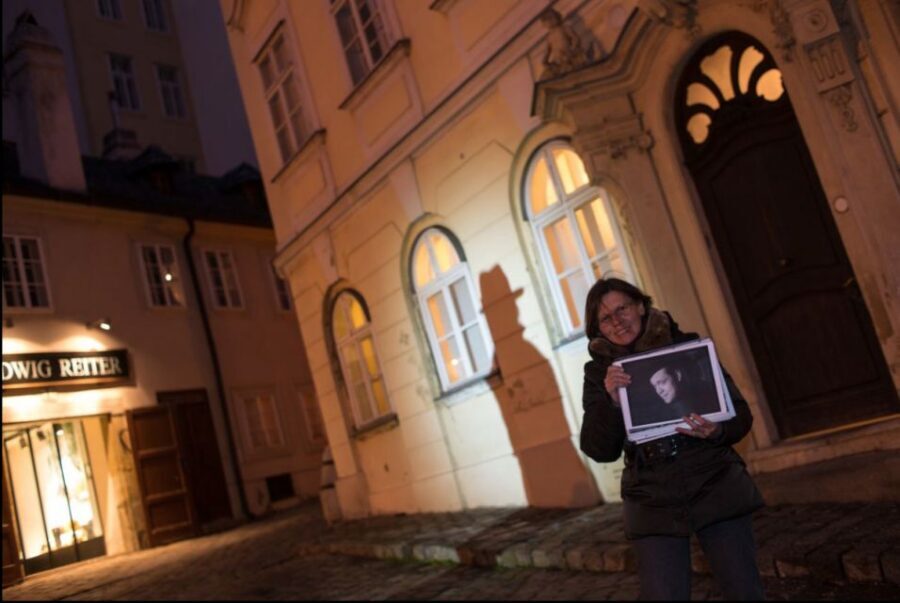
- Film locations you can actually spot: You follow the original shooting sites in central Vienna, guided by the scenes you know.
- Photo-led wayfinding: Illustrative pictures help you map what you see on screen to what you see on the street.
- Cold War context built into the route: The “other Vienna” shows up through occupation politics and everyday survival.
- Behind-the-scenes film history: You get the story of how the project was shaped and finished, not only what it looks like now.
- A strong ending moment: Multiple guides sessions end with a special treat or surprise that ties the film back to the street level.
Starting at Stadtpark: How the Tour Kicks Off Smoothly
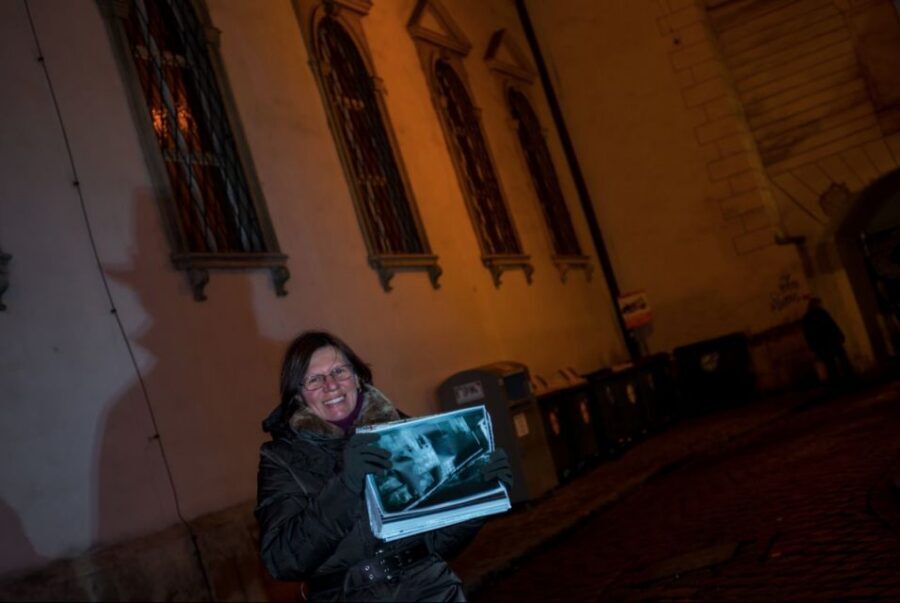
The meeting point is easy to find: U4 Station Stadtpark, exit Johannesgasse in Vienna. This matters because the rest of your day will move faster when you do not waste time hunting for a start point.
Right away, you get the tone: this is a walking story. Instead of jumping from landmark to landmark, the tour starts by setting the film’s world next to the city’s real streets. That’s a big deal for two reasons. First, it helps you read Vienna visually while you walk. Second, it keeps the tour from becoming random movie talk.
The route is designed for a steady pace over about two hours. Still, the ground is cobbled in places, so you’ll want shoes with grip and a little cushion.
You can also read our reviews of more tours and experiences in Vienna.

The Big Idea: Seeing The Third Man’s Vienna, Not Just Remembering It
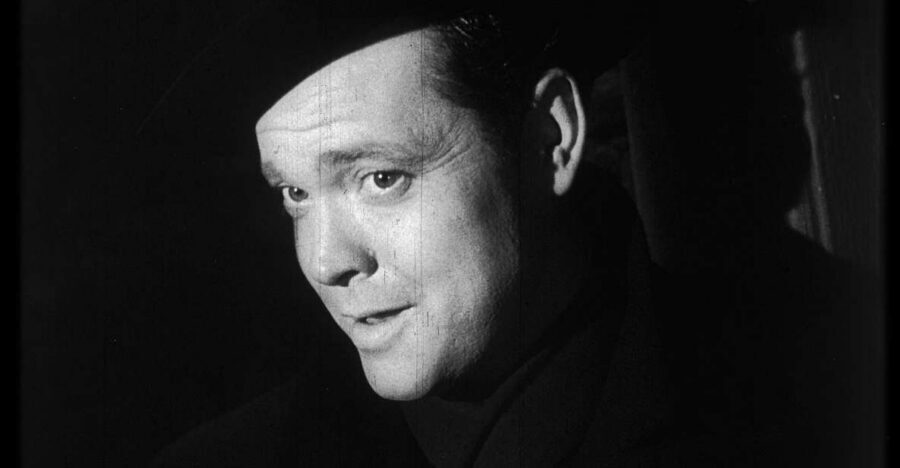
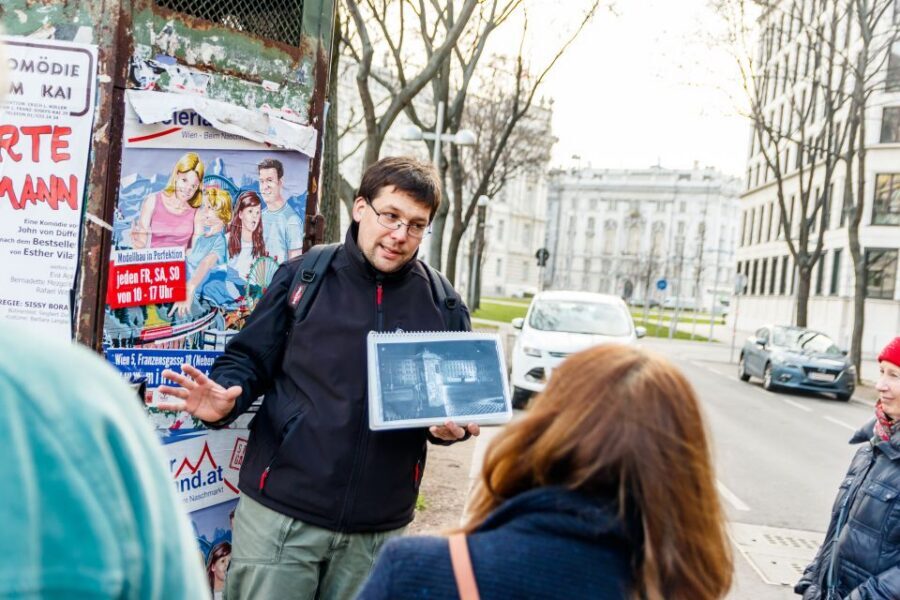
If you’ve seen The Third Man before, you’ll recognize the atmosphere fast. But the tour pushes past memory. You’re guided through the kind of narrow, winding alleys and dark corners that the film made famous, and your guide uses pictures to connect screen moments to the street reality.
That approach is what turns a film-location walk into something more useful. You stop thinking, I’ve seen this movie. Instead, you start thinking, I can picture what the filmmakers were using—and what Vienna was going through at the time.
You’ll also hear how director Carol Reed took Graham Greene’s screenplay and translated it into a work that feels authentic to the city’s post-war mood. That conversion—from page to shot—shows up through the guide’s explanations as you move.
And yes, the “unconventional, lively, and exciting” energy is real in the way most guides teach this material. Names, motives, and power struggles show up in your path, not in a classroom.
Following Harry Lime Through Central Vienna Streets
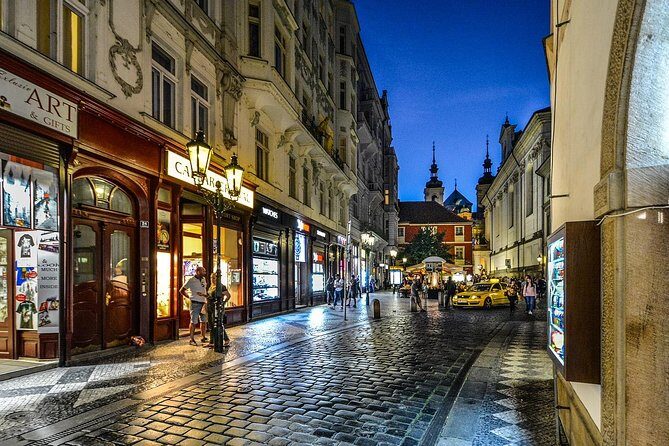
The tour focuses on central Vienna, with the walk mainly covering the old town south of Stephansplatz. That positioning is practical. You’re close to a lot of what first-time visitors want to see anyway, so this tour fits naturally into a normal Vienna itinerary.
You’ll also get a sense of what “other Vienna” means after the war. The city did not just look damaged; it functioned differently. Allied presence shaped everyday life, and that changes the meaning of several film locations you thought were only visual.
Expect plenty of “stand here, look like this” moments. The guide points out how the filmmakers used angles, streets, and backdrops. Then they layer in why those choices mattered—artistically and politically. It’s a clever way to make the film’s tension feel tied to the real city.
One more practical point: the route stays outdoors. Even if you’re not a movie fanatic, you’ll still enjoy it as a way to walk Vienna’s historic core with purpose.
Conception to Completion: The Film-Making Story You Get on Foot
This tour is not only about locations. Your guide explains the film’s path from conception to completion, including the international origin story around it. That’s valuable because it clarifies why The Third Man feels both artistic and complicated.
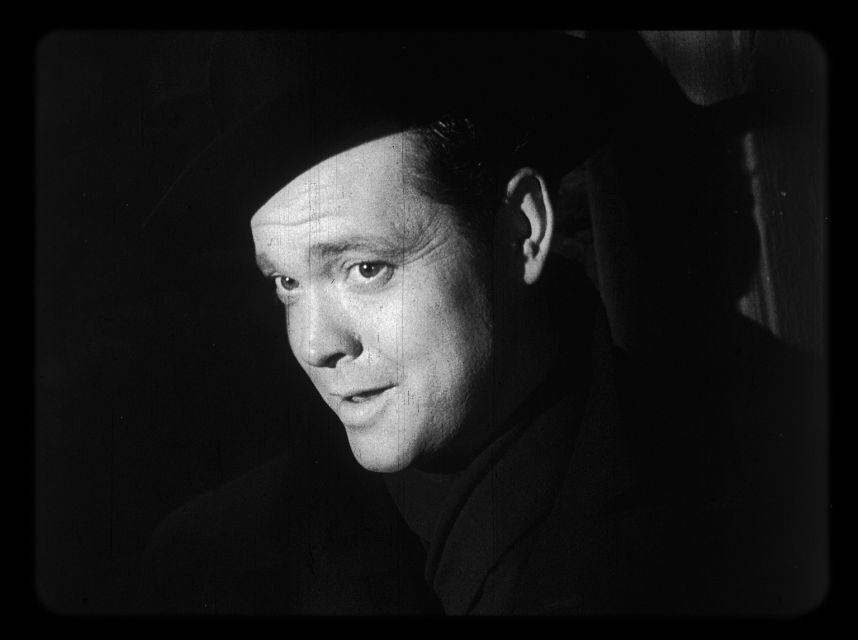
You’ll hear about how Orson Welles fits into the film’s story and how the project developed with international pressure in the background. Several guides share details about attempts to undermine the project, and that political friction helps you understand the movie’s shadowy edge.
You also get behind-the-camera context: how scenes were built, why certain effects were used, and what the filmmakers needed Vienna to provide. It changes how you watch the movie later, too. Instead of only spotting iconic shots, you’ll start noticing construction, framing choices, and the reason certain ideas were possible.
In short, you’ll leave with two maps:
- a location map of central Vienna streets
- a production map of what the film needed to become real
War Ruins, Allied Forces, and the Spy Vienna Angle
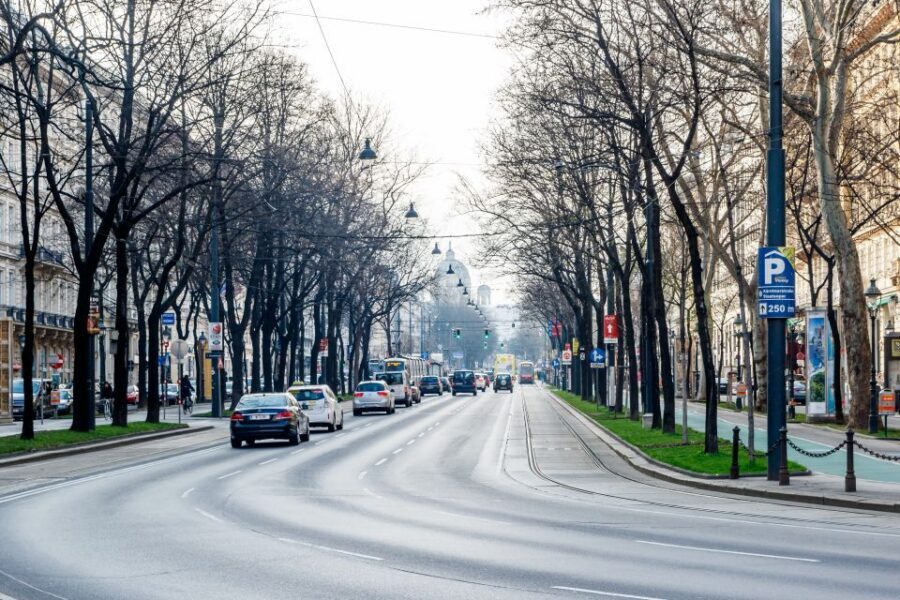
What makes this tour stand out for many people is the way the guide ties plot to post-war reality. You move through areas connected to the film’s world, then you hear about the bigger context: war ruins, allied forces, and the uneasy balance of power.
The guide’s storytelling covers black-market life and the spying from east and west. That matters because Cold War tension is not just background noise in the film. It becomes part of the city’s rhythm, and the tour helps you “read” that rhythm in real places.
If you’re the type who likes a walking tour that tells you what you’re seeing and why it mattered, this is a strong match. It gives you a historical explanation for the film’s atmosphere without turning it into a lecture.


The Sewer Question: What This Tour Does Not Include
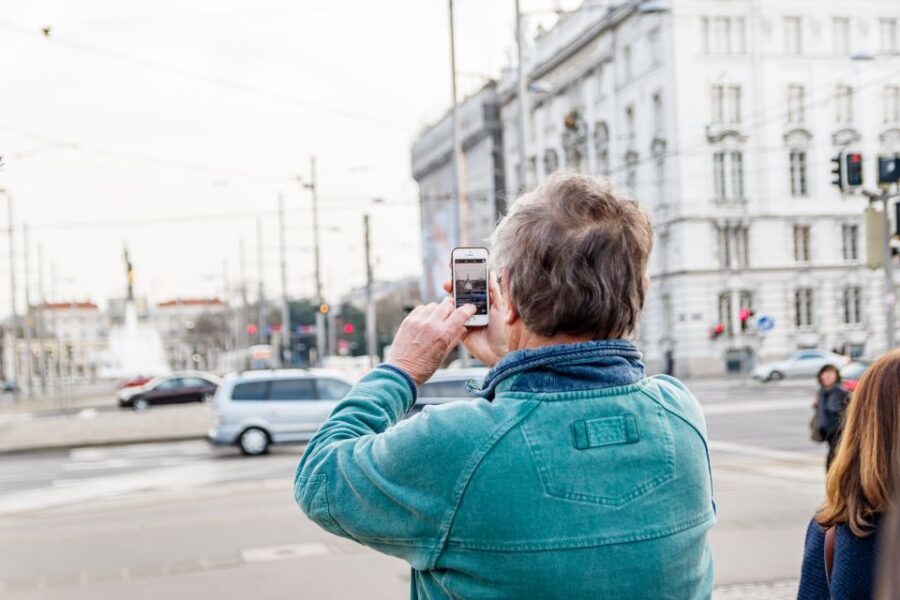
One thing to know up front: the tour does not include a visit to the sewer system. That’s important because The Third Man is famous for sewer imagery, and you might assume you’ll see something physical underground.
Instead, you’ll get the explanation around how sewer scenes were handled and what was real versus staged. For many movie lovers, that is still satisfying. The context helps you appreciate the filmmaking craft—and the constraints the production worked within.
So, if your must-do list includes an actual underground visit, you’ll need a different plan for that.
Practical Timing: A 2-Hour Walk That Might Run a Little Longer
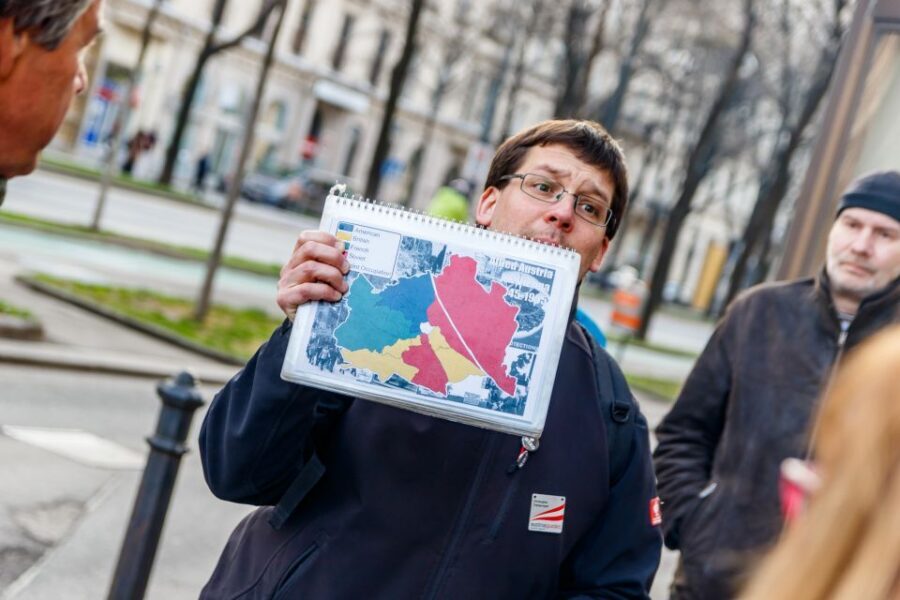
The advertised duration is 2 hours, and most people do manage it well. Still, it’s smart to plan for a bit more time, because the pace depends on questions and how the guide builds the story at each stop.
Also, because the tour is rain or shine, I suggest you pack a light rain layer. Wet cobblestones change the walking feel fast.
Where the tour starts (Stadtpark) is central, and that’s another reason the timing works. After the tour, you’re not far from other sights. It’s easy to keep moving instead of turning the day into a long waiting game.
What $30 Buys: Value for Film Fans and City Curious Walkers
At $30 per person, this tour is priced like a straightforward guided walking experience. What makes it feel like good value is the mix of certified guidance and explanation depth.
You’re not just paying for movement and a few photos. You’re paying for a guide who can connect:
- film scenes to physical streets
- Cold War politics to everyday life in Vienna
- production choices to what you see now
That combination matters. A location tour alone can feel thin if you already know the movie. A history tour alone can feel dry if you want a narrative. This tour connects both, so you get payoff whether you’re here for Harry Lime or for post-war Vienna.
It also stays short—two hours means it won’t eat your whole day. That makes it easier to add to a visit plan without regret.
Who This Tour Suits Best (And Who Might Want Something Else)
I think this tour is ideal if:
- you’ve seen The Third Man and want to re-watch with new eyes
- you like Cold War-era storytelling mixed into real walking routes
- you want guided context that makes a famous film feel tied to the city
You might also enjoy it even if you have not seen the film, because it can function like an introduction to post-war Vienna through atmosphere and politics. Still, the strongest reaction tends to come from people who already know the movie, since so many of the stops connect directly to scenes you recognize.
If you want a big sightseeing day with museums and long indoor stops, this is not that. It’s a focused walking tour built around film-location storytelling.
After the Walk: Keeping the Third Man Thread Going in Vienna
A smart move is to do one of these soon after your tour, while the locations are still fresh in your mind:
- Look for a screening of The Third Man around Vienna (some schedules include late showings at Burg Kino, but always check the current timetable).
- If you want more memorabilia and production context, the Third Man Museum is a natural follow-up point. One of the fun parts is that you can pair your walking-route memory with what’s shown inside.
You can also ask your guide for a food suggestion near the film-world mood. One guide recommendation that shows up in booking stories is a cafe area connected with Viennese coffee culture.
Even if you do none of this, the tour still lands as a way to see Vienna like a detective: you’re not just looking, you’re connecting.
Should You Book This Third Man Film Location Tour?
Yes, if you like film history with city context and you want a short walk that feels like a story. This tour’s main strength is its balance: locations + film-making + Cold War context, explained in a way that stays moving and engaging.
Book it if you’re:
- a confirmed The Third Man fan
- curious about how post-war politics shaped culture and everyday life
- willing to walk on cobblestones for about two hours
Skip it only if you specifically want a physical sewer visit, or if walking on historic streets is hard for you.
If you want a Vienna experience that makes a classic movie feel real again, this is a very solid use of time.
FAQ
How long is the Third Man Film Location Tour in Vienna?
The tour lasts 2 hours.
Where do I meet the guide?
Meet at U4 Station Stadtpark, exit Johannesgasse, Vienna.
How much does the tour cost?
It costs $30 per person.
Is the tour available in English?
Yes. The live guide offers German and English.
Does the tour include a visit to Vienna’s sewer system?
No. The tour does not include a visit to the sewer system.
Does the tour run in bad weather?
Yes. The tour takes place rain or shine.
Is there free cancellation?
Yes. You can cancel up to 24 hours in advance for a full refund.
Can I reserve without paying right away?
Yes. You can reserve now and pay later.