REVIEW · VIENNA
Vienna: Classical Concert in the historic 1837 Strauss-Hall
Book on GetYourGuide →Operated by House Of Strauss · Bookable on GetYourGuide
If you love music with a sense of place, this works. A historic 1837 hall turns familiar Strauss and Mozart into a full evening of sight and sound. You start with the Strauss Exhibition, then settle into the Strauss-Hall for a performance that mixes live orchestra, a soprano, and visual storytelling.
I especially liked two things. First, the concert hall acoustics feel built for classical music—notes land clean, and the room adds warmth without you needing screens or gimmicks. Second, the night doesn’t stop at sound: the light show paints hidden stories behind each piece, while the soprano adds real emotional push to the melodies.
One thing to consider: the event includes commentary and multimedia elements, so if you want pure, uninterrupted concert-only listening, you may find parts of the format less necessary. Also, because the performance is presented without amplification, the quieter passages depend more on the venue and the ensemble than on modern sound systems.
In This Review
- Key things I think you’ll care about
- Inside the 1837 Strauss Hall, where the room does half the work
- Starting at the Strauss Exhibition: a quick route into the music’s world
- The octagon sparkling wine reception: small, classy, and actually useful
- The concert at 20:30: Mozart meets Strauss with a soprano and synchronized light storytelling
- Will the light show help or get in the way?
- Picking your seat: VIP front rows vs. full light-show views
- The no-amplification factor: why it can feel intimate (and why it can strain)
- How long is the full experience in real life?
- Who this is best for (and who should skip it)
- Price and value: is $76 a fair deal?
- Should you book this Vienna Strauss Hall concert?
- FAQ
- How long is the experience?
- When does the concert start and what time does the museum open?
- What’s included with the ticket besides the concert?
- Is there a sparkling wine reception?
- Are there different seating categories?
- What languages are available?
- Is the performance amplified?
- Is the venue wheelchair accessible?
- Can I cancel for a full refund?
- Is reserve and pay later available?
Key things I think you’ll care about
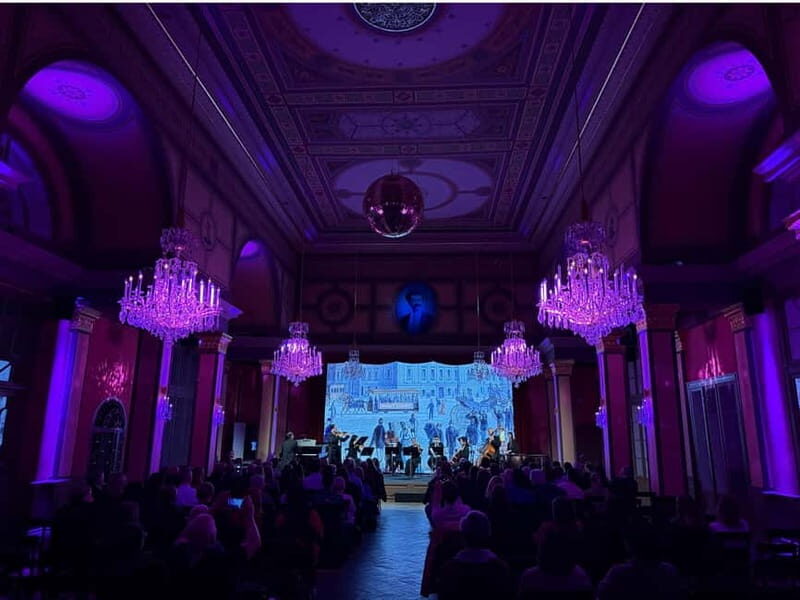
- The venue: an 1837 historic Strauss concert hall with standout natural acoustics
- Music plus voice: Mozart and Strauss with orchestra and a featured soprano soloist
- Storytelling in light: visuals are synchronized to themes and mood in the pieces
- A real start before the show: access to the Strauss Exhibition before you sit down
- The reception touch: complimentary Austrian sparkling wine in the hall’s octagon
- Seat choice matters: VIP front rows for immersion; other categories trade perspective for full show view
Inside the 1837 Strauss Hall, where the room does half the work
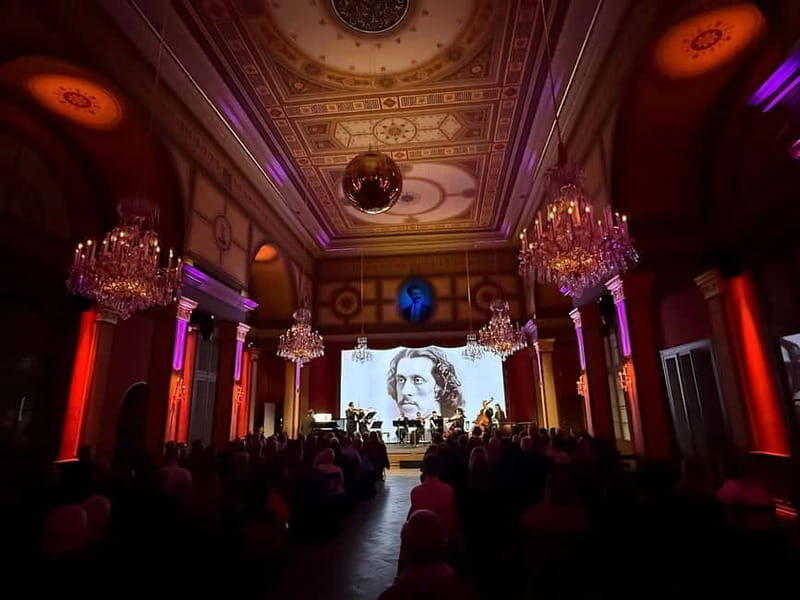
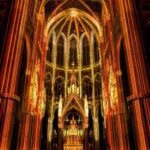
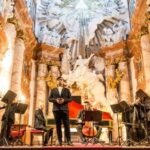
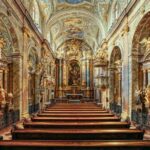
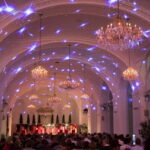
The building matters here. This is not a generic performance space. It’s the historic Strauss Hall, and it shows in how the sound travels. Even if you’re not a music nerd, you’ll feel the difference quickly: the orchestra sounds immediate, and you’re not straining to hear every line.
The hall also has that “Vienna 1800s luxury” feeling without going overboard. Think painted details, classic décor, and an elegant setting that makes the whole evening feel tailored for a musical night out—not a quick stop on a busy itinerary. If you’re the type who enjoys getting dressed up a little for the arts, this atmosphere supports that instinct.
You can also read our reviews of more historical tours in Vienna


Starting at the Strauss Exhibition: a quick route into the music’s world
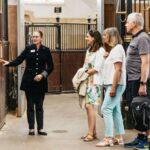
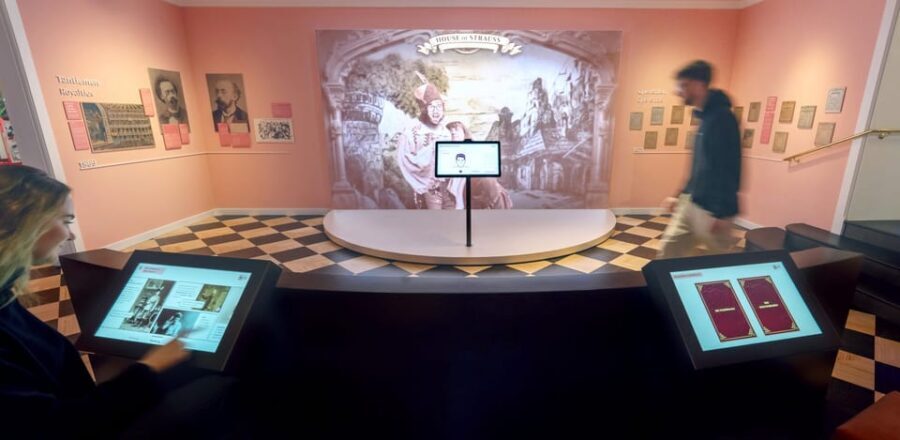
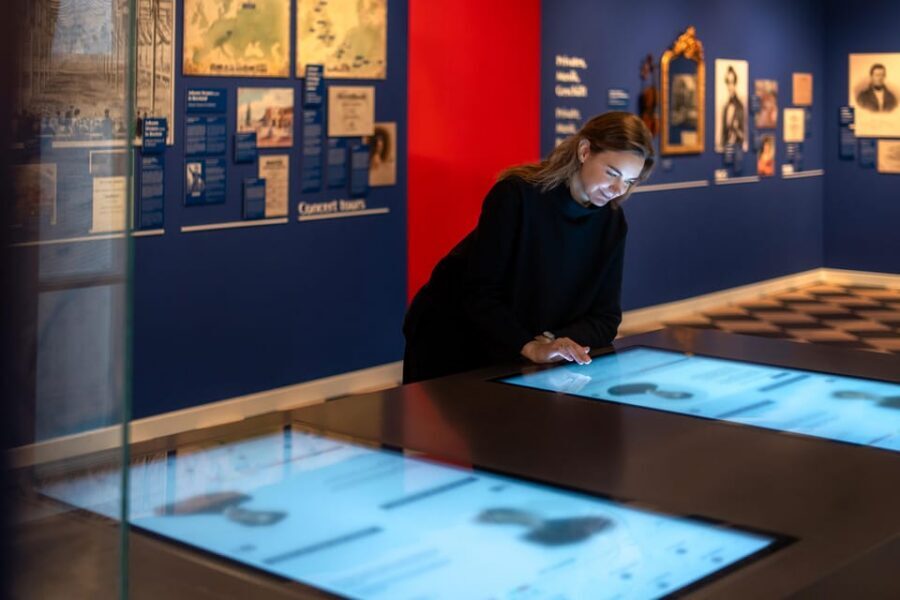
You don’t begin with your seat. You begin with the Strauss Exhibition at the House of Strauss Museum. The timing gives you a real buffer: museum access starts at 19:00, so you’re not rushing in as the show starts.
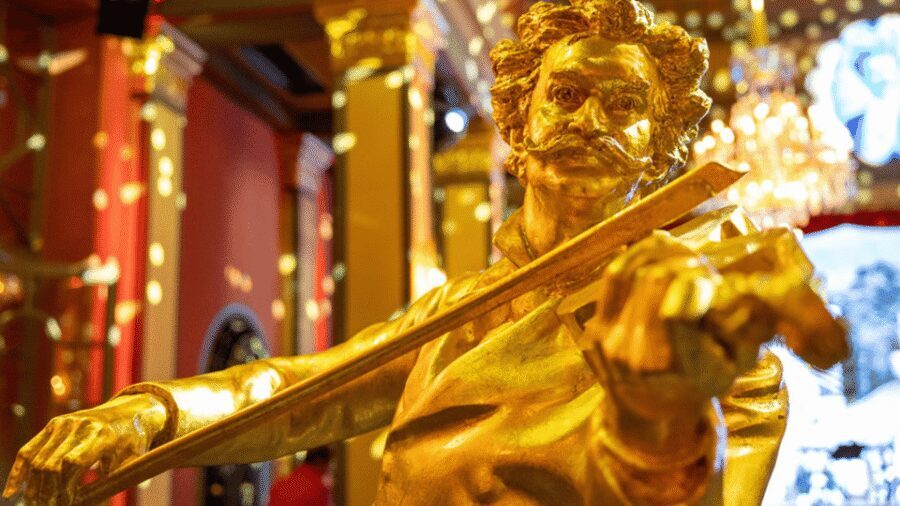
The exhibition builds context around the Strauss dynasty and their impact on Viennese culture. This is the part that helps you connect the dots when you hear waltzes, overtures, and Mozart-era masterpieces later. You’ll get the feeling of why these works mattered in everyday Viennese life—balls, social rituals, and the city’s musical identity—rather than treating the concert like “background music with pretty costumes.”
If you usually skip museum pre-sets, I still think this one is worth your time. You’re essentially doing a short, guided warm-up for your ears.
The octagon sparkling wine reception: small, classy, and actually useful
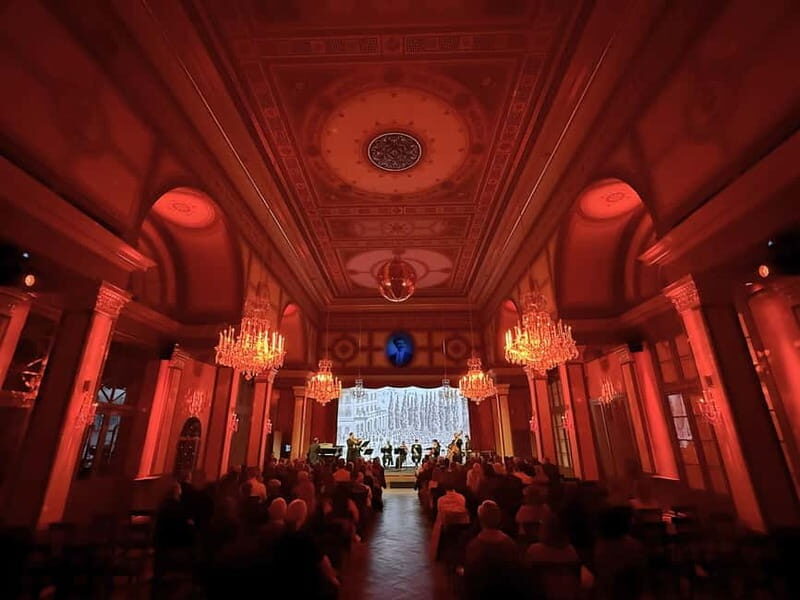
At 20:00, you enter the Strauss Hall area. Then at 20:30 (with the concert window running into 21:30), the main event begins, but you get a break first.
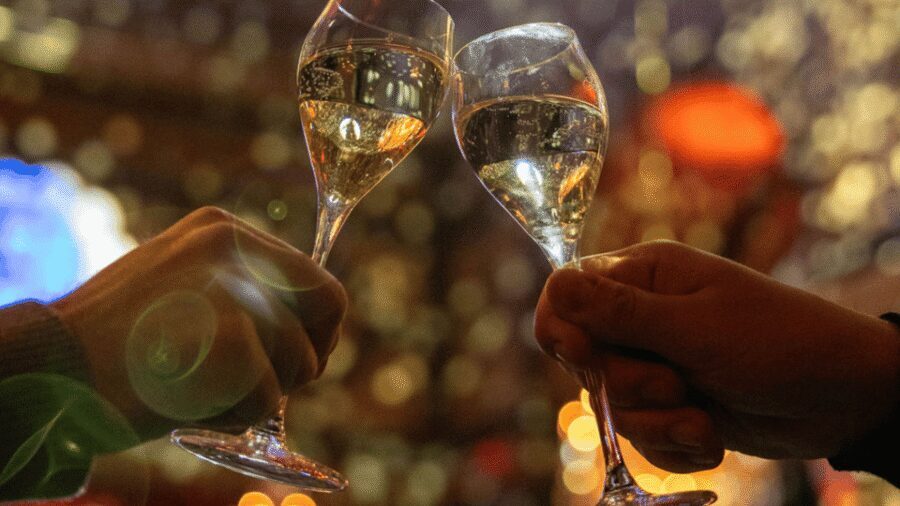
Right around 20:00 to 20:30, you’ll have a sparkling wine reception in the hall’s octagon. Every ticket includes a complimentary glass of Austrian sparkling wine. It sounds simple. It is simple. But it serves a purpose: it turns “wait time” into a pleasant pre-show moment, and it gives you something to do besides stare at other people’s programs.
I also like that the setting feels elegant. This isn’t a cafeteria-style pour. You’re already in the right mood, surrounded by the kind of room where classical music feels at home.
The concert at 20:30: Mozart meets Strauss with a soprano and synchronized light storytelling
The main performance starts at 20:30 and runs until 21:30. The listed duration is about 70 minutes, so plan for a focused program rather than a marathon.
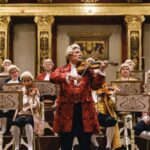
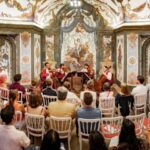
Here’s the format as it unfolds: orchestra performance by the original Strauss Capelle, plus a soprano soloist. The soprano adds a different kind of energy—more emotional weight—especially when the pieces shift toward lyric or dramatic moments.
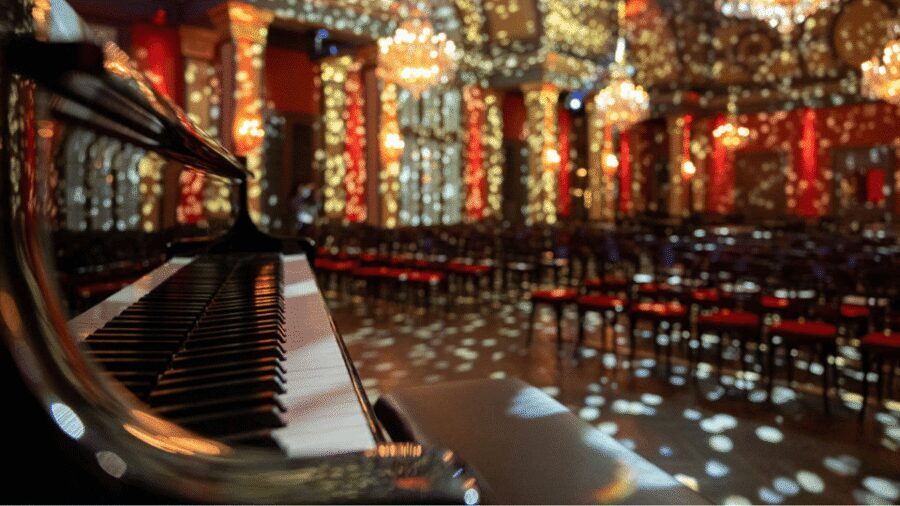
Then there’s the visual layer. A light and sparkle show runs alongside the music, synchronized to each piece to illustrate story, emotion, and historical context. You’re not just watching lights randomly bounce. The visuals are timed to the musical themes, so you get a guided emotional reading of the evening.
This works best if you like the idea of “theater-classical.” If you’re expecting a stiff, silent hall where everyone just listens and writes notes like a formal academic conference, this may feel slightly more like a curated show. But for most people, it makes the music easier to follow—especially if you’re less familiar with the background of the works.
Will the light show help or get in the way?
Let’s be honest: adding visuals can either make a concert more meaningful or make it feel like a gimmick. In this case, the light show is used to explain the pieces—ballroom energy, heartfelt moments, and the emotional arc that’s often obvious once someone points it out.
One review-style takeaway that helps you calibrate your expectations: the musicians and soprano performance quality is repeatedly called out as excellent. The visuals get praised too, but the commentary and presentation style can split opinions. Some people want more music and less explanation.
So my practical advice is simple. If you want a “music-first” night, sit closer and focus on the orchestra. If you’re the type who likes story and context, you’ll likely appreciate the full show format even more.
A few more Vienna tours and experiences worth a look
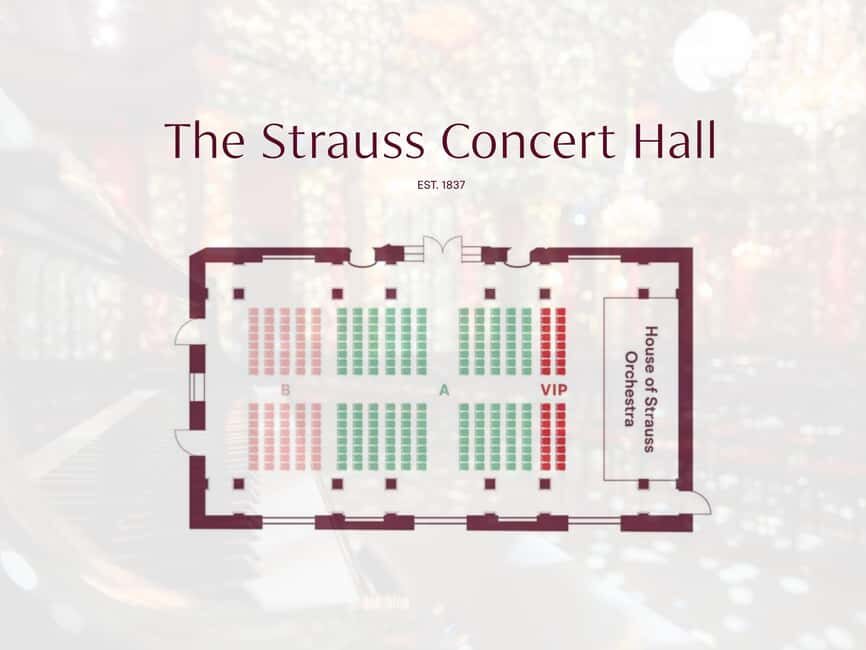
Picking your seat: VIP front rows vs. full light-show views
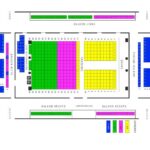
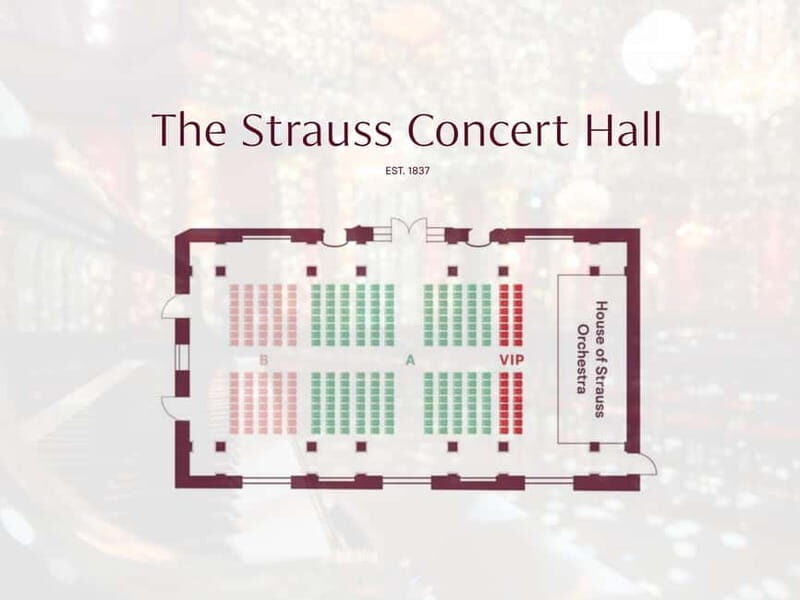
You have three categories:
- VIP (Rows 1–2): best view and full immersion
- Category A (Rows 3–13): outstanding visibility and sound
- Category B (Rows 14–18): great perspective with the full light show experience
This matters more than it sounds. In a concert hall with a synchronized light show, the visuals are part of the design. If you’re sitting very far back, you might get a bigger “complete picture” of the effects, but the orchestra detail may be less intimate. If you’re in the front, you’ll likely feel more connected to the ensemble.
If you’re torn, I’d choose based on your priority:
- Want maximum musical immediacy? Go VIP or Category A.
- Want to see the visuals as a full package? Look at Category B.
The no-amplification factor: why it can feel intimate (and why it can strain)
One of the most telling details is that this performance is presented without amplification. That means you’re hearing the orchestra and soprano the way they would in an earlier era—more dependent on the room and the size of the ensemble.
For many listeners, this adds authenticity. You get a sense that you’re really in the 19th-century tradition rather than a modern stage setup. You also get a more natural blend between instruments and voice.
The trade-off: in any unamplified setup, volume balance can be tricky, especially with more delicate instruments or if the hall is busy. One consideration to keep in mind is that without amplification, you might notice the music is shaped by the acoustics and positioning. If you’re sensitive to hearing every fast passage cleanly, choose seats thoughtfully (again, VIP or Category A will usually reduce the risk).
How long is the full experience in real life?
The concert itself runs from 20:30 to 21:30, and the overall experience is listed as about 70 minutes. Either way, you should treat this as a proper evening plan, not a quick 45-minute stop.
Because the exhibition starts at 19:00, you’ll want to plan to arrive early enough to enjoy it without rushing. Then there’s the 20:00 entry into the hall area and the sparkling wine before things get started.
If you’re timing dinner, you’ll do best if you treat the event as your anchor. Plan food either before you go into the museum/exhibition, or keep it simple so you don’t feel rushed when it’s time to be inside the hall.
Who this is best for (and who should skip it)
This concert is a strong fit if you:
- Want a Vienna cultural evening that feels elegant and old-world
- Like Strauss and Mozart, or want a guided way to understand them
- Enjoy concerts where the performance is both musical and theatrical
- Prefer an atmosphere with context, not just a playlist of famous works
It may be less ideal if you:
- Only want pure concert listening with minimal explanation
- Don’t care about storytelling visuals or commentary
- Are very picky about audio clarity in an unamplified setting (then seat choice becomes your lever)
If you’re a first-time visitor to Vienna, this is also a smart “taste of the city” evening. It hits music, museum context, and a historic setting in one stop.
Price and value: is $76 a fair deal?
At $76 per person, you’re paying for more than a seat. You’re getting:
- Admission to the House of Strauss Museum / Strauss Exhibition
- Entry into the historic Strauss Hall experience
- A live performance by the Strauss Capelle
- A soprano soloist
- A sparkling wine reception
- Light-show storytelling tied to the music
If you’ve ever looked at Vienna concert tickets, you’ll know many are just music and a basic hall. Here, the included museum time and reception add meaningful “evening value.” You also get a more guided, multimedia format, which can reduce the guesswork for first-timers.
Is it overpriced? No. Is it an exact match for every taste? Also no. The best value comes when you actually like the idea of music plus context plus visuals.
Should you book this Vienna Strauss Hall concert?
I’d book it if you want a classic Vienna night that feels special the moment you walk in. The setting is historic, the music is performed live by a respected ensemble, and the combination of soprano plus synchronized light storytelling makes the evening more than just notes in the background.
Skip it (or choose a more music-only option) if you prefer concerts with zero commentary and zero theatrical cues. Also, if you’re sensitive to hearing every detail in unamplified performances, put effort into seat selection—front or mid rows usually make life easier.
If you’re unsure, my best advice is to focus on what you’ll enjoy most: the hall and live performance quality are the core. The rest is there to help you follow the story.
FAQ
How long is the experience?
The experience is listed at 70 minutes, and the concert itself runs from 20:30 to 21:30.
When does the concert start and what time does the museum open?
Museum access starts at 19:00. Entry to the Strauss Hall is at 20:00, and the concert starts at 20:30.
What’s included with the ticket besides the concert?
Your ticket includes admission to the House of Strauss Museum, access to the Strauss Exhibition, the live concert performance in the Strauss Hall, a multimedia museum experience, historical insights, and a sparkling wine reception.
Is there a sparkling wine reception?
Yes. A complimentary glass of fine Austrian sparkling wine is included, served in the hall’s octagon.
Are there different seating categories?
Yes. You can choose VIP (Rows 1–2), Category A (Rows 3–13), or Category B (Rows 14–18). VIP offers the closest immersion, while Category B is geared toward getting the full light show perspective.
What languages are available?
The event includes German and English. The concert experience includes commentary in English with German subtitles.
Is the performance amplified?
The program is presented without amplification.
Is the venue wheelchair accessible?
Yes, the experience is wheelchair accessible.
Can I cancel for a full refund?
Yes. You can cancel up to 24 hours in advance for a full refund.
Is reserve and pay later available?
Yes. You can reserve now and pay later, which lets you book your spot without paying right away.