REVIEW · VIENNA
Vienna: Day Trip to Mauthausen Concentration Camp Memorial
Book on GetYourGuide →Operated by Vienna à la carte · Bookable on GetYourGuide
A sobering day trip with real context. This Vienna-to-Mauthausen coach tour pairs expert commentary on the Nazi era with a guided walk through key preserved areas, from the roll-call grounds to the Stairs of Death.
What I like most is the live English guidance on-site and the time you get for the Room of Names in the museum (plus the quarry area tied to prisoner labor). Guides such as Clara and Fleming are specifically praised for handling the material with care and clarity.
One thing to weigh: the schedule is full, and you can end up wanting more time at Mauthausen if you like to read every exhibit slowly and sit with what you see.
In This Review
- Key highlights to know before you go
- Vienna to Mauthausen: the bus ride where the context starts
- The guided route at the memorial: how you move through Mauthausen
- Stairs of Death and the labor system: what your guide helps you notice
- Museum time and the Room of Names: where the visit slows down
- Audio guides and self-paced learning: using the 12 languages smart
- Lunch and on-site stops: plan for a real midday break
- Price and value: is $174 worth it?
- Getting the most from a very heavy site (without burning out)
- Who this day trip suits best
- Should you book this Vienna to Mauthausen Memorial trip?
- FAQ
- How long is the Vienna to Mauthausen day trip?
- Where do I meet the tour?
- Is round-trip transportation included?
- Do I get a guided tour at the memorial?
- Are audio guides included, and what languages are available?
- Is lunch included?
- Does the tour include museum entry?
- Where does the tour end?
- Is the tour suitable for young children?
- Is the site visit wheelchair accessible?
- Can I cancel for a full refund?
Key highlights to know before you go
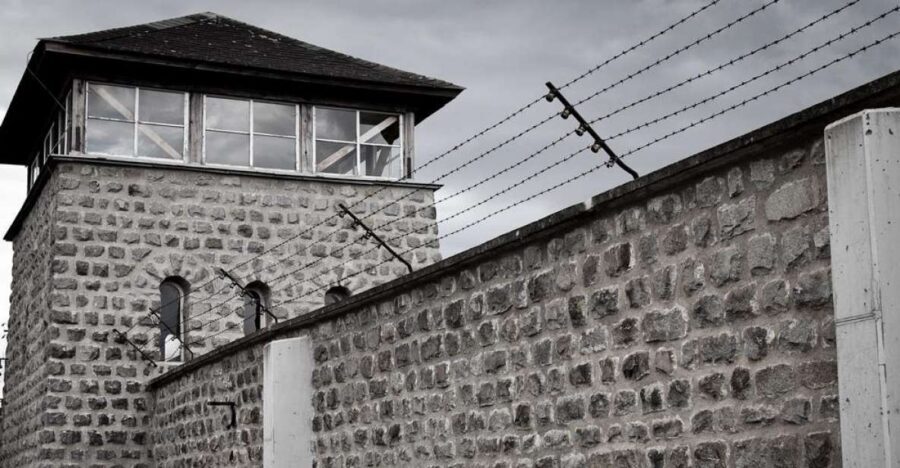
- Expert bus narration before you arrive so the memorial doesn’t feel like a random stop, but part of a bigger story.
- Live English camp walk through the most important surviving locations, guided on the ground.
- Room of Names + museum time to slow down after the walking tour.
- Stairs of Death route and labor sites that make the scale of the system harder to ignore.
- Optional audio guides in 12 languages for a self-paced add-on to the guided portion.
- Round-trip transport from central Vienna with no need to figure out transit.
Vienna to Mauthausen: the bus ride where the context starts
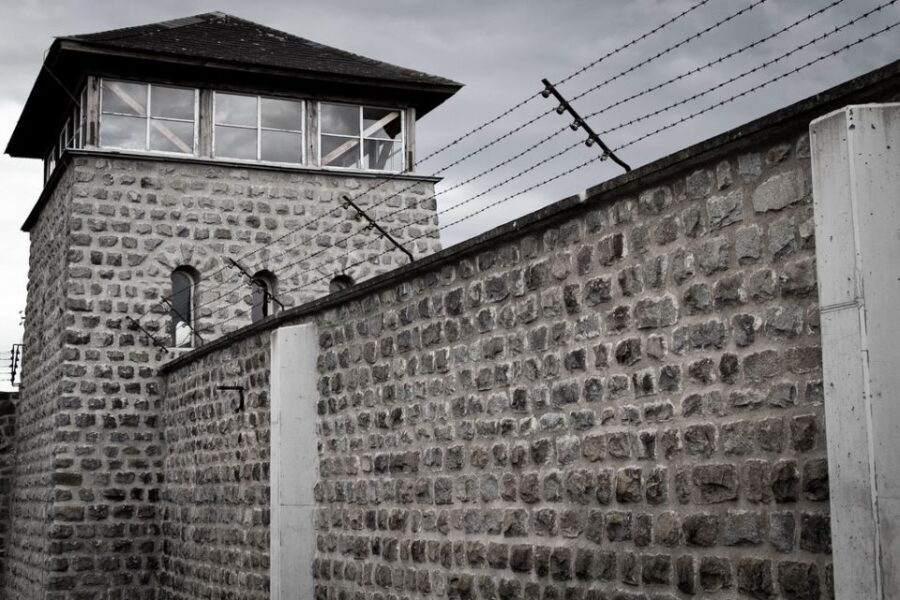
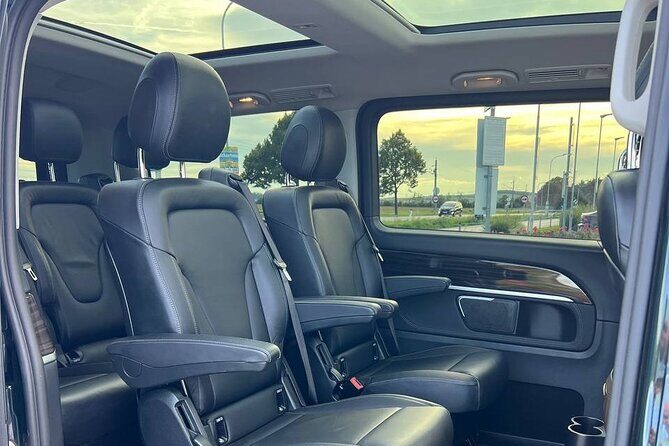
This day trip is built around one idea: don’t treat Mauthausen like a checklist. You’ll meet at the Tourist-Info Wien, then head out on a coach for about two hours toward Upper Austria. The real value here is what happens during that drive.
Your guide provides an overview of Austria under Nazi rule and where Mauthausen fits within the larger concentration camp and forced-labor system. That matters because when you first step onto the grounds, your brain wants context fast. Instead of only seeing stones and structures, you start connecting them to a system of imprisonment, labor, and killing that operated from 1938 to 1945, when about 190,000 people were imprisoned and at least 90,000 died.
Some guides also bring in extra preparation tools. For example, one group described a short documentary screening on the way using iPads. Even if your day doesn’t include that exact detail, the point is the same: you’ll arrive with a clearer frame of reference.
A few more Vienna tours and experiences worth a look



The guided route at the memorial: how you move through Mauthausen

Once you arrive, you’ll join a live-guided tour in English that typically follows the paths former prisoners had to take. Expect to walk past a sequence of major locations, and don’t be surprised if the guide stops frequently to explain what you’re actually seeing.
The guided route is designed to hit the sites that help you understand how the camp functioned:
- Roll call area (the machinery of control and daily routine)
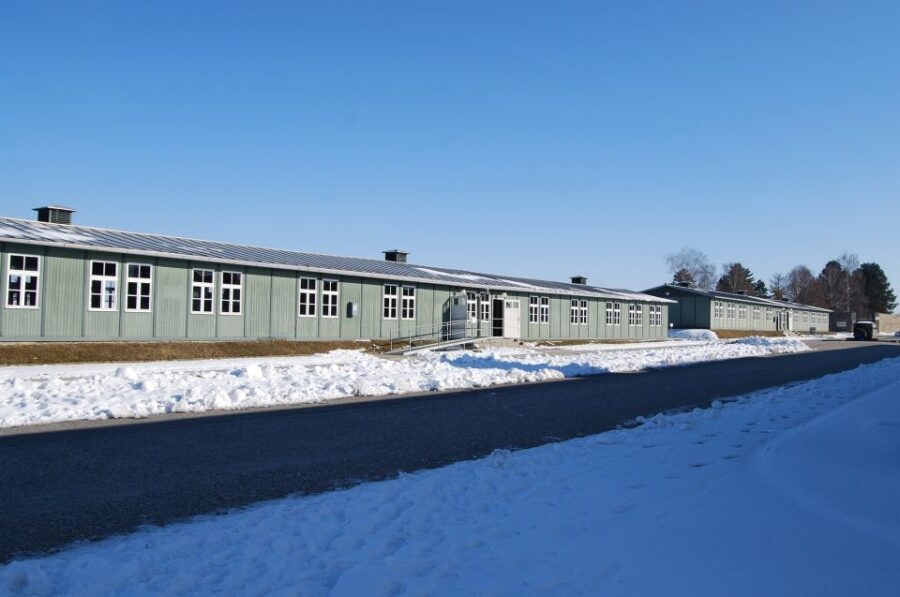
- Prisoners’ barracks (where overcrowding and brutal conditions shaped life)
- Stairs of Death (a location people remember because it signals the camp’s cruelty in a single, visible feature)
- Memorial park on the grounds of the former SS camp (a reminder of power, hierarchy, and responsibility)
One of the most useful parts of the tour approach is that it doesn’t only talk about victims in isolation. You’ll also hear prompts connected to the perspectives of perpetrators and bystanders during the Nazi era. That’s heavy material, but it’s also one reason the visit can feel more “thinking-focused” than purely emotional.
Also note a practical reality: your guide sets the tone. Reviews highlight major differences—some camp guides are outstanding and interactive, while others were described as struggling to keep the flow steady. If you’re the type who wants a smooth narrative more than anything else, this is the part to watch most closely.
Stairs of Death and the labor system: what your guide helps you notice
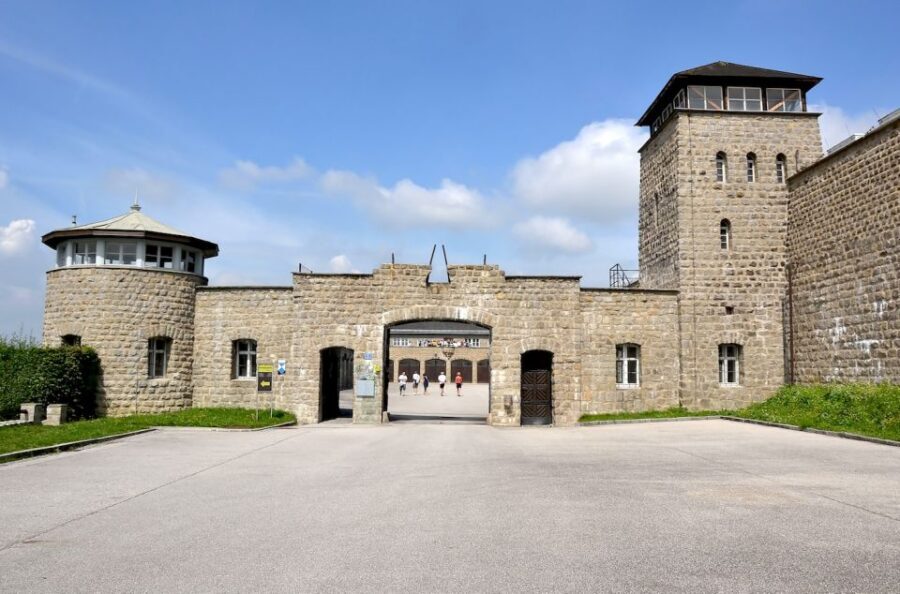
If the Stairs of Death is the headline, the story behind it is the point. The camp wasn’t only about killing in isolated moments—it was also a long, organized system of forced labor and dehumanization.
As you move through the preserved areas, your guide focuses on what each spot meant. That can include how prisoners were processed, how the camp was managed, and why certain areas remain as evidence rather than just memorial decoration. It also helps to remember that Mauthausen is sometimes described as one of the largest labor camp complexes in the Third Reich, so you’re not just looking at one grim building—you’re reading an entire system in physical form.
You may also encounter references to other grim features during the route. One review specifically mentioned seeing areas tied to a gas chamber, execution sites, and ovens. Even if you don’t hear the exact same details in your hour, the guide should be pointing out the key preserved remnants that connect daily camp life to mass killing.
Museum time and the Room of Names: where the visit slows down
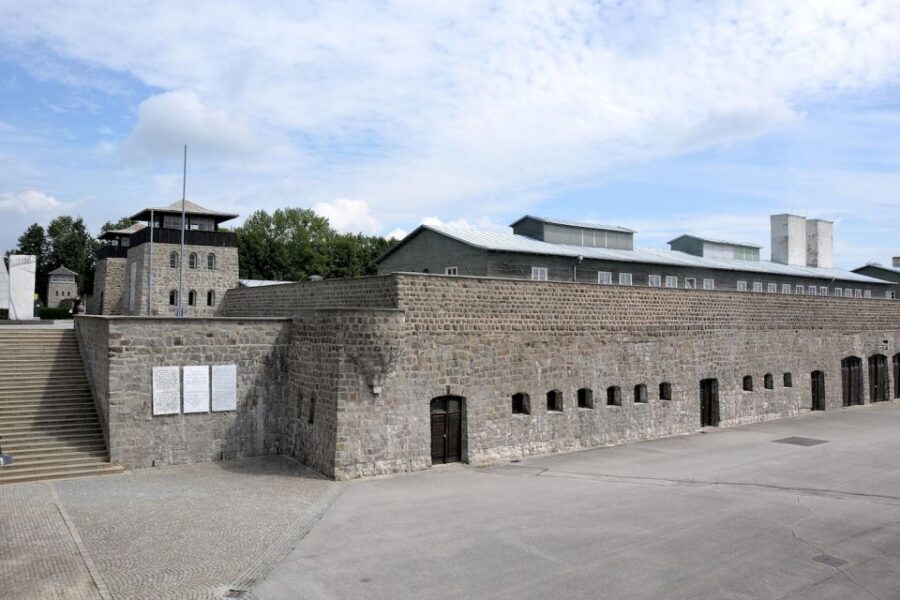
After the guided walking portion, you’ll have time to explore more independently. This is where I’d plan your pacing.
You can visit the Mauthausen Museum, including the Room of Names, which is one of the most moving parts of the whole memorial experience. The idea is simple but powerful: instead of only absorbing the scale through numbers, you’re confronted with individual identities tied to imprisonment and death.
You’ll also be able to spend time around the quarry area where many prisoners were forced into brutal labor. In real terms, that means you’re looking at not just a museum display, but the physical setting that shaped survival odds, injury, exhaustion, and death.
This is also where you’ll be grateful for the option to control your own speed. A guided tour moves on schedule. The museum doesn’t have to.
Audio guides and self-paced learning: using the 12 languages smart
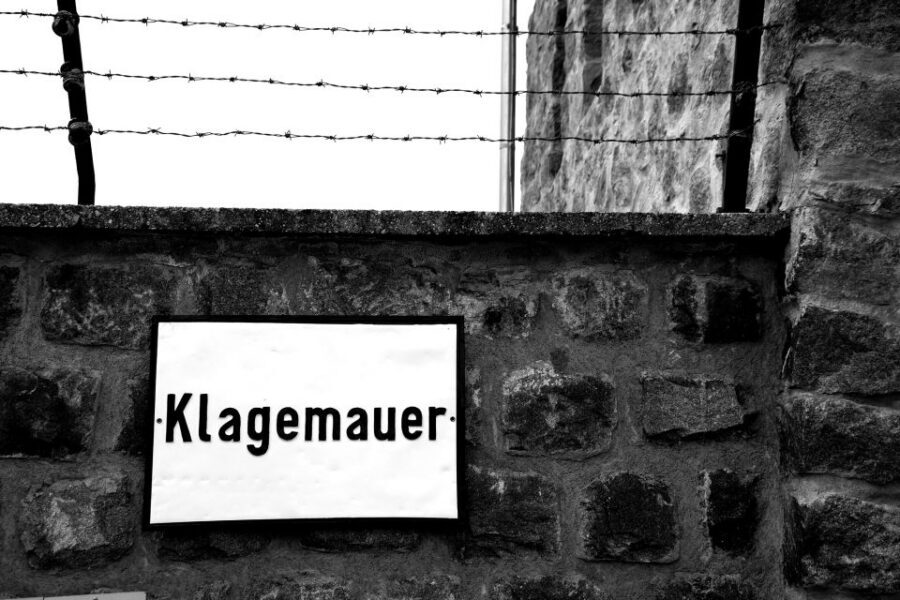
Audio guides are offered for self-guided time, and the memorial provides them in multiple languages. Your tour notes include English, Spanish, French, German, Italian, Hebrew, Dutch, Polish, Czech, Russian, Hungarian, and another language option listed as available on-site as well.
If you’re a strong reader and you like to process at your own speed, I’d still do this: read signage where you can, then use the audio to fill in what the signage doesn’t cover. Some exhibits can feel “sanitized” or strangely quiet in a way that makes your imagination work too hard—audio and guided explanations help you keep your footing.
If you’re traveling as a mixed-language group, the audio guides are also a simple win. Everyone can get a version of the story in their preferred language without splitting the group into complicated logistics.




Lunch and on-site stops: plan for a real midday break
Lunch isn’t included. You’ll have a meal window, and the experience also mentions refreshments and light food at the Bistrot on-site.
Based on past experiences shared by others, lunch quality can vary depending on the stop used by the day plan. One person complained about a particularly bad lunch stop with flies and high prices. Another noted that the lunch restaurant was basic. So here’s my practical advice: if food matters to you, decide in advance where you’ll eat—on-site options may be the safest bet since you’ll already be in the right place and on the right schedule.
Also, since this is a somber visit, you’ll likely want the mental break that food provides. Treat lunch like part of your planning, not an afterthought.
Price and value: is $174 worth it?
At $174 per person, this isn’t a cheap “museum ticket.” But it also isn’t just admission.
You’re paying for a bundle:
- Round-trip transportation from Vienna (no figuring out trains or driving)
- Entrance to the memorial and museum
- A guided camp tour in English
- Optional audio guide support for self-paced learning
- A skip-the-ticket-line setup
- A day structure that keeps the drive-time and visit-time working together
That’s why it can feel worth it even for a short stay in Vienna. Vienna itself is packed with major sights; if you only have a limited number of day trips, this is one that combines transport, guided context, and memorial access in a single package.
If you already know you want a serious guided narrative rather than DIY, the live English tour alone is a big part of the value. If you’d rather do everything at your own pace, the optional audio guides help—but you still benefit from the guided orientation first.
Getting the most from a very heavy site (without burning out)
Mauthausen is not a light visit, and you’ll want to plan your energy like you would for a long hike, not a casual afternoon museum.
Here’s how to make it more manageable:
- Wear comfortable walking shoes. You’ll move between multiple exterior locations.
- Bring a bottle of water if you tend to get thirsty during long walks. It’s a practical comfort on days like this.
- Use the guided tour for the “big structure,” then use museum time to “slow it down” with the Room of Names.
- If you’re emotionally affected, it’s okay to step back, sit where you can, and reread signs. The experience rewards patience.
One more thing: your tour ends the day in downtown Vienna, at the Vienna State Opera House. That’s a helpful drop-off point for planning dinner or a final evening walk through the city.
Who this day trip suits best
This is best for you if:
- You want guided historical context before seeing the memorial
- You’re comfortable with a somber, reflective visit
- You can handle an information-dense day that includes both moving and factual content
- You’re traveling without young children who might struggle with the material
The tour also notes it’s not recommended for children aged 14 and younger. So if your group includes younger kids, you may want to consider alternative ways to learn about the Holocaust and Nazi-era crimes that match their age and emotional readiness.
Should you book this Vienna to Mauthausen Memorial trip?
Book it if you want a well-structured, English-guided day that takes you past the key preserved sites and then gives you time to slow down at the museum and Room of Names. The included transport and live narration make it realistic for a day trip, not an all-day logistical project.
Hold off if you know you can only handle short, low-emotion experiences. This memorial is meant to be confronting. Also, because time at the memorial can feel tight if you want to read everything carefully, plan on making museum time your priority once the guided portion ends.
If you do book, go in ready for a day that asks you to think, not just to look.
FAQ
How long is the Vienna to Mauthausen day trip?
The tour duration is listed as 510 minutes (about 8.5 hours), including travel time and visits.
Where do I meet the tour?
You meet at Tourist-Info Wien.
Is round-trip transportation included?
Yes. Round-trip transportation from Vienna to Mauthausen Memorial is included.
Do I get a guided tour at the memorial?
Yes. You get a guided tour of Mauthausen Memorial in English, plus the option for a self-guided visit with audio.
Are audio guides included, and what languages are available?
Audio guides are available (optional) and the memorial notes multiple languages are offered, including English, Spanish, French, German, Italian, Hebrew, Dutch, Polish, Czech, Russian, and Hungarian, with an additional language option listed as available on-site as well.
Is lunch included?
No. Lunch is not included. The itinerary includes a lunch period, and refreshments/light meals are available at the on-site Bistrot.
Does the tour include museum entry?
Yes. Entrance to the Mauthausen Memorial & Museum is included.
Where does the tour end?
The tour concludes at the Vienna State Opera House in downtown Vienna.
Is the tour suitable for young children?
It is not recommended for children aged 14 and younger.
Is the site visit wheelchair accessible?
Yes. The tour is listed as wheelchair accessible.
Can I cancel for a full refund?
You can cancel up to 24 hours in advance for a full refund.