REVIEW · VIENNA
Vienna: Underground WWII Bunker Ticket and Guided Tour
Book on GetYourGuide →Operated by mal anders gmbh · Bookable on GetYourGuide
Down the stairs, Vienna changes tone. This 90-minute guided visit takes you into a well-preserved WWII air-raid shelter, tucked away in a non-public spot, where the candlelit atmosphere makes the past feel painfully close. I love how you’re not just looking at objects—you’re hearing the everyday logic of survival and what life in Vienna looked like under bombing threat.
You’ll also get to see historical artifacts and physical details that help the stories land fast. The one drawback to keep in mind: the tour is not barrier-free, and you’ll be moving around underground, so comfort on your feet matters.
In This Review
- Key points I’d plan around
- Entering a Vienna WWII Air-Raid Shelter, Not a Museum Diorama
- Museum Meeting Point and the Fast Track Down
- The Descent: What It Feels Like to Step Into an Air-Raid Shelter
- Seeing the Architecture and Artifacts Up Close
- Candlelight, Atmosphere, and Why It Works
- Stories That Connect the Bunker to Vienna’s Political and Social Reality
- Itinerary Flow: What You’ll Do During the 90 Minutes
- Price and Value: Is $35 Worth It?
- Practical Tips So You Don’t Lose Time or Comfort
- Who This Tour Suits Best (And Who Might Want Another Option)
- Should You Book This Vienna WWII Bunker Tour?
- FAQ
- How long is the Vienna underground WWII bunker tour?
- Where do I meet the guide?
- How much does it cost?
- What language is the guided tour in?
- Are cameras allowed during the tour?
- Does the tour run in bad weather?
- Is the tour barrier-free?
- Who is the tour not suitable for?
- What should I bring?
- What’s included in the price?
- Can I cancel for a refund?
Key points I’d plan around
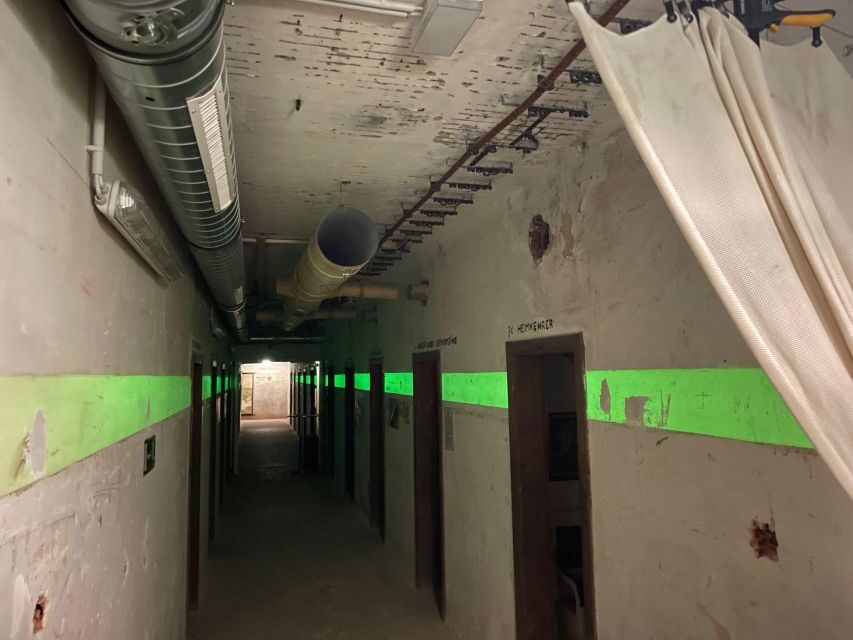
- Underground, non-public access: You go below ground to a shelter you can’t easily find on your own.
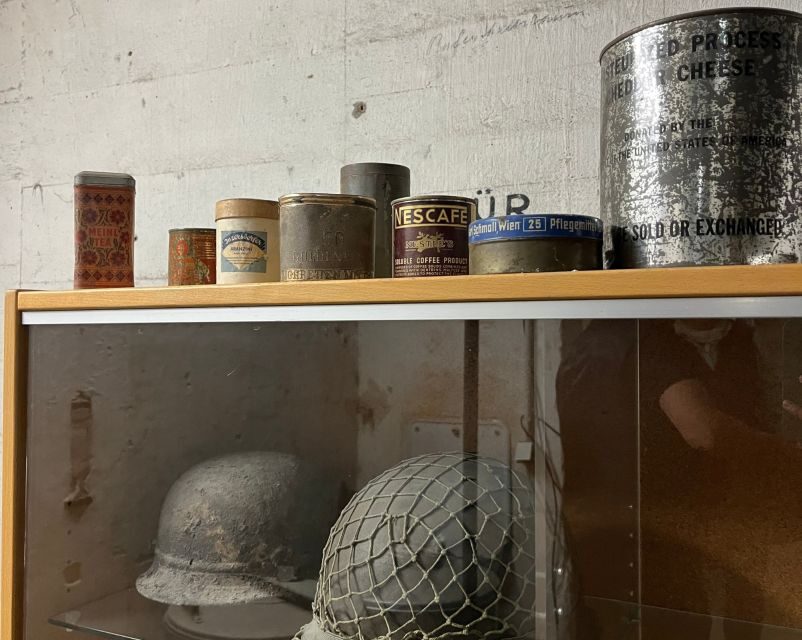
- Well-preserved artifacts and shelter details: You’re shown objects and layout features that make the history tangible.
- German-speaking live guide: Your experience depends on following the guide’s explanations in German.
- Skip-the-line entry via a separate entrance: Less waiting, more time underground.
- Rain or shine: This tour runs in any weather, so come ready to meet conditions outside.
Entering a Vienna WWII Air-Raid Shelter, Not a Museum Diorama
This isn’t the kind of history stop where you look at a glass case and call it a day. The heart of the experience is the physical shelter itself: concrete, space, and the gritty practicality of an air-raid refuge designed for civilians. You’re going underground and asked to imagine what safety meant when Allied bombing raids were a constant threat.
I like that the tour doesn’t treat the bunker like a spooky set. It’s treated like a place with purpose—architecture that reflects fear, planning, and cramped reality.
And you’ll feel the mood the moment the lighting changes. One of the standout themes from the experience is the kerzenbeleuchtung, or candle lighting, which helps create atmosphere without turning the visit into theater.
A few more Vienna tours and experiences worth a look



Museum Meeting Point and the Fast Track Down
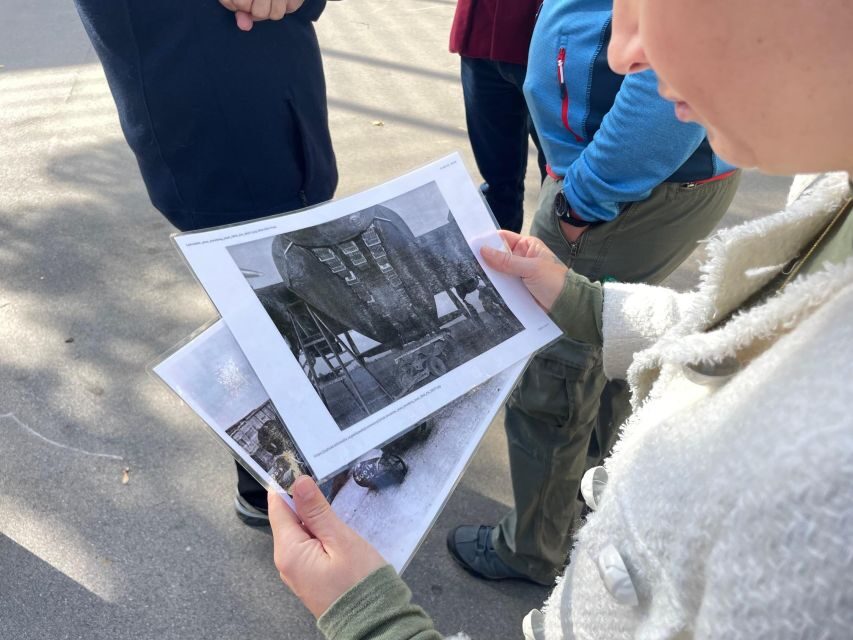
You meet your guide at the front entrance of the Museum of liberation of Vienna 1945–1955. From there, you move as a group toward the bunker access.
One practical win: you enter through a separate route that lets you skip the line. That matters in Vienna, where popular indoor history stops can eat up time. A 90-minute format also means you don’t want to spend the first chunk stuck waiting outside.
Your guide is German-speaking, and the tour is described as live-guided rather than self-guided. If German isn’t your comfort zone, plan to treat this as an opportunity to listen closely, not to rely on reading labels.
The Descent: What It Feels Like to Step Into an Air-Raid Shelter
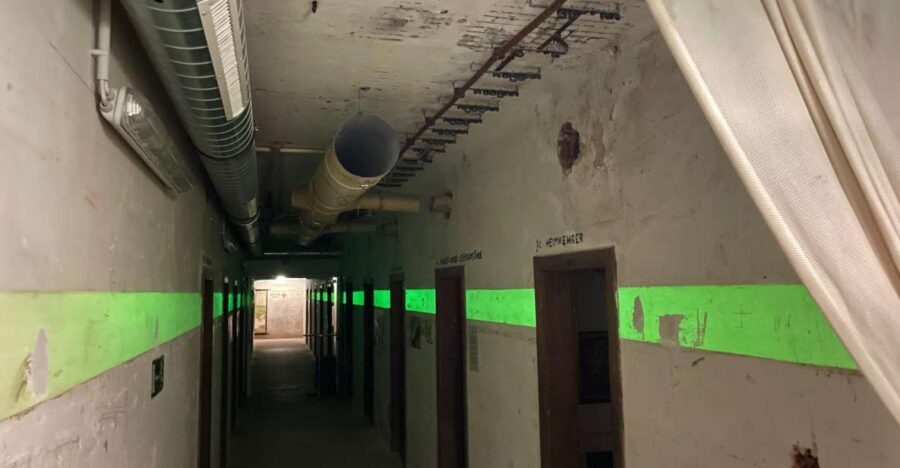
The tour takes you down into a WWII air-raid shelter located at a clandestine, undisclosed spot from that era. You’re not just walking past a historical room—you’re entering a structure meant for emergency sheltering.
Expect a guided path through the area rather than a free-roaming wander. The guide explains what you’re seeing as you go, so you’ll want to keep your eyes up and follow the flow.
Also, bring comfortable shoes. Underground surfaces can be uneven and it’s not described as barrier-free, so you should assume you’ll be walking and standing for stretches. If you’re someone who gets uncomfortable standing on hard floors for 60+ minutes, this is the part to think about early.
Seeing the Architecture and Artifacts Up Close
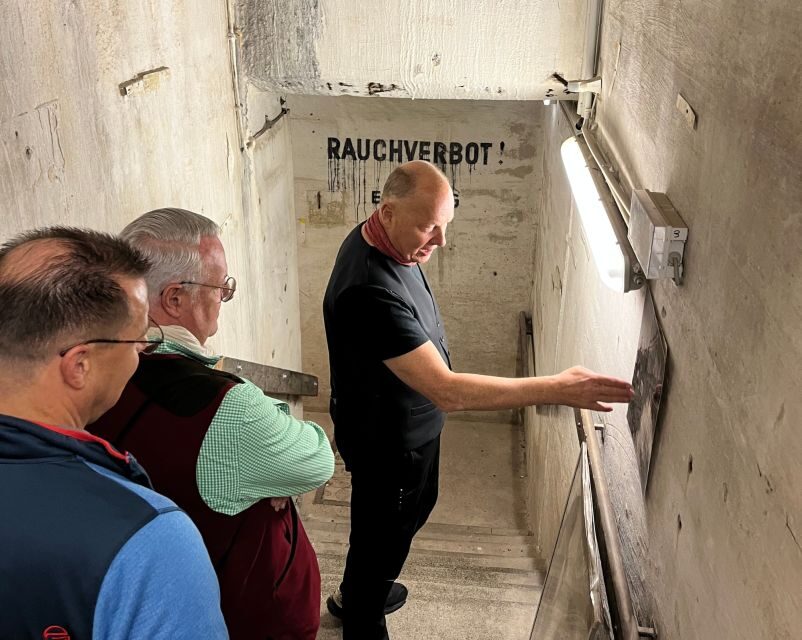
The shelter itself is the main attraction, and the tour is structured around understanding why it mattered. You’ll learn about the architecture and significance of this kind of bunker and what it was built to handle.
You’ll also be shown historical artifacts and objects tied to daily life during the bombing period. The details help you connect abstract war events with real human routines—where people went, what they had, and how the shelter functioned under stress.
A key point: the tour doesn’t just point at items. It uses the objects as anchors for stories. That’s why the experience works even if you’re not a hardcore WWII nerd.
Candlelight, Atmosphere, and Why It Works
If you like your history with atmosphere, this is where the experience shines. The bunker is presented with candle lighting, which changes how you perceive the space. Shadows make corners feel tighter. The lighting makes the shelter feel like a lived place, not a cleaned-up exhibit.
Importantly, the atmosphere is tied to the tour’s goal. It’s meant to support the guide’s storytelling about what it was like to be in there during a raid, not to distract you from facts.
If you’re sensitive to low light or motion, keep your expectations grounded. Candle lighting is part of the mood, but you’ll still need to watch your footing.
You can also read our reviews of more guided tours in Vienna



Stories That Connect the Bunker to Vienna’s Political and Social Reality
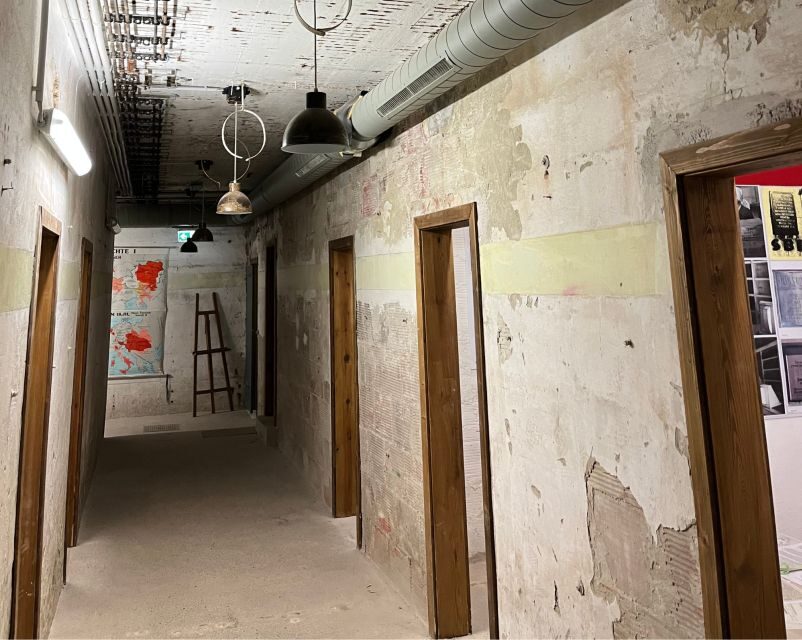
The bunker visit isn’t treated like an isolated curiosity. Your guide links what civilians experienced underground to broader events shaping Vienna during WWII and its aftermath.
You’ll hear about how the shelter fits into the wider story of Vienna, including:
- the effects of annexation
- the challenges of reconstruction
That’s a valuable angle because the bunker isn’t only a “bombing shelter” concept. It’s part of a chain of political decisions and social disruption. When you connect concrete walls to those bigger changes, the history becomes clearer.
I also appreciate that the guide uses authentic stories and anecdotes rather than only general timelines. The aim is to help you picture life inside the shelter—what people did, how they thought, and what uncertainty meant when you had to seek safety on short notice.
Itinerary Flow: What You’ll Do During the 90 Minutes
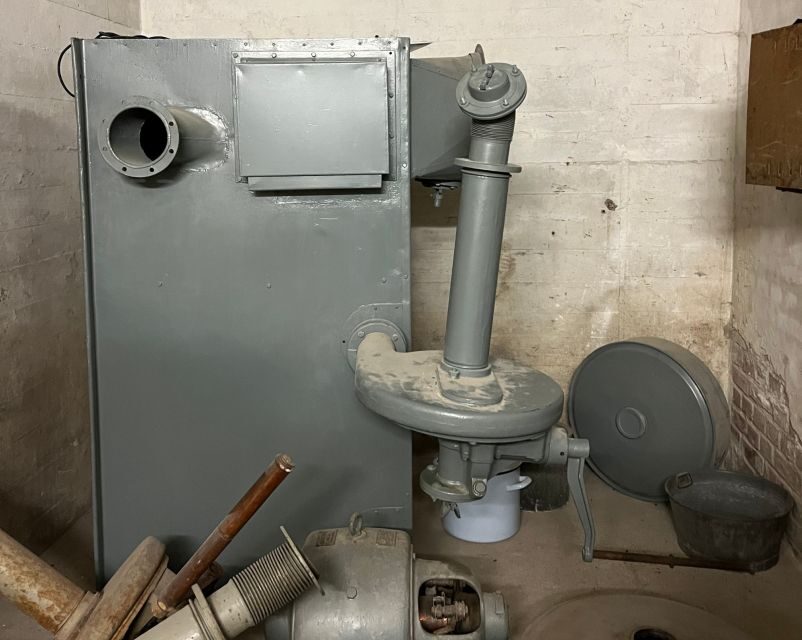
You can think of the experience in a simple sequence:
1) Meet at the Museum of liberation of Vienna 1945–1955
You meet your guide at the front entrance and follow the group to the bunker.
2) Go underground into the WWII shelter
You descend into a well-preserved air-raid shelter in a non-public location.
3) Learn the space and see artifacts
As you move, the guide explains the architecture and points out historical objects.
4) Follow the hidden bunker route
You walk through more of the shelter, continuing the story with attention to political and social context.
The timing stays tight because it’s designed as a 90-minute experience. You’ll spend enough time underground to feel like you saw the place, but not so long that you lose focus.
Price and Value: Is $35 Worth It?
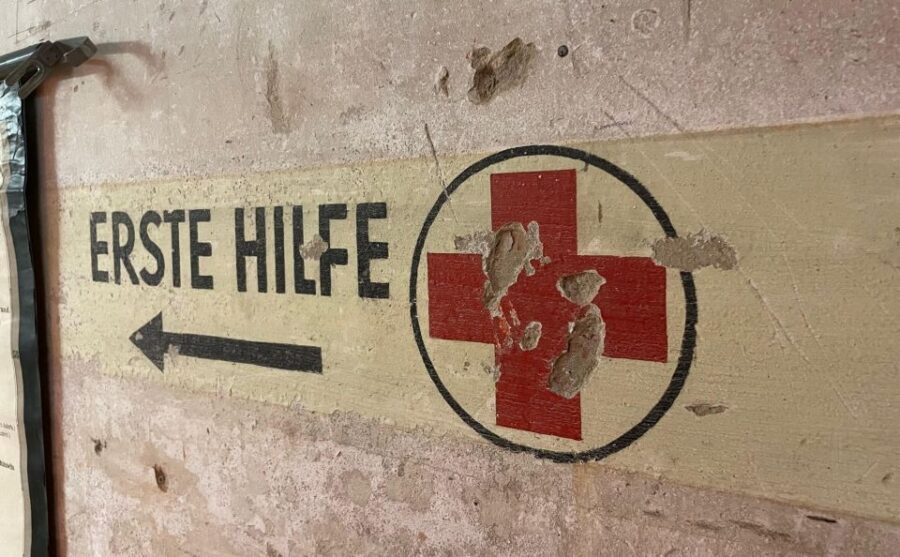
At $35 per person, you’re paying for three things: museum entry, a live guided tour, and access to an underground WWII air-raid shelter that isn’t broadly open on its own.
What makes the value feel solid is the access. Lots of WWII history in Vienna lives above ground—documents, displays, and interpretive signs. This is different: you get to stand inside the structure civilians relied on for protection.
Where the price may feel less satisfying is if you go in expecting lots of independent exploring. This is guided. It’s also German-speaking, and cameras aren’t allowed—so your experience has to be built from listening, looking, and absorbing.
Still, for a 90-minute, high-impact underground visit, $35 can be a fair deal, especially if you like learning details in context instead of just seeing artifacts.
Practical Tips So You Don’t Lose Time or Comfort
A few things can make or break how much you enjoy the tour:
- Wear comfortable shoes. Underground walking is part of the deal.
- Plan for rain or shine. The tour runs in any weather, so don’t dress as if you’ll be mostly inside.
- Leave your camera at home. Cameras aren’t allowed, so rely on memory and the guide’s explanations.
- Expect German guidance. If you don’t read German well or speak it casually, you’ll want to listen actively anyway.
Also, the tour’s meeting point is specific: in front of the museum entrance. If you’re the type who hates hunting for signs, arrive a few minutes early and give yourself buffer time. One small detail that can trip people up: the entrance to the area is described as a bit hard to find without clearer signage.
Who This Tour Suits Best (And Who Might Want Another Option)
This experience fits you best if you want history you can feel—the kind where the setting matters. You’ll likely enjoy it if you like WWII topics, civilian survival stories, or you’re interested in how political events shaped daily life.
It’s also ideal if you prefer a guided narrative that ties the shelter to broader social and political events, not just architecture.
On the other hand, it’s not for everyone:
- It’s not barrier-free, so mobility issues are a real concern.
- It’s listed as not suitable for people over 95.
- If you need cameras for documentation, you’ll be disappointed since cameras aren’t allowed.
Should You Book This Vienna WWII Bunker Tour?
Book it if you want a focused 90-minute experience that takes you underground into a WWII air-raid shelter with preserved details, guided interpretation, and a strong atmosphere thanks to candle lighting. The combination of artifacts, practical survival context, and stories about Vienna’s WWII and post-annexation reality makes it more than a quick curiosity stop.
Skip it if low-light conditions, walking underground, or the lack of barrier-free access could make the experience uncomfortable. Also skip if you can’t follow a German-speaking guide and you were counting on translation-friendly materials.
If that sounds like your kind of history—this is a smart, memorable way to spend time in Vienna.
FAQ
How long is the Vienna underground WWII bunker tour?
The tour lasts 90 minutes.
Where do I meet the guide?
Meet the guide in front of the entrance to the Museum of liberation of Vienna 1945–1955.
How much does it cost?
The price is listed as $35 per person.
What language is the guided tour in?
The guide speaks German.
Are cameras allowed during the tour?
No. Cameras are not allowed.
Does the tour run in bad weather?
Yes. The tour takes place rain or shine.
Is the tour barrier-free?
No. The tour is not barrier-free.
Who is the tour not suitable for?
It is not suitable for people with mobility impairments and people over 95 years.
What should I bring?
You should wear or bring comfortable shoes.
What’s included in the price?
Included: Museum of liberation of Vienna 1945–1955 entry fee, a guided tour, and a German-speaking guide. Not included: food and drinks.
Can I cancel for a refund?
Yes. Free cancellation is available up to 24 hours in advance for a full refund.