REVIEW · VIENNA
Vienna: Old Town Sightseeing Tour in a Vintage-Style E-Car
Book on GetYourGuide →Operated by E-Oldtimer Panoramafahrt | Gratt KG · Bookable on GetYourGuide
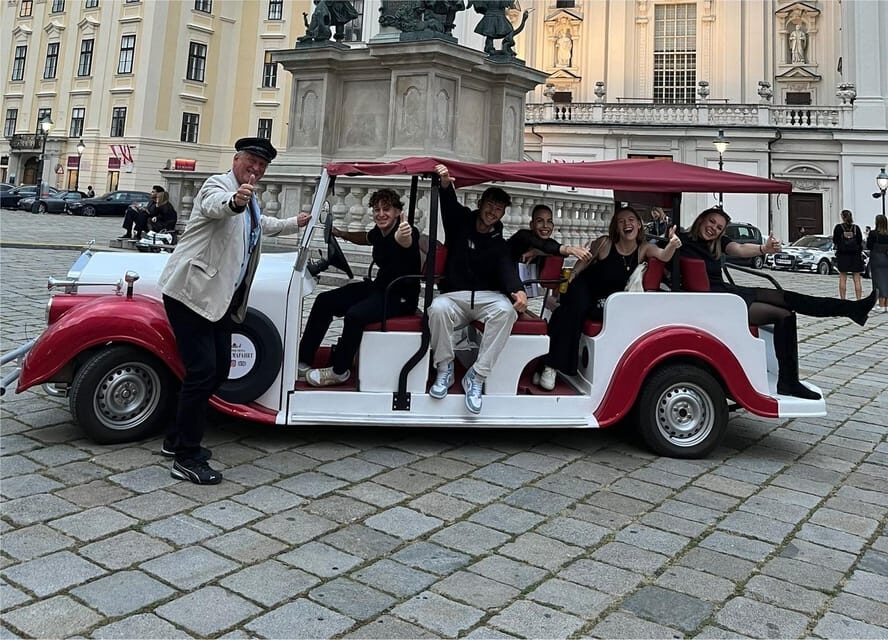
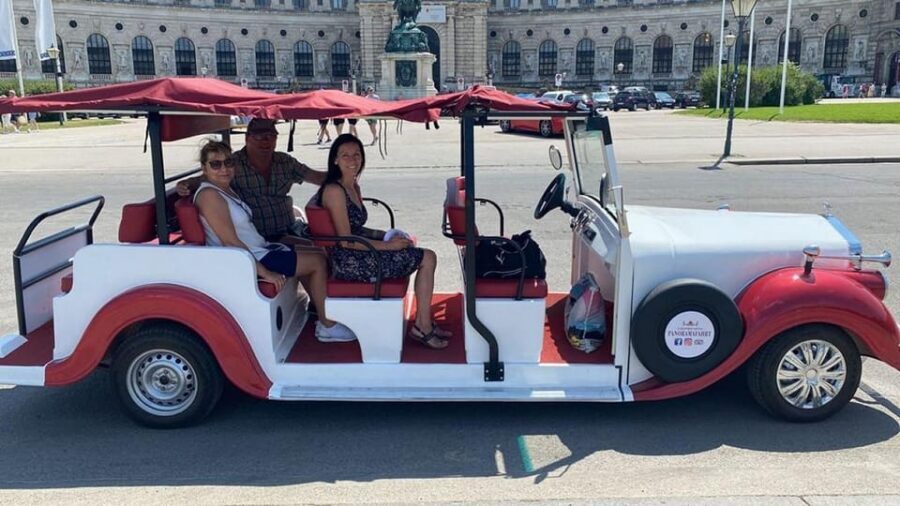
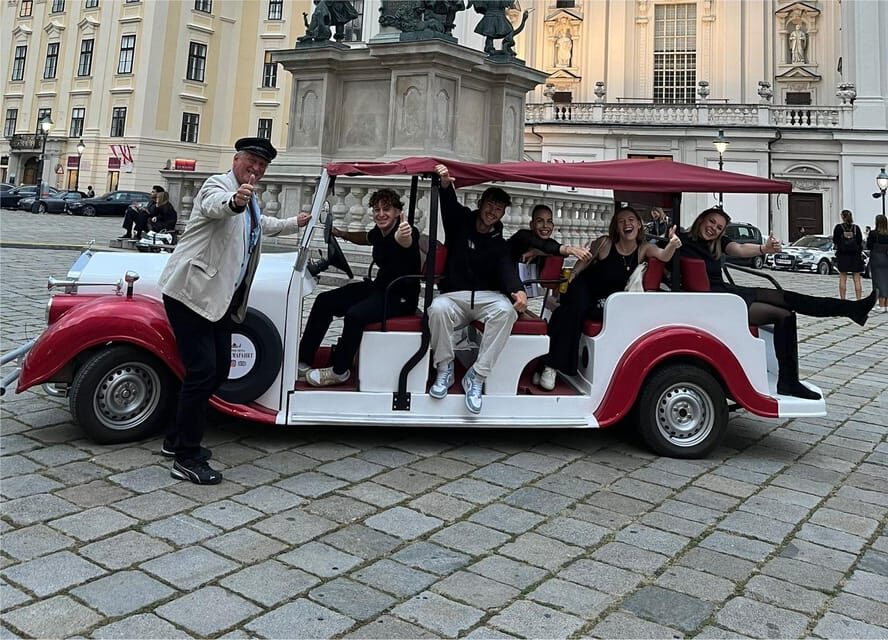
Vienna looks better from an e-car. This 1-hour Old Town loop uses a 1920s-style electric vehicle to move you fast between major sights, without the loud, cramped feeling of a coach.
I like two things a lot: the ride itself feels special, and the guides bring the streets to life. In my notes, guides such as Kurt, Angelo, and Karl come up again and again for being funny, engaging, and ready to answer questions, plus they often toss in practical ideas for where to eat after the tour.
One possible drawback is that you are mostly driving past the highlights, so if you want lots of on-your-own wandering and extra photo moments, you may feel a bit limited, especially if you sit where the roof affects your view. Still, it is a strong way to get oriented quickly.
In This Review
- Key highlights worth your time
- The vintage-style e-car start: Radisson Blu Style Hotel to Freyung
- Am Hof, Maria am Gestade, and Hoher Markt: Vienna’s square logic
- The Anker Clock and the art of turning street corners into stories
- Stephansplatz and Stephansdom: where Vienna’s center shows off
- Past the soldier monument, then into music-and-palace territory
- St. Charles’s Church, Arthouse Museum, and Jugendstil Karlsplatz Metro Station
- Secession, Kärntner Straße, and the Sacher moment
- Neuer Markt, Michaelerplatz star shape, and the Spanish Riding School
- The Old Town museum corridor: Friedrich Schiller monument, Art History Museum, Albertina
- Hofburg and Heldenplatz: the imperial center from curb level
- Parliament, People’s Garden, and the neo-Gothic Votivkirche
- Comfort and photo strategy: open sides, seat angles, and blankets
- What this tour is best for (and what it is not)
- Price and value: $28 for orientation plus 40+ landmarks
- Should you book Vienna’s Old Town vintage e-car tour?
- FAQ
- How long is the Vienna Old Town sightseeing tour?
- What does the tour cost?
- Where is the meeting point?
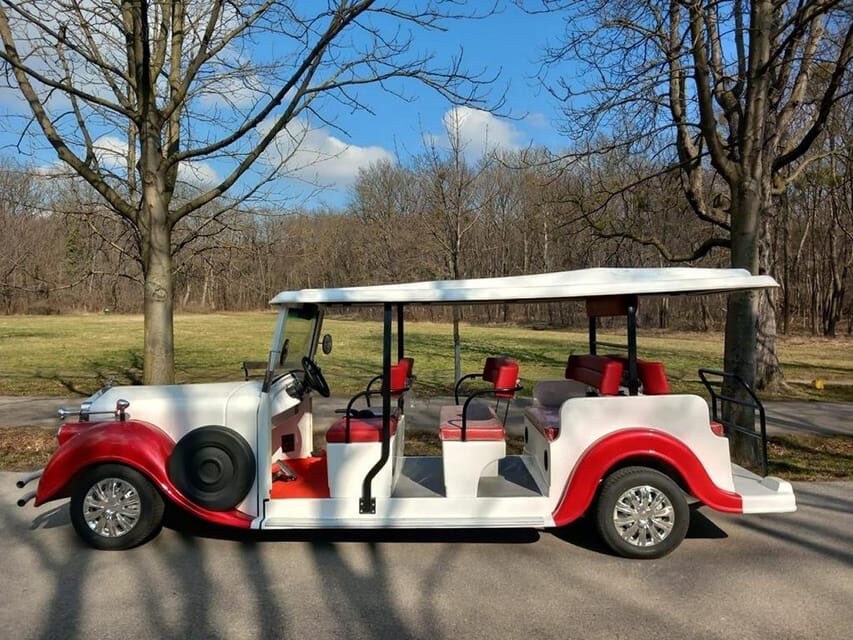
- What kind of vehicle is used?
- How many people are in the group?
- What languages are available?
- What sights are included on the route?
- Is a guide included?
- Is transportation to the meeting point included?
- Can I cancel and get a refund?
Key highlights worth your time
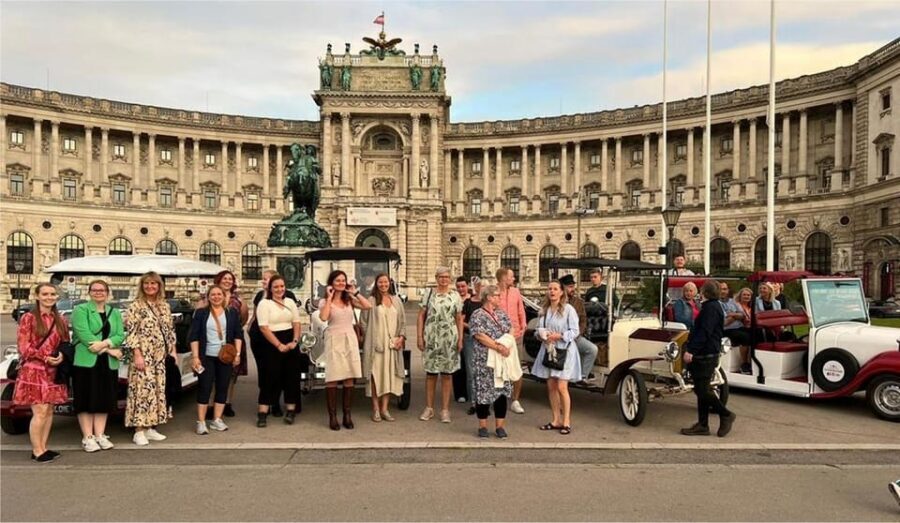
- 1920s-style electric car that keeps the ride quiet and comfortable in city traffic
- Small group (up to 10), which makes Q&A and photo help easier than on bigger buses
- 40+ attractions covered in 1 hour, so you get the main loop fast
- Anker Clock, Stephansdom, and Hofburg area get big-stage treatment on the drive-by route
- Open sides for photos, plus blankets showing up in colder months
- Guide-led tips, including where to snack and what to do next in Vienna
The vintage-style e-car start: Radisson Blu Style Hotel to Freyung
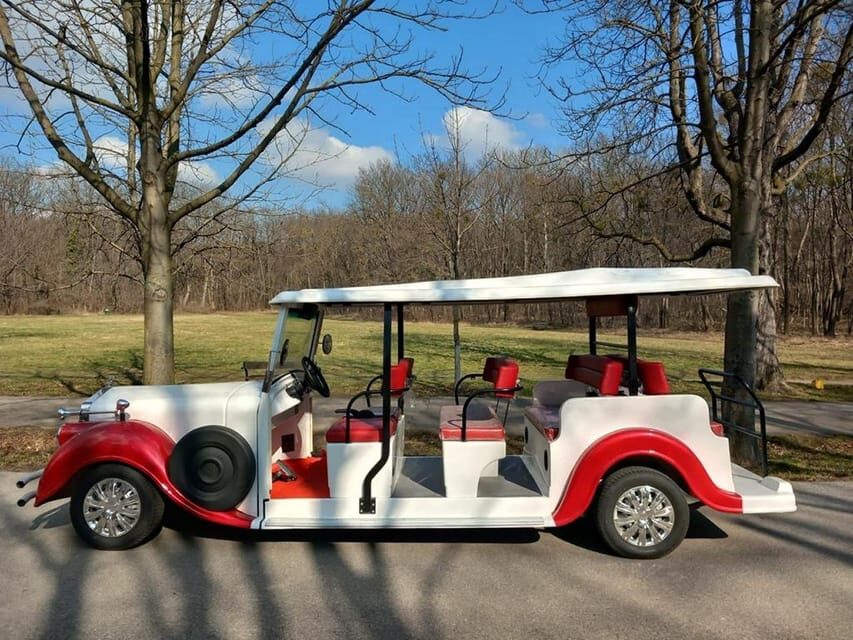
The tour begins right in central Vienna at the Radisson Blu Style Hotel on Herrengasse 12 (1010 Vienna). You’re looking for the vintage-style electric car outside, the kind of vehicle that makes you feel like you stepped into a 1920s postcard.
From there, the route immediately drops you into the Old Town rhythm. You head toward Freyung, a public square known for its distinctive triangular shape, then you move through the Grand-Old-Vienna orbit: Am Hof square and Maria am Gestade, a Catholic church with Gothic vibes that anchor the area.
This is a smart start for two reasons. First, it gets you away from the idea that you need to walk everywhere right now. Second, early stops like these help you understand Vienna’s layout—squares, churches, and monuments appear repeatedly, and the tour sets the pattern fast.
You can also read our reviews of more tours and experiences in Vienna.
Am Hof, Maria am Gestade, and Hoher Markt: Vienna’s square logic
If Vienna has a secret language, it is the squares. On this drive, you see that logic right away. You pass Am Hof, a place that feels built for lingering—stone facades, classic street geometry, and the kind of atmosphere where a quick photo turns into, oh, I should zoom in on that detail.
Then you get Maria am Gestade, whose Gothic architecture gives you a visual contrast to the Baroque and later styles you’ll see as the route keeps rolling. After that, you pass Hoher Markt, described as the city’s oldest square. Even without stopping long, the effect is clear: this neighborhood is old in a real, physical way.
Practical tip: if you want the best photos, keep your phone ready as the car moves slowly through open areas like squares. The open sides make it easier to frame shots than from a closed vehicle.
The Anker Clock and the art of turning street corners into stories
One of the standout moments is the stop-by view of the Anker Clock, known for moving figures and copper accents. You get it from the road, but the guide’s commentary helps you notice what you’d normally blow past: clocks like this are part engineering, part city theater.
This is where a good guide changes the whole tour. In the feedback, guides such as Kurt and Angelo keep people engaged by explaining what you’re actually looking at, not just reciting dates. The best part is that it turns Vienna’s details into something you can remember later when you’re walking on your own.
Stephansplatz and Stephansdom: where Vienna’s center shows off
Next up is the big one: Stephansplatz and the Stephansdom Cathedral. Even if you’ve seen images already, seeing it in person from the street gives you scale. The cathedral is the kind of sight that makes your brain automatically slow down, even from a vehicle.
From here, the tour transitions into the kind of street-hugging sightseeing Vienna does best. You pass along Wollzeile, then you glide past Stadtpark and the Hochstrahlbrunnen fountain. That mix—cathedral power, then park calm, then fountain energy—helps you keep a mental map of the city instead of collecting random snapshots.
Photo note: if your car has you seated so the roof blocks angles, you may find some views less dramatic. One participant pointed out that a different seat orientation can help, so you’ll want to pay attention to where you’re sitting once you board.
Past the soldier monument, then into music-and-palace territory
The route includes a moving sight in a different key: a monument honoring soldiers of the Soviet Army. It’s not the kind of postcard stop most first-timers expect in the Old Town loop, but it matters. Vienna’s history is not one theme. You’re seeing how public memory sits right alongside grand architecture.
After that, the tour swings into some seriously famous cultural scenery:
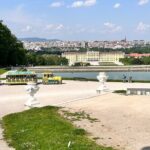
- Belvedere Palace in the Baroque lane
- Musikverein, home to the Vienna Philharmonic
You don’t need to be a music nerd to appreciate this. Seeing the exterior of Musikverein helps you understand why Vienna treats music like civic identity. If you’re planning a concert later, this is a nice warm-up and a reason to remember the building.


St. Charles’s Church, Arthouse Museum, and Jugendstil Karlsplatz Metro Station
The route then works in a change of tempo with St. Charles’s Church near the waterfront area, plus the Arthouse museum in the sweep. The style shifts keep coming, which is a big value of this tour: it’s not only about the most famous headline sites.
Then comes a particularly fun architecture moment: the Karlsplatz Metro Station in Jugendstil style. Jugendstil (Viennese Art Nouveau) is one of those things people say they’ll look for later, then forget. Here, it appears in your path like a breadcrumb trail you can actually follow.
For architecture fans, this portion is worth it even if you skip the deeper museum plans later. You are training your eye to notice transitions: Gothic to Baroque to Jugendstil, all within one loop.
Secession, Kärntner Straße, and the Sacher moment
From the Jugendstil detail, you move into cultural branding and street glamour. You pass the Secession art house, then head down Kärtnerstraße—a corridor where you can feel Vienna’s mix of elegance and commerce.
You’ll also spot the Sacher hotel, which has become a reference point for visitors even if you never book a night there. Seeing it on the route is like seeing the stage door of the city’s most famous dessert.
And yes, it helps to be in a vehicle that can slow down enough for you to frame these landmarks. This isn’t just a checklist drive; it is designed so you keep visual context as you move.
Neuer Markt, Michaelerplatz star shape, and the Spanish Riding School
Next the route lands in shopping-and-street-theater territory: you pass the charming shops in Neuer Markt and then reach Michaelerplatz, described as star-shaped.
From there, you roll past the Spanish Riding School. Even if your schedule doesn’t include a performance, catching the building from the street reminds you that Vienna runs on tradition. It’s not just museums. It is daily life, wrapped in ceremony.
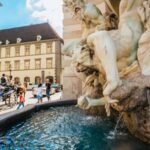
You also pass the Donnerbrunnen Goethedenkmal fountain. If you’re into symbolism, you’ll likely appreciate how public art turns a functional corner into an unforgettable orientation point.
Practical tip: if you want the fountain details in your photos, try to take your shot when the car is moving slower around the more open crossings. The tour doesn’t promise long stops, so quick framing matters.
The Old Town museum corridor: Friedrich Schiller monument, Art History Museum, Albertina
Now you’re in the zone where Vienna’s art institutions start stacking up. You pass:
- the Friedrich Schiller monument
- the Art History Museum
- the Albertina museum
- the Outer Castle Gate
This part is especially valuable if you are the type who wants to plan intelligently. When you see these landmarks in relation to each other, it becomes easier to choose which museums to prioritize later. You can build your walking plan around the sites you already saw from the car.
One of the best outcomes of a tour like this is how it sets your expectations. For example, you might arrive thinking you want only one museum, then realize the buildings themselves suggest a natural route for a second.
Hofburg and Heldenplatz: the imperial center from curb level
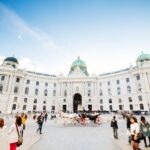
Then you reach The Hofburg palace in Heldenplatz. This is the moment where Vienna’s power shows up, even through street-level views. Hofburg isn’t just a single building. It’s a whole complex of authority, and the route helps you recognize why it dominates the surrounding geometry.
You also roll past the Prinz Eugen Hotel and the National Library, then head toward French Gothic Minorittenkirche. The style shift again matters. It is one thing to read about Vienna’s eras. It is another to see them laid out as you drive past.
Parliament, People’s Garden, and the neo-Gothic Votivkirche
The tour keeps heading toward the political and civic heart. You spot the Kaiser Karl monument, then pass People’s Garden and the Eppstein Palace, followed by Parliament.
From there, you move through a cluster of recognizable civic and academic landmarks: Burgtheater, City Hall, the University, and neo-Gothic Votivkirche. This is the Vienna that feels like it was built to last, and it helps you understand how the city expresses identity through architecture.
Why this section is worth your time: if you only focus on palaces and churches, Vienna can feel like a set of disconnected museum pieces. Including Parliament and City Hall keeps the picture balanced.
Comfort and photo strategy: open sides, seat angles, and blankets
The tour is designed to be comfortable. It is a small group, and the electric vehicle is typically quiet and easy in traffic. On colder days, you may get help staying warm: multiple reviews mention blankets in the car, and one person described cozy seating.
For photos, your best friend is the vehicle’s design plus where you sit. The open sides mean you can shoot without leaning in awkwardly. But if the roof blocks angles for tall facades, plan around it by choosing the seat that gives you the clearest line to the sights you care most about, like Stephansdom and the museum fronts.
Also, if you want photo help, bring it up with the guide once you’re seated. In the feedback, guides like Karl and Angelo are described as assisting with pictures and taking care of small details.
What this tour is best for (and what it is not)
You should book this if you want the fast, friendly version of Vienna’s Old Town. This is a strong first-day or half-day experience when you feel overwhelmed by the map.
It is also a good fit if:
- you have limited time and want the big landmarks without a long walk
- you like architecture variety, from Gothic to Baroque to Jugendstil
- you want a guide who can answer questions and point you toward food and next steps
- you prefer small-group energy over crowded buses
What it is not: this tour is not a slow, in-depth walking experience with long museum visits. If you crave frequent stops and deep time on individual sites, you’ll likely want to pair it with targeted walking afterward.
Price and value: $28 for orientation plus 40+ landmarks
At $28 per person for a 1-hour ride, this is priced like a practical orientation tool, not like a museum ticket. The value comes from the density: the route passes over 40 attractions. That means you spend money to save your legs and your time.
Think of it like buying back your day. One hour here can help you decide what to revisit on foot later, so you do not waste hours choosing between distant sights. In Vienna, that logic really pays off.
If you want maximum value, do this early. Then spend the rest of your trip walking only the places that match what you liked from the car.
Should you book Vienna’s Old Town vintage e-car tour?
I would book it if you want to get grounded quickly in Vienna’s center. The vintage-style electric car feels fun and photo-friendly, the group stays small, and the guided commentary turns the route into a real introduction rather than a blur of famous names. Guides such as Kurt, Angelo, and Karl show up with the kind of mix that works well: street-level storytelling plus practical suggestions.
If you hate drive-by sightseeing and need lots of time standing still for photos, you might find the pacing a little tight. But even then, it can still be worth it as a first sweep, followed by calmer walking later.
FAQ
How long is the Vienna Old Town sightseeing tour?
It lasts 1 hour.
What does the tour cost?
The price is $28 per person.
Where is the meeting point?
Meet at the Radisson Blu Style Hotel area on Herrengasse 12, 1010 Vienna. Look for the vintage-style electric car there.
What kind of vehicle is used?
The tour uses a 1920s-style vintage electric car.
How many people are in the group?
The group is limited to 10 participants.
What languages are available?
The live guide offers German and English, and the audio guide is also available in German and English.
What sights are included on the route?
The route covers many major Old Town highlights, including The Hofburg, Stephansplatz (Stephansdom), and the Albertina, plus you pass over 40 attractions overall.
Is a guide included?
Yes, the tour includes a live guide.
Is transportation to the meeting point included?
No. Transportation to the meeting point is not included.
Can I cancel and get a refund?
Yes. There is free cancellation up to 24 hours in advance for a full refund.