REVIEW · VIENNA
Vienna: Strauss Museum – Music&History in Historic 1837 Hall
Book on GetYourGuide →Operated by House Of Strauss · Bookable on GetYourGuide
Waltz history lives in one restored hall. This visit centers on the Strauss Concert Hall, where all four Strauss family composers once played, and it spreads across 2,000 m² of hands-on classical music storytelling guided by an audio guide app.
I also love the multimedia finale in the original concert hall, built as an emotional tribute to Johann Strauss Jr., the Waltz King. It uses music, light, and projection to close the loop on the family saga.
One heads-up: it’s largely self-guided, so if you’re expecting constant live interpretation, or you need lots of quick English text, plan to rely on the audio guide.
In This Review
- Key highlights to look for
- House of Strauss in Vienna’s Gartenpalais Zögernitz: the setting is the first wow
- Strauss Concert Hall: where the family story gets a real stage
- The 2,000 m² interactive classical music history: walk, listen, then look again
- House of Strauss Exhibition: the museum adds depth beyond the concert hall
- Audio guide app in English and German: your best tool for a personal pace
- The multimedia finale for Johann Strauss Jr.: music, light, and projection
- What the reviews reveal (and what I’d do with that info)
- Price and value: why $22 can work (if this is your kind of museum)
- Who should book the House of Strauss (and who might not)
- Tips to make your visit smoother
- Should you book the House of Strauss?
- FAQ
- How long is the Strauss Museum experience?
- What’s included with admission?
- Is the audio guide included, and in what languages?
- Can I skip the ticket line?
- Is the museum wheelchair accessible?
- How much does it cost?
- What’s the museum’s host or greeter language?
Key highlights to look for
- Strauss Concert Hall with performances by four Strauss composers in one historic space
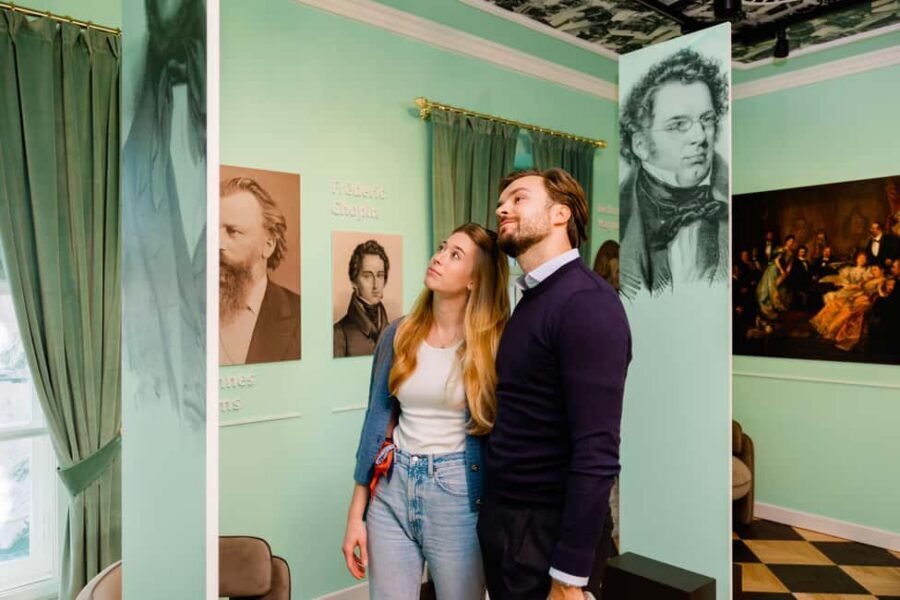
- 2,000 m² of interactive classical music history across preserved rooms and displays
- Audio guide app in English and German for a paced, personalized visit
- Multimedia show for Johann Strauss Jr. using music, light, and projection
- Vienna’s only museum dedicated to the Strauss dynasty, with a major private collection
- Lanner and Ziehrer appear as part of the listening soundtrack as you move through the rooms
House of Strauss in Vienna’s Gartenpalais Zögernitz: the setting is the first wow
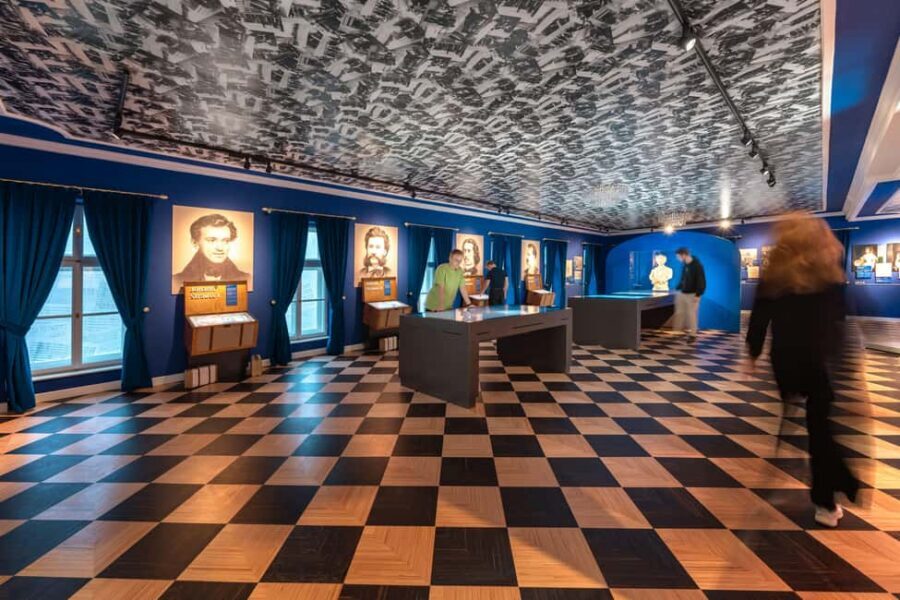
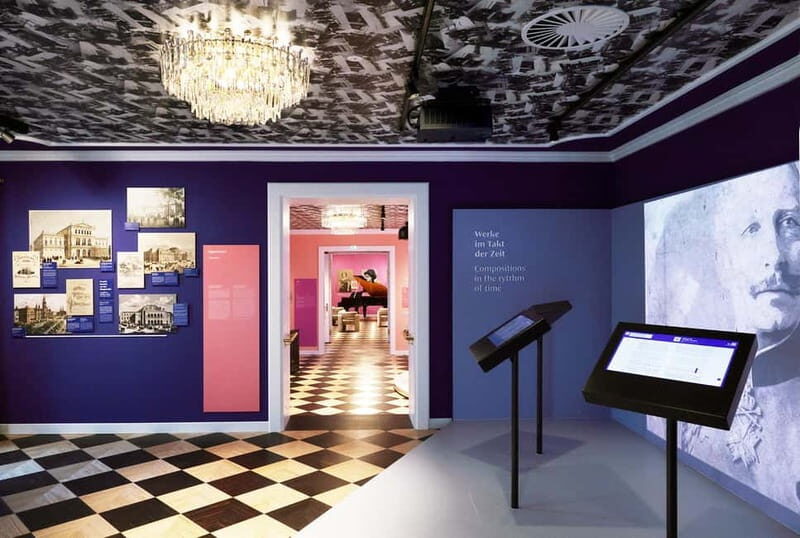
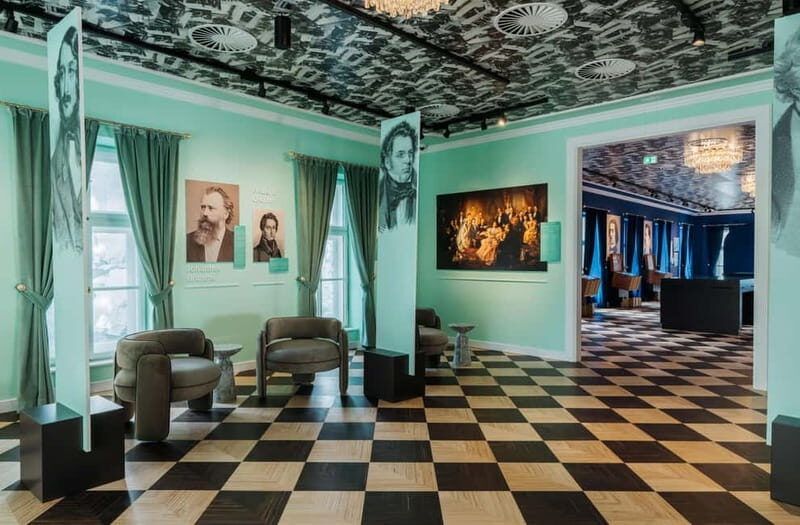
Vienna does music museums well, and the House of Strauss is a smart example. You’re not just looking at information behind glass. You’re walking through a restored historic building at the Gartenpalais Zögernitz, and the museum keeps pulling you back to the same idea: the Strauss family belonged to real rooms, real audiences, and real moments of high-society Vienna.
What makes the location matter is how the building supports the story. Instead of treating Strauss like a school subject, the museum uses the space itself—salons, preserved interiors, and the historic concert hall—to make the era feel concrete. If you like museums where the rooms do some of the talking, you’ll enjoy this format.
You can also read our reviews of more historical tours in Vienna



Strauss Concert Hall: where the family story gets a real stage
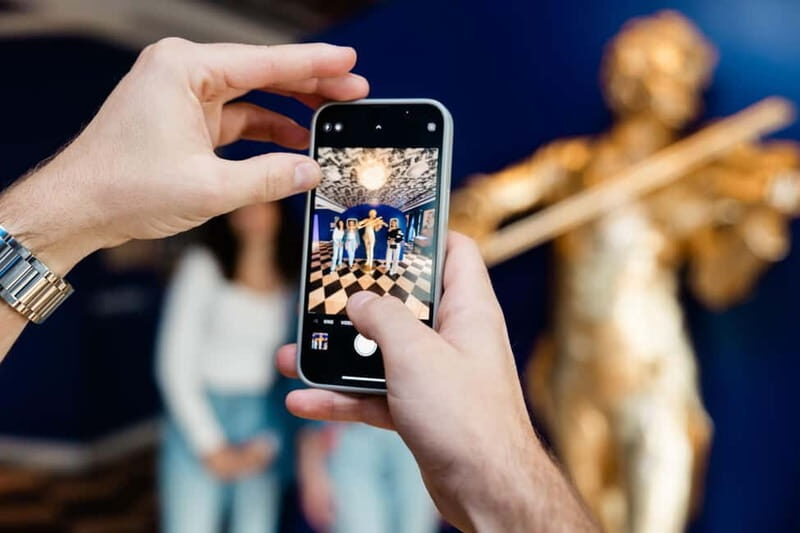
The main event is the Strauss Concert Hall. This is the room where all four members of the Strauss dynasty—Johann I, Johann II, Josef, and Eduard Strauss—once played for Viennese high society. That single detail changes how you experience everything else. You’re not just hearing about them. You’re standing in the same kind of venue where their music would have landed.
You’ll also get a multimedia concert show as part of your admission to the hall. The museum doesn’t leave you with passive listening. It guides you toward the show format using the concert hall setting as the payoff. That makes the visit feel like more than an exhibit walk-through.
Practical tip: give yourself enough time to actually settle into the hall. If you rush, you’ll miss how the show is designed to land as a climax.
The 2,000 m² interactive classical music history: walk, listen, then look again
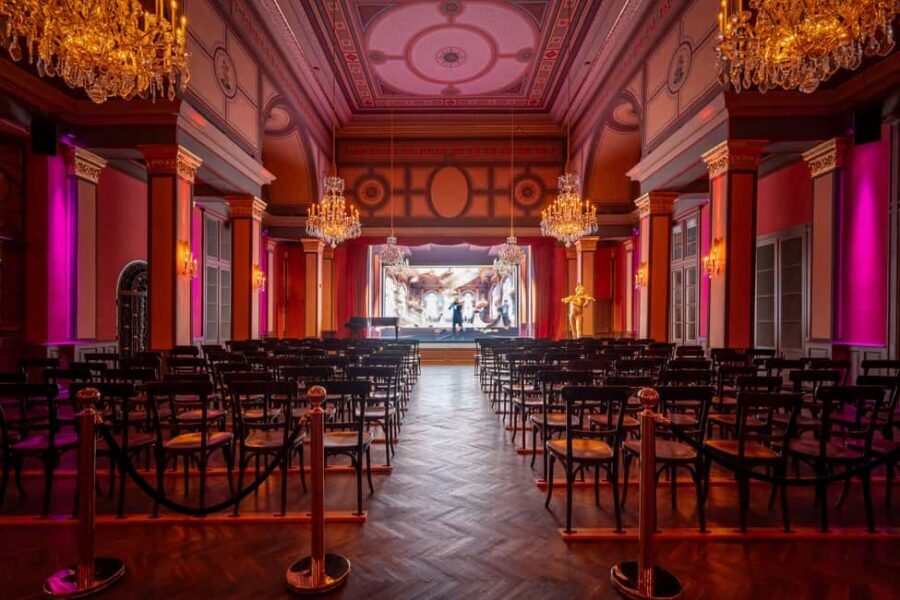
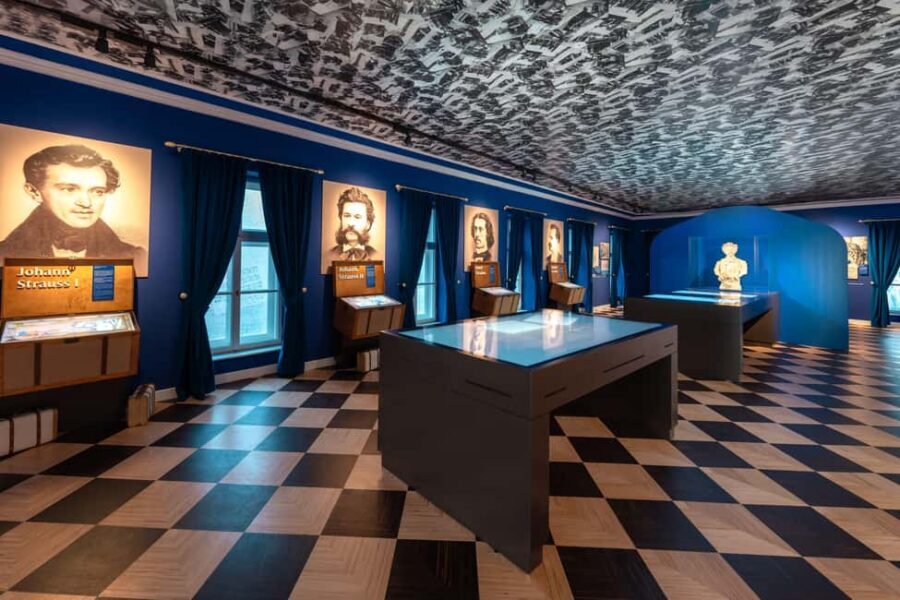
Across 2,000 m², you’ll move through beautifully preserved spaces and interactive displays. The museum’s strength is that it doesn’t rely only on reading. It mixes preserved salons, interactive classical music history elements, and rare archival materials, so your brain has multiple ways to connect the dots.
As you travel room to room, Strauss, Lanner, and Ziehrer can accompany you through the experience. Even if you don’t know their music by name, the setup helps you understand the soundscape of the era as something you can experience, not just an idea you can memorize.
Here’s how to get the most from this part: don’t treat every room like a checklist. Use the audio guide to decide what to linger on. When the museum is asking you to listen, let that take priority for a minute or two before you start scanning every display panel.
House of Strauss Exhibition: the museum adds depth beyond the concert hall
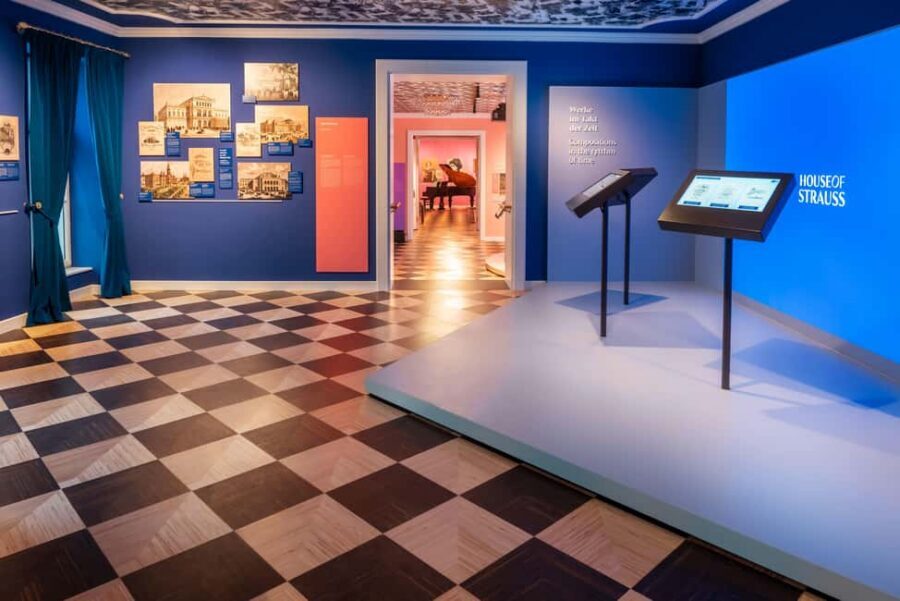
Alongside the concert hall experience, your ticket includes complimentary entry to the House of Strauss Exhibition. This is where the museum leans into the family collection angle, including the world’s largest private Strauss collection.
This matters if you’re the type who wants context, not only vibes. The exhibition format is a chance to slow down and connect the names—Johann I, Johann II, Josef, and Eduard—to artifacts and materials that support the story of the Strauss dynasty. If you’ve ever wished a museum would let you go from emotional to factual without switching venues, this setup is built for that.
One balanced note: if you’re purely chasing a show-and-go classical experience, the exhibition may feel a bit more like museum time (reading, viewing, absorbing). But if you enjoy details, you’ll likely find it satisfying.
Audio guide app in English and German: your best tool for a personal pace
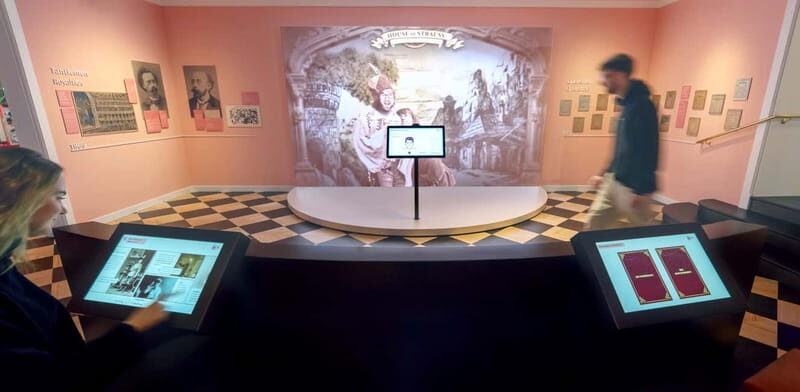
The audio guide is included, with English and German options. That’s one of the biggest practical strengths here, because the museum is self-guided. You’re given the structure, but you control the tempo.
In a museum like this, the audio guide does two jobs:
1) It tells you what you’re looking at, so you’re not stuck guessing.
2) It helps you synchronize the room experience with the music theme.
If you don’t want to get bogged down, use a simple rhythm: listen first, then look longer. If you’re scanning details first, you can miss the narrative the audio guide is building.
One thing to keep in mind: at least one visitor felt that if you don’t master the language of Goethe, you may wish for an extra quick recap in English. Your best protection against that is using the audio guide early, so you’re not relying on visual text alone.
You can also read our reviews of more museum experiences in Vienna






The multimedia finale for Johann Strauss Jr.: music, light, and projection
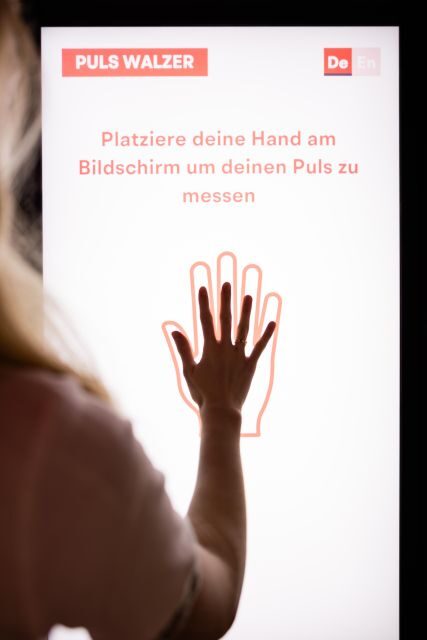
The visit culminates in the original concert hall with a spectacular audiovisual show celebrating Johann Strauss Jr., presented as the Waltz King. This is where the museum turns the “Strauss family story” into a dramatic experience.
The show uses music, light, and projection, and it’s designed as an emotional tribute. That’s a key point: the museum isn’t trying to be only informative here. It’s also trying to make you feel the ending of the journey.
If you love classical music museums but sometimes find the last room anticlimactic, this finale is a big reason to choose the House of Strauss over a quick stop. It gives your brain a final memory hook: the family name connected to the sound you came for, in the place it belonged.
What the reviews reveal (and what I’d do with that info)
The feedback you’ll see about this museum clusters around a few themes that are useful for your decision.
First, people consistently call the museum interactive and fun for a range of ages. That doesn’t mean it’s only for kids. It means the design uses hands-on presentation, not just lecture-style panels.
Second, visitors praise the way it’s presented—well documented, illustrated, and built so you can both watch and listen comfortably. If you like museums where the media mix feels intentional, this is worth your time.
Third, the biggest expectation gap is about live guidance. Some visitors received warm welcome, and the museum has English/German host or greeter support. But it’s still not a full guided tour in the classic sense. If you want a guide to escort you step-by-step and explain everything in real time, you might feel disappointed.
My advice: treat the audio guide as the “guide.” Show up ready to press play, then let the rooms do the rest.
Price and value: why $22 can work (if this is your kind of museum)
At about $22 per person, this museum sits in the “worth it for a full, self-paced cultural day” category. The value comes from what you get bundled together:
- Admission to the Strauss Concert Hall with a multimedia show
- Complimentary entry to the House of Strauss Exhibition
- An audio guide app in English and German
If you only wanted the exhibition, you’d still get museum value. If you only wanted the show, you’d likely still feel satisfied because it happens in the original historic hall. The best value is when you do both: hall first for the atmosphere, then exhibition for the context, ending back where the story pays off.
One more value note: you can skip the ticket line, which matters in a city where your day can evaporate faster than you plan.
Who should book the House of Strauss (and who might not)
This works especially well if you’re:
- a fan of Viennese classical music, especially the Strauss legacy
- the type who likes museums where the building and the media format do heavy lifting
- traveling with a mixed group, since the experience has an interactive, family-friendly feel
It might not be your best fit if:
- you’re looking for a tightly led guided tour with constant human narration
- you strongly prefer printed English text as your main interpretation method
Tips to make your visit smoother
A few small choices will make the experience feel less like museum marathoning and more like an actual story.
- Start with the audio guide before you get far, so you’re hearing the narrative while the rooms are still fresh.
- In the concert hall, slow down. Even though it’s multimedia, the point is to let it land in that historic space.
- Don’t treat the interactive areas as distractions. If you’re curious, they’re part of how the museum teaches you without making it feel like homework.
- If you’re short on time, prioritize the concert hall route and then use the exhibition to deepen what you just experienced.
Should you book the House of Strauss?
Yes, I think you should book it if you want a Vienna cultural stop that blends historic space with interactive classical storytelling—and especially if the Strauss family and Viennese waltz era are your thing. The Strauss Concert Hall plus the multimedia finale are strong reasons on their own, and the included exhibition helps you connect the names to real material.
If your perfect museum day is nonstop live guiding and lots of quick English reading on paper, you may want to adjust expectations. This is self-guided by design, and the audio guide is the star tool that makes it work.
FAQ
How long is the Strauss Museum experience?
The activity is listed as 1 day, and it’s valid for that same-day visit. You’ll want to check availability for starting times.
What’s included with admission?
You get admission to the Strauss Concert Hall with a multimedia concert show, complimentary entry to the House of Strauss Exhibition, and an audio guide.
Is the audio guide included, and in what languages?
Yes. The audio guide is included, with English and German options.
Can I skip the ticket line?
Yes. Skip-the-ticket-line access is included.
Is the museum wheelchair accessible?
Yes, it is wheelchair accessible.
How much does it cost?
The price is listed as $22 per person.
What’s the museum’s host or greeter language?
The host or greeter is listed as English and German.